Contact Us
Return to news & insights

How Minetek’s Water Solutions Help Combat the Challenges of Acid Mine Drainage

Publish date: 12 November 2024

In metal mines, valuable ores like gold, silver, and copper are often found within sulphide minerals. When these sulphides are exposed to air and water during mining operations, a chemical reaction generates sulfuric acid. This acid can then dissolve and release toxic metals and metalloids, such as arsenic, from the surrounding rock, leading to a dangerous environmental issue known as acid mine drainage (AMD).

Understanding Acid Mine Drainage

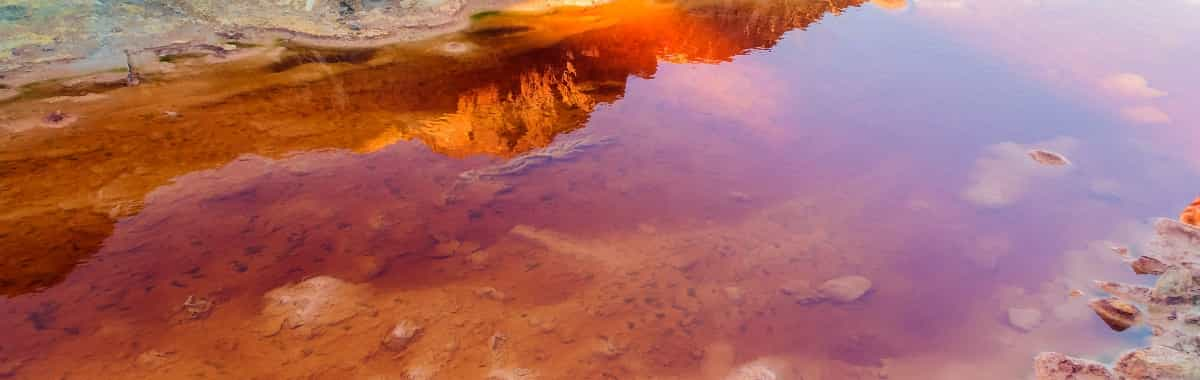
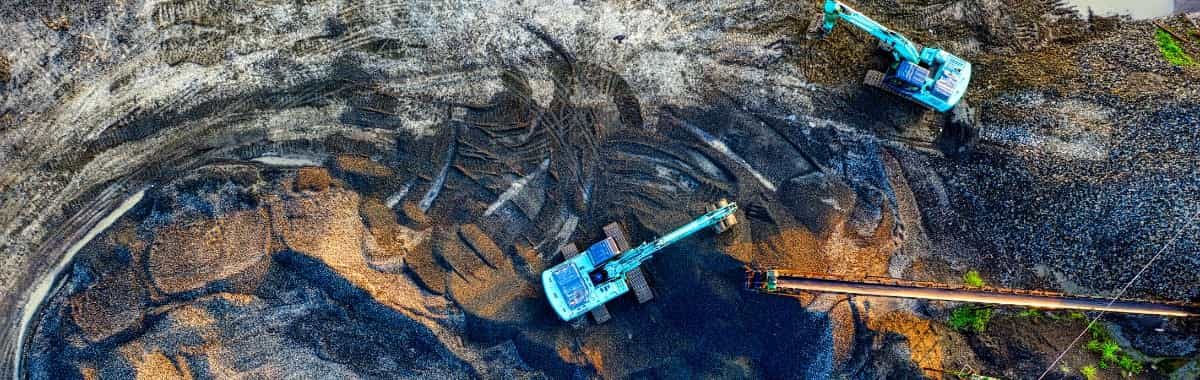
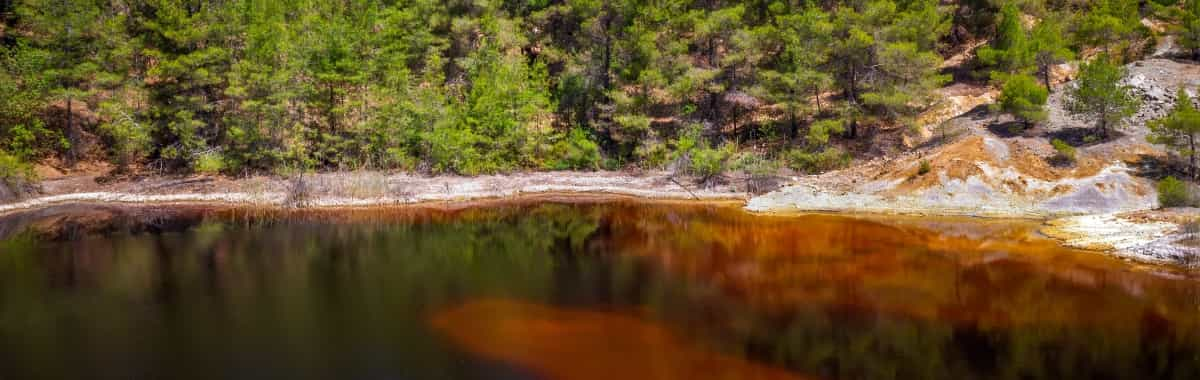
Acid mine drainage (AMD) can occur wherever sulphide minerals are exposed, including waste rock piles, tailings (the residue from ore processing), open pits, underground tunnels, and leach pads. A common sign of acid drainage is “yellow boy,” a yellow-orange precipitate that forms when the pH of acidic water rises above 3, causing dissolved iron to solidify and settle. Streams affected by AMD often have dangerously low pH levels—sometimes as low as 4 or lower—making them as acidic as battery acid. These highly acidic conditions severely damage aquatic life, plants, and wildlife dependent on these ecosystems.

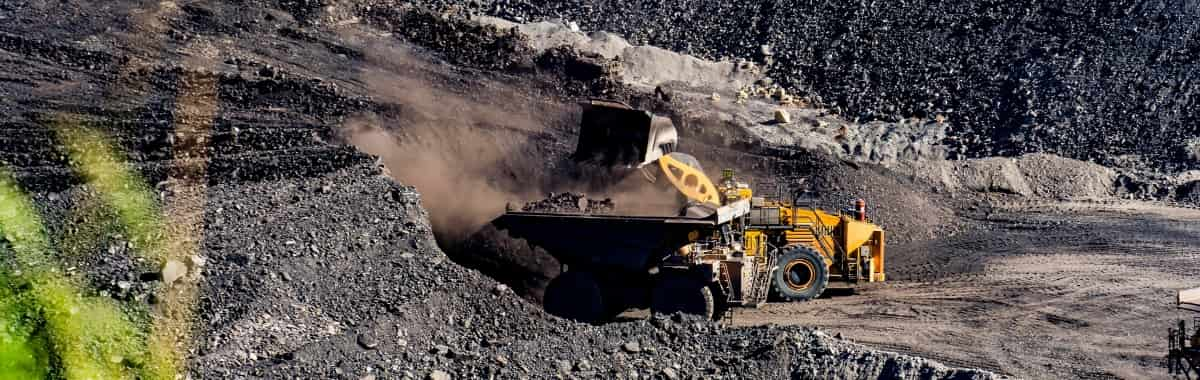
Acid Mine Drainage

A notable example is the Zortman Landusky mine in Montana, where acid and metal runoff has devastated biological life in numerous streams across the Little Rocky Mountains. The long-lasting nature of acid mine drainage makes it particularly destructive—it can continue to occur long after mining activities have ceased. A comprehensive literature review on the subject has noted that no hard rock surface mines have been able to demonstrate the successful cessation of acid mine drainage once it has begun on a large scale. This enduring environmental threat underscores the necessity of stringent laws and regulations to manage and mitigate the impacts of mining operations.

To address this ongoing threat, it is essential that mining operations are held to the highest environmental standards. Preventing AMD requires thorough planning and management of waste rock, tailings, and other mine by-products, along with effective water treatment systems to neutralise acid before it causes lasting damage.

Acid Mine Drainage

Minetek’s Role in Mitigating Acid Mine Drainage Through Advanced Evaporation Systems

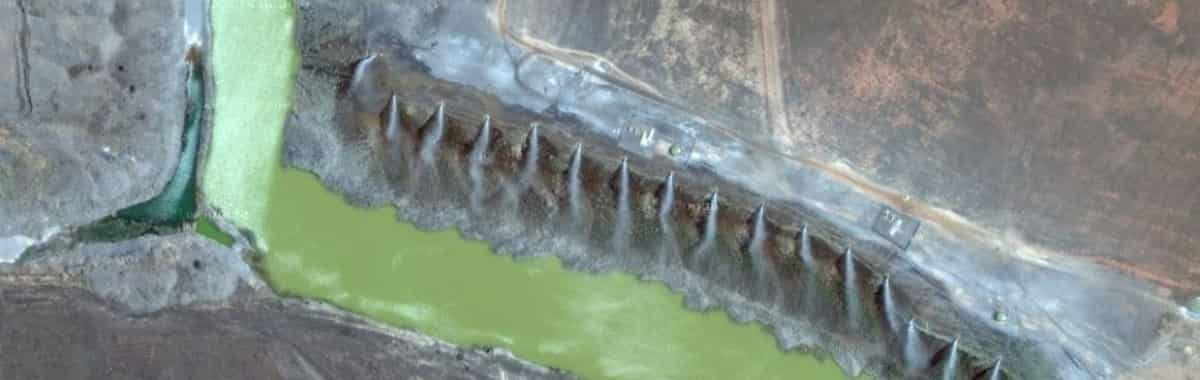
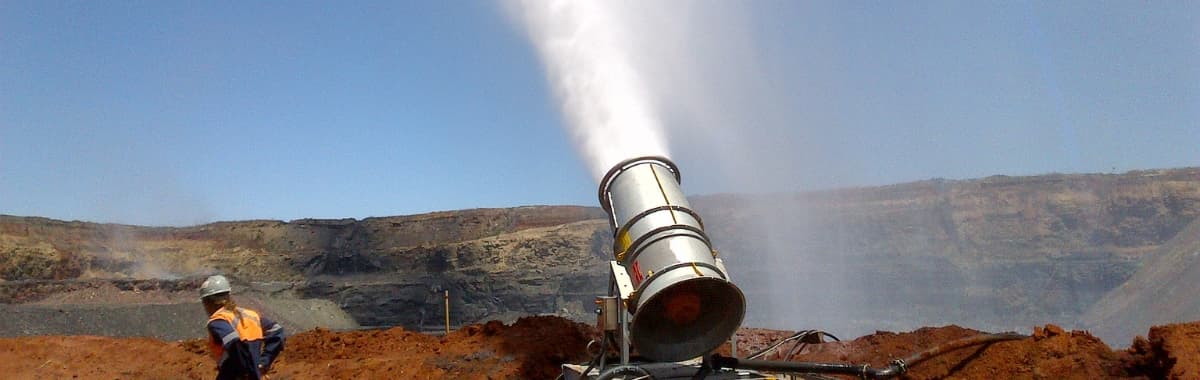
Minetek’s advanced wastewater evaporation solutions play a vital role in the mining industry’s efforts to address the severe environmental challenges of acid mine drainage (AMD). As a global leader in industrial water management, Minetek Water brings decades of expertise in providing sustainable and efficient solutions to some of the most complex environmental issues, making them a trusted partner for organisations aiming to achieve safe, compliant, and profitable operations.

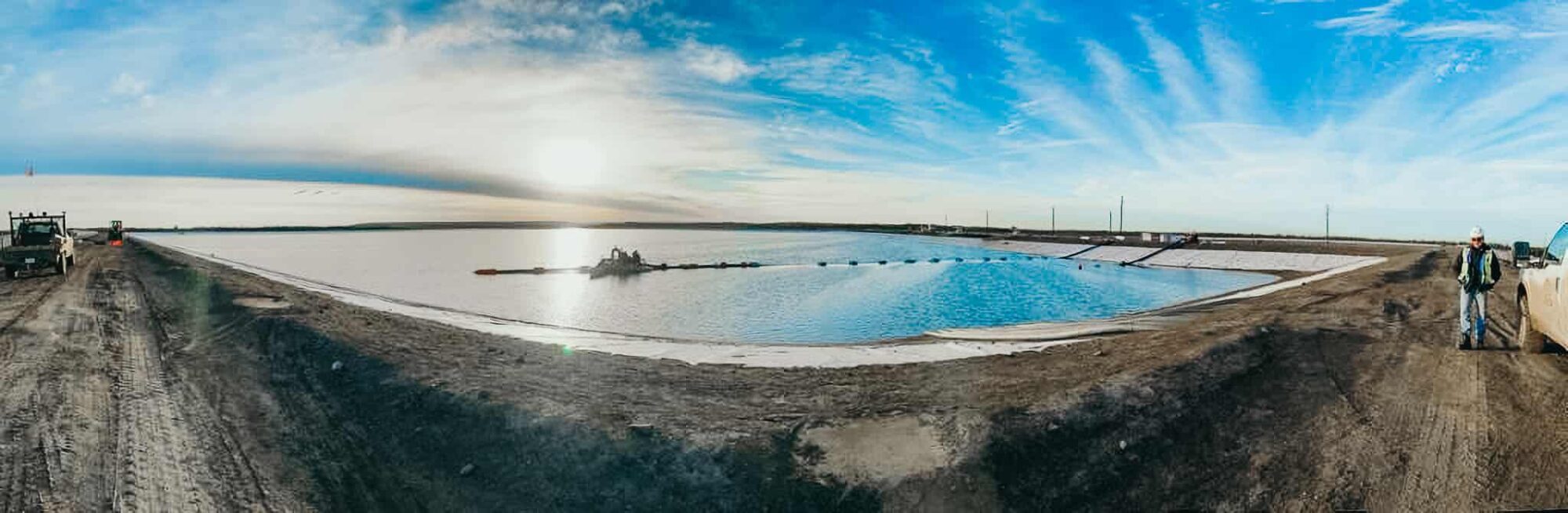
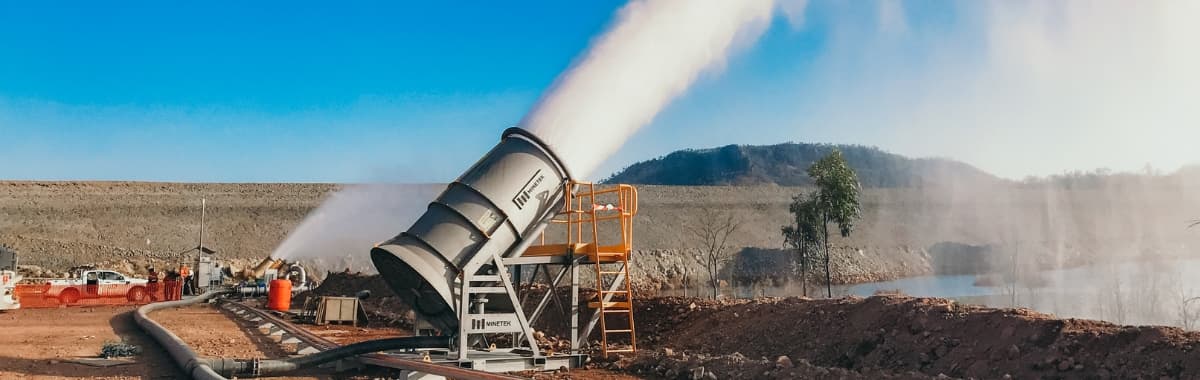
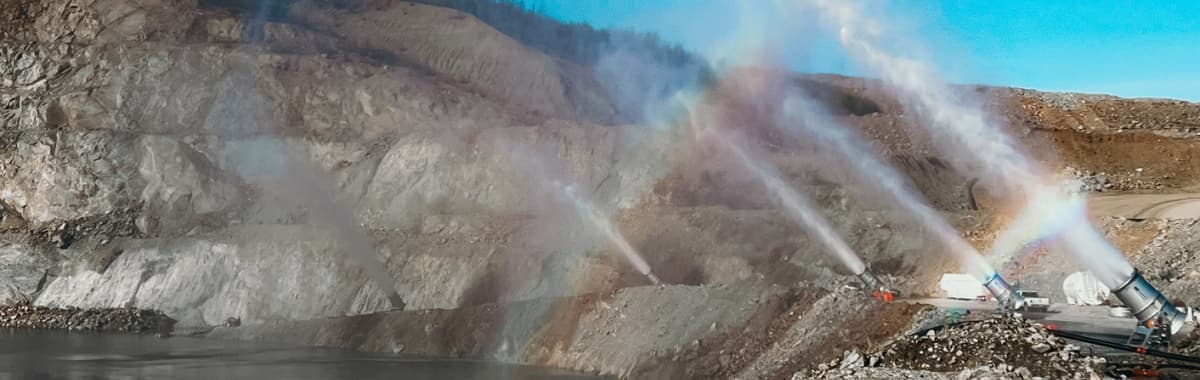
Minetek’s land-based evaporation systems are highly effective at managing various water qualities, making them particularly valuable for mitigating risks associated with sulphidic mine waste and other toxic leachates. These systems are not only the largest and most cost-effective globally but are also designed with mobility and flexibility in mind, allowing for deployment in even the most demanding industrial environments. This adaptability enables mine operators to concentrate on their core operations—such as production and profitability—while ensuring strict environmental compliance.

The technology behind Minetek’s water evaporators is based on fundamental principles of fan engineering and airflow dynamics, resulting in an efficient and sustainable solution. These evaporators are capable of handling water with pH levels ranging from 2.2 to 12, covering both highly acidic and caustic conditions, as well as water with elevated levels of total dissolved solids (TDS) and total suspended solids (TSS). This versatility is crucial for addressing the complex water management challenges posed by AMD, where water chemistry can vary widely.

Acid Mine Drainage

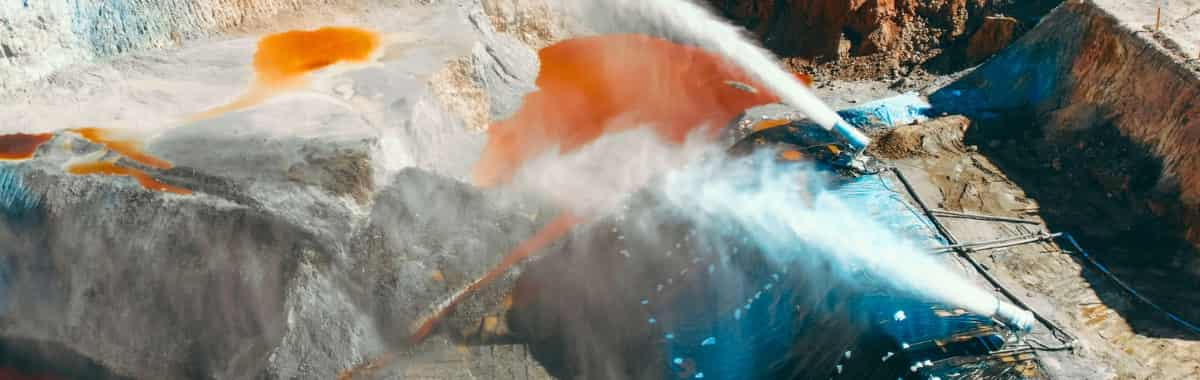
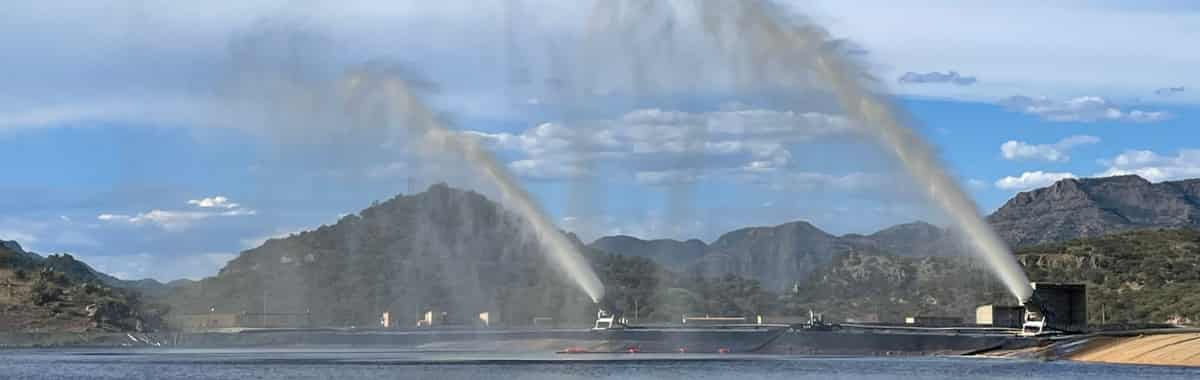
One of the key features of Minetek’s evaporators is their ability to evaporate up to 50% of the sprayed water volume as pure water vapour, depending on the climate, with the remaining droplets returning to the feed pond. This high level of efficiency not only reduces the volume of hazardous water that requires treatment but also helps to minimise the environmental footprint of mining operations. The evaporators are equipped with patented nozzles capable of handling solids up to 4.0mm in diameter, ensuring long-term durability and reliable performance even in challenging conditions.

With a proven track record of over 700 successful projects worldwide, Minetek has solidified its position as a leader in water evaporation technology. Their land-based evaporators are particularly renowned for consistently processing various types of contaminated water, helping to safeguard ecosystems from the ongoing threat of acid mine drainage. Minetek’s dedication to innovation and environmental stewardship is clear in its approach, which balances operational efficiency with a strong commitment to ecological responsibility.

Conclusion

AMD remains a significant environmental challenge, with the potential to cause lasting harm to ecosystems long after mining activities have ceased. Addressing this issue requires stringent regulations, careful management of mining by-products, and the implementation of advanced technologies.

Minetek’s innovative wastewater evaporation solutions provide an effective and sustainable approach to mitigating the risks associated with AMD. By offering flexible, efficient, and environmentally responsible water management systems, Minetek is playing a crucial role in helping the mining industry meet its environmental obligations while maintaining operational profitability.

For more information on our water management solutions, click the link below to download our eBook on our Minetek Water Evaporation Technology.

Download Now

FAQ’s

How do you identify acid mine drainage?

Acid mine drainage often reveals itself through discolored water: orange, yellow, or cloudy. But appearances can be deceptive. Even clear water may carry high acidity and dissolved metals like arsenic or lead. Accurate identification requires pH testing and heavy metal analysis, especially near mining sites with exposed sulfide minerals.

How do acid mine drainage pollutants interact with other industrial contaminants in waterways?

Acid mine drainage lowers pH levels, intensifying the reactivity of metals and other pollutants. When mixed with industrial contaminants, it accelerates chemical reactions, mobilizing toxins and amplifying ecological damage across waterways. 

Can acid mine drainage cause landslides?

Yes. Acidic water weakens soil structures and corrodes rock formations. Over time, this degradation can destabilize slopes, increasing the risk of landslides, especially in high-rainfall regions or areas with poor drainage. 

How does acid mine drainage contribute to biodiversity loss?

By flooding ecosystems with acidity and heavy metals, acid mine drainage suffocates aquatic life and disrupts food chains. It forms iron precipitates, like “yellow boy,” that blanket streambeds, choking out oxygen and biodiversity. 

What are the cumulative effects of acid mine drainage on soil chemistry and plant growth?

Acid mine drainage alters soil pH and infuses it with toxic metals, reducing fertility. This stunts plant growth, contaminates crops, and can render entire landscapes unproductive for years. 

How do seasonal variations and climate factors affect the severity and spread of acid mine drainage?

Heavy rainfall accelerates runoff, spreading acidic contaminants faster. Drier seasons can concentrate pollutants in stagnant pools. Climate change intensifies both extremes, worsening the spread and severity of acid mine drainage. 

How long can acid mine drainage remain a threat after a mine has been closed?

It can persist for decades or even centuries. The chemical reaction that causes it continues long after mining stops, especially in the absence of active treatment. Contaminants from abandoned sites often leach into nearby ecosystems, creating ongoing environmental and regulatory challenges. 

What are the common methods used to prevent acid mine drainage formation?

Prevention starts with controlling exposure. This includes sealing waste rock, managing runoff, and using alkaline materials to neutralize acidity. However, these methods are often complex and costly without a sustainable water management system. 

What are the economic costs and benefits of different acid mine drainage treatment approaches?

Chemical treatment and water transport come with high capital and ongoing maintenance costs. Minetek’s on-site evaporation systems eliminate these expenses by reducing water volumes at the source, removing the need for complex pre-treatment or chemical plants. This lowers overhead, simplifies operations, and delivers long-term savings while maintaining environmental integrity.

How does evaporation change pH levels in acid mine drainage pools or ponds?

Controlled evaporation stabilizes acidity while reducing water volume. Minetek’s high-performance evaporators are engineered to handle extreme conditions, including high TDS, TSS, and acidity. By focusing on volume reduction at the source, our systems simplify acid mine drainage management without compromising environmental performance or site flexibility.

Return to news & insights

The Importance of Progressive Rehabilitation in Australian Mining

Publish date: 12 November 2024

The Importance of Progressive Rehabilitation in Australian Mining

In recent years, the Australian mining industry has made notable progress in meeting social and environmental responsibilities, particularly through the growing emphasis on progressive rehabilitation plans at active mine sites. This shift reflects a positive change, integrating environmental restoration as a continuous part of mining operations rather than a final step.

These sustainable practices represent a sharp contrast to historical mining approaches, which often left behind a legacy of abandoned, environmentally compromised sites. Australia now hosts approximately 80,000 inactive mines, many dating back to the gold rush era of the 1850s—a period of rapid economic growth that helped build cities like Melbourne but left a lasting environmental impact.

Without regulations for mine rehabilitation at the time, many sites were deserted after resource extraction, resulting in persistent environmental issues today. These abandoned mines contribute to dust pollution, soil erosion, and waterway contamination from heavy metals and other pollutants, underscoring the critical importance of current sustainable practices in the industry.

Minetek Water

The enduring impact of abandoned mines underscores the critical need for ongoing rehabilitation. In regions impacted by historical mining, state governments continue to address the environmental legacies left behind, undertaking complex and costly remediation projects. These efforts often involve removing toxic materials, stabilising mine tailings, and restoring natural habitats.

Proactive rehabilitation is essential—not only for addressing immediate environmental risks but also for supporting the long-term ecological health of areas surrounding mining sites. The industry’s commitment to reducing its environmental footprint is evident in the mandate for progressive rehabilitation practices at all active mine sites, ensuring responsible land use and sustainability.

Water Management Challenges in Mine Closure

Water-related issues are among the most severe environmental impacts following mine closures, with effects that can persist for decades or even centuries. When mines cease operations, a lack of ongoing management can lead to the build-up and release of contaminated water, posing significant risks to nearby ecosystems and communities. A major concern is acid mine drainage (AMD), a reaction where sulphide minerals in exposed rock surfaces interact with air and water to produce sulphuric acid. This acid then leaches heavy metals from the surrounding rock, creating a toxic mix that can pollute nearby rivers, lakes, and groundwater.

An example highlighting these issues is a 2017 study by Dr. Ian Wright, a prominent Australian water scientist. His research on the Berrima Colliery, an abandoned coal mine in New South Wales under ‘care and maintenance’ since 2013, revealed that the site was releasing roughly 30 litres of heavy metal-laden water per second into the Wingecarribee River—equivalent to an Olympic-sized pool of toxic water discharged each day. This study underscores the ongoing challenges posed by water contamination at closed mine sites.

Minetek Water

The water discharged from the Berrima Colliery contains dangerously high concentrations of heavy metals, including zinc, nickel, and manganese—elements known to harm human health and aquatic ecosystems. For example, zinc levels are more than 120 times the normal baseline, posing a serious threat to the river’s ecological balance. These contaminants degrade water quality and accumulate in the river’s sediment and organisms, leading to lasting ecological damage.

The impact of this contamination goes well beyond the immediate environment. As part of Sydney’s drinking water catchment, the Wingecarribee River could affect the health of millions relying on it as a water source. Local fishing communities are also concerned, as heavy metals bioaccumulate in the food chain, affecting fish populations essential for nutrition and livelihood. Contaminated fish present direct health risks to consumers who may unknowingly ingest toxic substances.

This case highlights the potential long-term impact of mining on water resources, underscoring the need for robust water management and treatment in mine closure plans. Without such measures, abandoned mines could continue to threaten public health, ecosystems, and local economies for generations.

Minetek’s Comprehensive Water Management Strategies

Minetek Water leads the mining industry in tackling the complex challenges of managing and rehabilitating disused mines in Australia. Renowned for delivering innovative, effective solutions, Minetek Water is committed to mitigating the environmental and safety risks associated with abandoned and inactive mine sites. With deep expertise in providing comprehensive, turn-key solutions, the company addresses the multifaceted issues surrounding mine-affected water, particularly in tailings dam operations, both within Australia and worldwide.

Minetek Water’s mechanical evaporation technology is a leading solution for safely managing mine-affected water. Designed to handle large volumes containing hazardous contaminants like leachates and sulphidic mine wastes, this technology prevents harmful substances from migrating into surrounding ecosystems, reducing the long-term environmental impact of mining.

Beyond mechanical evaporation, Minetek Water offers comprehensive water management strategies, including advanced treatment technologies to control acid mine drainage. By neutralising acidic water, these solutions prevent heavy metals from leaching into nearby rivers and lakes, protecting both aquatic ecosystems and the health of local communities who rely on these waters for drinking, agriculture, and recreation.

Minetek Water’s innovative approach addresses immediate environmental and safety challenges while creating lasting benefits. By transforming neglected sites into safe, manageable areas, their advanced technologies control acid mine drainage, reduce water contamination, and promote the recovery of ecosystems impacted by mining. This long-term commitment ensures these areas no longer pose a threat to surrounding communities and environments.

Minetek Water
Return to news & insights

Minetek’s Proven Excellence At Delivering Innovative, On-Time, and On-Budget Solutions

Publish date: 12 November 2024

The saying “time is money” is especially relevant in business, where operational downtime directly results in lost revenue. This is even more critical in sectors like mining, where heavy machinery is essential for daily operations.

When equipment breaks down, the financial impact is immediate and significant, with each failure potentially costing hundreds of thousands of dollars. Beyond repair costs, downtime leads to halted production, missed deadlines, and delayed project milestones, making swift, effective solutions crucial.

These financial impacts go beyond repairs and parts. Indirect costs, such as lost productivity, reduced efficiency, and potential damage to client relationships due to missed deadlines, can be especially harmful in the competitive mining industry.

Minetek Sound

To minimise risks and maintain profitability, mining companies must adopt robust strategies to address and prevent equipment failures. Central to this approach are proactive maintenance practices, with regular inspections playing a key role. Preventive maintenance schedules and real-time monitoring systems help identify potential issues before they cause breakdowns. Additionally, investing in high-quality equipment and establishing rapid-response teams for emergency repairs can significantly reduce downtime.

Minetek’s Strategy for Timely, Budget-Conscious Project Delivery
Minetek is an innovative leader in the engineering, design, manufacture, and implementation of conventional and advanced equipment for the industrial and mining sectors. Committed to delivering top-quality products and exceptional customer service, our experienced teams provide comprehensive end-to-end solutions, ensuring every aspect of your project is executed with precision and expertise.

Minetek Air team
Minetek has earned a strong reputation for delivering mining projects on time and within budget, even in the highly demanding mining sector. This success is driven by advanced project management techniques, including detailed planning, real-time monitoring, and adaptable problem-solving. With a skilled team managing complex operations, Minetek ensures that every project phase, from planning to execution, runs smoothly, giving you confidence that your project will be delivered as promised.

A key component of Minetek’s strategy is minimising downtime. This is achieved through effective maintenance protocols, advanced technology for early issue detection, and rapid resolution of problems. This proactive approach prevents minor issues from becoming major disruptions, significantly boosting operational efficiency.

Minetek’s consistent ability to meet tight deadlines and budget constraints reflects its commitment to excellence. By reducing downtime risks and delivering exceptional project outcomes, Minetek reinforces its position as a reliable partner in the mining industry, expertly navigating the sector’s complex challenges.

Minetek Power team
Conclusion

Minetek stands as a leader in engineering and project management, with over 30 years of experience providing comprehensive air, water, and sound solutions. Their innovative approach ensures projects are completed on time and within budget.

With a strong focus on reducing downtime and delivering high-quality results, Minetek has earned its reputation as a trusted partner in the mining sector. By consistently applying advanced techniques and prioritising efficiency, Minetek effectively tackles the industry’s complex challenges, solidifying its status as a reliable provider of impactful solutions.

Return to news & insights

The Transformative Power of VOD in Underground Ventilation

Publish date: 12 November 2024

It should go without saying the integral role ventilation systems play in supporting the safety of underground mining operations. Primarily, these systems fulfil three primary functions:

  1. Supplying fresh air to miners,
  2. Diluting hazardous and particulate substances, and
  3. Controlling temperature and humidity levels within the mine.

Yet, as mines expand and age, ventilation becomes more challenging. With deeper tunnels and complex layouts, airflow must be precisely managed and adapted to changes in mining activity and fluctuating gas levels.

To meet these demands, mines rely on large, surface-based fans that continuously push fresh air into various sections. This nonstop operation consumes a significant amount of energy, making ventilation one of the most energy-intensive aspects of mining.

Ventilation on Demand (VOD) has emerged to address these challenges, enabling smarter, more energy-efficient airflow management.

In today’s article, we dive into how VOD works, its benefits for mining operations, and how Minetek Air can support a seamless transition to this innovative system.

Minetek Air Underground Ventilation

What is Ventilation on Demand (VOD)?

Ventilation on Demand (VOD) is a transformative solution for mining ventilation, delivering fresh air to specific areas of a mine only when and where it’s needed. This shift from a static to a dynamic, intelligent air supply makes ventilation more efficient, significantly reducing the total airflow required across the mine.

Traditionally, mine ventilation operated on fixed schedules, often leading to over-ventilation during low-activity periods, wasting energy and reducing air quality. VOD changes this by using real-time data and advanced algorithms to continuously monitor variables like airflow velocity and temperature. This technology enables precise ventilation adjustments, allowing operators to meet each area’s requirements as conditions change.

Benefits of VOD for Mining Operations

Resource Efficiency
VOD’s intelligent air system activates ventilation only where and when it’s needed, avoiding the unnecessary operation of the entire system. This selective approach conserves energy and reduces equipment wear, extending the life of ventilation infrastructure and lowering maintenance costs.

Energy Savings
By reducing the volume of air pumped through the mine, VOD lowers electricity use, one of the largest costs in mining. Optimising airflow cuts energy expenses, leading to substantial financial savings and helping mines meet sustainability goals by reducing their carbon footprint.

Improved Air Quality
Through real-time monitoring and advanced algorithms, VOD delivers precise ventilation, preventing both under-ventilation, which can lead to unsafe conditions, and over-ventilation, which can disrupt the underground atmosphere. This precise control enhances air quality, supporting better health and safety for miners.

Minetek Air Underground Ventilation

Safety and Comfort
VOD enhances the mining work environment by maintaining essential oxygen levels and reducing harmful contaminants. This positively impacts miners’ well-being, helping reduce health-related absences and boosting productivity. Comfortable conditions are vital in high-stress environments like mines, where physical and mental strain can be significant.

Cost Effectiveness
VOD increases ventilation system efficiency, minimising operational costs tied to energy consumption and maintenance. Reduced airflow needs often allow for smaller, more affordable ventilation equipment, cutting both initial setup costs and ongoing expenses.

Ultimately, VOD represents the future of mining ventilation, where technology and necessity come together to create safer, more efficient mining practices.

Minetek’s VOD-Ready High Output Axial Fans

With nearly four decades of experience, Minetek leads in innovative, modular air management solutions for global industry leaders. Minetek is committed to advancing mining solutions through top-tier engineering, cutting-edge technology, and thorough research and development—all our fans are designed to support VOD.

Our High Output Axial Fan, built specifically for the mining sector, delivers robust and reliable underground ventilation with a broad operational range. Its steel-fabricated impeller, engineered to withstand pressures once thought impossible for an axial fan, enables operation in even the harshest mining environments.

Minetek Air Underground Ventilation

Minetek’s powerful single-speed fans are proven to cut power consumption costs by up to 50% while improving underground mining ventilation systems. These compact units surpass the performance of traditional larger fans and can be swiftly and effortlessly relocated to new areas as mining operations expand.

Engineered to the highest standards, each fan operates over a broad range and is regulated by an integrated Performance On Demand (POD) system. Significantly, they do not require complex or expensive VOD controls, allowing for smooth integration into existing systems.

This positions Minetek’s High Output Axial Fan as not only a cost-effective choice but also a user-friendly solution that boosts operational flexibility. With Minetek’s technology, mining operations can realise substantial energy savings and adopt a more versatile ventilation approach without the need for major modifications or intricate installations. This makes Minetek’s High Output Axial Fan not only a cost-effective solution but also a user-friendly option that improves operational flexibility.

As mining operations continue to evolve, embracing these advanced systems will be key to achieving higher productivity and environmental responsibility. Minetek’s longstanding commitment to quality and innovation positions it as a leader in the push towards more sustainable and effective mining practices, ensuring that its solutions lead the way in meeting the challenges of modern mining environments.

Return to news & insights

How Minetek Safely & Efficiently Manages All Mine Water Qualities

Publish date: 12 November 2024

Despite recent advancements in mining practices, serious environmental risks persist, particularly concerning water pollution. Certain mining activities significantly harm water quality.

One primary issue is Acid Rock Drainage (ARD), a natural process where sulphide minerals in rocks react with air and water, producing sulfuric acid—a highly corrosive chemical that can cause severe skin and eye injuries.

This acidic runoff can occur both during and long after mining activities, persisting well beyond mine closures. Acid Mine Drainage (AMD) exacerbates ARD, accelerating the process when large amounts of sulphide-rich ores are exposed to air and water. This reaction increases acidity and releases toxic metals like iron, aluminium, and manganese into nearby water sources.

The effects of ARD and AMD are severe and enduring. Acidic discharges can pollute rivers, streams, and lakes for decades, making them unsafe for both aquatic life and human use.

The increased acidity also disrupts the pH balance, enhancing the leaching of heavy metals from surrounding rock formations. Metals such as arsenic, cadmium, lead, and mercury, commonly found in ores, become mobile in acidic conditions. This mobilisation poses serious risks to the environment and public health near mining sites.


4o
Minetek Water Evaporator

The use of chemical agents in mineral processing adds to the environmental challenges mining poses. Chemicals like cyanide, primarily used in gold extraction, and sulfuric acid, widely applied in mineral refining, pose significant risks if not carefully managed. Accidental spills or leaks can contaminate water sources, soil, and ecosystems, endangering the health of nearby communities.

In response, mining companies are under growing pressure to adopt stricter environmental management practices. These efforts focus on implementing technologies to reduce Acid Rock Drainage (ARD) and Acid Mine Drainage (AMD).

Such measures include isolating and covering sulphide-bearing materials to prevent oxidation, as well as developing methods to treat and neutralise acidic mine waste before it can enter natural waterways. Regulatory frameworks play a crucial role in enforcing these environmental standards, holding mining operators accountable for preventing and addressing pollution. These frameworks help reassure the public of the industry’s commitment to environmental protection.

The Case for Evaporating Contaminated Water in Mining Operations

Evaporation represents a proven solution for mitigating the environmental risks linked to mining impacts on water quality. This method involves the controlled evaporation of water from contaminated sources, offering several distinct advantages in environmental management.

On-site evaporation offers a proactive solution to the AMD issue. By evaporating contaminated water on-site, mining companies can intercept this acidic discharge before it reaches natural water bodies. This approach stops the spread of AMD downstream. It also protects aquatic ecosystems from acidification and heavy metal contamination. This gives us confidence in our ability to prevent these issues.

Moreover, the evaporation process concentrates pollutants within the remaining liquid phase, facilitating more effective treatment or disposal of contaminants. Processing concentrated pollutants can separate and recover valuable minerals or metals, which contributes to the sustainability of mining operations through resource recovery.

Minetek Water Evaporator

The Risks of Transporting Polluted Water

Many clients worry about water evaporation. They often say their water quality is too poor for effective evaporation. Instead, they think someone must take it off-site. This perception overlooks several critical considerations.

Firstly, transporting contaminated water off-site poses significant environmental and logistical challenges. Hazardous liquids, like those with heavy metals and acids from mining, can spill or leak during transport. These incidents can result in severe environmental contamination along transportation routes, affecting soil, water sources, and ecosystems.

In contrast, treating and evaporating water on-site reduces the need for transportation. This lowers the risks of spills and leaks. This approach improves overall environmental safety and mitigates liabilities for mining companies.

On-site evaporation is a flexible solution. It can handle water of different qualities. This includes highly contaminated water that may seem hard to treat at first. Minetek offers advanced evaporation technologies that effectively manage diverse types of contaminated water.

These systems can manage high levels of pollutants, such as heavy metals and acidic compounds. They work by evaporating water and concentrating the contaminants for later disposal or recycling. This ability helps the environment by lowering the overall impact of mining. It also makes sure that water management meets regulatory standards.

Minetek Water Evaporator

Minetek’s Advanced Evaporation Technology

Minetek has pioneered advanced evaporation technology designed to address the diverse challenges of wastewater management in mining and industrial settings. Built on foundational principles of fan engineering and airflow, our patented systems ensure efficient, cost-effective, and sustainable evaporation of wastewater.

This technology is designed to manage various water qualities. It works with water that is very acidic or very alkaline, with a pH range of 1.8 to over 14. It can also process water with solid particles up to 4.0mm in size.

Our mobile and flexible solutions have worked well in more than 700 projects across 29 countries. This includes countries and regions such as Brazil, Central and West Africa, the Caribbean, Southeast Asia, and the Southeastern USA. Minetek earns global recognition for delivering environmentally sustainable water management outcomes, enabling mining operations to prioritise production and profitability while meeting stringent environmental standards. This track record of success is a testament to the versatility and reliability of our evaporation technology.

Minetek’s mechanical evaporators work by pumping water at high pressure. The water goes through special nozzles that break it into fine droplets. These droplets are released into the air to evaporate. This process separates water from contaminants like solids, salts, and heavy metals.

Our evaporation technology treats the water directly. This is different from traditional water treatment methods. Those methods focus on the substances found in the water. This means it is mostly unaffected by the specific contaminants present. This unique approach ensures that the concentration and separation of pollutants occur outside the evaporator, minimising the environmental impact of wastewater disposal.

Minetek Water Evaporator

The Advantages & Capabilities of Minetek’s Evaporation Technology

There are a number of other benefits mining companies can expect from adopting our evaporation technology.

  • Wide Range of Volume Capacity: Minetek has systems that can operate over 2,160 m3/hour. This shows they can scale to meet different water management needs.
  • Low Maintenance Units: Designed for efficiency and reliability, Minetek’s evaporation units require minimal maintenance, reducing operational downtime.
  • 24/7 Automated Operation: These systems operate continuously with automated controls, ensuring round-the-clock functionality.
  • Low-Fouling, High-Pressure Atomising Stainless Steel Nozzles: These units use specialised nozzles that minimise fouling and effectively atomise water for efficient evaporation.
  • Minetek technology can process water with high levels of Total Dissolved Solids (TDS) and Total Suspended Solids (TSS). This ensures strong performance with different types of water.
  • Quick Deployment: Teams can easily set up and adjust these systems. They have modular and mobile designs to fit specific site needs.
  • Minimal Footprint & Power Required: Designed for efficiency, these systems occupy minimal space and consume less power than traditional methods.
  • Land-Based, Floating, and Skid-Mounted Evaporation Units: Minetek provides versatile units for different settings. These include land-based, floating, and skid-mounted options.
  • Epoxy, Stainless, and/or Galvanised Steel Construction Materials: Durable materials ensure longevity and reliability in harsh operational environments.
  • Fully Integrated Environmental Management System (EMS): Integrated EMS ensures compliance with environmental standards, enhancing operational efficiency and regulatory adherence.
  • Cost-Effective Solution: Minetek’s evaporation technology is approximately five times more cost-effective than traditional methods, offering economic benefits and environmental stewardship.

Minetek’s advanced evaporation technology is an important solution for the environmental challenges of global mining and can help improve efficiency and reduce costs at your site. For more information, download the eBook!

Return to news & insights

Understanding NSW Industrial Noise Management

Publish date: 7 November 2024
The mining industry is a key driver of economic growth, especially in New South Wales, where it contributes significantly to the state’s prosperity. With a rich mining heritage, NSW’s mining sector supports approximately 40,000 jobs. Coal, gold, and copper remain essential to the state’s economy, providing vital export commodities. Mining companies in NSW also play a crucial role in funding essential infrastructure and services—including roads, hospitals, schools, and law enforcement—through billions of dollars in royalties paid to the state government.

However, along with economic benefits, the mining industry bears considerable responsibilities and faces stringent regulatory oversight to ensure sustainable practices. In NSW, the Environment Protection Authority (EPA) enforces these regulations, particularly targeting noise management to safeguard both community well-being and the environment from industrial noise.

For those managing machinery noise at mine sites, understanding and adhering to these regulations is essential to remain compliant and avoid costly penalties. This article explores these EPA regulations and explains how Minetek’s noise reduction solutions can help mining operations meet these standards effectively.

Minetek Sound

The Role of NSW’s EPA in Mining Operations

To understand the NSW mining landscape, it’s essential to consider the role of the Environment Protection Authority (EPA). Tasked with protecting both the environment and public health across New South Wales, the EPA regulates activities with potential environmental impact, including air and water pollution, waste management, and land use—along with industrial noise.

Under the Protection of the Environment Operations Act 1997 (POEO Act), the EPA enforces noise regulations for licensed industrial sites, including mines. If noise levels exceed limits due to improper maintenance or handling, the EPA can issue notices to address the issue, including noise control, prevention, and abatement directions.

Non-compliance can lead to significant penalties:

  • Corporations: Fines of up to $60,000 for noise control notices and $1,000,000 for prevention notices, with daily penalties for ongoing violations.
  • Individuals: Fines of up to $30,000 for noise control notices and $250,000 for prevention notices, with daily penalties for continued non-compliance.

The POEO (Noise Control) Regulation also mandates noise labeling standards to ensure clear compliance guidelines.

This regulatory landscape highlights the need for NSW mines to strictly adhere to environmental standards, avoiding fines and maintaining their social license to operate. Compliance not only reduces legal risks but also supports sustainable practices that protect workers, communities, and natural habitats. For mines in NSW, proactive solutions like Minetek’s noise reduction technology are essential to meet EPA standards and support a sustainable future for mining operations in the state.

Minetek Sound

Minetek’s Solutions for Noise Reduction

Mining operations rely on various machinery, each contributing significantly to overall noise levels. Core extraction tools, like drills and stageloaders, can reach 90–110 dB, while haul trucks often operate at 90–100 dB. Minetek serves as a critical partner to NSW mining sites, helping them lower noise to meet EPA standards without sacrificing efficiency or profitability.

As specialists in noise reduction, Minetek produces the world’s quietest mining machines, capable of cutting noise levels by up to 50%. This substantial reduction not only reduces health risks but also ensures compliance with regulatory and community noise standards. Our adaptable solutions enable noise control in mining equipment without compromising key factors like machine integrity, airflow, and maintenance accessibility. With extensive experience in sound auditing and a consultative approach, Minetek empowers mining operations to meet strict noise regulations, securing community and regulatory support for continued growth and future expansions.

Minetek Sound

Minetek’s expertise is demonstrated through sound packages developed for over 90 OEM models, with more than 1,800 mining machines now equipped with our solutions, including trusted brands like Liebherr, Komatsu, Caterpillar, Hitachi, Terex, Sandvik, LeTourneau, Epiroc, and NHL.

We provide a full range of noise testing services, including ISO 6393/6395 compliance testing, sound intensity measurement, mobile fleet screening, and operator noise exposure evaluation. By collaborating closely with our clients, we deliver noise mitigation solutions tailored to meet the unique safety, regulatory, and community standards of each mining operation.

Additionally, Minetek’s industrial exhausts are custom-engineered to reduce noise at targeted frequencies, combining advanced technology and simulations for effective sound and heat reduction. Our exhausts ensure sound attenuation without compromising machinery performance, supporting compliance and operational efficiency.

Final Thoughts

With Minetek’s Sound Attenuation and Noise Reduction solutions, mining companies across New South Wales can ensure compliance with stringent EPA regulations and mitigate the risk of regulatory penalties. Those responsible for managing mining machinery can rest assured, knowing they are safeguarding nearby communities, and the environment.

Return to news & insights

Minetek Sound’s Full-Service Maintenance for Noise Control Solutions

Publish date: 4 November 2024

Minetek Sound, a global leader in sound attenuation and noise management, is recognised for our unmatched ability to help original equipment manufacturers (OEMs) and mining operations achieve some of the quietest machinery in the industry. With a proven track record of attenuating noise on over 1,200 mining machines, we are committed to delivering advanced solutions that enhance productivity while significantly reducing noise-related impacts on operators and maintenance teams.

Our expertise extends far beyond noise reduction solutions. Minetek Sound is known for its comprehensive service and support offerings, which are a cornerstone of our reputation for excellence. Our commitment to superior service is evident in our extensive post-project support, including:

Spare Parts Supply Planning
Minetek Sound excels in strategic spare parts management through a well-structured planning process that ensures smooth operations and minimises downtime. We conduct detailed analyses to forecast spare parts requirements based on machine usage patterns and historical data. Our optimised supply chain logistics ensure critical components are always available when needed. By maintaining a well-organised inventory system and fostering strong supplier relationships, we can quickly address part shortages or unexpected failures. This proactive approach prevents costly delays, enabling rapid maintenance and repairs, and keeping your machinery running at peak efficiency.

Komatsu Dump Truck

Reporting & Monitoring
Our solutions offer comprehensive performance reporting and continuous monitoring, essential for maintaining high machine performance. By implementing advanced data collection and analysis tools, we provide detailed reports on key operational metrics, such as machine efficiency, usage patterns, and wear and tear. More importantly, our real-time monitoring capabilities allow us to track these metrics continuously, identifying potential issues before they escalate into major problems. This proactive approach—central to our service—enables immediate corrective actions, ensuring your equipment stays in optimal condition and reducing the risk of unexpected breakdowns, giving you peace of mind.

Modifications & Upgrades
Our team specialises in modifications and upgrades, ensuring your machinery stays aligned with evolving operational demands and technological advancements. We thoroughly assess your equipment’s performance, identifying opportunities to enhance efficiency, productivity, and safety. Whether it’s integrating new technologies, adapting to regulatory changes, or optimising machine components, our skilled engineers design and implement tailored solutions to meet your needs, keeping your equipment future-ready.

Komatsu Dump Trucks

Technical Guidance
Minetek Sound offers expert technical guidance to help you overcome any operational challenges. Our team of specialists delivers in-depth technical support and problem-solving expertise to address machine performance, maintenance, and troubleshooting needs. We provide actionable insights and solutions to enhance the efficiency and effectiveness of your machinery. Our technical guidance includes thorough diagnostic procedures, recommendations for corrective actions, and advice on best practices. By leveraging our expertise, you can tackle operational challenges more effectively, boost machine reliability, and ensure your equipment continues to perform at its best for years to come.

Minetek’s Comprehensive Support and Global Reach
Our long-standing relationships with clients are a testament to our commitment to aligning with their goals and supporting mutual success. Understanding the complexities of active mine sites, we have developed a global network of experienced service providers, allowing us to offer tailored support for diverse mining and industrial operations around the world.

With strategically positioned service and support teams, we ensure maximum machine availability and performance for leading mining operators globally. Our exceptional after-sales support and dedication to maintaining high operational efficiency help industrial leaders achieve excellence, improve profitability, and maintain a competitive edge.

Return to news & insights

Minetek’s Contribution to Sustainable Water Management in Saudi Municipalities

Publish date: 25 October 2024

Wastewater management in Saudi Arabia has long relied on expensive and resource-heavy methods, with chemical treatments being the most common. These processes, such as coagulation, flocculation, and disinfection, require large amounts of chemicals, energy, and skilled labour, making them costly to operate.

Additionally, chemical treatments often create secondary waste byproducts that need further disposal, adding to the overall expense and environmental challenges. For industries like oil refining and petrochemicals, which are rapidly growing in Saudi Arabia, traditional methods struggle to keep up with the increasing volume and complexity of wastewater. As a result, many businesses are now looking for more sustainable and cost-effective solutions.

In a groundbreaking project, Minetek Water delivered a tailored, innovative solution for a leading industrial waste management company in Saudi Arabia. Tasked with tackling the pressing challenge of landfill leachate across three operational sites, the client turned to Minetek’s advanced Floating Water Evaporation System Packages to deliver a reliable and efficient answer.

Minetek Water Evaporator

The Challenge: Managing Landfill Leachate

Landfill leachate is a major challenge for waste management companies, especially in Saudi Arabia. This liquid forms when water passes through waste in landfills, picking up harmful substances like heavy metals and toxins. If not properly managed, leachate can contaminate soil and groundwater, causing environmental damage and health risks.

In Saudi Arabia, the problem is worsened by the hot, dry climate. High temperatures speed up waste decomposition, creating more leachate that is often more concentrated and difficult to treat. Additionally, the country’s rapid industrial growth produces more toxic and complex waste, adding to the challenge.

Strict environmental regulations in Saudi Arabia mean that companies must find effective ways to manage leachate. Traditional methods, like chemical treatments or transporting leachate off-site, are often too expensive and inefficient. This has created a demand for sustainable, cost-effective solutions that protect the environment while helping companies meet compliance requirements and operate efficiently.

The Need for Innovative Water Management Solutions

Innovative and sustainable solutions are critical to addressing these complex water management issues. Minetek Water, with its innovative approach, offers solutions specifically designed for the unique conditions of Saudi Arabia’s municipalities, playing a crucial role in the quest for water sustainability.

Minetek stands at the forefront of industrial solutions, leveraging decades of expertise to help leaders in the mining, power generation, and oil and gas sectors achieve environmentally sustainable water management. Our reliable evaporator systems are designed to meet the rigorous demands of these industries, providing effective and cost-efficient solutions while maintaining compliance with regulatory standards around the world.

We offer an extensive range of mechanical water evaporation known for their robustness and economic viability. These systems have been meticulously tested and validated in some of the most challenging industrial settings globally, empowering operators to focus on production and profitability.

Minetek Water Evaporator

Minetek’s Mechanical Evaporation Systems for Water Management

Minetek’s Mechanical Evaporation Systems are engineered with advanced technology to tackle the unique water management challenges faced by municipalities across Saudi Arabia. Their durable construction and resilient design are built to withstand various water qualities and harsh environmental conditions, including sand and dust storms, ensuring consistent and reliable operation.

Our systems work by pumping water at high pressure through specially designed nozzles, which atomise the water into fine droplets. These droplets are then expelled into the atmosphere to evaporate, leaving behind solids, salts, heavy metals, and other contaminants. This method effectively addresses the water scarcity issues Saudi municipalities face, providing a sustainable solution that aligns with environmental stewardship goals.

These automated systems streamline water management processes, reducing the need for labour-intensive operations and boosting overall efficiency. Our closed-loop Zero Liquid Discharge (ZLD) system also exemplifies our commitment to environmental responsibility by returning water to the natural cycle while meeting strict environmental KPIs and ZLD agreements. The mobility of our systems improves operational flexibility, allowing for easy relocation between sites and ensuring optimal performance in diverse conditions.

With over 700 systems installed worldwide, Minetek Water has transformed wastewater management practices, establishing itself as a leader in sustainable solutions and positioning itself to effectively support Saudi Arabian municipalities in addressing their water management needs.

Minetek’s advanced evaporation technology is an important solution in the mining and industrial industries and can help improve efficiency and reduce costs at your site. For more information, download the eBook.

Return to news & insights

Rethinking West Texas energy: Moving away from fracking amid rising concerns

Publish date: 22 October 2024
West Texas, a historical hub for the oil and mining industries, supports thousands of jobs and accounts for 16% of the region’s employment. However, the rise of hydraulic fracturing, or ‘fracking,’ introduces substantial environmental risks, particularly concerning the management of produced water.

Hydraulic fracturing, or fracking, is crucial to West Texas’s energy industry. This method injects a high-pressure mix of water, sand, and chemicals into underground rocks, creating fractures that release trapped oil and natural gas for extraction. While this method has significantly boosted energy production and economic growth in the region, it also poses significant challenges. But what does this mean for mines in West Texas?

Fracking in West Texas

The Opportunities and Risks of Hydraulic Fracturing

The region’s rich geological formations make it an ideal candidate for this extraction method, promising substantial economic benefits and abundant energy resources. The potential for economic growth is promising, as fracking operations can significantly boost the region’s economy. However, as these operations have expanded, so have concerns about their environmental and social impacts.

The risks of fracking are not new. In the early 2000s, Midland discovered that its T-Bar Ranch, acquired in 1965 as a drinking water source, was contaminated by a spill of produced water, a byproduct of oil and gas drilling. Elevated levels of chlorides and total dissolved solids were found in several wells at the ranch, indicating produced water contamination. This discovery led Midland into an ongoing multimillion-dollar cleanup effort. Eventually, Midland filed a lawsuit against Heritage Standard, an oil and gas company, alleging that leaks from its storage tanks and waste ponds allowed produced water to seep into the groundwater.

Oil and gas extraction, particularly through fracking, requires substantial quantities of water, sand, and chemicals, some of which are toxic, to extract oil and gas from deep geological formations. Produced water, a mixture of drilling fluids and groundwater, often contains naturally occurring hazardous compounds such as arsenic and carcinogenic organic compounds like benzene, posing serious health risks to both humans and the environment.

At the time of the spill almost two decades ago, Midland had not yet started using water from T-Bar Ranch in its municipal water supply. However, approximately one-third of Midland’s drinking water today comes from this ranch, heightening concerns about potential future spills. This case illustrates the widespread impact of produced water spills in Texas, devastating land, water sources, and property, and posing serious threats to essential groundwater reserves.

Fracking

The Environmental Impact of Produced Water

The cleanup at the T-Bar Ranch is just one example of how a spill or release of produced water on the surface can impact water and take years — and millions of dollars — to remediate. Unfortunately, this issue extends far beyond isolated incidents. According to a 2022 report, the Permian Basin generates a staggering 3.9 billion barrels of produced water every year, exceeding 168 billion gallons, underscoring the scale of the problem.

Fracking operations typically require between 1.5 million and 16 million gallons of water per well, which is often disposed of in underground injection wells. However, documented cases exist where this water has contaminated aquifers or resurfaced at disposal sites, damaging land with its high saline content for years to come.

In a 2022 paper, researchers at New Mexico State University and the University of Texas at El Paso identified per- and polyfluoroalkyl substances (PFAS) and naturally occurring radioactive materials in produced water samples from the Permian Basin. These chemicals are known for their slow environmental breakdown, posing additional challenges to water quality and safety.

Protests from environmentalists and concerned citizens against fracking have been significant over the years. In a notable instance, Denton, a city located about 50 miles northwest of Dallas, passed a local ban in November to prohibit the operation of fracking production rigs within its jurisdiction. This action provoked strong reactions from state officials and industry groups within the oil and gas sector, prompting threats of legal action. In response, Governor Greg Abbott of Texas introduced legislation aimed at preempting local regulatory efforts. This move, seen as a protective measure for the state’s oil and gas enterprises, includes provisions that effectively prohibit municipalities and county governments from imposing restrictions on the siting of drilling equipment and production rigs.

This means fracking can continue in West Texas, promising to sustain and expand the local economy by creating thousands of jobs. However, it also underscores the heightened responsibility of oil and gas companies operating in the region to prioritise environmental stewardship and community wellbeing. This necessitates the adoption of proactive measures and advanced technologies, such as those provided by Minetek, to effectively mitigate the environmental impacts of fracking, particularly concerning water contamination.

By embracing cutting-edge solutions, these companies demonstrate their commitment to sustainability and strengthen their standing with the public. This proactive approach not only aligns with evolving public expectations but also positions them favorably against potential future legislative or regulatory changes that could impose stricter environmental controls.


Minetek Water Evaporator System

Minetek’s Innovative Water Evaporation Solutions

Minetek Water has pioneered the development of the world’s most cost-effective water evaporation system, specifically designed to manage produced water typically high in Total Dissolved Solids (TDS), salts, grease, and other compounds. Their innovative land-based water evaporator is engineered from the ground up, leveraging fundamental principles of fan engineering and airflow dynamics to efficiently and sustainably evaporate wastewater.

These evaporation units are exceptionally versatile and capable of processing a wide range of water qualities, including pH levels from 2.2 to 12, acidic or caustic water, and water with high TDS and TSS content. Depending on environmental conditions, Minetek’s systems can evaporate up to 50% of spray volume as pure water vapor, with the remaining droplets returning to the feed pond. This process significantly reduces the volume of wastewater that requires disposal or further treatment, contributing to both cost savings and environmental sustainability.

A cornerstone of the technology lies in the patented design of the Minetek system. This design ensures longevity, durability, and optimal performance of the evaporation units across diverse operational environments.

With a proven track record of over 700 successfully completed systems worldwide, Minetek has established itself as a leader in delivering the largest and most efficient water evaporator systems. Their commitment to advancing water management technologies not only addresses critical environmental challenges associated with industries like fracking but also supports sustainable practices that align with evolving global regulatory standards.

As West Texas moves forward in the energy sector’s evolving landscape, the adoption of responsible practices and advanced solutions like those offered by Minetek will be critical in shaping a balanced and sustainable path forward—one that provides continued economic prosperity while preserving the region’s natural resources for generations to come.

If you’re looking to optimise your water management strategies and contribute to a sustainable future, connect with our Water team today to discover how our innovative solutions can meet your needs.

Contact Us | Learn More About Our Solutions


Return to news & insights

Minetek’s Legacy of Innovation & Excellence in Air Management Solutions

Publish date: 22 October 2024

Since 1984, Minetek Air has been delivering cutting-edge, modular air management solutions tailored specifically for underground mining operations. Our dedication to innovation has continually pushed the envelope in mine ventilation technology, setting new standards for safety and operational efficiency in the industry. Minetek’s advanced ventilation systems are meticulously designed to ensure optimal airflow, mitigate hazardous gas build-up, and substantially improve air quality, thereby safeguarding worker health and boosting overall mine productivity.

Our achievements stem from decades of experience and a commitment to excellence in project delivery. We emphasise meticulous documentation, clear communication, and rigorous supply chain management supported by expert local teams for seamless implementation. Our global network of strategically positioned resources means we can tackle complex mining and industrial projects, offering comprehensive, turn-key solutions prioritising quality, service, and timely execution.

Australian Copper Mine

A prime example of this innovative mindset is our collaboration with one Australian Copper Mine. The client embarked on drilling extensions to the deposit at unprecedented depths of up to 1,500 meters, they encountered a significant challenge: the need for a specialised ventilation solution capable of supporting the extended decline development. The standard ventilation fans proved inadequate for the high-pressure conditions and size constraints at this depth. In response, Minetek Air provided a bespoke, patented ventilation solution that employed a single, high-efficiency fan specifically engineered to address these challenges.

This innovative solution delivered within a tight schedule enabled the mine to meet and exceed its development targets. The integration of our 375kW Auxiliary High-Output (H.O.) Axial Fan, equipped with a Performance-on-Demand (P.O.D.) system, Soft Starter, and Programmable Logic Controller (P.L.C.), optimised operational efficiency. As a result, the mine minimised shutdowns, reduced operational and energy costs, and experienced a remarkable 30% increase in production.

This achievement is just one of many examples showcasing Minetek’s unwavering commitment to advancing air management technologies in the mining sector—there are many more.

Minetek Sound

Australian Gold Mine

A Gold Mine in Orange, NSW, approached Minetek with a challenging problem: the need for a more durable ventilation solution to handle the severe dust conditions caused by their underground dumping and crushing processes. The mine’s existing 110kW single-stage axial fans struggled with high abrasion rates from airborne dust, resulting in rapid degradation and reduced operational lifespan, typically ranging from 6 to 12 weeks. The impellers in these fans wore down quickly, leading to frequent replacements and downtime.

Minetek stepped in to provide a tailored solution. We proposed our 90kW H.O. axial flow fan as a more robust alternative. This fan was designed to meet the demanding duty requirements while offering enhanced longevity and performance. The Minetek fan outperforms the standard axial fans in several key areas. It operates more quietly, is more compact, and features a unique design that allows dust to pass through with minimal impact on the equipment.

Our custom-designed fan incorporates a heavy-duty steel impeller capable of withstanding the toughest conditions without compromising on performance. The result was a ventilation solution that is estimated to last nearly seven times longer than the previous fans, significantly reducing the need for frequent replacements and associated downtime.

The success of this solution led the Mine to place an order for five Minetek fans, demonstrating the effectiveness and reliability of our technology. This project highlights Minetek’s ability to address complex ventilation challenges with innovative solutions, improving operational efficiency and longevity in even the harshest mining environments.

Minetek Sound

Western Australian Gold Mine

Another compelling example of Minetek’s innovative approach is our project with a Gold Mine in Western Australia, which sought to boost production and expand exploration capabilities. It was essential to address a bottleneck in the existing primary ventilation circuit to achieve these objectives.

Minetek was entrusted with the critical task of designing and implementing a primary booster fan system of unprecedented size and technology for the Australian mining industry. This project involved developing a new fan system, removing outdated equipment, and installing the newly designed fans.

Our team of experts worked tirelessly around the clock to meet the project deadlines, accomplishing the removal of the old equipment, the installation of the new fans, and their commissioning in just four days. Given the substantial size of the new fans, seeking approval from the Power Supply Authorities for testing before shipping was necessary.

The key features of the installed fans at the Mine include:

●      P.O.D.: This system incorporates vane inlet controls that dynamically adjust ventilation flow and power consumption, optimising performance according to real-time needs.

●      Impulse Bladed Impeller Equipment: Designed with an anti-stall chamber, this advanced impeller ensures consistent and efficient fan operation, maximising airflow while minimising performance issues.

●      High-Power Motors: Each fan is equipped with a robust 1100kW/1000V motor, which uses power from the renewable power station, reflecting our commitment to sustainable energy solutions.

●      Exceptional Airflow Capabilities: The fans deliver 280m³/sec at 3700Pa to meet current production requirements, with the capacity to achieve a maximum airflow of 350m³/sec at 4200kPa.

The successful completion of this project at the Mine not only met their immediate ventilation needs but also set a new benchmark for fan technology in the mining sector, demonstrating Minetek’s influence and leadership in the industry.

Minetek Sound

Conclusion

Our commitment to advancing air management technology continues to drive us to develop and implement solutions that meet the evolving needs of the mining industry, ensuring that we consistently deliver high-quality, effective, and durable solutions.

If you’re looking to optimise your air management strategies and ensure a safer, more efficient mining operation, connect with our AIR team today to discover how our innovative solutions can meet your needs.

Contact Us | Learn More About Our Solutions