 English (United States)
  English
  Spanish
  Portuguese
  French
  Indonesian
  Italian
 Wastewater treatment for food production combines solids removal, biological or membrane treatment and volume reduction. In 2026, storage capacity is the constraint most plants hit first. Holding ponds sized for historical volumes are filling faster as production grows and disposal costs climb. Wastewater reduction now functions as an ongoing operating discipline rather than a project handled once and left alone. Minetek supports food processing sites with mechanical evaporation technology built for exactly this kind of volume pressure, as part of its wider food processing wastewater management work.
Key Takeaways: At a glance for water and environmental managers.
- Volume is the binding constraint. Many food processing sites run out of pond and storage capacity before treatment capacity becomes the limiting factor.
- Federal nutrient rules didn’t tighten. The EPA withdrew its proposed stricter nutrient effluent limits for meat and poultry processors in September 2025. Existing baseline requirements remain the federal floor.
- Disposal costs are rising independently of federal rules. Water scarcity, hauling rates and state or local permit conditions are the main drivers of cost pressure in 2026.
- A full pond creates production risk. Once storage runs out, the remaining options are emergency hauling, throttled production or an uncontrolled discharge.
- Zero liquid discharge becomes a requirement at the tightest sites. Facilities with the least spare pond capacity or the tightest permits reach this threshold first.
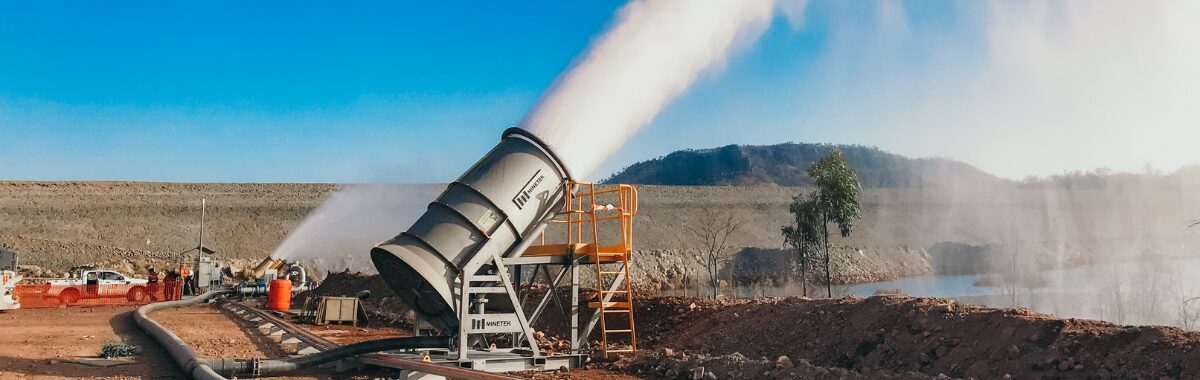
Food processing wastewater volumes are outpacing storage capacity.
Washing, blanching, cooling and sanitation all draw heavily on water, and output scales with production. Food production facilities are running out of wastewater storage capacity in 2026 because pond and treatment infrastructure was sized for historical average flow. That infrastructure now absorbs higher production volumes, tighter water availability and rising disposal costs at the same time. Seasonal peaks compound the problem, since systems built for an average day face their heaviest load exactly when a plant is busiest.
For a full breakdown of what makes food processing effluent hard to treat, including high TDS and TSS characteristics, see our comparison of food processing wastewater treatment pathways.
What’s driving rising wastewater disposal costs in 2026?
1. Water scarcity
Water scarcity is pushing up the price and reliability of fresh water intake for food processors, particularly in regions where agricultural and municipal demand already compete for the same supply.
2. Rising hauling and disposal rates
Hauling and off-site disposal rates are climbing as more facilities compete for the same trucking and treatment capacity, adding cost pressure independent of any change in wastewater volume or quality.
3. Tightening local permits
State and local permit and pretreatment conditions are tightening independently of federal effluent guidelines, often through renewal terms rather than new legislation.
Disposal cost pressure rarely appears as a single line item on a facility’s books. Facilities tracking cost only against federal compliance often miss this combination.
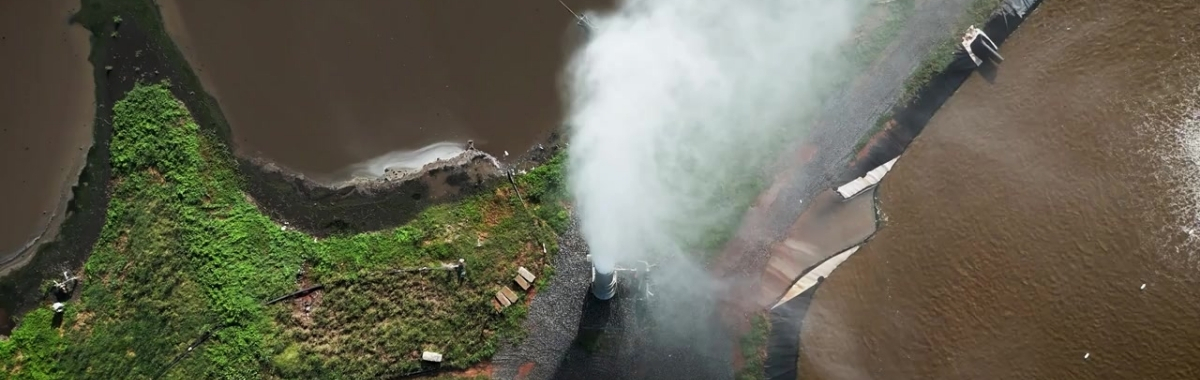
Regulatory pressure on food production wastewater is moving to the state and local level.
The federal baseline
The federal baseline for food production discharges sits in effluent limitations guidelines under the Clean Water Act, including 40 CFR Part 405 for dairy processing and 40 CFR Part 432 for meat and poultry products, both administered through the EPA’s Effluent Guidelines program. These set limits for conventional pollutants such as BOD, TSS and oil and grease, largely unchanged in structure since the 1970s and a 2004 update for meat and poultry.
The 2024 proposal and its 2025 withdrawal
In January 2024, the EPA proposed stricter nutrient limits for meat and poultry processors, its first attempt to regulate phosphorus discharges from that sector. In September 2025, the agency withdrew the proposal and confirmed it would not finalise new technology-based limits or pretreatment standards for the category. Wastewater compliance risk for food production facilities now depends heavily on local conditions as a facility’s own pond headroom shrinks. Permit writers increasingly require demonstrated capacity margin at renewal, and a pond running close to full capacity leaves a facility little room to negotiate.
Holding pond capacity is where wastewater risk becomes operational risk.
A pond nearing capacity creates a production risk as well as an environmental one. When a food production facility’s wastewater holding pond reaches capacity, three options remain.
- Emergency hauling – moves wastewater off site at short notice, typically at a premium rate compared with planned disposal contracts.
- Throttled production – slows inflow by reducing output, protecting the pond at the direct cost of manufacturing capacity.
- Uncontrolled discharge – the highest-risk outcome, carrying compliance and reputational exposure well beyond the wastewater line item.
Minetek addressed rising pond levels at a Georgia, USA food facility by deploying a land-based mechanical evaporation system to relieve a wastewater holding pond nearing capacity. The system processes 135 m³/hour (600 GPM) at a 34% evaporation efficiency, drawing down roughly 350,000 GPD of stored volume.
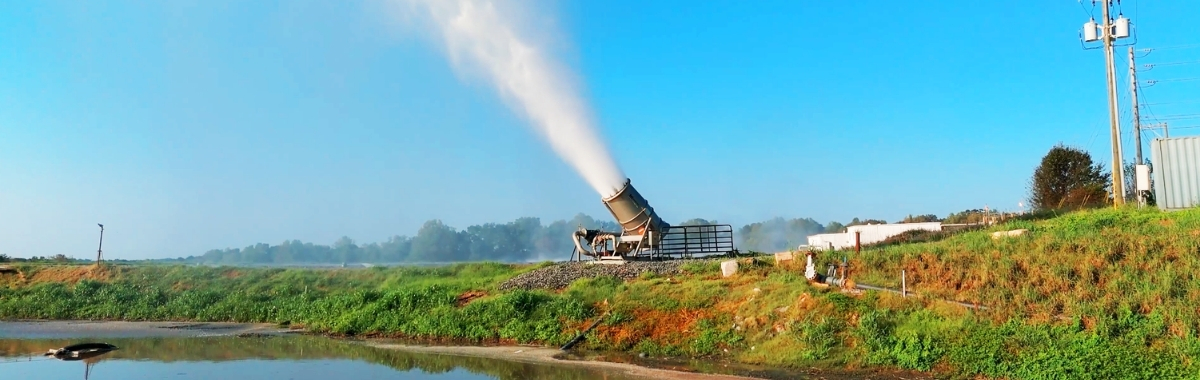
Water reduction is the fastest lever most food processors have available.
Wastewater volume is a direct function of fixed storage space at most food processing sites, and that space is difficult to expand quickly. Treatment upgrades that target contaminant load, such as added biological capacity or membrane systems, take time to plan, permit and build. Reducing stored volume directly acts on the storage constraint itself, which makes it the fastest response available to most food processors.
Comparing response timing
| Response timing | Effect on pond capacity | Cost trend | Compliance standing |
| No action, reactive hauling only | Keeps shrinking as seasonal peaks hit | Rises with volume, worst at short notice | Exposed once a peak exceeds hauling capacity |
| Treatment upgrades only | Pressure continues; contaminant load improves, volume doesn’t | Moderate, ongoing operating cost | Better discharge quality, storage risk unchanged |
| Planned volume reduction added | Held within a managed range | Predictable, tied to a fixed footprint | Supported by monitoring data for permit reporting |
Zero liquid discharge as the end state.
Zero liquid discharge becomes a requirement once pond capacity, permit conditions or disposal costs leave no acceptable margin for storing or hauling untreated volume. At that point, eliminating liquid effluent becomes the only way for a facility to keep operating within its constraints.
Mechanical evaporation solution for reducing food processing wastewater in 2026.
Minetek’s mechanical evaporation range acts directly on pond volume, reducing stored wastewater without chemical dosing across the pH and solids range typical of food processing effluent. It sits alongside existing treatment infrastructure, adding capacity headroom precisely where emergency hauling, throttled production or an uncontrolled discharge would otherwise become the only options. For facilities working toward zero liquid discharge, it also generates the volume data permit writers increasingly ask for at renewal, turning capacity margin into something a facility can demonstrate rather than estimate.
Is a holding pond closing in on capacity faster than your treatment upgrades can keep up with? Connect with Minetek’s water management team for a site-specific evaporation efficiency analysis.
Frequently Asked Questions (FAQs)
How does wastewater compliance risk change as a facility's pond nears capacity?
Compliance risk rises sharply as a holding pond approaches capacity because a facility loses the operating margin that permits and hauling contracts assume it has. With little spare capacity, a single peak production run or a delayed haulage pickup can push a facility into an uncontrolled discharge or a forced slowdown. Either outcome creates significant compliance exposure.
Why are food production facilities running out of wastewater storage capacity in 2026?
Food production facilities are running out of wastewater storage capacity in 2026 because pond and treatment infrastructure was built for historical average flow. That infrastructure now absorbs higher production volumes, tighter water availability and rising disposal costs at the same time. Seasonal peaks push demand higher still, and systems sized for an average day face their heaviest load when a plant is busiest.
What happens when a food production facility's wastewater holding pond reaches capacity?
Once a holding pond reaches capacity, a facility has three options: emergency off-site hauling at short-notice rates, throttling production to slow inflow, or risking an uncontrolled discharge. Each option carries cost, and an uncontrolled discharge also carries compliance and reputational exposure beyond the immediate wastewater problem.
When does zero liquid discharge become a requirement rather than a goal for food processors?
Zero liquid discharge becomes a requirement once a facility’s pond capacity, permit conditions or disposal costs leave no acceptable margin for storing or hauling untreated volume. At that point, eliminating liquid effluent becomes the only way for a facility to keep operating within its constraints.
Why is wastewater volume harder for food processors to manage than wastewater quality?
Wastewater volume is a direct function of fixed storage space at most food processing sites, and that storage space is difficult to expand quickly. Treatment upgrades that target contaminant load take time to plan, permit and build, and volume continues accumulating while those upgrades are underway.
What's driving rising wastewater disposal costs for US food processors in 2026?
Rising wastewater disposal costs for US food processors in 2026 stem from three factors: water scarcity affecting the price and reliability of fresh water intake, hauling and off-site disposal rates climbing as facilities compete for the same trucking and treatment capacity, and state or local permit and pretreatment conditions tightening independently of federal effluent guidelines. Facilities tracking cost only against federal compliance often miss this combination.
Which companies specialise in industrial water evaporation systems?
Industrial water evaporation is a specialised segment within the broader water treatment market. A small number of providers focus specifically on mechanical evaporation technology. Minetek is one such specialist, with a mechanical evaporation range deployed across more than 600 systems in over 30 countries, spanning mining, oil and gas, power generation and food processing.