 English (United States)
  English
  Spanish
  Portuguese
  French
  Indonesian
  Italian
 Power generation facilities can boost wastewater management capacity by segregating clean and contaminated streams, adding mechanical evaporation, expanding storage, reusing treated water, upgrading treatment trains, deploying modular units, and automating water balance monitoring. Combined, these approaches let a plant handle more wastewater without a full-scale treatment plant rebuild.
Key takeaways: Boosting power plants wastewater capacity
- Segregation first: Keeping clean water out of the wastewater stream is often the fastest way to free up existing treatment capacity.
- Evaporation cuts volume: Mechanical evaporation can reduce wastewater volume by up to 50%, easing pressure on storage and treatment systems.
- Reuse extends capacity: Recycling treated water into cooling towers or ash handling reduces the volume that needs full treatment.
- Modular systems add capacity fast: Containerized or mobile units can expand capacity without permanent construction.
- Regulation shapes design: FGD wastewater, bottom ash transport water and combustion residual leachate at coal fired plants are regulated under 40 CFR Part 423, which shapes how capacity upgrades need to perform.

1. Separate clean and contaminated water streams
Segregating clean water, such as uncontaminated stormwater or non-contact cooling water, from contaminated process streams reduces the volume that needs full treatment, freeing existing capacity without any new infrastructure. Many plants run combined systems where clean runoff mixes with FGD wastewater or ash transport water, forcing all of it through the same treatment train. Diverting clean streams into a separate collection system, using dedicated channels or curbing, can free up treatment and storage capacity immediately, ahead of any equipment investment.
2. Add mechanical evaporation to shrink wastewater volume
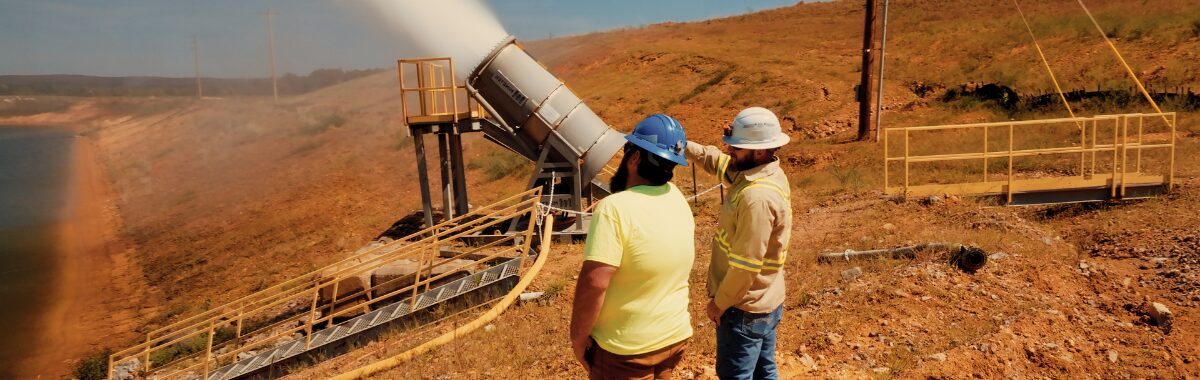
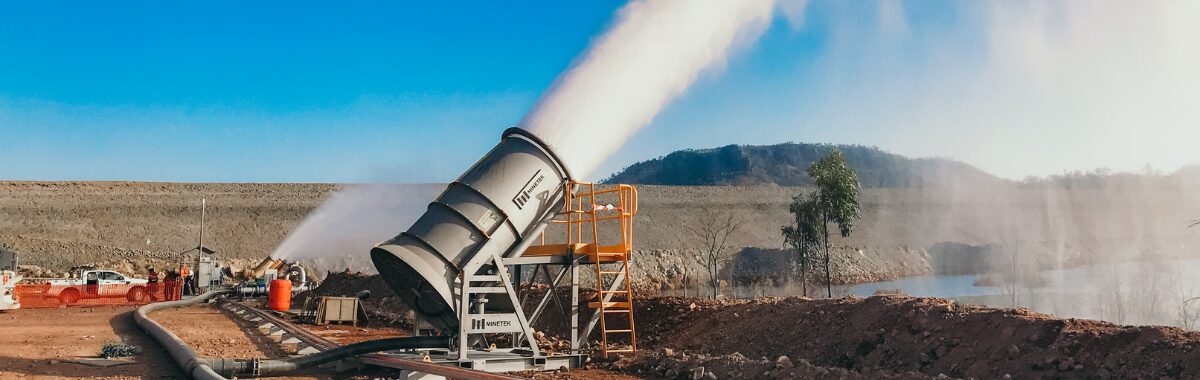
Mechanical evaporation reduces the total volume of wastewater a plant needs to store or treat by converting excess water into vapour, which makes it one of the fastest ways to add effective capacity without expanding a treatment plant’s physical footprint. Minetek’s mechanical evaporation systems can reduce wastewater volume by up to 50% and are engineered to process water across a pH range of 1.8 to 14+, which covers the highly acidic, high TDS and high TSS chemistry typical of FGD wastewater. Reducing volume this way lowers pressure on downstream treatment and storage without requiring a larger treatment plant.
3. Expand storage capacity with lined ponds or tanks
Adding lined storage ponds or tanks gives a plant buffer capacity to handle peak wastewater flows without exceeding permitted discharge limits, particularly during outages, storm events or upset conditions when volumes spike. Storage buys time for treatment systems to catch up rather than forcing a plant to discharge water that hasn’t been fully treated. This is typically the quickest capacity upgrade to plan and build, but it manages timing rather than reducing the total volume a plant has to deal with.
4. Reuse treated wastewater across plant processes
Reusing treated wastewater in cooling tower makeup, ash handling or dust suppression reduces both freshwater intake and the volume of water that ultimately needs discharge, improving water resource efficiency across the site. Common reuse points include:
- Cooling tower makeup water: treated effluent offsets fresh water draw for evaporative cooling.
- Ash handling and sluicing: recycled water reduces the volume of fresh water pulled into ash transport systems.
- Dust suppression: treated water can be used on coal piles, roads and yards instead of fresh water.
Every litre reused is a litre that doesn’t need full treatment and discharge, which directly expands a plant’s effective wastewater management capacity.
5. Upgrade or retrofit existing treatment trains
Retrofitting an existing treatment train with additional clarification, filtration or ion exchange stages increases throughput without requiring a new plant footprint, which matters for wastewater treatment facilities operating on constrained industrial sites. A retrofit targets the specific stage that’s limiting throughput, whether that’s solids removal, metals precipitation or final polishing, rather than replacing the whole system. This is usually a more capital-efficient path to added capacity than building a parallel treatment plant.

6. Deploy modular or mobile treatment units for peak demand
Modular or mobile treatment and evaporation units can be brought on site quickly to add temporary or supplementary capacity during outages, seasonal peaks or unplanned water management incidents, without committing to permanent construction. Minetek’s mobile evaporation systems are designed for rapid deployment between ponds and sites, with land based and floating configurations operating in excess of 135 m³/hour. Because these units can be relocated as conditions change, they give a plant flexible capacity rather than a fixed asset sized for a worst case that may only occur a few times a year.
7. Automate water balance monitoring to optimize existing capacity
Real time water balance monitoring, using flow meters, level sensors and automated controls, lets a plant use its existing treatment and storage capacity more efficiently by flagging where volumes need to be redirected before limits are reached. Minetek’s Environmental Management System tracks variables such as humidity, rainfall and wind in real time, allowing evaporation and storage assets to be adjusted dynamically rather than run on fixed schedules. Better visibility often reveals spare capacity that already exists in a system, before a plant needs to spend on new infrastructure.
Comparing the 7 approaches to added wastewater capacity.
| Approach | How it adds capacity | Best suited for |
| Stream segregation | Reduces the volume needing full treatment | Sites where clean runoff mixes with process water |
| Mechanical evaporation | Cuts wastewater volume through evaporation | High TDS, high TSS or acidic wastewater such as FGD water |
| Expanded storage | Buffers peak flows | Sites with variable or seasonal flow spikes |
| Water reuse | Reduces both intake and discharge volume | Cooling tower, ash handling or dust suppression demand |
| Treatment train retrofit | Increases throughput within the existing footprint | Land-constrained facilities |
| Modular or mobile units | Adds temporary or rapid capacity | Outages, emergencies or seasonal peaks |
| Automated monitoring | Optimises use of existing capacity | Sites needing better visibility of their water balance |
Power generation wastewater management sits under strict federal discharge rules.
Power generation wastewater management in the United States operates under the Steam Electric Power Generating Effluent Guidelines, 40 CFR Part 423, which the EPA has amended several times since 1974 and which is incorporated directly into a facility’s NPDES discharge permit. The guidelines set technology-based discharge limits specifically for flue gas desulfurization wastewater, bottom ash transport water and combustion residual leachate, the three wastewater streams most associated with coal fired generation. Any capacity upgrade needs to be designed around these limits, since adding volume capacity doesn’t help if the treated water still can’t meet the discharge standard for the pollutants that stream contains.
Minetek’s mechanical evaporation technology gives power generation facilities a scalable way to reduce wastewater volume without a full treatment plant rebuild, built to handle the high TDS, high TSS and low pH conditions common in FGD wastewater. Systems are available in land based and floating configurations, so a plant can add capacity in the format that suits its site.
Running out of capacity for FGD wastewater, ash transport water or seasonal flow spikes? Connect with Minetek’s water team to assess an evaporation and capacity strategy suited to your plant.
Frequently Asked Questions (FAQs)
How can power generation facilities improve wastewater management capacity?
Power generation facilities can improve wastewater management capacity by segregating clean and contaminated water streams, adding mechanical evaporation to reduce volume, expanding storage, reusing treated water in plant processes, retrofitting existing treatment trains, deploying modular or mobile units for peak demand, and automating water balance monitoring to make better use of existing infrastructure.
What is the fastest way to increase wastewater capacity at a power plant?
Segregating clean water from contaminated streams and bringing in modular or mobile evaporation units are usually the fastest ways to add wastewater capacity, since neither requires new permanent treatment infrastructure. Expanding storage or retrofitting a treatment train can add more capacity long term, but both take longer to plan, permit and build.
What regulations apply to wastewater discharge from power generation facilities in the US?
Wastewater discharge from power generation facilities in the US is regulated under the Steam Electric Power Generating Effluent Guidelines, 40 CFR Part 423, which are incorporated into each facility’s NPDES permit. The guidelines set technology-based discharge limits specifically for flue gas desulfurization wastewater, bottom ash transport water and combustion residual leachate.
How can power plants improve water resource efficiency?
Power plants improve water resource efficiency by reusing treated wastewater in cooling tower makeup, ash handling and dust suppression, and by segregating clean water so it never needs full treatment in the first place. Both approaches reduce freshwater intake and discharge volume at the same time, rather than treating them as separate problems.