Return to news & insights

Gold’s rally redefining profitability & production in Australian mining

Publish date: 24 November 2025

Gold is reshaping the economics of Australian mining. With prices forecast to range from US$4,000 to US$5,055 per ounce by Q4 2026, the sector is unlocking stronger margins, faster investment, and greater export returns. Profitability is rising. Project pipelines are growing. Workforce demand is surging especially in gold-dominant states like Western Australia and New South Wales. 

But with higher returns come higher risks. Volatility, cost inflation, and capital missteps remain top concerns. This is not just a boom. It is a pressure test for strategy, performance, and long-term discipline. 


Rising prices are unlocking record profit margins 

Gold prices are tracking toward US$4,000 per ounce by mid-2026, according to Natasha Kaneva, head of Global Commodities Strategy at J.P. Morgan in their June 2025 Global Research Report. This surge is lifting profitability across Australia’s gold sector. With all-in sustaining costs (AISC) averaging AU$1,700 per ounce, current price levels deliver cash margins of over AU$4,300 per ounce. This is nearly double the levels seen in 2024. 

Mid-tier miners with leaner operations are capitalising fastest. Regis Resources, for example, ended FY25 with AU$517 million in cash and bullion, up from a net-debt position just a year earlier. The company generated AU$662 million in operating cash flow since December 2023 and is now fully debt-free. This underscores how operational leverage is converting higher prices into financial strength. More miners are following suit, strengthening balance sheets and accelerating growth plans. 

The bullish outlook is reinforced by JPMorgan’s latest forecast. In a note released in late October sourced by industrial experts, the bank projected gold to average US$5,055 per ounce by Q4 2026, based on expectations that investors and central banks will continue to accumulate around 566 tonnes per quarter. Strategists at JPMorgan are also targeting US$6,000 per ounce by 2028, emphasising a long-term horizon for the rally. While gold has recently retreated from its all-time high of US$4,380 per ounce, it remains above US$4,100 and is up 58% for the year. This sustained margin expansion is already feeding into stronger national revenue and fiscal returns. 

Group_Images_In text_02062024 (75)

Gold exports are driving national revenue growth 

 Export earnings from gold are forecast to reach AU$35 billion in 2025-26, as reported by economists from Commonwealth Bank of Australia (CBA). This represents a significant lift from the AU$34 billion recorded in 2024-25. The increase is being driven by higher prices and modest production growth. Together, these trends will contribute around 0.5% to Australia’s nominal GDP. 

Furthermore, the report states that Western Australia, the nation’s gold powerhouse, accounts for 70% of national output. It is expected to deliver AU$25 billion in exports and AU$500 million in royalties, strengthening federal and state revenues and reinforcing gold’s strategic economic value. 

The Department of Industry, Science and Resources’ September 2025 Resources and Energy Quarterly reported that gold export earnings are forecast to AU$60 billion in 2025-26 and 2026-2027. This is driven by record gold prices exceeding US$3,600 per ounce in September 2025 and a projected 0.5% increase in export volumes, significantly contributing to national export revenue growth. 

These export gains are also fuelling faster investment decisions and unlocking a wave of new projects. 


High prices are fast-tracking new projects and production 

Australia’s gold production is forecast to grow from 289 tonnes in 2024 to 309 tonnes in 2025-26 as outlined in the Resources and Energy Quarterly: September 2025 report. This expansion is being fuelled by AU$2.9 billion in committed projects, many of which have been brought forward thanks to high market prices. 

Key projects include De Grey Mining’s Hemi Gold Project, expected to produce 553,000 ounces annually by 2026, and McPhillamys in New South Wales, targeting 200,000 ounces per annum by 2028.  

As production scales up, so does the demand for skilled labour and infrastructure in mining regions. 

Group_Images_In text_02062024 (76)

Workforce demand is rising across WA and NSW 

The gold boom is fuelling a surge in job creation across Australia’s mining states. The Australian Resources and Energy Employer Association (AREEA) 2025 to 2030 Resources and Energy Workforce Forecast projects that 96 mining and energy projects will create 22,279 new jobs by 2030, representing 7% workforce growth. Gold alone accounts for 16 of those projects, set to come online between 2026 and 2028. 

Western Australia is leading the expansion. The state has 27 new projects requiring 9,000 workers, including 11 gold-focused developments. Among them, the Hemi Gold Project is expected to create 1,700 jobs during construction and operations, according to Minister for Resources Madeleine King. 

In 2024, WA’s gold mining workforce grew by approximately 3,000 full-time equivalent (FTE) positions that reached 33,285 total FTEs. This brought total mining employment in the state to a record 135,693 FTEs, with gold now representing around a quarter of the sector. 

New South Wales is also gaining momentum. The state has 11 active projects projected to require 3,200 workers by 2026. Gold production in NSW was valued at AU$4.2 billion in 2024-25, supporting local economies, strengthening infrastructure, and attracting further regional investment. 

Favourable exchange rates are amplifying these returns further. 


Australia’s gold sector is entering a new high-price cycle

The surge in gold prices, exceeding US$4,000 per ounce in October 2025, marks the onset of a transformative high-price cycle for Australia’s gold sector, positioning it as a cornerstone of economic resilience.  

Geopolitical tensions, including ongoing conflicts in the Middle East and trade disputes, coupled with persistent inflation fears, are driving robust demand for gold as a safe-haven asset. This confluence of factors not only elevates gold’s value but also underscores its role as a hedge against economic volatility, offering Australia a unique opportunity to capitalize on its position as the world’s third-largest gold producer.  

However, the sector must navigate potential price volatility to sustain long-term growth, requiring strategic foresight to balance investment in new projects with cost discipline. 

Despite this volatility, precious metals, particularly gold, remain pivotal to Australia’s export value, contributing AU$60 billion in 2025-26, as noted in the Resources and Energy Quarterly: September 2025, reinforcing their strategic importance to the national economy. 

This momentum is building a platform for long-term growth. 

Group_Images_In text_02062024 (77)

Key outcomes expected by 2026 

By 2026, the impacts of sustained high gold prices are expected to be significant: 

  • Profitability: With gold forecast to range from US$4,000 to US$5,055 per ounce, miners are achieving margins of AU$4,300 per ounce. Companies like Regis Resources have strengthened their positions, turning net-debt into over AU$517 million in cash and bullion. 
  • Export Revenue: Gold export earnings are projected to reach between AU$35 billion and AU$60 billion in 2025–26. This growth is driven by high prices and a projected 0.5% increase in export volumes, contributing around 0.5% to nominal GDP. 
  • Production Growth: National output is forecast to rise from 289 tonnes in 2024 to 309 tonnes in 2025–26, with longer-term targets of 400 tonnes by 2030. Major projects like Hemi and McPhillamys are driving this growth. 
  • Employment: Workforce demand is rising, with 96 new resources projects expected to add over 22,000 jobs by 2030. WA alone added 3,000 FTE gold mining jobs in 2024, reaching 33,285. 
  • Currency Advantage: With the Australian dollar projected at US$0.665, local gold revenues are seeing a 15-20% uplift in AUD terms, supporting stronger cash positions. 
  • Risks: Sustained high costs (AISC reaching US$1,456/oz), price corrections, and investment discipline will remain key pressure points for the sector’s long-term success. 


Miners are positioned for growth, but discipline is critical 

The opportunity is clear. Miners who act deliberately in this cycle will strengthen cash flows, scale operations, and sharpen their competitive edge. But the risks are real. Overextension, reactive spending, or underestimating inflation could erode long-term value. 

To capitalise effectively, miners must focus on four priorities: 

  1. Operational control – Streamline cost structures. Reduce exposure to wage and energy volatility. Adopt modular designs and flexible planning.
  2. Capital discipline – Invest in high-return, low-risk projects. Avoid speculative acquisitions. Allocate cash based on long-term margin potential.
  3. Workforce capability – Secure skilled labour through upskilling and regional engagement. Minimise downtime with retention and training programs. 
  4. Technology integration – Use AI, automation, and data to improve exploration, reduce waste, and boost output efficiency. 

These levers will define who thrives and who stalls. Partnering with the right team who understands operational risk, performance delivery, and future-focused innovation can accelerate that advantage. This is a pivotal moment for gold. The best miners will lead with discipline, agility, and a performance mindset. 

Return to news & insights

Navigating the top 10 mining risks in 2026

Publish date: 21 November 2025

Mining is entering a defining decade where standing still is falling behind. Global operations are under pressure. But within that pressure lies potential. 

Complexity, not just geology, is now the sector’s top defining risk. Success no longer comes from resource access alone but also on system performance, sustainability, and resilience. 

Every risk in mining carries the seed of opportunity. In Australia, where operational demands collide with world-class regulation, the opportunity to set a new global benchmark is real. Mines that can streamline operations, optimise performance, and adapt faster will capture long-term value. 

According to the EY Top 10 Business Risks and Opportunities survey, the industry’s focus has shifted toward operational challenges amid surging demand for critical minerals. Insights from 500 senior mining and metals executives worldwide, including 60 from Australia, indicate the sector’s sharp pivot away from external and strategic issues to short-term operational factors impacting productivity and costs.

Group_Images_In text_02062024 (72)

The top 10 business risks for mining.

1. Operational complexity 

As mines deepen and orebodies become more complex, operational challenges intensify. Declining ore grades, aging infrastructure, and variable output due to adverse weather and geometallurgical variability increase costs and disrupt productivity. In Australia, remote mines like those in the Pilbara face additional complexities from harsh climates and logistical constraints, making efficient operations critical.

2. Rising costs and productivity 

Persistent high energy, labor, and input costs strain profitability. The need to improve productivity is urgent, as miners face pressure to deliver consistent output while managing escalating expenses. High labor costs and energy-intensive operations in Australia exacerbate this risk, particularly for coal and iron ore producers.

3. Capital allocation 

Miners balance reinvestment with shareholder expectations. With large-scale mergers challenging, companies are shifting from shareholder payouts to funding exploration and operational upgrades.  

4. Resource & reserve depletion 

Depletion is driven less by scarcity and more by declining ore quality and underinvestment in extraction. Global exploration spending fell to US$12.5 billion in 2024, despite an estimated US$5.4 trillion in investment needed by 2035 to meet demand. In Australia, many Tier 1 deposits are mature, and new discoveries often sit in deeper, more complex or environmentally sensitive areas. 

5. License to Operate (LTO) 

Growing community expectations and resource nationalism require miners to build trust beyond regulatory compliance. Reduced government spending in some regions increases reliance on corporate social responsibility. In Australia, Indigenous community partnerships and stringent ESG regulations make LTO critical for project approvals and social capital. 

6. Workforce shortages 

A worsening skills crisis, with over 50% of the US and Canadian mining workforce expected to retire within a decade and a 10% workforce increase needed in Australia for over 100 new projects, threatens productivity and safety. Skills gaps in engineering, sustainability, and mine planning are particularly acute in Australia’s remote regions.

 7. Geopolitics 

Surging demand for minerals in defence, energy and tech is driving governments to tighten control over supply chains. Tariffs, export restrictions, and trade policy shifts disrupt critical mineral supply chains. Carbon pricing is also expanding. As climate impacts grow, these measures could reshape trade and investment decisions. 

8. Digital innovation 

Digital transformation is accelerating as mining companies seek to improve cost control, safety, and sustainability in a more complex operating environment. According to EY, one in five miners plans to increase AI investment by over 20% in the next year. Agentic AI is emerging as a transformative force, with the potential to extend human capability and unlock deeper operational insights. However, many digital initiatives still struggle to deliver ROI due to siloed data and misalignment with core business needs. 

In Australia, 55% of mining executives plan to increase AI investment. EY Regional Mining & Metals Leader (Oceania) Michael Rundus stated that digital transformation is the top capital priority for the sector, laying out the groundwork for long-term growth. 

9. Sustainability 

Confidence in achieving nature-positive goals has declined, with only 56% of executives optimistic. Pressures to reduce emissions, manage water, and restore biodiversity are intensifying, particularly in Australia, where environmental regulations are stringent and Indigenous land management expertise is vital. 

10. Evolving business models 

Miners are shifting toward vertical integration and circular economy practices to capture value across the supply chain. Investments in smelting and recycling offer opportunities for cleaner products and decarbonization. This trend aligns with the push for sustainable mining and premium critical mineral exports in Australia. 

Group_Images_In text_02062024 (73)

Mitigating the risks through a strategic response. 

Navigating the risks reshaping mining requires more than reactive fixes. These are complex, interconnected challenges that span operations, environment and workforce systems. A strategic response demands system-level thinking, integrated design and a long-term focus on performance and accountability. 

The following strategic focus areas reflect how risk can be actively mitigated across core parts of the mining business: 

1. Streamlining operational systems to reduce complexity 

Operational complexity is often the result of disjointed systems, overlapping responsibilities, and ageing infrastructure. A strategic response involves rethinking how critical site systems, such as energy, ventilation, noise control and water management, function together. Consolidating these through engineered, modular solutions allows for simplified maintenance, better asset visibility and reduced downtime exposure. 

2. Embedding data intelligence in decision cycles

Siloed data is a hidden risk. Without system-wide visibility, mines struggle to forecast issues, track compliance or justify investment. A strategic response involves establishing unified data environments, connecting physical infrastructure with real-time monitoring, smart sensors and control systems. 

3. Operationalising environmental performance
 Sustainability is no longer a separate initiative. It must be embedded in operational workflows. A strategic response means shifting from reactive compliance to proactive environmental control. That includes managing noise emissions, water discharge, dust and air quality at the point of impact. 

4. Designing for workforce efficiency and self-sufficiency
 Labour constraints and capability gaps cannot be solved by recruitment alone. A strategic response involves redesigning operational systems for low-touch, high-efficiency performance. This includes remote operability, lower maintenance demand and intuitive operation.

5. Engineering for resilience and regulatory readiness

Strategic risk management means building systems that not only work today, but evolve with tomorrow’s standards. A proactive approach involves investing in infrastructure that is modular, regulation-ready and adaptable across different sites or conditions. 

Each of these strategic responses helps transform risk into operational advantage. By rethinking systems, aligning data, embedding compliance and designing for efficiency, mining operations can move beyond mitigation. They can achieve measurable performance gains. 

What high-performance mining demands now.

When heavy assets are running and output targets are tight, every minute of uptime counts. System failures stall production, disrupt supply chains, and compound pressure on already stretched crews. For years, many in the mining and energy sector have accepted this as the cost of doing business, navigating complexity with ageing infrastructure, disjointed systems, and reactive fixes. But the ground is shifting. 

The risks outlined in this report are not abstract. They show up in real, everyday ways. An underground fan runs below capacity. A dam nears overflow limits. A haul truck breaches noise thresholds and halts night operations. These are the moments where margins shrink, compliance cracks, and credibility is tested. 

Minetek is built for these realities. 

For over 30 years, we’ve worked alongside mining operators who face these pressures daily. Our mine site technologies don’t just solve problems. They reframe what’s possible by giving operators more control, more certainty, and more room to perform. 


Optimising safety and energy efficiency through advanced underground ventilation.

Effective airflow underground is non-negotiable. Poor airflow management slows re-entry, increases energy use and puts workers at risk. Minetek provides a precise, high-performance approach to airflow control across all underground operations.  

 Our ventilation solutions include primary, secondary and booster fans engineered for the harshest conditions. High-Output Axial Fans triple the pressure of conventional units, allowing for longer duct runs and fewer installations. With Performance On Demand (POD) technology, operators can control airflow where and when it’s needed.  

 This combination of precision, power and adaptability helps mining operations meet safety standards, manage costs, and improve operational flexibility underground. 

Group_Images_In text_02062024 (74)

Supporting mineral extraction via sustainable water management solutions.

Water presents both operational risk and regulatory pressure. When poorly managed, it becomes a serious operational liability, leading to environmental breaches, financial penalties and strained community relations. Minetek provides a cost-effective, sustainable approach to water management across the full lifecycle of a mine.  

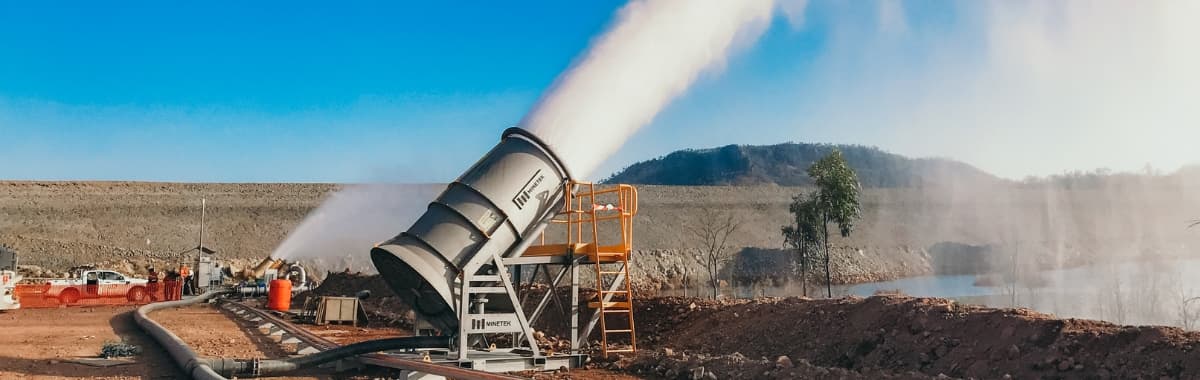
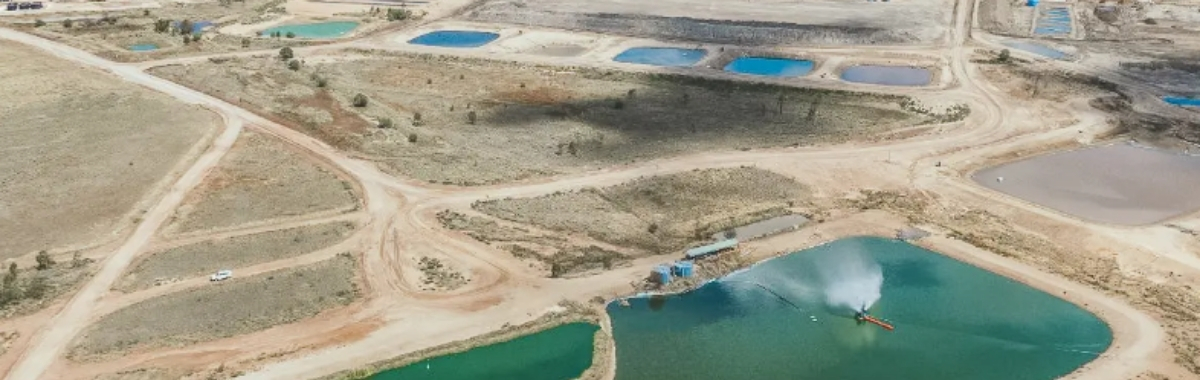
Our mechanical evaporation systems provide scalable, high-efficiency water management. They are designed for harsh conditions and can handle pit water, process discharge and acid mine drainage. These systems operate without chemicals and significantly reduce reliance on conventional treatment or storage, cutting water management costs by up to ten times.  

By helping operators manage water sustainably, Minetek strengthens site compliance, resilience and production continuity. 

Protecting workers and earning community trust through noise suppression

Excessive noise is a major challenge in mining. It affects worker safety, breaches regulatory limits and strains community relations. Minetek provides proven noise control systems. These systems reduce equipment noise without compromising performance, allowing the site to operate 24/7. 

Our sound attenuation solutions lower sound output by up to 50% while maintaining full operational efficiency. More than 1,500 machines from over 90 OEMs have been successfully fitted with M-STEALTH™ system tailored to site-specific requirements. 

By helping operators manage sound at the source, Minetek improves workforce safety, supports social licence and ensures regulatory compliance across operations. 


Shaping what’s next in mining.
The next decade in mining will be defined by how well operators manage risk while driving performance. As complexity increases, success will belong to those who can integrate systems, respond with agility and maintain control under pressure. 

Minetek partners with operators to deliver that control. Across underground ventilation, water management and sound attenuation, our solutions are proven to perform in the most demanding conditions. We help operations stay compliant, productive and future-ready. 

In a sector where standing still means falling behind. Minetek helps shape what’s next.  

Return to news & insights

Advanced attenuation sound techniques for mining noise reduction

Publish date: 6 November 2025

Why noise control is critical in mining.

The loudest risk in mining isn’t always visible. It’s the constant, unseen noise that undermines safety, compliance, and community confidence.  

Sound attenuation, the engineering process that reduces noise intensity and propagation, has become essential as global standards tighten. Heavy machinery such as drills, haul trucks, and crushers often operate above safe noise limits, creating serious health risks and potential regulatory penalties.  

Without effective attenuation, operations face reputational damage and restricted hours. When implemented correctly, sound attenuation enhances safety, ensures compliance, and improves equipment reliability for quieter, more efficient, and sustainable mining operations. 


Ensuring compliance with global noise standards.

Regulatory compliance is the foundation of sustainable mining. The World Health Organization (WHO) recommends limiting occupational noise exposure to 85 dB(A) over an eight-hour shift. In the United States, the Mine Safety and Health Administration (MSHA) enforces a permissible exposure limit of 90 dB(A), requiring regular audiometric testing. Australia, Canada, and the European Union maintain similar standards, focusing on both occupational and environmental impacts. 

Failure to comply with these standards can result in heavy fines, community complaints, and even operational shutdowns. To remain compliant and sustainable, mining companies should: 

  • Conduct regular noise audits following ISO 9613-2 standards. 
  • Implement real-time noise monitoring across key mining equipment such as conveyors and excavators.
  • Include comprehensive noise control documentation in environmental impact assessments. 
Group_Images_In text_02062024 (63)

Health impacts of long-term noise exposure.

According to the World Health Organization, occupational noise contributes to roughly 16% of adult hearing loss globally, with miners among the most affected. Prolonged exposure above 85 dB(A) can result in permanent hearing damage known as Noise-Induced Hearing Loss (NIHL). 

Common health impacts include: 

  • Hearing loss and tinnitus: Permanent auditory damage and communication difficulties. 
  • Cardiovascular stress: Elevated blood pressure and increased risk of heart disease. 
  • Cognitive and psychological effects: Fatigue, anxiety, and reduced concentration, all of which heighten accident risks. 
  • Sleep disturbance and headaches: Affecting overall performance and decision-making. 

Beyond health, noise exposure directly reduces productivity through increased fatigue and absenteeism, creating long-term financial and operational consequences for mining companies. 


Engineering solutions for noise attenuation.

 Effective noise management depends on three engineering pillars: controlling noise at the source, managing propagation, and implementing employer-led initiatives. 

  1. Controlling Noise at the Source
  •  Mufflers and Silencers: Reduce exhaust noise from drills and haul trucks without compromising performance. 
  • Vibration Isolation Systems: Use mounts and dampers for pumps and fans to minimise noise generation. 
  • Equipment Maintenance: Prevent mechanical friction and part misalignment to reduce sound output. 
Group_Images_In text_02062024 (64)
  1. Controlling Noise Propagation
  • Acoustic Enclosures and Barriers: Custom casings can reduce ambient noise by 20–30 dB(A) while maintaining ventilation. 
  • Sound-Absorbing Materials: Use advanced foams or composites to absorb high-frequency sounds efficiently. 
  • Perimeter Buffers: Deploy barriers that prevent noise from spreading into surrounding communities. 
  1. Employer Noise Control
  • Real-time noise monitoring systems with predictive analytics. 
  • Worker training programs on safe equipment operation. 
  • Regular hearing tests and baseline audiometric screenings. 

These solutions not only improve environmental compliance but also enhance equipment longevity and worker safety. 


Minetek Sound: Pioneering global attenuation technology.

Since 1984, Minetek has been a global leader in industrial noise management. Our M-STEALTH™ system targets emissions from key equipment used in mining, including haul trucks, excavators, drills, generators, dozers, loaders, and fixed assets. This modular, turn-key technology incorporates advanced components such as dual-skin exhaust systems, radiator attenuators, and engine panels to control noise at the source and limit propagation, ensuring OEM compliance for backpressure, airflow, and accessibility. 

Minetek’s integrated services provide end-to-end support for noise management, aligning with employer-led control principles: 

  • Sound Attenuation: Custom-engineered packages for over 90 OEM models (e.g., Komatsu, Caterpillar, Liebherr), with more than 3,000 machines equipped worldwide. These lightweight solutions maintain payloads and reduce targeted frequencies, enabling operations closer to site boundaries without regulatory breaches. 
Haul truck
  • Sound Testing: Full-spectrum assessments, including ISO 6393/6395 compliance testing, sound intensity measurements, and operator noise exposure evaluations. Post-installation verification confirms reductions and supports ongoing optimization. 
  • Sound Visualiser: Portable acoustic visualization technology that generates thermal sound maps and high-contrast images to pinpoint noise sources onsite. This tool enhances accuracy in identifying problem areas, backing traditional microphone testing for faster, safer diagnostics. 
  • Fleet Noise Monitoring: Mobile fleet screening programs, conducted up to three times annually, simulate real-world conditions (e.g., full power on inclines) to ensure uniform compliance across assets. Real-time data capture enables proactive adjustments and minimizes downtime. 

Our consultative approach, including on-site audits, engineering, installation, and maintenance, delivers measurable results that enhance worker safety, productivity, and community relations. 


Actionable steps for a quieter, safer mine. 

Mining companies can achieve meaningful noise reduction by integrating modern attenuation sound techniques into daily operations. The most effective approach combines: 

  • Source control through engineered equipment design. 
  • Propagation management with targeted barriers and enclosures. 
  • Employer-led control through ongoing monitoring and worker engagement. 

By adopting these measures, operators can safeguard worker health, maintain compliance, and enhance their environmental and social reputation. 

Ready to create a quieter, safer mine site? 

Connect with a Minetek Sound expert today to discover tailored solutions for your operation. 

Return to news & insights

The real sound of winter: What mine operators should be ready for.

Publish date: 6 November 2025

In cold climate regions, winter brings a sharp rise in acoustic risk. As temperatures drop, sound travels farther, inversion layers trap emissions near the ground, and ambient noise masking disappears. The result? Equipment noise once contained on-site becomes a compliance liability and a community flashpoint. Yet many operators overlook how winter alters sound propagation. Without the right sound suppression in place, mines risk fines, delays, and reputational fallout.  


How cold weather amplifies mining noise pollution.

The physics behind amplified winter noise 

  • Cold air increases air density. Sound waves propagate more efficiently in denser media. In practice, a machine’s acoustic “reach” can extend in colder months. 
  • Atmospheric temperature inversions-common during calm, clear winter nights create a layer where temperature increases with altitude. That inversion acts like an acoustic duct, trapping and channeling sound back toward the ground. Some studies report enhancements of 3–10 dB at receiver points under such conditions. 
  • Snow, ice, and frozen surfaces have complex acoustic behavior. Fresh snow can absorb some higher frequencies, but compacted snow or ice surfaces may reflect lower frequencies, effectively creating “harder” ground for sound. 
  • Meanwhile, ambient noise levels (wind, wildlife, human activity) tend to drop in winter. Lower masking means your machinery noise stands out more clearly. 

Result: your machine sound “footprint” expands. Neighbors hear more. Regulators listen harder. 

Winter noise and how it effects mines

Compliance and operational risks from winter mining noise.

When winter amplifies your acoustic signature, consequences follow: 

Regulatory & compliance exposure 

Your site’s noise permit or environmental license typically tolerates a set maximum (e.g., Leq thresholds). But winter conditions can push you over the limit even if your equipment performance is unchanged. Exceedance fines, mitigation orders, or operations restrictions may follow. 

In North America, regulators in both the U.S. and Canada are sharpening their focus on acoustic impact particularly in regions near residential zones, indigenous territories, or protected ecosystems. Winter-related complaints have triggered retrospective assessments and, in some cases, the tightening of permissible limits. 

According to the U.S. Environmental Protection Agency (EPA), “In a temperature inversion, cold air at the surface gets trapped under a layer of warmer air. During the winter, snow-covered valley floors reflect rather than absorb heat, preventing normal vertical mixing of warm and cold air that keeps pollutants from dissipating.” This same condition traps sound near the ground, worsening its perceived intensity. 

Community and social license 

Perception matters. Increased complaints from nearby residents, towns, or stakeholders can escalate quickly. Disgruntled communities can delay permits, pressure regulators, or drive reputational damage that burdens your permitting for expansions. 

Winter noise and how it effects mines

Worker safety, health & productivity 

Louder sound means higher risk of hearing damage for frontline workers, increased fatigue, and lower comfort. Even with PPE, elevated ambient noise creates stress and communication barriers. 

Operational surprises & maintenance stress 

Cold temperatures stress engine systems, exhausts, seals, vibration dampers, and enclosures. Faulty components or degraded acoustic materials may worsen noise emissions just when you need attenuation most. 


Lessons from past winters: Sound propagation in cold climates.

  • In previous seasonal cycles, many mines discovered that noise trespass complaints spike in late fall to early spring, not in summer. That pattern is no accident; it’s physics at work. 
  • Some operations, when modeling noise, assume “standard meteorological conditions.” But winter’s inversions, stable layers, calm nights, and cold ground surfaces fall outside typical assumptions meaning models underpredict. 
  • According to the environmental study notes by the Northern Territory Environment Protection Authority (NETPA), “the greatest noise impact usually occurs during the cool dry season” because cooler conditions favour long-distance propagation and ambient noise is lower.  
  • In mines with nearby residential zones, winter noise spikes triggered unanticipated complaints. In some jurisdictions, regulators demanded retrospective mitigation or offered buyouts for adjacent properties. 

These lessons show that winter noise is not a future hypothetical. It’s a known, recurring risk. The smart operator treats it as a design parameter, not a surprise. 

Winter noise and how it effects mines

Minetek’s sound suppression technology for cold-climate noise control.

Minetek’s Solutions are not seasonal; they are engineered for extremes. 

Key strengths of Minetek’s approach

  • Modular, scalable design: Systems (enclosures, baffles, exhaust attenuation) are configured per machine and per site, with flexibility for retrofit or expansion. 
  • OEM-approved sound packages: We partner with machinery OEMs to design mounting, airflow, and structural interfaces that preserve machine function while maximizing acoustic performance. 
  • Cold-climate durability: Materials, welds, seals, and mounting hardware are chosen for temperature resilience. Performance is validated under freeze–thaw cycles. 
  • Consistent attenuation: Even under inversion or snow cover, the systems maintain effective noise suppression that mitigates the winter noise “stretch.” 
  • Proven track record: Across 1,200+ machine installations and 90+ OEM approvals, we’ve reduced noise footprints up to 50% in real mining settings. 

Example technologies & use cases 

  • Acoustic enclosures & shrouds for engines, compressors, generators 
  • Exhaust silencers / attenuators designed for high flow, variable loads 
  • Vibration isolation & dampers optimised for cold-phase resonance control 
  • Haul-truck / loader noise packages integrating undercarriage, engine, and exhaust attenuation 
  • Field-tuned baffle arrays placed around high-noise zones or in community-facing directions 

The objective: suppress what matters most (frequencies that carry far), maintain access/servicing, and do so reliably across seasons. 

Haul truck

Reducing mining noise pollution: Why winter planning matters.

Winter is not just a seasonal concern; it’s a multiplier for risk. Noise control is not optional. It must be baked into your machine spec, maintenance plan, and community strategy. 

Minetek’s Sound Division offers mining operations a trusted partner not just a supplier. We help you convert acoustic risk into predictable performance, compliance, and social license. We innovate with durability, engineering precision, and cross-season reliability so that winter becomes predictable, not disruptive. 

Your next move: Ask your environmental or engineering team to run a winter-propagation “what-if” study. Then have Minetek match suppression packages to your highest-risk assets before the first freeze sharpens the soundscape. 

Group_Images_In text_02062024 (57)
Return to news & insights

US–Australia Framework for critical minerals and rare earth deal

Publish date: 28 October 2025

The global critical minerals race is intensifying, with nations worldwide accelerating efforts to secure sustainable supply chains. Australia is stepping up as a key player in the critical mineral space. They’re the world’s largest producer of lithium and a top-five producer of cobalt, manganese ore, and other rare-earth minerals. The formalized framework between the United States and Australia signals a global shift toward securing supply for the mining and processing of critical minerals and rare earths.

This agreement goes beyond traditional diplomacy, paving the way for up to US$8.5 billion in investment. The intent is to support priority developments to commercial and defense industries, not just in Australia and the U.S., but also in other trusted jurisdictions aligned with a shared standard.

The Critical Minerals Framework in action.

As China continues to refine over 70% of the world’s rare earths, nations like Australia and the U.S. are reshaping supply chains based on transparency, ESG standards, and trusted partnerships. 

With both countries committing billions to critical minerals development, the agreement represents a high-stakes commitment to building secure, transparent supply chains. It is designed to accelerate the delivery of real-world outcomes, supporting projects that will drive growth and long-term security in the global critical minerals sector. 

What the Framework enables: 

  • US$8.5 billion in critical minerals and rare earths investment 
  • At least US$1 billion each from the U.S. and Australian governments within six months 
  • Creation of the U.S.-Australia Critical Minerals Supply Security Response Group for project alignment and due diligence 
  • Joint project financing coordinated through guarantees, loans, and long-term offtake agreements 
Group_Images_In text_02062024 (56)

Impact on Australia’s mining future.

Already, Australia is the world’s fourth-largest rare earth producer. But this is just the beginning. With the new US-Australia Framework, the two governments are committing to fast-tracking investment, streamlining approvals, and strengthening allied supply chains. 

In Australia, projects like Alcoa-Sojitz’s gallium production in Western Australia will be fast-tracked. Along with Arafura Nolans neodymium-praseodymium projects in the Northern Territory. Currently, China produces 93% of these rare earth minerals, and with the support of the $US8.5 billion critical minerals deal, production and supply of gallium and neodymium-praseodymium oxide are set to increase.

The Framework reinforces Australia’s role as a critical mineral contributor to global resource resilience and energy transition. For the mining industry, it brings more than capital. It brings clarity, confidence, and speed. 

Key impacts: 

  • Accelerated project timelines
    Fast-tracked regulatory pathways reduce bottlenecks and enable earlier mobilization of new and expanded operations, especially in emerging crticial & rare earth mineral basins. 
  • Increased investor confidence
    Government-backed financing and due diligence create more certainty for private capital, making critical minerals projects in Australia more bankable.
  • Export and processing expansion
    Support for full-cycle value chains from extraction to downstream processing positions Australia to capture greater value from its resource base. 
  • Stronger ESG alignment
    Projects that meet high environmental, social, and governance standards will have a competitive edge in accessing global markets and financing.
  • Skilled jobs and regional development
    As more exploration and processing hubs take shape, the Framework helps drive high-skilled employment and infrastructure investment across regional Australia. 

This agreement ensures Australia is not just exporting raw materials, but also processing and contributing strategically to a more stable and secure global supply chain. 

This is where experienced, compliance-ready partners make the difference. 

Group_Images_In text_02062024 (57)

Powering critical minerals progress.

With governments mobilizing capital and cutting red tape, the global spotlight is now on critical minerals. Projects that align early with ESG priorities and demonstrate efficient, compliant, and sustainable operations will be best positioned for future partnership and investment.  

Backed by decades of experience in complex industrial operations, Minetek is actively engaged in helping project leaders navigate this emerging landscape. Our expertise in underground ventilation, world’s best and most cost-effective mechanical water management technology, and sound reduction solutions is proving vital as the next generation of critical minerals projects move from concept to execution. 

We bring mining and industry solutions to help projects meet environmental, operational, and community expectations from day one. We work closely with our partners from solution planning through to on-site execution and after-sales support, helping build regulatory credibility, secure community trust, and ensure reliable performance long after commissioning.  

Innovative water, sound and air solutions for mining and industry.

Water management solutions: We deliver the world’s most cost-effective mechanical water evaporation technology, helping mines manage tailings, process water, and stormwater with proven reliability and minimal maintenance. 

Noise reduction and sound attenuation: We engineer sound attenuation solutions to reduce noise levels to compliant thresholds, enabling mining operations to continue safely and efficiently 24/7 – protecting productivity and community trust. 

Underground ventilation technology: Our advanced systems improve airflow efficiency, reduce energy consumption, and enhance operational safety in challenging mining environments.

We’re already supporting developers preparing for the next wave of investment, helping streamline approvals, reduce environmental footprint, and strengthen production outcomes. 

In the U.S., Minetek delivered a custom water evaporation system for a critical mineral cobalt mine in Missouri, which was facing heavy underground inflows that exceeded existing capacity. Our engineered solution helped the site maintain safe water levels in the tailings facility and stay compliant during peak conditions, minimizing risk and protecting production continuity. 

Group_Images_In text_02062024 (59)

Project-ready capability.

When investment timelines compress and underwriting demands escalate, project partners must bring more than ambition. They must bring readiness. Delays in commissioning or compliance create real costs. Minetek blends operational discipline with compliance fluency to help clients meet these demands. 

With a track record of delivering over 2,800 projects across 60 countries, Minetek brings proven global experience to every challenge. From remote logistics to site-specific compliance, our solutions are backed by real-world outcomes across mining, industrial, and environmental settings. 

Minetek is strategically positioned in both the Northern and Southern hemispheres, anchored by manufacturing facilities in Australia and Ohio, USA. This dual‑region footprint enables us to respond quickly and reliably to project needs across global markets. Our Midwest Hub in Ohio plays a critical role in rapid solution deployment across North and South America. 

Our delivery toolkit supports rapid deployment and early-stage certainty: 

  • Modular systems are pre-engineered, reducing installation and commissioning windows. 
  • Logistics frameworks are configured for remote and complex industrial environments, minimizing supply-chain drag. 
  • Service teams are aligned with global regulatory and community-engagement regimes, shortening the time between concept and regulatory clearance. 
  • Compliance resources are embedded, from environmental and social governance (ESG) documentation to audit-ready reporting, helping projects satisfy lenders and regulators alike. 

By enabling these efficiencies, Minetek helps projects steer through early-stage risk and accelerate toward production. The result is reduced delay and earlier value creation. With the new wave of investment, partner readiness is no longer optional. It is what separates successful delivery from stalled development. 

Global momentum is building. Minetek is ready.

The US-Australia Framework marks a pivotal shift that extends beyond national borders. Other countries are following suit, advancing their own strategies to build resilient, transparent, and sustainable resource sectors. 

Minetek is already seeing increased demand from projects preparing for this next wave, particularly around water management, air quality, and noise control solutions.  

These are not just trends. They are real shifts, bringing real challenges and real opportunities to reshape the global minerals landscape. 

Let’s start the conversation. 

Partner with Minetek today and be ready to lead the next era of mining. 

Return to news & insights

Mining decarbonisation. Cutting carbon emissions where it counts

Publish date: 17 April 2025

Imagine a mining industry where profitability and sustainability aren’t in conflict. Where every operation moves forward with precision, efficiency, and a lighter environmental footprint, facilitating mining decarbonisation. This isn’t a vision for tomorrow, it’s what Minetek is delivering today. As the world accelerates toward net zero, the mining sector faces increasing pressure to reduce carbon emissions without compromising productivity. 

Minetek, a global leader in innovative mining solutions, steps in with bold, deliberate strategies that reduce emissions, optimise operations, and align with both regulatory expectations and industry demands. From energy-efficient ventilation systems to sustainable water management technologies, we’re transforming how mines operate, proving that emissions reduction is not only possible but practical. 

In this article, we explore how Minetek is helping mine managers, consultants, engineers, and project teams take decisive steps towards a more sustainable and resilient future. 


Mining industry carbon emissions.

Mining is a critical pillar of the global economy, supplying essential minerals for infrastructure, electrification, and the production of clean energy. Historically powered by diesel machinery, coal-fired plants, and energy-intensive underground systems, mining’s carbon footprint runs deep. Scope 1 and 2 emissions dominate, with Scope 3 (supply chain and downstream) further compounding challenges. 

Minetek Group

The 2015 Paris Agreement was a wake-up call, pushing industries to align with a 1.5°C pathway. By 2023, mining giants like Rio Tinto and BHP committed to net-zero targets by 2050, backed by mounting investor and regulatory pressure. The International Council on Mining and Metals (ICMM) pledged all 650+ of its sites to mining decarbonisation. Alongside these shifts, emerging technologies and operational innovations are driving real change. Minetek, with over 40 years of engineering excellence, is at the forefront, offering integrated solutions that balance sustainability and performance. 

Pathways to mining decarbonisation 

  1. Tackling energy-intensive mining operations

Mining’s energy demands are high, but targeted innovation is making an impact. Ventilation alone can account for up to 49% of a mine’s energy consumption. Minetek’s high-output axial fans offer precision airflow and drastically reduce Scope 1 and 2 emissions. With global frameworks like the EU’s Carbon Border Adjustment Mechanism (CBAM) pressuring companies to act, forward-thinking miners are investing in long-term solutions, not quick fixes. 

  1. Balancing output with carbon emission reduction

Sustainability is no longer optional, it’s a strategic necessity. As highlighted by White & Case, the industry must navigate rising demand for critical minerals alongside strict mining decarbonisation targets. Minetek’s integrated air, water, and power systems help mines meet both needs. Real-time adaptive ventilation and advanced evaporation systems are enabling operations to meet production targets while maintaining compliance and minimising impact. 

  1. Advancing net-zero through renewables

Net-zero ambitions require radical transformation. The IFC’s Net Zero Roadmap (2023) stresses the role of renewables and electrification. Backed by initiatives like the U.S. Department of Energy’s $475 million investment in mine-site clean energy (2024), mines are accelerating the shift. From solar-powered infrastructure to systems like Minetek’s ventilation and water solutions that minimise fossil fuel use, the pathway to electrification is being paved, one solution at a time. 

Minetek water evaporators
  1. Meeting regulations with smarter air systems

Tighter regulations demand more from mining operations. Air management, often responsible for 40% of a site’s energy use, is a clear target. Minetek’s high-performance fans offer immediate results, reducing emissions, enhancing safety, and ensuring compliance. With global policies like CBAM and national net-zero pledges gaining momentum, miners need solutions that meet standards without sacrificing efficiency. Minetek delivers both. 

  1. Building resilience with better water management

Resilient operations require sustainable water practices. Minetek’s mechanical evaporation systems are engineered to reduce risk and meet strict environmental requirements like those outlined by the GISTM. With water scarcity threatening 30–50% of global copper and gold production (McKinsey, 2020), our solutions help mines manage water responsibly, safeguard compliance, and ensure long-term viability. 

Minetek sound noise reduction on excavator
  1. Decarbonising while scaling operations

As demand for transition metals surge, miners face a dual challenge: scale up while also cutting carbon emissions. Minetek’s ventilation and evaporation systems reduce Scope 1 and 2 emissions, supporting ambitious goals like China’s 2060 neutrality goals. With proven performance across 2,800+ projects in 60 countries, our solutions are already helping operations grow sustainably. 

How does mining increase carbon emissions?

Mining operations significantly contribute to carbon emissions through energy-intensive processes. These involve operational activities from drilling to blasting and ore processing, which rely heavily on fossil fuel-powered machinery. Heavy mining equipment, such as haul trucks and excavators, emits substantial CO2, while ventilation systems in underground mines consume vast amounts of electricity, often sourced from coal or gas. Additionally, land clearing for mining sites releases stored carbon from soil and vegetation, exacerbating emissions.

Minetek’s innovative ventilation, noise reduction, and water evaporation solutions empower mining companies to cut not just coal mining carbon emissions but also open-cut and underground mining emissions, achieve regulatory compliance, and drive sustainable operations without compromising productivity.

Underground ventilation 

Ventilation is one of the most energy-intensive systems on site, and we’re redefining the standard. Our High Output Axial Fans and Modular Air Control (MAC) systems deliver unmatched efficiency and control. By optimising airflow underground, these solutions cut Scope 1 and 2 emissions, reduce costs, and enhance safety. We’re proving daily that high performance and sustainability are not mutually exclusive. 

Sound attenuation solutions engineered for compliance

Reducing environmental impact in mining takes more than mufflers, it demands engineered, site-wide solutions. Minetek Sound delivers proven noise reduction systems that integrate seamlessly with mining operations. Our solutions are designed to reduce sound emissions at the source, improve operational performance, and ensure compliance with tightening noise regulations, without compromising productivity. 

Minetek Air underground ventialtion fans installed in mine

Water management 

Water is a finite resource and increasingly under pressure. Our world-leading mechanical evaporation systems handle a wide range of water qualities with unmatched efficiency. Whether you’re mitigating discharge risks or meeting strict regulatory standards, Minetek helps you conserve resources and enhance your ESG performance. 


A cleaner mining future with Minetek 

Minetek isn’t just a supplier, we’re your partner in mining decarbonisation. With solutions that actively reduce emissions across air, water, and energy systems, we help mining operations meet their sustainability goals without sacrificing performance or profitability. 

As global leaders set the agenda for a low-carbon future, Minetek is enabling the mining sector to rise to the challenge. Ready to transform your site? Contact Minetek to learn more. 

Return to news & insights

Air | Driving down costs & impact with efficient underground ventilation

Publish date: 17 April 2025

Driving down costs & impact with efficient underground ventilation  

The mining industry is evolving rapidly, and forward-thinking operators are already capitalising on energy-efficient innovation.

Underground ventilation alone can account for 42 – 49% of a mine’s total energy spend. With rising energy prices, growing ESG (Environmental, Social, and Governance) pressures, and the global demand for more sustainable operations, mining leaders are being pushed to challenge the status quo. 

Minetek Air is meeting this challenge head-on. Our underground ventilation solutions, incorporating technologies like Ventilation on Demand (VoD), high-output axial fans, and Performance on Demand (POD) are engineered to reduce energy consumption, cut operational costs, and align with evolving ESG expectations. 

This article explores how our systems are transforming ventilation from a cost centre into a competitive advantage for modern mining operations. 


The evolution of underground ventilation 

Underground mining has always been a battle against the elements. From confined working conditions to toxic gases and extreme heat. Effective ventilation is critical to safety and productivity, clearing hazards such as methane, diesel particulates, and dust. 

Minetek Air Hero Image

In the early days, systems were rudimentary, relying on natural airflow or simple fans. As mines grew deeper and regulations tightened, ventilation systems became more sophisticated. By the mid-20th century, electric fans were standard, but many were inefficient, oversized, and operated continuously, significantly inflating energy usage. 


The turning point: Sustainability and efficiency take the lead 

As energy costs surged in the 21st century, the mining industry faced a critical turning point. At the same time, ESG pressures mounted—PwC’s 2023 Mine Report revealed 35% of mining CEOs now rank climate risks among their top concerns. This convergence of environmental and economic demands ignited a wave of innovation. Minetek Air responded with underground ventilation solutions that go beyond simply moving air—they optimise it. Today, technologies like VoD and high-output axial fans are reshaping industry standards, proving that performance and sustainability can thrive together underground.

This convergence of environmental and economic pressure sparked a new wave of innovation. Minetek Air responded by engineering smart ventilation solutions designed not just to move air, but to optimise it. 

Technologies like VoD and high-output axial fans are now transforming how ventilation is managed, proving that performance and sustainability can thrive together underground. 


Minetek Air’s four pillars of impact 

1. Energy-efficient mining solutions: Cutting costs at the core 

Mining energy consumption is a beast, but Minetek tames it with precision. Traditional ventilation systems run at full tilt 24/7, wasting power in areas where no one’s working. Minetek energy-efficient mining solutions flip that script. Our high output axial fans, paired with the Mine Air Control (MAC) system, deliver airflow only when and where it’s needed, slashing power usage by up to 50%. A 2024 Straits Research report projects the mine ventilation market to hit $1.86 billion by 2032, driven by demand for such technologies. For a typical underground mine, where ventilation eats up nearly half the energy budget, this translates to millions in savings annually – money that can be reinvested into operations or ESG initiatives. It’s not just cost-cutting; it’s strategic resource management. 

2. Ventilation on Demand (VoD): Smart airflow, smarter savings 

Ventilation on Demand (VoD) is the brain behind Minetek Air’s brawn. Integrated with mine communication systems, VoD uses RFID trackers to monitor worker and vehicle locations, adjusting airflow in real time. No more blasting air into idle tunnels – Minetek’s systems sync with schedules and activity, reducing energy waste. The Canadian Mining Journal reported in 2023 that VoD can cut energy intensity by 20-50%, with payback periods as short as two years. At a Gold Mine in Western Australia, Minetek’s VoD-enabled primary fans (1,100kW, 280-350 m³/sec) met production needs while slashing power costs. This isn’t just about efficiency; it’s about giving mine managers control to optimise underground mine ventilation without compromising safety or output. 

Minetek Air Hero Image

3. High Output Axial Fans and POD technology: Power meets precision 

Minetek’s high output axial fans are engineering marvels – compact, yet packing double the pressure of standard fans, with a steel impeller built for harsh conditions. Coupled with Performance on Demand (POD) technology, these underground ventilation fans adapt airflow without pricey variable speed drives (VSDs). Need to clear blast gases fast? Surge past the duty point. Idle time? Dial it down. A 2024 Minetek case study showed these fans cut re-entry times at development ends, boosting productivity while trimming energy use. Unlike traditional setups requiring multiple units, Minetek’s design – 40% shorter, 10% lighter – reduces capital costs and installation headaches. It’s a one-two punch: high performance, low footprint. 

4. Mining ESG solutions: Sustainability without sacrifice 

ESG isn’t a buzzword – it’s a mandate. Minetek’s mining ESG solutions align with this shift, reducing environmental impacts while keeping operations profitable. Ventilation accounts for a hefty chunk of a mine’s carbon footprint, but Minetek’s systems shrink it. By halving fan numbers and power draw, they lower emissions – critical as 70% of U.S. metal mines adopted advanced ventilation controls in 2024, per the Mine Safety and Health Administration. Public opinion on LinkedIn echoes this: a 2023 poll by Mining Technology showed 82% of industry pros prioritise sustainability in vendor choices. Minetek delivers, helping mines like Agnew Gold hit net-zero targets without gutting budgets. It’s proof that reducing mining energy costs and environmental harm can go hand in hand. 


A smarter, leaner future for mining 

Minetek’s underground ventilation technologies represent more than innovation, they’re a new standard for efficient, ESG-aligned mining. With VoD, POD, and high-output axial fans, operations can slash energy costs by up to 50%, enhance safety, and meet the demands of a sustainable future. 

Now is the time to rethink ventilation, not just as a necessity, but as a strategic advantage. 

Return to news & insights

Water | Freshet surge: The critical risks mining can’t ignore

Publish date: 31 March 2025

The growing challenge of climate change in mining 

The mining industry is no stranger to extreme environmental conditions. However, rising global temperatures are intensifying the challenges posed by seasonal changes. 

Freshets, which occur during spring thaws, lead to rapid snow and ice melts that significantly increase groundwater levels. These events, when combined with heavy rainfall or excessive snowfall, create severe risks for mine sites. Infrastructure, roads, Tailings Storage Facilities (TSF), and waste dumps are particularly vulnerable, with failures potentially leading to environmental disasters and operational shutdowns.

Minetek Water Snowmelt

Understanding the risks: freshet snowmelts and their impact 

Mines located in northern climates, such as Canada and the United States, must be prepared for the unique challenges posed by heavy snowfall and freshet conditions. As snow and ice accumulated within the tailings footprint begin to melt, the resulting water must either be contained within the TSF or discharged appropriately. During these high-intensity periods, water inflows can surpass a mine’s discharge capacity, leading to rising water levels in TSFs. 

When tailings and water storage facilities reach their maximum allowable water levels, the risk of dam failure becomes a serious threat. Without proper water management strategies in place, mines may be forced to halt production, leading to costly operational disruptions and potential environmental consequences. If water levels exceed capacity, toxic acid water can be released into the surrounding environment, causing long-term ecological damage. 

Real-world examples of freshet impacts 

Several mining operations have experienced devastating impacts due to freshets: 

  • Sibanye-Stillwater’s Uranium and Gold Mines in Montana faced a catastrophic flood event in 2022, triggered by rapid snow and ice melts. The situation was worsened by excessive rainfall, leading to widespread damage and months of lost revenue. 
  • Minto Gold Mine in Yukon, Canada, suffered a severe freshet event in Q2 of 2022, with snowfall levels 150%-400% higher than normal. Operations were suspended for over four weeks, costing millions. The mine recorded a $9.5 million CAD loss over three months due to the unexpected water inflow. 

These cases highlight the urgent need for mining operations to establish effective water management strategies to mitigate freshet-related risks. 

Minetek Water Snowmelt

Proactive water management: How mines can prepare 

Mining operations across Canada and the U.S. must prioritise emergency response planning for freshet seasons. Key strategies include: 

  1. Implementing a Comprehensive Water Management Plan – Mines must have a proactive approach to managing excess water during freshet periods. This includes monitoring environmental conditions and having emergency response procedures in place. 
  2. Regularly Assessing TSF and Water Storage Capacities – Ensuring that tailings dams and water storage facilities can handle seasonal water inflows is crucial to avoiding failures. 
  3. Deploying Advanced Water Evaporation Systems – One of the most effective ways to manage excess water is through mechanical water evaporation systems that safely and efficiently remove surplus water. 

Minetek’s water evaporation solutions 

Minetek has been a global leader in water management solutions, completing over 700 successful projects across 29 countries. Our innovative land-based and floating wastewater evaporation systems provide mining operations with a sustainable solution to excess water management. 

Minetek’s Water Evaporators are uniquely engineered to handle: 

  • Acidic and caustic water (pH 1 to pH 14+) 
  • High Total Dissolved Solids (TDS) and Total Suspended Solids (TSS) 
  • Large solids up to 4.0mm in diameter 

Our evaporation systems can remove, on average, 50% of the water volume processed, reducing dam water levels while ensuring compliance with global environmental standards. For mines with limited space, Minetek also offers Floating Evaporators, designed for optimal efficiency on water bodies. 

Minetek Water Snowmelt

Comparing water management solutions 

Mining operations require effective and scalable water management solutions. Traditional methods such as water treatment, trucking, new dam construction, and water pumping all come with high costs, long lead times, and significant infrastructure demands. 

Minetek’s mechanical evaporation systems offer: 

  • Lower capital expenditure (CAPEX) and operating costs (OPEX) compared to traditional treatment methods 
  • Rapid deployment within 6-8 weeks 
  • Minimal maintenance requirements 
  • Scalability to suit operational needs 

Final thoughts 

Mining operators across North America must prioritise emergency response and risk mitigation strategies for freshet snowmelts. As climate change continues to drive unpredictable weather patterns, proactive planning is more critical than ever. 

Minetek’s advanced water evaporation systems provide a cost-effective and sustainable solution for mines to effectively manage excess water, ensuring uninterrupted production and regulatory compliance. 

If your mine is looking for an innovative way to mitigate the impact of freshet events, contact Minetek today to learn more about our water management solutions. 

Return to news & insights

Air | Engineering the future of mine ventilation

Publish date: 27 March 2025

In the early days of mining, operations were relatively simple, and ventilation systems were primarily designed to deliver large volumes of air to underground workers. Ventilation shafts and fans were standard, operating in a straightforward manner to provide fresh air while removing hazardous gases. However, these early systems lacked flexibility—they couldn’t easily adapt to changes in mine layouts or activities, leading to inefficiencies. 

As mining technology progressed, so did the complexity of operations. Mines became deeper and more intricate, with multiple levels and extensive tunnel networks. This increased depth introduced new challenges, including rising temperatures, higher concentrations of hazardous gases, and the need for more advanced ventilation to reach remote and complex areas of the mine. What was once a simple task of pushing air underground evolved into a highly demanding operation, requiring strategic planning and real-time airflow adjustments to ensure both safety and efficiency.

With these growing demands, ventilation systems had to evolve. Mines required not only greater air supply but also systems capable of actively controlling where and when air was delivered. Modern ventilation solutions needed to respond dynamically to shifts in mining activity, adapt to temperature fluctuations, and effectively manage emissions from machinery and blasting operations. 

Underground mine

The shift toward real-time ventilation control 

This transition toward more sophisticated ventilation systems wasn’t just a technological advancement—it became a necessity for ensuring the safety of underground workers. The ability to rapidly respond to changing conditions, such as sudden spikes in harmful gases or drops in oxygen levels, provides a level of security that earlier systems simply could not offer. This reflects the industry’s unwavering commitment to worker safety. 

However, progress has come with its own set of challenges. Today’s mines must carefully balance providing adequate airflow to maintain worker safety while managing energy consumption. Modern mining environments are vast, featuring both active and inactive zones, each requiring different levels of ventilation at different times. Beyond supplying fresh air, ventilation systems must also manage exhaust gases from diesel-powered machinery, control heat generated by both equipment and surrounding rock, and minimise dust distribution. 

This balancing act is further complicated by ventilation being one of the most energy-intensive aspects of mining operations. In deep mining, ventilation can account for an astonishing 42% to 49% of total energy consumption. With rising energy costs, mining companies face mounting pressure to reduce their energy footprint without compromising safety. 


Stricter regulations and the push for sustainability 

Mining companies are also subject to increasingly stringent regulations, with governments and industry bodies enforcing stricter occupational exposure limits for gases, dust, and noise. Allowable concentrations of hazardous gases have been significantly reduced, while noise levels must remain below designated thresholds to protect workers’ hearing. While worker health and safety have always been a top priority, today’s regulations demand even greater precision in monitoring and controlling underground conditions. As a result, ventilation systems must be not only powerful but also highly adaptable and precise. 

Minetek Air Raptor Fan

Simultaneously, the mining industry faces growing public and investor scrutiny, driving the adoption of more sustainable and environmentally friendly practices. Rather than resisting this shift, the industry has embraced innovation. Mining operations are expected to cut carbon emissions, lower energy consumption, and operate with a reduced environmental footprint. This demand has fueled significant advancements in ventilation technology, leading to the development of more energy-efficient and intelligent solutions. The industry’s proactive approach to sustainability is a positive indicator of the future of mining. 

One of the most promising innovations in this space is Ventilation on Demand (VOD). This advanced system is revolutionising airflow management in underground mines. Unlike traditional ventilation setups that deliver a constant airflow across the entire mine, VOD leverages sensors to detect where and when fresh air is needed, adjusting airflow accordingly. This optimised approach not only enhances energy efficiency but also provides a safer and more comfortable working environment for miners. 


How Minetek Air is redefining industry standards 

A prime example of VOD in action is Minetek’s Mine Air Control (MAC) technology. MAC utilises advanced sensors and RFID tracking to monitor the movement of personnel and machinery throughout a mine. Based on this real-time data, the system automatically adjusts ventilation to ensure fresh air is directed exactly where it’s needed, eliminating the need for manual intervention. This intelligent airflow management not only ensures optimal ventilation in critical areas but also enhances productivity by allowing miners to focus on essential tasks. 

By continuously responding to underground conditions, MAC and similar systems enable a more adaptive and efficient approach to mine ventilation. For instance, if a particular zone is unoccupied or inactive, the system can reduce airflow to that area, conserving energy and extending the lifespan of ventilation equipment. This on-demand approach significantly reduces operational costs while improving overall worker safety. 

Minetek Air Raptor Fan

One of Minetek’s most groundbreaking innovations is its Performance on Demand (POD) technology. Traditionally, mine ventilation systems relied on Variable Speed Drives (VSDs) to adjust fan speeds, offering some level of flexibility but also presenting limitations. Minetek’s POD technology eliminates the need for VSD controls altogether, enabling direct airflow adjustments without relying on intermediary speed controls. 

This next-generation approach ensures that airflow is precisely regulated—delivering exactly what is required, no more and no less—resulting in an ultra-efficient system. The precision of POD technology allows mines to maintain safe and effective ventilation while significantly reducing energy consumption. In fact, this method can achieve energy savings of up to 50%, offering substantial cost reductions while supporting environmental sustainability goals. By aligning with the broader movement toward greener mining practices, POD technology underscores the economic viability of sustainability in the industry. 

With advancements like MAC and POD, Minetek Air is setting a new benchmark for efficiency, safety, and sustainability in underground ventilation. These technologies not only address the industry’s most pressing challenges but also pave the way for a more innovative, cost-effective, and environmentally responsible future in mining. 

Return to news & insights

How Minetek is leading the way in sustainable and safe mining operations

Publish date: 27 March 2025

The global mining industry has faced significant financial headwinds in recent years. In 2023, declining commodity prices and rising costs severely impacted the performance of the world’s top 40 mining companies, with revenues dropping over 7% despite increased production of key commodities. Profits also suffered, and this downward trend continued into 2024—the first time since 2016 that the industry has endured two consecutive years of declining revenues. 

Adding to the financial strain, regulatory changes, particularly in environmental and health and safety standards, are placing increasing pressure on mining companies to adapt. However, rather than being a roadblock, these challenges present opportunities for those willing to embrace innovation. The need for compliance and operational efficiency is accelerating the industry’s transformation, with companies that swiftly adopt new technologies gaining a competitive edge over those slow to evolve. 

This is where Minetek makes a difference. With over 30 years of expertise, Minetek delivers cutting-edge solutions that enhance operational efficiency, improve worker safety, and promote sustainable mining practices. From optimising underground air quality and reducing noise pollution to responsible water management, Minetek empowers mining companies to meet regulatory demands while driving long-term success in an increasingly competitive landscape. 

Minetek’s global presence 

Operating globally, Minetek provides geographically adaptable solutions that meet the unique challenges of each mining environment. Whether improving ventilation in Chilean copper mines, reducing noise in Australian coal mines, or managing water challenges in South African gold mines, Minetek tailors its services to deliver effective, cost-efficient outcomes. 

Minetek’s engineering expertise extends beyond product supply—offering end-to-end solutions including strategic consulting, design development, project management, and system commissioning. Every solution is customised to meet site-specific operational needs while complying with the highest environmental and regulatory standards. 


Advanced Air Ventilation for Safer Underground Operations 

Effective underground ventilation is essential in underground mining to ensure worker safety, maintain productivity, and reduce operational costs. Minetek’s Performance On Demand (POD) ventilation technology revolutionises airflow management by allowing operators to control and direct airflow precisely where it is needed. This targeted distribution reduces energy consumption by up to 50% and enables faster re-entry times after blasting. 

Minetek’s high-performance ventilation systems include primary and secondary fans, booster fans, and axial fans, all engineered to withstand the harshest conditions while delivering optimal airflow. The High-Output Axial Fans, for instance, are designed for extended duct runs, tripling the pressure capacity of conventional fans and reducing the number of units required during development. These innovations help mining companies maintain safe, compliant working environments while significantly lowering energy and operational costs. 

Minetek Air underground ventialtion fans installed in mine

Sustainable water management solutions 

Water plays a critical role in mining operations, from ore processing and dust suppression to cooling systems. However, poor water management can lead to serious environmental and financial consequences, especially in areas facing contamination risks. Minetek’s solutions offer a cost-effective, sustainable approach to water management throughout a mine’s lifecycle. 

Minetek’s evaporation technology provides a highly efficient alternative to traditional water treatment and storage methods, cutting costs by up to ten times. These systems are particularly effective in managing surplus water, maintaining tailings dams, and treating acid mine drainage. With the ability to handle hazardous metals and pollutants, Minetek’s water management solutions ensure regulatory compliance while meeting community and stakeholder expectations.

Minetek water evaporators

Noise suppression without compromising efficiency 

Excessive noise is a major challenge in mining, impacting worker safety, regulatory compliance, and community relations. Minetek’s noise suppression solutions reduce sound levels by up to 50%, helping mining companies meet strict noise regulations and improve relationships with nearby communities. 

With over 1,500 mining machines from 90+ OEMs successfully fitted with Minetek’s noise attenuation systems, these solutions are designed to maintain equipment performance, airflow, and operability. By working closely with mining operators, Minetek delivers tailored sound suppression solutions that address site-specific requirements without compromising efficiency.

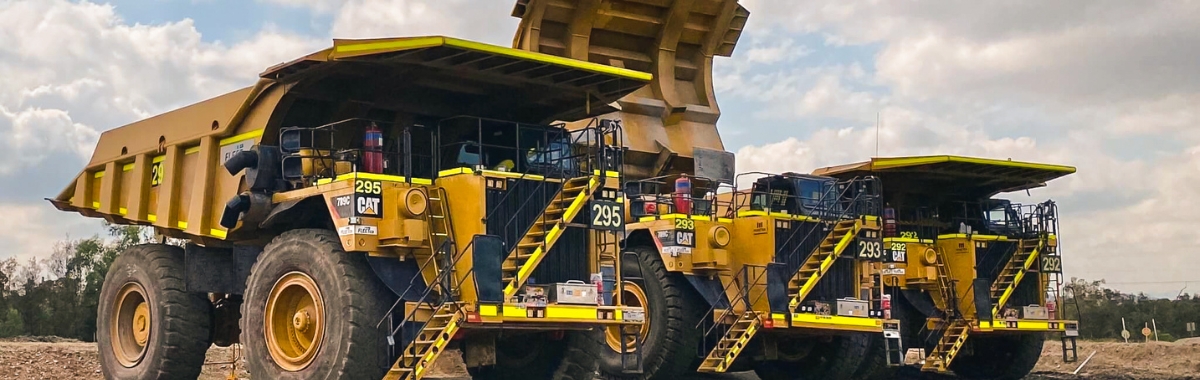
Fleet of Caterpillar dump trucks with sound attenuation kits installed

A commitment to sustainability and safety 

Environmental responsibility and community relations have never been more critical for the mining industry. Governments, regulators, and local communities are demanding that mining companies minimise their environmental impact, while investors and stakeholders increasingly expect sustainability to be a core business priority. Minetek is at the forefront of this shift, providing innovative solutions that help mining operators meet these evolving expectations. 

By integrating advanced technologies that reduce water consumption, lower energy usage, and minimise noise pollution, Minetek supports mining companies in transitioning towards more sustainable operations. For example, Minetek’s water management systems help conserve and reuse valuable water resources, reducing both environmental impact and operational costs. Additionally, its energy-efficient ventilation and noise suppression solutions enable mining companies to operate within stringent environmental guidelines while maintaining productivity and profitability. 

Beyond regulatory compliance, Minetek understands that the long-term success of mining operations depends on maintaining strong relationships with local communities. Poor environmental management, excessive noise, and water mismanagement can lead to public opposition and even project shutdowns. By addressing these concerns proactively, Minetek helps mining companies foster positive community relations through cleaner, quieter, and more responsible operations. 


A trusted partner for the future of mining 

As the mining sector faces increasing pressure to enhance sustainability, improve regulatory compliance, and boost operational efficiency, Minetek stands as a proven partner in driving this transformation. 

With world-class ventilation systems that reduce energy consumption, innovative water management technologies that promote sustainability, and advanced noise suppression solutions that enhance community relationships, Minetek is shaping the future of mining. Together with its clients, Minetek is building a more responsible, efficient, and sustainable mining industry.