Contact Us
Return to news & insights

Minetek Sound’s Full-Service Maintenance for Noise Control Solutions

Publish date: 4 November 2024

Minetek Sound, a global leader in sound attenuation and noise management, is recognised for our unmatched ability to help original equipment manufacturers (OEMs) and mining operations achieve some of the quietest machinery in the industry. With a proven track record of attenuating noise on over 1,200 mining machines, we are committed to delivering advanced solutions that enhance productivity while significantly reducing noise-related impacts on operators and maintenance teams.

Our expertise extends far beyond noise reduction solutions. Minetek Sound is known for its comprehensive service and support offerings, which are a cornerstone of our reputation for excellence. Our commitment to superior service is evident in our extensive post-project support, including:

Spare Parts Supply Planning
Minetek Sound excels in strategic spare parts management through a well-structured planning process that ensures smooth operations and minimises downtime. We conduct detailed analyses to forecast spare parts requirements based on machine usage patterns and historical data. Our optimised supply chain logistics ensure critical components are always available when needed. By maintaining a well-organised inventory system and fostering strong supplier relationships, we can quickly address part shortages or unexpected failures. This proactive approach prevents costly delays, enabling rapid maintenance and repairs, and keeping your machinery running at peak efficiency.

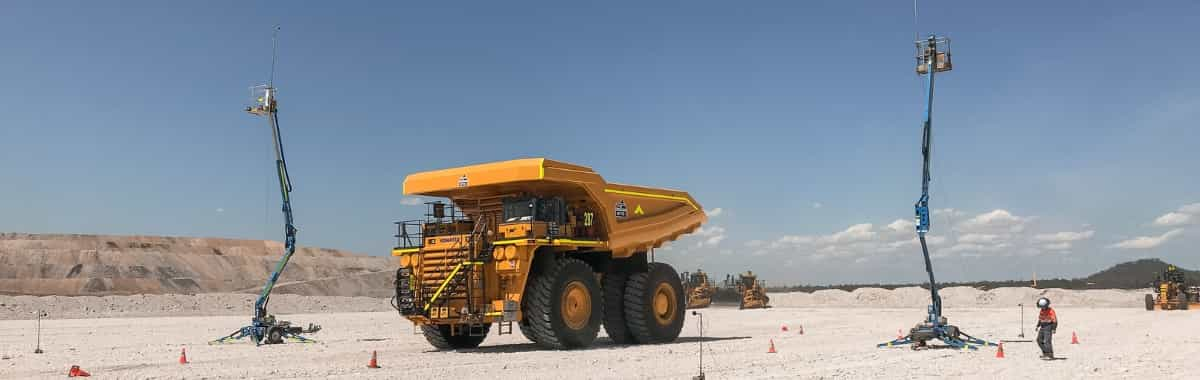
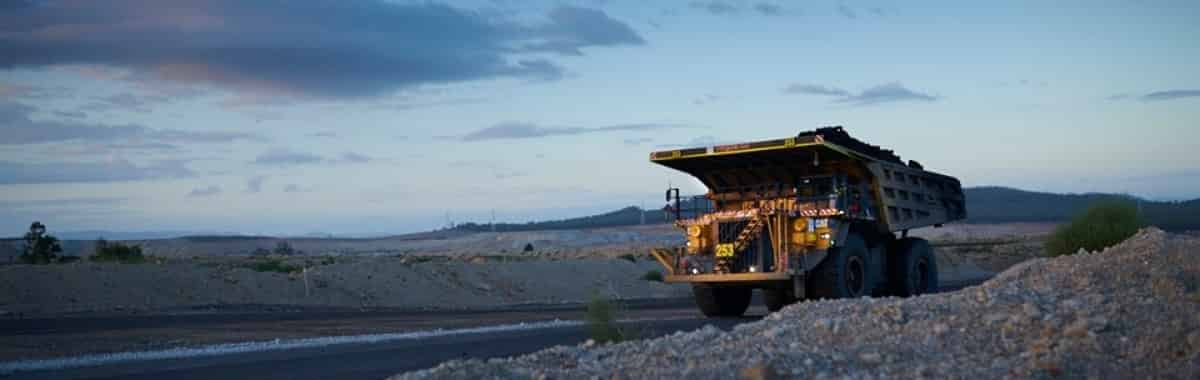
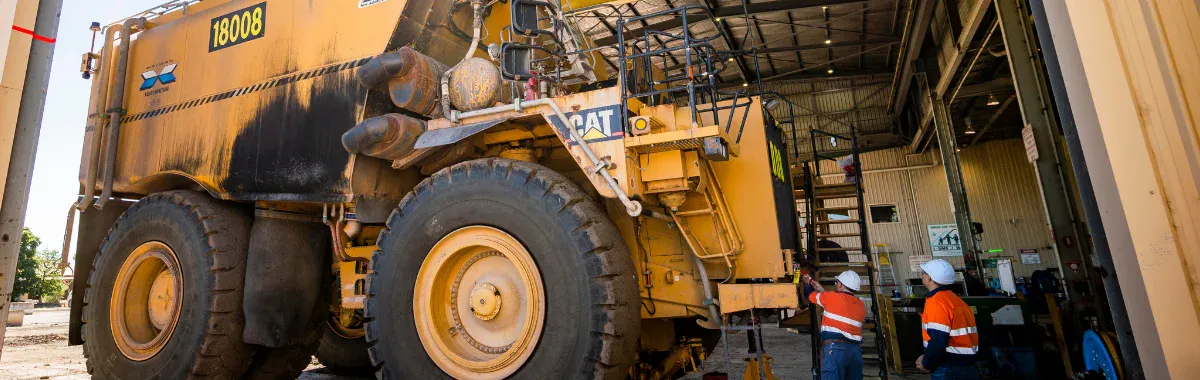
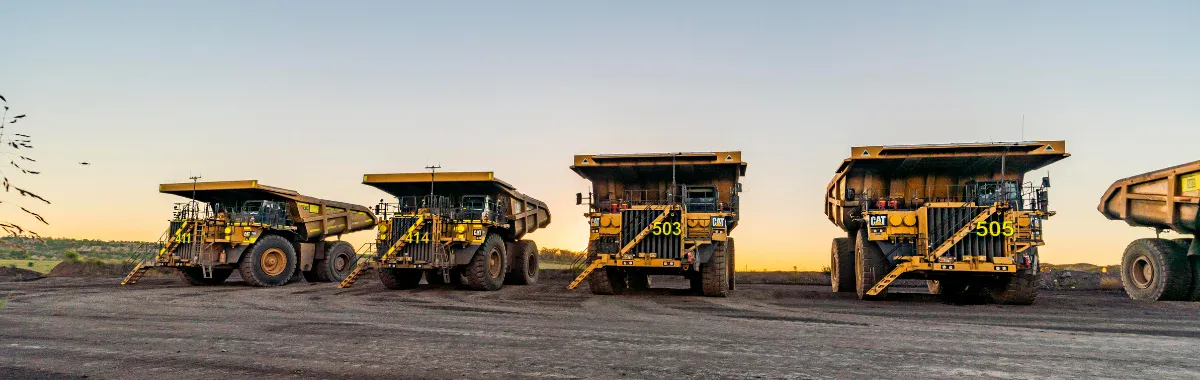
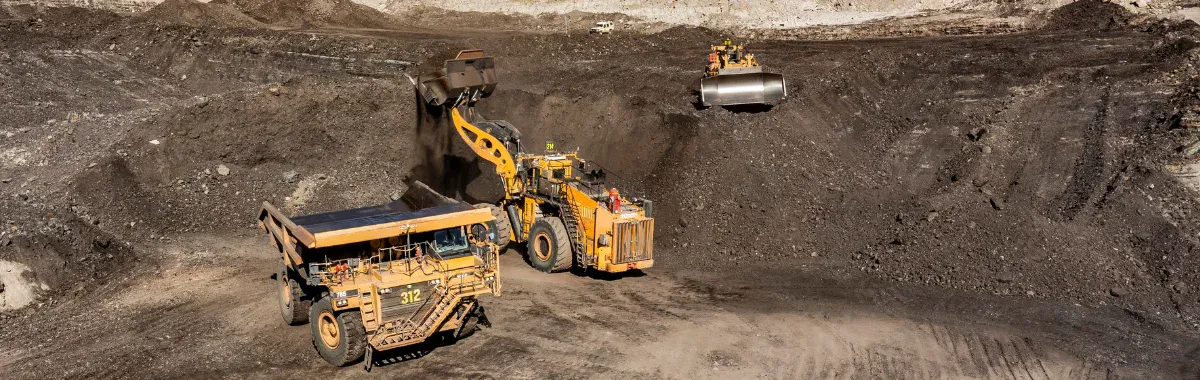
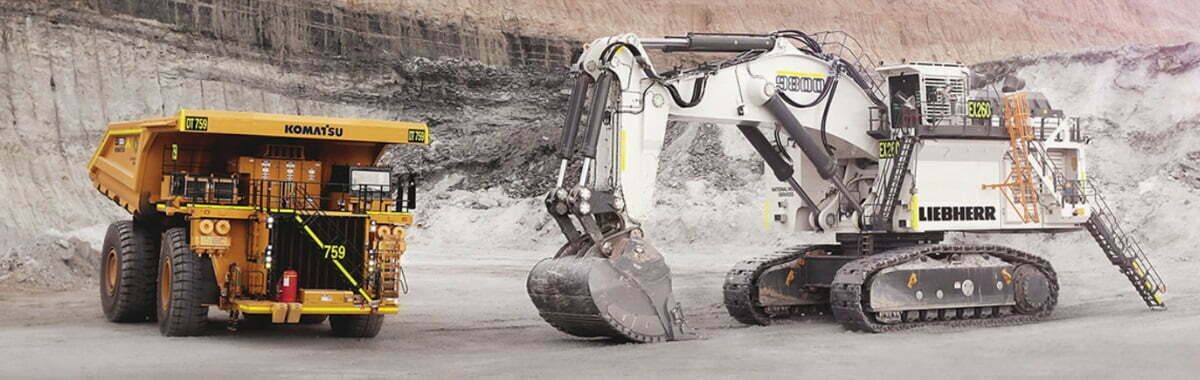
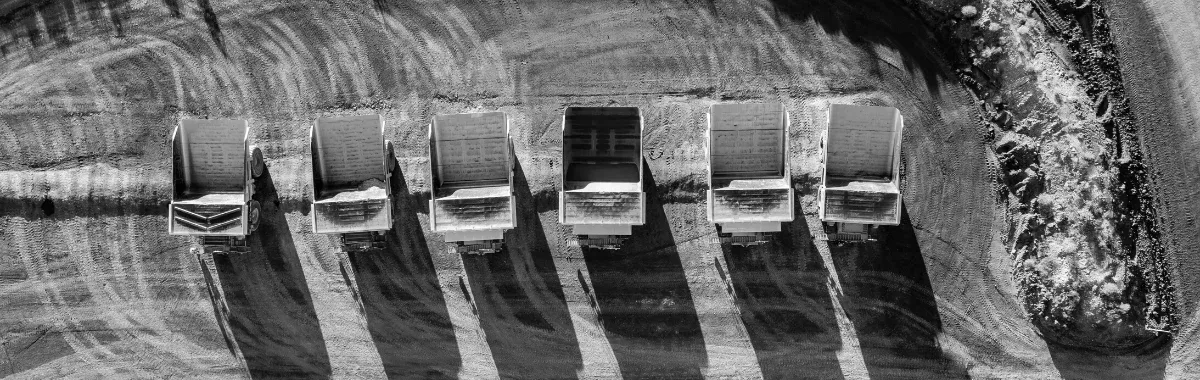
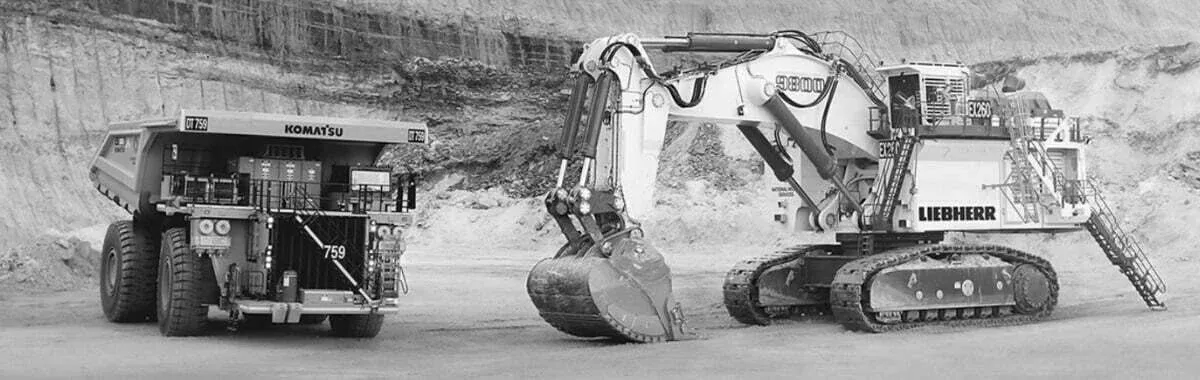
Komatsu Dump Truck

Reporting & Monitoring
Our solutions offer comprehensive performance reporting and continuous monitoring, essential for maintaining high machine performance. By implementing advanced data collection and analysis tools, we provide detailed reports on key operational metrics, such as machine efficiency, usage patterns, and wear and tear. More importantly, our real-time monitoring capabilities allow us to track these metrics continuously, identifying potential issues before they escalate into major problems. This proactive approach—central to our service—enables immediate corrective actions, ensuring your equipment stays in optimal condition and reducing the risk of unexpected breakdowns, giving you peace of mind.

Modifications & Upgrades
Our team specialises in modifications and upgrades, ensuring your machinery stays aligned with evolving operational demands and technological advancements. We thoroughly assess your equipment’s performance, identifying opportunities to enhance efficiency, productivity, and safety. Whether it’s integrating new technologies, adapting to regulatory changes, or optimising machine components, our skilled engineers design and implement tailored solutions to meet your needs, keeping your equipment future-ready.

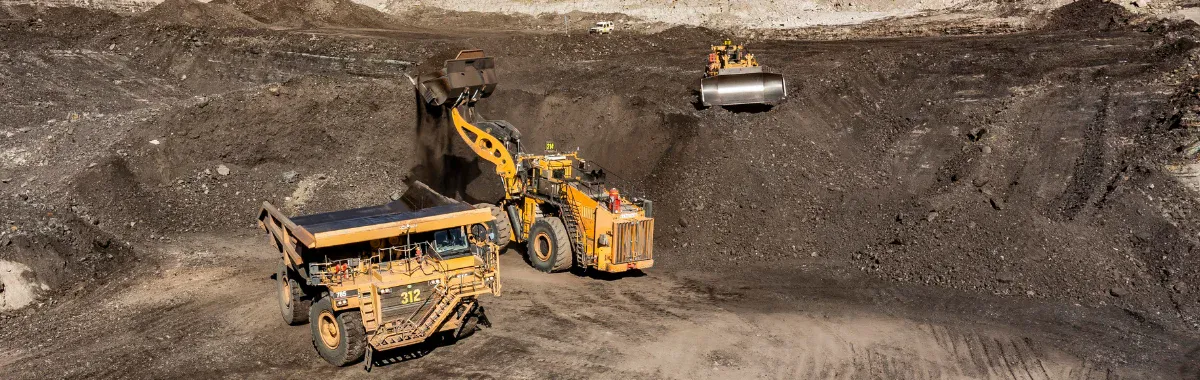
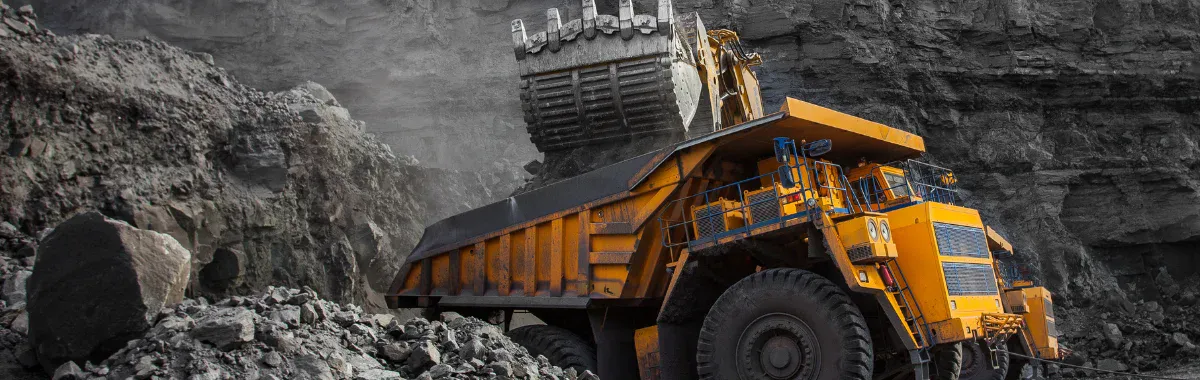
Komatsu Dump Trucks

Technical Guidance
Minetek Sound offers expert technical guidance to help you overcome any operational challenges. Our team of specialists delivers in-depth technical support and problem-solving expertise to address machine performance, maintenance, and troubleshooting needs. We provide actionable insights and solutions to enhance the efficiency and effectiveness of your machinery. Our technical guidance includes thorough diagnostic procedures, recommendations for corrective actions, and advice on best practices. By leveraging our expertise, you can tackle operational challenges more effectively, boost machine reliability, and ensure your equipment continues to perform at its best for years to come.

Minetek’s Comprehensive Support and Global Reach
Our long-standing relationships with clients are a testament to our commitment to aligning with their goals and supporting mutual success. Understanding the complexities of active mine sites, we have developed a global network of experienced service providers, allowing us to offer tailored support for diverse mining and industrial operations around the world.

With strategically positioned service and support teams, we ensure maximum machine availability and performance for leading mining operators globally. Our exceptional after-sales support and dedication to maintaining high operational efficiency help industrial leaders achieve excellence, improve profitability, and maintain a competitive edge.

Return to news & insights

The Impact of Winter on Mining Noise Pollution

Publish date: 22 October 2024

As the Australian autumn settles in, it’s crucial to reflect on the challenges of the recent winter and start preparing for the next. Australia just experienced an unusually cold season, with temperatures dropping about five degrees below average. Similar weather patterns are anticipated to affect the Northern Hemisphere in the coming months.

Cold weather, combined with snow and ice, poses several challenges to the mining industry. Machinery malfunctions, operational delays, and increased maintenance needs are common, all of which raise operational costs and hinder productivity. However, one often overlooked consequence of winter conditions is how cold temperatures affect noise from mining equipment, causing it to travel further.

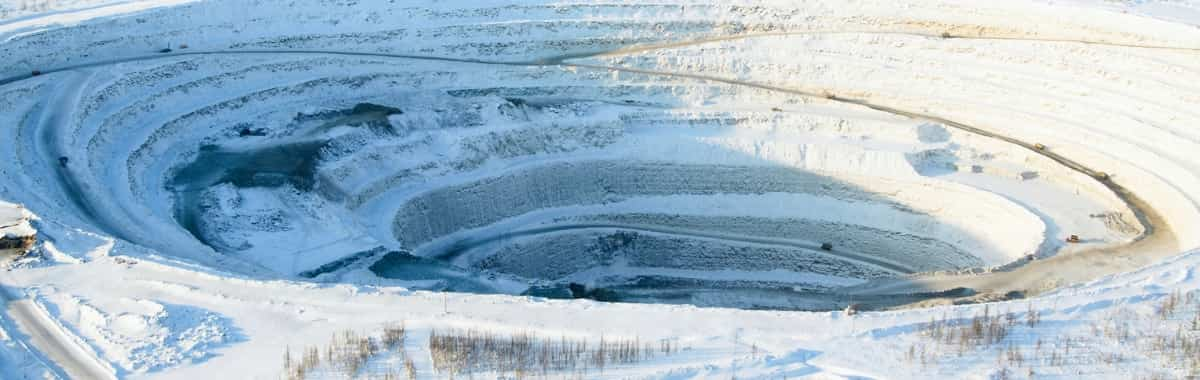
Mine covered in snow

How Cold Weather Amplifies Noise in Mining Operations

Cold air, particularly in winter, changes the way sound travels. Lower temperatures increase the density of air, allowing sound waves to carry further than they would in warmer conditions. For mining machines, this can mean a significant rise in noise levels, which has a range of effects both within the mine and on the surrounding community.

Implications for Mining Companies Globally
  1. Impact on Nearby Communities
    Increased noise pollution during colder months can significantly disrupt communities near mining sites. This isn’t just a matter of inconvenience—it can lead to health concerns, such as increased stress and sleep disturbances. The cold amplifies the already noisy operations, and residents may find their quality of life diminished as communication, daily activities, and leisure are disrupted.
  2. Rising Complaints
    As noise becomes more noticeable in winter, mining companies are likely to see an increase in noise-related complaints. Managing these grievances efficiently will require mining companies to allocate additional resources to community engagement and complaint resolution. Failing to address these concerns can damage the company’s reputation and strain relations with local communities.
  3. Regulatory Challenges
    Mining companies must comply with strict noise regulations, and amplified noise levels during cold weather increase the risk of breaching these standards. Non-compliance can lead to fines, legal challenges, and operational restrictions, further complicating the business.
  4. Environmental Impact
    The heightened noise levels don’t just affect humans; they also disrupt local wildlife and ecosystems. Many animals rely on quiet environments for communication, hunting, and reproduction. Excessive noise can force them to abandon their habitats, leading to reduced biodiversity and altered ecosystems. Combined with other environmental stresses from mining, this can result in long-term ecological damage.

Preparing for Cold Weather and Noise Challenges

Mining companies must be proactive in addressing these seasonal noise challenges, taking steps to ensure both regulatory compliance and community harmony. The winter chill serves as a stark reminder of the interconnectedness between weather conditions and mining operations, emphasising the need for resilient and adaptive practices.

Minetek’s Sound Solutions

Minetek is globally recognised for its innovative sound suppression and noise reduction technologies tailored specifically to mining environments. Our Australian-made solutions have successfully reduced noise across more than 1,200 mining machines and over 90 OEM-approved models.

Our modular systems are engineered to deliver up to 50% noise reduction, ensuring compliance with regulatory standards and community expectations, even in extreme weather. Whether in sun, snow, or rain, Minetek’s solutions protect the environment, safeguard worker well-being, and minimise the impact of mining activities on nearby communities.

Our commitment to innovation drives us to create safer, more sustainable mining practices, no matter the season.

Mine covered in snow
Return to news & insights

How Minetek Sound is Quietly Revolutionising Mining

Publish date: 18 October 2024

Mining plays a crucial role in supplying the raw materials essential for various industries. Metals such as copper, gold, and aluminium are vital to sectors like construction, electronics, and transportation. Meanwhile, minerals like lithium and cobalt have become increasingly important for batteries and renewable energy technologies. The extraction and processing of these resources are key to infrastructure development, manufacturing, and the production of countless everyday goods and services.

Economically, mining supports hundreds of thousands of jobs worldwide, ranging from direct roles in extraction and processing to indirect positions in supply chains and related industries. It also generates significant revenue for governments through taxes, royalties, and other financial contributions, which are often reinvested into public services and infrastructure, boosting both local and national economies.

However, mining operations also present significant environmental and social challenges. One of the most pressing issues is noise pollution.

The Noise Pollution Challenge in Mining Operations

Mining activities, such as blasting, drilling, and operating heavy machinery, produce substantial noise levels that can severely impact nearby communities and wildlife.

The high decibel levels from these operations pose serious health risks. Prolonged exposure to loud noise can cause permanent hearing loss and disrupt sleep patterns, leading to chronic fatigue and other health issues. Additionally, constant noise can elevate stress levels, negatively affecting both physical and mental well-being.

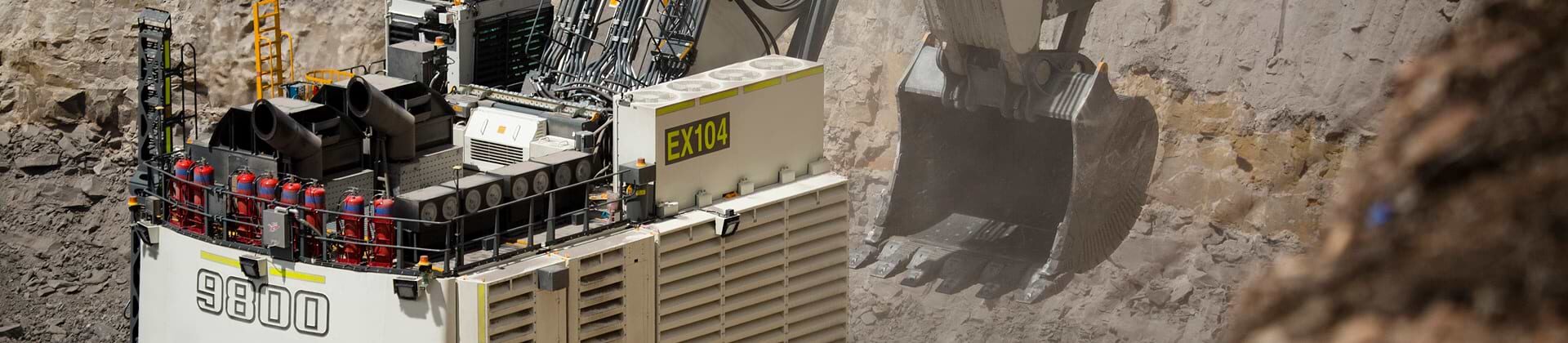
Minetek Sound Caterpillar Excavator Noise Reduction

Beyond health concerns, local communities face multiple disruptions from mining activities. The constant noise from operations can interfere with daily life, making it difficult for residents to concentrate, communicate, or relax in their homes. This persistent disturbance often lowers property values in affected areas, as potential buyers are put off by the poor living conditions created by noise pollution. Consequently, the overall quality of life for residents can decline significantly.

Additionally, the ongoing noise from mining operations can strain relationships between mining companies and local communities. When companies are perceived as disregarding community well-being, it can lead to resentment and resistance, heightening social tensions and conflicts. In more severe instances, these tensions can escalate into legal disputes, as communities seek ways to reduce the negative impact of mining on their lives and livelihoods.

In extreme cases, these conflicts and legal battles can cause significant operational disruptions for mining companies. Legal challenges may result in costly delays, sometimes halting operations for months. These interruptions not only lead to financial losses from reduced production and increased costs but can also damage the company’s reputation and harm relationships with other stakeholders, including investors and regulators. The cumulative financial impact of these disruptions can be substantial, underscoring the importance of mining companies proactively addressing noise pollution and engaging constructively with affected communities to prevent prolonged operational setbacks.

Regulatory Pressures and Compliance Risks for Mining Companies

Mining companies must not only consider local communities but also navigate the regulatory landscape governing noise pollution. Government regulators worldwide, such as the Environmental Protection Agency (EPA) in the United States and similar organisations in other countries, enforce strict guidelines and licensing conditions to control noise levels. These regulations aim to mitigate the negative effects of mining noise and protect the quality of life for nearby residents.

Failure to comply with these noise regulations can have serious consequences for mining companies. Operational restrictions may be imposed, such as limiting working hours or requiring changes to mining practices to reduce noise levels. These restrictions can disrupt production schedules and lead to increased operational costs. Additionally, companies may face hefty fines for exceeding noise limits. These financial penalties not only affect profitability but can also harm a company’s compliance record, potentially damaging its reputation.

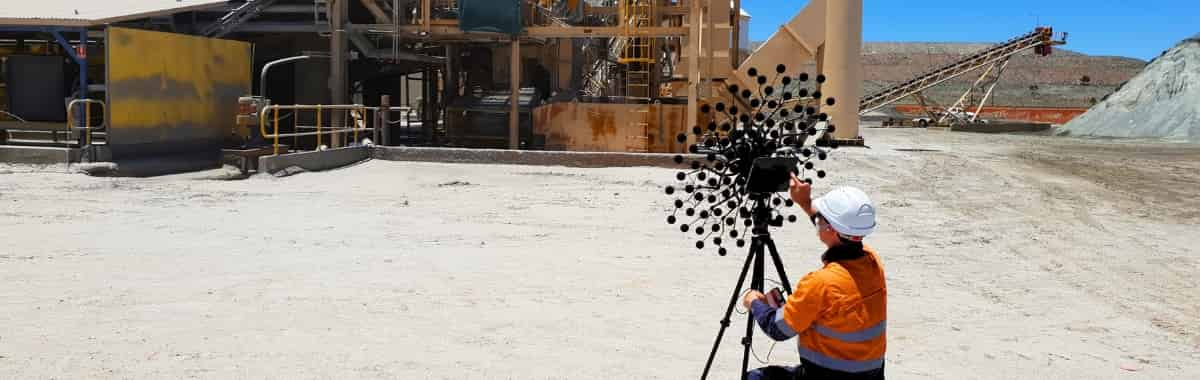
Minetek Sound noise testing

Perhaps most critically, non-compliance with noise regulations can endanger a company’s social license to operate—the ongoing acceptance and approval of its activities by local communities and other stakeholders. If a mining company fails to effectively manage noise pollution, it can erode trust and support from the community. This breakdown in relations may lead to increased opposition, project delays, heightened scrutiny, or even the suspension of operations.

Mining companies recognise the serious risks of non-compliance and the potential harm to both their operations and community relationships. As a result, they strive to maintain transparency, plan thoroughly, manage noise levels, and proactively engage with local communities to foster positive relationships and uphold their role as responsible neighbours.

Minetek Sound’s Commitment to Noise Mitigation

Minetek Sound is a trailblazer in addressing noise pollution within the mining industry, offering advanced noise attenuation solutions. With over 30 years of experience, Minetek has become a leader in developing innovative noise-reduction technologies for mining machinery. The company’s dedication to innovation and environmental stewardship has solidified its reputation as a global authority in noise management systems.

Minetek is internationally recognised for its expertise in designing, manufacturing, and implementing modular sound suppression solutions. These systems, featuring cutting-edge noise-cancelling technology, allow mining operations to operate the quietest equipment available. By reducing noise on over 2,300 mining machines and across more than 115 OEM-approved models, Minetek’s solutions have consistently proven to lower accumulated mining noise by up to 50%.

This reduction not only enhances safety for operators but also ensures compliance with stringent regulatory and community noise standards worldwide. Implementing Minetek’s solutions can lead to improved health and safety conditions for miners, fewer operational disruptions, and better community relations, ultimately supporting the sustainability of mining operations.

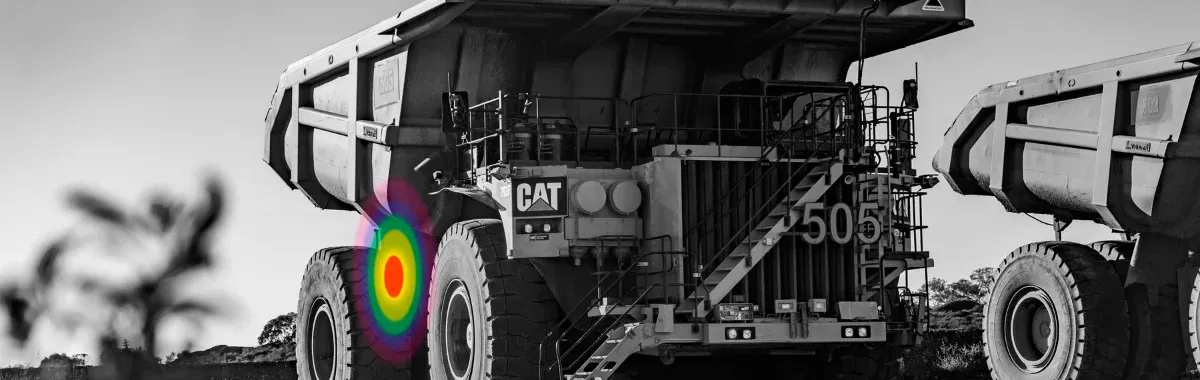
Minetek Sound Caterpillar Dump Truck Noise Reduction

Our Range of Sound Reduction Capabilities

  • Sound Testing: Minetek offers a comprehensive range of testing services to help industry leaders meet safety, regulatory, and community noise standards. Our testing solutions ensure that equipment complies with the highest levels of noise control.
  • Sound Attenuation: As a global leader in noise management, Minetek provides advanced sound attenuation solutions, enabling OEMs and mining operations to operate some of the quietest machinery in the industry.
  • Sound Suppression Packages: We deliver specialised sound suppression packages for a variety of mining equipment, including trucks, excavators, dozers, loaders, and drills. Our designs are approved by major OEMs like Liebherr, Hitachi, Caterpillar, and Komatsu.
  • Industrial Exhausts: Minetek is a leading supplier of industrial exhaust systems and noise control solutions, catering to both Australian and international markets.

Minetek’s dedication to reducing noise pollution plays a critical role in promoting sustainable, community-friendly mining practices, ensuring safety, and fostering positive relationships with local communities.

Conclusion

As the mining industry evolves, adopting advanced noise management solutions, like those provided by Minetek, will be essential for balancing the industry’s benefits with the need for sustainable and community-friendly practices.

Minetek Sound exemplifies how innovation and responsibility can go hand in hand to address noise pollution. With a proven track record and state-of-the-art technologies, Minetek offers effective noise reduction solutions that enhance operational efficiency, ensure regulatory compliance, and foster positive relationships with local communities.

Return to news & insights

How to achieve machine noise reductions

Publish date: 5 July 2024

Mines can operate 24/7 if appropriate noise regulations are met. These are typically achieved through machine noise reduction strategies and sound attenuation. Open-cut mines are susceptible to increased noise levels due to the nature of their operations with heavy machinery often the primary source of increased noise on mine sites. Minetek Sound has developed sound attenuation solutions to ensure machinery is compliant with government regulators and set noise limits the mine must adhere to.

machine_1

What are the implications of noise pollution on mine sites?

Mines are 24/7 operations, and anyone working or living near a mine site, without realising it can suffer from hearing and/or physiological damage. According to Safe Work Australia, mining was included in the top three industry sectors with compensation claims due to deafness. Within the mining industry, coal mining had the highest number and highest incidence rate, so the threat to hearing is very profound and in need of attention. Machine noise reduction strategies can help minimise health impacts on mine site workers.

Machinery noise regulations are set by governing bodies to ensure their operations do not disturb neighbours with excessive noise, particularly at night. Hunter Valley coal mine was fined $15,000 AUD for excessive noise at night by the NSW Environment Protection Authority (EPA). They exceeded their set noise levels by 3dB, causing production to halt during evenings to avoid fines and further development restrictions. Machine noise reduction strategies can assist with managing workers’ safety, and environmental and community expectations.

machine_2

What is a truck-mounted attenuator?

A truck-mounted attenuator is a device that is fitted to the exhaust of a machine in order to reduce machine noise levels. Truck-mounted attenuators are often used on open-cut mines where the increased noise levels can halt production or reduce mine operating hours.

Minetek’s sound attenuation packages provide clear benefits beyond sound reduction including prevention of overheating through engineered designs, ease of maintenance, less downtime, compliance with strict government regulators, reduction of fines, and improved community relations. Our engineered machine noise reduction solutions help to reduce noise by intelligently treating the noise sources in the most effective way, by treating noise from the source. Providing noise reduction solutions across mining fleets is expected to save operators considerable amounts of money in the process.

More than often, whilst treating the source of machinery noise, Minetek also lowers the risk of the vehicle overheating through increased airflow. Our maintenance plan allows operators to regularly maintain machines without having to remove the truck-mounted attenuator. Our turnkey sound attenuation solutions ensure the performance of the machine is not impacted by our sound reduction efforts. Minetek Sound provides clear maintenance guidelines, reducing the downtime of machinery and guaranteeing optimal machine performance.

machine_3

Machine noise reduction strategies

Our solutions can help reduce machine noise on just about any large diesel machinery. Backed by our long history and proven track record of working with OEMs such as Hitachi, Liebherr, Komatsu, JCB and Caterpillar. Minetek’s machinery noise reduction packages include noise surveys and evaluation, safety advice for the operator, mine site inspections and site recommendations, in-cab testing and recommendations and Work Health and Safety noise recommendations.

The noise assessment process is extremely thorough, with the ability to accurately predict noise level reductions and guarantee accurate sound reduction levels in accordance with regulatory noise criteria. We have multiple case studies with a proven track record of hitting our noise reduction targets across all past projects.

Our rigorous testing involves checking the noise output when stationary and during in situ operating conditions. These include both uphill and downhill travel, whilst loaded and unloaded along with any applicable parameters as specified. To ensure 100% accuracy of our results, we provide our clients with a reputable independent noise report from a third party.

machine_4
Return to news & insights

Mine site noise control strategies

Publish date: 21 June 2024

Noise control is often one of the less significant considerations when planning and implementing mining developments. While environmental regulations need to be met, noise does not pose an immediate risk to the life of miners or the community at large.

Mine sites often choose to reactively control noise pollution only once an incident has occurred, as either a breach of regulation or pressure from the local community emerge. However, noise is a generic hazard common to the entire industry and all mining operations. One in four mineworkers has hearing issues, with four out of five miners having a hearing impairment by the time they reach their mid-60s. Industrial Deafness compensation claims can be costly to the industry. Hearing loss, compensation payments, and public awareness are all on the rise.

Proactive sound attenuation is the best noise control solution, helping to mitigate issues and reap the immediate rewards of strategic noise dampening without economic loss of downtime or fines. Minetek can help sites assess all elements of sound suppression and embed sound as a key consideration in all safety and environmental initiatives.

What are the options for noise control?

There are three main types of engineering noise control in industrial workplaces. Each of these methods comes with factors that need to be addressed. These are:

  1. Employer control
  2. Controlling noise at the source
  3. Controlling noise propagation
control-1

1. Employer Noise Control

This is achieved by workers wearing hearing protection.

Considerations

Employer PPE is the easiest sound control method but should be seen as an additional supplement on top of proper noise control. Hearing protection relies on individual workers to fit and wear protection and does not control site noise or vibrations that may cause environmental or community breaches.

2. Controlling Noise at the Source

This is achieved by the substitution of processes, work methods, materials, or equipment. Specification of quieter machines or minimising the number of machines running at a given time.

Maintaining equipment or well-designed machines with sound in mind can also mitigate noise. The reduction of mechanical shock between parts, friction or vibration can reduce the sound.

control-2

Considerations

While controlling noise at the source is a reasonable method for sound control, not all options are realistic. Running fewer machines or limiting production to certain times can seriously impede the site’s ROI, as seen at New Acland in NSW.

Additionally, choosing to change work methods, processes or equipment can be both timely, and costly, and often come with additional safety assessments and red tape.

Substituting machinery or machinery parts to reduce noise is the best option to control noise at the source. There are several complexities that need to be considered when doing this, and many offerings on the market, such as fan substitution, sacrifice machine performance, power and longevity in the name of noise suppression.

Minetek can assist in a full assessment of viable options to control noise at the source, that won’t reduce power, performance or profitability of the equipment or site.

3. Controlling Noise Propagation

This is achieved by blocking the sound waves from travelling, either using barriers, enclosures, reactive or dissipative mufflers, reverberation control or active noise control.

Considerations

Controlling noise propagation is another feasible option if performed correctly. Sound suppression idlers, engine attenuation, and acoustic engine enclosures are all options for great reduction however, just like controlling noise at the source, due care must be taken to not overheat, crowd, or block the engine. Many companies in the market fail to consider the longevity of equipment, choosing to sacrifice quality for immediate cost savings.

Incorrect or low-quality sound suppression can severely hamper a machine’s performance and life span. Replacing burnt-out mine equipment will ultimately wind up being far more costly than investing in a correct sound attenuation solution.

There’s also an environmental element to consider here as well. Maintaining mechanical and combustion efficiency will prevent equipment from chewing through petrol and driving down air quality on site.

control-3

Environmental and community awareness is increasing scrutiny of industry noise. Sound attenuation is not only important for employer safety, but poor noise control can raise expenditures due to machine replacement, fines, compensation payouts and strict limitations to production schedules.

We offer onsite sound assessing, consultation, custom engineering, installation, servicing, and guaranteed results. Make Minetek part of your sound attenuation strategy and set your site up for success.

Return to news & insights

Mine site noise level monitoring

Publish date: 21 June 2024

Mining companies have an obligation to protect the environment and the communities in which they operate. One way of doing this is by monitoring noise levels from mining operations. Noise level monitoring helps identify and mitigate any potential noise impacts from mining activities. It is important for mining companies to understand how mine noise affects the surrounding community so that any adverse effects can be mitigated. Noise monitoring is not only important for employer safety, it can also raise expenditures due to machine replacement, fines, compensation payouts and strict limitations to production schedules. This article discusses what mine noise level monitoring is, and how it can benefit mining companies and communities.

What is mine noise level monitoring?

The management of noise from mining operations is a fundamental responsibility of mine operators. Noise level monitoring is one method used to assess the potential for hearing loss among workers and to determine whether noise mitigation measures are effective. Solutions such as sound attenuation can allow for extended operating hours, increased productivity and improved work environments.

There are a number of different approaches that can be taken to noise level monitoring, depending on the specific needs of the operation. In general, however, noise level monitors are placed at strategic locations around the mine in order to get a comprehensive understanding of the noise environment. Data from these monitors is then analysed to identify areas of high noise exposure and assess the effectiveness of noise mitigation measures.

Noise level monitoring is an important tool in ensuring the safety and health of workers at mine sites. By identifying areas of high noise exposure, operators can take steps to reduce noise levels and protect workers from potential hearing damage. Sound levels below 85 dBA are considered safe noise level exposure levels. If you are exposed to sound levels at 85 dBA or more for prolonged periods of time, it can cause permanent damage to your hearing. Operator noise exposure testing can help prevent potential hearing damage to machine operators by ensuring safe noise levels are met.

monitor-1

What are the benefits of noise level monitoring?

There are a number of potential benefits that noise level monitoring can bring to both mining companies and the communities in which they operate. For mining companies, noise level monitoring can help to identify areas where noise levels are becoming a problem. This information can then be used to implement mitigating measures, such as installing sound-proofing barriers or attenuating your mining machinery. Noise level monitoring can help mining companies assess the effectiveness of these measures over time.

For communities, noise level monitoring can provide valuable data on the level of noise pollution they are being exposed to. This information can be used to pressure mining companies to take action to reduce noise levels and meet noise level compliance. In addition, it can also be used to inform local residents about the need to take precautions against excessive noise exposure. Ultimately, noise level monitoring has the potential to bring significant benefits to both mining companies and the communities in which they operate.

monitor-2

Noise mitigation solutions

Minetek offers a wide range of services to optimise the noise output from your machine. We analyse and measure both sound power, or how much acoustic energy is produced by one source (elevator bell), as well as intensity measurements. This enables us to capture the sound intensity measurement of the source without noisy operating conditions impacting our sound testing data.

By pinpointing key noise sources, we are able to strategically focus on specific machine parts to help reduce overall noise levels through sound attenuation. Sound attenuation helps to mitigate noise issues and reap the immediate rewards of the reduced machine sound output without economic loss of downtime or fines. Minetek can help sites assess all elements of sound suppression and embed sound as a key consideration in all safety and environmental initiatives.

Minetek is committed to helping our clients reduce noise levels and create a more safe and comfortable work environment. We offer a variety of services to meet your needs, including onsite sound assessing, consultation, custom engineering, installation, and servicing. Our team has extensive experience working in the mining industry and is dedicated to providing guaranteed results.

Achieve Better Site Compliance With Noise Auditing Services For Mining

Noise auditing services for mining are vital for maintaining compliance and minimising the environmental impact of operations. This is where we come in. At Minetek, whether you’re looking for engine bay panels, mufflers or silencers, our sound solutions help operations manage noise outputs.

Compliance risk can increase when site sound data is unclear.

In various operations, total noise comes from a mix of mobile equipment, such as haul trucks and excavators, as well as fixed plants and generators.

Introducing new equipment also often means increased noise, while expansion pushes activities closer to inhabited areas. Communities living in the proximity of such mining and industrial operations may raise complaints, adding to the compliance risks.

At this point, regulators and stakeholders expect clear, evidence-based information that shows where the noise is coming from and whether the site meets required limits. Before applying noise control solutions for mining, this situation calls for accurate measurements. This should follow recognised standards and provide easily understood reports that can withstand regulatory noise monitoring review.

That said, quick fixes for these compliance risks can often fail because they do not address how the noise actually travels across the site. If mitigation efforts fail to properly identify the main noise sources and sound pathways, they may overlook the real issue.

Noise auditing services for mining help preserve operations.

A noise assessment can include comprehensive testing, thorough measurements and detailed reporting to assess compliance with both environmental and occupational noise regulations.

When it comes to large industrial sites in Australia, acoustic auditing covers several key areas. For one, boundary noise monitoring helps ensure the site does not disrupt nearby communities. Equipment noise assessments evaluate specific machinery for sound compliance. Lastly, operator exposure evaluations focus on the impact of noise on individuals who work day to day with loud equipment.

Whether you’re considering Caterpillar sound attenuation systems or solutions for other OEM systems, know that an industrial noise audit also aligns with recognised standards and frameworks, which typically relate to environmental and occupational exposures.

Mining noise management often involves compliance testing, and this can align with ISO standards and applicable state environmental guidelines. The chosen methodology must be transparent and repeatable, with clear documentation backing these efforts to help ensure results can withstand regulatory and stakeholder scrutiny.

Prevent complications with noise auditing services for mining.

A mining noise audit, supported by continuous monitoring systems, lets operators demonstrate that noise levels stay within approved limits. Establishing transparency through a mining acoustic assessment helps reduce potential noise complaints and eliminate costly disputes.

This approach helps you avoid legal challenges and maintain a social licence to operate, a critical factor for sites near communities.

Companies like yours can then manage their operational footprints, uphold community trust and work with compliance through noise attenuation/source attenuation. The goal of site noise auditing is to identify dominant noise sources and quantify their impact. Such insights support compliance reporting and guide targeted mitigation strategies.

Minetek supports compliance and auditing for mining sites and equipment.

Here, we understand how challenging generator and equipment noise can be for mining and industrial sites. Our sound testing services adhere to rigorous industry standards, such as AS1269.1 and ISO-9001, providing accurate measurements to assess noise levels.

When noise disrupts your assets, we step in to pinpoint the primary sound sources, whether it’s a full cabin, an active fleet or heavy-duty excavators at work. Our team proposes solutions after the engine noise auditing services for mining, all tailored to your site’s specific needs.

If you were considering options like a dual skin exhaust or other mechanisms like silencers, our structured approach provides clear data and practical recommendations, so you can make informed decisions and manage site noise with greater confidence.

Trust our expertise, as we’re pioneers in noise reduction for mining and heavy industries. Our team is prepared to assist in meeting compliance and community expectations. We partner closely with you to craft mitigation solutions that are feasible within your operational context.

Frequently Asked Questions (FAQ)

Why are noise auditing services for mining and industrial sites critical?

A machinery noise audit is vital to safeguarding your social licence to operate. They also help reduce the risk of regulatory penalties. In sectors like coal, iron ore, lithium and power generation, regulatory frameworks impose strict environmental limits.

Here, we can help you put together an audit that provides evidence that your site is managing noise responsibly. Depending on your site requirements, it may also support internal risk management and CAPEX planning decisions.

How do noise assessment services support compliance at site boundaries?

Boundary monitoring determines whether noise emissions surpass the approved limits at sensitive receptors. For mining operations located near communities or environmental buffer zones, noise auditing at boundaries becomes crucial, as it enables targeted mitigation through solutions like belly panels, mufflers and more. This is compared to broad operational restrictions that may not be effective.

How often should operations have noise auditing services for mining?

The frequency of noise survey services is influenced by regulatory conditions, operational changes and community sensitivity. Operations that introduce new machinery, expand or push closer to their site boundaries should generally reassess their noise audit schedules. Routine audits can also contribute proactively to compliance management, helping you pinpoint issues before they escalate.

With us, your operations can secure structured noise-level monitoring to identify potential noise impacts from mining activities and reduce the chance of unexpected exceedances.

Transform your operations with our engineered solutions.

We’re experienced in noise testing and auditing, providing detailed assessments and actionable insights to spot sound issues. Our advanced services include sound intensity testing, fleet screening and operator exposure evaluation, tailored to meet the industry’s stringent standards.

Afterwards, we can recommend solutions that deliver tangible results, empowering your operations with cutting-edge technology and industry-best practices. On top of this, our global network offers you access to expert guidance no matter where you’re located.

Whether your site needs a construction noise barrier or another tailored application, make an enquiry today to learn more about our noise auditing services for mining.

Return to news & insights

The difference between noise and sound

Publish date: 20 June 2024
Most people generally think of sound and noise as being the same thing. However, there is actually a big difference between noise vs sound. Sound is a type of energy that travels through the air, or any other medium, and is then heard when it reaches a person’s ear. Whereas noise can be described as an unwanted sound. It is intrusive and can be disruptive or potentially even dangerous.
noise-1

What is the difference between sound and noise?

Sound is the outcome of vibrating air in the surroundings. Vibration moves through the air, creating different air pressure levels (high and low) by air compression and decompression. The varying pressure levels travel across the air known as sound waves, these are responsible for creating a sound.

Noise, on the other hand, is a type of sound. Usually, the sound levels are remarkably loud and intermittent. Take a scream as an example of noise, characterised by its unpleasantness and annoying nature.

There are two main types of noise: continuous and intermittent. Continuous noise is referred to as a constant sound, like the hum of a fan or the sound of traffic. Whereas intermittent noise is a sound that occurs sporadically, like a car horn or an explosion.

How do we measure sound?

Sound levels are measured in decibels (dB), one way to measure these levels is with a sound meter. This device has a microphone connected to an electronic circuit and display. It picks up the amount that air particles are being “pushed around,” which we perceive as sound. These pressures are then translated to electrical signals and displayed as the sound level in decibels (dB).

At Minetek we offer both sound power testing and sound intensity. Sound intensity testing provides operators with an in-depth understanding of machine noise behaviour. We analyse the flow of acoustic energy produced by a single source, such as a specific mining truck, excavator or machine. This enables us to capture the sound intensity measurement of the source without noisy operating conditions impacting our sound testing data.

noise-2

What sound levels are considered safe?

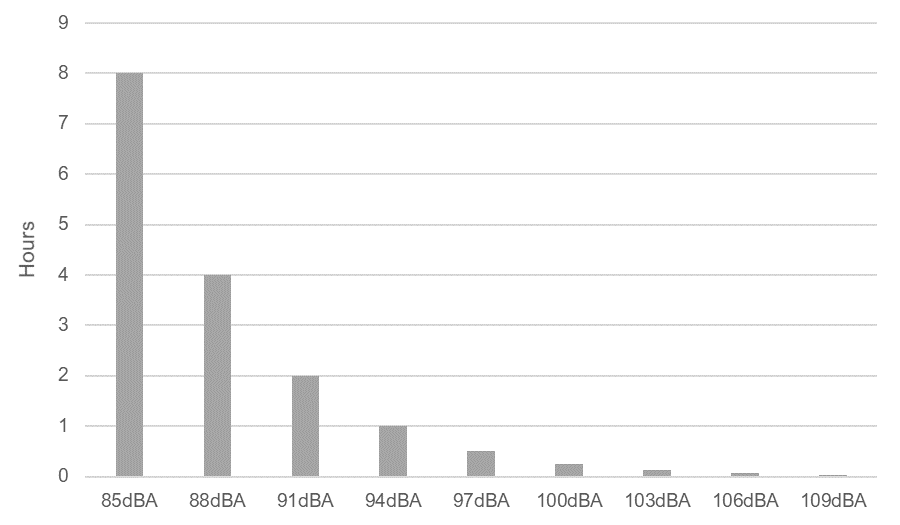
Ensure that your employees’ hearing is not at risk with excessive sound levels at work. Sound levels below 85 dB are considered safe for workers to be exposed to this level of noise. If you are exposed to sound levels at 85 dB or more for prolonged periods of time, it can cause permanent damage to your hearing.

The louder the sound, the more quickly it can cause damage. For example, listening to a mining truck, loader or digger at 85 dB for 8 hours will cause permanent damage. In comparison, a mining machine operating at a 100 dB noise level can cause permanent damage in only 15 minutes.

Ensure that your employees’ hearing is not at risk with excessive sound levels at work. Sound levels below 85 dB are considered safe for workers to be exposed to this level of noise. If you are exposed to sound levels at 85 dB or more for prolonged periods of time, it can cause permanent damage to your hearing. The louder the sound, the more quickly it can cause damage. For example, listening to a mining truck, loader or digger at 85 dB for 8 hours will cause permanent damage. Whereas, a mining machine operating at a 100 dB noise level can cause permanent damage in only 15 minutes.

noise-3

What are the health impacts of noise?

Noise can have a significant impact on our health, both physically and mentally. Excessive noise can induce severe cardiovascular symptoms of increased heart rate. It can also emphasise psychological effects such as anxiety, profound nervousness and lack of concentration. Some of the ways noise can affect humans include:

    • causing increased stress
    • increasing heart rate
    • sweating
    • difficulty sleeping
    • irritability
    • anxiety
    • hearing loss

The most common health problem caused by noise is hearing loss. Exposure to loud noise can damage the delicate cells in our ears, resulting in Noise-Induced Hearing Loss (NIHL). NIHL can be gradual and painless, making it difficult to notice at first. Over time, it can lead to a permanent loss of hearing.

Industrial noise pollution control​

When it comes to industrial noise pollution control, Minetek has proven experience in the design & implementation of turn-key solutions which are proven to be effective in reducing noise in industrial settings. With over 150 years of combined project experience, our team has delivered over 2,800 solutions across more than 60 countries, enabling industrial operators to meet their noise control objectives.

noise-4

Noise control allows for extended operating hours, increased productivity, significant reductions in lead times, and improved work environments. Minetek has the capabilities in acoustic design & engineering for health, defence, marine, emergency and mission-critical applications. With proven results in the power generation and standby power markets, our experience is unmatched. With full ISO:9001 accreditation and 150 years of project delivery experience, Minetek has the capability to meet any industrial sound or emission management objectives.

Speak to our team about your goals today and we will provide you with solutions that match your specific needs. Leave your details below to learn more.

Frequently Asked Questions (FAQ)

What is sound attenuation in mining?
Sound attenuation in mining refers to the reduction of noise generated by heavy mining equipment, ventilation systems, generators, and mobile fleets. Mining sound attenuation systems are designed to lower operational noise levels while maintaining equipment performance, airflow, and safety compliance. These solutions help mine sites meet environmental noise requirements, improve working conditions, and reduce community noise impacts near operations.
How does sound attenuation reduce mining equipment noise?
Sound attenuation reduces mining equipment noise by controlling how sound waves travel from engines, exhaust systems, cooling systems, and mechanical components. Industrial sound attenuation systems may use acoustic materials, silencers, barriers, and engineered airflow pathways to absorb, redirect, or reduce noise energy. In mining applications, effective attenuation must reduce noise without compromising cooling performance, maintenance access, or equipment reliability.
Why is sound attenuation important for mine site compliance?
Sound attenuation is important because mine sites often need to manage operational noise to meet environmental, workplace, and community noise requirements. Excessive equipment noise can create compliance risks, affect worker wellbeing, and increase the impact of operations on nearby communities. Mining sound attenuation solutions help reduce noise emissions while supporting safer and more sustainable site operations.
What is the difference between sound attenuation and soundproofing?
Sound attenuation and soundproofing are related, but they are not the same. Sound attenuation focuses on reducing or controlling noise levels, especially from equipment and industrial processes. Soundproofing aims to block sound almost completely from entering or leaving a space. In mining, sound attenuation is usually more practical because equipment still needs airflow, cooling, servicing access, and operational performance.
Which mining equipment can use sound attenuation systems?
Sound attenuation systems can be used on a wide range of mining equipment, including haul trucks, excavators, drill rigs, generators, compressors, processing plants, and ventilation systems. Heavy equipment sound attenuation solutions are typically engineered around the specific machine, noise source, airflow requirements, and operating environment. This allows mining companies to reduce equipment noise while maintaining productivity and reliability.
Can sound attenuation improve worker safety?
Yes. Sound attenuation can support worker safety by reducing excessive noise exposure around heavy equipment and industrial work areas. Lower noise levels can make it easier for workers to communicate, hear alarms, and stay aware of their surroundings. Mining noise reduction strategies may also help reduce fatigue and support long-term workforce health where personnel are regularly exposed to high-noise environments.
What are the benefits of industrial sound attenuation systems?
Industrial sound attenuation systems can help reduce operational noise, support compliance, improve worker comfort, and minimise noise impacts on nearby communities. In mining environments, they may also improve communication around equipment, reduce fatigue risks, and support broader site safety initiatives. Effective acoustic attenuation solutions help mining companies manage environmental obligations while keeping equipment operating efficiently.
How is mining sound attenuation measured?
Mining sound attenuation is typically measured in decibels using acoustic testing and noise monitoring equipment. Engineers may assess noise levels before and after attenuation systems are installed to determine the reduction achieved. Measurements can include overall sound pressure levels, frequency analysis, and environmental noise assessments. Effective mining sound attenuation should achieve targeted noise reductions while maintaining airflow, cooling, and equipment reliability.
How do Minetek sound attenuation packages affect airflow and cooling?
Minetek sound attenuation packages are engineered to reduce equipment noise while supporting critical airflow and cooling performance. This is especially important in mining, where heavy equipment operates in demanding environments and poor ventilation can affect reliability, uptime, and component life. A well-designed sound attenuation package should reduce noise without creating excessive heat build-up, airflow restriction, or maintenance challenges.
What makes Minetek sound attenuation solutions suitable for mining applications?
Minetek sound attenuation solutions are designed for demanding mining and industrial environments where noise reduction must be balanced with airflow, cooling, durability, and equipment performance. Mining equipment often operates under heavy loads, high temperatures, and harsh site conditions, so attenuation systems need to be engineered for practical operation rather than simple noise blocking. This makes mining-specific acoustic attenuation different from standard commercial sound control.
Return to news & insights

The difference between sound attenuation and sound dampening

Publish date: 20 June 2024
Sound dampening and sound attenuation are both noise control strategies utilised within the mining, construction and industrial sectors. Within the industry, there is confusion regarding the difference between sound attenuation and sound dampening. Some people use the terms interchangeably, while others think they are two different ways of describing the same thing. This post will clear up the confusion and explain the difference between sound attenuation and sound dampening.
sa-1

What is sound attenuation?

Sound attenuation is a sound reduction by absorption. The energy from sound is transferred into heat (energy). In sound attenuation, the medium used for noise control will get warm. The material used to absorb the sound as well as the angle the sound hits the material both play an important role in the effectiveness of this technique.

What is sound dampening?

Sound dampening obstructs the sound by reflecting the waves away from the area. Walls, doors, and windows are examples of this, as they prevent sound waves from travelling through, often instead bouncing them back in another direction. The thickness of the material and how dense it is will play a role in its effectiveness as well.

So, to recap: sound attenuation absorbs the sound while sound dampening reflects it. Both are effective noise control strategies that can be used depending on the situation.

Sound attenuation and sound dampening comparison table.

Feature Sound attenuation Sound dampening
Main purpose Reduces transmitted noise from a source Reduces vibration, resonance, or echo
Primary focus Controlling how sound travels Controlling how materials or surfaces vibrate
Mining application Heavy equipment, mobile fleets, generators, fans, exhaust systems Panels, enclosures, cabins, housings, and internal surfaces
Noise reduction capability Typically higher for industrial equipment noise Usually limited to vibration or reverberation control
Compliance impact Stronger impact on mine noise compliance and environmental noise management Supports noise control but may not address overall emissions
Typical solution Engineered sound attenuation systems or equipment packages Acoustic dampening materials or vibration treatments
Best used for Reducing operational noise from mining and industrial machinery Reducing resonance, echo, or structural vibration
sa-2

Minetek machine attenuation packages

At Minetek we produce the world’s quietest mining equipment. With over 1,500+ mining machines attenuated, our experienced team will travel to your site for certification and installation of your sound attenuation package.

The scope of any Minetek sound solution is to develop flexible solutions which not only permit noise to be attenuated in mining machinery but also be innovative in design in order to reduce the weight of any added component without compromising on machine integrity and without compromising airflow, maintenance and operating ability.

Minetek understand the negatives experiences with incorrect airflow design can cause the following

    • Decreased performance and overheating
    • Excess vibration can result in excessive noise
    • Equipment failure

We understand the common causes of deficient performance of a fan/system

    • Improper inlet or outlet conditions
    • Non-uniform inlet or outlet flow
    • System effect
    • Detrimental effect on fan performance due to airflow disturbances in close proximity to the fan – either upstream or downstream
sa-3

Minetek understand the issues associated with the cost of downtime

    • We ensure that each sound attenuation kit is designed with ease of maintenance in mind, ensuring that maintenance and service points are easily accessible.

Regulatory noise testing

Minetek provides a complete range of noise testing options for each mining client it deals with. We work closely with our clients to develop practical mitigation solutions that are workable for the mining company and they can demonstrate that they meet regulatory and community expectations. All types of noise testing including compliance testing as per the ISO 6393/6395 Standard, sound intensity testing, mobile fleet screening and operator noise exposure.

Refurbishment and replacement components

Minetek provide total refurbishment or replacement of sound packages and exhaust componentry. Components such as acoustic media, exhaust systems, engine bays and bonnets of mining machinery can be replaced or refurbished to reduce noise levels. Minetek stocks many replacement radiator attenuators, exhaust packages and media kits in our warehouses located in both Sydney and Perth, Australia.

sa-4

Secure Compliance Outcomes With Expert Noise Attenuation/Source Attenuation

Noise attenuation/source attenuation is crucial in industries like mining and power generation. That’s why Minetek stands ready to provide solutions, whether it’s a Caterpillar muffler, Aletek exhaust or another engineered option for your site’s OEM system.

You need proven sound control that starts at the source.

Noise attenuation reduces sound emissions directly at the machinery’s origin point.

Sound attenuation treatments target intense noise energy produced by engines, exhaust systems, cooling mechanisms, mechanical processes and more.

Addressing noise before it can disperse, these solutions create an environment where noise power is reduced more effectively and in a predictable manner. This means you obtain measurable decibel reductions across operational space.

A direct-origin approach also enables more accurate compliance modelling and site noise forecasting.

Source-based solutions offer the most direct pathway to achieving industrial noise compliance.

When aligning with regulatory expectations for effective environmental noise management in industrial settings, addressing noise directly at its source lessens the burden of imposing extensive perimeter measures or administrative interventions.

When it comes to noise control solutions for mining and other operations, this approach helps you meet approval conditions and maintain noise limits more consistently and reliably. As a result, operators gain confidence that compliance can be maintained without compromising operational continuity.

Uncontrolled equipment noise creates compliance and operational risk.

Excessive industrial noise exposure increases regulatory, environmental and approval risks.

Industrial activities must adhere to stringent environmental noise regulations. These rules protect workers, communities and ecosystems from harmful exposure. Ignoring excessive equipment noise exposes operations to penalties, operational shutdowns or delays in securing necessary site approvals.

Moreover, ongoing noise mitigation and monitoring efforts are crucial to meet evolving regulatory standards. If you’re considering solutions such as engine bay panels down the line, you can reconsider your reactive approach. That’s because proactive measures for noise attenuation/source attenuation minimise the risk of enforcement and enhance your reputation for environmental stewardship.

High sound emissions affect workforce safety, community relations and project continuity.

Without noise attenuation/source attenuation, prolonged exposure to loud industrial noise compromises employee health and safety.

This situation can lead to hearing loss, stress, fatigue and a decline in work performance. In addition to harming workers directly, excess noise levels interfere with crucial communication, hinder the ability to recognise warning signals and increase the likelihood of workplace accidents.

Beyond your facility’s borders, noise also spreads, disturbing nearby communities. This creates dissatisfaction and potential opposition, complicating efforts to expand or maintain ongoing operations.

Minetek delivers global expertise and innovation in acoustic attenuation.

We’re a global leader delivering innovative and cost-effective air, water and sound solutions.

Our team is internationally recognised for delivering integrated environmental and operational solutions across mining, oil and gas, and heavy industry. Whether it’s a package with belly panels for noise reduction, land-based evaporators for water control or cutting-edge fans for ventilation, our solutions are specifically engineered to fit compliance-driven environments.

With more than 2,800 successful projects completed across over 60 countries, we demonstrate proven scalability and delivery reliability across diverse site conditions. Our global operational footprint enables rapid deployment, localised expertise and ongoing technical support wherever clients operate.

M-STEALTH™ delivers advanced, site-specific noise attenuation technology.

Designed for noise attenuation/source attenuation from heavy industrial and mining equipment, M-STEALTH™ employs advanced sound intensity testing and acoustic visualisation. These help identify and tackle dominant noise frequencies, so the most disruptive elements are effectively managed.

The solution’s site-specific customisation optimises industrial noise control without compromising machinery’s essential functions like airflow, payload capacity and OEM backpressure requirements.

If you’re looking into Aletek sound suppression or engine noise management for other OEMs, we deliver a significant reduction in harsh frequencies while supporting stringent regulatory compliance and productivity levels.

Frequently Asked Questions (FAQ)

How does source attenuation differ from noise barriers?

With source attenuation technology for heavy machinery or equipment, the solution targets excess sound at its source. On the other hand, noise barriers are installed along the transmission path to block or deflect sound before it reaches receptors, such as workers or nearby communities.

Simply keep in mind that barriers deal with noise after it has spread, which means factors like terrain and weather can influence effectiveness. As for noise attenuation/source attenuation, it reduces the total noise power from the start and often leads to more consistent and comprehensive outcomes.

What industries use noise attenuation/source attenuation most?

Sectors with loud, continuous machinery rely heavily on industrial sound solutions, such as dual skin exhaust systems. For instance, the mining, oil and gas trades use machines such as compressors, turbines and haul trucks that operate non-stop.

Companies in these fields also frequently operate near sensitive zones where machinery noise reduction at the source is essential for maintaining approvals and smooth operations. As industries expand, noise attenuation/source attenuation remains a key strategy for maintaining compliance and peace.

Will noise attenuation/source attenuation affect equipment performance?

Solutions like the M-STEALTH™ system are specifically designed to bring down noise levels without hindering your machinery’s critical functions. They’re tailored to maintain important operational parameters such as airflow, back pressure and payload capacity, which means you can have quieter operations without sacrificing performance.

Engineering, design and implementation backed by over 150 years of combined experience

Minetek brings a wealth of multidisciplinary expertise to the table.

When it comes to noise abatement and control in Australia, our team excels in engineering, mechanical design, manufacturing and field implementation. This extensive background ensures that we can deliver robust attenuation solutions, tailored to complex operational landscapes.

Our in-depth knowledge also facilitates accurate diagnostics and smooth system integration for long-term solution reliability. At the end of the day, clients can rely on proven engineering methodologies that effectively translate compliance needs into practical solutions.

If you’re in need of sound noise mitigation solutions for industrial vehicles and beyond, including a construction noise barrier or exhaust muffler, book a call with us today.

Frequently Asked Questions (FAQ)

What is sound attenuation?
Sound attenuation is the process of reducing the level or transmission of sound as it travels from a source to the surrounding environment. In industrial settings, sound attenuation is often used to manage noise from engines, exhaust systems, fans, generators, and heavy machinery. For mining operations, industrial sound attenuation systems help reduce equipment noise while supporting performance, airflow, and operational reliability.
What is sound dampening?
Sound dampening refers to reducing vibration, resonance, or reverberation within a material, panel, enclosure, or space. It is commonly used to control echo, vibration noise, or structural sound transfer. In mining and industrial environments, acoustic dampening can support noise control, but it is usually not the same as reducing overall equipment noise emissions from large mobile or fixed plant assets.
What is the difference between sound attenuation and sound dampening?
Sound attenuation reduces how much noise travels from the source into the surrounding environment, while sound dampening reduces vibration, resonance, or echo within a structure or material. In simple terms, attenuation manages transmitted noise, while dampening manages vibration or reverberation. Both methods can support industrial noise control, but they are used for different acoustic problems.
Is sound attenuation the same as noise reduction?
Sound attenuation is a type of noise reduction, but the terms are not always identical. Noise reduction is a broad phrase that can include attenuation, dampening, isolation, silencers, barriers, equipment redesign, and operational controls. Sound attenuation specifically refers to reducing sound transmission or noise levels from a source. In mining, it is often part of a broader heavy equipment noise reduction strategy.
Is sound dampening enough for heavy mining equipment?
Sound dampening alone is usually not enough for heavy mining equipment because large machines create noise from multiple sources, including engines, exhaust systems, cooling fans, hydraulic systems, and structural vibration. Dampening may help reduce vibration or resonance, but mining equipment often requires engineered sound attenuation systems to manage overall noise emissions while maintaining airflow, cooling, and serviceability.
Which is better for mobile fleet noise reduction: sound attenuation or sound dampening?
For mobile fleet noise reduction, sound attenuation is usually more effective because it targets noise emissions from operating equipment. Haul trucks, excavators, loaders, and other mobile assets often require engineered attenuation packages that address engine noise, fan noise, exhaust noise, and airflow pathways. Sound dampening may still be used as part of the design, but attenuation is typically the broader and more relevant solution.
When should a mining operation use acoustic dampening?
A mining operation may use acoustic dampening when the main issue is vibration, panel resonance, echo, or reverberation within a structure or enclosure. Dampening can be useful in cabins, housings, panels, workshops, processing areas, or enclosed machinery spaces. However, if the goal is to reduce noise spreading from equipment across a mine site, sound attenuation or sound suppression systems are usually more appropriate.
How do sound attenuation systems support mining noise compliance?
Sound attenuation systems support mining noise compliance by reducing equipment noise at the source or along the path where sound travels. This can help mine sites manage environmental noise limits, workplace exposure requirements, and community noise expectations. By reducing noise from heavy equipment and industrial assets, attenuation systems can form part of a broader compliance and environmental management strategy.
Why is airflow important in sound attenuation design?
Airflow is important because many mining machines rely on ventilation and cooling to operate safely and reliably. A poorly designed sound attenuation system may reduce noise but restrict airflow, increase heat build-up, or affect equipment performance. Minetek sound attenuation solutions are engineered to balance noise reduction with airflow, cooling, durability, and practical maintenance access in demanding mining environments.
How do I choose between sound attenuation and sound dampening?
The right choice depends on the noise problem. If the issue is equipment noise travelling into the surrounding environment, sound attenuation is usually the better solution. If the issue is vibration, resonance, or echo inside a material or enclosure, sound dampening may be more suitable. For mining and heavy industrial equipment, the best result often comes from a tailored approach like Minetek sound solutions that combines attenuation, dampening, acoustic materials, and equipment-specific engineering.
Return to news & insights

Understanding and Mitigating Noise Pollution in Mining Operations

Publish date: 20 June 2024

The importance of hearing cannot be overstated. Without it, maintaining relationships with loved ones and connections with loved ones would be challenging. More than half of all workers in mining environments are likely to develop some form of hearing loss, according to a recent study. The reason? They’ve frequently been exposed not only to the constant noise/noise pollution but also to high temperatures and strong gusts of air which can lead their ears to pop. 

Employees working in environments where hazardous noise levels exist can lead to occupational deafness and occupational hearing loss – one of the most common occupational diseases and a problem that has long fallen on deaf ears.

Health Impacts of Noise Pollution on Mine Workers

The implications of noise pollution on mine sites is a serious issue that has been around for quite some time now. From 1976 to 1984, USA’s National Institute For Occupational Safety & Health estimated that 70-90% of miners would develop hearing loss by age 60. Working with heavy machinery and machines while being exposed to high volume levels every day over an extended period of time can cause permanent damage if precautions aren’t taken. Unfortunately, this prediction has come to fruition with one in four mineworkers having hearing issues.

In Australia, NIHL is recognized as the second most commonly reported occupational injury in the mining sector, according to Safe Work. Most mining operations implement noise control programs; however, Mine Safety has found that the primary focus for preventing NIHL tends to be providing hearing protective devices (HPDs) or attenuating mining machinery to reduce the overall machine noise. This approach often overlooks higher-level controls, such as substituting equipment with quieter alternatives or installing engineered solutions like Minetek’s M-STEALTH™  systems, engineered with precision, this revolutionary sound attenuation solution targets and eliminates specific noise emissions from machinery; similarly, studies in Canada have highlighted the increased risk of hearing loss among miners, underscoring the need for more stringent noise control measures.

Beyond hearing impairment, excessive noise exposure has been linked to increased stress levels, sleep disturbances, and cardiovascular issues, further underscoring the importance of comprehensive noise management in mining operations.

Mining is one of the most dangerous jobs, with cave-ins and explosions just some dangers miners face daily. Yet, noise from mining has been reported as an under-represented issue that lasts for long periods without interruption, although studies show that anything over 85 dB can be harmful, depending on factors such as frequency or the length of exposure to it. Despite this, it is estimated that 80% of US miners work in an environment where the average noise levels exceed the 85 dB figure, and 25% of US workers experience noise levels of 90 dB or higher while working inside mines.

Some studies have shown that continuous exposure to these sounds can lead to an increase in aggressive behavior, anxiety, and depression. Additionally, other research has found that children whose parents work in noisy environments are more likely to experience behavioral problems.

noise-pollution-1

Primary Sources of Noise in Mining Environments

The mining sector is characterized by its inherently noisy environment, primarily due to the use of heavy machinery and equipment, which significantly contributes to noise pollution. Pneumatic tools and percussion devices, commonly utilized in various mining operations, produce sound levels ranging between 114 to 120 decibels (dB), which vastly exceed the recommended safe exposure limits for operators. This raises serious concerns regarding the long-term auditory health of workers.

In addition to pneumatic tools, several other types of noisy equipment further elevate the overall noise levels on mining sites. For instance, ventilation fans, vital for maintaining air quality; compressors, which supply compressed air for various applications; crushers, used for breaking down material; generators, providing essential power; and haul trucks, responsible for transporting materials—each of these can generate noise levels that frequently surpass the critical threshold of 85 dB. Prolonged exposure to such intense noise can lead to irreversible hearing loss and other health issues among workers.

Moreover, explosive blasts, which are crucial for the extraction of minerals, can produce sound levels exceeding an astonishing 160 dB at the source. Such extreme noise levels not only pose substantial risks to the auditory health of miners but also affect overall workplace safety and communication.

Given these formidable hazards, it is imperative to implement comprehensive control measures that mitigate the impact of noise pollution on workers. This can include engineering controls, such as machine sound attenuation, sound barriers and enclosures for noisy machinery; administrative controls, such as rotating jobs and limiting the duration of exposure to high-noise areas; and personal protective equipment, like earplugs and earmuffs. By prioritizing effective noise management strategies, mining operations can foster a safer and healthier working environment for their employees

Regulatory Standards for Mining Noise Levels

To safeguard the health of mine workers, a series of regulatory standards have been established, aiming to monitor and control noise levels within mining environments. It is generally recommended that noise exposure should not exceed 85 dB over an 8-hour workday. However, many workers often find themselves in conditions where these limits are routinely breached. Stringent adherence to these regulations is essential not only for the safety of individual workers but also for fostering a compliant and healthier work atmosphere. Compliance with noise regulations not only promotes workplace efficiency and boosts morale among employees but also leads to significant financial savings stemming from reduced health-related absenteeism. This ultimately contributes to the overall profitability of the mining operation.

Regulatory bodies across the USA, Australia, and Canada have established standards to limit occupational noise exposure.

  • United States: The Mine Safety and Health Administration (MSHA) mandates a permissible exposure limit (PEL) of 90 dB(A) over an 8-hour time-weighted average (TWA). Employers are required to implement a hearing conservation program when exposure exceeds 85 dB(A) TWA.
  • Australia: Safe Work Australia sets the exposure standard at 85 dB(A) over an 8-hour TWA, with a peak noise level not exceeding 140 dB(C).
  • CanadaOccupational health and safety regulations vary by province, but generally, the exposure limit is set at 87 dB(A) over an 8-hour TWA for organizations that follow the Canadian federal noise regulations, with requirements for hearing conservation programs when this threshold is exceeded.

Adherence to these standards is essential for protecting workers and minimizing the risk of NIHL.

noise-poll-2

There are many ways to reduce workers’ exposure to noise on mine sites, but it starts with awareness. Employers must be aware of the risks associated with continuous exposure to high noise levels and take measures to protect their employees.

One way to achieve this is by utilizing engineering noise controls, which aim to eliminate or minimize noise at its source. This can be done by using quieter machines or by enclosing noisy equipment in sound-proof enclosures. Another way to protect workers is by using administrative controls, which involve modifying working schedules or procedures to limit exposure to hazardous noise levels. Personal protective equipment (PPE) is also a meaningful way to reduce exposure to noise. PPE can include earplugs or earmuffs, which can protect workers from noise levels up to 115 dB.

Although there are many ways to reduce exposure to noise on mine sites, the most effective way to protect workers is by using a combination of these methods. Mining companies should implement as many of these noise control methods as possible to create a safe and healthy work environment for their employees.

Legal Precedents and Compensation Cases

Legal cases have highlighted the consequences of inadequate noise control in mining operations:

In the United States, the case of Lunsford v. Manalapan Mining Company Ltd. involved a miner who filed a claim for hearing loss due to prolonged exposure to noise. Although the claim was dismissed because it was filed after the statute of limitations, the case underscored the potential for employer liability in cases of noise-induced hearing loss (NIHL).

In Australia, residents living near a gold mine in Victoria filed a lawsuit, alleging that excessive noise from mining operations negatively affected their health and quality of life. The Supreme Court allowed the case to proceed to trial, emphasizing the importance of addressing community noise concerns.

These cases demonstrate the legal and financial implications of failing to effectively manage noise pollution.

How to minimize noise pollution exposure

There are many ways to reduce workers’ exposure to noise on mine sites, but it starts with awareness. Employers must be aware of the risks associated with continuous exposure to high noise levels and take measures to protect their employees.

One way to achieve this is by utilizing engineering noise controls, which aim to eliminate or minimize noise at its source. This can be done by using quieter machines or by enclosing noisy equipment in sound-proof enclosures. Another way to protect workers is by using administrative controls, which involve modifying working schedules or procedures to limit exposure to hazardous noise levels. Personal protective equipment (PPE) is also a meaningful way to reduce exposure to noise. PPE can include earplugs or earmuffs, which can protect workers from noise levels up to 115 dB.

Although there are many ways to reduce exposure to noise on mine sites, the most effective way to protect workers is by using a combination of these methods. Mining companies should implement as many of these noise control methods as possible to create a safe and healthy work environment for their employees.

Minetek’s Leading Role in Tackling Noise Pollution in Mining

At the forefront of addressing noise pollution in the mining sector is Minetek, a company that has pioneered advanced sound attenuation solutions. Their state-of-the-art M-STEALTH™ systems are engineered to deliver maximum noise reduction while minimizing weight, ensuring that the payload capabilities of machinery remain unaffected. This is crucial for maintaining original equipment manufacturer (OEM) specifications related to back pressure and airflow demands.

The M-STEALTH™ system enhances fuel efficiency and significantly reduces the overall weight of exhaust systems. Importantly, it eliminates the need for thermal blankets, ensuring that exhaust surface temperatures remain below 150°C. This innovation not only bolsters safety measures but also effectively lowers operational costs (OPEX) and reduces maintenance downtime, allowing mining operations to run more efficiently and reassuring the audience about the return on their investment.

Constructed with advanced dual-skin technology, the exhaust components of M-STEALTH™ possess superior durability and resistance to rust and heat stresses. The dual-layer design utilizes materials with tailored properties, resulting in a system that outperforms traditional sound suppression solutions in terms of both longevity and performance. By seamlessly integrating with existing mining machinery, Minetek Sound’s M-STEALTH™ ensures that operations are quieter, safer, and more sustainable, ultimately enhancing stakeholder confidence and boosting profitability

noise-poll-3

Case Studies: Successful Noise Reduction in Mining Sites

Various mining operations that have implemented Minetek’s M-STEALTH systems have revealed compelling success stories. These sites, once plagued by excessive noise levels, now report dramatic reductions, creating a healthier work environment and improved worker satisfaction. Case studies from around the globe highlight compliance with safety standards and demonstrate increased productivity as distractions caused by excessive noise diminish, enabling workers to focus more effectively on production.

Minetek’s sound attenuation on the Liebherr R 9800 achieved a 33% reduction in sound, significantly lowering the machine’s noise output while maintaining the OEM airflow. This ensured that this coal mine met regulatory noise compliance whilst operating 24/7 without any downtime due to overheating. This project not only made the R 9800 the quietest machine on site but also strengthened this mine’s relationship with the local community.

These success stories serve as beacons of hope, inspiring other mining operations to follow suit and feel hopeful about the potential for change.

Conclusion: The Path Forward for Mining Operations

As we move into an era where workplace safety and employee well-being are increasingly recognized as top priorities, addressing noise pollution in mining operations is not only crucial but also urgent. Mining companies that actively seek to mitigate noise pollution not only enhance the auditory health of their workers but also promote a more productive and harmonious working environment. By adopting innovative solutions like Minetek’s M-STEALTH, mining organizations can ensure compliance with regulatory standards, improve operational efficiency, and, most importantly, foster a culture that values safety, sustainability, and employee well-being. By investing in the well-being of their workforce, mining companies are securing not only the health of their employees but also their future profitability and success in an increasingly competitive market.

Ensure the safety of your workers, make Minetek part of your sound reduction strategy and set your site up for success. If you’d like to learn more about our sound attenuation capabilities and how they could transform your operation, please contact us below.

The Ultimate Mining Noise Control Solutions Designed For Performance

Noise control solutions for mining become critical when heavy equipment operates continuously across open sites.

Haul trucks, drills and crushers generate sustained sound levels that can affect workforce safety, community relationships and regulatory compliance. Managing this environment requires more than temporary fixes. Structured machinery noise control strategies help reduce overall site impact while allowing production to continue without disruption.

Rather than addressing a single noise source, modern approaches consider how sound travels across equipment, terrain and operational zones. This broader view supports measurable mining noise mitigation, aligning performance objectives with environmental responsibilities.

Assessment forms a key part of the process. Through detailed measurement and noise auditing services for mining, operators gain clarity on dominant contributors and compliance gaps before implementing upgrades.

Minetek focuses on delivering practical, engineered solutions that integrate with site conditions and operational demands. The aim is straightforward: reduce noise exposure, maintain equipment performance and support long-term compliance in a way that remains commercially and operationally sound.

Mining operations require integrated noise control aligned to production performance.

High-output mining environments depend on equipment that runs continuously, often across large and complex sites. Engines, exhaust systems and processing infrastructure generate sustained sound levels, which is why structured industrial noise control has become part of maintaining safe, compliant and efficient operations.

Targeted mining equipment noise reduction focuses on managing sound at its source rather than relying solely on downstream fixes. Engine housings, exhaust pathways and vibration zones are assessed, so performance remains stable while noise output is reduced. Practical engine noise management strategies help operations maintain throughput without unnecessary interruptions.

Where fleets incorporate noise control solutions for mining, additional engineering layers can strengthen overall outcomes while preserving existing equipment configurations. This approach allows operators to enhance compliance without disrupting established production workflows.

Noise considerations increasingly shape mine planning decisions.

Equipment placement, infrastructure design and operational scheduling now factor in acoustic impact alongside productivity goals. Solutions such as Westrac noise reduction initiatives demonstrate how sound control can be integrated directly into equipment design, reinforcing the link between operational performance and responsible environmental management.

Well-planned noise strategies support consistent production, workforce wellbeing and regulatory confidence, helping mining operations maintain efficiency while managing acoustic impact responsibly.

Reactive noise measures limit productivity and operational flexibility.

Reactive approaches to noise management often emerge once sound levels have already exceeded acceptable thresholds. In complex mining environments, standalone fixes tied to individual machines rarely deliver consistent site noise control across interconnected fleets operating simultaneously.

These measures may provide short-term relief, yet they typically address symptoms rather than underlying causes. Without structured heavy equipment noise management, cumulative sound from multiple assets can continue to affect compliance margins and operational stability.

Administrative controls, such as limiting operating hours or rotating equipment, are sometimes introduced when engineered treatments are absent. While these tactics can reduce exposure, they do not lower noise at its source. In contrast, well-designed industrial sound solutions focus on physical attenuation, allowing machinery to operate without procedural constraints.

In terms of using noise control solutions for mining, proactive engineering enhancements like Aletek noise reduction can strengthen overall outcomes without disrupting productivity. Relying solely on reactive measures often leads to tighter schedules and restricted asset deployment, whereas proactive, integrated controls support both compliance and operational continuity.

Minetek’s custom-engineered sound packages deliver asset-specific advantages.

Minetek develops engineered sound packages tailored to the performance and compliance requirements of individual machine types. Each design focuses on reducing operational impact while preserving airflow, access for maintenance and overall equipment reliability.

Our Custom Haul Truck Sound Package supports measurable mining noise reduction in high-traffic haulage environments, targeting dominant noise sources without affecting payload or engine efficiency. The Excavator Sound Package addresses key acoustic zones common in mining and heavy industrial excavators, delivering practical exhaust noise control suited to demanding site conditions.

Beyond these core packages, Minetek provides broader noise control solutions for mining fleets operating graders, blasthole drills, water carts and service trucks. Each system is developed to suit the specific duty cycle and compliance requirements of the asset, strengthening overall sound control for mining operations across the site.

Plus, we even have solutions for fixed infrastructure. Acoustic enclosures and generator attenuation systems are precision-engineered to contain high-output equipment noise in stationary environments.

Where required, enhancements such as Caterpillar sound attenuation integration can be incorporated, extending structured noise management from mobile fleets to fixed assets without compromising performance.

Our M-STEALTH™ solutions also deliver maximum noise reduction with minimal weight, preserving machine payloads, OEM back pressure requirements and airflow. They are designed for simple access during servicing, reducing downtime and streamlining upkeep while delivering maximum noise reduction with minimal components.

Frequently Asked Questions (FAQ)

What noise regulations apply to mining in Australia?

Mining operations in Australia operate under a combination of workplace health and safety legislation and state-based environmental protection frameworks. Workplace standards generally require average exposure levels to remain below 85 dB(A), with peak limits typically capped at 140 dB(C) to protect personnel.

Environmental authorities also impose site-specific licence conditions that define acceptable off-site sound levels. These requirements often mandate engineered noise attenuation/source attenuation controls rather than relying solely on administrative measures.

Clear reporting and documented controls form part of ongoing compliance obligations, which is why structured noise control solutions for mining are commonly integrated into operational planning.

How is mining noise measured and monitored?

Accurate measurement for mining noise underpins effective management. Detailed assessments may include sound power testing, sound intensity analysis and operator exposure monitoring to identify dominant contributors across mobile and fixed assets.

Data gathered through structured noise auditing services for mining provides a factual basis for engineering decisions. This insight supports targeted engine and exhaust noise control for mining equipment, ensuring attenuation strategies are aligned with real operating conditions rather than assumptions.

Are barriers, curtains or enclosures effective in mining?

When properly engineered, enclosures and containment systems can play a meaningful role in reducing equipment noise. Designs for noise control solutions for mining must consider airflow, durability and maintenance access to remain practical in demanding environments.

Integrated within broader attenuation strategies, acoustic enclosures help manage generators, fixed plant and high-output assets. Where fleets incorporate Aletek sound suppression or other similar solutions, these containment systems can complement existing treatments, contributing to layered noise reduction without restricting operational performance.

Engineering innovation that supports performance and compliance

Minetek focuses on practical engineering that supports performance while helping operations manage operational noise across demanding industrial environments. Our approach combines technical insight with field-tested design to deliver reliable noise control systems for mining machinery that integrate smoothly with existing equipment and workflows.

Operators looking for structured noise control solutions for mining often need more than standalone fixes. Minetek develops tailored packages that include attenuation systems, monitoring capabilities and specialised equipment acoustic solutions and noise control designed to address both mobile fleets and fixed infrastructure.

Where specific components such as a Caterpillar exhaust contribute to elevated sound levels, engineered treatments can be incorporated without affecting airflow, productivity or maintenance access. This compatibility-driven approach helps maintain operational continuity while improving overall acoustic performance.

Contact us today.

Return to news & insights

How to identify and treat major noise sources on mining trucks & equipment

Publish date: 21 May 2024
Mining equipment and machinery like haul trucks, excavators and dozers are fundamental to mining operations. Large mining excavators are used as earthmovers to extract the materials, whereas mining haul trucks transport ore to the processing area and remove overburden and waste from the mine site. Although mining trucks and equipment are essential for the mines operation, this machinery is inherently noisy and emits noise pollution.

Major Sources Of Noise On Mining Machinery & Equipment

One of the biggest challenges when it comes to diesel mining trucks and equipment is reducing the machines noise output. Prolonged exposure to high noise levels can lead to permanent and irreversible hearing damage, known as Noise Induced Hearing Loss (NIHS) [2]. Noise control strategies are determined by noise exposure levels are in place to protect workers hearing and reduce machinery downtime. Controls may include; PPE (Personal Protective Equipment) such as ear mufflers, exhaust silencers and mufflers, sound attenuation solutions, and enclosed cabins.

Methods-to-reduce-mining- truck-noise-image1
Methods-to-reduce-mining- truck-noise-image2 Length of time for noise exposure before standards are exceeded (Safe Work Australia).
The main contributors to mining truck and equipment noise include a variety of components, such as;

  • Radiator
  • Fans
  • Hydraulic pump(s)
  • Engine
  • Exhaust

Radiators, engines, exhausts fans and hydraulic pumps on mining trucks and machinery emit both high and low-frequency sounds. The frequency of these sounds reflects the intensity and distance they travel. The standard measure of frequency is in Hertz (Hz), this calculates the number of times that a sound wave or vibration occurs or repeats itself in a specified time, typically 1 second cycles per second.

According to Australia’s Environmental Protection Authority, low-frequency noise ranges between 10 – 160 Hertz (Hz) and is typically background noise [1]. Low-frequency noises consist of fewer sound waves and typically travel a long distance. High-frequency noises are typically high-pitched, measuring above 2000 Hz with high sound intensity. Low-frequency sounds tend to impact local mining communities and compliance due to the long distances they travel. Whereas high-frequency sounds between 4000-6000Hz pose a risk to hearing within the noise source’s vicinity [2].

These components are typically located within engine compartment, however the precise component generating noise is difficult to determine. Through Minetek’s innovative acoustic visualisation technology, we are able determine the primary source of noise and the noise frequency.

Methods-to-reduce-mining- truck-noise-image3

How To Determine The Main Sources Of Noise

Minetek understands that excessive noise can be a complex problem for mine sites to solve. That is why we utilise innovative sound technology to accurately identify the primary source of noise on mining trucks, equipment, and machinery.

This technology creates a graphical acoustic representation of sound to detect and visualise airborne acoustic energy, creating high-contrast images that show areas of excessive noise. The acoustic visualiser backs up traditional sound microphone testing with a detailed and accurate analysis. This definitive analysis removes any assumptions, ensuring an accurate application of the appropriate sound solution.

Equipped with this data, Minetek can efficiently implement strategies to reduce sounds emitted from trucks or machinery. We enable mine sites to achieve the required operating objectives / sound levels, protecting both mining truck operators & nearby communities from excessive noise whilst meeting and maintaining compliance. In some circumstances, installing sound or acoustic barriers may be enough to address the issue. However, this method does not eliminate noise it just reduces sound levels. An in-depth approach may be necessary to effectively reduce noise levels such as attenuating equipment or changing operating procedures.

Improved accuracy, efficiency, and safety are some of the key benefits of utilising a sound visualiser during your mine site noise analysis, including. This innovative sound testing technology enables our team to quickly identify problem areas and develop customised solution that meets the specific needs of your operation. This results in reduced machinery downtime, employee protection from NIHS and environmental compliance whilst meeting noise limit restrictions. Noise limit breaches in NSW Australia are upwards of $15,000 per breach, depending on the limit of noise exceeded [5].

How To Treat Noise Sources On Mining Equipment

Noise propagation is one solution to reducing noise levels. This is achieved by blocking the sound waves from travelling, such as using acoustic barriers and enclosures surrounding the mining site to block noise. While this may have some limited benefits to local communities, it does not treat the source of noise and has minimal impact on overall sound levels. Depending on the elevation / topography of the mine site, a sound wave can simply bounce over the acoustic barrier. The most effective, successful, and accurate way to treat noise directly at the source.

There are four main ways to treat the noise source;

  1. Blocking sound waves
  1. Absorbing sound waves
  1. Reactive frequency interactions to dampen noise
  1. Isolating sound waves

Another solution to treating noise sources is though sound attenuation. Sound attenuation absorbs or interrupts the sound waves, diminishing the noise output and distance it travels. There are many benefits to having a sound attenuation strategy in place for your mining operation.

Excessive noise is not only a disturbance to the local community but can also put your mining operation at risk of regulatory action such as fines or denial of mine expansions. That is why it is important to have a sound attenuation strategy in place to keep meeting and maintaining compliance with minimal operational downtime.

Underground Ventilation Control Systems

Minetek’s High Output Axial Fan system has been designed completely with the underground mining industry in mind. The Mine Air Control (MAC) system is designed to provide the most efficient ventilation for miners working underground. Minetek’s patented Performance on Demand (POD) technology is an innovative approach to optimising performance and reducing power consumption costs for operators. POD enables operators to tailor pressure and power consumption without having to use VSD (Variable Speed Drive) control, providing a more responsive solution. This simplifies the process of controlling output while also increasing overall operational efficiency.

Methods-to-reduce-mining- truck-noise-image4

Minetek’s Noise Control Solution

When it comes to NIHL (Noise Induced Hearing Loss) in the mining industry, prevention is critical to ensuring the health and safety of workers. The best protection comes from implementing a comprehensive noise control policy or program that addresses noise at the source and interrupts noise on its path [4]. This benefits the safety of employees whilst ensuring that regulatory noise levels are achieved without needing to shut down operations.

Minetek provides sound assessments, consulting, and customised engineering solutions tailored to meet the requirements of your mine site. Our comprehensive range of solutions are technically engineered to maintain or increase airflow, whilst achieving the desired regulatory noise requirements.

Minetek’s OEM (Original Equipment Manufacturers) mining packages are engineered to reduce noise levels on mining trucks, excavators, dozers, drills, loaders, and other machinery. Our world-class acoustic engineers have partnered with leading original equipment manufacturers (OEM) to deliver incredible sound reduction levels, with over 1,200+ installations across more than 90+ different OEM models. Minetek’s Sound solutions keep your machinery moving quietly without compromising machine integrity or servicing and operating ability.

Reduce the impact sound has on production, enabling mining companies to achieve true operational excellence. Make Minetek part of your sound strategy by treating major noise sources on mining trucks & machinery. To learn more about our recent sound attenuation projects or case studies, please leave your contact information below. We look forward to helping you achieve a successful sound attenuation strategy.

References

  1. Victoria Environmental Protection Authority – https://www.epa.vic.gov.au/for-community/environmental-information/noise/low-frequency-noise
  2. Department of Health and Human Services – https://www.cdc.gov/niosh/mining/UserFiles/works/pdfs/2010-111.pdf
  3. Department of Natural Resources, Mines and Energy – https://www.resources.qld.gov.au/__data/assets/pdf_file/0006/240369/qld-guidance-note-22.pdf
  4. Government of Western Australia: Department of Mines and Peteroleum – https://dmp.wa.gov.au/Documents/Safety/MSH_G_ManagementNoiseWAMiningOperations.pdf
  5. New South Wales Environment Protection Authority – https://www.epa.nsw.gov.au/news/media-releases/2021/epamedia210428-night-noise-limit-breach-results-in-$15000-fine-for-hunter-valley-coal-mine