The Ultimate Mining Noise Control Solutions Designed For Performance
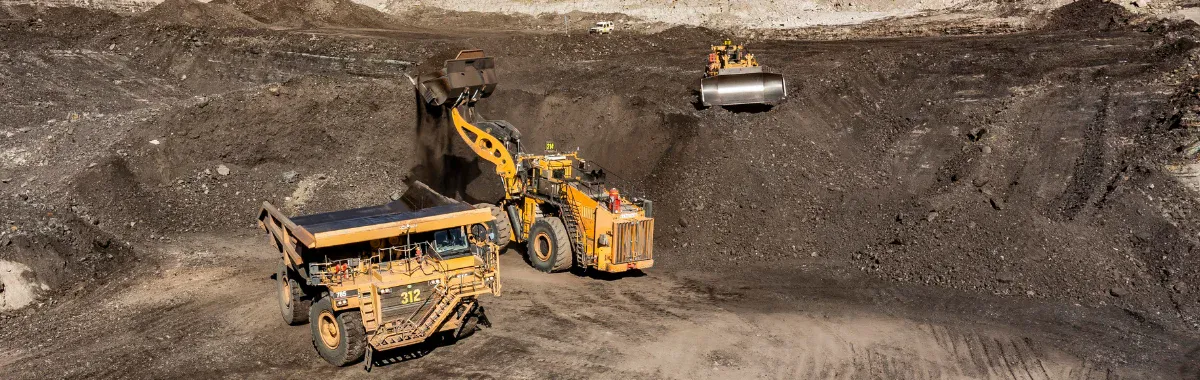
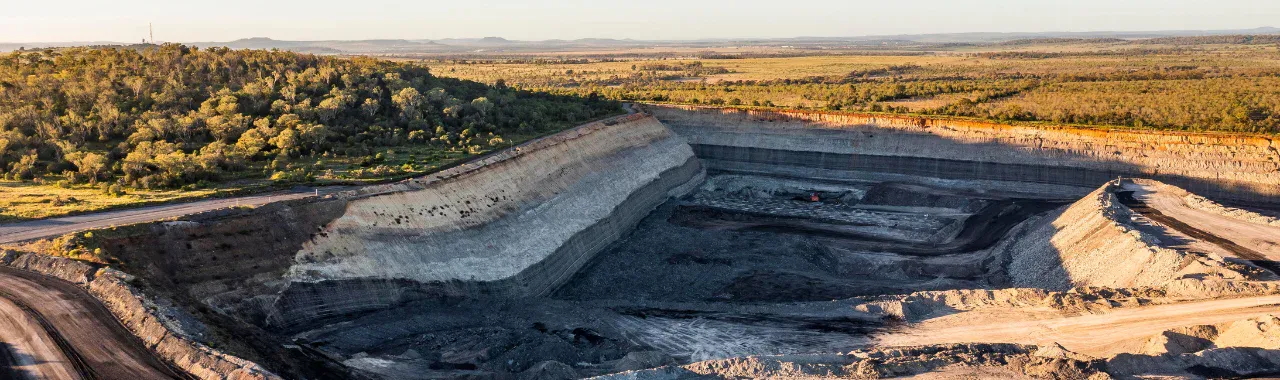
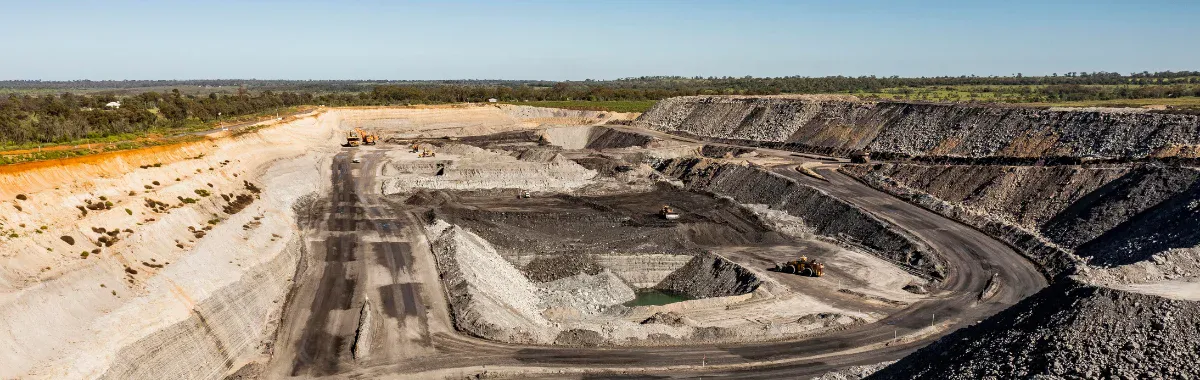
Noise control solutions for mining become critical when heavy equipment operates continuously across open sites.
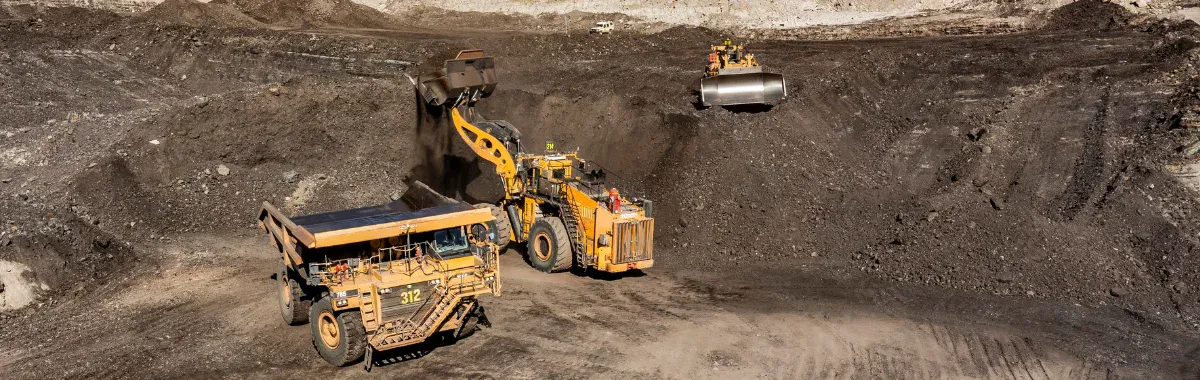
Haul trucks, drills and crushers generate sustained sound levels that can affect workforce safety, community relationships and regulatory compliance. Managing this environment requires more than temporary fixes. Structured machinery noise control strategies help reduce overall site impact while allowing production to continue without disruption.
Rather than addressing a single noise source, modern approaches consider how sound travels across equipment, terrain and operational zones. This broader view supports measurable mining noise mitigation, aligning performance objectives with environmental responsibilities.
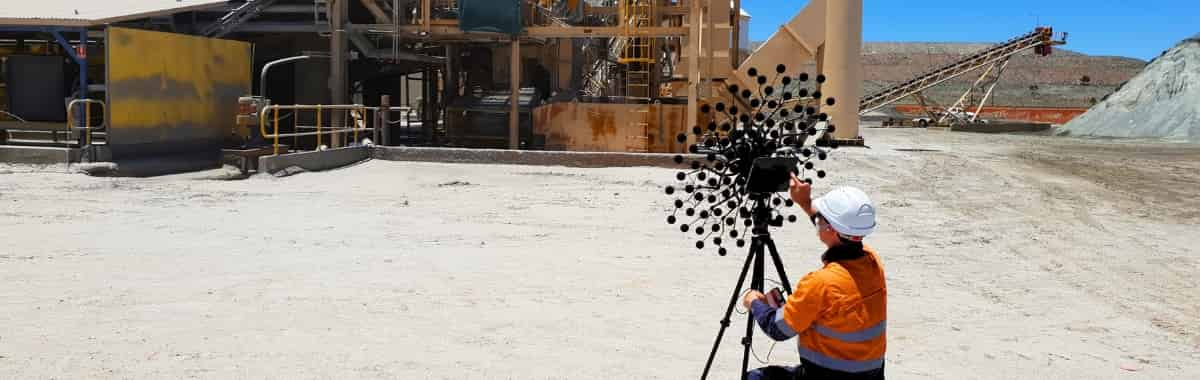
Assessment forms a key part of the process. Through detailed measurement and noise auditing services for mining, operators gain clarity on dominant contributors and compliance gaps before implementing upgrades.
Minetek focuses on delivering practical, engineered solutions that integrate with site conditions and operational demands. The aim is straightforward: reduce noise exposure, maintain equipment performance and support long-term compliance in a way that remains commercially and operationally sound.
Mining operations require integrated noise control aligned to production performance.
High-output mining environments depend on equipment that runs continuously, often across large and complex sites. Engines, exhaust systems and processing infrastructure generate sustained sound levels, which is why structured industrial noise control has become part of maintaining safe, compliant and efficient operations.
Targeted mining equipment noise reduction focuses on managing sound at its source rather than relying solely on downstream fixes. Engine housings, exhaust pathways and vibration zones are assessed, so performance remains stable while noise output is reduced. Practical engine noise management strategies help operations maintain throughput without unnecessary interruptions.
Where fleets incorporate noise control solutions for mining, additional engineering layers can strengthen overall outcomes while preserving existing equipment configurations. This approach allows operators to enhance compliance without disrupting established production workflows.
Noise considerations increasingly shape mine planning decisions.
Equipment placement, infrastructure design and operational scheduling now factor in acoustic impact alongside productivity goals. Solutions such as Westrac noise reduction initiatives demonstrate how sound control can be integrated directly into equipment design, reinforcing the link between operational performance and responsible environmental management.
Well-planned noise strategies support consistent production, workforce wellbeing and regulatory confidence, helping mining operations maintain efficiency while managing acoustic impact responsibly.
Reactive noise measures limit productivity and operational flexibility.
Reactive approaches to noise management often emerge once sound levels have already exceeded acceptable thresholds. In complex mining environments, standalone fixes tied to individual machines rarely deliver consistent site noise control across interconnected fleets operating simultaneously.
These measures may provide short-term relief, yet they typically address symptoms rather than underlying causes. Without structured heavy equipment noise management, cumulative sound from multiple assets can continue to affect compliance margins and operational stability.
Administrative controls, such as limiting operating hours or rotating equipment, are sometimes introduced when engineered treatments are absent. While these tactics can reduce exposure, they do not lower noise at its source. In contrast, well-designed industrial sound solutions focus on physical attenuation, allowing machinery to operate without procedural constraints.
In terms of using noise control solutions for mining, proactive engineering enhancements like Aletek noise reduction can strengthen overall outcomes without disrupting productivity. Relying solely on reactive measures often leads to tighter schedules and restricted asset deployment, whereas proactive, integrated controls support both compliance and operational continuity.
Minetek’s custom-engineered sound packages deliver asset-specific advantages.
Minetek develops engineered sound packages tailored to the performance and compliance requirements of individual machine types. Each design focuses on reducing operational impact while preserving airflow, access for maintenance and overall equipment reliability.
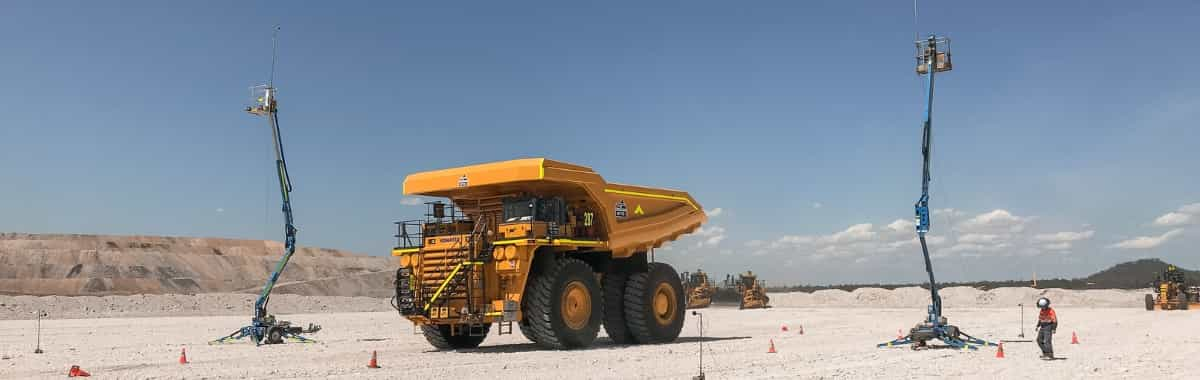
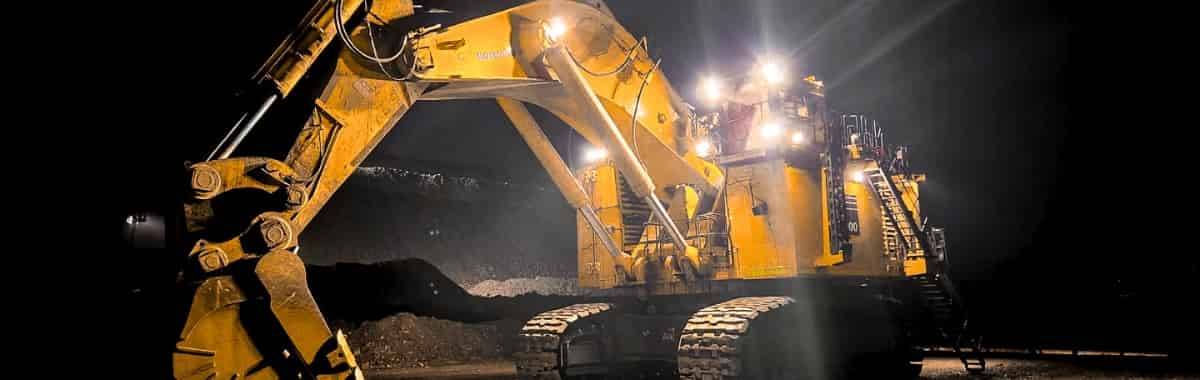
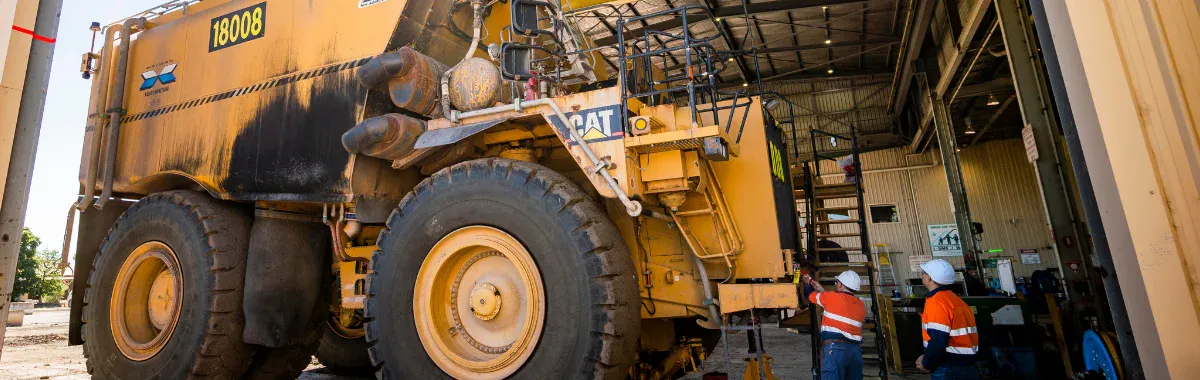
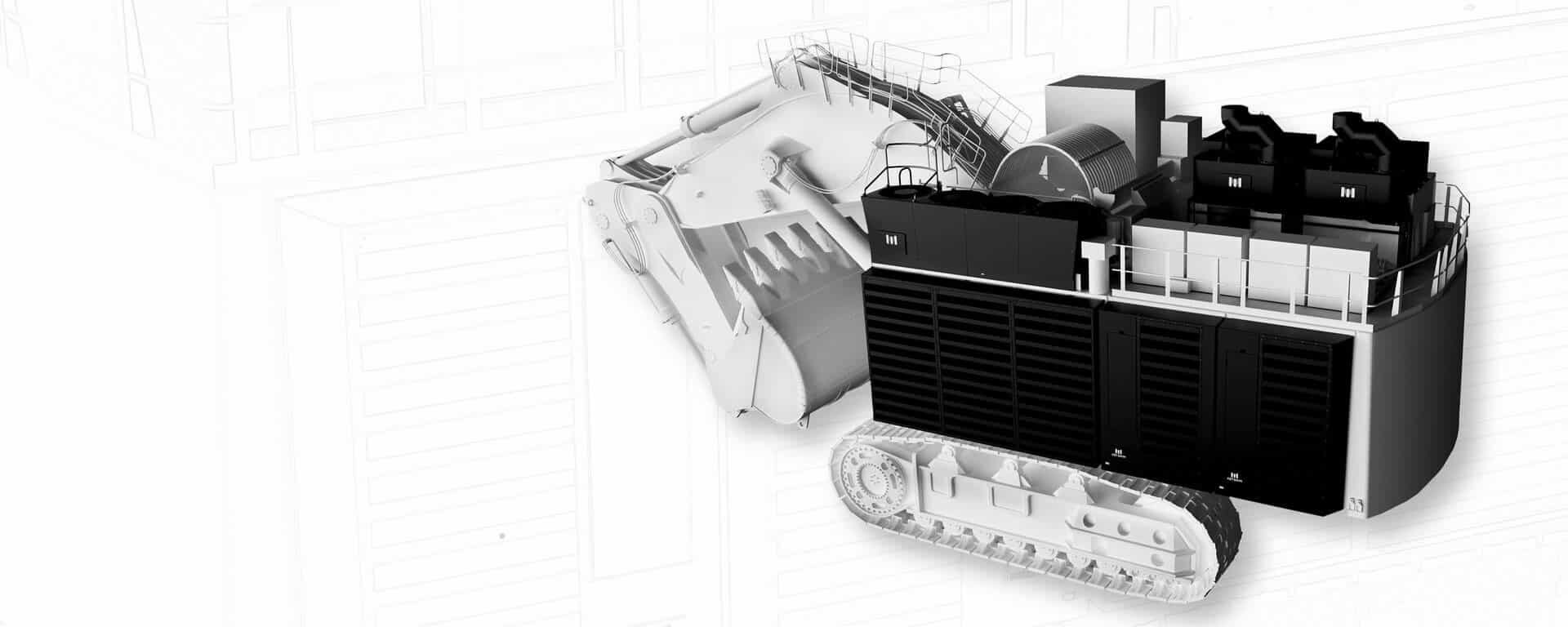
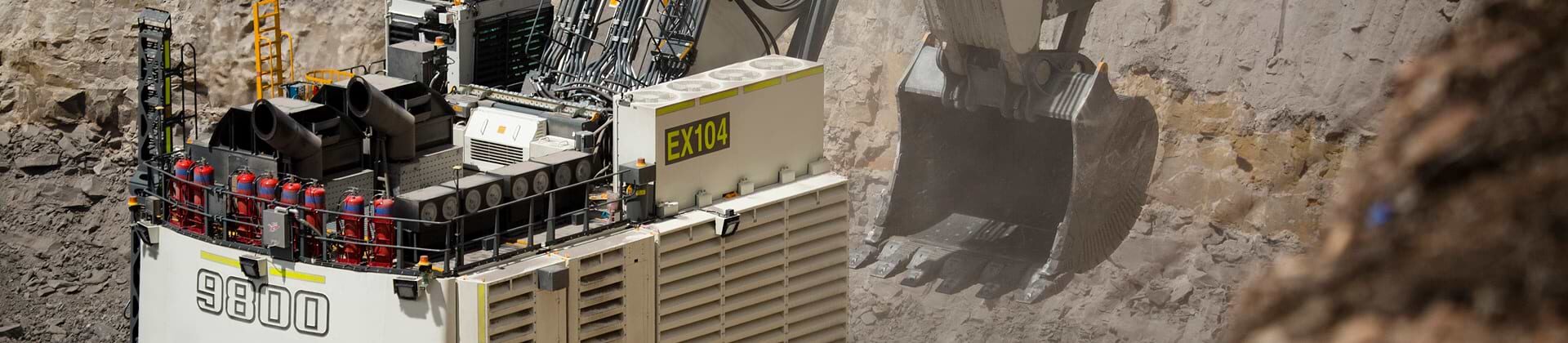
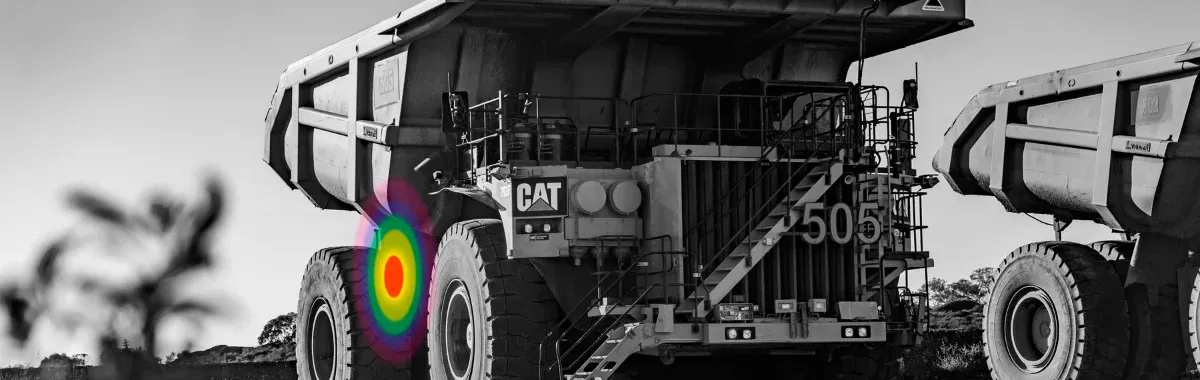
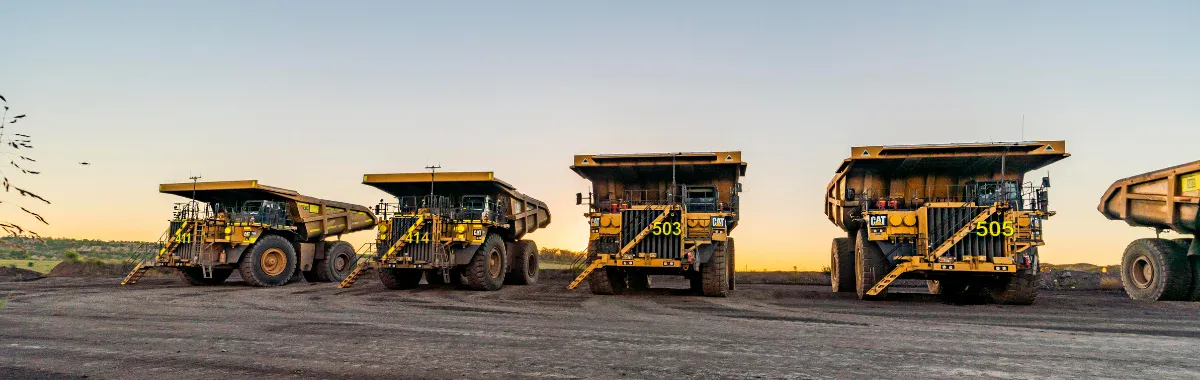
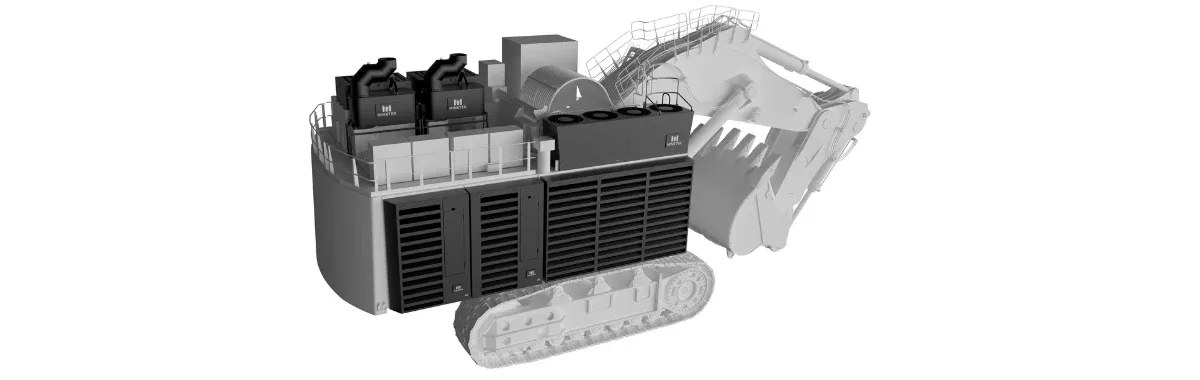
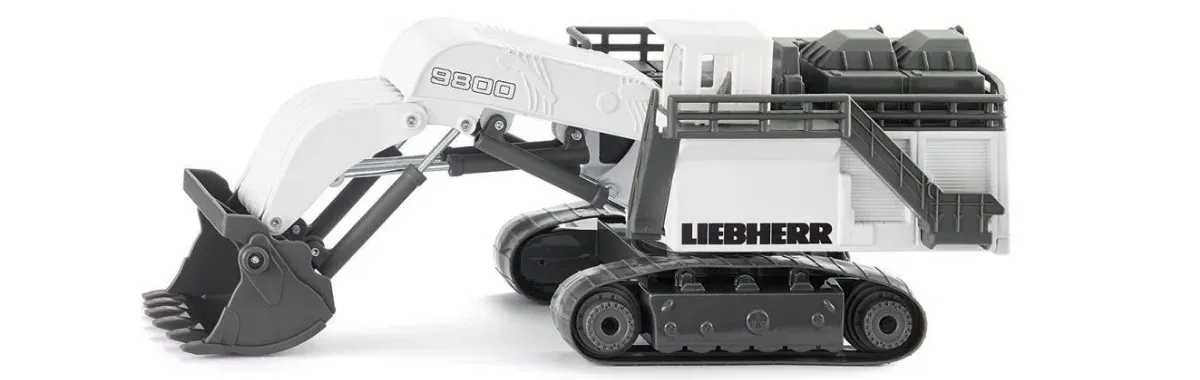
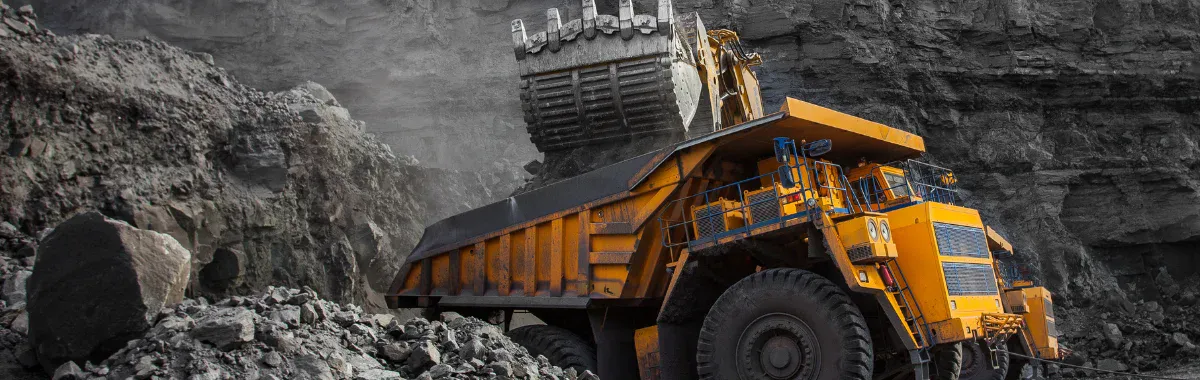
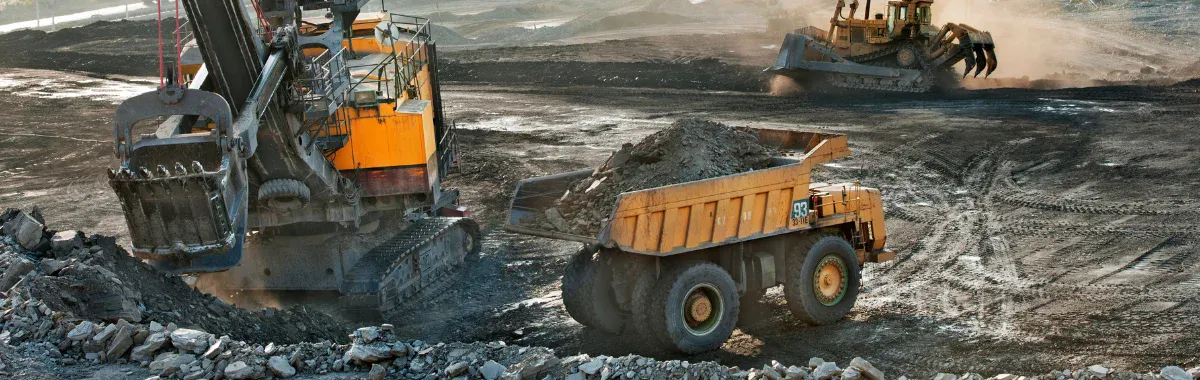
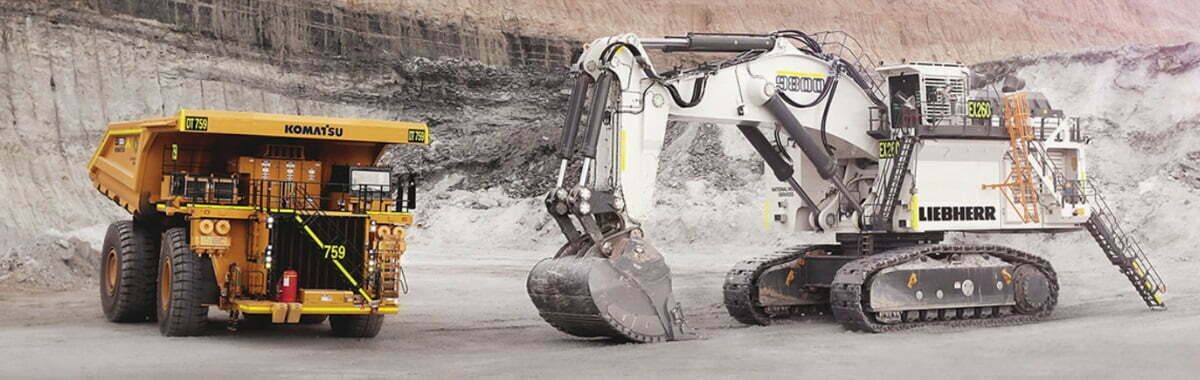
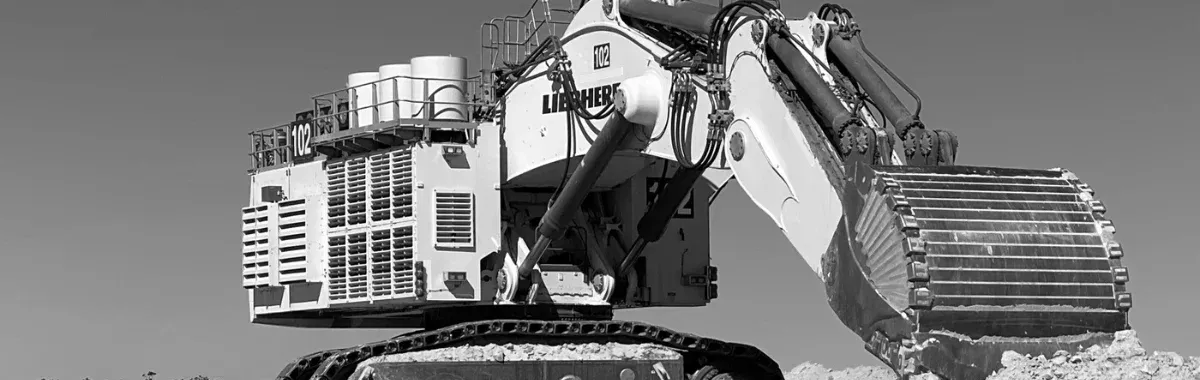
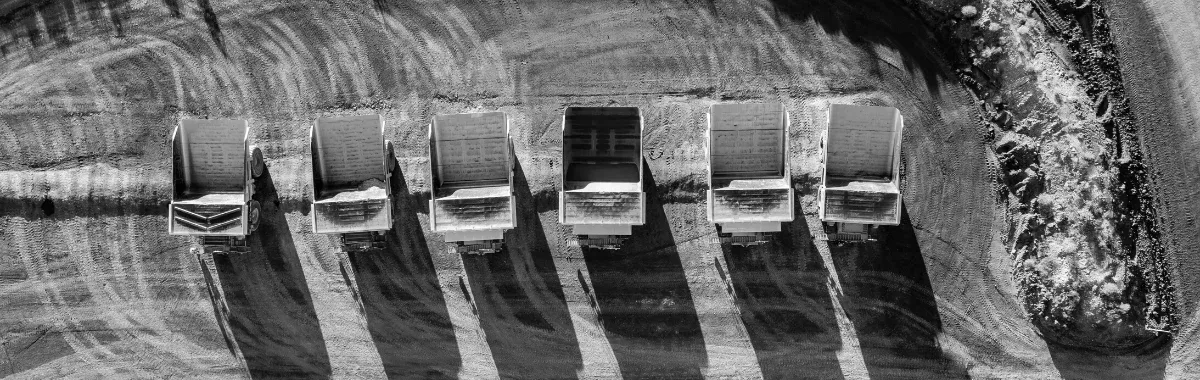
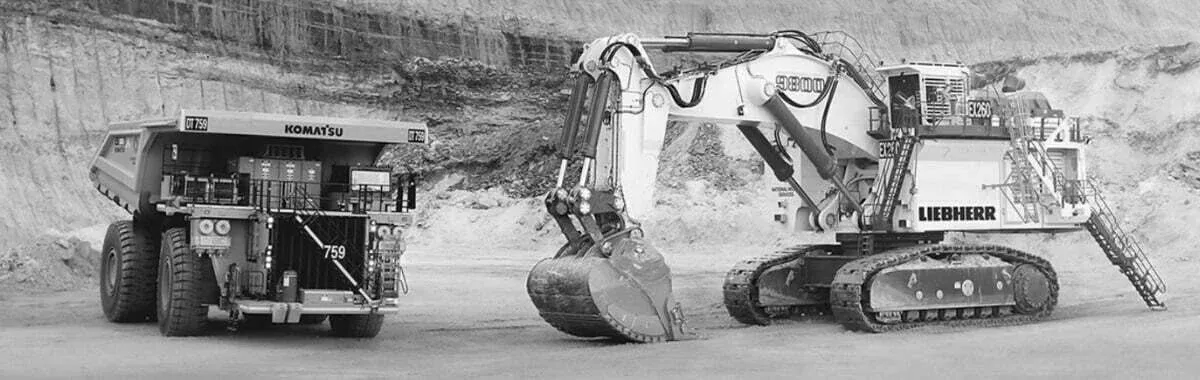
Our Custom Haul Truck Sound Package supports measurable mining noise reduction in high-traffic haulage environments, targeting dominant noise sources without affecting payload or engine efficiency. The Excavator Sound Package addresses key acoustic zones common in mining and heavy industrial excavators, delivering practical exhaust noise control suited to demanding site conditions.
Beyond these core packages, Minetek provides broader noise control solutions for mining fleets operating graders, blasthole drills, water carts and service trucks. Each system is developed to suit the specific duty cycle and compliance requirements of the asset, strengthening overall sound control for mining operations across the site.
Plus, we even have solutions for fixed infrastructure. Acoustic enclosures and generator attenuation systems are precision-engineered to contain high-output equipment noise in stationary environments.
Where required, enhancements such as Caterpillar sound attenuation integration can be incorporated, extending structured noise management from mobile fleets to fixed assets without compromising performance.
Our M-STEALTH™ solutions also deliver maximum noise reduction with minimal weight, preserving machine payloads, OEM back pressure requirements and airflow. They are designed for simple access during servicing, reducing downtime and streamlining upkeep while delivering maximum noise reduction with minimal components.
Domande frequenti (FAQ)
What noise regulations apply to mining in Australia?
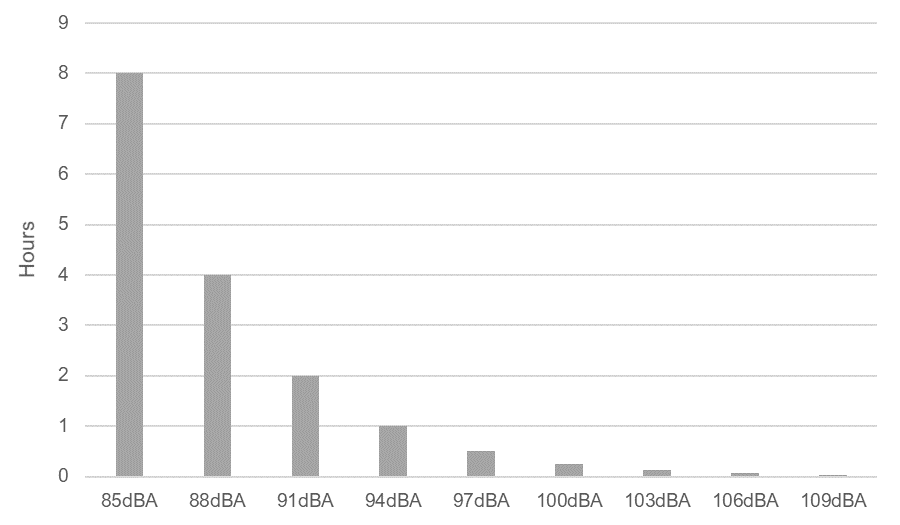
Mining operations in Australia operate under a combination of workplace health and safety legislation and state-based environmental protection frameworks. Workplace standards generally require average exposure levels to remain below 85 dB(A), with peak limits typically capped at 140 dB(C) to protect personnel.
Environmental authorities also impose site-specific licence conditions that define acceptable off-site sound levels. These requirements often mandate engineered noise attenuation/source attenuation controls rather than relying solely on administrative measures.
Clear reporting and documented controls form part of ongoing compliance obligations, which is why structured noise control solutions for mining are commonly integrated into operational planning.
How is mining noise measured and monitored?
Accurate measurement for mining noise underpins effective management. Detailed assessments may include sound power testing, sound intensity analysis and operator exposure monitoring to identify dominant contributors across mobile and fixed assets.
Data gathered through structured noise auditing services for mining provides a factual basis for engineering decisions. This insight supports targeted engine and exhaust noise control for mining equipment, ensuring attenuation strategies are aligned with real operating conditions rather than assumptions.
Are barriers, curtains or enclosures effective in mining?
When properly engineered, enclosures and containment systems can play a meaningful role in reducing equipment noise. Designs for noise control solutions for mining must consider airflow, durability and maintenance access to remain practical in demanding environments.
Integrated within broader attenuation strategies, acoustic enclosures help manage generators, fixed plant and high-output assets. Where fleets incorporate Aletek sound suppression or other similar solutions, these containment systems can complement existing treatments, contributing to layered noise reduction without restricting operational performance.
Engineering innovation that supports performance and compliance
Minetek focuses on practical engineering that supports performance while helping operations manage operational noise across demanding industrial environments. Our approach combines technical insight with field-tested design to deliver reliable noise control systems for mining machinery that integrate smoothly with existing equipment and workflows.
Operators looking for structured noise control solutions for mining often need more than standalone fixes. Minetek develops tailored packages that include attenuation systems, monitoring capabilities and specialised equipment acoustic solutions and noise control designed to address both mobile fleets and fixed infrastructure.
Where specific components such as a Caterpillar exhaust contribute to elevated sound levels, engineered treatments can be incorporated without affecting airflow, productivity or maintenance access. This compatibility-driven approach helps maintain operational continuity while improving overall acoustic performance.
Contact us today.
 Italian
  English (United States)
  English
  Spanish
  Portuguese
  French
  Indonesian