 Italian
  English (United States)
  English
  Spanish
  Portuguese
  French
  Indonesian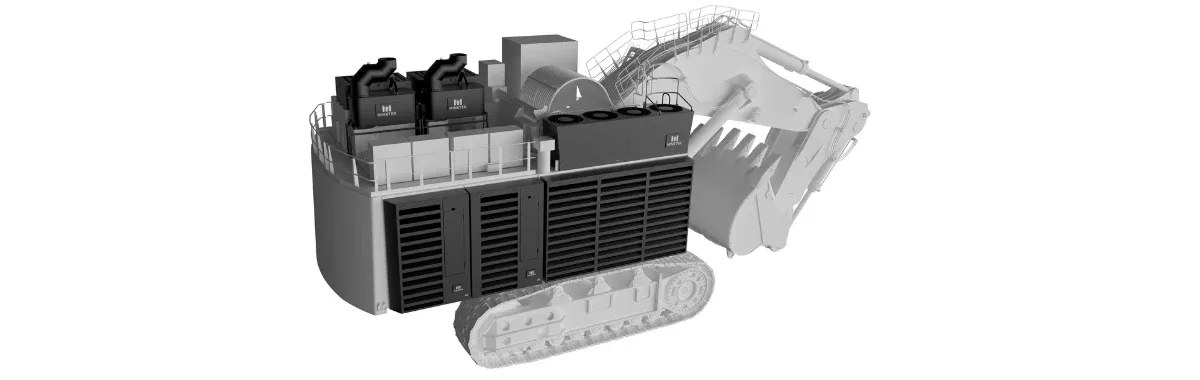
What is sound attenuation?
Sound attenuation is a sound reduction by absorption. The energy from sound is transferred into heat (energy). In sound attenuation, the medium used for noise control will get warm. The material used to absorb the sound as well as the angle the sound hits the material both play an important role in the effectiveness of this technique.
What is sound dampening?
Sound dampening obstructs the sound by reflecting the waves away from the area. Walls, doors, and windows are examples of this, as they prevent sound waves from travelling through, often instead bouncing them back in another direction. The thickness of the material and how dense it is will play a role in its effectiveness as well.
So, to recap: sound attenuation absorbs the sound while sound dampening reflects it. Both are effective noise control strategies that can be used depending on the situation.
Sound attenuation and sound dampening comparison table.
| Feature | Sound attenuation | Sound dampening |
|---|---|---|
| Main purpose | Reduces transmitted noise from a source | Reduces vibration, resonance, or echo |
| Primary focus | Controlling how sound travels | Controlling how materials or surfaces vibrate |
| Mining application | Heavy equipment, mobile fleets, generators, fans, exhaust systems | Panels, enclosures, cabins, housings, and internal surfaces |
| Noise reduction capability | Typically higher for industrial equipment noise | Usually limited to vibration or reverberation control |
| Compliance impact | Stronger impact on mine noise compliance and environmental noise management | Supports noise control but may not address overall emissions |
| Typical solution | Engineered sound attenuation systems or equipment packages | Acoustic dampening materials or vibration treatments |
| Best used for | Reducing operational noise from mining and industrial machinery | Reducing resonance, echo, or structural vibration |
Minetek machine attenuation packages
At Minetek we produce the world’s quietest mining equipment. With over 1,500+ mining machines attenuated, our experienced team will travel to your site for certification and installation of your sound attenuation package.
The scope of any Minetek sound solution is to develop flexible solutions which not only permit noise to be attenuated in mining machinery but also be innovative in design in order to reduce the weight of any added component without compromising on machine integrity and without compromising airflow, maintenance and operating ability.
Minetek understand the negatives experiences with incorrect airflow design can cause the following
-
- Decreased performance and overheating
-
- Excess vibration can result in excessive noise
-
- Equipment failure
We understand the common causes of deficient performance of a fan/system
-
- Improper inlet or outlet conditions
-
- Non-uniform inlet or outlet flow
-
- System effect
-
- Detrimental effect on fan performance due to airflow disturbances in close proximity to the fan – either upstream or downstream

Minetek understand the issues associated with the cost of downtime
-
- We ensure that each sound attenuation kit is designed with ease of maintenance in mind, ensuring that maintenance and service points are easily accessible.
Regulatory noise testing
Minetek provides a complete range of noise testing options for each mining client it deals with. We work closely with our clients to develop practical mitigation solutions that are workable for the mining company and they can demonstrate that they meet regulatory and community expectations. All types of noise testing including compliance testing as per the ISO 6393/6395 Standard, sound intensity testing, mobile fleet screening and operator noise exposure.
Refurbishment and replacement components
Minetek provide total refurbishment or replacement of sound packages and exhaust componentry. Components such as acoustic media, exhaust systems, engine bays and bonnets of mining machinery can be replaced or refurbished to reduce noise levels. Minetek stocks many replacement radiator attenuators, exhaust packages and media kits in our warehouses located in both Sydney and Perth, Australia.
Secure Compliance Outcomes With Expert Noise Attenuation/Source Attenuation
Noise attenuation/source attenuation is crucial in industries like mining and power generation. That’s why Minetek stands ready to provide solutions, whether it’s a Caterpillar muffler, Aletek exhaust or another engineered option for your site’s OEM system.
You need proven sound control that starts at the source.
Noise attenuation reduces sound emissions directly at the machinery’s origin point.
Sound attenuation treatments target intense noise energy produced by engines, exhaust systems, cooling mechanisms, mechanical processes and more.
Addressing noise before it can disperse, these solutions create an environment where noise power is reduced more effectively and in a predictable manner. This means you obtain measurable decibel reductions across operational space.
A direct-origin approach also enables more accurate compliance modelling and site noise forecasting.
Source-based solutions offer the most direct pathway to achieving industrial noise compliance.
When aligning with regulatory expectations for effective environmental noise management in industrial settings, addressing noise directly at its source lessens the burden of imposing extensive perimeter measures or administrative interventions.
When it comes to noise control solutions for mining and other operations, this approach helps you meet approval conditions and maintain noise limits more consistently and reliably. As a result, operators gain confidence that compliance can be maintained without compromising operational continuity.
Uncontrolled equipment noise creates compliance and operational risk.
Excessive industrial noise exposure increases regulatory, environmental and approval risks.
Industrial activities must adhere to stringent environmental noise regulations. These rules protect workers, communities and ecosystems from harmful exposure. Ignoring excessive equipment noise exposes operations to penalties, operational shutdowns or delays in securing necessary site approvals.
Moreover, ongoing noise mitigation and monitoring efforts are crucial to meet evolving regulatory standards. If you’re considering solutions such as engine bay panels down the line, you can reconsider your reactive approach. That’s because proactive measures for noise attenuation/source attenuation minimise the risk of enforcement and enhance your reputation for environmental stewardship.
High sound emissions affect workforce safety, community relations and project continuity.
Without noise attenuation/source attenuation, prolonged exposure to loud industrial noise compromises employee health and safety.
This situation can lead to hearing loss, stress, fatigue and a decline in work performance. In addition to harming workers directly, excess noise levels interfere with crucial communication, hinder the ability to recognise warning signals and increase the likelihood of workplace accidents.
Beyond your facility’s borders, noise also spreads, disturbing nearby communities. This creates dissatisfaction and potential opposition, complicating efforts to expand or maintain ongoing operations.
Minetek delivers global expertise and innovation in acoustic attenuation.
We’re a global leader delivering innovative and cost-effective air, water and sound solutions.
Our team is internationally recognised for delivering integrated environmental and operational solutions across mining, oil and gas, and heavy industry. Whether it’s a package with belly panels for noise reduction, land-based evaporators for water control or cutting-edge fans for ventilation, our solutions are specifically engineered to fit compliance-driven environments.
With more than 2,800 successful projects completed across over 60 countries, we demonstrate proven scalability and delivery reliability across diverse site conditions. Our global operational footprint enables rapid deployment, localised expertise and ongoing technical support wherever clients operate.
M-STEALTH™ delivers advanced, site-specific noise attenuation technology.
Designed for noise attenuation/source attenuation from heavy industrial and mining equipment, M-STEALTH™ employs advanced sound intensity testing and acoustic visualisation. These help identify and tackle dominant noise frequencies, so the most disruptive elements are effectively managed.
The solution’s site-specific customisation optimises industrial noise control without compromising machinery’s essential functions like airflow, payload capacity and OEM backpressure requirements.
If you’re looking into Aletek sound suppression or engine noise management for other OEMs, we deliver a significant reduction in harsh frequencies while supporting stringent regulatory compliance and productivity levels.
Domande frequenti (FAQ)
How does source attenuation differ from noise barriers?
With source attenuation technology for heavy machinery or equipment, the solution targets excess sound at its source. On the other hand, noise barriers are installed along the transmission path to block or deflect sound before it reaches receptors, such as workers or nearby communities.
Simply keep in mind that barriers deal with noise after it has spread, which means factors like terrain and weather can influence effectiveness. As for noise attenuation/source attenuation, it reduces the total noise power from the start and often leads to more consistent and comprehensive outcomes.
What industries use noise attenuation/source attenuation most?
Sectors with loud, continuous machinery rely heavily on industrial sound solutions, such as dual skin exhaust systems. For instance, the mining, oil and gas trades use machines such as compressors, turbines and haul trucks that operate non-stop.
Companies in these fields also frequently operate near sensitive zones where machinery noise reduction at the source is essential for maintaining approvals and smooth operations. As industries expand, noise attenuation/source attenuation remains a key strategy for maintaining compliance and peace.
Will noise attenuation/source attenuation affect equipment performance?
Solutions like the M-STEALTH™ system are specifically designed to bring down noise levels without hindering your machinery’s critical functions. They’re tailored to maintain important operational parameters such as airflow, back pressure and payload capacity, which means you can have quieter operations without sacrificing performance.
Engineering, design and implementation backed by over 150 years of combined experience
Minetek brings a wealth of multidisciplinary expertise to the table.
When it comes to noise abatement and control in Australia, our team excels in engineering, mechanical design, manufacturing and field implementation. This extensive background ensures that we can deliver robust attenuation solutions, tailored to complex operational landscapes.
Our in-depth knowledge also facilitates accurate diagnostics and smooth system integration for long-term solution reliability. At the end of the day, clients can rely on proven engineering methodologies that effectively translate compliance needs into practical solutions.
If you’re in need of sound noise mitigation solutions for industrial vehicles and beyond, including a construction noise barrier or exhaust muffler, book a call with us today.