 English (United States)
  English
  Spanish
  Portuguese
  French
  Indonesian
  Italian
 The importance of hearing cannot be overstated. Without it, maintaining relationships with loved ones and connections with loved ones would be challenging. More than half of all workers in mining environments are likely to develop some form of hearing loss, according to a recent study. The reason? They’ve frequently been exposed not only to the constant noise/noise pollution but also to high temperatures and strong gusts of air which can lead their ears to pop.
Employees working in environments where hazardous noise levels exist can lead to occupational deafness and occupational hearing loss – one of the most common occupational diseases and a problem that has long fallen on deaf ears.
Health Impacts of Noise Pollution on Mine Workers
The implications of noise pollution on mine sites is a serious issue that has been around for quite some time now. From 1976 to 1984, USA’s National Institute For Occupational Safety & Health estimated that 70-90% of miners would develop hearing loss by age 60. Working with heavy machinery and machines while being exposed to high volume levels every day over an extended period of time can cause permanent damage if precautions aren’t taken. Unfortunately, this prediction has come to fruition with one in four mineworkers having hearing issues.
In Australia, NIHL is recognized as the second most commonly reported occupational injury in the mining sector, according to Safe Work. Most mining operations implement noise control programs; however, Mine Safety has found that the primary focus for preventing NIHL tends to be providing hearing protective devices (HPDs) or attenuating mining machinery to reduce the overall machine noise. This approach often overlooks higher-level controls, such as substituting equipment with quieter alternatives or installing engineered solutions like Minetek’s M-STEALTH™ systems, engineered with precision, this revolutionary sound attenuation solution targets and eliminates specific noise emissions from machinery; similarly, studies in Canada have highlighted the increased risk of hearing loss among miners, underscoring the need for more stringent noise control measures.
Beyond hearing impairment, excessive noise exposure has been linked to increased stress levels, sleep disturbances, and cardiovascular issues, further underscoring the importance of comprehensive noise management in mining operations.
Mining is one of the most dangerous jobs, with cave-ins and explosions just some dangers miners face daily. Yet, noise from mining has been reported as an under-represented issue that lasts for long periods without interruption, although studies show that anything over 85 dB can be harmful, depending on factors such as frequency or the length of exposure to it. Despite this, it is estimated that 80% of US miners work in an environment where the average noise levels exceed the 85 dB figure, and 25% of US workers experience noise levels of 90 dB or higher while working inside mines.
Some studies have shown that continuous exposure to these sounds can lead to an increase in aggressive behavior, anxiety, and depression. Additionally, other research has found that children whose parents work in noisy environments are more likely to experience behavioral problems.
Primary Sources of Noise in Mining Environments
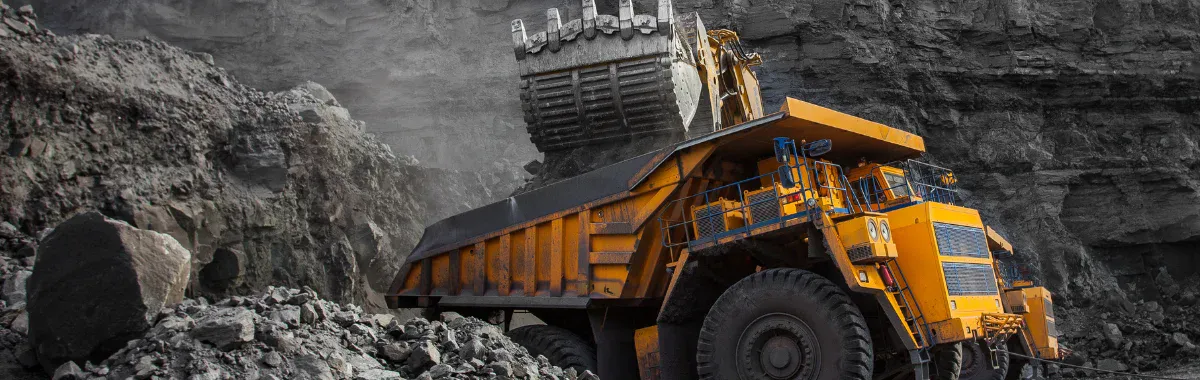
The mining sector is characterized by its inherently noisy environment, primarily due to the use of heavy machinery and equipment, which significantly contributes to noise pollution. Pneumatic tools and percussion devices, commonly utilized in various mining operations, produce sound levels ranging between 114 to 120 decibels (dB), which vastly exceed the recommended safe exposure limits for operators. This raises serious concerns regarding the long-term auditory health of workers.
In addition to pneumatic tools, several other types of noisy equipment further elevate the overall noise levels on mining sites. For instance, ventilation fans, vital for maintaining air quality; compressors, which supply compressed air for various applications; crushers, used for breaking down material; generators, providing essential power; and haul trucks, responsible for transporting materials—each of these can generate noise levels that frequently surpass the critical threshold of 85 dB. Prolonged exposure to such intense noise can lead to irreversible hearing loss and other health issues among workers.
Moreover, explosive blasts, which are crucial for the extraction of minerals, can produce sound levels exceeding an astonishing 160 dB at the source. Such extreme noise levels not only pose substantial risks to the auditory health of miners but also affect overall workplace safety and communication.
Given these formidable hazards, it is imperative to implement comprehensive control measures that mitigate the impact of noise pollution on workers. This can include engineering controls, such as machine sound attenuation, sound barriers and enclosures for noisy machinery; administrative controls, such as rotating jobs and limiting the duration of exposure to high-noise areas; and personal protective equipment, like earplugs and earmuffs. By prioritizing effective noise management strategies, mining operations can foster a safer and healthier working environment for their employees
Regulatory Standards for Mining Noise Levels
To safeguard the health of mine workers, a series of regulatory standards have been established, aiming to monitor and control noise levels within mining environments. It is generally recommended that noise exposure should not exceed 85 dB over an 8-hour workday. However, many workers often find themselves in conditions where these limits are routinely breached. Stringent adherence to these regulations is essential not only for the safety of individual workers but also for fostering a compliant and healthier work atmosphere. Compliance with noise regulations not only promotes workplace efficiency and boosts morale among employees but also leads to significant financial savings stemming from reduced health-related absenteeism. This ultimately contributes to the overall profitability of the mining operation.
Regulatory bodies across the USA, Australia, and Canada have established standards to limit occupational noise exposure.
- United States: The Mine Safety and Health Administration (MSHA) mandates a permissible exposure limit (PEL) of 90 dB(A) over an 8-hour time-weighted average (TWA). Employers are required to implement a hearing conservation program when exposure exceeds 85 dB(A) TWA.
- Australia: Safe Work Australia sets the exposure standard at 85 dB(A) over an 8-hour TWA, with a peak noise level not exceeding 140 dB(C).
- Canada: Occupational health and safety regulations vary by province, but generally, the exposure limit is set at 87 dB(A) over an 8-hour TWA for organizations that follow the Canadian federal noise regulations, with requirements for hearing conservation programs when this threshold is exceeded.
Adherence to these standards is essential for protecting workers and minimizing the risk of NIHL.
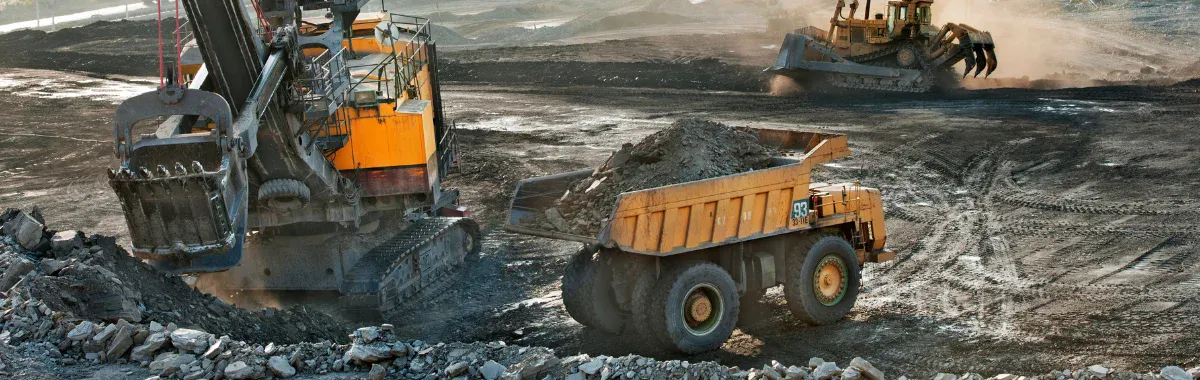
There are many ways to reduce workers’ exposure to noise on mine sites, but it starts with awareness. Employers must be aware of the risks associated with continuous exposure to high noise levels and take measures to protect their employees.
One way to achieve this is by utilizing engineering noise controls, which aim to eliminate or minimize noise at its source. This can be done by using quieter machines or by enclosing noisy equipment in sound-proof enclosures. Another way to protect workers is by using administrative controls, which involve modifying working schedules or procedures to limit exposure to hazardous noise levels. Personal protective equipment (PPE) is also a meaningful way to reduce exposure to noise. PPE can include earplugs or earmuffs, which can protect workers from noise levels up to 115 dB.
Although there are many ways to reduce exposure to noise on mine sites, the most effective way to protect workers is by using a combination of these methods. Mining companies should implement as many of these noise control methods as possible to create a safe and healthy work environment for their employees.
Legal Precedents and Compensation Cases
Legal cases have highlighted the consequences of inadequate noise control in mining operations:
In the United States, the case of Lunsford v. Manalapan Mining Company Ltd. involved a miner who filed a claim for hearing loss due to prolonged exposure to noise. Although the claim was dismissed because it was filed after the statute of limitations, the case underscored the potential for employer liability in cases of noise-induced hearing loss (NIHL).
In Australia, residents living near a gold mine in Victoria filed a lawsuit, alleging that excessive noise from mining operations negatively affected their health and quality of life. The Supreme Court allowed the case to proceed to trial, emphasizing the importance of addressing community noise concerns.
These cases demonstrate the legal and financial implications of failing to effectively manage noise pollution.
How to minimize noise pollution exposure
There are many ways to reduce workers’ exposure to noise on mine sites, but it starts with awareness. Employers must be aware of the risks associated with continuous exposure to high noise levels and take measures to protect their employees.
One way to achieve this is by utilizing engineering noise controls, which aim to eliminate or minimize noise at its source. This can be done by using quieter machines or by enclosing noisy equipment in sound-proof enclosures. Another way to protect workers is by using administrative controls, which involve modifying working schedules or procedures to limit exposure to hazardous noise levels. Personal protective equipment (PPE) is also a meaningful way to reduce exposure to noise. PPE can include earplugs or earmuffs, which can protect workers from noise levels up to 115 dB.
Although there are many ways to reduce exposure to noise on mine sites, the most effective way to protect workers is by using a combination of these methods. Mining companies should implement as many of these noise control methods as possible to create a safe and healthy work environment for their employees.
Minetek’s Leading Role in Tackling Noise Pollution in Mining
At the forefront of addressing noise pollution in the mining sector is Minetek, a company that has pioneered advanced sound attenuation solutions. Their state-of-the-art M-STEALTH™ systems are engineered to deliver maximum noise reduction while minimizing weight, ensuring that the payload capabilities of machinery remain unaffected. This is crucial for maintaining original equipment manufacturer (OEM) specifications related to back pressure and airflow demands.
The M-STEALTH™ system enhances fuel efficiency and significantly reduces the overall weight of exhaust systems. Importantly, it eliminates the need for thermal blankets, ensuring that exhaust surface temperatures remain below 150°C. This innovation not only bolsters safety measures but also effectively lowers operational costs (OPEX) and reduces maintenance downtime, allowing mining operations to run more efficiently and reassuring the audience about the return on their investment.
Constructed with advanced dual-skin technology, the exhaust components of M-STEALTH™ possess superior durability and resistance to rust and heat stresses. The dual-layer design utilizes materials with tailored properties, resulting in a system that outperforms traditional sound suppression solutions in terms of both longevity and performance. By seamlessly integrating with existing mining machinery, Minetek Sound’s M-STEALTH™ ensures that operations are quieter, safer, and more sustainable, ultimately enhancing stakeholder confidence and boosting profitability
Case Studies: Successful Noise Reduction in Mining Sites
Various mining operations that have implemented Minetek’s M-STEALTH systems have revealed compelling success stories. These sites, once plagued by excessive noise levels, now report dramatic reductions, creating a healthier work environment and improved worker satisfaction. Case studies from around the globe highlight compliance with safety standards and demonstrate increased productivity as distractions caused by excessive noise diminish, enabling workers to focus more effectively on production.
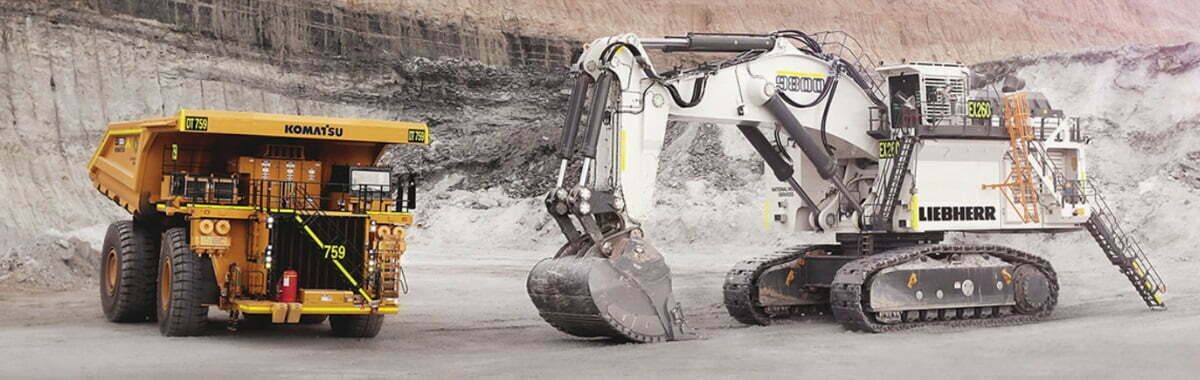
Minetek’s sound attenuation on the Liebherr R 9800 achieved a 33% reduction in sound, significantly lowering the machine’s noise output while maintaining the OEM airflow. This ensured that this coal mine met regulatory noise compliance whilst operating 24/7 without any downtime due to overheating. This project not only made the R 9800 the quietest machine on site but also strengthened this mine’s relationship with the local community.
These success stories serve as beacons of hope, inspiring other mining operations to follow suit and feel hopeful about the potential for change.
Conclusion: The Path Forward for Mining Operations
As we move into an era where workplace safety and employee well-being are increasingly recognized as top priorities, addressing noise pollution in mining operations is not only crucial but also urgent. Mining companies that actively seek to mitigate noise pollution not only enhance the auditory health of their workers but also promote a more productive and harmonious working environment. By adopting innovative solutions like Minetek’s M-STEALTH, mining organizations can ensure compliance with regulatory standards, improve operational efficiency, and, most importantly, foster a culture that values safety, sustainability, and employee well-being. By investing in the well-being of their workforce, mining companies are securing not only the health of their employees but also their future profitability and success in an increasingly competitive market.
Ensure the safety of your workers, make Minetek part of your sound reduction strategy and set your site up for success. If you’d like to learn more about our sound attenuation capabilities and how they could transform your operation, please contact us below.
The Ultimate Mining Noise Control Solutions Designed For Performance
Noise control solutions for mining become critical when heavy equipment operates continuously across open sites.
Haul trucks, drills and crushers generate sustained sound levels that can affect workforce safety, community relationships and regulatory compliance. Managing this environment requires more than temporary fixes. Structured machinery noise control strategies help reduce overall site impact while allowing production to continue without disruption.
Rather than addressing a single noise source, modern approaches consider how sound travels across equipment, terrain and operational zones. This broader view supports measurable mining noise mitigation, aligning performance objectives with environmental responsibilities.
Assessment forms a key part of the process. Through detailed measurement and noise auditing services for mining, operators gain clarity on dominant contributors and compliance gaps before implementing upgrades.
Minetek focuses on delivering practical, engineered solutions that integrate with site conditions and operational demands. The aim is straightforward: reduce noise exposure, maintain equipment performance and support long-term compliance in a way that remains commercially and operationally sound.
Mining operations require integrated noise control aligned to production performance.
High-output mining environments depend on equipment that runs continuously, often across large and complex sites. Engines, exhaust systems and processing infrastructure generate sustained sound levels, which is why structured industrial noise control has become part of maintaining safe, compliant and efficient operations.
Targeted mining equipment noise reduction focuses on managing sound at its source rather than relying solely on downstream fixes. Engine housings, exhaust pathways and vibration zones are assessed, so performance remains stable while noise output is reduced. Practical engine noise management strategies help operations maintain throughput without unnecessary interruptions.
Where fleets incorporate noise control solutions for mining, additional engineering layers can strengthen overall outcomes while preserving existing equipment configurations. This approach allows operators to enhance compliance without disrupting established production workflows.
Noise considerations increasingly shape mine planning decisions.
Equipment placement, infrastructure design and operational scheduling now factor in acoustic impact alongside productivity goals. Solutions such as Westrac noise reduction initiatives demonstrate how sound control can be integrated directly into equipment design, reinforcing the link between operational performance and responsible environmental management.
Well-planned noise strategies support consistent production, workforce wellbeing and regulatory confidence, helping mining operations maintain efficiency while managing acoustic impact responsibly.
Reactive noise measures limit productivity and operational flexibility.
Reactive approaches to noise management often emerge once sound levels have already exceeded acceptable thresholds. In complex mining environments, standalone fixes tied to individual machines rarely deliver consistent site noise control across interconnected fleets operating simultaneously.
These measures may provide short-term relief, yet they typically address symptoms rather than underlying causes. Without structured heavy equipment noise management, cumulative sound from multiple assets can continue to affect compliance margins and operational stability.
Administrative controls, such as limiting operating hours or rotating equipment, are sometimes introduced when engineered treatments are absent. While these tactics can reduce exposure, they do not lower noise at its source. In contrast, well-designed industrial sound solutions focus on physical attenuation, allowing machinery to operate without procedural constraints.
In terms of using noise control solutions for mining, proactive engineering enhancements like Aletek noise reduction can strengthen overall outcomes without disrupting productivity. Relying solely on reactive measures often leads to tighter schedules and restricted asset deployment, whereas proactive, integrated controls support both compliance and operational continuity.
Minetek’s custom-engineered sound packages deliver asset-specific advantages.
Minetek develops engineered sound packages tailored to the performance and compliance requirements of individual machine types. Each design focuses on reducing operational impact while preserving airflow, access for maintenance and overall equipment reliability.
Our Custom Haul Truck Sound Package supports measurable mining noise reduction in high-traffic haulage environments, targeting dominant noise sources without affecting payload or engine efficiency. The Excavator Sound Package addresses key acoustic zones common in mining and heavy industrial excavators, delivering practical exhaust noise control suited to demanding site conditions.
Beyond these core packages, Minetek provides broader noise control solutions for mining fleets operating graders, blasthole drills, water carts and service trucks. Each system is developed to suit the specific duty cycle and compliance requirements of the asset, strengthening overall sound control for mining operations across the site.
Plus, we even have solutions for fixed infrastructure. Acoustic enclosures and generator attenuation systems are precision-engineered to contain high-output equipment noise in stationary environments.
Where required, enhancements such as Caterpillar sound attenuation integration can be incorporated, extending structured noise management from mobile fleets to fixed assets without compromising performance.
Our M-STEALTH™ solutions also deliver maximum noise reduction with minimal weight, preserving machine payloads, OEM back pressure requirements and airflow. They are designed for simple access during servicing, reducing downtime and streamlining upkeep while delivering maximum noise reduction with minimal components.
Frequently Asked Questions (FAQ)
What noise regulations apply to mining in Australia?
Mining operations in Australia operate under a combination of workplace health and safety legislation and state-based environmental protection frameworks. Workplace standards generally require average exposure levels to remain below 85 dB(A), with peak limits typically capped at 140 dB(C) to protect personnel.
Environmental authorities also impose site-specific licence conditions that define acceptable off-site sound levels. These requirements often mandate engineered noise attenuation/source attenuation controls rather than relying solely on administrative measures.
Clear reporting and documented controls form part of ongoing compliance obligations, which is why structured noise control solutions for mining are commonly integrated into operational planning.
How is mining noise measured and monitored?
Accurate measurement for mining noise underpins effective management. Detailed assessments may include sound power testing, sound intensity analysis and operator exposure monitoring to identify dominant contributors across mobile and fixed assets.
Data gathered through structured noise auditing services for mining provides a factual basis for engineering decisions. This insight supports targeted engine and exhaust noise control for mining equipment, ensuring attenuation strategies are aligned with real operating conditions rather than assumptions.
Are barriers, curtains or enclosures effective in mining?
When properly engineered, enclosures and containment systems can play a meaningful role in reducing equipment noise. Designs for noise control solutions for mining must consider airflow, durability and maintenance access to remain practical in demanding environments.
Integrated within broader attenuation strategies, acoustic enclosures help manage generators, fixed plant and high-output assets. Where fleets incorporate Aletek sound suppression or other similar solutions, these containment systems can complement existing treatments, contributing to layered noise reduction without restricting operational performance.
Engineering innovation that supports performance and compliance
Minetek focuses on practical engineering that supports performance while helping operations manage operational noise across demanding industrial environments. Our approach combines technical insight with field-tested design to deliver reliable noise control systems for mining machinery that integrate smoothly with existing equipment and workflows.
Operators looking for structured noise control solutions for mining often need more than standalone fixes. Minetek develops tailored packages that include attenuation systems, monitoring capabilities and specialised equipment acoustic solutions and noise control designed to address both mobile fleets and fixed infrastructure.
Where specific components such as a Caterpillar exhaust contribute to elevated sound levels, engineered treatments can be incorporated without affecting airflow, productivity or maintenance access. This compatibility-driven approach helps maintain operational continuity while improving overall acoustic performance.
Contact us today.