Ir al contenido principal
Contacte con nosotros
Volver a noticias e información

7 Industrial noise control systems for large mine sites.

Publish date: 15 junio 2026

Industrial noise reduction at large sites relies on selecting the right sound attenuation systems for the actual noise source. Common noise control solutions include source-based attenuation, acoustic enclosures, barriers, silencers, vibration isolation, and other forms of acoustic insulation. The most effective option depends on whether the noise comes from mobile equipment, fixed plant, exhaust systems, or temporary work areas.

For environmental and operations managers, this is a practical site issue with direct compliance and performance implications. Poor noise control can increase regulatory pressure, affect manufacturing plant safety, create construction site noise control challenges, and strain relationships with nearby communities. Large sites often deal with multiple noise sources at once, which means the right solution must reduce sound without affecting equipment reliability or operational efficiency.

This guide reviews 7 industrial noise reduction systems used across large industrial environments and outlines where each one is most effective.

Quick guide: 7 industrial noise control systems for large sites.

  1. Minetek M-STEALTH™: The most advanced engineered sound attenuation for heavy mobile equipment at mining and construction sites
  2. Acoustic enclosures: Fixed housing for stationary machinery and generators
  3. Sound barriers and walls: Perimeter control for facilities with defined boundaries
  4. Acoustic curtains and blankets: Portable options for temporary work zones
  5. Silencers and mufflers: Exhaust-focused reduction for engines and ventilation
  6. Vibration isolation mounts: Address structure-borne noise at the source
  7. Active noise cancellation systems: Electronic approach for specific frequency ranges

What factors matter most when choosing an industrial noise control system?

Selecting the right noise control approach depends on site conditions, equipment types, and the relevant regulatory environment. These systems were assessed against the factors that matter most to environmental and operations managers at large industrial sites.

  • Noise reduction performance: Measured decibel (dBA) reduction across relevant frequency ranges to support permit and compliance requirements
  • Equipment compatibility: Whether the system is suited to mobile machinery, stationary plant, or both, while maintaining operational continuity
  • Installation footprint: Physical space requirements and integration with existing site layouts to minimise disruption
  • Maintenance requirements: Ongoing service needs that affect total cost of ownership and uptime
  • Regulatory compliance: Alignment with environmental noise standards and occupational health requirements across Australia, North America, and other operating regions
  • Operational impact: Effect on machine performance, payload capacity, airflow, and fuel efficiency

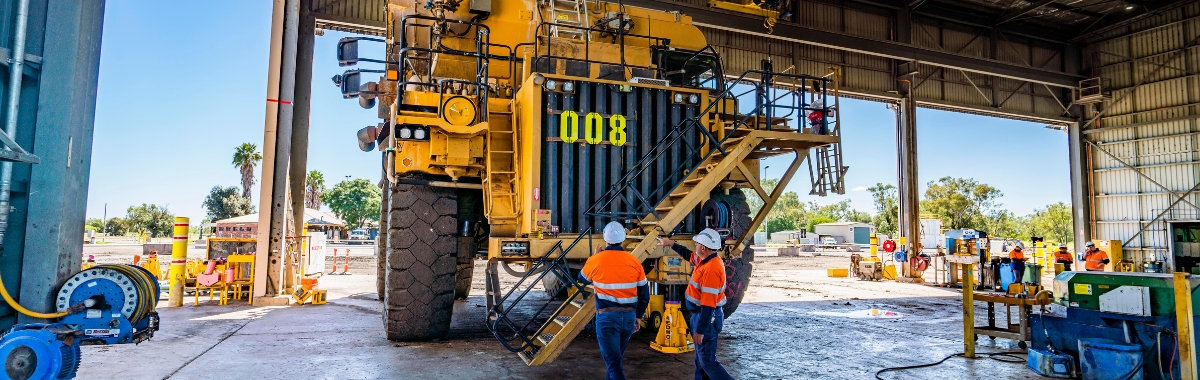
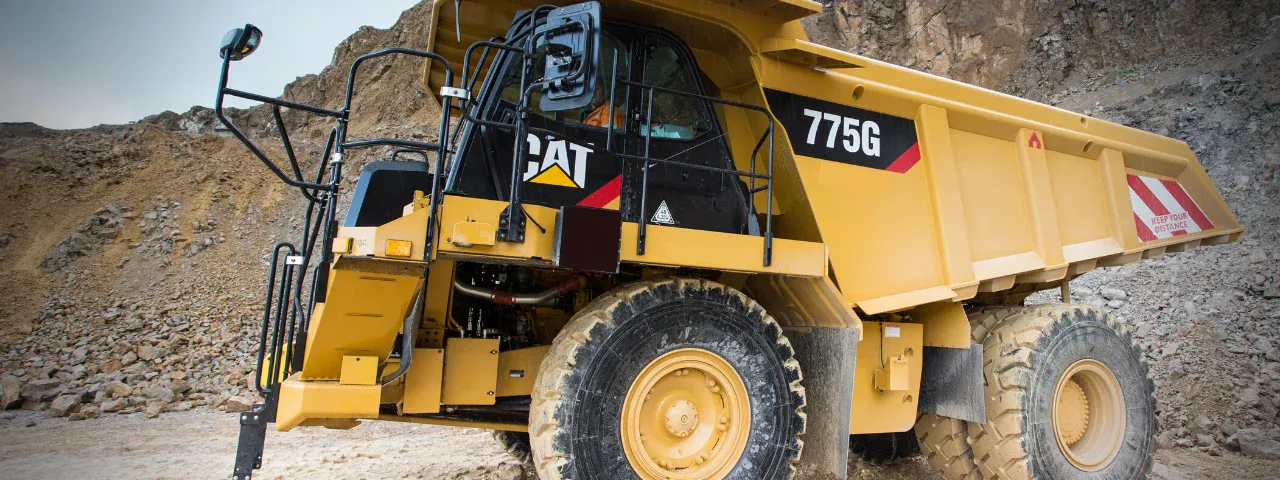
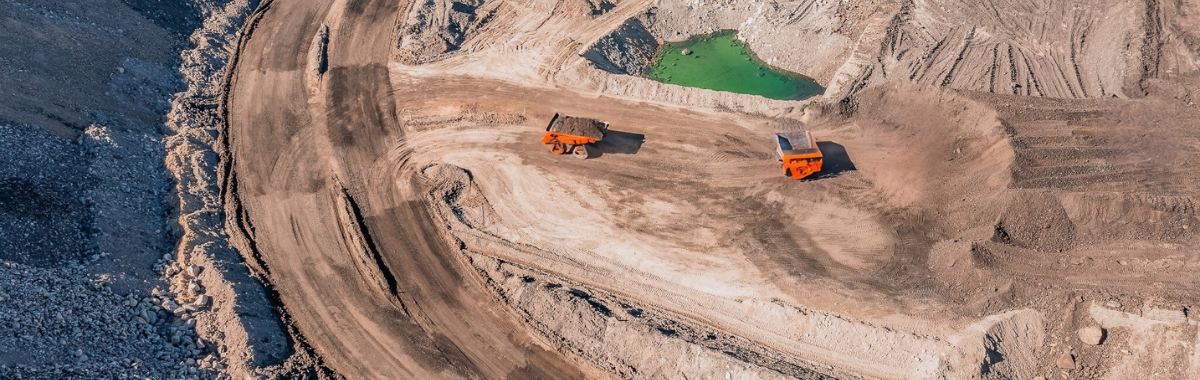
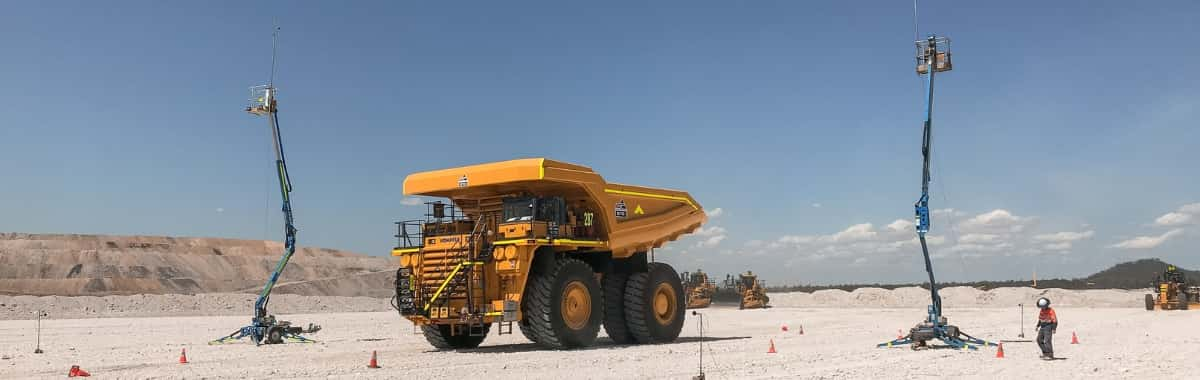
Haul truck

The 7 industrial noise control systems for large sites.

Large industrial sites use different noise control systems depending on where the noise is generated, whether the source is mobile or stationary, and what level of compliance the site needs to achieve. Some solutions are designed for heavy mobile equipment, while others are better suited to fixed plant, temporary work zones, or boundary-level noise management.

1. Minetek M-STEALTH™: Engineered sound attenuation for heavy mobile equipment

Minetek’s M-STEALTH™ system represents a purpose-built approach to industrial noise management. Unlike generic solutions, M-STEALTH™ targets specific noise sources on heavy machinery, including haul trucks, excavators, dozers, drills, and loaders, using acoustic visualisation and sound intensity testing.

What sets this system apart is how it addresses noise at the source without compromising machine performance. Minetek’s in-house acoustic engineers design each system to site-specific requirements, helping operations reduce noise while minimising payload impact.

The dual-skin exhaust construction maintains OEM backpressure levels while keeping surface temperatures below 150°C. This removes the need for thermal blankets and can reduce maintenance downtime compared to traditional sound-suppressed exhaust systems.

With more than 3,000 mining machines fitted globally since 1984, Minetek brings proven expertise to projects across 60+ countries. The M-STEALTH™ system integrates with equipment from Caterpillar, Komatsu, Hitachi, Liebherr, and other major OEMs.

Características principales

  • Acoustic visualisation and sound intensity testing to identify exact noise sources
  • Dual-skin exhaust system for durability and reduced heat stress
  • OEM-compliant design to maintain factory backpressure and airflow specifications
  • Weight-optimised construction to minimise payload impact
  • AS-5062-2022 protección contra incendios
  • Multi-OEM compatibility across major equipment manufacturers

What to consider

M-STEALTH™ is best suited to heavy mobile equipment where source-based attenuation is needed across a large site. Its main advantage is that it reduces noise without compromising OEM performance, payload capacity, or machine reliability. Because it is engineered to suit each machine and site condition, it requires acoustic assessment and machine-specific design.
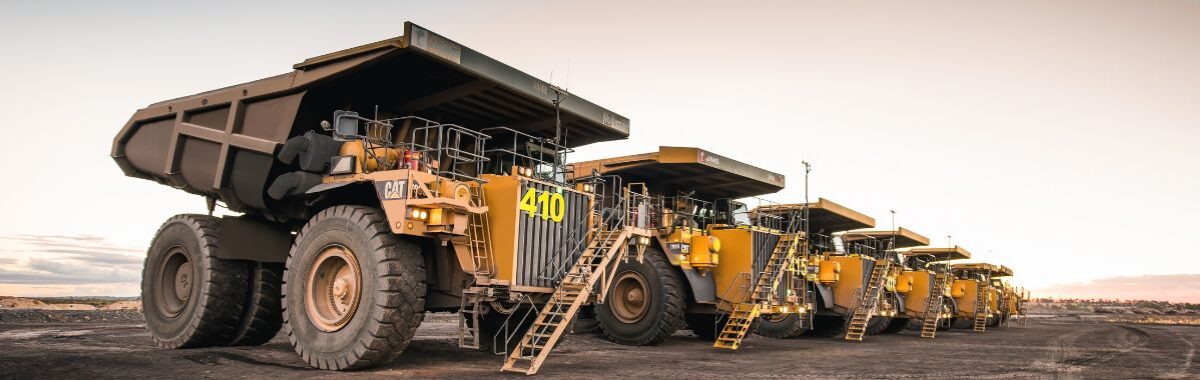
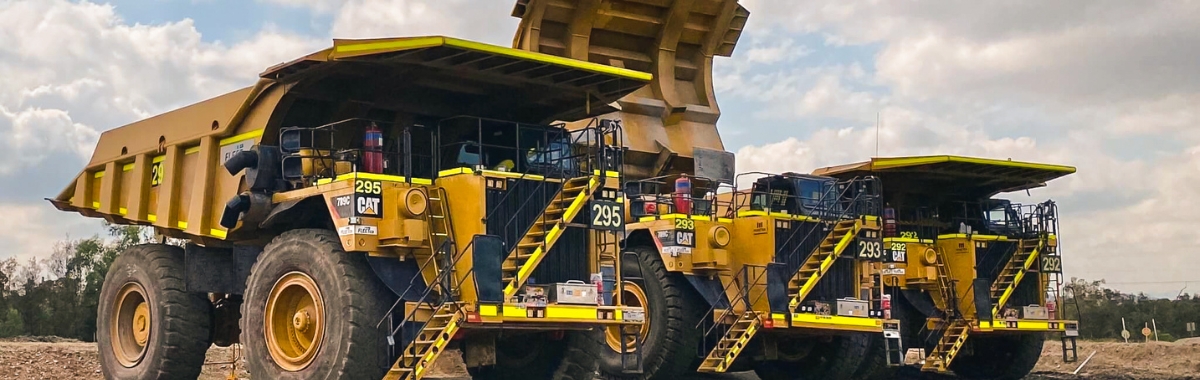
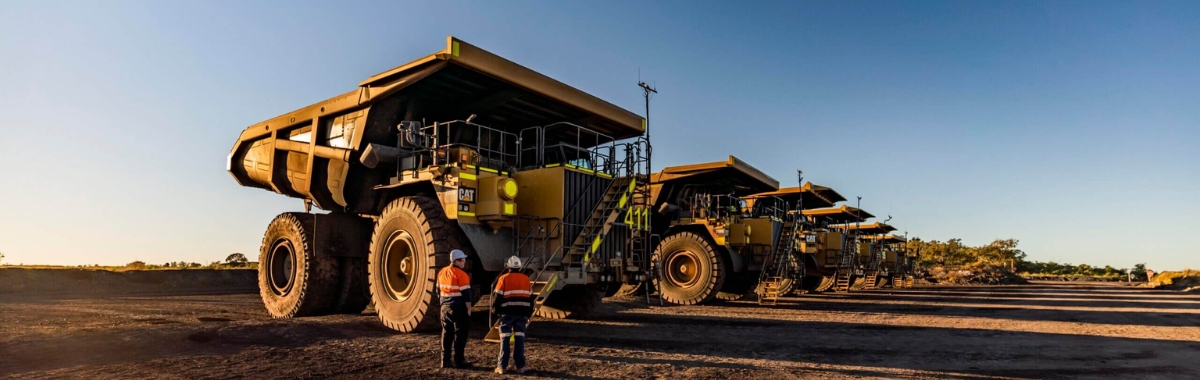
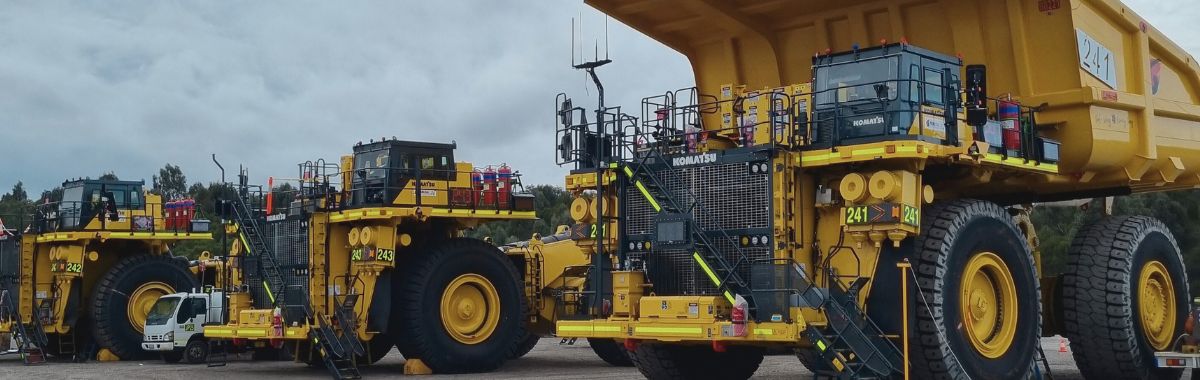
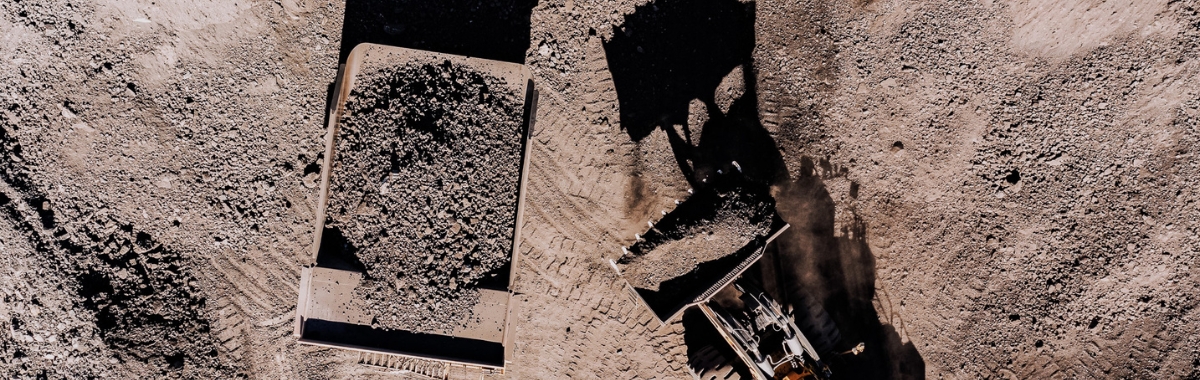
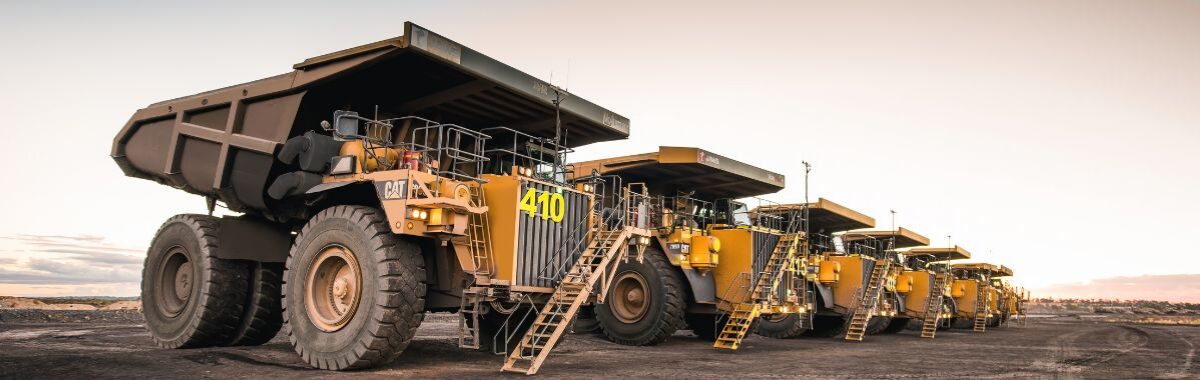
Mine haul truck fleet

2. Acoustic enclosures: Housing for stationary machinery

Acoustic enclosures are purpose-built structures that surround noisy stationary equipment such as generators, compressors, and pumps. These enclosures use sound-absorbing materials in walls, ceilings, and doors to contain noise at the source.

For fixed plant applications, enclosures can achieve significant dBA reductions. However, they require careful ventilation design to prevent equipment overheating, which adds complexity and cost to larger installations.

Características principales

  • Modular panel construction sized to suit equipment dimensions
  • Ventilated designs for safe operating temperatures
  • Access doors and panels for maintenance access

What to consider

Acoustic enclosures are effective for stationary equipment in defined locations. They can provide strong containment and weather protection, but they are not suitable for mobile equipment and can require significant floor space and ongoing ventilation management.

3. Sound barriers and walls: Perimeter noise management

Sound barriers are vertical structures positioned between noise sources and receivers, typically site boundaries or nearby communities. They work by blocking the direct path of sound waves and creating an acoustic shadow zone behind the barrier.

These systems are commonly used around industrial facilities, along highways, and at construction site perimeters. Their effectiveness depends heavily on barrier height, length, and positioning relative to both the noise source and the area requiring protection.

Características principales

  • Absorptive or reflective panels depending on the acoustic objective
  • Modular sections for irregular site boundaries and terrain
  • Weather-resistant materials for long-term outdoor use

What to consider

Sound barriers can help reduce off-site noise where boundaries are clearly defined. They are relatively straightforward to install, but they do not treat noise at the source and are less effective for elevated or moving noise sources. They may also require substantial foundation work and site preparation.

4. Acoustic curtains and blankets: Portable industrial solutions

Acoustic curtains and blankets offer a flexible approach to temporary noise control. Made from dense, sound-absorbing materials, these systems can be hung, draped, or positioned around equipment and work areas.

Construction sites often use acoustic blankets during demolition or concrete cutting operations. Manufacturing facilities also use curtains to create temporary sound barriers between noisy processes and quieter work zones.

Características principales

  • Portable installation for changing work areas
  • Multiple hanging systems, including track-mounted and freestanding options
  • Fire-rated materials for industrial applications

What to consider

Acoustic curtains and blankets are useful where flexibility and speed of deployment matter most. They are generally lower cost and reusable, but they offer less attenuation than engineered systems or enclosures and may wear more quickly in exposed site conditions.
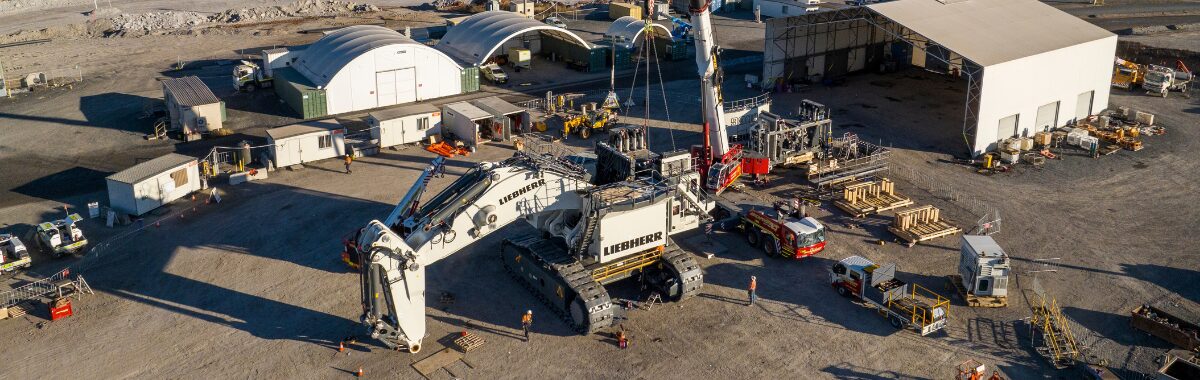
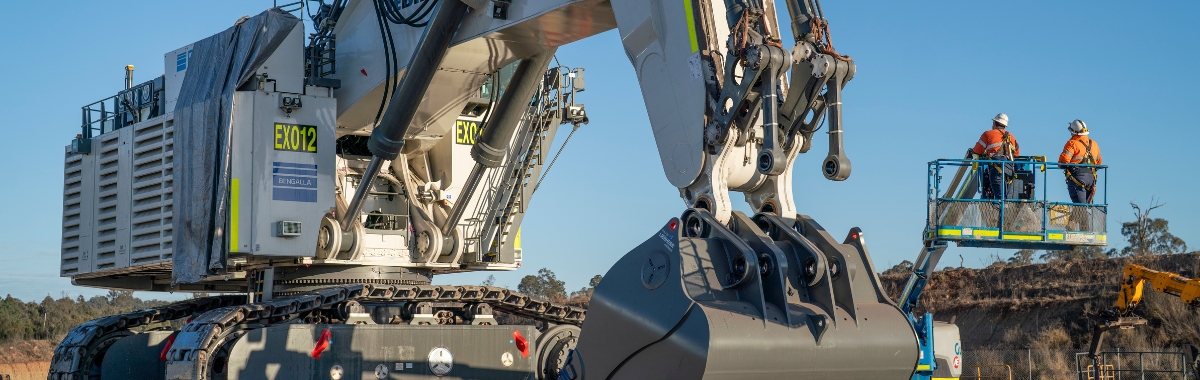
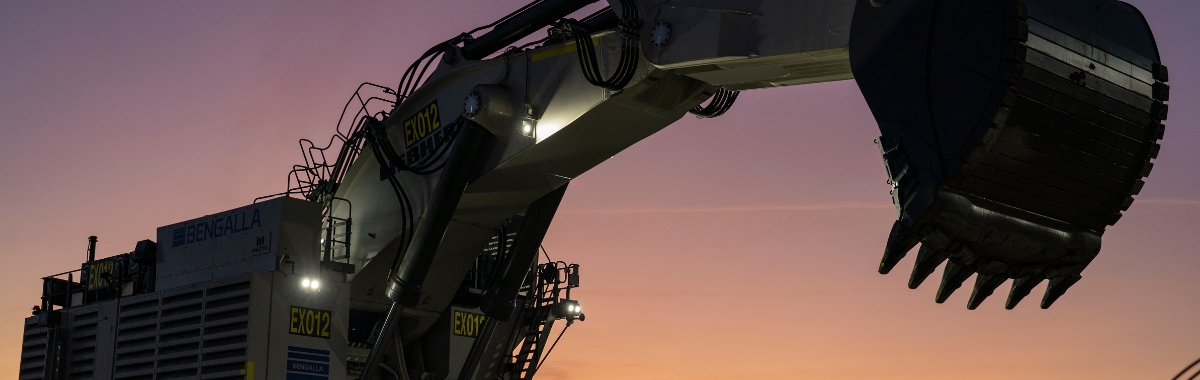
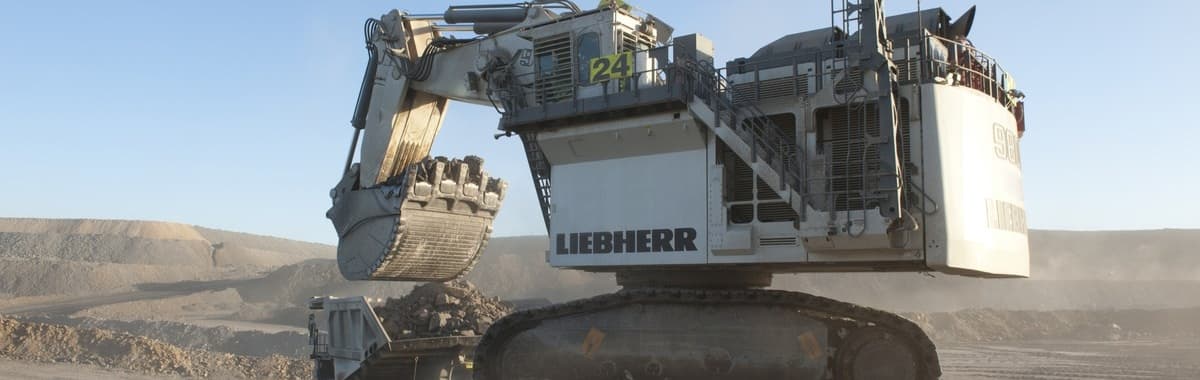
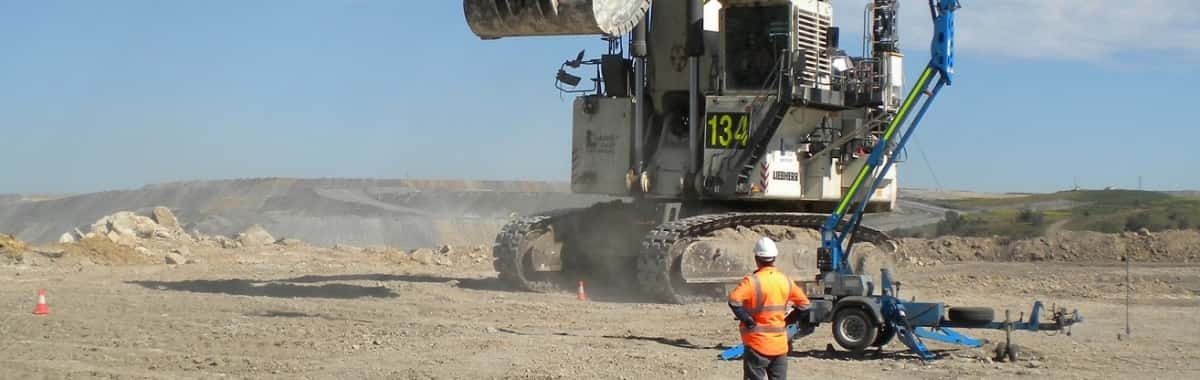
Liebherr R 9800 Excavator

5. Silencers and mufflers: Exhaust-focused noise reduction

Silencers and mufflers target noise from engine exhausts, ventilation systems, and pneumatic equipment. These devices use baffles, chambers, and absorptive materials to reduce sound energy before it exits the exhaust stream.

Industrial silencers range from compact inline units to large duct-mounted systems for HVAC applications. Performance varies depending on the design, size, and frequency characteristics of the noise source.

Características principales

  • Reactive or absorptive designs for different frequency ranges
  • Inline installation within existing ductwork or exhaust systems
  • Custom sizing to suit airflow and backpressure requirements

What to consider

Silencers and mufflers are effective where exhaust noise is a primary contributor to the site noise profile. They can often be retrofitted to existing equipment, but they do not address other mechanical noise sources and may affect airflow or engine performance if poorly specified.

6. Vibration isolation mounts: Structure-borne noise control

Vibration isolation mounts address noise that travels through building structures and equipment frames. By decoupling machinery from its supporting surface, these systems prevent vibration energy from being transmitted and radiated as sound.

Common applications include mounting compressors, fans, pumps, and HVAC equipment. Proper isolation can reduce both airborne noise and perceptible vibration in adjacent work areas.

Características principales

  • Elastomeric or spring mounts for different loads and frequencies
  • Inertia bases to reduce transmission of low-frequency vibration
  • Floating floor systems for sensitive installations

What to consider

Vibration isolation mounts are useful when structure-borne transmission is a major source of site noise. They can also help reduce equipment stress, but they do not directly control airborne noise from the equipment itself and need correct engineering specification to perform properly.

7. Active noise cancellation systems: Electronic sound management

Active noise cancellation (ANC) uses microphones and speakers to generate sound waves that interfere with and reduce specific noise frequencies. While common in consumer headphones, industrial applications remain limited to controlled environments and specific frequency ranges.

In industrial settings, ANC systems are generally used in enclosed spaces such as operator cabins, control rooms, and HVAC ducts. Large-scale outdoor applications remain challenging because of variable sound fields and the power required to generate effective cancellation.

Características principales

  • Real-time processing of incoming sound
  • Frequency targeting for predictable low-frequency tones
  • Cabin integration for enclosed operator environments

What to consider

ANC can be effective for targeted low-frequency noise in controlled environments. It offers an electronic alternative where passive methods have limits, but it is not practical for broad outdoor site applications or multiple moving noise sources.

Summary table: industrial noise control systems at a glance.

System Typical application Mobile equipment Main advantage Main limitation
Minetek M-STEALTH™ Heavy mobile equipment Yes Source-based attenuation with OEM-aligned performance Requires engineered assessment
Acoustic enclosures Stationary machinery No Strong containment at the source Large footprint and ventilation needs
Sound barriers and walls Perimeter noise management No Helps reduce off-site noise transmission Does not treat source noise
Acoustic curtains and blankets Temporary work zones Limited Flexible and portable Lower attenuation performance
Silencers and mufflers Exhaust and duct systems Sometimes Targets exhaust noise directly Does not address all noise sources
Vibration isolation mounts Structure-borne noise control No Reduces vibration transmission Does not directly reduce airborne noise
Active noise cancellation systems Controlled enclosed spaces Limited Effective for specific frequencies Not practical for broad outdoor use

What regulations govern industrial noise at large sites?

Industrial noise regulations vary by jurisdiction, but the core requirements are broadly similar. In Australia, according to the NSW EPA Noise Policy for Industry, the policy sets assessment noise levels, consistent methods, and best-practice measures for managing industrial noise impacts, including for mines, quarries, and large industrial sites. For construction activity, the NSW EPA construction noise page states that the EPA sets noise limits in environment protection licences and uses guideline-based assessment to support approvals and licence conditions.

Occupational noise is regulated separately from environmental noise. Moreover, Safe Work Australia’s noise guidance states that workers must not be exposed to noise of 85 dB(A) or higher over an 8-hour day or 40-hour week. Safe Work Australia also states that workers must not be exposed to noise above 140 dB peak, and that risks should be eliminated or minimised under work health and safety duties. Additional guidance is also set out in the Model Code of Practice: Managing noise and preventing hearing loss at work.

Noise complaints can also trigger regulatory attention. According to the NSW EPA’s explainer on investigating noise issues, the regulator may investigate complaints through monitoring and enforcement tools such as noise abatement directions. For large sites operating under approvals or licence conditions, that means reliable noise control is not just an engineering issue. It is part of demonstrating ongoing compliance under real operating conditions.

How should operators calculate the true cost of industrial noise control?

Upfront purchase cost is only one part of the equation. A proper evaluation should also account for installation complexity, integration with existing equipment, maintenance requirements, and the operational life of the system. For environmental and operations managers, the real question is not just what a system costs to buy, but what it costs to run, maintain, and manage over time.

For mobile equipment, productivity impact is a major consideration. Systems that add significant weight can reduce payload capacity, which directly affects output per cycle. In high-utilisation environments, even small performance trade-offs can compound into material operating costs over the life of the asset.

Downtime also needs to be factored into the calculation. Systems that require frequent servicing, complex repairs, or difficult access can increase indirect costs and reduce uptime. In practice, engineered systems designed for harsh industrial environments often deliver better long-term value when they maintain equipment performance and reduce maintenance burden.
294

Why is Minetek M-STEALTH™ effective for industrial noise reduction on large sites?

Minetek M-STEALTH™ is effective for industrial noise reduction on large sites because it reduces noise at the source on heavy mobile equipment without compromising machine performance. Unlike fixed barriers or enclosures, it is engineered for the machines themselves, allowing haul trucks, excavators, and dozers to operate across the site while supporting compliance and reducing impact on nearby communities.

The system is designed to suit the machine, the operating environment, and the site’s acoustic requirements. It maintains OEM specifications, preserves payload capacity, and helps sites manage noise without creating new operational constraints.

With more than 40 years of industrial noise expertise and over 3,000 machines fitted globally, Minetek brings proven capability to heavy industry applications. That makes M-STEALTH™ a strong fit for large sites where mobile equipment noise is a major operational and compliance challenge.

Frequently Asked Questions (FAQs)

What is the most effective noise control for heavy mining equipment?

For mobile equipment like haul trucks, excavators, and dozers, source-based attenuation delivers the most effective results. The Minetek M-STEALTH™ system targets specific noise emissions while preserving machine performance. Barriers and enclosures cannot move with your equipment across the site.

How much noise reduction can industrial sound attenuation systems achieve?

Noise reduction varies by system type and application. Engineered solutions like Minetek’s M-STEALTH™ can achieve measurable dBA reductions tailored to specific equipment. Generic barriers typically offer 5-15 dB reduction depending on positioning and frequency content.

Do noise control systems affect equipment performance?

Poorly designed systems can restrict airflow and increase backpressure, affecting engine performance. Minetek M-STEALTH™ maintains OEM specifications by design, preserving factory airflow requirements while reducing noise. The weight-optimised construction also minimises impact on payload capacity.

What maintenance do industrial noise control systems require?

Maintenance needs vary significantly. Acoustic curtains require regular inspection and replacement. Silencers need periodic cleaning. The Minetek M-STEALTH™ dual-skin construction resists rust and heat stress, reducing maintenance intervals compared to traditional approaches.

Can noise control systems help meet environmental compliance requirements?

Yes. Industrial sites operating under environmental licences must meet specific noise conditions. Minetek has helped mining and manufacturing operations across 60+ countries achieve compliance while maintaining productivity. Proper noise control protects your operating licence.

How do I choose between fixed barriers and equipment-based noise control?

Consider where your noise originates. For stationary plant, enclosures and barriers can work well. For mobile equipment that operates across large sites, source-based systems like Minetek M-STEALTH™ are more practical since the noise control moves with the machine.
Volver a noticias e información

Top 10 industrial noise reduction solutions for 2026.

Publish date: 5 junio 2026

Industrial noise reduction solutions reduce noise by controlling it at the source, interrupting how it travels, or limiting exposure at the point of impact. In mining and industrial environments, the right approach depends on the equipment, required noise reduction, operational constraints, and compliance targets. Common solutions include engineered sound attenuation systems, acoustic enclosures, silencers, barriers, vibration control treatments, and ventilation modifications. These methods are used to help reduce workplace exposure, support environmental compliance, protect nearby communities, and maintain safe, productive operating conditions across complex industrial sites.

Heavy machinery in mining operations, manufacturing plants, and power generation facilities can generate noise levels that affect worker safety, community relations, and regulatory standing. For environmental managers, EHS leaders, and operations directors, reducing equipment noise without compromising performance remains a critical operational priority.

Minetek delivers engineered industrial noise reduction solutions that help operations meet regulatory requirements while maintaining equipment reliability and productivity. This guide outlines 10 noise control methods ranked by cost and performance to support informed decision-making across industrial facilities.

Quick guide: 10 noise reduction solutions for industrial facilities.

  • Minetek M-STEALTH: Engineered sound attenuation system for mobile mining and industrial equipment
  • Acoustic enclosures: Fixed structures designed to contain noise from stationary machinery
  • Vibration damping: Materials that reduce noise radiated by panels and housings
  • Sound barriers: Walls and partitions that block noise transmission
  • Industrial silencers: Devices that reduce exhaust and vent noise
  • Acoustic absorption panels: Surface treatments that capture sound reflections
  • Vibration isolation pads: Mountings that prevent vibration transfer
  • Fan optimisation retrofits: Aerodynamic modifications for quieter ventilation
  • Pneumatic exhaust silencing: Attachments that reduce compressed air noise
  • Machine guard modifications: Existing guards adapted into acoustic barriers
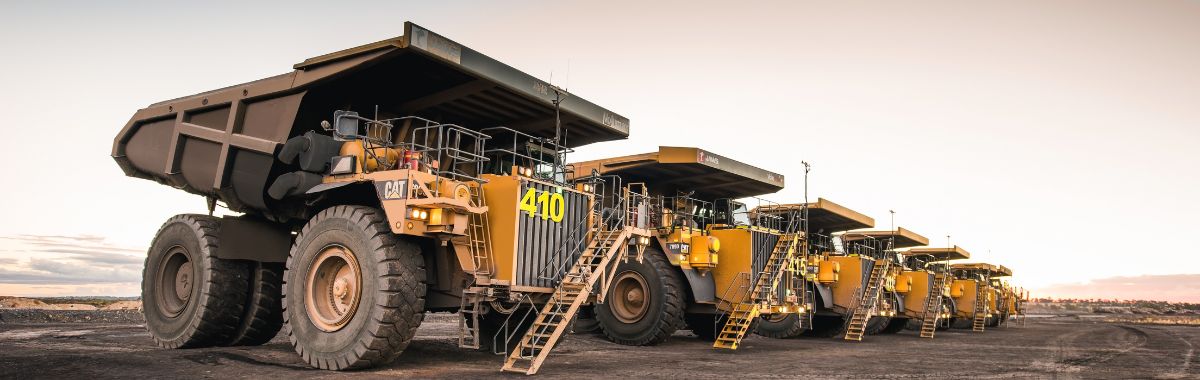
Mine haul trucks

The 10 noise reduction solutions for mining, manufacturing, and power generation.

Industrial facilities use a range of noise control methods to manage risks related to worker exposure, environmental compliance, and community impact. The 10 solutions below address different equipment types, operating conditions, and acoustic challenges, from mobile mining fleets to stationary plant infrastructure.

1. Minetek M-STEALTH: Best overall sound attenuation system for industrial equipment.

Minetek’s M-STEALTH™ system is an engineered sound attenuation system designed to reduce noise from heavy mobile equipment while preserving machine performance. It is used on assets such as haul trucks, excavators, dozers, and generators where operations need to lower site noise levels without compromising airflow, backpressure, payload, or reliability.

Unlike generic acoustic treatments, M-STEALTH targets specific noise sources through engineered design informed by sound intensity testing and acoustic visualisation. This approach allows noise reduction strategies to be tailored to the actual operating profile of each machine rather than relying on standardised treatments.

The system is engineered to maintain OEM backpressure levels while reducing exhaust surface temperatures below 150°C. This removes the need for thermal blankets and can help reduce maintenance-related downtime. Minetek has fitted more than 3,000 mining machines globally with sound attenuation packages, with site noise reductions of up to 50% reported across selected applications.

Minetek delivers custom-engineered solutions tailored to specific equipment and operating conditions. Supported by in-house acoustic engineering capability, each M-STEALTH package is designed to maximise noise reduction while preserving machine payloads and airflow. The dual-skin exhaust construction is built to resist rust and heat-related stress, supporting longer service life than traditional sound-suppressed systems.

M-STEALTH features

  • Dual-skin exhaust system: Designed for durability, with resistance to heat stress and corrosion that supports longer service intervals between replacements.
  • AS 5062:2022 fire prevention protection: Built to support compliance with Australian fire prevention requirements for mobile and fixed plant.
  • OEM-compatible design: Designed for compatibility with Caterpillar, Hitachi, Komatsu, Liebherr, and other major equipment manufacturers.
  • Reduced exhaust surface temperature: Surface temperatures remain below 150°C, eliminating the need for thermal blankets and reducing burn hazard risks.
  • Site-specific engineering: Each system is based on acoustic testing of the actual equipment rather than generic specifications.
  • Minimal weight impact: Engineered to preserve machine payloads so productivity is not unnecessarily affected by noise compliance measures.

M-STEALTH advantages

  • Reduces site noise by up to 50% while maintaining machine performance
  • Backed by more than 40 years of noise management experience
  • Custom engineering supports equipment-specific and compliance-driven requirements

Implementation considerations

  • An initial acoustic assessment supports a more accurate, equipment-specific solution design
  • Installation scheduling is coordinated to minimise disruption to maintenance and production plans
  • Best suited to mobile equipment applications, with complementary solutions available for fixed plant noise sources
Liebherr R 9800 Excavator

2. Acoustic enclosures: Best for stationary equipment noise containment

Acoustic enclosures are fixed structures designed to contain noise from stationary equipment at the source. Minetek acoustic enclosures apply this approach to pump systems and fixed plant areas where operations need to reduce noise while maintaining safe access, airflow, and equipment performance.

Designed for demanding industrial conditions, Minetek acoustic enclosures combine weatherproof construction, resistance to grease and contaminants, airflow management, and high-quality sound media to support reliable acoustic performance. This makes them well suited to mining and industrial sites where durability, ventilation, and maintenance access are essential.

For operations managing fixed plant noise, Minetek acoustic enclosures provide a practical way to contain sound within designated areas and support a quieter working environment. Each enclosure is engineered to suit the specific pump or stationary equipment being attenuated, helping operations manage noise in a way that supports occupational health and safety compliance outcomes.

Minetek acoustic enclosure features

  • Application-specific engineering: Designed to specification for the specific pump or stationary equipment being attenuated.
  • Weatherproof construction: Built for demanding environments with resistance to grease and other contaminants.
  • Ventilation integration: Engineered to maintain adequate airflow while controlling noise.
  • High-quality sound media: Designed for demanding acoustic applications.
  • Noise containment for designated areas: Supports pump room and fixed plant noise control within defined operating zones.

Advantages

  • Supports effective noise containment for stationary equipment and fixed plant areas.
  • Extends Minetek’s sound attenuation capability beyond mobile equipment.
  • Combines acoustic control with weather protection and site durability.
  • Can be customised to suit pump systems and other stationary noise sources.

Implementation considerations

  • Requires sufficient space around the equipment for enclosure design, access, and installation.
  • Ventilation and thermal management need to be engineered alongside acoustic performance.
  • Best outcomes depend on equipment-specific design rather than standard enclosure layouts.
  • Most effective where stationary noise can be contained within a defined operating area.
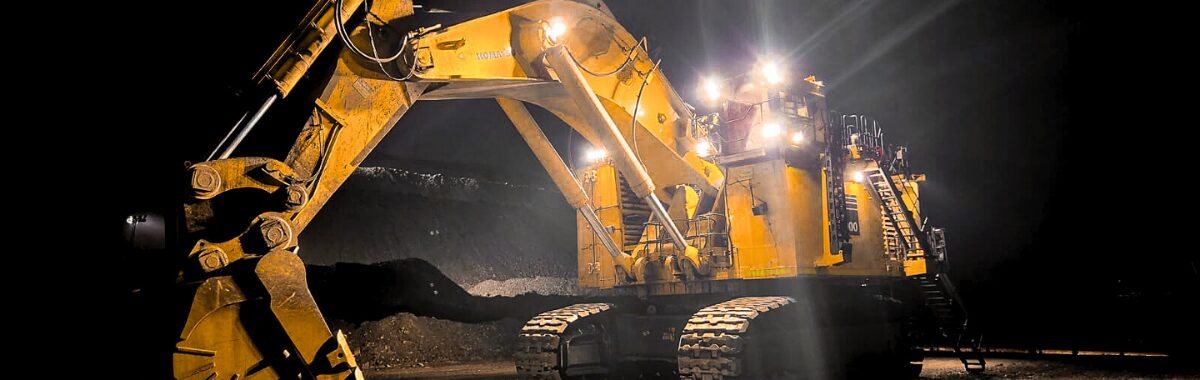
Mining excavator

3. Vibration damping: Best for reducing noise radiated by panels and housings

Vibration damping reduces noise by treating metal surfaces that radiate sound during equipment operation. In mining and industrial environments, guards, conveyor housings, tanks, and similar components can amplify mechanical noise when vibration causes them to act as secondary sound sources.

This approach applies damping materials or sound-deadened steel to existing components to reduce structure-borne vibration and limit radiated noise. It is most effective where thin metal surfaces contribute significantly to overall equipment noise and where operations need a retrofit-friendly solution with minimal disruption.

Vibration damping features

  • Constrained layer damping: Uses high-damping material between metal layers to dissipate vibration energy.
  • Retrofit application: Can be applied to existing equipment without major structural modifications.
  • Targeted surface treatment: Focuses on panels and housings that contribute most to radiated noise.
  • Material flexibility: Can be implemented using different damping materials depending on the operating environment.

Advantages

  • Addresses noise at the source rather than along the transmission path.
  • Can be retrofitted to existing equipment with limited disruption.
  • May help reduce vibration-related wear on treated components.
  • Well suited to plant areas where panels and housings amplify equipment noise.

Implementation considerations

  • Best suited to surfaces that have been identified as significant noise radiators.
  • Less effective on thicker or heavily reinforced panels.
  • Multiple treatment areas may be required to achieve meaningful overall noise reduction.
  • Often most effective when used as part of a broader site noise management strategy.

4. Sound barriers: Best for blocking noise transmission paths

Sound barriers reduce noise by interrupting the path between the source and the receiver. In mining and industrial environments, they are commonly used to shield workers, nearby infrastructure, or site boundaries from equipment noise where direct containment is not practical.

These barriers can take the form of fixed acoustic walls or movable curtain systems, depending on the site layout and operating conditions. Their effectiveness depends on correct placement, sufficient height and width, and limiting gaps that allow noise to pass through.

Sound barrier features

  • Fixed acoustic walls: Permanent structures for defined noise control zones.
  • Curtain barriers: Flexible systems for changing plant layouts.
  • Absorptive surfaces: Help reduce reflected noise on the source side.

Advantages

  • Helps create quieter zones in open plant areas.
  • Does not require modification to the equipment.
  • Flexible options are available for changing operations.

Implementation considerations

  • Performance depends heavily on barrier placement and coverage.
  • Gaps and openings can reduce effectiveness.
  • Best suited to blocking transmission rather than reducing noise at the source.

5. Industrial silencers: Best for reducing exhaust and vent noise

Industrial silencers reduce noise from exhaust systems, steam vents, and pressure relief points. In mining and industrial environments, they are commonly used where discharge noise needs to be controlled without significantly affecting airflow or system performance.

These systems are typically designed as absorptive or reactive silencers, depending on the frequency profile and operating conditions. When correctly specified, they can deliver meaningful noise reduction while supporting reliable operation across a range of temperature and pressure conditions.

Industrial silencer features

  • Absorptive silencers: Reduce high-frequency exhaust and vent noise.
  • Reactive silencers: Control low-frequency pulsation noise.
  • Application-specific designs: Suited to different pressure, temperature, and flow requirements.

Advantages

  • Reduces noise directly at the emission point.
  • Available for a wide range of industrial applications.
  • Can support noise control without major equipment changes.

Implementation considerations

  • Performance depends on correct sizing and specification.
  • Backpressure must be managed in the design.
  • Multiple discharge points may require separate treatment.
Mining excavator operator

6. Acoustic absorption panels: Best for reducing reverberation in enclosed spaces

Acoustic absorption panels reduce reflected noise from hard surfaces such as concrete walls, metal roofs, and ceilings. In mining and industrial environments, they are used to control reverberation in enclosed spaces where sound buildup can increase overall noise levels.

These treatments are typically installed on walls or suspended from ceilings to capture reflected sound energy rather than block noise at the source. They are most effective in plant areas where hard, reflective surfaces amplify noise and reduce speech clarity.

Acoustic absorption features

  • Wall-mounted panels: Reduce reflections from hard vertical surfaces.
  • Ceiling baffles: Help control noise buildup in high-roof areas.
  • Material options: Available in different finishes for different operating environments.

Advantages

  • Helps reduce reverberant noise in enclosed areas.
  • Can improve speech clarity and warning signal audibility.
  • Can be added to existing facilities without major construction.

Implementation considerations

  • Works best in enclosed or semi-enclosed spaces.
  • Does not reduce direct noise from the equipment itself.
  • Requires enough treatment area to achieve meaningful results.

7. Vibration isolation pads: Best for preventing structure-borne noise

Vibration isolation pads reduce noise by separating vibrating equipment from the structures that support it. In mining and industrial environments, they are commonly used under motors, pumps, compressors, and similar equipment where vibration would otherwise transfer into floors, beams, or platforms.

These pads help limit structure-borne noise and vibration by breaking the rigid connection between the machine and the supporting structure. They are most effective where structural transmission is contributing to overall site noise and where a simple retrofit solution is needed.

Vibration isolation features

  • Isolation pads: Separate equipment from supporting structures.
  • Elastomeric materials: Help absorb transmitted vibration.
  • Retrofit suitability: Can be installed on existing equipment foundations or mounts.

Advantages

  • Helps reduce structure-borne noise at the source.
  • Relatively simple and cost-effective to install.
  • Can also help protect equipment from transmitted vibration.

Implementation considerations

  • Performance depends on correct installation and load distribution.
  • Less effective for some low-frequency vibration conditions.
  • Only addresses vibration transfer, not airborne noise directly.

8. Fan optimisation retrofits: Best for reducing ventilation system noise

Fan optimisation retrofits reduce noise by improving airflow efficiency and reducing turbulence within the fan system. In mining and industrial environments, they are commonly used where poor installation geometry, restrictive ducting, or inefficient airflow is contributing to unnecessary noise.

These retrofits can include aerodynamic modifications, ducting improvements, and speed adjustments to reduce tonal and turbulence-related noise at the source. They are most effective where fan performance and noise control can be improved together.

Fan optimisation features

  • Aerodynamic modifications: Reduce turbulence and tonal noise.
  • Ducting improvements: Improve airflow into and out of the fan.
  • Speed control options: Lower fan speed where operating conditions allow.

Advantages

  • Can reduce noise while improving airflow efficiency.
  • Addresses noise at the source rather than adding containment.
  • May reduce energy demand in some fan applications.

Implementation considerations

  • Requires system-specific assessment and design.
  • Results depend on the existing fan installation and operating conditions.
  • May require layout changes to support improved airflow paths.

9. Pneumatic exhaust silencing: Best for compressed air discharge noise

Pneumatic exhaust silencing reduces noise from compressed air exhaust points. In mining and industrial environments, it is commonly used where unsilenced air discharge creates sharp, high-impact noise across plant areas.

These systems use silencers or manifold arrangements to reduce exhaust noise without unnecessarily restricting performance. They are most effective where compressed air systems have multiple discharge points or repeated noise events across the facility.

Pneumatic exhaust features

  • Exhaust silencers: Reduce compressed air discharge noise.
  • Manifold systems: Combine multiple exhaust points into a single treatment area.
  • Retrofit suitability: Can be added to existing pneumatic systems.

Advantages

  • Can deliver significant noise reduction at relatively low cost.
  • Supports quieter plant conditions without major equipment changes.
  • Well suited to repetitive compressed air noise sources.

Implementation considerations

  • Each exhaust point may require treatment.
  • Performance depends on correct sizing and airflow design.
  • Best results come from a facility-wide approach rather than isolated fixes.

10. Machine guard modifications: Best for adapting existing guards into acoustic barriers

Machine guard modifications reduce noise by improving the acoustic performance of existing safety guards. In mining and industrial environments, this can involve sealing gaps, adding internal absorbent material, or modifying guard panels so they help block and contain airborne noise.

This approach is most effective where existing guards already sit close to the noise source and can be adapted without disrupting safe access or equipment function. It can provide a practical retrofit option where operations want to improve noise control using existing plant structures.

Machine guard modification features

  • Gap sealing: Reduces open areas that allow noise to escape.
  • Internal acoustic lining: Helps absorb reflected sound within the guard.
  • Panel upgrades: Improves the barrier performance of existing guard surfaces.

Advantages

  • Uses existing infrastructure rather than adding separate structures.
  • Can be a practical retrofit option for targeted noise issues.
  • Supports noise control close to the source.

Implementation considerations

  • Performance depends on the guard design and remaining openings.
  • May need to be combined with damping or absorbent treatments.
  • Must maintain safe access, visibility, and operational function.
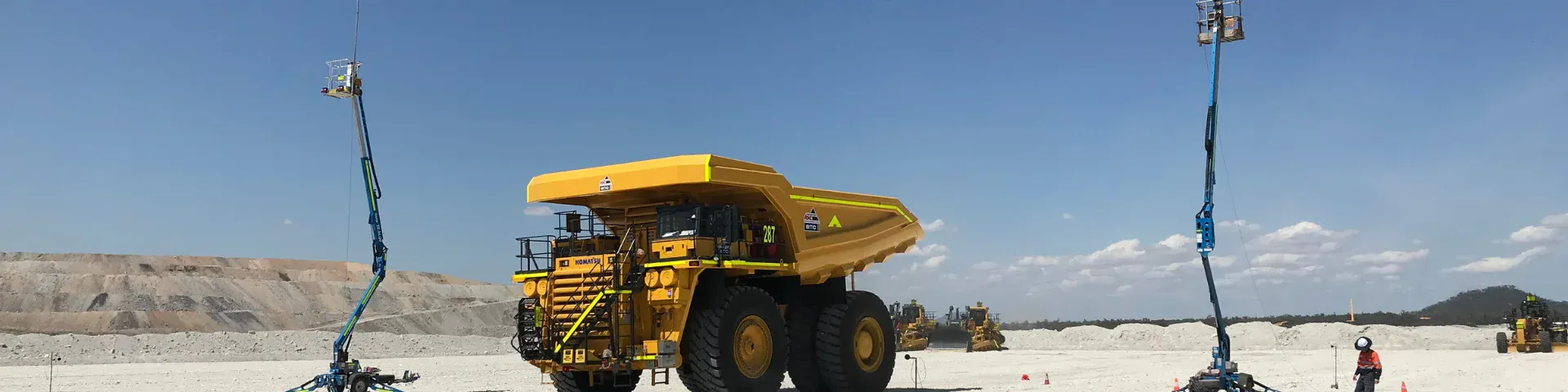
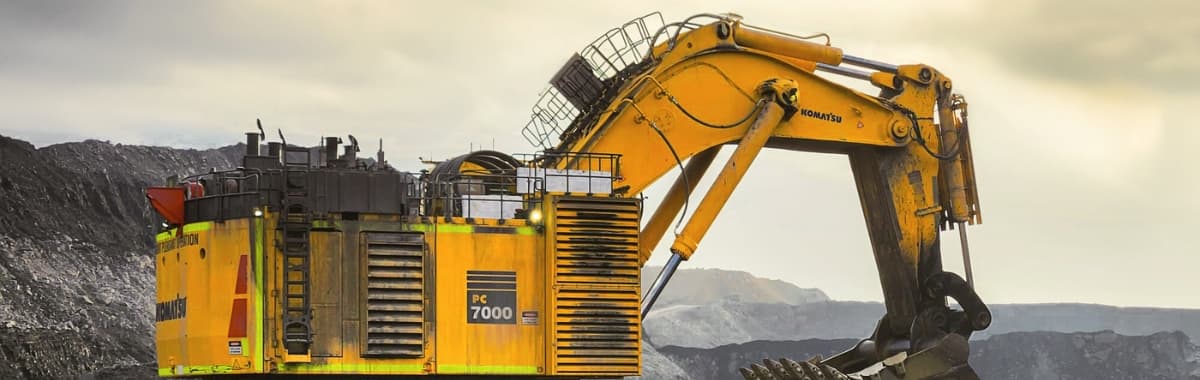
Komatsu excavator

Comparison table: Noise reduction solutions for mining and industrial facilities.

Solución Best for Typical application Mobile equipment Performance preservation
Minetek M-STEALTH Mobile equipment noise attenuation Haul trucks, excavators, dozers, generators, blast hole drill rigs, graders, loaders, water trucks
Acoustic enclosures Stationary equipment noise containment Pump systems, fixed plant areas
Vibration damping Reducing noise from panels and housings Guards, tanks, conveyor housings, metal panels
Sound barriers Blocking noise transmission paths Open plant areas, worker zones, site boundaries
Industrial silencers Exhaust and vent noise reduction Exhaust systems, vents, pressure relief points Varies
Acoustic absorption panels Reducing reverberation in enclosed spaces Buildings, workshops, enclosed plant areas
Vibration isolation pads Preventing structure-borne noise Pumps, motors, compressors, mounted equipment
Fan optimisation retrofits Reducing ventilation system noise Fans, ducted systems, ventilation infrastructure
Pneumatic exhaust silencing Compressed air discharge noise Pneumatic exhaust points and air systems
Machine guard modifications Adapting existing guards into acoustic barriers Guarded plant and processing equipment

How do noise regulations affect manufacturing plant compliance?

Manufacturing facilities face noise limits from multiple regulatory bodies, and the requirements differ between jurisdictions. In the United States, OSHA requires hearing conservation programs when worker noise exposure reaches 85 dB over an 8-hour time-weighted average (TWA). In Australia, Safe Work Australia‘s model exposure standard is 85 dB over 8 hours o 140 dB peak, with state and territory regulators enforcing local WHS requirements.

These regulations affect manufacturing plant compliance in several ways:

  • Worker exposure management: Sites need to monitor worker noise exposure and act when levels exceed regulatory thresholds.
  • Noise control requirements: Engineering or administrative controls may be required where exposure remains too high.
  • Environmental compliance: Property boundary and community noise limits can apply in addition to workplace exposure rules.
  • Operational planning: Equipment selection, attenuation measures, and maintenance strategies may need to account for compliance obligations.
  • Documentation and verification: Noise monitoring records and documented mitigation measures help demonstrate compliance to regulators.

Non-compliance carries financial and operational risks. Fines, legal actions, operating restrictions, and shutdowns until conditions improve can disrupt production schedules. Regular noise monitoring, documented control measures, and effective hearing conservation or workplace noise management programs also help demonstrate good-faith compliance efforts to regulators.

When should operations choose engineered attenuation over generic barriers?

Generic barriers and enclosures are effective for stationary equipment where the noise source can be fully contained. Mobile equipment such as haul trucks, excavators, and dozers requires a different approach because a moving machine cannot be enclosed in the same way as fixed plant.

Engineered sound attenuation systems such as M-STEALTH target specific noise sources on the equipment itself. Minetek designs each package based on acoustic testing of the actual machine, addressing engine, exhaust, and cooling system noise that generic treatments often cannot reach.

Engineered attenuation is typically the better option when:

  • Mobile equipment operates across the site rather than in fixed locations.
  • Generic treatments would affect machine performance or payload capacity.
  • Documented noise reduction is required for regulatory compliance verification.
  • OEM warranty preservation and airflow maintenance are key project priorities.
Equipos de minería

Why is Minetek M-STEALTH the best sound attenuation system for industrial noise?

Minetek stands apart through the engineering approach behind every installation. While some solutions treat noise as a general issue, each M-STEALTH system is designed using sound intensity testing and acoustic visualisation of the specific equipment being assessed. This targeted method supports measurable results rather than estimated improvements.

Minetek has been a mining noise management specialist since 1984. With sound attenuation solutions developed for more than 115 OEM models and over 3,000 mining machines fitted globally, M-STEALTH offers a proven track record that operations can rely on. Minetek’s in-house acoustic engineers bring multidisciplinary expertise across mechanical, electrical, and environmental engineering to every project.

For environmental managers and operations leaders seeking compliance without compromising productivity, M-STEALTH provides a practical path forward. The system can reduce site noise levels by up to 50% while preserving machine payloads, OEM backpressure requirements, airflow, and maintenance accessibility. Minetek supports operations with engineered assessments aligned to site and equipment requirements.

Looking for a practical way to reduce site noise while maintaining machine performance?

Talk to one of our Minetek sound attenuation experts about an engineered solution tailored to your equipment and compliance requirements.

FAQs about industrial noise reduction solutions.

What is the typical cost range for industrial noise control?

Costs vary significantly based on the approach and scale. Simple treatments like vibration isolation pads cost relatively little per machine, while engineered systems require greater initial investment for design and installation.

Minetek’s approach focuses on total cost of ownership including reduced maintenance downtime and preserved machine performance. Many noise control investments recover costs through avoided regulatory penalties and extended operating hours.

How much noise reduction is needed for regulatory compliance?

Most facilities need to achieve workplace exposure below 85 dB for an eight-hour average, with engineering controls required above 90 dB. Environmental limits at property boundaries often require reductions to 50-55 dB depending on jurisdiction and time of day.

Minetek helps operators determine specific compliance targets and designs solutions to meet them with documented verification.

Can noise reduction systems be retrofitted to existing equipment?

Yes, most industrial noise solutions install on equipment already in operation. Minetek’s M-STEALTH system is specifically designed for retrofit installation on existing haul trucks, excavators, and other mobile equipment without requiring new machines. Installation timing coordinates with maintenance schedules to minimise production impact.

How long do industrial noise control systems typically last?

Durability varies by solution type. Minetek’s M-STEALTH dual-skin exhaust construction resists rust and heat-related stress, extending service life compared to traditional sound-suppressed systems. The system eliminates thermal blanket requirements, reducing ongoing maintenance needs. Properly installed vibration damping and isolation systems can last the life of the equipment they treat.

Do noise reduction systems affect equipment performance?

Poor noise control design can introduce backpressure, restrict airflow, or add excessive weight. Minetek specifically engineers M-STEALTH to maintain OEM backpressure levels and preserve machine payloads. The dual-skin design enhances fuel efficiency while delivering noise reduction, a combination that protects both compliance and productivity.

Volver a noticias e información

Advanced attenuation sound techniques for mining noise reduction

Publish date: 6 noviembre 2025

Why noise control is critical in mining.

The loudest risk in mining isn’t always visible. It’s the constant, unseen noise that undermines safety, compliance, and community confidence.  

Sound attenuation, the engineering process that reduces noise intensity and propagation, has become essential as global standards tighten. Heavy machinery such as drills, haul trucks, and crushers often operate above safe noise limits, creating serious health risks and potential regulatory penalties.  

Without effective attenuation, operations face reputational damage and restricted hours. When implemented correctly, sound attenuation enhances safety, ensures compliance, and improves equipment reliability for quieter, more efficient, and sustainable mining operations. 


Ensuring compliance with global noise standards.

Regulatory compliance is the foundation of sustainable mining. The World Health Organization (WHO) recommends limiting occupational noise exposure to 85 dB(A) over an eight-hour shift. In the United States, the Mine Safety and Health Administration (MSHA) enforces a permissible exposure limit of 90 dB(A), requiring regular audiometric testing. Australia, Canada, and the European Union maintain similar standards, focusing on both occupational and environmental impacts. 

Failure to comply with these standards can result in heavy fines, community complaints, and even operational shutdowns. To remain compliant and sustainable, mining companies should: 

  • Conduct regular noise audits following ISO 9613-2 standards. 
  • Implement real-time noise monitoring across key mining equipment such as conveyors and excavators.
  • Include comprehensive noise control documentation in environmental impact assessments. 
Group_Images_In text_02062024 (63)

Health impacts of long-term noise exposure.

According to the World Health Organization, occupational noise contributes to roughly 16% of adult hearing loss globally, with miners among the most affected. Prolonged exposure above 85 dB(A) can result in permanent hearing damage known as Noise-Induced Hearing Loss (NIHL). 

Common health impacts include: 

  • Hearing loss and tinnitus: Permanent auditory damage and communication difficulties. 
  • Cardiovascular stress: Elevated blood pressure and increased risk of heart disease. 
  • Cognitive and psychological effects: Fatigue, anxiety, and reduced concentration, all of which heighten accident risks. 
  • Sleep disturbance and headaches: Affecting overall performance and decision-making. 

Beyond health, noise exposure directly reduces productivity through increased fatigue and absenteeism, creating long-term financial and operational consequences for mining companies. 


Engineering solutions for noise attenuation.

 Effective noise management depends on three engineering pillars: controlling noise at the source, managing propagation, and implementing employer-led initiatives. 

  1. Controlling Noise at the Source
  •  Mufflers and Silencers: Reduce exhaust noise from drills and haul trucks without compromising performance. 
  • Vibration Isolation Systems: Use mounts and dampers for pumps and fans to minimise noise generation. 
  • Equipment Maintenance: Prevent mechanical friction and part misalignment to reduce sound output. 
Group_Images_In text_02062024 (64)
  1. Controlling Noise Propagation
  • Acoustic Enclosures and Barriers: Custom casings can reduce ambient noise by 20–30 dB(A) while maintaining ventilation. 
  • Sound-Absorbing Materials: Use advanced foams or composites to absorb high-frequency sounds efficiently. 
  • Perimeter Buffers: Deploy barriers that prevent noise from spreading into surrounding communities. 
  1. Employer Noise Control
  • Real-time noise monitoring systems with predictive analytics. 
  • Worker training programs on safe equipment operation. 
  • Regular hearing tests and baseline audiometric screenings. 

These solutions not only improve environmental compliance but also enhance equipment longevity and worker safety. 


Minetek Sound: Pioneering global attenuation technology.

Desde 1984, Minetek has been a global leader in industrial noise management. Nuestra M-STEALTH™ system targets emissions from key equipment used in mining, including haul trucks, excavators, drills, generators, dozers, loaders, and fixed assets. This modular, turn-key technology incorporates advanced components such as dual-skin exhaust systems, radiator attenuators, and engine panels to control noise at the source and limit propagation, ensuring OEM compliance for backpressure, airflow, and accessibility. 

Minetek’s integrated services provide end-to-end support for noise management, aligning with employer-led control principles: 

  • Sound Attenuation: Custom-engineered packages for over 90 OEM models (e.g., Komatsu, Caterpillar, Liebherr), with more than 3,000 machines equipped worldwide. These lightweight solutions maintain payloads and reduce targeted frequencies, enabling operations closer to site boundaries without regulatory breaches. 
Haul truck
  • Sound Testing: Full-spectrum assessments, including ISO 6393/6395 compliance testing, sound intensity measurements, and operator noise exposure evaluations. Post-installation verification confirms reductions and supports ongoing optimization. 
  • Sound Visualiser: Portable acoustic visualization technology that generates thermal sound maps and high-contrast images to pinpoint noise sources onsite. This tool enhances accuracy in identifying problem areas, backing traditional microphone testing for faster, safer diagnostics. 
  • Fleet Noise Monitoring: Mobile fleet screening programs, conducted up to three times annually, simulate real-world conditions (e.g., full power on inclines) to ensure uniform compliance across assets. Real-time data capture enables proactive adjustments and minimizes downtime. 

Our consultative approach, including on-site audits, engineering, installation, and maintenance, delivers measurable results that enhance worker safety, productivity, and community relations. 


Actionable steps for a quieter, safer mine. 

Mining companies can achieve meaningful noise reduction by integrating modern attenuation sound techniques into daily operations. The most effective approach combines: 

  • Source control through engineered equipment design. 
  • Propagation management with targeted barriers and enclosures. 
  • Employer-led control through ongoing monitoring and worker engagement. 

By adopting these measures, operators can safeguard worker health, maintain compliance, and enhance their environmental and social reputation. 

Ready to create a quieter, safer mine site? 

Connect with a Minetek Sound expert today to discover tailored solutions for your operation. 

Volver a noticias e información

The real sound of winter: What mine operators should be ready for.

Publish date: 6 noviembre 2025

In cold climate regions, winter brings a sharp rise in acoustic risk. As temperatures drop, sound travels farther, inversion layers trap emissions near the ground, and ambient noise masking disappears. The result? Equipment noise once contained on-site becomes a conformidad liability and a community flashpoint. Yet many operators overlook how winter alters sound propagation. Without the right sound suppression in place, mines risk fines, delays, and reputational fallout.  


How cold weather amplifies mining noise pollution.

The physics behind amplified winter noise 

  • Cold air increases air density. Sound waves propagate more efficiently in denser media. In practice, a machine’s acoustic “reach” can extend in colder months. 
  • Atmospheric temperature inversions-common during calm, clear winter nights create a layer where temperature increases with altitude. That inversion acts like an acoustic duct, trapping and channeling sound back toward the ground. Some studies report enhancements of 3–10 dB at receiver points under such conditions. 
  • Snow, ice, and frozen surfaces have complex acoustic behavior. Fresh snow can absorb some higher frequencies, but compacted snow or ice surfaces may reflect lower frequencies, effectively creating “harder” ground for sound. 
  • Meanwhile, ambient noise levels (wind, wildlife, human activity) tend to drop in winter. Lower masking means your machinery noise stands out more clearly. 

Result: your machine sound “footprint” expands. Neighbors hear more. Regulators listen harder. 

Winter noise and how it effects mines

Compliance and operational risks from winter mining noise.

When winter amplifies your acoustic signature, consequences follow: 

Regulatory & compliance exposure 

Your site’s noise permit or environmental license typically tolerates a set maximum (e.g., Leq thresholds). But winter conditions can push you over the limit even if your equipment performance is unchanged. Exceedance fines, mitigation orders, or operations restrictions may follow. 

En Norteamérica, regulators in both the U.S. and Canada are sharpening their focus on acoustic impact particularly in regions near residential zones, indigenous territories, or protected ecosystems. Winter-related complaints have triggered retrospective assessments and, in some cases, the tightening of permissible limits. 

According to the U.S. Environmental Protection Agency (EPA), “In a temperature inversion, cold air at the surface gets trapped under a layer of warmer air. During the winter, snow-covered valley floors reflect rather than absorb heat, preventing normal vertical mixing of warm and cold air that keeps pollutants from dissipating.” This same condition traps sound near the ground, worsening its perceived intensity. 

Community and social license 

Perception matters. Increased complaints from nearby residents, towns, or stakeholders can escalate quickly. Disgruntled communities can delay permits, pressure regulators, or drive reputational damage that burdens your permitting for expansions. 

Winter noise and how it effects mines

Worker safety, health & productivity 

Louder sound means higher risk of hearing damage for frontline workers, increased fatigue, and lower comfort. Even with PPE, elevated ambient noise creates stress and communication barriers. 

Operational surprises & maintenance stress 

Cold temperatures stress engine systems, exhausts, seals, vibration dampers, and enclosures. Faulty components or degraded acoustic materials may worsen noise emissions just when you need attenuation most. 


Lessons from past winters: Sound propagation in cold climates.

  • In previous seasonal cycles, many mines discovered that noise trespass complaints spike in late fall to early spring, not in summer. That pattern is no accident; it’s physics at work. 
  • Some operations, when modeling noise, assume “standard meteorological conditions.” But winter’s inversions, stable layers, calm nights, and cold ground surfaces fall outside typical assumptions meaning models underpredict. 
  • According to the environmental study notes by the Northern Territory Environment Protection Authority (NETPA), “the greatest noise impact usually occurs during the cool dry season” because cooler conditions favour long-distance propagation and ambient noise is lower.  
  • In mines with nearby residential zones, winter noise spikes triggered unanticipated complaints. In some jurisdictions, regulators demanded retrospective mitigation or offered buyouts for adjacent properties. 

These lessons show that winter noise is not a future hypothetical. It’s a known, recurring risk. The smart operator treats it as a design parameter, not a surprise. 

Winter noise and how it effects mines

Minetek’s sound suppression technology for cold-climate noise control.

Minetek’s Solutions are not seasonal; they are engineered for extremes. 

Key strengths of Minetek’s approach

  • Modular, scalable design: Systems (enclosures, baffles, exhaust attenuation) are configured per machine and per site, with flexibility for retrofit or expansion. 
  • OEM-approved sound packages: We partner with machinery OEMs to design mounting, airflow, and structural interfaces that preserve machine function while maximizing acoustic performance. 
  • Cold-climate durability: Materials, welds, seals, and mounting hardware are chosen for temperature resilience. Performance is validated under freeze–thaw cycles. 
  • Consistent attenuation: Even under inversion or snow cover, the systems maintain effective noise suppression that mitigates the winter noise “stretch.” 
  • Proven track record: Across 1,200+ machine installations and 90+ OEM approvals, we’ve reduced noise footprints up to 50% in real mining settings. 

Example technologies & use cases 

  • Acoustic enclosures & shrouds for engines, compressors, generators 
  • Exhaust silencers / attenuators designed for high flow, variable loads 
  • Vibration isolation & dampers optimised for cold-phase resonance control 
  • Haul-truck / loader noise packages integrating undercarriage, engine, and exhaust attenuation 
  • Field-tuned baffle arrays placed around high-noise zones or in community-facing directions 

The objective: suppress what matters most (frequencies that carry far), maintain access/servicing, and do so reliably across seasons. 

Haul truck

Reducing mining noise pollution: Why winter planning matters.

Winter is not just a seasonal concern; it’s a multiplier for risk. Noise control is not optional. It must be baked into your machine spec, maintenance plan, and community strategy. 

Minetek’s Sound Division offers mining operations a trusted partner not just a supplier. We help you convert acoustic risk into predictable performance, compliance, and social license. We innovate with durability, engineering precision, and cross-season reliability so that winter becomes predictable, not disruptive. 

Your next move: Ask your environmental or engineering team to run a winter-propagation “what-if” study. Then have Minetek match suppression packages to your highest-risk assets before the first freeze sharpens the soundscape. 

Group_Images_In text_02062024 (57)
Volver a noticias e información

Comprender el impacto del ruido minero.

Publicado el: 1 julio 2025

Las explotaciones mineras forman parte integrante de los procesos industriales mundiales, pero a menudo producen una importante contaminación acústica, que plantea problemas no sólo para el cumplimiento de las normas reglamentarias, sino también para la eficacia operativa y la seguridad de los trabajadores. Este artículo explora los aspectos críticos del ruido minero, su impacto y las estrategias para una gestión eficaz del ruido.

A medida que aumenta la demanda de minerales y metales, resulta cada vez más importante comprender y abordar las repercusiones medioambientales y humanas del ruido de la minería. Profundizando en las fuentes, implicaciones y gestión del ruido minero, podemos apreciar mejor las complejidades de este problema y la necesidad de soluciones integrales.

En la minería, la contaminación acústica es un subproducto inevitable del funcionamiento de la maquinaria pesada, la perforación, las voladuras y el movimiento de materiales. Cada una de estas actividades contribuye a una cacofonía que puede tener implicaciones de gran alcance. El ruido generado no es sólo un subproducto, sino una consideración operativa importante que afecta tanto al funcionamiento interno de las operaciones mineras como a su impacto externo en las comunidades y ecosistemas cercanos. La mera escala de las actividades mineras significa que los niveles de ruido pueden ser considerables, lo que provoca posibles conflictos con los usos del suelo circundantes, perturbaciones de la vida salvaje y dificultades para cumplir los requisitos normativos.

Sources of mining noise.

Las principales fuentes de ruido en las explotaciones mineras son:

  1. Perforaciones y voladuras: Se encuentran entre los factores que más contribuyen a la contaminación acústica, con niveles sonoros que a menudo superan los límites de exposición seguros. El uso de explosivos en las voladuras genera un ruido repentino e intenso que puede propagarse a grandes distancias, afectando no solo a los trabajadores, sino también a los residentes cercanos y a la fauna.
  2. Maquinaria pesada: Las excavadoras, cargadoras y camiones de transporte generan un ruido considerable, especialmente cuando funcionan de forma continua en espacios reducidos. El funcionamiento de este tipo de maquinaria a menudo implica una combinación de ruido del motor, vibraciones mecánicas y el sonido de los materiales que se cargan y transportan, todo lo cual contribuye a un entorno de altos decibelios.
  3. Manipulación de materiales: El movimiento y el procesamiento de los materiales extraídos aumentan aún más los niveles de ruido.
    Las cintas transportadoras, las trituradoras y las plantas de procesamiento funcionan continuamente, creando un zumbido constante que puede contribuir a la huella sonora global de una explotación minera.
Methods-to-reduce-mining- truck-noise-feature-article

Implications of noise pollution.

La contaminación acústica en la minería no es sólo una molestia; tiene profundas implicaciones:

  • Riesgos para la salud: La exposición prolongada a altos niveles de ruido puede provocar pérdida de audición, estrés y otros problemas de salud entre los trabajadores. La pérdida de audición inducida por el ruido es uno de los riesgos laborales más comunes en la industria minera, lo que pone de relieve la necesidad de contar con estrategias eficaces de protección auditiva y gestión del ruido.


  • Eficiencia operativa: El ruido excesivo puede dificultar la comunicación, afectando a la coordinación y provocando ineficiencias. En entornos en los que una comunicación clara es fundamental para la seguridad y la productividad, unos niveles de ruido elevados pueden provocar malentendidos, errores y accidentes.


  • Cumplimiento de la normativa: Las explotaciones mineras deben cumplir la normativa sobre ruido para evitar sanciones y garantizar la seguridad y el bienestar de los trabajadores. El cumplimiento de esta normativa requiere una supervisión y adaptación continuas de las medidas de control del ruido para adaptarse a la evolución de las normas y las condiciones operativas.


Monitoring and managing mining noise.

La gestión eficaz del ruido minero comienza con un seguimiento preciso y la aplicación de medidas estratégicas para mitigar su impacto. Al comprender las fuentes y los patrones específicos del ruido en una explotación minera, los gestores pueden desarrollar estrategias específicas que aborden los factores que más contribuyen a la contaminación acústica. Este enfoque proactivo no sólo ayuda a mantener el cumplimiento de las normas reglamentarias, sino que también mejora la eficiencia general y la seguridad de las operaciones mineras.


Mining noise monitoring.

Noise monitoring involves systematically measuring sound levels at various points on a mining site. This data is crucial for:

  • Evaluación de la conformidad: Garantizar que los niveles de ruido están dentro de los límites permitidos por los organismos reguladores.
    La vigilancia periódica ayuda a detectar las zonas en las que los niveles de ruido superan los umbrales aceptables, lo que permite intervenir a tiempo.


  • Identificación de las fuentes de ruido: Identificar la maquinaria o los procesos específicos que contribuyen al ruido excesivo.
    Si se conocen las actividades que generan más ruido, se pueden desarrollar estrategias específicas de reducción del ruido para hacer frente a estas fuentes concretas.


  • Desarrollo de estrategias de mitigación: Utilización de datos para orientar las iniciativas de reducción del ruido.
    La información obtenida de la vigilancia del ruido puede orientar la aplicación de medidas de control del ruido, desde modificaciones de los equipos hasta cambios en los procedimientos operativos.
Grupo_Imágenes_En texto_02062024

Noise reduction strategies.

La aplicación de estrategias de reducción del ruido es fundamental para mejorar la eficacia operativa y mantener el cumplimiento de la normativa:

  1. Atenuación acústica Technology: Applying advanced materials and engineering solutions to dampen noise emissions from machinery and equipment. Innovations such as acoustic panels and noise-cancelling technologies can significantly reduce the noise footprint of mining operations.
  2. Mantenimiento y actualizaciones: Mantenimiento regular de los equipos para garantizar que funcionan dentro de unos parámetros de ruido óptimos. También puede ser beneficioso actualizar la maquinaria por otra más nueva y silenciosa. Un mantenimiento constante no solo prolonga la vida útil del equipo, sino que también garantiza que funcione con la máxima eficiencia y el mínimo ruido.
  3. Ajustes operativos: Modificación de los horarios o procedimientos operativos para minimizar la exposición al ruido durante las horas punta de trabajo. Al programar las actividades ruidosas durante las horas en las que hay menos trabajadores presentes, se puede reducir el impacto del ruido en la salud humana y la productividad.


Active noise control systems.

El control activo del ruido implica el uso de tecnología sofisticada para anular el ruido mediante la emisión de ondas sonoras que son el inverso exacto del ruido no deseado.

Esta tecnología es especialmente eficaz en entornos con patrones de ruido constantes. Al neutralizar activamente el ruido, estos sistemas pueden crear un entorno de trabajo más silencioso y confortable sin necesidad de grandes modificaciones estructurales.

sound-image-blog-cat-775g-1280x480.png

Case study. Successful implementation.

Consideremos el caso de una explotación minera que consiguió reducir la contaminación acústica integrando un sistema completo de gestión del ruido. Mediante el empleo de una combinación de materiales de atenuación acústica, el mantenimiento periódico de los equipos y cambios operativos estratégicos, la explotación no sólo cumplió las normas, sino que también mejoró la productividad y la satisfacción de los trabajadores. Este caso pone de relieve la importancia de un enfoque polifacético de la gestión del ruido, que aproveche tanto las innovaciones tecnológicas como las mejores prácticas operativas.


The role of regulatory compliance.

El cumplimiento de la normativa sobre ruido no es negociable en la industria minera. Los organismos reguladores fijan límites estrictos a los niveles de ruido permitidos para proteger la salud de los trabajadores y garantizar la sostenibilidad medioambiental. Cumplir esta normativa es esencial por motivos legales y para mantener una reputación y una relación positivas con la comunidad local. Mediante una gestión proactiva de los niveles de ruido, las empresas mineras pueden demostrar su compromiso con unas operaciones responsables y sostenibles.


Ensuring compliance.

Para garantizar el cumplimiento, las explotaciones mineras deben:

  • Conduct regular audits: Regularly assess noise levels and evaluate the effectiveness of existing noise control measures. Audits provide valuable insights into the current state of noise management and highlight areas for improvement.
  • Implement training programs: Educate workers on noise risks and protective measures, fostering a culture of safety and awareness.
    Los programas de formación capacitan a los trabajadores para protegerse y contribuyen a la estrategia global de gestión del ruido.
  • Stay informed: Keep abreast of changes in noise regulations and emerging technologies that can aid in noise management.
    Si se mantienen al día de la evolución del sector, las empresas mineras pueden garantizar que sus estrategias de gestión del ruido sigan siendo eficaces y conformes.
Reducción de ruido Minetek en excavadoras

Engineered sound attenuation for compliance, safety, and performance.

Minetek Sistema de atenuación acústica M-STEALTH ofrece una solución probada y conforme para reducir el ruido en las explotaciones mineras, sin comprometer el rendimiento de la máquina ni la capacidad de carga útil. Diseñado para maquinaria de planta móvil y fija, incluidos camiones de transporte, bulldozers, excavadoras y generadores. M-STEALTH ofrece una reducción de hasta 50% en el ruido acumulado del emplazamiento gracias a una ingeniería acústica de precisión y a un ajuste específico del emplazamiento.

Principales ventajas del sistema:

  • Compliance-first engineering: Meets OEM airflow and backpressure specs while exceeding noise standards.
  • Fire-risk mitigation: Dual-skin construction keeps surface temps under 150°C in line with AS-5062-2022—no thermal blankets required.
  • Operational efficiency: Lightweight design maintains fuel economy and payloads.
  • Field-proven results: Installed on more than 2,500 machines across 90+ OEM-approved platforms.

With M-STEALTH, mine operators can move closer to boundary lines while remaining fully compliant, enabling safer, more productive operations.


Mining noise impacts operations and can be managed effectively.

Understanding and managing the impact of mining noise is essential for the sustainability and success of mining operations.

By leveraging advanced noise attenuation technologies and adopting a proactive approach to noise management, mining managers can enhance productivity, ensure compliance, and create a safer, more efficient working environment.

The journey towards effective noise management is ongoing, requiring continuous assessment and adaptation. However, the benefits of a quieter, more efficient mining operation are well worth the investment.

In conclusion, addressing mining noise is not just about meeting regulatory requirements but also about fostering a work environment that prioritizes the health and wellbeing of workers.
By continually refining noise management practices and embracing innovative solutions, the mining industry can achieve a balance between operational demands and environmental stewardship.

Volver a noticias e información

El futuro de la gestión del ruido: Atenuación del sonido

Fecha de publicación: 5 junio 2025

En la industria minera, el ruido es mucho más que un inconveniente: es un reto operativo crítico que afecta a la seguridad de los trabajadores, el cumplimiento de la normativa y las relaciones con la comunidad. A medida que crece la demanda mundial de recursos, las minas se enfrentan a normativas medioambientales cada vez más estrictas, que exigen soluciones innovadoras para la atenuación del sonido. Minetek Tecnología de atenuación del sonido M-STEALTH SOUND está a la vanguardia de esta transformación, ofreciendo un enfoque innovador para reducir las emisiones de ruido. Con más de tres décadas de experiencia en ingeniería, Minetek está redefiniendo la gestión del ruido, lo que permite a las operaciones mineras lograr resultados más silenciosos, seguros y sostenibles, manteniendo al mismo tiempo la productividad y el cumplimiento normativo.

¿Por qué es crítica la atenuación del sonido en la minería?

Las operaciones mineras dependen de maquinaria pesada, como camiones de transporte, perforadoras y excavadoras, que generan niveles de ruido que a menudo superan los 90-110 dB. El ruido no controlado pone en peligro la salud de los trabajadores, provoca pérdida de audición y perturba a las comunidades cercanas, lo que da lugar a sanciones reglamentarias y a la restricción de las horas de funcionamiento. Los métodos tradicionales de control del ruido, como los equipos de protección individual (EPI), son inadecuados, ya que sólo mitigan la exposición. Las técnicas de supresión del ruido, que encierran o amortiguan los equipos, a menudo comprometen el rendimiento al restringir el flujo de aire, aumentar el calor e incrementar el riesgo de incendio, reduciendo así la eficiencia y la seguridad.

La atenuación del sonido, sin embargo, aborda el ruido en su origen, ofreciendo una solución superior. La tecnología M-STEALTH Sound de Minetek consigue una atenuación precisa del sonido sin obstaculizar la funcionalidad de la máquina. A diferencia de la supresión, que enmascara el ruido, la atenuación reduce el sonido producido por los equipos, preservando un flujo de aire, una refrigeración y un rendimiento óptimos. Esta distinción hace que M-STEALTH cambie las reglas del juego para las minas que pretenden cumplir las estrictas normativas sobre ruido al tiempo que mejoran la seguridad y la productividad. Al centrarse en la atenuación del sonido, Minetek ofrece soluciones personalizadas que se adaptan al perfil acústico de cada máquina, estableciendo un nuevo estándar de gestión del ruido en la minería.

Grupo_Imágenes_En texto_02062024

Cómo consigue M-STEALTH resultados sonoros superiores.

M-STEALTH de Mintek Tecnología de atenuación acústica está diseñado para reducir y eliminar las emisiones de ruido específicas de la maquinaria y el sonido de los equipos de minería móviles y fijos, como topadoras, excavadoras, camiones de transporte y generadores. Diseñado para las necesidades específicas del emplazamiento, reduce los niveles de ruido acumulados en el emplazamiento hasta 50% sin comprometer el rendimiento de la máquina con un peso mínimo, preservando la carga útil de la máquina, los requisitos de contrapresión del OEM y el flujo de aire. Entre las principales características de esta solución de atenuación acústica se incluyen:

  • Análisis sonoro de precisión: Las pruebas avanzadas de intensidad sonora y la visualización acústica se centran en frecuencias de ruido específicas para una atenuación óptima del sonido.

  • Seguridad mediante el diseño: Su construcción de doble piel mantiene las temperaturas de la superficie por debajo de 150 °C, en consonancia con las normas de prevención de incendios AS-5062-2022 y elimina la necesidad de mantas térmicas. Este reduce los riesgos de incendio, los gastos operativos y los tiempos de inactividad por mantenimiento, al tiempo que mejora la seguridad de los operarios. 
  • Ligereza Durabilidad: M-STEALTH es hasta 50% más ligero que los silenciadores convencionales. Minimiza el peso añadido para mantener la carga útil y la eficiencia del combustible, que son fundamentales para el rendimiento operativo. El da construcción de los componentes del sistema de escape con revestimiento exterior garantiza una durabilidad superior, ya que resiste el óxido y las tensiones relacionadas con el calor, lo que prolonga su vida útil en comparación con los sistemas de escape insonorizados tradicionales.

  • Compatibilidad OEM: Garantiza el cumplimiento de las normas de contrapresión y flujo de aire del fabricante del equipo original (OEM), preservando la longevidad del equipo.

  • Soluciones a medida: Personalizado para más de 90 modelos homologados OEM, con más de 2.500 máquinas equipadas en todo el mundo.

Este enfoque de la atenuación del sonido permite a las minas operar más cerca de los límites del emplazamiento sin incumplir la normativa sobre ruido, lo que mejora tanto el cumplimiento como la eficacia.

Grupo_Imágenes_En texto_02062024 (1)

Ventajas de la tecnología de atenuación acústica M-STEALTH

El sistema M-STEALTH SOUND de Minetek ofrece amplios beneficios, en línea con la misión de la empresa de proporcionar soluciones sostenibles mediante la atenuación del sonido:

  1. Cumplimiento de la normativa: Las importantes reducciones de ruido garantizan el cumplimiento de estrictas normas medioambientales. Por ejemplo, una mina de carbón a cielo abierto de Glencore que utilizó la atenuación acústica M-STEALTH para camiones de transporte Komatsu redujo el ruido de 124 dBA a 115 dBA, una reducción de 9dBA. Esto permitió a los camiones trabajar más cerca de los límites de la mina sin dejar de cumplir la normativa sobre ruido, lo que a su vez amplió las horas de trabajo.

  2. Mayor seguridad de los trabajadores: Una atenuación acústica eficaz reduce el riesgo de lesiones auditivas, un problema importante en la minería, donde las explotaciones de carbón se enfrentan a un elevado número de siniestros relacionados con la sordera.

  3. Relaciones con la Comunidad: La reducción del ruido minimiza las molestias a los residentes cercanos, fomentando lazos comunitarios positivos y apoyando prácticas sostenibles.

  4. Eficiencia operativa: El diseño ligero y llave en mano reduce el tiempo de inactividad durante la instalación y el mantenimiento, maximizando la productividad.


Atenuación acústica basada en datos

El enfoque de Minetek de la atenuación acústica se basa en la precisión basada en los datos. Mediante sensores y herramientas de medición avanzados, los ingenieros acústicos identifican y cuantifican las fuentes de ruido, lo que permite aplicar estrategias de atenuación acústica específicas. Este análisis detallado garantiza que las soluciones se adapten al perfil acústico exclusivo de cada máquina. Las pruebas posteriores a la instalación verifican la eficacia de la atenuación acústica, comparando los niveles de ruido antes y después para confirmar las reducciones e identificar oportunidades para una mayor optimización. Nuestros completos servicios de pruebas de ruido incluyen el cumplimiento de las normas ISO 6393/6395 y pruebas de exposición del operario, lo que garantiza el cumplimiento de los requisitos acústicos y proporciona a los operarios la confianza necesaria para cumplir las cambiantes normas reglamentarias y comunitarias.

Grupo_Imágenes_En texto_02062024 (2)

El futuro de la gestión del ruido

A medida que evoluciona la industria minera, la gestión del ruido seguirá siendo una piedra angular de las operaciones sostenibles. La tecnología de atenuación acústica M-STEALTH de Minetek representa el futuro de la atenuación acústica, combinando innovación, precisión y un compromiso con la seguridad y el cumplimiento de las normas. Al abordar el ruido en su origen, Minetek permite a las empresas mineras operar con eficacia, proteger a los trabajadores y mantener relaciones positivas con la comunidad.

¿Está listo para transformar su estrategia de gestión del ruido? Contactar con Minetek hoy mismo para explorar cómo la tecnología de atenuación acústica M-STEALTH puede proporcionar a su mina unas operaciones más silenciosas, seguras y productivas.

Volver a noticias e información

Menos ruido, más horas: vea cómo Minetek transformó la Hitachi EH5000

Publish date: 26 febrero 2025

Tackling noise challenges in modern mining operations 

In today’s mining industry, stringent noise regulations present a significant challenge to operational efficiency, often restricting mine sites from maximising production hours. Excessive noise emissions can lead to regulatory exceedances, community complaints, and operational downtime, impacting both productivity and compliance. Recognising these challenges, Minetek was commissioned to develop a comprehensive sound attenuation solution for a Hitachi EH5000 haul truck, ensuring compliance with noise regulations while maintaining operational performance. 

The challenge: overcoming noise restrictions to unlock productivity 

Operating under strict environmental noise regulations, the client faced limitations on fleet capacity due to excessive noise levels measuring at 122 dBA. These high noise emissions posed a risk of regulatory exceedances and potential restrictions on extended operations. Additionally, excessive noise was contributing to community disturbances, placing the mine’s social license to operate at risk. The client required an innovative and robust solution to significantly reduce noise output without compromising equipment performance, airflow, or accessibility for maintenance. 

Minetek Sound Hitachi EH5000

The solution: industry-leading noise attenuation for maximum compliance 

Minetek developed and implemented a fully integrated sound attenuation package tailored to the Hitachi EH5000. This solution was designed to mitigate excessive noise at the source while ensuring continued machine reliability. The key components included: 

  • Dual-skinned exhaust system 
  • Atenuador de radiador 
  • Left- and right-hand engine panels 
  • Panel ventral 
  • Atenuación del capó 

By incorporating these specialised components, Minetek successfully achieved a sound power level reduction from 122 dBA to 114 dBA, ensuring full compliance with regulatory noise limits. This reduction allowed the fleet to operate within acceptable noise thresholds, safeguarding the mine’s ability to function without interruption. 

The impact: expanding operational capacity and strengthening compliance 

The implementation of Minetek’s noise attenuation solution delivered significant benefits to the client’s operation, unlocking new levels of efficiency and compliance. Key outcomes included: 

  • Extended operating range – With noise levels significantly reduced, the Hitachi EH5000 fleet was able to operate 600 metres closer to the boundary/sound receiver, maximising site productivity. 
  • Increased operational hours – The elimination of noise exceedances enabled the client to extend operating hours by up to three additional hours per day, improving overall output. 
  • Enhanced regulatory compliance – The solution ensured full compliance with strict noise regulations, mitigating the risk of operational restrictions and fines. 
  • Improved stakeholder and community relations – By addressing noise concerns proactively, the mine strengthened its social license to operate, reducing community complaints and fostering positive relationships with local stakeholders. 
Minetek Sound Hitachi EH5000

Seamless implementation: minimising downtime, maximising productivity

Understanding the importance of minimising operational disruptions, Minetek’s dedicated installation team worked in alignment with asset availability, ensuring the attenuation package was integrated with minimal downtime. This strategic approach allowed the client to maintain productivity throughout the installation process, demonstrating Minetek’s commitment to delivering practical, results-driven solutions. 

Setting a new benchmark in mining noise suppression 

Minetek’s innovative sound attenuation package for the Hitachi EH5000 establishes a new standard for noise reduction in the mining industry, proving that compliance and productivity can coexist without compromise. By proactively addressing noise at the source, mining operations can extend operational hours, eliminate exceedances, and reinforce their social license to operate, ensuring long-term sustainability and efficiency. 

Minetek continues to lead the way in mining noise suppression, providing advanced solutions that empower mine sites worldwide to achieve compliance while optimising productivity. 

Discover how Minetek’s industry-leading noise reduction solutions can support your operation. Contact our team today. 

Volver a noticias e información

Comprensión de las normas ISO 6393 e ISO 6395 para operaciones mineras

Publish date: 22 noviembre 2024

The mining industry is known for its extensive regulatory framework and high operational costs, making it one of the most tightly controlled sectors worldwide. Governments and international bodies enforce stringent regulations to address diverse areas, including environmental impact, labour standards, safety protocols, and community engagement.

Among these regulations, one particularly challenging aspect is managing noise emissions, especially from machinery on mining sites. Compliance with noise regulations poses a significant challenge, creating a complex regulatory landscape for those responsible for machinery noise management on-site.

ISO 6393 and ISO 6395 are critical standards that form the foundation of noise management in mining operations. These standards are essential for setting benchmarks and guidelines for noise emissions from mining machinery while ensuring regulatory compliance and fostering safer work environments.

What is ISO 6393?

ISO 6393 is a key standard focused on addressing machinery noise emissions. It defines stringent protocols for measuring sound emissions under stationary conditions, ensuring consistency and reliability in assessing sound power levels during machine operation.

Minetek Sound

The ISO 6393 standard highlights the critical need for testing machinery in configurations that replicate real-world conditions, such as using attachments like buckets or dozers. This ensures that manufacturers and operators can accurately assess whether their machinery complies with regulatory noise limits set by authorities.

Additionally, ISO 6393 serves as a cornerstone for noise reduction initiatives in mining operations. It not only aids in achieving compliance with regulatory requirements but also supports broader efforts to minimise environmental impact and enhance workplace safety.

What is ISO 6395?

ISO 6395 defines a systematic approach to evaluating noise emissions from earth-moving machinery. Instead of real work cycles, it uses simulated dynamic test conditions to produce consistent and reliable noise data. The standard provides detailed procedures for measuring sound power emissions under dynamic conditions, focusing on typical attachments used in the machine’s production configuration.

By adhering to ISO 6395, manufacturers and operators can ensure compliance with regulatory noise limits. Complementary standards, such as ISO 6396, address noise levels at the operator’s position during dynamic tests, while ISO 6393 and ISO 6394 focus on noise emissions to the environment and at the operator’s position under stationary conditions.

Overall, ISO 6395 offers a structured framework for managing machinery noise in mining operations, ensuring regulatory compliance, improving safety, and supporting effective noise mitigation strategies.

Minetek’s Proven Track Record in Noise Solutions

Minetek stands out in the industry with its globally recognised leadership in developing, manufacturing, and implementing advanced, modular solutions for sound attenuation and machine noise reduction in mining. Our innovative technologies, designed to reduce noise by up to 50% without compromising machine integrity, airflow, or maintenance accessibility, allow mining operations to meet their stringent regulatory and community noise standards.

Minetek Sound

Innovative Noise Attenuation Solutions for Mining Machinery

Minetek’s solutions are expertly designed to reduce noise emissions in mining machinery by employing engineered innovations that minimise component weight without sacrificing machine integrity, airflow, or maintenance accessibility. With extensive experience in sound auditing and testing, combined with a collaborative approach, Minetek ensures compliance with regulatory and community noise requirements, giving stakeholders confidence during project expansions.

Case Study: Komatsu PC7000 Noise Reduction

Minetek has successfully developed noise attenuation packages for over 90 OEM models, equipping more than 1,800 mining machines globally. Notable partners include Liebherr, Komatsu, Caterpillar, Hitachi, Terex, Sandvik, LeTourneau, Epiroc, and NHL.

This proven expertise highlights Minetek’s capability to deliver effective noise reduction solutions tailored to diverse mining equipment and operational needs.

A prime example was when Minetek achieved an impressive 11dBA noise reduction on the Komatsu PC7000, a widely used heavy-duty mining excavator. This machine, powered by two 1,250 kW / 1,675 HP engines with advanced management systems, offers exceptional performance and efficiency. However, it generates substantial noise, measuring 127 dBA under ISO 6393/6395 testing standards.

A Hunter Valley mine tasked Minetek with designing Australia’s first complete sound attenuation solution for the Komatsu PC7000 to meet strict local noise regulations. Minetek’s engineers developed a system that adhered to Komatsu’s OEM standards, maintaining the excavator’s integrity, airflow efficiency, and maintenance accessibility while effectively reducing noise emissions.

Minetek Sound

Minetek leveraged advanced sound testing and visualisation techniques to identify key noise sources in the Komatsu PC7000. This data allowed engineers to strategically address critical components, including the exhaust system, belly panels, and radiators. Each element of Minetek’s sound attenuation solution was tailored to the machine’s specific acoustic frequencies, delivering targeted noise reduction.

In addition to lowering noise levels, the designs significantly reduced surface temperatures of exhaust and engine parts, enhancing operational efficiency and overall machine performance.

Minetek’s turnkey Sound Attenuation package achieved an impressive 11 dBA reduction, lowering the PC7000’s noise output to 116 dBA. This advancement enables the excavator to operate over 50% closer to the mine boundary, with distances up to 281.8m from sound receivers, setting a new benchmark for noise suppression in mining operations.

Achieving Compliance and Setting New Standards

At Minetek, ensuring compliance with regulatory and community noise requirements is at the core of our approach. Through comprehensive sound testing, innovative engineering, and strong collaborative partnerships, our solutions consistently meet the highest standards, instilling confidence in stakeholders and enabling sustainable mining practices for future growth.

Minetek is committed to advancing noise management technologies, delivering cutting-edge solutions that prioritise environmental stewardship and workplace safety, setting a benchmark for excellence in the mining industry.

Click the link below to download Minetek’s Sound’s Komatsu PC7000 case study to learn more about the successful project.

Descargar ahora

Volver a noticias e información

Redefinición del control del ruido en la minería: Pruebas avanzadas de Minetek Sound

Fecha de publicación: 12 noviembre 2024

In mining operations, noise from heavy machinery isn’t just an annoyance—it’s a serious risk to worker safety, can impact surrounding communities, and can challenge regulatory compliance. With effective noise reduction solutions, however, these risks can be minimised, creating safer, more productive work environments.

Minetek Sound approaches this challenge with a unique blend of acoustic expertise and mechanical innovation. For over 25 years, we’ve redefined what quiet mining machines can be, developing noise reduction solutions that make Minetek the creator of the world’s quietest mining machines, reducing sound levels by up to 50%.

Our process starts by identifying major noise sources within mining machinery. Through advanced sound testing and analysis, Minetek engineers measure exposure levels and pinpoint areas for noise reduction. This proactive approach not only safeguards workers’ hearing but also improves operational conditions, enabling a safer, more productive workplace.

Minetek Sound advanced noise testing

What is sound testing?

Sound testing measures sound pressure levels (SPL) to evaluate the noise emitted by specific sources, providing essential insights into the performance of noise attenuation systems by analysing key aspects of noise emission and its impact.

At Minetek, our sound testing solutions go beyond simple measurements—they lay the groundwork for developing comprehensive sound attenuation and noise mitigation programs. Tailored to each operation’s unique needs, these programs address specific noise challenges, delivering effective, targeted solutions for optimal noise control.

What are the benefits of sound testing?

Sound testing is central to Minetek Sound’s noise reduction strategy, offering key advantages that support effective noise management in mining operations.

Understanding Noise Sources: Through sound testing, we conduct a detailed analysis of noise emissions from specific machinery or equipment. By measuring sound pressure levels (SPL) at multiple points around the source, engineers can assess noise intensity and distribution, pinpointing which components or operational factors contribute most to overall noise levels.

Strategic Placement: Sound testing also identifies the optimal locations for installing noise reduction equipment. By measuring noise levels throughout the environment, engineers can focus mitigation efforts on the most problematic areas, ensuring that noise reduction solutions are targeted where they’ll have the most significant impact, rather than applying a broad, one-size-fits-all approach.

This targeted methodology ensures maximum effectiveness in reducing noise, creating safer and quieter mining operations.

Minetek Sound advanced noise testing

Assessing Effectiveness: Sound testing enables us to evaluate the real-world performance of noise attenuation systems. By comparing noise levels before and after implementing control measures, Minetek engineers can assess the effectiveness of each solution and pinpoint areas for further enhancement.

Optimising Design: For new equipment or installations, sound testing is vital to understanding how design modifications impact noise performance. This continuous assessment ensures that designs are refined for optimal noise reduction while preserving equipment efficiency and functionality.

Relaciones con la Comunidad: Sound testing also addresses community concerns around noise pollution. By demonstrating that noise levels are controlled and reduced to acceptable levels, Minetek supports mining operations in maintaining positive relationships with local communities.

Compliance with Global Standards: Minetek Sound’s testing solutions adhere to ISO 6393 y 6395 standards, internationally recognised benchmarks for noise testing in machinery and equipment. By integrating these standards, we ensure that our testing methods align with global best practices, delivering reliable and consistent results.

Our commitment to these standards underscores our dedication to quality and credibility, demonstrating that our noise control solutions not only meet but often exceed international requirements for noise management.

Minetek Sound advanced noise testing

Minetek Sound is Leading the Way in Advanced Noise Reduction Solutions for Mining

With over 30 years of experience, Minetek is a global leader in designing, manufacturing, and implementing advanced modular sound suppression and machine noise reduction solutions. Our innovative outdoor noise-cancelling systems are unmatched, enabling industrial leaders to achieve the world’s quietest mining machines.

Our results speak for themselves. We have successfully attenuated noise on more than 2,500 mining machines across over 90 OEM-approved models. Our solutions reduce mining noise by up to 50%, helping operations minimise safety risks for operators while meeting regulatory and community noise standards.

Choosing Minetek Sound means investing in more than just a product. It’s a commitment to a future where noise management is led by expertise, precision, and a steadfast dedication to safer, quieter, and more productive mining. It’s an investment in a more sustainable and responsible approach to mining.

Click below to download our eBook on Minetek’s noise reduction solutions and site optimisation.

Descargar ahora

Volver a noticias e información

Understanding NSW Industrial Noise Management

Publish date: 7 noviembre 2024
The mining industry is a key driver of economic growth, especially in New South Wales, where it contributes significantly to the state’s prosperity. With a rich mining heritage, NSW’s mining sector supports approximately 40,000 jobs. Coal, gold, and copper remain essential to the state’s economy, providing vital export commodities. Mining companies in NSW also play a crucial role in funding essential infrastructure and services—including roads, hospitals, schools, and law enforcement—through billions of dollars in royalties paid to the state government.

However, along with economic benefits, the mining industry bears considerable responsibilities and faces stringent regulatory oversight to ensure sustainable practices. In NSW, the Environment Protection Authority (EPA) enforces these regulations, particularly targeting noise management to safeguard both community well-being and the environment from industrial noise.

For those managing machinery noise at mine sites, understanding and adhering to these regulations is essential to remain compliant and avoid costly penalties. This article explores these EPA regulations and explains how Minetek noise reduction solutions can help mining operations meet these standards effectively.

Minetek Sound

The Role of NSW’s EPA in Mining Operations

To understand the NSW mining landscape, it’s essential to consider the role of the Environment Protection Authority (EPA). Tasked with protecting both the environment and public health across New South Wales, the EPA regulates activities with potential environmental impact, including air and water pollution, waste management, and land use—along with industrial noise.

Under the Protection of the Environment Operations Act 1997 (POEO Act), the EPA enforces noise regulations for licensed industrial sites, including mines. If noise levels exceed limits due to improper maintenance or handling, the EPA can issue notices to address the issue, including noise control, prevention, and abatement directions.

Non-compliance can lead to significant penalties:

  • Corporations: Fines of up to $60,000 for noise control notices and $1,000,000 for prevention notices, with daily penalties for ongoing violations.
  • Individuals: Fines of up to $30,000 for noise control notices and $250,000 for prevention notices, with daily penalties for continued non-compliance.

The POEO (Noise Control) Regulation also mandates noise labeling standards to ensure clear compliance guidelines.

This regulatory landscape highlights the need for NSW mines to strictly adhere to environmental standards, avoiding fines and maintaining their social license to operate. Compliance not only reduces legal risks but also supports sustainable practices that protect workers, communities, and natural habitats. For mines in NSW, proactive solutions like Minetek’s noise reduction technology are essential to meet EPA standards and support a sustainable future for mining operations in the state.

Minetek Sound

Minetek’s Solutions for Noise Reduction

Mining operations rely on various machinery, each contributing significantly to overall noise levels. Core extraction tools, like drills and stageloaders, can reach 90–110 dB, while haul trucks often operate at 90–100 dB. Minetek serves as a critical partner to NSW mining sites, helping them lower noise to meet EPA standards without sacrificing efficiency or profitability.

As specialists in noise reduction, Minetek produces the world’s quietest mining machines, capable of cutting noise levels by up to 50%. This substantial reduction not only reduces health risks but also ensures compliance with regulatory and community noise standards. Our adaptable solutions enable noise control in mining equipment without compromising key factors like machine integrity, airflow, and maintenance accessibility. With extensive experience in sound auditing and a consultative approach, Minetek empowers mining operations to meet strict noise regulations, securing community and regulatory support for continued growth and future expansions.

Minetek Sound

Minetek’s expertise is demonstrated through sound packages developed for over 90 OEM models, with more than 1,800 mining machines now equipped with our solutions, including trusted brands like Liebherr, Komatsu, Caterpillar, Hitachi, Terex, Sandvik, LeTourneau, Epiroc, and NHL.

We provide a full range of noise testing services, including ISO 6393/6395 compliance testing, sound intensity measurement, mobile fleet screening, and operator noise exposure evaluation. By collaborating closely with our clients, we deliver noise mitigation solutions tailored to meet the unique safety, regulatory, and community standards of each mining operation.

Additionally, Minetek’s industrial exhausts are custom-engineered to reduce noise at targeted frequencies, combining advanced technology and simulations for effective sound and heat reduction. Our exhausts ensure sound attenuation without compromising machinery performance, supporting compliance and operational efficiency.

Reflexiones finales

With Minetek’s Sound Attenuation and Noise Reduction solutions, mining companies across New South Wales can ensure compliance with stringent EPA regulations and mitigate the risk of regulatory penalties. Those responsible for managing mining machinery can rest assured, knowing they are safeguarding nearby communities, and the environment.