Ir al contenido principal
Contacte con nosotros
Volver a noticias e información

2026 Mining Outlook: 7 trends shaping the future of global operations

Publish date: 27 enero 2026

The global mining industry is entering a decisive period of change. As demand for critical minerals accelerates, operators are under pressure to increase production while meeting stricter environmental, social, and governance expectations.  

According to the International Energy Agency (IEA), demand for minerals used in clean energy technologies could more than quadruple by 2040 under net-zero scenarios, highlighting the scale of the challenge ahead. 

Seven key forces are shaping the mining industry in 2026: the drive toward decarbonisation, evolving ESG and regulatory pressure, advances in automation and digital tools, increased focus on workforce well-being, escalating water scarcity, growing capital discipline in volatile markets, and rising geopolitical influence on supply chains and investment decisions. 

Operators that align early with these forces will be better positioned to manage risk, reduce operational complexity, and maintain long-term competitiveness. 


Key Mining trends to watch in 2026.

1. Sustainability and Decarbonisation. 

Decarbonisation is reshaping mining as operators scale supply of transition minerals while reducing emissions across energy-intensive sites. This shift is accelerating investment in renewables, electrification, and energy-efficient infrastructure, with a clear focus on delivering higher output under tighter sustainability expectations.  

According to the International Energy Agency and the UN Environment Programme, meeting global demand for clean energy technologies will require up to USD 450 billion in infrastructure investment by 2030, and the scale and urgency of that investment is driving innovation and operational change across the mining industry. 

2. Regulatory and ESG compliance. 

Globally, mining operators face mounting pressure to strengthen environmental and social governance as investor scrutiny, community expectations, and regulatory reforms converge. ESG reporting is no longer voluntary for companies seeking to secure capital or operate in sensitive jurisdictions.  

Frameworks like the Norma Industrial Mundial sobre Gestión de Estériles (GISTM) are setting international benchmarks for transparency, safety, and sustainability, driving greater accountability across the industry. As compliance becomes a licence to operate, mining companies must demonstrate measurable progress in environmental stewardship, social engagement, and governance integrity. 

Group_Images_In text_02062024 - 2026-01-27T151648.946

3. Technological advancements and automation. 

Mining operations are increasingly adopting automation, artificial intelligence, and real-time systems to improve safety, efficiency, and decision-making. Autonomous equipment, remote operating centres, and AI-enabled analytics are helping operators manage complexity and reduce operational risk. Electrified systems are also gaining traction as a means to cut emissions and energy consumption.  

As analysed by Mining Magazine, operators are now integrating AI into haulage systems, mineral processing, and decision support tools to manage complexity and reduce risk. Tools like autonomous trucks, drones, and remote operating centres are becoming more common. 

4. Water scarcity and resource management. 

Water scarcity is an escalating operational and compliance challenge for mining operations globally. Climate stress, competing land use, and tighter regulation are forcing operators to improve how water is sourced, monitored, and managed, particularly in water-stressed regions. Advanced monitoring and closed-loop systems are increasingly deployed to reduce freshwater intake and environmental impact.  

Según MiningWorld’s industry outlook, water management has become a top priority as mining faces new operating realities in water-stressed regions. Grand View Research forecast estimates the global ESG compliance market in mining will reach approximately USD 9.55 billion by 2033.  

5. Capital discipline and market volatility. 

Mining companies are operating in a more volatile and capital-constrained environment shaped by higher interest rates, inflation, and tighter financing conditions. These pressures are increasing scrutiny on project economics and reinforcing the importance of capital efficiency. Structural challenges such as declining ore grades and longer permitting timelines are further limiting supply growth. 

According to Discovery Alert’s Mining and Metals Forecast 2026, these dynamics are driving a shift toward brownfield expansions, asset optimisation, and more disciplined capital allocation across the mining sector. 

Group_Images_In text_02062024 (76)

6. Geopolitics and supply chain resilience. 

Geopolitical factors are increasingly influencing mining strategy as critical mineral supply chains remain highly concentrated. Trade restrictions, export controls, and government intervention are introducing new layers of risk to project development and investment decisions. Governments are responding with policies aimed at securing domestic supply and strengthening resilience.  

Market analysis from Goldman Sachs highlights that geopolitical tension and processing concentration in key jurisdictions are increasing strategic risk and influencing where capital is deployed across the mining and metals sector. 

7. Workforce well-being and safety. 

Workforce safety remains a critical priority in mining, with a growing focus on both physical and psychosocial risk. Operators are deploying advanced safety technologies such as wearable sensors, fatigue monitoring, and real-time alerts to improve visibility and reduce incidents. At the same time, regulatory expectations are evolving to address mental health and well-being.  

In North America, safety leadership is shaped by the U.S. Mine Safety and Health Administration (MSHA), which enforces strict standards for workplace conditions, training, and hazard mitigation. Safe Work Australia and state regulators have introduced new codes of practice requiring duty holders to assess and control both physical and mental health hazards. 

Group_Images_In text_02062024 - 2026-01-27T152214.280

Challenges and opportunities in 2026.

The mining industry faces heightened risk in 2026 as operational complexity continues to rise across global operations. Declining ore grades, deeper mines, cost pressure, and productivity challenges are compounding the difficulty of delivering projects on time and on budget, while capital constraints and supply chain concentration add further strain.  

Según EY’s Top 10 Business Risks and Opportunities in Mining and Metals 2026 survey, complexity has overtaken external pressures as the top risk as ore grades decline, mines deepen, and cost and productivity challenges intensify. 

Despite these challenges, opportunities remain for forward-thinking operators. Investment in automation, digital capability, and resilient supply chains enables complexity to be managed, not avoided. Proactive adoption of innovation and sustainability practices reduces risk and supports long-term growth in a more demanding operating environment. 


How Minetek helps operators thrive in 2026.

As mining operations face increasing pressure from sustainability targets, regulatory scrutiny, capital discipline, and operational complexity, choosing the right partners matters. Minetek supports operators with proven, scalable solutions that help manage risk, improve efficiency, and maintain compliance across diverse operating environments.

Delivering practical water management.

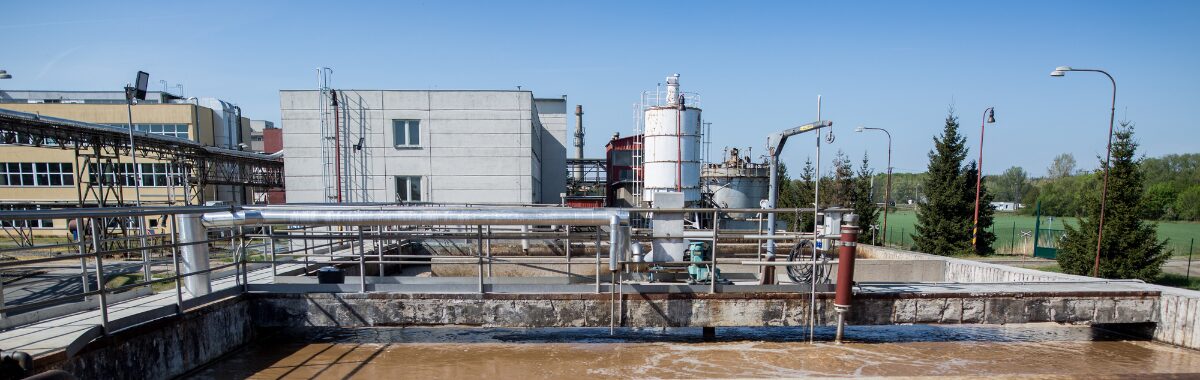
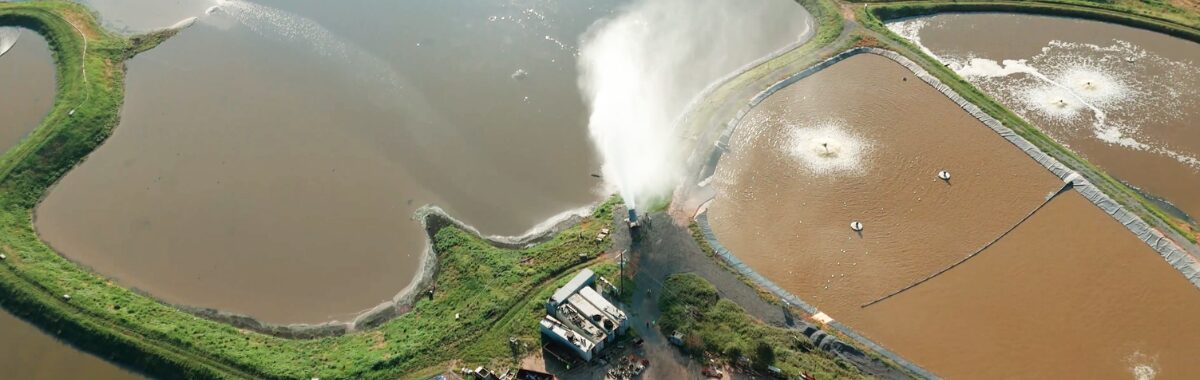
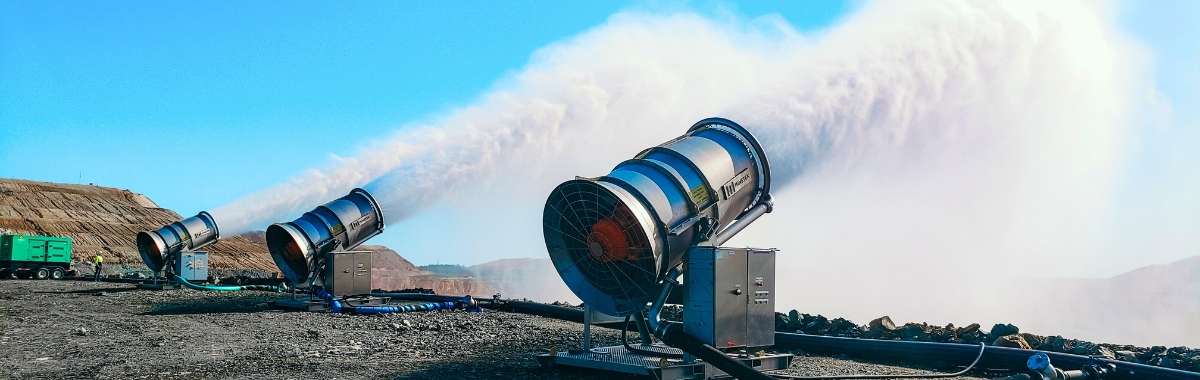
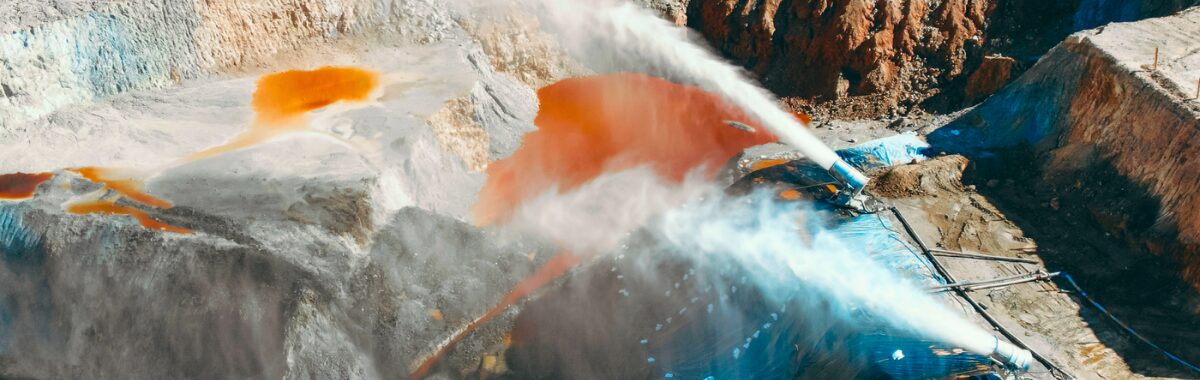
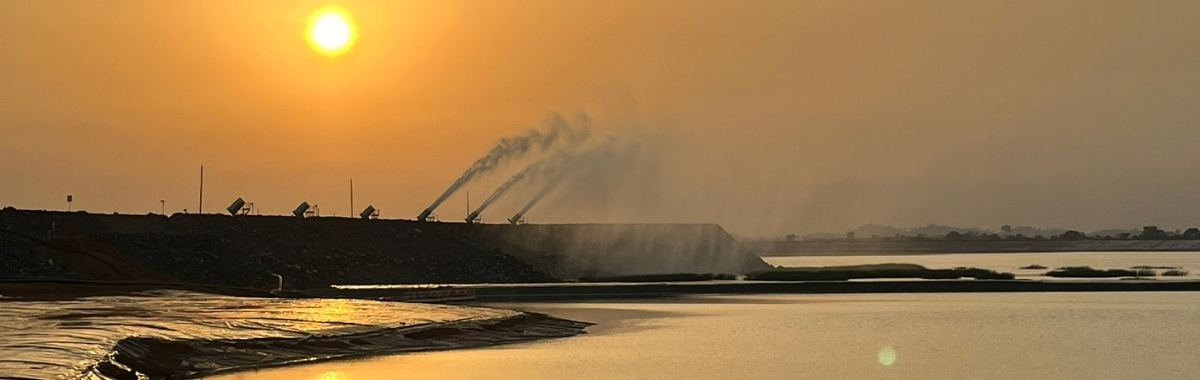
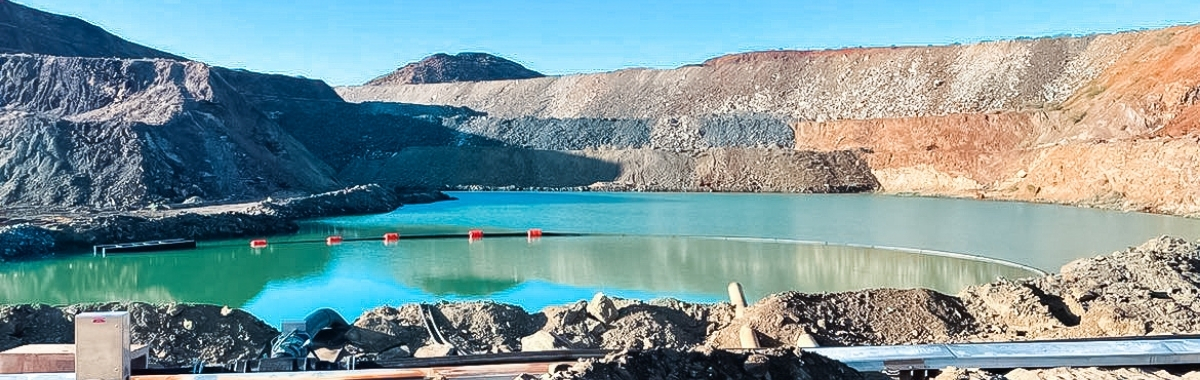
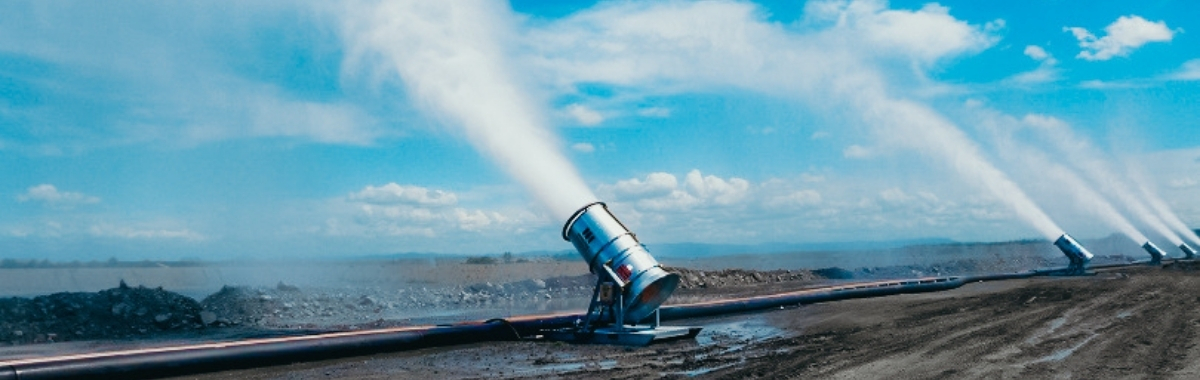
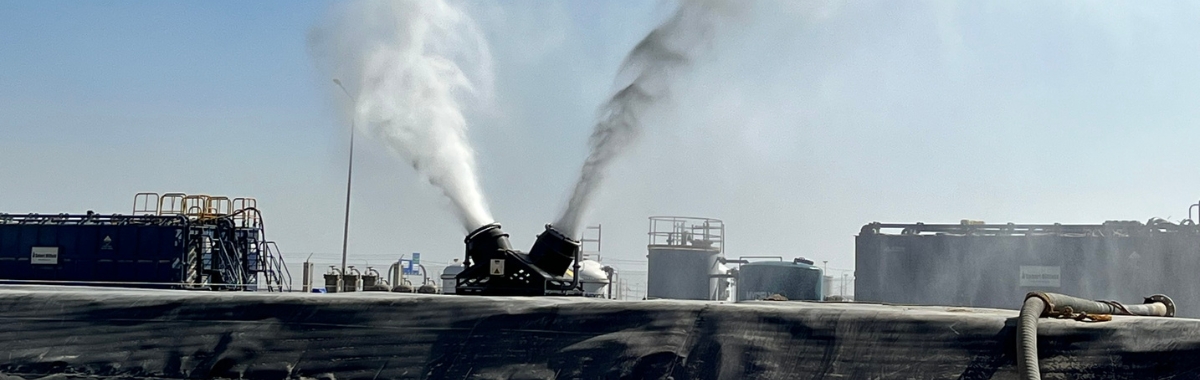
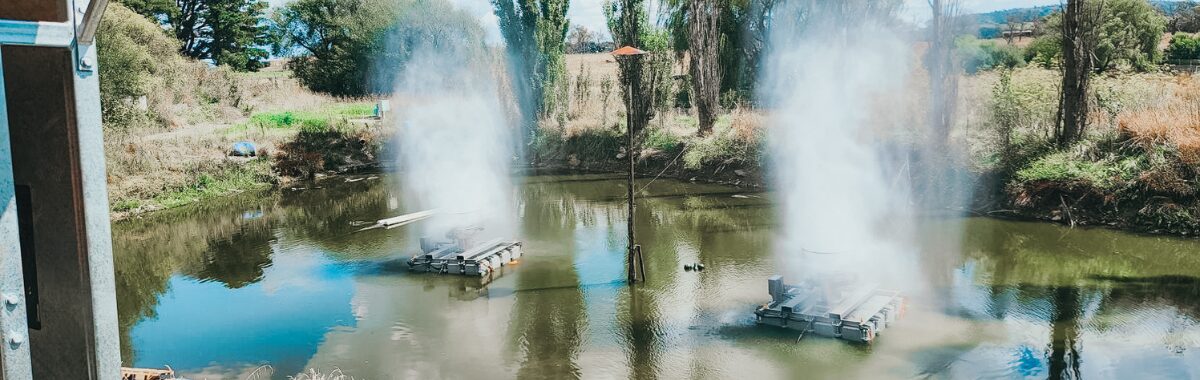
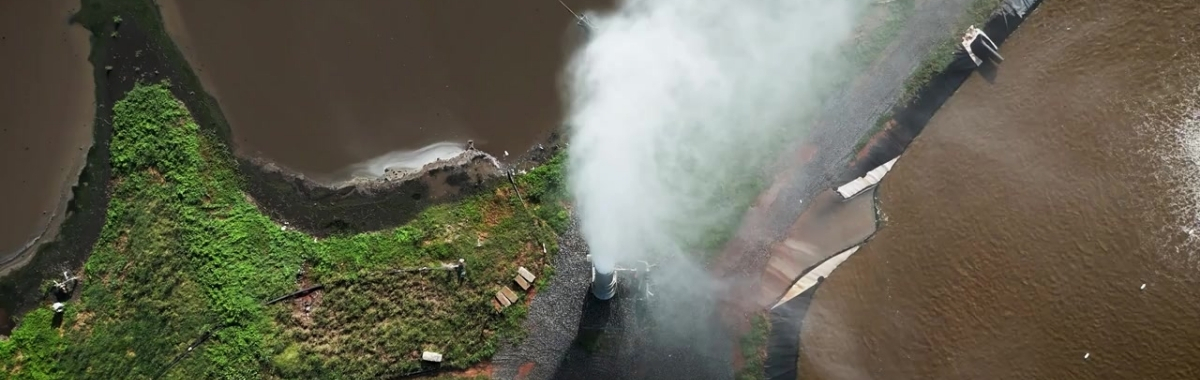
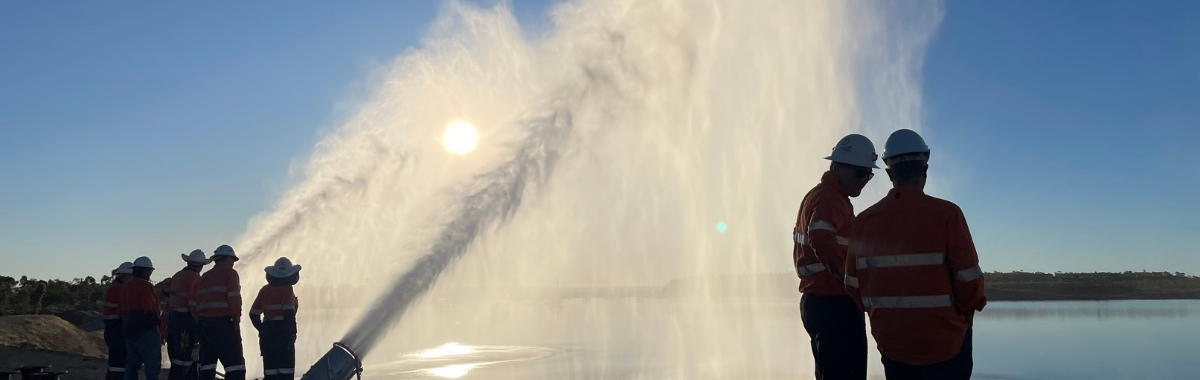
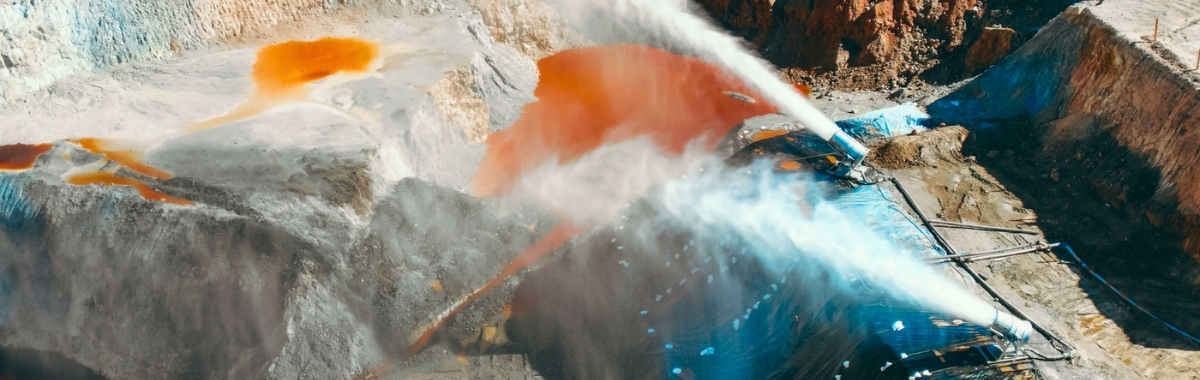
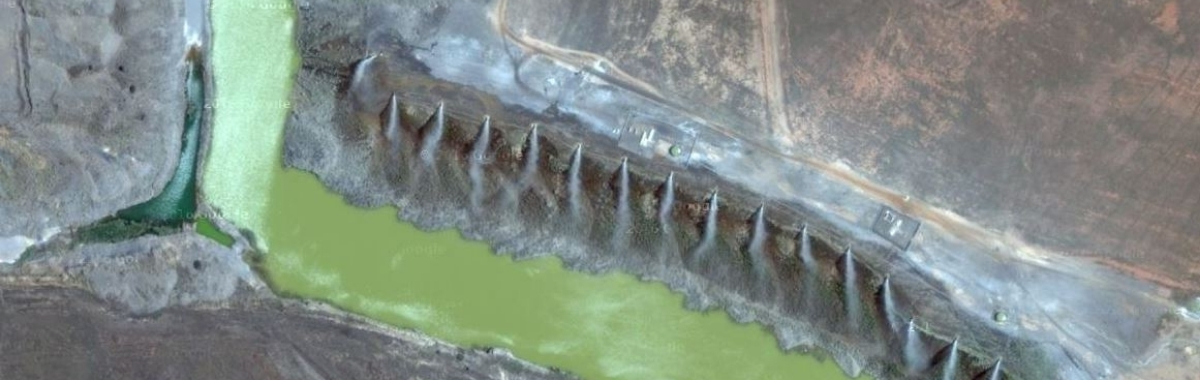
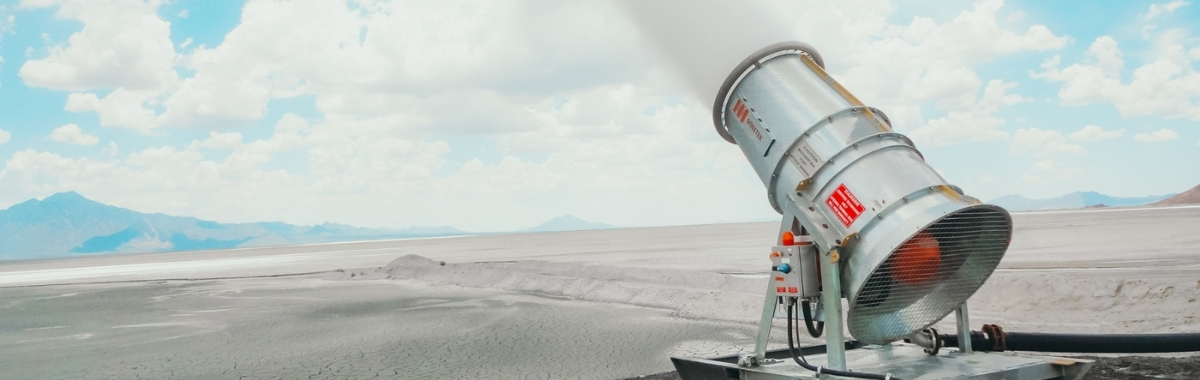
Water scarcity and regulatory pressure are reshaping how mines manage excess and process water. We deliver advanced water evaporation systems designed to reduce water volumes, support compliance, and minimise environmental impact, particularly in water-stressed regions. These solutions help operators optimise water use, maintain production continuity, and meet increasingly stringent environmental requirements. 

Smart ventilation for efficiency and safety. 

Nuestra high output axial fans and intelligent Power on Demand system are designed to deliver reliable airflow while reducing energy consumption and operational complexity. By optimising ventilation on demand, operators can improve underground safety conditions, lower operating costs, and align with evolving regulatory and sustainability expectations. 

Noise control that supports compliance and community. 

Noise emissions are an increasing focus for regulators and communities, particularly at sites operating near sensitive environments. Our sound attenuation technology are engineered to reduce equipment noise while maintaining machine performance and reliability. By supporting compliance with noise regulations and improving working conditions, these solutions help operators protect their social licence to operate and strengthen relationships with surrounding communities. 

Group_Images_In text_02062024 - 2026-01-27T152313.966

Looking ahead.

The mining industry in 2026 is being shaped by converging pressures across sustainability, regulation, technology, capital, and geopolitics. Operators that succeed will be those who respond early, adopt proven solutions, and build resilience into their operations as complexity increases. The trends outlined above highlight both the challenges ahead and the opportunities available to mining companies prepared to adapt. 

For a deeper analysis of the forces shaping the industry, including detailed data, regional insights, and supporting references, download the full 2026 Mining Outlook report. 

Download the full 2026 Mining Outlook (PDF)

Volver a noticias e información

Water management regulations & potential violations in mining operations.

Publish date: 21 enero 2026

When rising water triggers regulatory exposure.

Mining operations are rarely penalised for having too much water on site. However, they can be penalised for allowing water to rise unchecked, unmanaged, or outside approved operating limits.  

Across major mining jurisdictions, regulators do not define a single maximum water level for pits or tailings storage facilities. Instead, compliance is assessed through a risk-based lens that focuses on preventing unauthorised discharges, protecting water quality, maintaining structural stability, and safeguarding people and the environment.  

Understanding how rising water triggers regulatory exposure is critical for mine operators navigating increasingly complex environmental, safety, and approval frameworks.


United States.

How rising water becomes a regulatory violation. 

In the United States, mining regulations do not impose a universal maximum water level for mine sites or tailings storage facilities. Instead, compliance is assessed through a risk-based framework that focuses on outcomes rather than fixed thresholds. Water becomes a regulatory issue when it is no longer adequately controlled in line with permits, design assumptions, and safety requirements. 

This approach reflects a core principle of US environmental law. A spill does not need to occur for a violation to exist. Regulators assess whether rising water levels cause, or are likely to cause, unauthorised discharges, water quality impacts, dam safety risks, permit non-compliance, or environmental endangerment. 

As water accumulates across a site, it can progressively undermine compliance across several regulatory regimes. The most relevant include the Clean Water Act, National Pollutant Discharge Elimination System permits, stormwater controls, state dam safety requirements, and, in higher-risk scenarios, federal endangerment authorities. 

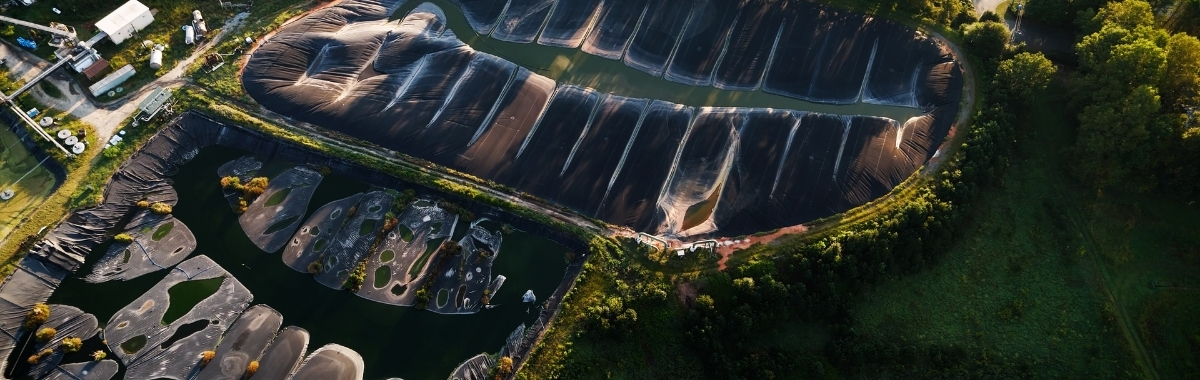
Presa de estériles

Clean Water Act and NPDES permit exposure.

Under the Ley de Aguas Limpias, mining operations are prohibited from discharging pollutants to waters of the United States unless authorised under a National Pollutant Discharge Elimination System (NPDES) permit. These permits define how mine-affected water must be managed, treated, and, where allowed, discharged. 

As water levels rise, compliance risk increases. Approaching operating limits raises the likelihood of overtopping during storm events, seepage to surface water or groundwater, and treatment systems being overwhelmed. Each of these conditions can result in unauthorised discharges or exceedance of permitted limits. 

Crucially, an actual discharge is not required for enforcement. Where rising water indicates that permit conditions, such as freeboard or discharge prevention requirements, are no longer being met, regulators may treat the situation as a violation based on imminent risk alone.


Permit conditions and operational controls.

NPDES permits establish discharge limits, operational controls, monitoring, and reporting requirements that are legally enforceable regardless of whether environmental harm has occurred.  

When water levels rise, operators may rely on emergency pumping, diversions, or temporary bypasses that fall outside approved operating envelopes. Even where these actions prevent flooding or overtopping, they may still constitute permit breaches if they are not authorised. 

This leaves little margin for error. A site can remain physically stable while still being legally non-compliant if permit conditions are not followed.


Stormwater management and runoff risk.

Stormwater discharges from mining operations are regulated as industrial activity under the NPDES program, requiring implementation of Stormwater Pollution Prevention Plans and appropriate control measures. Rising water levels can compromise these systems by reducing diversion capacity, saturating embankments, or overwhelming drainage infrastructure. 

These conditions increase the risk of sediment-laden runoff leaving the site during rainfall events. Regulators may cite failures in stormwater control design, inadequate maintenance, or non-compliance with approved plans, even where no formal discharge point is activated. 

Presa de estériles

State dam safety and tailings oversight.

In the United States, tailings storage facilities are typically regulated as dams under state law with requirements for minimum freeboard, spillway capacity, and defined trigger levels. 

From a dam safety perspective, rising water is a primary risk indicator. Loss of freeboard alone is often sufficient to constitute non-compliance, even where no structural failure has occurred. As water approaches design limits, regulatory attention shifts from routine compliance to risk mitigation. 


Imminent and substantial endangerment authority.

Under RCRA Section 7003, EPA may issue orders where conditions may present an imminent and substantial endangerment to human health or the environment, allowing enforcement based on credible risk rather than an actual release. 

While mine tailings are generally exempt from hazardous waste classification, this exemption does not apply where rising water creates structural instability or a credible risk of uncontrolled release. 

Under these provisions, agencies can issue emergency orders, mandate corrective actions, or require operational changes to reduce risk. The trigger for intervention is credible endangerment, not actual harm. 


When American regulators typically intervene.

In practice, enforcement action is most likely when multiple warning signs converge. These commonly include freeboard falling below approved minimums, water levels approaching dam crests or spillway activation points, increasing seepage beyond baseline conditions, and monitoring data showing sustained upward trends without effective mitigation. 

Failure to notify regulators of deteriorating conditions can itself constitute a violation. Sites that act early and communicate proactively are far more likely to avoid formal enforcement than those that delay action until limits are breached. 

Grupo_Imágenes_En texto_02062024 (1)

Australia.

How rising water breaches environmental, safety, and licence obligations. 

Australia does not impose a single national limit on how much water a mine or tailings storage facility can hold. Instead, compliance is enforced through a combination of state-based environmental protection laws, site-specific licence conditions, dam safety requirements, and work health and safety obligations. Rising water becomes a compliance issue when it exceeds approved design limits, risks unauthorised discharge, compromises tailings dam stability, or creates unacceptable environmental or safety risk. 

Like the United States, enforcement is outcome-based. A spill is not required for non-compliance to occur. Regulators assess whether water is being managed in accordance with approvals, operating envelopes, and risk controls, with particular focus on freeboard, discharge risk, and structural safety. 

Because mining regulation in Australia is largely administered at the state and territory level, water-related compliance exposure often arises across multiple overlapping regulatory frameworks rather than a single statute. 


State environmental protection laws and unauthorised discharge.

Each Australian state and territory regulates mine water under its own environmental protection legislation. Under state environmental protection legislation, mining operations must hold environmental protection licences issued by the NSW EPA under the Protection of the Environment Operations Act 1997, with conditions that regulate pollution and water discharge limits. 

Rising water levels increase the likelihood of unauthorised discharge, particularly during wet weather events. As ponds or tailings facilities approach approved limits, the risk of overtopping, seepage, or uncontrolled release increases. Regulators may intervene where conditions indicate a material risk of pollution, even if no discharge has yet occurred. 


Environmental Authority and licence conditions.

Mining operations in Queensland must hold an environmental authority (EA) issued under the Environmental Protection Act 1994 before undertaking activities with the potential to release contaminants into the environment, including water, and these authorities include conditions designed to manage those risks. A mining lease cannot be granted unless a valid EA has been issued, and EAs put conditions on operators to help reduce or avoid environmental impacts associated with mining activities.  

Rising water can breach these conditions without any spill occurring. Exceeding approved operating envelopes, failing to maintain freeboard, or operating outside an approved water management plan may each constitute a licence offence. 

Presa de estériles

Tailings storage facility and dam safety requirements.

Tailings storage facilities in Australia are regulated through mining legislation, environmental approvals, dam safety requirements, and regulator-endorsed guidelines.  

Regulatory expectations for tailings facilities are increasingly informed by the ANCOLD Guidelines y Norma Industrial Mundial sobre Gestión de Estériles (GISTM) 

Loss of freeboard, reduced flood capacity, or failure to act on defined trigger levels is commonly treated as non-compliance. Where a tailings facility is classified as a dam, dam safety legislation applies, including obligations to maintain approved operating levels and notify regulators of rising risk. 


Water management and mine safety obligations.

Water storage, diversion, and release are also regulated under state water management frameworks. Rising water may breach water licences where storage exceeds approved limits or emergency releases occur without authorisation. 

In parallel, under Australia’s model Work Health and Safety laws, operators have a duty to manage risks to workers and others, including hazards that may arise from water inundation or instability on site. Rising water that creates instability or inundation risk, particularly where known risks are not addressed, may trigger safety enforcement or stop-work directions. 


When Australian regulators typically intervene.

Regulatory action most commonly occurs when freeboard drops below approved minimums, water exceeds design or approval limits, emergency discharges occur, or tailings facility risk classifications increase. Sustained upward trends in monitoring data without effective mitigation also attract scrutiny. 

Failure to notify regulators of deteriorating conditions is itself often a breach. As with US regulators, early disclosure and proactive water management are critical to maintaining compliance. 

Group_Images_In text_02062024 (73)

Proactive water management in practice 

En Missouri Cobalt mine in Clayton, Missouri, USA operates a growing cobalt production site that includes reopening legacy underground workings and managing an expanding tailings storage facility. The operation faced a significant hydrological challenge when sustained inflows from underground workings exceeded 300 gallons per minute, overwhelming the site’s existing water infrastructure and threatening regulatory compliance and operational timelines.  

Although no unauthorised discharge had occurred, rising water levels reduced available freeboard and increased the risk of non-compliance with Clean Water Act and NPDES permit conditions, stormwater requirements, and dam safety triggers. This trajectory of increasing water volume, rather than a single incident, created regulatory exposure because uncontrolled accumulation risked overtopping, seepage, and breach of licence conditions if left unmanaged.  

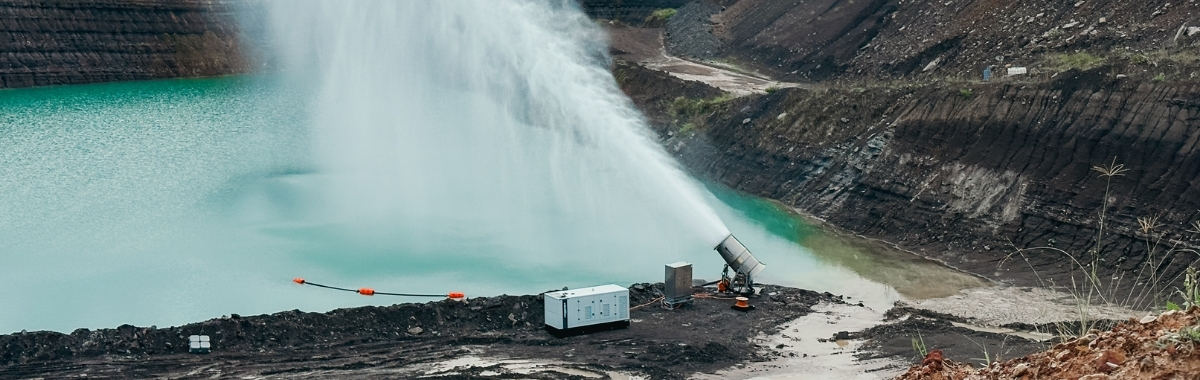
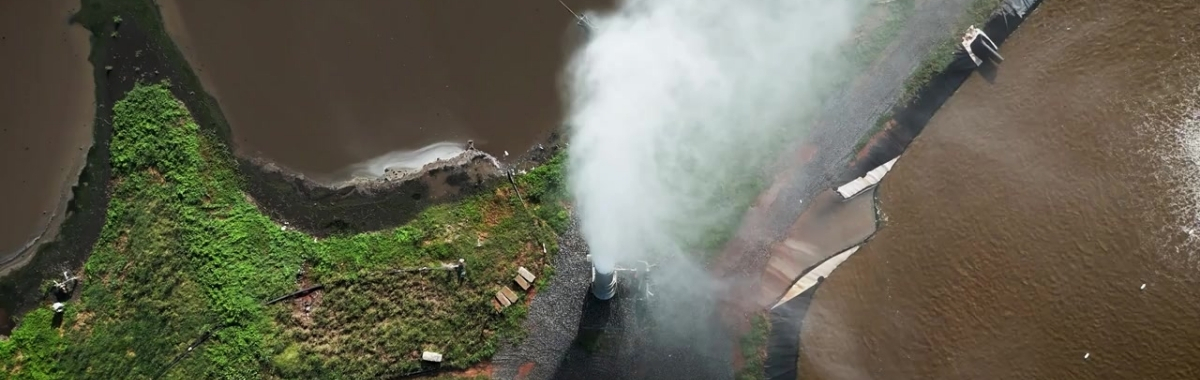
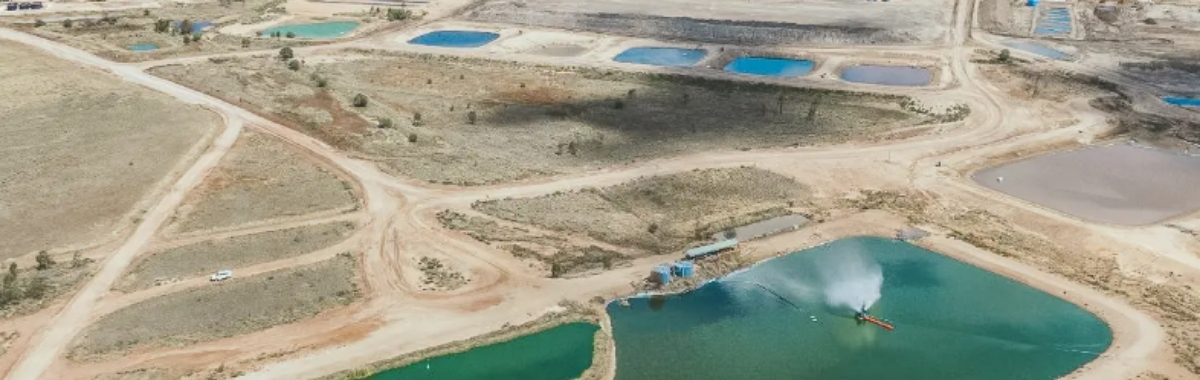
To mitigate this exposure, Minetek supplied and commissioned a stainless steel, land-based 400/200 water evaporation system with an integrated Environmental Management System (EMS) 

Operating at approximately 40 m³/h (180 GPM) with about 45% efficiency, the system delivered measurable daily reductions in pond levels, restored freeboard capacity, and helped maintain a compliant water balance under peak inflow conditions.  

The outcome demonstrates a regulatory reality. Rising water becomes a compliance problem long before any spill or failure occurs. 


Proactive water management as a compliance strategy.

Across both the United States and Australia, mining regulations do not wait for failure before enforcement begins. Rising water levels create regulatory exposure when they move beyond approved operating limits, reduce freeboard, or signal increasing risk to water quality, structural stability, or safety. In this context, compliance is defined by anticipation and control, not reaction. 

The Missouri Cobalt project demonstrates how proactive water management can stabilise risk before it escalates into non-compliance. By addressing rising water early and restoring balance within approved parameters, operators can maintain regulatory confidence, protect assets, and avoid disruption. 

As regulatory scrutiny continues to increase, effective water management is no longer just an operational requirement. It is a core compliance strategy that underpins safe, resilient, and sustainable mining operations. 

Building a stronger foundation for industrial water excellence.

Water management defines operational resilience across today’s industries. At Minetek, we have spent more than three decades engineering high-performance water evaporation systems that help operators manage complex water with confidence. Our experience in demanding mining environments shaped the standards we uphold today. It taught us to engineer solutions that perform with precision, endure harsh conditions, and deliver measurable outcomes. 

Over the past decade, we have seen a sharp rise in demand from non-mining sectors. Food processors, municipal authorities, legacy industrial plants and manufacturers began seeking the same outcomes our mining partners relied on. Many of these operators now use our technology to stabilise their water systems, reduce environmental risk, and maintain operational certainty. This growth revealed a clear opportunity. These industries needed a dedicated platform that reflected their context, spoke their language, and supported their operational pressures with the same world-class capability. 

We created XPEL con tecnología Minetek for this purpose. 

XPEL brings a specialised environment for our engineered water solutions. It offers targeted expertise, broader application insight, and structured support designed for industrial and municipal operators. Our mining clients still represent the majority of our global base. Yet the rapid expansion of interest across non-mining sectors made it essential to create a platform that presents our water technology with clarity and relevance for every industry we now serve. 

With XPEL, customers gain a purpose-built platform that delivers the full strength of our mechanical evaporation technology with clearer guidance, broader applicability, and industry-specific support. They gain access to solutions proven to reduce water at the lowest total cost of ownership while delivering the reliability, efficiency and performance that define Minetek’s engineering. XPEL gives operators a direct path to better outcomes, stronger control, and measurable long-term value. It positions every industry to manage water with confidence, precision and the highest standards of operational excellence. 

Group_Images_In text_02062024 (83)

Why do modern industries need a new approach to water management?

Water management has shifted from a routine operational task to a strategic priority across industrial and municipal sectors. Many facilities now handle higher water volumes, more variable chemistry and tighter compliance expectations than their infrastructure was originally designed to support. Seasonal inflows, production peaks and environmental obligations add further pressure, creating a landscape where operators must act with greater accuracy and accountability. The challenge is no longer simply about storing or treating water but about maintaining resilience across unpredictable conditions. 

Traditional solutions are struggling to meet these demands. Treatment plants face increased load and rising operational cost. Storage assets intensify risk as capacity tightens and regulatory expectations escalate. Labour-intensive methods are increasingly difficult to sustain in modern workforce structures. Organisations need a method that reduces water efficiently while controlling cost and operational complexity. They need technology that performs at scale without requiring treatment upgrades or expanded infrastructure. 

XPEL powered by Minetek provides this capability through focused engineering and sector-specific insights. We apply decades of mechanical evaporation expertise to the conditions industrial operators face today. Our systems reduce water volumes predictably and safely. They integrate with on-site controls and environmental data to maintain stable performance across seasonal shifts and variable chemistry. This gives operators a practical and economical path to manage water proactively while protecting infrastructure, improving compliance confidence and strengthening long-term resilience. 


What defines XPEL powered by Minetek?

XPEL represents a refined expression of Minetek’s water engineering capability. It is a dedicated platform built to deliver the highest standards of performance, efficiency and operational reliability for industrial and municipal operators. While our introduction outlined why industries need new solutions, this section explains what XPEL uniquely provides and why it stands apart. 

XPEL stands for engineered quality. Every system is built from a foundation of airflow science and advanced mechanical design. This ensures strong evaporation efficiency, predictable performance and long-term durability across varied industrial environments. Our focus is on delivering solutions that process water consistently while maintaining the lowest total cost of ownership. 

XPEL also represents a more specialised approach to applying this technology. We built the platform to meet the needs of operators whose challenges differ from mining. This means clearer technical guidance, sector-specific insights and solution pathways shaped for food processing, municipal networks, manufacturing and other industrial applications. Customers receive information and support aligned to their regulatory context, workforce structure and operational constraints. 

En outcome is a platform that combines engineering precision with practical applicability. XPEL allows organisations a stabilise water systems, control storage levels and strengthen compliance confidence without expanding treatment plants or increasing operational burden. It provides a direct route to stronger water control, predictable rendimiento and long-term operational value.

Group_Images_In text_02062024 (86)

Who does XPEL support across industry?

XPEL is designed for operators who manage complex water in environments where performance, certainty and operational efficiency matter. Each sector faces unique pressures driven by production cycles, regulatory frameworks or environmental conditions. Bringing engineered capability to these challenges and providing systems that fit into existing operations without increasing treatment burden or infrastructure footprint. 


Food processing.

Food processors manage fluctuating wastewater volumes influenced by washdown cycles, organic loading and production variability. Many sites operate within limited footprints that restrict treatment expansion. Helping processors maintain stable water systems by providing fast, efficient volume reduction that supports peak production periods. This strengthens compliance, reduces reliance on storage and ensures continuity during seasonal demand shifts. 


Oil and gas.

Oil and gas operators handle high-salinity water, variable chemistry and strict environmental requirements. Many facilities must manage complex process streams while protecting sensitive downstream infrastructure. Delivering controlled, high-capacity evaporation that reduces stored volumes and supports safer, more predictable water balance management in environments where reliability and operational certainty are critical. 


Government and municipal.

Councils and water authorities contend with stormwater surges, seasonal inflows and storage limits. These conditions place pressure on treatment plants and require systems that react quickly without increasing operational strain. Reducing volume efficiently and helps maintain safe pond levels during peak conditions. This supports infrastructure resilience and gives authorities greater confidence in meeting regulatory and community expectations. 


Legacy industrial.

Older industrial facilities often carry inherited ponds and historical water liabilities. Many operate with infrastructure that cannot be easily upgraded. Providing a practical, economical method to reduce water volumes and relieve the load on ageing systems. It enables operators to address long-standing water challenges with technology that performs reliably across varied conditions. 


Pulp and paper.

Pulp and paper mills generate high-strength process water with elevated solids and complex chemistry. Storage and treatment assets can quickly reach capacity, particularly during production peaks. Helping mills stabilise these systems by lowering stored volumes and easing pressure on downstream treatment. This supports operational continuity and strengthens compliance outcomes. 


Manufacturing.

Manufacturing facilities manage diverse wastewater profiles that can include elevated TDS, suspended solids and intermittent flows. These variables require systems that stay consistent regardless of daily changes. Providing a scalable pathway to maintain safe storage levels, protect treatment assets and strengthen overall water balance control within complex industrial operations. 

Across all sectors, XPEL provides operators with the ability to reduce water efficiently, protect infrastructure and maintain regulatory confidence without expanding treatment plants or adding operational complexity. 

Group_Images_In text_02062024 (84)

What sets XPEL apart in industrial water management?

XPEL powered by Minetek delivers a level of performance and operational certainty that stands apart from traditional water management methods. Our approach is grounded in engineered precision and informed by more than three decades of solving water challenges across some of the world’s most demanding environments. This experience shapes every system we design and ensures customers receive solutions built for long-term value. 


Proven expertise with global reach.

Our engineering capability has been developed through large-scale projects across mining, industrial and municipal sectors worldwide. This global experience gives us a clear understanding of how water behaves under different climates, chemistries and regulatory frameworks. XPEL applies this depth of knowledge to each project to help operators achieve strong and predictable outcomes regardless of site conditions. 


A focus on performance, innovation and operational reliability.

XPEL systems are engineered to deliver high evaporation efficiency and stable, continuous operation. Our designs draw from advanced airflow modelling, mechanical optimisation and rigorous testing standards. This ensures consistent performance across variable environments and allows operators to reduce water volumes confidently without increasing labour or treatment complexity. We continue to refine and advance our technology to align with emerging industry needs and environmental expectations. 


End-to-end support tailored to operational requirements.

We work closely with customers across planning, modelling, installation and ongoing optimisation. This collaborative approach ensures each system aligns with site-specific constraints, regulatory requirements and performance targets. Our solutions are configurable to meet diverse operating environments and can integrate with remote monitoring networks, automation systems and environmental controls. This level of support helps operators adopt XPEL with confidence and maintain system performance with minimal intervention. 

Group_Images_In text_02062024 (85)

Solutions designed for lowest total cost of ownership. 

XPEL systems deliver strong evaporation performance while helping operators control long-term cost. The technology operates efficiently without chemicals or extensive processing steps. It reduces pressure on existing treatment assets and storage infrastructure. This combination of efficiency, durability and low operational demand positions XPEL as one of the most cost-effective pathways to industrial water management available today. 


What our customers experience with XPEL.

Real-world performance reflects the strength of engineered solutions. Operators across multiple industries have adopted XPEL powered by Minetek to overcome water pressures that challenged their infrastructure, compliance frameworks or operational continuity. Their feedback highlights the value of reliable evaporation, predictable outcomes and strong technical support. 

One customer shared the impact of integrating climate-controlled evaporators into their operation: 

“Good product with great service leads to a great outcome. My dealings with XPEL and their supply and service of evaporators were one of high quality. I installed 10 evaporators on climate control to maximise efficiency and the results were incredible. From the first meeting through to commissioning, nothing was a problem for the XPEL team. I would highly recommend this product to anyone with water disposal issues.” 

This type of outcome aligns with the purpose of the XPEL platform. We help operators stabilise water systems and achieve measurable improvements with systems built for efficiency, reliability and consistent on-site performance. 

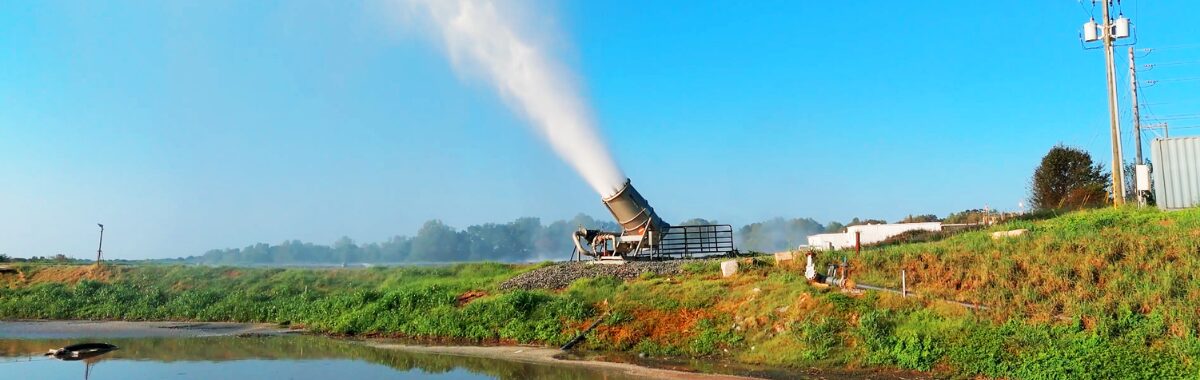
In a recent project at a large animal feed facility in Georgia, USA we implemented a turn-key, land-based XPEL evaporation system to address an urgent water management challenge. The facility’s holding pond was approaching maximum capacity, which created risk of overflow, environmental exposure and potential disruption to site operations. 

The installed system delivered a volume throughput of 600 gallons per minute, equal to 135 m³hour, with an estimated evaporation efficiency of 34%. This provided a consistent daily drawdown of around 350,000 gallons. In favourable conditions, the system exceeded this figure by up to an additional 125,000 gallons. These outcomes safeguarded pond integrity, reduced environmental risk and supported regulatory compliance. 

The project also demonstrated the value of XPEL’s integrated Environmental Management System. The EMS enabled real time monitoring and automated adjustment to environmental conditions. This removed manual burden and maintained stable, optimised performance across varying water volumes and seasonal weather patterns. 

The result was a controlled, efficient and reliable water management process that allowed the facility to maintain continuous operations without risking overflow, compliance issues or treatment bottlenecks. 

Group_Images_In text_02062024 (87)

Explore the new XPEL platform.

XPEL powered by Minetek provides operators with a focused environment to explore engineered water solutions designed for industrial and municipal conditions. The platform offers detailed application insights, sector-specific guidance and a clear pathway to selecting systems that align with performance requirements and operational constraints. 

Visitors can explore: 

  • Aplicaciones to understand how XPEL supports process water, leachate, tailings water, saline streams and seasonal storage: Click here
  • Industry solutions tailored for food processing, government and municipal, oil and gas, legacy industrial, pulp and paper and manufacturing: Click here
  • Casos prácticos that demonstrate measurable outcomes across real projects: Click here


We created XPEL to give operators a clearer path to world-class water management. The platform reflects our commitment to engineered excellence, operational certainty and long-term value. 

Visit the new XPEL website to explore the full range of capabilities: Click here

Volver a noticias e información

Gold’s rally redefining profitability & production in Australian mining

Publish date: 24 noviembre 2025

Gold is reshaping the economics of Australian mining. With prices forecast to range from US$4,000 to US$5,055 per ounce by Q4 2026, the sector is unlocking stronger margins, faster investment, and greater export returns. Profitability is rising. Project pipelines are growing. Workforce demand is surging especially in gold-dominant states like Western Australia and New South Wales. 

But with higher returns come higher risks. Volatility, cost inflation, and capital missteps remain top concerns. This is not just a boom. It is a pressure test for strategy, performance, and long-term discipline. 


Rising prices are unlocking record profit margins 

Gold prices are tracking toward US$4,000 per ounce by mid-2026, according to Natasha Kaneva, head of Global Commodities Strategy at J.P. Morgan in their June 2025 Global Research Report. This surge is lifting profitability across Australia’s gold sector. With all-in sustaining costs (AISC) averaging AU$1,700 per ounce, current price levels deliver cash margins of over AU$4,300 per ounce. This is nearly double the levels seen in 2024. 

Mid-tier miners with leaner operations are capitalising fastest. Regis Resources, for example, ended FY25 with AU$517 million in cash and bullion, up from a net-debt position just a year earlier. The company generated AU$662 million in operating cash flow since December 2023 and is now fully debt-free. This underscores how operational leverage is converting higher prices into financial strength. More miners are following suit, strengthening balance sheets and accelerating growth plans. 

The bullish outlook is reinforced by JPMorgan’s latest forecast. In a note released in late October sourced by industrial experts, the bank projected gold to average US$5,055 per ounce by Q4 2026, based on expectations that investors and central banks will continue to accumulate around 566 tonnes per quarter. Strategists at JPMorgan are also targeting US$6,000 per ounce by 2028, emphasising a long-term horizon for the rally. While gold has recently retreated from its all-time high of US$4,380 per ounce, it remains above US$4,100 and is up 58% for the year. This sustained margin expansion is already feeding into stronger national revenue and fiscal returns. 

Group_Images_In text_02062024 (75)

Gold exports are driving national revenue growth 

 Export earnings from gold are forecast to reach AU$35 billion in 2025-26, as reported by economists from Commonwealth Bank of Australia (CBA). This represents a significant lift from the AU$34 billion recorded in 2024-25. The increase is being driven by higher prices and modest production growth. Together, these trends will contribute around 0.5% to Australia’s nominal GDP. 

Furthermore, the report states that Western Australia, the nation’s gold powerhouse, accounts for 70% of national output. It is expected to deliver AU$25 billion in exports and AU$500 million in royalties, strengthening federal and state revenues and reinforcing gold’s strategic economic value. 

En Department of Industry, Science and Resources’ September 2025 Resources and Energy Quarterly reported that gold export earnings are forecast to AU$60 billion in 2025-26 and 2026-2027. This is driven by record gold prices exceeding US$3,600 per ounce in September 2025 and a projected 0.5% increase in export volumes, significantly contributing to national export revenue growth. 

These export gains are also fuelling faster investment decisions and unlocking a wave of new projects. 


High prices are fast-tracking new projects and production 

Australia’s gold production is forecast to grow from 289 tonnes in 2024 to 309 tonnes in 2025-26 as outlined in the Resources and Energy Quarterly: September 2025 report. This expansion is being fuelled by AU$2.9 billion in committed projects, many of which have been brought forward thanks to high market prices. 

Key projects include De Grey Mining’s Hemi Gold Project, expected to produce 553,000 ounces annually by 2026, and McPhillamys in New South Wales, targeting 200,000 ounces per annum by 2028.  

As production scales up, so does the demand for skilled labour and infrastructure in mining regions. 

Group_Images_In text_02062024 (76)

Workforce demand is rising across WA and NSW 

The gold boom is fuelling a surge in job creation across Australia’s mining states. The Australian Resources and Energy Employer Association (AREEA) 2025 to 2030 Resources and Energy Workforce Forecast projects that 96 mining and energy projects will create 22,279 new jobs by 2030, representing 7% workforce growth. Gold alone accounts for 16 of those projects, set to come online between 2026 and 2028. 

Western Australia is leading the expansion. The state has 27 new projects requiring 9,000 workers, including 11 gold-focused developments. Among them, the Hemi Gold Project is expected to create 1,700 jobs during construction and operations, according to Minister for Resources Madeleine King. 

In 2024, WA’s gold mining workforce grew by approximately 3,000 full-time equivalent (FTE) positions that reached 33,285 total FTEs. This brought total mining employment in the state to a record 135,693 FTEs, with gold now representing around a quarter of the sector. 

New South Wales is also gaining momentum. The state has 11 active projects projected to require 3,200 workers by 2026. Gold production in NSW was valued at AU$4.2 billion in 2024-25, supporting local economies, strengthening infrastructure, and attracting further regional investment. 

Favourable exchange rates are amplifying these returns further. 


Australia’s gold sector is entering a new high-price cycle

The surge in gold prices, exceeding US$4,000 per ounce in October 2025, marks the onset of a transformative high-price cycle for Australia’s gold sector, positioning it as a cornerstone of economic resilience.  

Geopolitical tensions, including ongoing conflicts in the Middle East and trade disputes, coupled with persistent inflation fears, are driving robust demand for gold as a safe-haven asset. This confluence of factors not only elevates gold’s value but also underscores its role as a hedge against economic volatility, offering Australia a unique opportunity to capitalize on its position as the world’s third-largest gold producer.  

However, the sector must navigate potential price volatility to sustain long-term growth, requiring strategic foresight to balance investment in new projects with cost discipline. 

Despite this volatility, precious metals, particularly gold, remain pivotal to Australia’s export value, contributing AU$60 billion in 2025-26, as noted in the Resources and Energy Quarterly: September 2025, reinforcing their strategic importance to the national economy. 

This momentum is building a platform for long-term growth. 

Group_Images_In text_02062024 (77)

Key outcomes expected by 2026 

By 2026, the impacts of sustained high gold prices are expected to be significant: 

  • Profitability: With gold forecast to range from US$4,000 to US$5,055 per ounce, miners are achieving margins of AU$4,300 per ounce. Companies like Regis Resources have strengthened their positions, turning net-debt into over AU$517 million in cash and bullion. 
  • Export Revenue: Gold export earnings are projected to reach between AU$35 billion and AU$60 billion in 2025–26. This growth is driven by high prices and a projected 0.5% increase in export volumes, contributing around 0.5% to nominal GDP. 
  • Production Growth: National output is forecast to rise from 289 tonnes in 2024 to 309 tonnes in 2025–26, with longer-term targets of 400 tonnes by 2030. Major projects like Hemi and McPhillamys are driving this growth. 
  • Employment: Workforce demand is rising, with 96 new resources projects expected to add over 22,000 jobs by 2030. WA alone added 3,000 FTE gold mining jobs in 2024, reaching 33,285. 
  • Currency Advantage: With the Australian dollar projected at US$0.665, local gold revenues are seeing a 15-20% uplift in AUD terms, supporting stronger cash positions. 
  • Risks: Sustained high costs (AISC reaching US$1,456/oz), price corrections, and investment discipline will remain key pressure points for the sector’s long-term success. 


Miners are positioned for growth, but discipline is critical 

The opportunity is clear. Miners who act deliberately in this cycle will strengthen cash flows, scale operations, and sharpen their competitive edge. But the risks are real. Overextension, reactive spending, or underestimating inflation could erode long-term value. 

To capitalise effectively, miners must focus on four priorities: 

  1. Operational control – Streamline cost structures. Reduce exposure to wage and energy volatility. Adopt modular designs and flexible planning.
  2. Capital discipline – Invest in high-return, low-risk projects. Avoid speculative acquisitions. Allocate cash based on long-term margin potential.
  3. Workforce capability – Secure skilled labour through upskilling and regional engagement. Minimise downtime with retention and training programs. 
  4. Technology integration – Use AI, automation, and data to improve exploration, reduce waste, and boost output efficiency. 

These levers will define who thrives and who stalls. Partnering with the right team who understands operational risk, performance delivery, and future-focused innovation can accelerate that advantage. This is a pivotal moment for gold. The best miners will lead with discipline, agility, and a performance mindset. 

Volver a noticias e información

Navigating the top 10 mining risks in 2026

Publish date: 21 noviembre 2025

Mining is entering a defining decade where standing still is falling behind. Global operations are under pressure. But within that pressure lies potential. 

Complexity, not just geology, is now the sector’s top defining risk. Success no longer comes from resource access alone but also on system performance, sustainability, and resilience. 

Every risk in mining carries the seed of opportunity. In Australia, where operational demands collide with world-class regulation, the opportunity to set a new global benchmark is real. Mines that can streamline operations, optimise performance, and adapt faster will capture long-term value. 

According to the EY Top 10 Business Risks and Opportunities survey, the industry’s focus has shifted toward operational challenges amid surging demand for critical minerals. Insights from 500 senior mining and metals executives worldwide, including 60 from Australia, indicate the sector’s sharp pivot away from external and strategic issues to short-term operational factors impacting productivity and costs.

Group_Images_In text_02062024 (72)

The top 10 business risks for mining.

1. Operational complexity 

As mines deepen and orebodies become more complex, operational challenges intensify. Declining ore grades, aging infrastructure, and variable output due to adverse weather and geometallurgical variability increase costs and disrupt productivity. In Australia, remote mines like those in the Pilbara face additional complexities from harsh climates and logistical constraints, making efficient operations critical.

2. Rising costs and productivity 

Persistent high energy, labor, and input costs strain profitability. The need to improve productivity is urgent, as miners face pressure to deliver consistent output while managing escalating expenses. High labor costs and energy-intensive operations in Australia exacerbate this risk, particularly for coal and iron ore producers.

3. Capital allocation 

Miners balance reinvestment with shareholder expectations. With large-scale mergers challenging, companies are shifting from shareholder payouts to funding exploration and operational upgrades.  

4. Resource & reserve depletion 

Depletion is driven less by scarcity and more by declining ore quality and underinvestment in extraction. Global exploration spending fell to US$12.5 billion in 2024, despite an estimated US$5.4 trillion in investment needed by 2035 to meet demand. In Australia, many Tier 1 deposits are mature, and new discoveries often sit in deeper, more complex or environmentally sensitive areas. 

5. License to Operate (LTO) 

Growing community expectations and resource nationalism require miners to build trust beyond regulatory compliance. Reduced government spending in some regions increases reliance on corporate social responsibility. In Australia, Indigenous community partnerships and stringent ESG regulations make LTO critical for project approvals and social capital. 

6. Workforce shortages 

A worsening skills crisis, with over 50% of the US and Canadian mining workforce expected to retire within a decade and a 10% workforce increase needed in Australia for over 100 new projects, threatens productivity and safety. Skills gaps in engineering, sustainability, and mine planning are particularly acute in Australia’s remote regions.

 7. Geopolitics 

Surging demand for minerals in defence, energy and tech is driving governments to tighten control over supply chains. Tariffs, export restrictions, and trade policy shifts disrupt critical mineral supply chains. Carbon pricing is also expanding. As climate impacts grow, these measures could reshape trade and investment decisions. 

8. Digital innovation 

Digital transformation is accelerating as mining companies seek to improve cost control, safety, and sustainability in a more complex operating environment. According to EY, one in five miners plans to increase AI investment by over 20% in the next year. Agentic AI is emerging as a transformative force, with the potential to extend human capability and unlock deeper operational insights. However, many digital initiatives still struggle to deliver ROI due to siloed data and misalignment with core business needs. 

In Australia, 55% of mining executives plan to increase AI investment. EY Regional Mining & Metals Leader (Oceania) Michael Rundus stated that digital transformation is the top capital priority for the sector, laying out the groundwork for long-term growth. 

9. Sustainability 

Confidence in achieving nature-positive goals has declined, with only 56% of executives optimistic. Pressures to reduce emissions, manage water, and restore biodiversity are intensifying, particularly in Australia, where environmental regulations are stringent and Indigenous land management expertise is vital. 

10. Evolving business models 

Miners are shifting toward vertical integration and circular economy practices to capture value across the supply chain. Investments in smelting and recycling offer opportunities for cleaner products and decarbonization. This trend aligns with the push for sustainable mining and premium critical mineral exports in Australia. 

Group_Images_In text_02062024 (73)

Mitigating the risks through a strategic response. 

Navigating the risks reshaping mining requires more than reactive fixes. These are complex, interconnected challenges that span operations, environment and workforce systems. A strategic response demands system-level thinking, integrated design and a long-term focus on performance and accountability. 

The following strategic focus areas reflect how risk can be actively mitigated across core parts of the mining business: 

1. Streamlining operational systems to reduce complexity 

Operational complexity is often the result of disjointed systems, overlapping responsibilities, and ageing infrastructure. A strategic response involves rethinking how critical site systems, such as energy, ventilation, noise control and water management, function together. Consolidating these through engineered, modular solutions allows for simplified maintenance, better asset visibility and reduced downtime exposure. 

2. Embedding data intelligence in decision cycles

Siloed data is a hidden risk. Without system-wide visibility, mines struggle to forecast issues, track compliance or justify investment. A strategic response involves establishing unified data environments, connecting physical infrastructure with real-time monitoring, smart sensors and control systems. 

3. Operationalising environmental performance
 Sustainability is no longer a separate initiative. It must be embedded in operational workflows. A strategic response means shifting from reactive compliance to proactive environmental control. That includes managing noise emissions, water discharge, dust and air quality at the point of impact. 

4. Designing for workforce efficiency and self-sufficiency
 Labour constraints and capability gaps cannot be solved by recruitment alone. A strategic response involves redesigning operational systems for low-touch, high-efficiency performance. This includes remote operability, lower maintenance demand and intuitive operation.

5. Engineering for resilience and regulatory readiness

Strategic risk management means building systems that not only work today, but evolve with tomorrow’s standards. A proactive approach involves investing in infrastructure that is modular, regulation-ready and adaptable across different sites or conditions. 

Each of these strategic responses helps transform risk into operational advantage. By rethinking systems, aligning data, embedding compliance and designing for efficiency, mining operations can move beyond mitigation. They can achieve measurable performance gains. 

What high-performance mining demands now.

When heavy assets are running and output targets are tight, every minute of uptime counts. System failures stall production, disrupt supply chains, and compound pressure on already stretched crews. For years, many in the mining and energy sector have accepted this as the cost of doing business, navigating complexity with ageing infrastructure, disjointed systems, and reactive fixes. But the ground is shifting. 

The risks outlined in this report are not abstract. They show up in real, everyday ways. An underground fan runs below capacity. A dam nears overflow limits. A haul truck breaches noise thresholds and halts night operations. These are the moments where margins shrink, compliance cracks, and credibility is tested. 

Minetek is built for these realities. 

For over 30 years, we’ve worked alongside mining operators who face these pressures daily. Our mine site technologies don’t just solve problems. They reframe what’s possible by giving operators more control, more certainty, and more room to perform. 


Optimising safety and energy efficiency through advanced underground ventilation.

Effective airflow underground is non-negotiable. Poor airflow management slows re-entry, increases energy use and puts workers at risk. Minetek provides a precise, high-performance approach to airflow control across all underground operations.  

 Nuestra soluciones de ventilación include primary, secondary and booster fans engineered for the harshest conditions. High-Output Axial Fans triple the pressure of conventional units, allowing for longer duct runs and fewer installations. With Performance On Demand (POD) technology, operators can control airflow where and when it’s needed.  

 This combination of precision, power and adaptability helps mining operations meet safety standards, manage costs, and improve operational flexibility underground. 

Group_Images_In text_02062024 (74)

Supporting mineral extraction via sustainable water management solutions.

Water presents both operational risk and regulatory pressure. When poorly managed, it becomes a serious operational liability, leading to environmental breaches, financial penalties and strained community relations. Minetek provides a cost-effective, sustainable approach to water management across the full lifecycle of a mine.  

Nuestra sistemas de evaporación mecánica provide scalable, high-efficiency water management. They are designed for harsh conditions and can handle pit water, process discharge and acid mine drainage. These systems operate without chemicals and significantly reduce reliance on conventional treatment or storage, cutting water management costs by up to ten times.  

By helping operators manage water sustainably, Minetek strengthens site compliance, resilience and production continuity. 

Protecting workers and earning community trust through noise suppression

Excessive noise is a major challenge in mining. It affects worker safety, breaches regulatory limits and strains community relations. Minetek provides proven noise control systems. These systems reduce equipment noise without compromising performance, allowing the site to operate 24/7. 

Nuestra sound attenuation solutions lower sound output by up to 50% while maintaining full operational efficiency. More than 1,500 machines from over 90 OEMs have been successfully fitted with M-STEALTH™ system tailored to site-specific requirements. 

By helping operators manage sound at the source, Minetek improves workforce safety, supports social licence and ensures regulatory compliance across operations. 


Shaping what’s next in mining.
The next decade in mining will be defined by how well operators manage risk while driving performance. As complexity increases, success will belong to those who can integrate systems, respond with agility and maintain control under pressure. 

Minetek partners with operators to deliver that control. Across underground ventilation, water management and sound attenuation, our solutions are proven to perform in the most demanding conditions. We help operations stay compliant, productive and future-ready. 

In a sector where standing still means falling behind. Minetek helps shape what’s next.  

Volver a noticias e información

Advanced attenuation sound techniques for mining noise reduction

Publish date: 6 noviembre 2025

Why noise control is critical in mining.

The loudest risk in mining isn’t always visible. It’s the constant, unseen noise that undermines safety, compliance, and community confidence.  

Sound attenuation, the engineering process that reduces noise intensity and propagation, has become essential as global standards tighten. Heavy machinery such as drills, haul trucks, and crushers often operate above safe noise limits, creating serious health risks and potential regulatory penalties.  

Without effective attenuation, operations face reputational damage and restricted hours. When implemented correctly, sound attenuation enhances safety, ensures compliance, and improves equipment reliability for quieter, more efficient, and sustainable mining operations. 


Ensuring compliance with global noise standards.

Regulatory compliance is the foundation of sustainable mining. The World Health Organization (WHO) recommends limiting occupational noise exposure to 85 dB(A) over an eight-hour shift. In the United States, the Mine Safety and Health Administration (MSHA) enforces a permissible exposure limit of 90 dB(A), requiring regular audiometric testing. Australia, Canada, and the European Union maintain similar standards, focusing on both occupational and environmental impacts. 

Failure to comply with these standards can result in heavy fines, community complaints, and even operational shutdowns. To remain compliant and sustainable, mining companies should: 

  • Conduct regular noise audits following ISO 9613-2 standards. 
  • Implement real-time noise monitoring across key mining equipment such as conveyors and excavators.
  • Include comprehensive noise control documentation in environmental impact assessments. 
Group_Images_In text_02062024 (63)

Health impacts of long-term noise exposure.

According to the World Health Organization, occupational noise contributes to roughly 16% of adult hearing loss globally, with miners among the most affected. Prolonged exposure above 85 dB(A) can result in permanent hearing damage known as Noise-Induced Hearing Loss (NIHL). 

Common health impacts include: 

  • Hearing loss and tinnitus: Permanent auditory damage and communication difficulties. 
  • Cardiovascular stress: Elevated blood pressure and increased risk of heart disease. 
  • Cognitive and psychological effects: Fatigue, anxiety, and reduced concentration, all of which heighten accident risks. 
  • Sleep disturbance and headaches: Affecting overall performance and decision-making. 

Beyond health, noise exposure directly reduces productivity through increased fatigue and absenteeism, creating long-term financial and operational consequences for mining companies. 


Engineering solutions for noise attenuation.

 Effective noise management depends on three engineering pillars: controlling noise at the source, managing propagation, and implementing employer-led initiatives. 

  1. Controlling Noise at the Source
  •  Mufflers and Silencers: Reduce exhaust noise from drills and haul trucks without compromising performance. 
  • Vibration Isolation Systems: Use mounts and dampers for pumps and fans to minimise noise generation. 
  • Equipment Maintenance: Prevent mechanical friction and part misalignment to reduce sound output. 
Group_Images_In text_02062024 (64)
  1. Controlling Noise Propagation
  • Acoustic Enclosures and Barriers: Custom casings can reduce ambient noise by 20–30 dB(A) while maintaining ventilation. 
  • Sound-Absorbing Materials: Use advanced foams or composites to absorb high-frequency sounds efficiently. 
  • Perimeter Buffers: Deploy barriers that prevent noise from spreading into surrounding communities. 
  1. Employer Noise Control
  • Real-time noise monitoring systems with predictive analytics. 
  • Worker training programs on safe equipment operation. 
  • Regular hearing tests and baseline audiometric screenings. 

These solutions not only improve environmental compliance but also enhance equipment longevity and worker safety. 


Minetek Sound: Pioneering global attenuation technology.

Desde 1984, Minetek has been a global leader in industrial noise management. Nuestra M-STEALTH™ system targets emissions from key equipment used in mining, including haul trucks, excavators, drills, generators, dozers, loaders, and fixed assets. This modular, turn-key technology incorporates advanced components such as dual-skin exhaust systems, radiator attenuators, and engine panels to control noise at the source and limit propagation, ensuring OEM compliance for backpressure, airflow, and accessibility. 

Minetek’s integrated services provide end-to-end support for noise management, aligning with employer-led control principles: 

  • Sound Attenuation: Custom-engineered packages for over 90 OEM models (e.g., Komatsu, Caterpillar, Liebherr), with more than 3,000 machines equipped worldwide. These lightweight solutions maintain payloads and reduce targeted frequencies, enabling operations closer to site boundaries without regulatory breaches. 
Haul truck
  • Sound Testing: Full-spectrum assessments, including ISO 6393/6395 compliance testing, sound intensity measurements, and operator noise exposure evaluations. Post-installation verification confirms reductions and supports ongoing optimization. 
  • Sound Visualiser: Portable acoustic visualization technology that generates thermal sound maps and high-contrast images to pinpoint noise sources onsite. This tool enhances accuracy in identifying problem areas, backing traditional microphone testing for faster, safer diagnostics. 
  • Fleet Noise Monitoring: Mobile fleet screening programs, conducted up to three times annually, simulate real-world conditions (e.g., full power on inclines) to ensure uniform compliance across assets. Real-time data capture enables proactive adjustments and minimizes downtime. 

Our consultative approach, including on-site audits, engineering, installation, and maintenance, delivers measurable results that enhance worker safety, productivity, and community relations. 


Actionable steps for a quieter, safer mine. 

Mining companies can achieve meaningful noise reduction by integrating modern attenuation sound techniques into daily operations. The most effective approach combines: 

  • Source control through engineered equipment design. 
  • Propagation management with targeted barriers and enclosures. 
  • Employer-led control through ongoing monitoring and worker engagement. 

By adopting these measures, operators can safeguard worker health, maintain compliance, and enhance their environmental and social reputation. 

Ready to create a quieter, safer mine site? 

Connect with a Minetek Sound expert today to discover tailored solutions for your operation. 

Volver a noticias e información

The real sound of winter: What mine operators should be ready for.

Publish date: 6 noviembre 2025

In cold climate regions, winter brings a sharp rise in acoustic risk. As temperatures drop, sound travels farther, inversion layers trap emissions near the ground, and ambient noise masking disappears. The result? Equipment noise once contained on-site becomes a conformidad liability and a community flashpoint. Yet many operators overlook how winter alters sound propagation. Without the right sound suppression in place, mines risk fines, delays, and reputational fallout.  


How cold weather amplifies mining noise pollution.

The physics behind amplified winter noise 

  • Cold air increases air density. Sound waves propagate more efficiently in denser media. In practice, a machine’s acoustic “reach” can extend in colder months. 
  • Atmospheric temperature inversions-common during calm, clear winter nights create a layer where temperature increases with altitude. That inversion acts like an acoustic duct, trapping and channeling sound back toward the ground. Some studies report enhancements of 3–10 dB at receiver points under such conditions. 
  • Snow, ice, and frozen surfaces have complex acoustic behavior. Fresh snow can absorb some higher frequencies, but compacted snow or ice surfaces may reflect lower frequencies, effectively creating “harder” ground for sound. 
  • Meanwhile, ambient noise levels (wind, wildlife, human activity) tend to drop in winter. Lower masking means your machinery noise stands out more clearly. 

Result: your machine sound “footprint” expands. Neighbors hear more. Regulators listen harder. 

Winter noise and how it effects mines

Compliance and operational risks from winter mining noise.

When winter amplifies your acoustic signature, consequences follow: 

Regulatory & compliance exposure 

Your site’s noise permit or environmental license typically tolerates a set maximum (e.g., Leq thresholds). But winter conditions can push you over the limit even if your equipment performance is unchanged. Exceedance fines, mitigation orders, or operations restrictions may follow. 

En Norteamérica, regulators in both the U.S. and Canada are sharpening their focus on acoustic impact particularly in regions near residential zones, indigenous territories, or protected ecosystems. Winter-related complaints have triggered retrospective assessments and, in some cases, the tightening of permissible limits. 

According to the U.S. Environmental Protection Agency (EPA), “In a temperature inversion, cold air at the surface gets trapped under a layer of warmer air. During the winter, snow-covered valley floors reflect rather than absorb heat, preventing normal vertical mixing of warm and cold air that keeps pollutants from dissipating.” This same condition traps sound near the ground, worsening its perceived intensity. 

Community and social license 

Perception matters. Increased complaints from nearby residents, towns, or stakeholders can escalate quickly. Disgruntled communities can delay permits, pressure regulators, or drive reputational damage that burdens your permitting for expansions. 

Winter noise and how it effects mines

Worker safety, health & productivity 

Louder sound means higher risk of hearing damage for frontline workers, increased fatigue, and lower comfort. Even with PPE, elevated ambient noise creates stress and communication barriers. 

Operational surprises & maintenance stress 

Cold temperatures stress engine systems, exhausts, seals, vibration dampers, and enclosures. Faulty components or degraded acoustic materials may worsen noise emissions just when you need attenuation most. 


Lessons from past winters: Sound propagation in cold climates.

  • In previous seasonal cycles, many mines discovered that noise trespass complaints spike in late fall to early spring, not in summer. That pattern is no accident; it’s physics at work. 
  • Some operations, when modeling noise, assume “standard meteorological conditions.” But winter’s inversions, stable layers, calm nights, and cold ground surfaces fall outside typical assumptions meaning models underpredict. 
  • According to the environmental study notes by the Northern Territory Environment Protection Authority (NETPA), “the greatest noise impact usually occurs during the cool dry season” because cooler conditions favour long-distance propagation and ambient noise is lower.  
  • In mines with nearby residential zones, winter noise spikes triggered unanticipated complaints. In some jurisdictions, regulators demanded retrospective mitigation or offered buyouts for adjacent properties. 

These lessons show that winter noise is not a future hypothetical. It’s a known, recurring risk. The smart operator treats it as a design parameter, not a surprise. 

Winter noise and how it effects mines

Minetek’s sound suppression technology for cold-climate noise control.

Minetek’s Solutions are not seasonal; they are engineered for extremes. 

Key strengths of Minetek’s approach

  • Modular, scalable design: Systems (enclosures, baffles, exhaust attenuation) are configured per machine and per site, with flexibility for retrofit or expansion. 
  • OEM-approved sound packages: We partner with machinery OEMs to design mounting, airflow, and structural interfaces that preserve machine function while maximizing acoustic performance. 
  • Cold-climate durability: Materials, welds, seals, and mounting hardware are chosen for temperature resilience. Performance is validated under freeze–thaw cycles. 
  • Consistent attenuation: Even under inversion or snow cover, the systems maintain effective noise suppression that mitigates the winter noise “stretch.” 
  • Proven track record: Across 1,200+ machine installations and 90+ OEM approvals, we’ve reduced noise footprints up to 50% in real mining settings. 

Example technologies & use cases 

  • Acoustic enclosures & shrouds for engines, compressors, generators 
  • Exhaust silencers / attenuators designed for high flow, variable loads 
  • Vibration isolation & dampers optimised for cold-phase resonance control 
  • Haul-truck / loader noise packages integrating undercarriage, engine, and exhaust attenuation 
  • Field-tuned baffle arrays placed around high-noise zones or in community-facing directions 

The objective: suppress what matters most (frequencies that carry far), maintain access/servicing, and do so reliably across seasons. 

Haul truck

Reducing mining noise pollution: Why winter planning matters.

Winter is not just a seasonal concern; it’s a multiplier for risk. Noise control is not optional. It must be baked into your machine spec, maintenance plan, and community strategy. 

Minetek’s Sound Division offers mining operations a trusted partner not just a supplier. We help you convert acoustic risk into predictable performance, compliance, and social license. We innovate with durability, engineering precision, and cross-season reliability so that winter becomes predictable, not disruptive. 

Your next move: Ask your environmental or engineering team to run a winter-propagation “what-if” study. Then have Minetek match suppression packages to your highest-risk assets before the first freeze sharpens the soundscape. 

Group_Images_In text_02062024 (57)
Volver a noticias e información

US–Australia Framework for critical minerals and rare earth deal

Publish date: 28 octubre 2025

The global critical minerals race is intensifying, with nations worldwide accelerating efforts to secure sustainable supply chains. Australia is stepping up as a key player in the critical mineral space. They’re the world’s largest producer of lithium and a top-five producer of cobalt, manganese ore, and other rare-earth minerals. The formalized framework between the United States and Australia signals a global shift toward securing supply for the mining and processing of critical minerals and rare earths.

This agreement goes beyond traditional diplomacy, paving the way for up to US$8.5 billion in investment. The intent is to support priority developments to commercial and defense industries, not just in Australia and the U.S., but also in other trusted jurisdictions aligned with a shared standard.

The Critical Minerals Framework in action.

As China continues to refine over 70% of the world’s rare earths, nations like Australia and the U.S. are reshaping supply chains based on transparency, ESG standards, and trusted partnerships. 

With both countries committing billions to critical minerals development, the agreement represents a high-stakes commitment to building secure, transparent supply chains. It is designed to accelerate the delivery of real-world outcomes, supporting projects that will drive growth and long-term security in the global critical minerals sector. 

What the Framework enables: 

  • US$8.5 billion in critical minerals and rare earths investment 
  • At least US$1 billion each from the U.S. and Australian governments within six months 
  • Creation of the U.S.-Australia Critical Minerals Supply Security Response Group for project alignment and due diligence 
  • Joint project financing coordinated through guarantees, loans, and long-term offtake agreements 
Group_Images_In text_02062024 (56)

Impact on Australia’s mining future.

Already, Australia is the world’s fourth-largest rare earth producer. But this is just the beginning. With the new US-Australia Framework, the two governments are committing to fast-tracking investment, streamlining approvals, and strengthening allied supply chains. 

In Australia, projects like Alcoa-Sojitz’s gallium production in Western Australia will be fast-tracked. Along with Arafura Nolans neodymium-praseodymium projects in the Northern Territory. Currently, China produces 93% of these rare earth minerals, and with the support of the $US8.5 billion critical minerals deal, production and supply of gallium and neodymium-praseodymium oxide are set to increase.

The Framework reinforces Australia’s role as a critical mineral contributor to global resource resilience and energy transition. For the mining industry, it brings more than capital. It brings clarity, confidence, and speed. 

Key impacts: 

  • Accelerated project timelines
    Fast-tracked regulatory pathways reduce bottlenecks and enable earlier mobilization of new and expanded operations, especially in emerging crticial & rare earth mineral basins. 
  • Increased investor confidence
    Government-backed financing and due diligence create more certainty for private capital, making critical minerals projects in Australia more bankable.
  • Export and processing expansion
    Support for full-cycle value chains from extraction to downstream processing positions Australia to capture greater value from its resource base. 
  • Stronger ESG alignment
    Projects that meet high environmental, social, and governance standards will have a competitive edge in accessing global markets and financing.
  • Skilled jobs and regional development
    As more exploration and processing hubs take shape, the Framework helps drive high-skilled employment and infrastructure investment across regional Australia. 

This agreement ensures Australia is not just exporting raw materials, but also processing and contributing strategically to a more stable and secure global supply chain. 

This is where experienced, compliance-ready partners make the difference. 

Group_Images_In text_02062024 (57)

Powering critical minerals progress.

With governments mobilizing capital and cutting red tape, the global spotlight is now on critical minerals. Projects that align early with ESG priorities and demonstrate efficient, compliant, and sustainable operations will be best positioned for future partnership and investment.  

Backed by decades of experience in complex industrial operations, Minetek is actively engaged in helping project leaders navigate this emerging landscape. Our expertise in underground ventilation, world’s best and most cost-effective mechanical water management technology, and sound reduction solutions is proving vital as the next generation of critical minerals projects move from concept to execution. 

We bring mining and industry solutions to help projects meet environmental, operational, and community expectations from day one. We work closely with our partners from solution planning through to on-site execution and after-sales support, helping build regulatory credibility, secure community trust, and ensure reliable performance long after commissioning.  

Innovador water, sound and air solutions for mining and industry.

Soluciones para la gestión del agua: We deliver the world’s most cost-effective mechanical water evaporation technology, helping mines manage tailings, process water, and stormwater with proven reliability and minimal maintenance. 

Noise reduction and sound attenuation: We engineer sound attenuation solutions to reduce noise levels to compliant thresholds, enabling mining operations to continue safely and efficiently 24/7 – protecting productivity and community trust. 

Tecnología de ventilación subterránea: Our advanced systems improve airflow efficiency, reduce energy consumption, and enhance operational safety in challenging mining environments.

We’re already supporting developers preparing for the next wave of investment, helping streamline approvals, reduce environmental footprint, and strengthen production outcomes. 

In the U.S., Minetek delivered a custom water evaporation system for a critical mineral cobalt mine in Missouri, which was facing heavy underground inflows that exceeded existing capacity. Our engineered solution helped the site maintain safe water levels in the tailings facility and stay compliant during peak conditions, minimizing risk and protecting production continuity. 

Group_Images_In text_02062024 (59)

Project-ready capability.

When investment timelines compress and underwriting demands escalate, project partners must bring more than ambition. They must bring readiness. Delays in commissioning or compliance create real costs. Minetek blends operational discipline with compliance fluency to help clients meet these demands. 

With a track record of delivering over 2,800 projects across 60 countries, Minetek brings proven global experience to every challenge. From remote logistics to site-specific compliance, our solutions are backed by real-world outcomes across mining, industrial, and environmental settings. 

Minetek is strategically positioned in both the Northern and Southern hemispheres, anchored by manufacturing facilities in Australia and Ohio, USA. This dual‑region footprint enables us to respond quickly and reliably to project needs across global markets. Our Midwest Hub in Ohio plays a critical role in rapid solution deployment across North and South America. 

Our delivery toolkit supports rapid deployment and early-stage certainty: 

  • Modular systems are pre-engineered, reducing installation and commissioning windows. 
  • Logistics frameworks are configured for remote and complex industrial environments, minimizing supply-chain drag. 
  • Service teams are aligned with global regulatory and community-engagement regimes, shortening the time between concept and regulatory clearance. 
  • Compliance resources are embedded, from environmental and social governance (ESG) documentation to audit-ready reporting, helping projects satisfy lenders and regulators alike. 

By enabling these efficiencies, Minetek helps projects steer through early-stage risk and accelerate toward production. The result is reduced delay and earlier value creation. With the new wave of investment, partner readiness is no longer optional. It is what separates successful delivery from stalled development. 

Global momentum is building. Minetek is ready.

The US-Australia Framework marks a pivotal shift that extends beyond national borders. Other countries are following suit, advancing their own strategies to build resilient, transparent, and sustainable resource sectors. 

Minetek is already seeing increased demand from projects preparing for this next wave, particularly around water management, air quality, and noise control solutions.  

These are not just trends. They are real shifts, bringing real challenges and real opportunities to reshape the global minerals landscape. 

Let’s start the conversation. 

Partner with Minetek today and be ready to lead the next era of mining. 

Volver a noticias e información

Descarbonización de la minería. Reducir las emisiones de carbono donde más importa

Publicado el: 17 abril 2025

Imagine una industria minera en la que la rentabilidad y la sostenibilidad no estén reñidas. Donde todas las operaciones avanzan con precisión, eficiencia y una huella medioambiental más ligera, facilitando la descarbonización de la minería. Esto no es una visión para el mañana, es lo que Minetek está cumpliendo hoy. A medida que el mundo acelera hacia la neutralidad, el sector minero se enfrenta a una presión cada vez mayor para reducir las emisiones de carbono sin comprometer la productividad. 

Minetek, líder mundial en soluciones mineras innovadoras, interviene con estrategias audaces y deliberadas que reducen las emisiones, optimizan las operaciones y se ajustan tanto a las expectativas normativas como a las demandas del sector. Desde sistemas de ventilación energéticamente eficientes hasta tecnologías sostenibles de gestión del agua, estamos transformando el funcionamiento de las minas y demostrando que la reducción de emisiones no solo es posible, sino también práctica. 

En este artículo, exploramos cómo Minetek está ayudando a los directores de minas, consultores, ingenieros y equipos de proyecto a dar pasos decisivos hacia un futuro más sostenible y resistente. 


Emisiones de carbono de la industria minera.

La minería es un pilar fundamental de la economía mundial, ya que suministra minerales esenciales para las infraestructuras, la electrificación y la producción de energía limpia. Históricamente impulsada por maquinaria diésel, plantas de carbón y sistemas subterráneos de alto consumo energético, la huella de carbono de la minería es profunda. Predominan las emisiones de alcance 1 y 2, y las de alcance 3 (cadena de suministro y fases posteriores) agravan aún más los problemas. 

Grupo Minetek

En Acuerdo de París de 2015 fue una llamada de atención que empujó a las industrias a alinearse con una senda de 1,5 °C. En 2023, gigantes de la minería como Rio Tinto y BHP se comprometieron a alcanzar objetivos de cero emisiones netas para 2050, respaldados por la creciente presión de inversores y reguladores. El Consejo Internacional de Minería y Metales (ICMM, por sus siglas en inglés) se comprometió a descarbonizar sus más de 650 explotaciones mineras. Junto a estos cambios, las tecnologías emergentes y las innovaciones operativas están impulsando un cambio real. Minetek, con más de 40 años de excelencia en ingeniería, está a la vanguardia, ofreciendo soluciones integradas que equilibran sostenibilidad y rendimiento. 

Vías para la descarbonización de la minería 

  1. Explotaciones mineras de alto consumo energético

La demanda energética de la minería es elevada, pero la innovación orientada a objetivos concretos está teniendo un impacto. La ventilación por sí sola puede representar hasta 49% del consumo energético de una mina. Los ventiladores axiales de alta potencia de Mintek ofrecen un flujo de aire de precisión y reducen drásticamente las emisiones de alcance 1 y 2. Con marcos globales como el Mecanismo de Ajuste de la Frontera del Carbono (CBAM) de la UE presionando a las empresas para que actúen, los mineros con visión de futuro están invirtiendo en soluciones a largo plazo, no en soluciones rápidas. 

  1. Equilibrio entre producción y reducción de emisiones

La sostenibilidad ya no es opcional, sino una necesidad estratégica. Como destaca White & Case, el sector debe hacer frente a la creciente demanda de minerales críticos y a los estrictos objetivos de descarbonización de la minería. Los sistemas integrados de aire, agua y energía de Minetek ayudan a las minas a satisfacer ambas necesidades. La ventilación adaptable en tiempo real y los sistemas de evaporación avanzados permiten cumplir los objetivos de producción, al tiempo que se mantiene la conformidad y se minimiza el impacto. 

  1. Reducción a cero mediante energías renovables

La ambición de cero emisiones exige una transformación radical. La hoja de ruta Net Zero de la CFI (2023) destaca el papel de las energías renovables y la electrificación. Con el respaldo de iniciativas como la inversión de $475 millones del Departamento de Energía de EE.UU. en energía limpia en las minas (2024), éstas están acelerando el cambio. Desde infraestructuras alimentadas con energía solar hasta sistemas como las soluciones de ventilación y agua de Minetek, que minimizan el uso de combustibles fósiles, el camino hacia la electrificación se está allanando, solución a solución. 

Evaporadores de agua Minetek
  1. Cumplir la normativa con sistemas de aire más inteligentes

Las normativas más estrictas exigen más de las explotaciones mineras. La gestión del aire, a menudo responsable de 40% del consumo energético de un emplazamiento, es un objetivo claro. Los ventiladores de alto rendimiento de Mintek ofrecen resultados inmediatos, -reducir las emisiones, mejorar la seguridad y garantizar el cumplimiento de la normativa. Con políticas globales como la CBAM y los compromisos nacionales de emisiones netas cero ganando impulso, los mineros necesitan soluciones que cumplan las normas sin sacrificar la eficiencia. Mintek ofrece ambas cosas. 

  1. Aumentar la resistencia mediante una mejor gestión del agua

Las operaciones resilientes requieren prácticas hídricas sostenibles. Los sistemas de evaporación mecánica de Minetek están diseñados para reducir los riesgos y cumplir estrictos requisitos medioambientales como los establecidos por la Comisión Europea. GISTM. Con la escasez de agua amenazando el 30-50% de la producción mundial de cobre y oro (McKinsey, 2020), nuestras soluciones ayudan a las minas a gestionar el agua de forma responsable, salvaguardar el cumplimiento de la normativa y garantizar la viabilidad a largo plazo. 

Reducción de ruido Minetek en excavadoras
  1. Reducir las emisiones de carbono al tiempo que se amplían las operaciones

A medida que aumenta la demanda de metales de transición, los mineros se enfrentan a un doble reto: aumentar la producción y reducir las emisiones de carbono. Los sistemas de ventilación y evaporación de Mintek reducen las emisiones de Alcance 1 y 2, apoyando objetivos ambiciosos como el de neutralidad de China para 2060. Con un rendimiento demostrado en más de 2.800 proyectos en 60 países, nuestras soluciones ya están ayudando a las operaciones a crecer de forma sostenible. 

¿Cómo aumenta la minería las emisiones de carbono?

Las operaciones mineras contribuyen significativamente a las emisiones de carbono a través de procesos que consumen mucha energía. Se trata de actividades operativas que van desde la perforación hasta la voladura y el tratamiento del mineral, y que dependen en gran medida de maquinaria propulsada por combustibles fósiles. Equipos de minería pesadacomo camiones de transporte y excavadoras, emite una cantidad considerable de CO2, mientras que los sistemas de ventilación de las minas subterráneas consumen grandes cantidades de electricidad, a menudo procedente del carbón o del gas. Además, el desmonte de tierras para las explotaciones mineras libera el carbono almacenado en el suelo y la vegetación, lo que agrava las emisiones.

Las innovadoras soluciones de ventilación, reducción de ruido y evaporación de agua de Minetek permiten a las empresas mineras reducir no sólo las emisiones de carbono de la minería del carbón, sino también las de la minería a cielo abierto y subterránea, cumplir la normativa e impulsar operaciones sostenibles sin comprometer la productividad.

Ventilación subterránea 

La ventilación es uno de los sistemas que más energía consumen en las instalaciones, y nosotros estamos redefiniendo el estándar. Nuestros ventiladores axiales de alto rendimiento y sistemas de control modular del aire (MAC) ofrecen una eficiencia y un control inigualables. Al optimizar el flujo de aire subterráneo, estas soluciones reducen las emisiones de alcance 1 y 2, disminuyen los costes y mejoran la seguridad. Demostramos a diario que el alto rendimiento y la sostenibilidad no son mutuamente excluyentes. 

Soluciones de atenuación acústica diseñadas para cumplir la normativa

Para reducir el impacto medioambiental en la minería se necesita algo más que silenciadores: soluciones de ingeniería para todo el emplazamiento. Minetek Sound ofrece sistemas de reducción de ruido de eficacia probada que se integran perfectamente en las operaciones mineras. Nuestras soluciones están diseñadas para reducir las emisiones sonoras en la fuente, mejorar el rendimiento operativo y garantizar el cumplimiento de la cada vez más estricta normativa sobre ruido, sin comprometer la productividad. 

Ventiladores de ventilación subterránea Minetek Air instalados en una mina

Gestión del agua 

El agua es un recurso finito y cada vez más sometido a presión. Nuestros sistemas de evaporación mecánica líderes en el mundo gestionan una amplia gama de calidades de agua con una eficiencia inigualable. Tanto si está mitigando los riesgos de vertido como cumpliendo estrictas normas reglamentarias, Minetek le ayuda a conservar los recursos y a mejorar su rendimiento ESG. 


Un futuro minero más limpio con Minetek 

Minetek no es sólo un proveedor, somos su socio en la descarbonización de la minería. Con soluciones que reducen activamente las emisiones a través de los sistemas de aire, agua y energía, ayudamos a las operaciones mineras a cumplir sus objetivos de sostenibilidad sin sacrificar el rendimiento o la rentabilidad. 

Mientras los líderes mundiales establecen la agenda para un futuro con bajas emisiones de carbono, Minetek permite al sector minero estar a la altura del desafío. Listo para transformar su mina? Contactar con Minetek para saber más. 

Volver a noticias e información

Aire | Reducción de costes e impacto con una ventilación subterránea eficiente

Publicado el: 17 abril 2025

Reducir los costes y el impacto con una ventilación subterránea eficiente  

La industria minera evoluciona rápidamente, y los operadores con visión de futuro ya están aprovechando las innovaciones en materia de eficiencia energética.

Sólo la ventilación subterránea puede representar entre 42 y 49% del gasto energético total de una mina. Con el aumento de los precios de la energía, las crecientes presiones medioambientales, sociales y de gobernanza y la demanda mundial de operaciones más sostenibles, los dirigentes mineros se ven obligados a cuestionar el statu quo. 

Minetek Air está haciendo frente a este reto. Nuestras soluciones de ventilación subterránea, que incorporan tecnologías como la Ventilación bajo Demanda (VoD), ventiladores axiales de alta potencia y Rendimiento bajo Demanda (POD), están diseñadas para reducir el consumo de energía, recortar los costes operativos y adaptarse a las cambiantes expectativas ESG. 

Este artículo explora cómo nuestros sistemas están transformando la ventilación de un centro de costes en una ventaja competitiva para las explotaciones mineras modernas. 


Evolución de la ventilación subterránea 

La minería subterránea siempre ha sido una batalla contra los elementos. Desde condiciones de trabajo confinadas hasta gases tóxicos y calor extremo. Una ventilación eficaz es fundamental para la seguridad y la productividad, ya que elimina peligros como el metano, las partículas diésel y el polvo. 

Minetek Air Hero Imagen

Al principio, los sistemas eran rudimentarios y se basaban en el flujo de aire natural o en simples ventiladores. A medida que las minas se hacían más profundas y la normativa se endurecía, los sistemas de ventilación se hicieron más sofisticados. A mediados del siglo XX, los ventiladores eléctricos eran la norma, pero muchos eran ineficaces, estaban sobredimensionados y funcionaban continuamente, lo que elevaba considerablemente el consumo de energía. 


El punto de inflexión: La sostenibilidad y la eficiencia toman la delantera 

Con el aumento de los costes energéticos en el siglo XXI, la industria minera se enfrentó a un punto de inflexión crítico. Al mismo tiempo, aumentaron las presiones en materia de ESG.Informe sobre minas 2023 de PwC reveló que 35% de los directores ejecutivos del sector minero sitúan ahora los riesgos climáticos entre sus principales preocupaciones. Esta convergencia de exigencias medioambientales y económicas ha desencadenado una ola de innovación. Minetek Air respondió con soluciones de ventilación subterránea que no se limitan a mover el aire, sino que lo optimizan. En la actualidad, tecnologías como VoD y los ventiladores axiales de alta potencia están redefiniendo los estándares del sector, demostrando que el rendimiento y la sostenibilidad pueden prosperar juntos bajo tierra.

Esta convergencia de presión medioambiental y económica desencadenó una nueva ola de innovación. Minetek Air respondió diseñando soluciones de ventilación inteligentes concebidas no sólo para mover el aire, sino para optimice eso. 

Tecnologías como la VoD y los ventiladores axiales de alta potencia están transformando la forma de gestionar la ventilación, demostrando que el rendimiento y la sostenibilidad pueden prosperar juntos bajo tierra. 


Los cuatro pilares del impacto de Minetek Air 

1. Soluciones mineras energéticamente eficientes: Reducción de costes en el núcleo 

El consumo de energía en minería es una bestia, pero Minetek lo controla con precisión. Los sistemas de ventilación tradicionales funcionan a pleno rendimiento las 24 horas del día, los 7 días de la semana, derrochando energía en zonas donde nadie trabaja. Las soluciones de eficiencia energética para minería de Minetek le dan la vuelta al guión. Nuestros ventiladores axiales de alto rendimiento, combinados con el sistema Mine Air Control (MAC), suministran flujo de aire sólo cuando y donde es necesario, reduciendo el consumo de energía hasta en 50%. A 2024 Informe Straits Researcht prevé que el mercado de la ventilación de minas alcance los 1.860 millones de euros en 2032, impulsado por la demanda de estas tecnologías. Para una mina subterránea típica, en la que la ventilación se come casi la mitad del presupuesto energético, esto se traduce en millones de ahorro al año, dinero que puede reinvertirse en operaciones o iniciativas ESG. No se trata sólo de reducir costes, sino de gestionar estratégicamente los recursos. 

2. Ventilación bajo demanda (VoD): Flujo de aire inteligente, ahorro inteligente 

Ventilación a demanda (VoD) es el cerebro de Minetek Air. Integrado con los sistemas de comunicación de la mina, VoD utiliza rastreadores RFID para controlar la ubicación de los trabajadores y los vehículos, ajustando el flujo de aire en tiempo real. Los sistemas de Minetek se sincronizan con los horarios y la actividad, reduciendo el derroche de energía. Revista minera canadiense informó en 2023 de que la VoD puede reducir la intensidad energética en 20-50%, con periodos de amortización tan cortos como dos años. En una mina de oro de Australia Occidental, los ventiladores primarios con VoD de Minetek (1.100 kW, 280-350 m³/seg) satisfacen las necesidades de producción al tiempo que reducen los costes energéticos. No se trata sólo de eficiencia; se trata de dar a los directores de mina el control para optimizar la ventilación de la mina subterránea sin comprometer la seguridad ni la producción. 

Minetek Air Hero Imagen

3. Ventiladores axiales de alto rendimiento y tecnología POD: La potencia se une a la precisión 

Los ventiladores axiales de alto rendimiento de Minetek son maravillas de la ingeniería: compactos, pero con el doble de presión que los ventiladores estándar, con un impulsor de acero fabricado para condiciones duras. Gracias a la tecnología Performance on Demand (POD), estos ventiladores de ventilación subterránea adaptan el caudal de aire sin necesidad de costosos variadores de velocidad (VSD). ¿Necesita evacuar gases de voladura rápidamente? Sobrepase el punto de trabajo. ¿Tiempo de inactividad? Redúzcalo. Un estudio de caso de 2024 Minetek demostró que estos ventiladores reducen los tiempos de reentrada en los extremos de desarrollo, aumentando la productividad y reduciendo el consumo de energía. A diferencia de las configuraciones tradicionales que requieren varias unidades, el diseño de Minetek (40% más corto, 10% más ligero) reduce los costes de capital y los problemas de instalación. Es una combinación perfecta: alto rendimiento y poco espacio ocupado. 

4. Soluciones ESG para la minería: Sostenibilidad sin sacrificios 

ESG no es una palabra de moda, es un mandato. Las soluciones ESG para minería de Minetek se alinean con este cambio, reduciendo el impacto medioambiental y manteniendo la rentabilidad de las operaciones. La ventilación representa una parte importante de la huella de carbono de una mina, pero los sistemas de Minetek la reducen. Al reducir a la mitad el número de ventiladores y el consumo de energía, disminuyen las emisiones, algo fundamental ya que 70% de las minas de metales de EE. UU. adoptarán controles de ventilación avanzados en 2024, según la Administración de Seguridad y Salud en las Minas. La opinión pública en LinkedIn se hace eco de ello: una encuesta realizada en 2023 por Tecnología minera 82% de los profesionales del sector dan prioridad a la sostenibilidad a la hora de elegir proveedor. Minetek lo consigue, ayudando a minas como Agnew Gold a alcanzar sus objetivos de producción neta cero sin recortar sus presupuestos. Es la prueba de que la reducción de los costes energéticos de la minería y los daños medioambientales pueden ir de la mano. 


Un futuro más inteligente y eficiente para la minería 

Las tecnologías de ventilación subterránea de Minetek representan más que innovación, son un nuevo estándar para una minería eficiente y alineada con los ESG. Con VoD, POD y ventiladores axiales de alta potencia, las operaciones pueden reducir los costes energéticos hasta 50%, mejorar la seguridad y satisfacer las demandas de un futuro sostenible. 

Ha llegado el momento de replantearse la ventilación, no sólo como una necesidad, sino como una ventaja estratégica.