English (United States)
  English
  Spanish
  Portuguese
  French
  Indonesian
  Italian
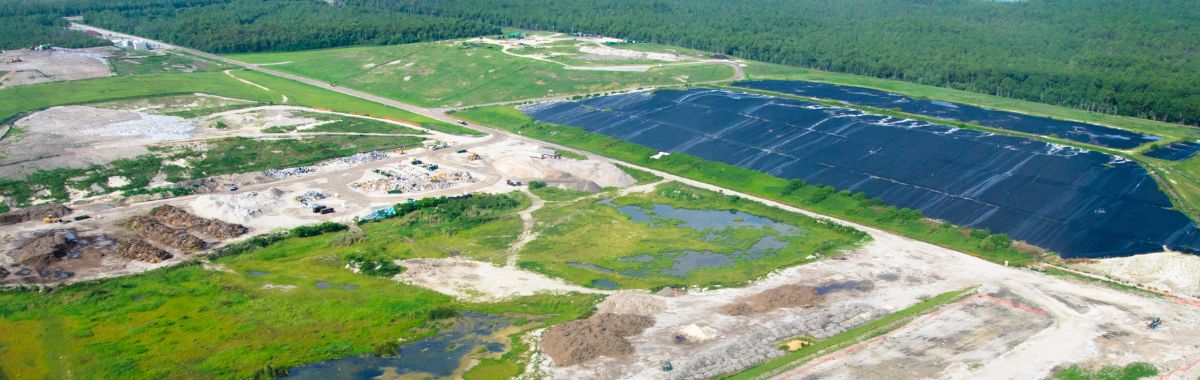
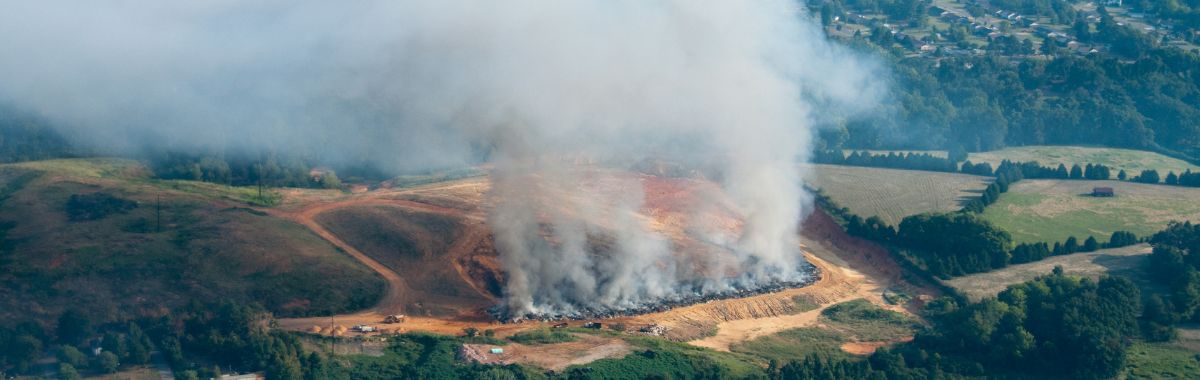
 Landfills across the United States are facing a critical and escalating challenge: managing toxic leachate, a hazardous liquid byproduct formed as organic waste decomposes and interacts with moisture, such as rainwater. This landfill leachate issue is significantly exacerbated by the increasing occurrence of overheating, where internal temperatures exceed safe limits, thereby accelerating chemical reactions and amplifying leachate production within landfills. A comprehensive investigation by Bloomberg in 2025, focusing on sites like Chiquita Canyon Landfill in Los Angeles County, has detailed how these elevated temperatures, often exceeding 200°F (93°C) create a vicious cycle of heat and accelerated waste decomposition. At least 10 documented cases of overheating have been reported since 2006, with experts suggesting that many more incidents go unreported due to inconsistent monitoring and reporting practices across the industry.
The growing landfill leachate problem.
The overheating phenomenon is largely driven by modern landfill operations, particularly the mandatory installation of gas collection systems required by the Environmental Protection Agency (EPA) to capture methane emissions, a potent greenhouse gas. While critical for reducing climate impact, these systems can inadvertently introduce oxygen into the waste mass through vacuum effects, triggering exothermic reactions that generate excessive heat. Industry studies, some dating back to the 1980s, have long cautioned that such “hot spots” in landfills can become prone to subsurface smoldering or even spontaneous ignition when exposed to oxygen sources. The problem is compounded by the growing scale of landfills, with the average size of active sites having doubled since the early 2000s, resulting in a larger volume of waste to fuel these reactions.
This overheating accelerates the breakdown of waste, significantly increasing the volume and toxicity of leachate produced. Often referred to as “trash juice,” leachate contains a hazardous mix of contaminants, including benzene, heavy metals, volatile organic compounds, and other carcinogens. In overheated conditions, the waste essentially “cooks,” releasing toxic gases such as hydrogen sulfide, carbon monoxide, and elevated levels of benzene, which further contaminate the leachate. This heightened production can overwhelm existing containment systems, leading to hazardous phenomena such as leachate geysers, where pressurized liquid erupts from gas wells or other points, as observed at Chiquita Canyon. These events highlight significant operational failures and underscore the broader industry challenge of managing evolving waste compositions, including an increase in organic and chemical content, in the context of climate-driven factors such as higher rainfall, which further promotes decomposition.
Regulatory shortcomings exacerbate the crisis. The absence of a centralized federal tracking system for landfill incidents means that oversight relies heavily on state-level enforcement, which varies widely and often depends on self-reporting by operators. The EPA sets a temperature standard of 131°F for landfills; however, enforcement is inconsistent, allowing overheating issues to escalate before corrective measures are implemented. This regulatory fragmentation leaves landfill operators struggling to address mounting environmental, safety, and compliance challenges, while nearby communities face heightened risks from unmitigated leachate and gas emissions.
The risks of inadequate leachate management.
The consequences of inadequate leachate management are profound, posing severe threats to groundwater, ecosystems, and public health. When leachate accumulates unchecked, it can breach containment liners or overflow storage tanks, infiltrating aquifers and contaminating drinking water sources. For instance, at Chiquita Canyon, regulators issued warnings about an “imminent and substantial danger” from potential spills of millions of gallons of hazardous leachate into local waterways, prompting urgent but delayed corrective actions. Similar risks have been documented at other sites, such as the Bristol Landfill in Virginia, where residents reported “steaming chimneys of gas and leachate,” and the Bridgeton Landfill in St. Louis, which raised concerns due to its proximity to radioactive waste and associated cancer clusters.
The human and ecological toll is significant. Communities near overheated landfills have reported a range of health issues linked to leachate and gas exposure, including chronic headaches, nosebleeds, nausea, respiratory problems, autoimmune disorders, heart conditions, and increased cancer incidences. According to Bloomberg, at Chiquita Canyon, over 9,500 complaints were logged by March 2024, with reports of sudden pet deaths and mass insect die-offs signaling broader ecological disruption. Benzene, a known carcinogen that can damage DNA and lead to leukemia, has been detected in leachate emissions at levels exceeding legal limits, heightening long-term health risks as noted by the Centers for Disease Control and Prevention.
Traditional leachate management approaches, such as trucking to off-site treatment facilities or chemical stabilization, are becoming increasingly inadequate due to the rising volumes driven by overheating. These methods are not only costly and logistically complex but also prone to failures during transport, which can exacerbate contamination risks. The industry’s reliance on outdated practices, combined with inconsistent regulatory frameworks, perpetuates a cycle of reactive crisis management, highlighting the urgent need for innovative, scalable solutions to address leachate at its source.
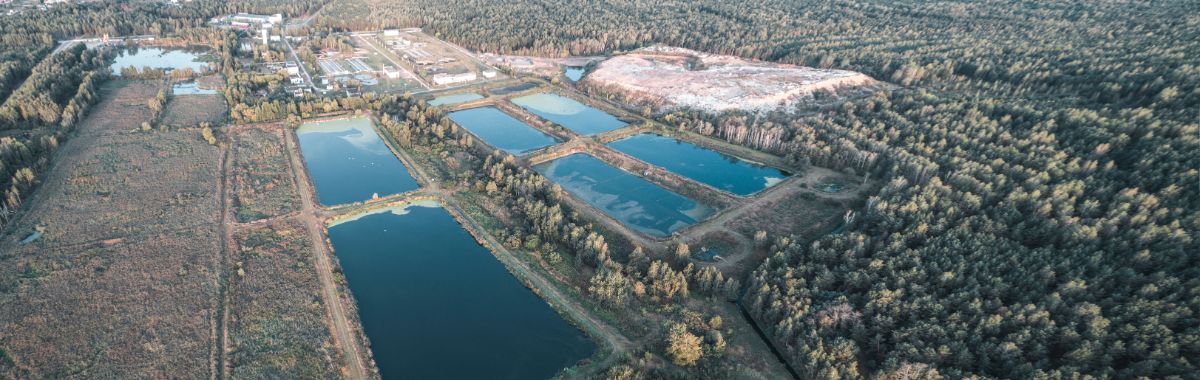
Evaporators offering a sustainable solution to landfill leachate.
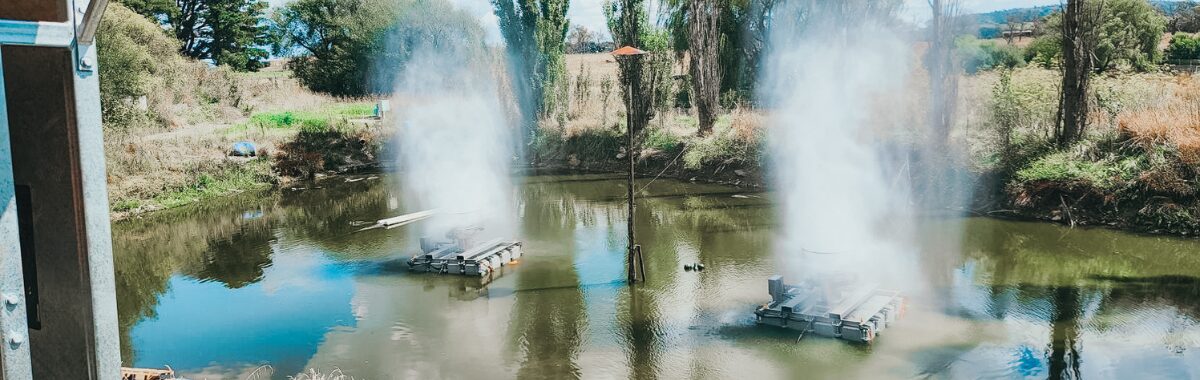
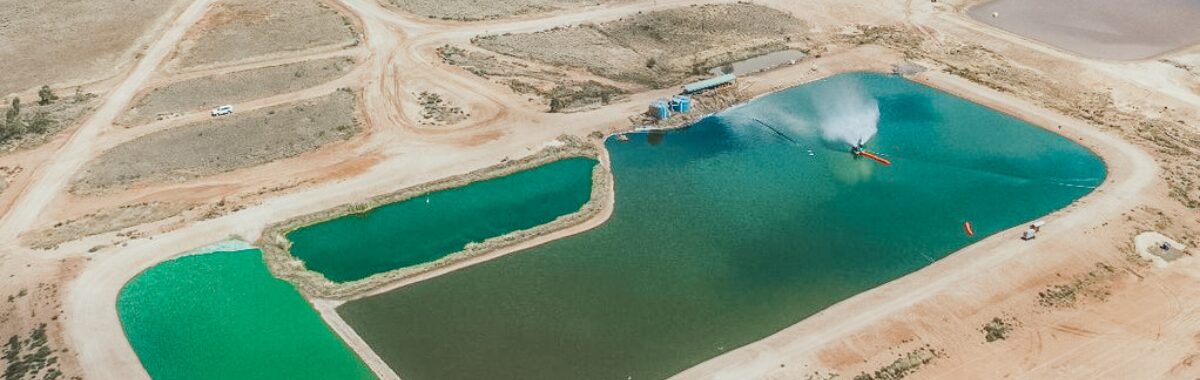
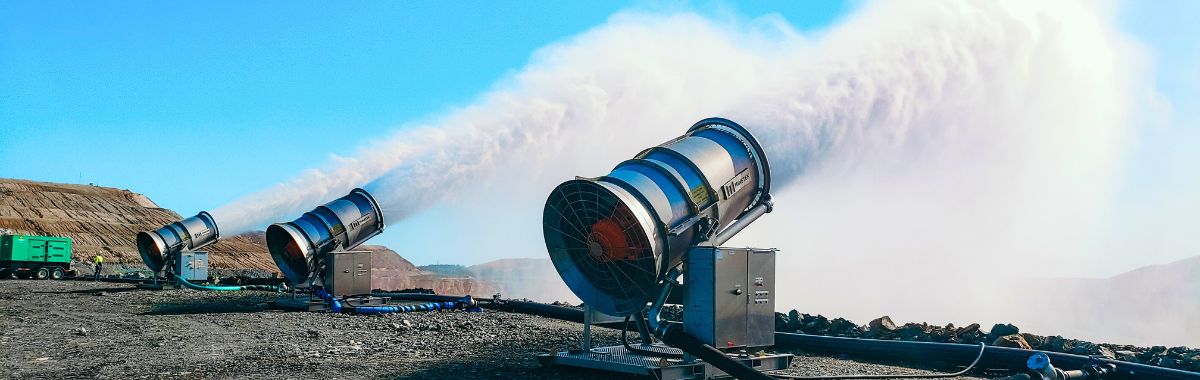
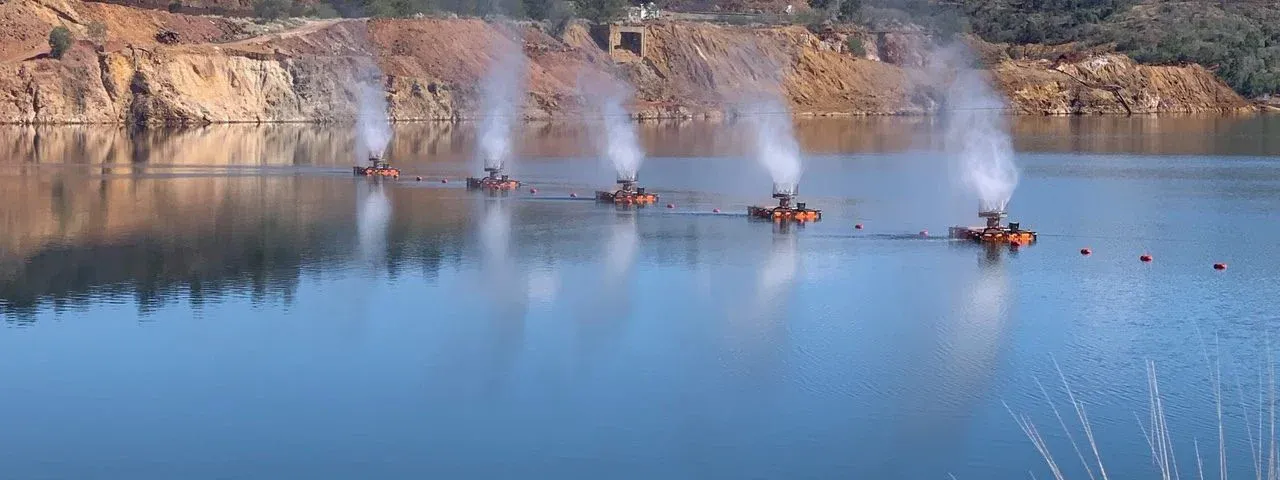
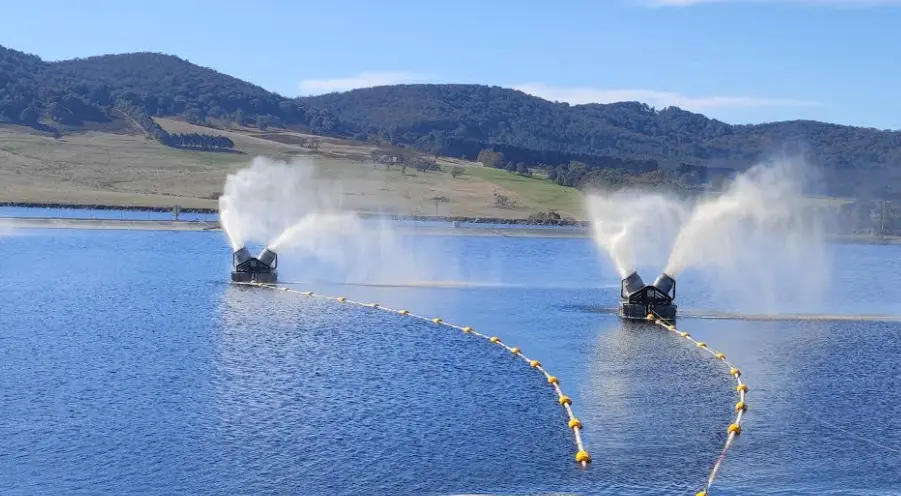
Minetek’s mechanical evaporation technology offers a transformative approach to managing landfill leachate. Unlike conventional methods, evaporators accelerate the natural evaporation process, significantly reducing the volume of wastewater while concentrating solids for safer disposal and management. Minetek Water’s advanced evaporators are specifically engineered for high-efficiency leachate treatment, utilizing cutting-edge fan technology to process large quantities of contaminated water with minimal energy and infrastructure requirements. This makes them ideal for landfills where space is limited and operational efficiency is paramount.
By evaporating leachate, these systems allow water molecules to return to the natural water cycle, leaving behind a manageable residue of contaminants. This not only mitigates the risk of environmental spills but also reduces the costs associated with off-site disposal. Not only are Minetek’s evaporators designed to operate effectively in high-temperature environments, but they also address the unique challenges posed by overheating landfills.
- Environmental protection: By reducing leachate volume, evaporators minimize the risk of groundwater contamination and protect local ecosystems.
- Cost efficiency: Eliminating the need for extensive trucking or chemical treatments lowers operational costs for landfill operators.
- Compact design: The low infrastructure footprint allows integration into space-constrained landfill sites without disrupting operations.
- Regulatory compliance: Proactive leachate management aligns with emerging environmental regulations, helping operators avoid fines and enhance site safety.
- Scalability: Minetek’s systems can be tailored to handle varying leachate volumes, making them suitable for both small municipal sites and large industrial landfills.
Case study: real-world impact.
Consider a mid-sized landfill generating thousands of gallons of leachate daily. Traditional methods required frequent trucking to distant treatment facilities, incurring high costs and increasing the risk of spills during transport. By implementing Minetek’s evaporator system, the landfill significantly reduced its leachate volume, thereby cutting transportation costs and eliminating overflow incidents. The waste management site was able to effectively manage water balance amid increasing wastewater from processing and recovery. The concentrated solids were safely disposed of, and the site achieved compliance with local environmental standards, demonstrating the practical impact of evaporation technology.
A call to action for landfill operators.
As the landfill leachate crisis intensifies, innovative solutions such as mechanical evaporators are crucial for sustainable waste management. Minetek Water is committed to partnering with landfill operators to implement tailored evaporation systems that address site-specific challenges. By adopting this technology, operators can protect communities, reduce environmental risks, and achieve long-term operational efficiency.
To learn more about how Minetek’s evaporators can transform leachate management at your facility, contact our team for a consultation or download our brochure for municipal and industrial applications, featuring case study snapshots and technical product specifications. Together, we can tackle America’s landfill leachate crisis with solutions that are effective, sustainable, and future-ready.