Contact Us
Return to news & insights

The difference between noise and sound

Publish date: 20 June 2024
Most people generally think of sound and noise as being the same thing. However, there is actually a big difference between noise vs sound. Sound is a type of energy that travels through the air, or any other medium, and is then heard when it reaches a person’s ear. Whereas noise can be described as an unwanted sound. It is intrusive and can be disruptive or potentially even dangerous.
noise-1

What is the difference between sound and noise?

Sound is the outcome of vibrating air in the surroundings. Vibration moves through the air, creating different air pressure levels (high and low) by air compression and decompression. The varying pressure levels travel across the air known as sound waves, these are responsible for creating a sound.

Noise, on the other hand, is a type of sound. Usually, the sound levels are remarkably loud and intermittent. Take a scream as an example of noise, characterised by its unpleasantness and annoying nature.

There are two main types of noise: continuous and intermittent. Continuous noise is referred to as a constant sound, like the hum of a fan or the sound of traffic. Whereas intermittent noise is a sound that occurs sporadically, like a car horn or an explosion.

How do we measure sound?

Sound levels are measured in decibels (dB), one way to measure these levels is with a sound meter. This device has a microphone connected to an electronic circuit and display. It picks up the amount that air particles are being “pushed around,” which we perceive as sound. These pressures are then translated to electrical signals and displayed as the sound level in decibels (dB).

At Minetek we offer both sound power testing and sound intensity. Sound intensity testing provides operators with an in-depth understanding of machine noise behaviour. We analyse the flow of acoustic energy produced by a single source, such as a specific mining truck, excavator or machine. This enables us to capture the sound intensity measurement of the source without noisy operating conditions impacting our sound testing data.

noise-2

What sound levels are considered safe?

Ensure that your employees’ hearing is not at risk with excessive sound levels at work. Sound levels below 85 dB are considered safe for workers to be exposed to this level of noise. If you are exposed to sound levels at 85 dB or more for prolonged periods of time, it can cause permanent damage to your hearing.

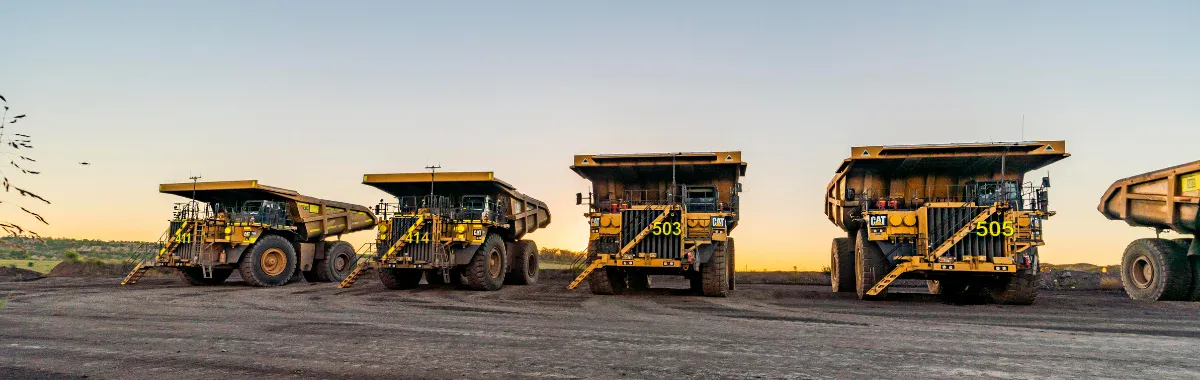
The louder the sound, the more quickly it can cause damage. For example, listening to a mining truck, loader or digger at 85 dB for 8 hours will cause permanent damage. In comparison, a mining machine operating at a 100 dB noise level can cause permanent damage in only 15 minutes.

Ensure that your employees’ hearing is not at risk with excessive sound levels at work. Sound levels below 85 dB are considered safe for workers to be exposed to this level of noise. If you are exposed to sound levels at 85 dB or more for prolonged periods of time, it can cause permanent damage to your hearing. The louder the sound, the more quickly it can cause damage. For example, listening to a mining truck, loader or digger at 85 dB for 8 hours will cause permanent damage. Whereas, a mining machine operating at a 100 dB noise level can cause permanent damage in only 15 minutes.

noise-3

What are the health impacts of noise?

Noise can have a significant impact on our health, both physically and mentally. Excessive noise can induce severe cardiovascular symptoms of increased heart rate. It can also emphasise psychological effects such as anxiety, profound nervousness and lack of concentration. Some of the ways noise can affect humans include:

    • causing increased stress
    • increasing heart rate
    • sweating
    • difficulty sleeping
    • irritability
    • anxiety
    • hearing loss

The most common health problem caused by noise is hearing loss. Exposure to loud noise can damage the delicate cells in our ears, resulting in Noise-Induced Hearing Loss (NIHL). NIHL can be gradual and painless, making it difficult to notice at first. Over time, it can lead to a permanent loss of hearing.

Industrial noise pollution control​

When it comes to industrial noise pollution control, Minetek has proven experience in the design & implementation of turn-key solutions which are proven to be effective in reducing noise in industrial settings. With over 150 years of combined project experience, our team has delivered over 2,800 solutions across more than 60 countries, enabling industrial operators to meet their noise control objectives.

noise-4

Noise control allows for extended operating hours, increased productivity, significant reductions in lead times, and improved work environments. Minetek has the capabilities in acoustic design & engineering for health, defence, marine, emergency and mission-critical applications. With proven results in the power generation and standby power markets, our experience is unmatched. With full ISO:9001 accreditation and 150 years of project delivery experience, Minetek has the capability to meet any industrial sound or emission management objectives.

Speak to our team about your goals today and we will provide you with solutions that match your specific needs. Leave your details below to learn more.

Frequently Asked Questions (FAQ)

What is sound attenuation in mining?
Sound attenuation in mining refers to the reduction of noise generated by heavy mining equipment, ventilation systems, generators, and mobile fleets. Mining sound attenuation systems are designed to lower operational noise levels while maintaining equipment performance, airflow, and safety compliance. These solutions help mine sites meet environmental noise requirements, improve working conditions, and reduce community noise impacts near operations.
How does sound attenuation reduce mining equipment noise?
Sound attenuation reduces mining equipment noise by controlling how sound waves travel from engines, exhaust systems, cooling systems, and mechanical components. Industrial sound attenuation systems may use acoustic materials, silencers, barriers, and engineered airflow pathways to absorb, redirect, or reduce noise energy. In mining applications, effective attenuation must reduce noise without compromising cooling performance, maintenance access, or equipment reliability.
Why is sound attenuation important for mine site compliance?
Sound attenuation is important because mine sites often need to manage operational noise to meet environmental, workplace, and community noise requirements. Excessive equipment noise can create compliance risks, affect worker wellbeing, and increase the impact of operations on nearby communities. Mining sound attenuation solutions help reduce noise emissions while supporting safer and more sustainable site operations.
What is the difference between sound attenuation and soundproofing?
Sound attenuation and soundproofing are related, but they are not the same. Sound attenuation focuses on reducing or controlling noise levels, especially from equipment and industrial processes. Soundproofing aims to block sound almost completely from entering or leaving a space. In mining, sound attenuation is usually more practical because equipment still needs airflow, cooling, servicing access, and operational performance.
Which mining equipment can use sound attenuation systems?
Sound attenuation systems can be used on a wide range of mining equipment, including haul trucks, excavators, drill rigs, generators, compressors, processing plants, and ventilation systems. Heavy equipment sound attenuation solutions are typically engineered around the specific machine, noise source, airflow requirements, and operating environment. This allows mining companies to reduce equipment noise while maintaining productivity and reliability.
Can sound attenuation improve worker safety?
Yes. Sound attenuation can support worker safety by reducing excessive noise exposure around heavy equipment and industrial work areas. Lower noise levels can make it easier for workers to communicate, hear alarms, and stay aware of their surroundings. Mining noise reduction strategies may also help reduce fatigue and support long-term workforce health where personnel are regularly exposed to high-noise environments.
What are the benefits of industrial sound attenuation systems?
Industrial sound attenuation systems can help reduce operational noise, support compliance, improve worker comfort, and minimise noise impacts on nearby communities. In mining environments, they may also improve communication around equipment, reduce fatigue risks, and support broader site safety initiatives. Effective acoustic attenuation solutions help mining companies manage environmental obligations while keeping equipment operating efficiently.
How is mining sound attenuation measured?
Mining sound attenuation is typically measured in decibels using acoustic testing and noise monitoring equipment. Engineers may assess noise levels before and after attenuation systems are installed to determine the reduction achieved. Measurements can include overall sound pressure levels, frequency analysis, and environmental noise assessments. Effective mining sound attenuation should achieve targeted noise reductions while maintaining airflow, cooling, and equipment reliability.
How do Minetek sound attenuation packages affect airflow and cooling?
Minetek sound attenuation packages are engineered to reduce equipment noise while supporting critical airflow and cooling performance. This is especially important in mining, where heavy equipment operates in demanding environments and poor ventilation can affect reliability, uptime, and component life. A well-designed sound attenuation package should reduce noise without creating excessive heat build-up, airflow restriction, or maintenance challenges.
What makes Minetek sound attenuation solutions suitable for mining applications?
Minetek sound attenuation solutions are designed for demanding mining and industrial environments where noise reduction must be balanced with airflow, cooling, durability, and equipment performance. Mining equipment often operates under heavy loads, high temperatures, and harsh site conditions, so attenuation systems need to be engineered for practical operation rather than simple noise blocking. This makes mining-specific acoustic attenuation different from standard commercial sound control.