 English (United States)
  English
  Spanish
  Portuguese
  French
  Indonesian
  Italian
 Material selection matters in mine water operations because it directly influences whether equipment can operate reliably in harsh, variable conditions over time. When materials are suited to the application, systems are more likely to perform consistently, require less maintenance, and avoid unnecessary lifecycle cost.
Mine water environments can place sustained stress on equipment through changing water chemistry, suspended solids, and outdoor exposure. In those conditions, fit-for-purpose design becomes critical. This article looks at five material selection factors that affect mine water reliability, the risks of using equipment that is not fit for purpose, and how Minetek designs evaporation systems for harsh mine water conditions. It also highlights why short-term material savings can lead to higher maintenance and replacement costs over time.
For operations managing demanding water conditions, the right material choices can have a direct impact on uptime, service life, and long-term performance.
5 material selection factors affecting mine water reliability.
- Corrosion resistance: Materials need to withstand the site’s actual water chemistry to avoid premature degradation in aggressive mine water conditions.
- Abrasion and solids handling: Suspended solids and abrasive flows can accelerate wear and shorten equipment life when materials are not suited to the application.
- Weather exposure: Outdoor mine water equipment must handle UV, temperature swings, and harsh environmental exposure without losing performance.
- Application fit: Material selection should reflect the specific water profile, operating duty, and site conditions rather than a general-purpose design approach.
- Fit-for-purpose design: Minetek designs evaporation systems for harsh mine water conditions using materials selected to support reliability, maintenance performance, and long-term operating life.
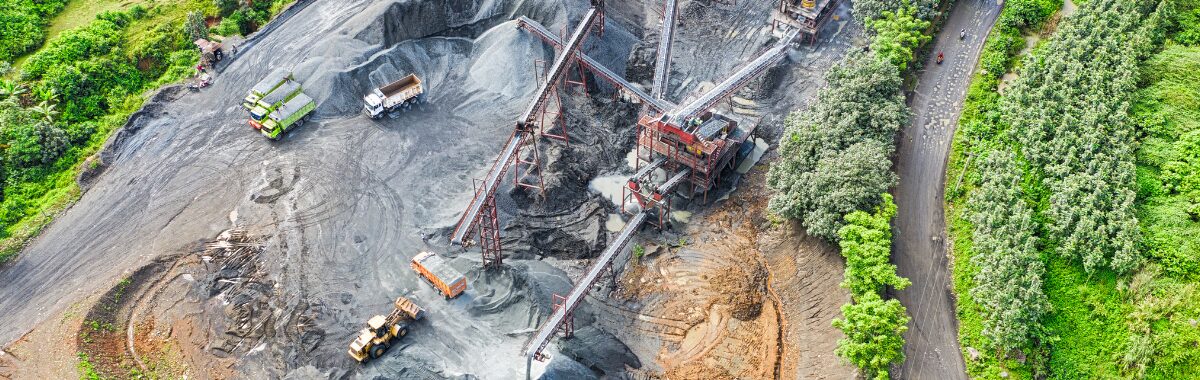
How does material selection affect reliability in mine water operations?
Material selection affects reliability in mine water operations by determining how well equipment can withstand corrosive water chemistry, suspended solids, outdoor exposure, and the specific demands of the application over time. When materials are suited to those conditions, systems are more likely to perform consistently, require less maintenance, and last longer.
In mine water operations, equipment rarely works in a clean or stable environment. Water chemistry can vary from site to site, solids can accelerate wear, and outdoor exposure can add further stress through UV, temperature swings, and harsh weather. In that kind of operating environment, material selection is not a secondary design choice. It directly affects how reliably the system performs once it is exposed to real site conditions.
It also affects more than service life alone. Material choice influences maintenance frequency, downtime risk, and the long-term cost of keeping the system in operation. Where materials are matched to the actual application, reliability tends to improve. Where they are not, wear and performance issues often appear much earlier.
| Material selection factor | Why it affects reliability |
| Corrosion resistance | Materials need to withstand aggressive water chemistry without degrading prematurely in corrosive mine water environments. |
| Abrasion and solids handling | Suspended solids and abrasive water can accelerate wear, damage components, and shorten equipment life. |
| Weather exposure | Outdoor mine water systems must handle UV, temperature swings, and harsh site conditions without losing performance. |
| Application fit | Materials should match the actual water chemistry, operating duty, and site conditions rather than being selected as a general-purpose option. |
| Maintenance and lifecycle cost | Poor material selection can increase maintenance frequency, shorten service life, and raise long-term operating cost. |
According to the U.S. Environmental Protection Agency’s Reference Guide to Treatment Technologies for Mining-Influenced Water, treatment selection should consider contaminants, pre-treatment requirements, long-term maintenance needs, performance, and cost, which reinforces that system and material choices need to reflect the actual application rather than a standardised approach.
The Association for Materials Protection and Performance (AMPP) also states in its Materials Selection and Design for Corrosion Control that no material is resistant to all corrosive situations and that selection should be based on the specific operating environment, alongside mechanical properties and cost.
In mine water operations, reliability depends not only on what the system is designed to do, but also on whether its materials are suited to the conditions it will face every day.
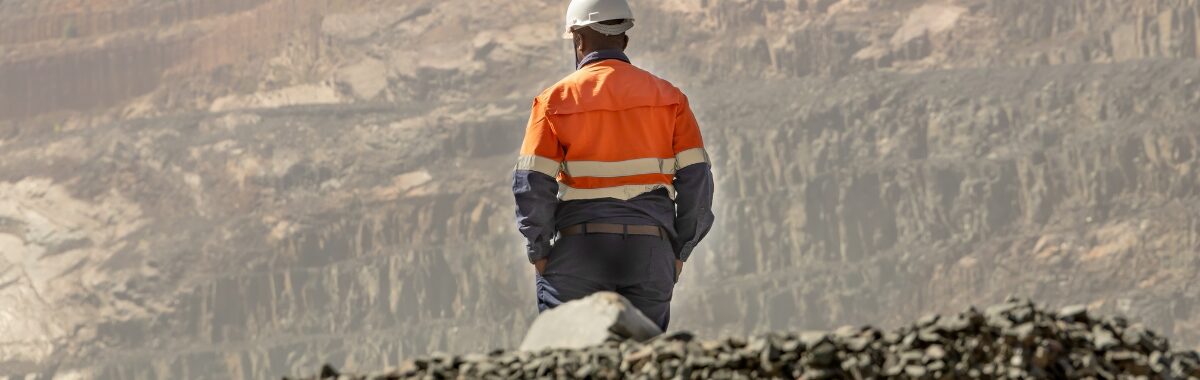
What are the risks of using equipment that is not fit for purpose?
Equipment that is not fit for purpose in mine water operations is more likely to wear prematurely, require more maintenance, and create reliability issues that increase long-term cost. In harsh water environments, the wrong material choice can turn a manageable operating duty into a recurring source of downtime, repair, and replacement.
Those risks usually show up in a few practical ways:
- Premature corrosion
Materials that are not suited to the site’s water chemistry can degrade faster than expected, reducing component life and increasing the likelihood of failure.
- Accelerated wear from solids
Where suspended solids or abrasive flows are present, equipment that is not designed for those conditions can wear down quickly and lose performance over time.
- Higher maintenance burden
More frequent inspection, repair, and part replacement can become necessary when materials are not matched to the operating environment.
- Reduced operating reliability
Performance can become less consistent when equipment is exposed to conditions it was not built to handle in demanding mine water applications.
- Higher long-term cost
Lower upfront material quality or poor application fit can lead to greater lifecycle cost through maintenance, downtime, and shortened service life.
According to the U.S. Geological Survey’s overview of acid mine drainage, mine-impacted waters can range from acidic to circumneutral pH and often contain elevated concentrations of sulfate and dissolved metals, which helps explain why unsuitable materials can degrade quickly in harsh mine water conditions.
In its paper A Discussion on Modeling Abrasive-Wear in Slurry Systems, the Association for Materials Protection and Performance (AMPP) notes that handling and transporting slurries can result in significant equipment wear, with damage mechanisms influenced by solids concentration and equipment geometry, which reinforces the risk of accelerated wear where water contains abrasive solids.
These risks highlight the value of fit-for-purpose design, particularly in mine water applications where materials, operating conditions, and long-term reliability need to be engineered together.
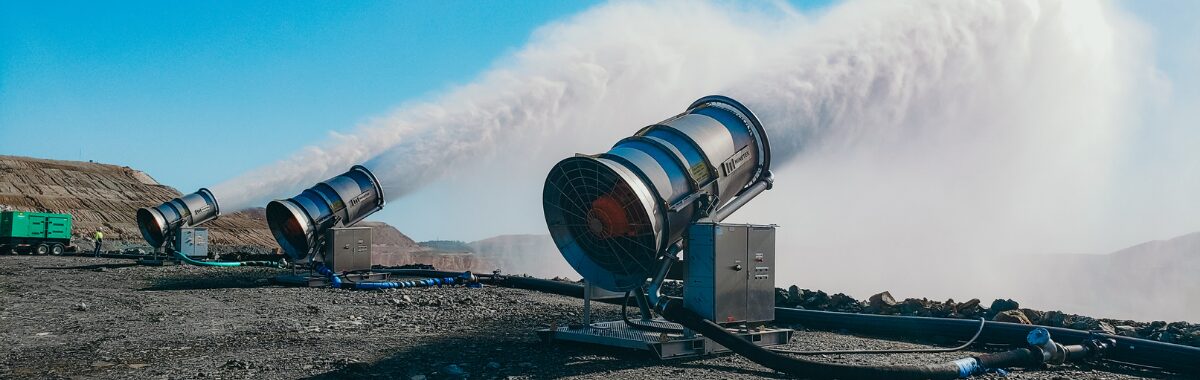
Minetek evaporation system design for harsh mine water conditions.
Minetek designs evaporation systems for harsh mine water conditions by combining fit-for-purpose engineering with material and component choices suited to corrosive water, high solids, weather exposure, and mobile site deployment.
| Design area | How Minetek applies it |
| Fit-for-purpose materials | Minetek offers a broad range of proven construction materials to suit application needs in harsh operating conditions. |
| Corrosive and solids-heavy water | Low-fouling nozzles are designed for acidic, caustic, high-TDS, and high-TSS water, supported by stainless steel nozzles and stainless steel filter systems. |
| Performance in harsh climates | Minetek systems are designed for proven performance across demanding environmental conditions, from extreme cold to high heat. |
| Compact and mobile design | Mobile and modular systems support rapid deployment, minimal footprint, and relocation between ponds or sites as operational needs change. |
| Operational efficiency | Systems are designed for low maintenance, 24/7 automated operation, low power requirements, and reduced operating and maintenance costs. |
This design approach helps align material selection, system configuration, and operating conditions so equipment is better suited to the environment it needs to perform in.
Is your mine water equipment built with the right materials for the conditions it needs to handle?
Speak to Minetek water experts about evaporation systems designed for harsh mine water conditions, with fit-for-purpose materials selected to support reliability, maintenance performance, and long-term operating life.
Frequently Asked Questions (FAQ)
Why does material selection matter in mine water operations?
Material selection matters because harsh mine water conditions can accelerate corrosion, wear, and maintenance if equipment is not suited to the application.
What material conditions create the biggest reliability risks in mine water operations?
The biggest risks usually come from corrosive water chemistry, suspended solids, abrasive flow, and outdoor exposure to heat, cold, UV, and weather.
What happens when mine water equipment is not fit for purpose?
Equipment that is not fit for purpose is more likely to wear prematurely, require more maintenance, and create higher long-term operating cost.
Why do solids and abrasive water affect equipment life?
Solids and abrasive water can increase wear on components, reduce performance over time, and shorten service life when materials are not selected for those conditions.
How does Minetek support reliability in harsh mine water environments?
Minetek designs evaporation systems with fit-for-purpose materials and components selected to handle corrosive water, high solids, harsh climates, and demanding site conditions.