Vai al contenuto principale
Contatto
Torna a notizie e approfondimenti

How Minetek’s evaporators fit into a circular water strategy for municipalities.

Publish date: 14 Luglio 2025

Municipalities worldwide are facing a pressing need to upgrade their water infrastructure. The combination of aging systems, extreme weather events, burgeoning populations, and stricter environmental regulations is accelerating the demand for innovative, sustainable solutions. At the core of this transformation is the shift towards circular water use, a strategy that prioritizes resource efficiency, waste reduction, and ecosystem protection.

Minetek’s advanced wastewater evaporation systems are specifically designed to facilitate this transformation. Engineered for high-performance in demanding environments, our solutions play a crucial role in helping municipalities achieve sustainable water outcomes while also enhancing compliance, cost efficiency, and environmental accountability.
enviro-header

What is a circular water strategy?

A circular water strategy goes beyond traditional ‘use and discharge’ models. It treats water as a valuable asset to be reused, repurposed, and returned to the environment responsibly. This model is essential for local governments aiming to:

  • Reduce freshwater withdrawal from natural sources
  • Minimise wastewater discharge and leachate overflow
  • Improve resilience during drought or flood events
  • Comply with environmental and community standards

For municipalities aiming to meet these goals, the need for tools that are flexible, scalable, and aligned with future-focused planning is paramount. Questo is where Minetek Water comes into play, offering solutions that can be tailored to fit the unique requirements of each municipality.

The role of Minetek’s wastewater evaporators.

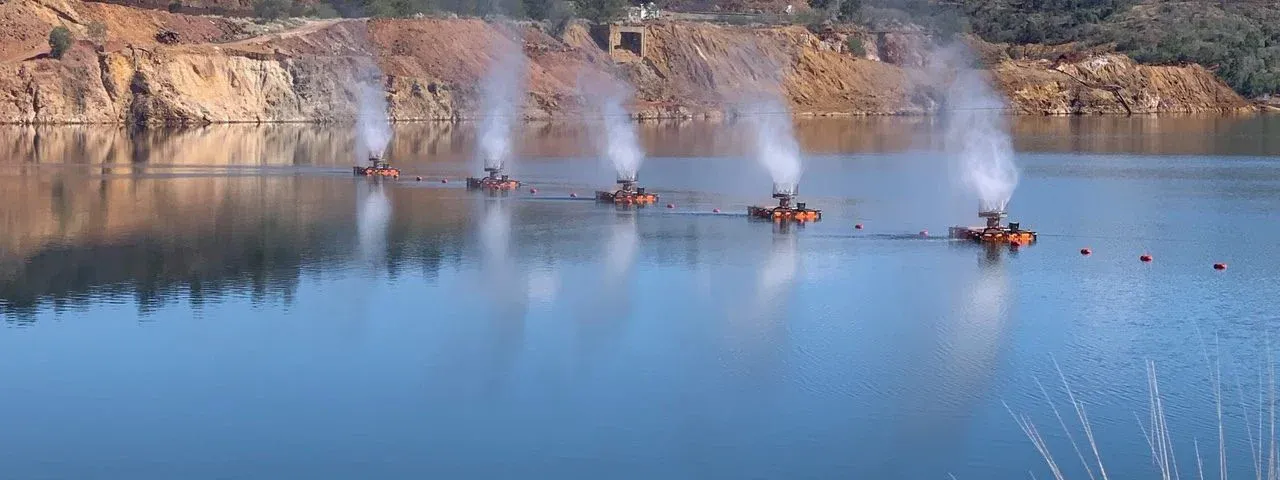
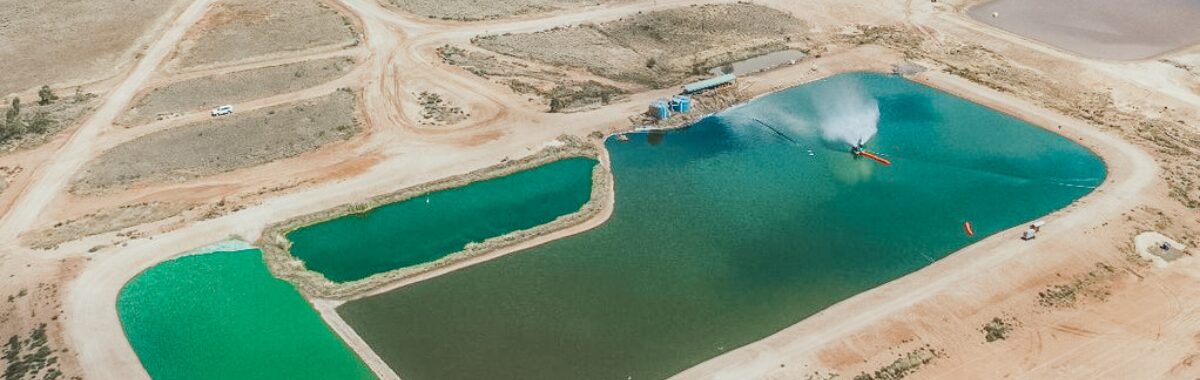
Minetek’s mechanical wastewater evaporation systems provide councils and municipal operators with a high-volume, low-footprint solution for safely disposing of wastewater, leachate, stormwater, and process water.

Vantaggi principali:

High-efficiency water removal.

  • Our systems evaporate water with water flow rates from 40 gallons per minute / 2 litres per second to 400 gallons per minute / 25 litres per second, depending on the unit, enabling rapid volume reduction without requiring permanent infrastructure or chemical treatment.

Deployable in all conditions.

  • Designed to operate across a wide range of climates and terrains, our evaporators are ideally suited for remote landfills, stormwater holding dams, and council-run wastewater facilities.

Fully automated & low maintenance.

  • With automated monitoring, variable speed controls, and minimal operator input required, municipalities can scale their operations with confidence.

214

Supporting environmental stewardship.

At Minetek, we understand that environmental responsibility isn’t a box to tick; it’s a core operational mandate. Our evaporators contribute to better environmental stewardship in several ways:

Preventing groundwater contamination.

  • By reducing stored leachate volumes, our systems minimise the risk of overflow, seepage, and contamination of nearby water sources.

Reducing dependency on trucking and disposal.

  • Traditional water management often involves costly and carbon-intensive transport. Minetek’s solution eliminates this burden, significantly lowering emissions and risk.

Minimising land use and infrastructure costs.

  • Mechanical evaporation eliminates the need for new dams, pipelines, or treatment plants. Questo reduces land disturbance, environmental impact, and capital expenditure.


Enabling ESG reporting and compliance.

Environmental, Social, and Governance (ESG) performance is no longer optional. Regulatory authorities, funding bodies, and communities are holding councils to higher standards and expect detailed reporting on water use, waste reduction, and climate impact.

Minetek’s evaporators empower municipalities to deliver on these expectations through:

  • Quantifiable volume reduction data for water discharged
  • Documented reductions in environmental risk
  • Evidence-based reporting on sustainability initiatives
  • Alignment with circular economy principles

Questo not only strengthens ESG profiles but builds trust with regulators and the communities councils serve.
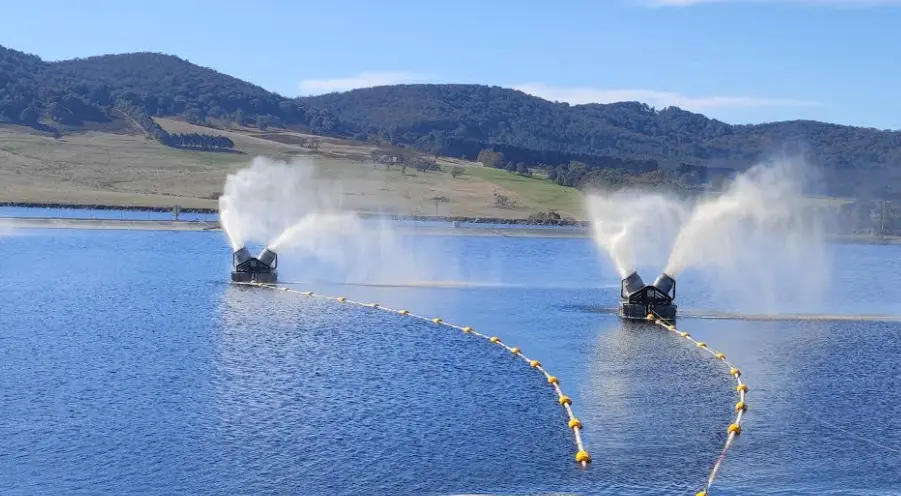
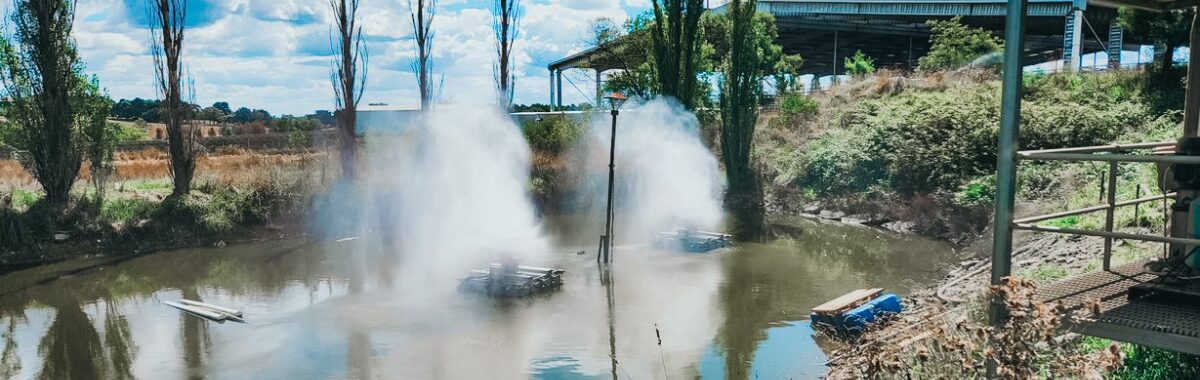
Minetek Landfill Leachate Floating Evaporators

Real-world application. Municipal success.

A council in New South Wales, Australia, recently partnered with Minetek to address severe leachate overflow risks at a regional landfill. Faced with limited infrastructure and strict compliance obligations, the site deployed a Minetek evaporator system.

The result:

  • Immediate capacity relief in containment ponds
  • Avoided non-compliance penalties
  • No requirement for additional land or permits

Read the full case study


The future of sustainable municipal water processes.

Water is no longer just a utility; it is a strategic asset. Minetek’s wastewater evaporators are more than just equipment; they are enablers of circular water use, climate resilience, and long-term planning.

Councils that take a proactive approach to sustainable municipal water will:

  • Lead in environmental leadership
  • Lower operational risks and costs
  • Build public trust through transparency and action

Minetek’s wastewater evaporation systems are ready to meet the challenges of modern municipal water management. Backed by decades of engineering experience and proven field success, we help councils take control of their water strategy; sustainably, responsibly, and effectively.

Explore our full range of municipal solutions or contact us to learn more.
Torna a notizie e approfondimenti

Water as critical infrastructure. Why municipal water planning must catch up.

Publish date: 14 Luglio 2025

In the face of mounting environmental pressures, rapid population expansion, and increasing regulatory scrutiny, the urgency of recognizing water as critical infrastructure in municipal and council planning frameworks cannot be overstated. Yet, across much of Australia and globally, local governments are failing to match infrastructure investment with the pressing nature of the challenge.

Il future of water infrastructure is no longer just about pipes and pumps. It crucially demands holistic municipal water strategies that integrate sustainable leachate management, and most importantly, advanced treatment technologies. These innovations are the key to protecting public health and preserving natural resources in the face of increasing challenges.

The cost of inaction. Environmental and health risks.

Pollution risks.

Leachate is a highly contaminated liquid produced in landfill operations. This wastewater poses a direct threat to groundwater, surface water, and soil health. Without proper collection and treatment, leachate can release toxic pollutants such as heavy metals, ammonia, and PFAS (forever chemicals) into the environment.

In global case studies, such as India’s Ghazipur landfill, leachate has been linked to the presence of coliform bacteria and unsafe nitrate levels in nearby water sources. The risk is particularly high where open dumps lack engineered liners or modern collection systems.

Public health concerns.

Improperly managed leachate is more than an environmental issue; it’s a public health crisis. Exposure to leachate-contaminated water is associated with respiratory problems, skin irritation, and long-term carcinogenic effects due to heavy metals and organic pollutants.

Recent findings indicate that poor landfill practices have contributed to over 750 deaths globally, with vector-borne diseases and long-term exposure to toxins disproportionately affecting vulnerable populations.

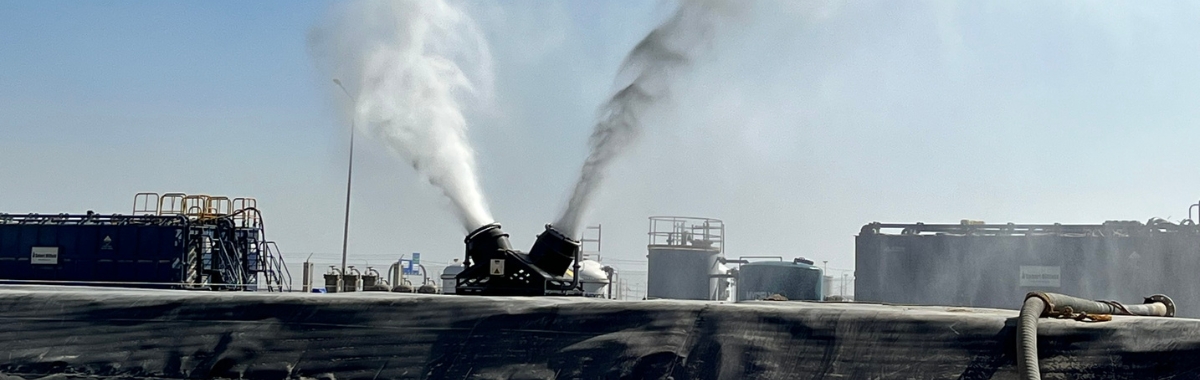
landfill water pond

Regulatory gaps in leachate management.

The EU Landfill Directive (1999/31/EC) mandates the collection and treatment of leachate to mitigate environmental contamination, yet it falls short in enforcing comprehensive monitoring of pollutant concentrations, such as heavy metals, PFAS, and organic compounds. This gap limits the ability to assess and manage leachate-related risks effectively, as highlighted by the European Environment Agency. In developing countries, the absence of robust regulatory frameworks often results in unchecked open dumping and inadequate leachate management, exacerbating risks to groundwater, soil, and public health, with studies like Vaccari et al. (2019) estimating over 750 deaths annually due to related health issues.

In Australia, the Environment Protection Act 1993 and state-specific guidelines, such as those from the New South Wales EPA, require landfill operators to implement leachate collection systems and monitor water quality. However, inconsistencies across states and limited enforcement of emerging contaminants like PFAS remain challenges, with research from the Australian Journal of Environmental Management (2021) noting insufficient national standards for leachate treatment.

Nel Stati Uniti, the Resource Conservation and Recovery Act (RCRA) Subtitle D mandates engineered landfill designs with composite liners and leachate collection systems, alongside strict monitoring for groundwater contamination. Yet, a 2020 EPA report highlights that aging landfills and variable state-level enforcement can lead to gaps in managing recalcitrant pollutants.

In Canada, the Canadian Environmental Protection Act, 1999 and provincial regulations, such as Ontario’s Environmental Protection Act, require leachate management plans, but a 2022 study in Environmental Science & Policy points to inconsistent monitoring of microplastics and pharmaceuticals across municipalities, undermining long-term environmental protection. These global regulatory disparities underscore the need for standardized, enforceable frameworks to address the complex challenges of leachate management.

Sustainable management. What progressive councils are doing.

Waste reduction.

Reducing waste to landfill through recycling, composting, and energy recovery can cut leachate generation by up to 57.7%. Progressive municipalities are integrating incineration and gasification as part of circular waste strategies, reducing long-term environmental liabilities. Case Example: Changsha’s MSW facility in China processes 80% of municipal waste through incineration and only 20% through landfill, significantly lowering leachate volumes.

Engineered systems.

Landfills built with composite liners and leachate collection systems, as required by the U.S. EPA’s RCRA standards, significantly reduce the risk of contamination. These best practices should form the backbone of any forward-thinking municipal water strategy.

3 (11)

Future technologies in leachate management.

Emerging innovations in water infrastructure are transforming how councils manage leachate and water contamination, with Minetek’s advanced evaporation technology leading the way. In leachate management, Minetek’s evaporation systems significantly reduce leachate volume, mitigating contamination risks and streamlining treatment processes. For process water disposal, these systems offer a cost-effective, environmentally sustainable solution to manage and reduce water used in industrial processes.

Complementary advanced technologies, such as nanotechnology, AI-driven process optimization, and phytoremediation, further enhance the efficiency and effectiveness of waste management, reducing greenhouse gas emissions and recovering valuable resources from waste streams. Supported by Minetek’s innovative evaporation solutions, effective landfill and waste management practices are critical for maintaining clean, healthy communities and safeguarding natural ecosystems for future generations.

Case study: NSW council deploys evaporation.

In New South Wales, Australia, a regional landfill faced mounting challenges due to excessive leachate build-up and insufficient water disposal infrastructure. In collaboration with Minetek Water, the council deployed a mechanical water evaporation system tailored to site conditions. Read the full case study

  • Result: Immediate reduction in stored leachate volumes
  • Benefit: No additional permitting or fixed infrastructure required
  • Outcome: Ongoing compliance with local environmental standards

A second NSW site faced similar challenges. With limited evaporation capability during high rainfall periods, Minetek rapid deployment of an advanced evaporator enabled continuous site operation and eliminated the risk of overflow. Read the case study

Why councils must rethink their water strategy.

Councils and municipalities can no longer afford to treat water and leachate management as peripheral issues. Climate change, urban development, and increasing public scrutiny are driving the urgent need for:

  • Proactive planning around water infrastructure
  • Advanced, mobile technologies that scale with demand
  • Data-driven approaches to reduce risk and increase compliance
In-text Images (33)

How Minetek supports the future of water infrastructure.

Minetek Water provides engineered, scalable, and regulation-compliant solutions to support councils in addressing their most complex water management challenges. Our mechanical evaporation systems are designed for:

  • High-volume leachate and wastewater 
  • Rapid deployment in diverse weather and site conditions
  • Sustainable, cost-effective operations

Minetek’s systems process varying water qualities with a broad range of pH and water quality levels, monitoring and responding to environmental condition changes like humidity, rain, and wind in real time with an in-built EMS. Communicating wirelessly via a remote controller, the adaptable EMS system is governed by a weather station that optimises operation according to a broad range of adjustable parameters, including optimum sun-up/ downtimes, relative wind speed and direction, humidity and temperature, system water flow, and pressure.

By aligning with the principles of sustainable municipal water strategy, Minetek helps councils take control of their water future. Learn more about waste management and wastewater applications.

Final thoughts.

Water is not just a utility; it is critical infrastructure. As the environmental and regulatory landscape evolves, municipal planning must catch up. Through strategic partnerships, advanced technologies, and commitment to compliance, councils can create a water infrastructure future that safeguards both communities and the environment. Contact us below to discover how Minetek can help transform your approach to managing wastewater in municipal settings. 

Torna a notizie e approfondimenti

Understanding the impact of mining noise.

Publish date: 1 Luglio 2025

Mining operations are integral to global industrial processes, yet they often produce significant noise pollution, which poses challenges not just to compliance with regulatory standards, but also to operational efficiency and worker safety. This article explores the critical aspects of mining noise, its impact, and the strategies for effective noise management.

As the demand for minerals and metals continues to grow, understanding and addressing the environmental and human impacts of mining noise becomes increasingly important. By delving into the sources, implications, and management of mining noise, we can better appreciate the complexities of this issue and the need for comprehensive solutions.

In mining, noise pollution is an inevitable by-product of the operation of heavy machinery, drilling, blasting, and the movement of materials. Each of these activities contributes to a cacophony that can have far-reaching implications. The noise generated is not just a by-product but a significant operational consideration that affects both the internal functioning of mining operations and their external impact on nearby communities and ecosystems. The sheer scale of mining activities means that noise levels can be substantial, leading to potential conflicts with surrounding land uses, wildlife disturbances, and challenges in meeting regulatory requirements.

Sources of mining noise.

The primary sources of noise in mining operations include:

  1. Drilling and Blasting: These are among the most significant contributors to noise pollution, with sound levels often exceeding safe exposure limits. The use of explosives in blasting creates a sudden and intense noise that can carry over long distances, affecting not just workers but also nearby residents and wildlife.
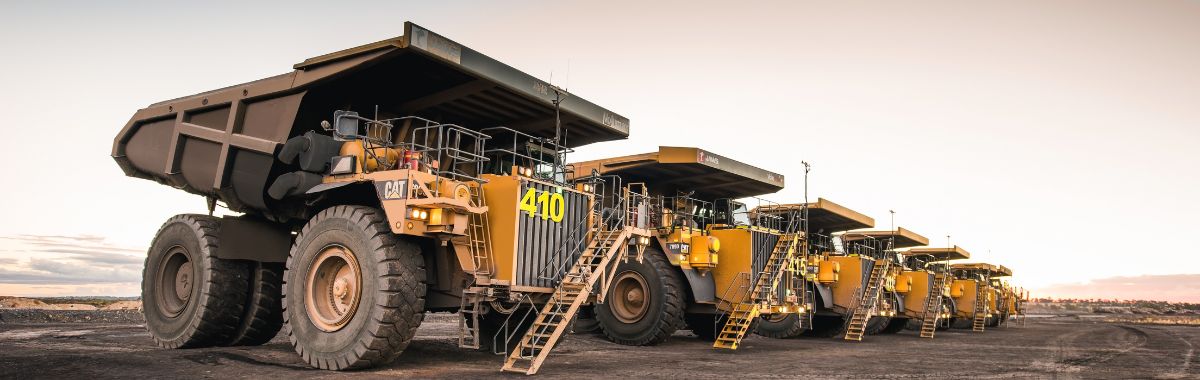
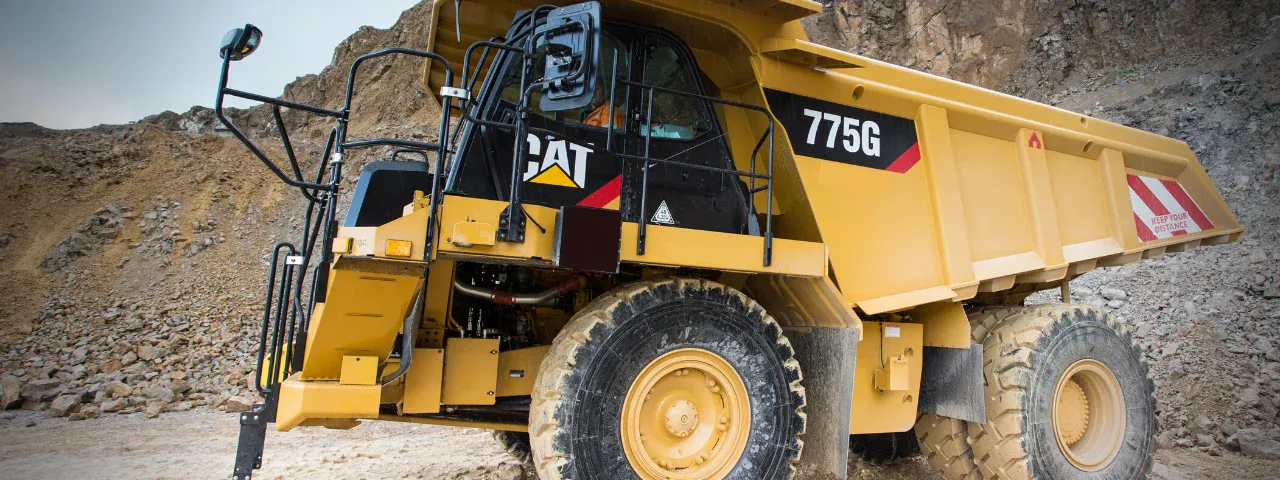
  2. Heavy Machinery: Excavators, loaders, and haul trucks generate substantial noise, especially when operating continuously in confined spaces. The operation of such machinery often involves a combination of engine noise, mechanical vibrations, and the sound of materials being loaded and transported, all contributing to a high-decibel environment.
  3. Material Handling: The movement and processing of extracted materials further add to the noise levels.
    Conveyors, crushers, and processing plants operate continuously, creating a consistent hum that can contribute to the overall noise footprint of a mining site.
Methods-to-reduce-mining- truck-noise-feature-article

Implications of noise pollution.

Noise pollution in mining isn’t merely a nuisance; it has profound implications:

  • Health Risks: Prolonged exposure to high noise levels can lead to hearing loss, stress, and other health issues among workers. Noise-induced hearing loss is one of the most common occupational hazards in the mining industry, highlighting the need for effective hearing protection and noise management strategies.


  • Operational Efficiency: Excessive noise can hinder communication, affecting coordination and leading to inefficiencies. In environments where clear communication is critical for safety and productivity, high noise levels can lead to misunderstandings, errors, and accidents.


  • Regulatory Compliance: Mining operations must adhere to noise regulations to avoid penalties and ensure the safety and well-being of workers. Compliance with these regulations requires ongoing monitoring and adaptation of noise control measures to meet changing standards and operational conditions.


Monitoring and managing mining noise.

Effective management of mining noise begins with precise monitoring and the implementation of strategic measures to mitigate its impact. By understanding the specific sources and patterns of noise within a mining operation, managers can develop targeted strategies that address the most significant contributors to noise pollution. This proactive approach not only helps in maintaining compliance with regulatory standards but also enhances the overall efficiency and safety of mining operations.


Mining noise monitoring.

Noise monitoring involves systematically measuring sound levels at various points on a mining site. This data is crucial for:

  • Assessing Compliance: Ensuring that noise levels are within the permissible limits set by regulatory bodies.
    Regular monitoring helps in identifying areas where noise levels exceed acceptable thresholds, allowing for timely interventions.


  • Identifying Noise Sources: Pinpointing specific machinery or processes contributing to excessive noise.
    By understanding which activities generate the most noise, targeted noise reduction strategies can be developed to address these specific sources.


  • Developing Mitigation Strategies: Using data to inform targeted noise reduction initiatives.
    The insights gained from noise monitoring can guide the implementation of noise control measures, from equipment modifications to changes in operational procedures.
Gruppo_Immagini_In testo_02062024

Noise reduction strategies.

The implementation of noise reduction strategies is critical for enhancing operational efficiency and maintaining compliance:

  1. Sound Attenuation Technology: Applying advanced materials and engineering solutions to dampen noise emissions from machinery and equipment. Innovations such as acoustic panels and noise-cancelling technologies can significantly reduce the noise footprint of mining operations.
  2. Maintenance and Upgrades: Regular maintenance of equipment to ensure it operates within optimal noise parameters. Upgrading to newer, quieter machinery can also be beneficial. Consistent maintenance not only prolongs the life of equiment but also ensures that it operates at peak efficiency with minimal noise output.
  3. Operational Adjustments: Modifying operational schedules or procedures to minimize noise exposure during peak working hours. By scheduling noisy activities during times when fewer workers are present, the impact of noise on human health and productivity can be reduced.


Active noise control systems.

Active noise control involves the use of sophisticated technology to cancel out noise by emitting sound waves that are the exact inverse of the unwanted noise.

This technology is particularly effective in environments with consistent noise patterns. By actively neutralizing noise, these systems can create a quieter, more comfortable working environment without the need for extensive structural modifications.

sound-image-blog-cat-775g-1280x480.png

Case study. Successful implementation.

Consider the case of a mining operation that successfully reduced noise pollution by integrating a comprehensive noise management system. By employing a combination of sound attenuation materials, regular equipment maintenance, and strategic operational changes, the operation not only achieved compliance but also enhanced productivity and worker satisfaction. This case highlights the importance of a multi-faceted approach to noise management, one that leverages both technological innovations and operational best practices.


The role of regulatory compliance.

Compliance with noise regulations is non-negotiable in the mining industry. Regulatory bodies set strict limits on permissible noise levels to protect workers’ health and ensure environmental sustainability. Adhering to these regulations is essential for legal reasons and maintaining a positive reputation and relationship with the local community. By proactively managing noise levels, mining companies can demonstrate their commitment to responsible and sustainable operations.


Ensuring compliance.

To ensure compliance, mining operations must:

  • Conduct regular audits: Regularly assess noise levels and evaluate the effectiveness of existing noise control measures. Audits provide valuable insights into the current state of noise management and highlight areas for improvement.
  • Implement training programs: Educate workers on noise risks and protective measures, fostering a culture of safety and awareness.
    Training programs empower workers to protect themselves and contribute to the overall noise management strategy.
  • Stay informed: Keep abreast of changes in noise regulations and emerging technologies that can aid in noise management.
    By staying updated on industry developments, mining companies can ensure that their noise management strategies remain effective and compliant.
Riduzione del rumore Minetek sull'escavatore

Engineered sound attenuation for compliance, safety, and performance.

Minetek M-STEALTH Sound Attenuation system offers a proven, compliant solution for reducing site noise across mining operations, without compromising machine performance or payload capacity. Designed for mobile and fixed plant machinery—including haul trucks, dozers, excavators, and generators. M-STEALTH delivers up to 50% reduction in cumulative site noise through precision acoustic engineering and site-specific tuning.

Key system advantages:

  • Compliance-first engineering: Meets OEM airflow and backpressure specs while exceeding noise standards.
  • Fire-risk mitigation: Dual-skin construction keeps surface temps under 150°C in line with AS-5062-2022—no thermal blankets required.
  • Operational efficiency: Lightweight design maintains fuel economy and payloads.
  • Field-proven results: Installed on more than 2,500 machines across 90+ OEM-approved platforms.

With M-STEALTH, mine operators can move closer to boundary lines while remaining fully compliant, enabling safer, more productive operations.


Mining noise impacts operations and can be managed effectively.

Understanding and managing the impact of mining noise is essential for the sustainability and success of mining operations.

By leveraging advanced noise attenuation technologies and adopting a proactive approach to noise management, mining managers can enhance productivity, ensure compliance, and create a safer, more efficient working environment.

The journey towards effective noise management is ongoing, requiring continuous assessment and adaptation. However, the benefits of a quieter, more efficient mining operation are well worth the investment.

In conclusion, addressing mining noise is not just about meeting regulatory requirements but also about fostering a work environment that prioritizes the health and wellbeing of workers.
By continually refining noise management practices and embracing innovative solutions, the mining industry can achieve a balance between operational demands and environmental stewardship.

Torna a notizie e approfondimenti

Il futuro della gestione del rumore: Attenuazione del suono

Data di pubblicazione: 5 Giugno 2025

Nell'industria mineraria, il rumore è molto più di un inconveniente: è una sfida operativa critica che influisce sulla sicurezza dei lavoratori, sulla conformità alle normative e sui rapporti con la comunità. Con la crescita della domanda globale di risorse, le miniere si trovano ad affrontare normative ambientali sempre più severe, che richiedono soluzioni innovative per l'attenuazione del suono. Minetek Tecnologia di attenuazione del suono M-STEALTH è all'avanguardia in questa trasformazione, offrendo un approccio innovativo alla riduzione delle emissioni acustiche. Con oltre tre decenni di esperienza ingegneristica, Minetek sta ridefinendo la gestione del rumore, consentendo alle operazioni minerarie di ottenere risultati più silenziosi, sicuri e sostenibili, mantenendo la produttività e la conformità.

Perché l'attenuazione del suono è fondamentale nelle miniere?

Le operazioni minerarie si basano su macchinari pesanti come autocarri, trivelle ed escavatori, che generano livelli di rumore spesso superiori a 90-110 dB. Il rumore non gestito mette a rischio la salute dei lavoratori, causando la perdita dell'udito, e disturba le comunità vicine, portando a sanzioni normative e a limitazioni dell'orario di lavoro. I metodi tradizionali di controllo del rumore, come i dispositivi di protezione individuale (DPI), sono inadeguati in quanto si limitano a mitigare l'esposizione. Le tecniche di soppressione del suono, che racchiudono o ovattano le apparecchiature, spesso compromettono le prestazioni limitando il flusso d'aria, aumentando il calore e aumentando i rischi di incendio, riducendo così l'efficienza e la sicurezza.

L'attenuazione del suono, tuttavia, affronta il rumore alla fonte, offrendo una soluzione superiore. La tecnologia M-STEALTH Sound di Minetek consente di ottenere una precisa attenuazione del suono senza ostacolare la funzionalità della macchina. A differenza della soppressione, che maschera il rumore, l'attenuazione riduce il suono prodotto dalle apparecchiature, preservando il flusso d'aria, il raffreddamento e le prestazioni ottimali. Questa distinzione fa di M-STEALTH un elemento decisivo per le miniere che vogliono rispettare le severe normative in materia di rumore, migliorando al contempo la sicurezza e la produttività. Concentrandosi sull'attenuazione del suono, Minetek offre soluzioni personalizzate che si allineano al profilo acustico di ogni macchina, stabilendo un nuovo standard di gestione del rumore nelle miniere.

Gruppo_Immagini_In testo_02062024

Come M-STEALTH ottiene risultati sonori superiori.

M-STEALTH di Minetek Tecnologia di attenuazione del suono è stato progettato per eliminare le emissioni acustiche specifiche dei macchinari e dei suoni delle attrezzature minerarie mobili e fisse, tra cui apripista, escavatori, autocarri e generatori. Progettato per le esigenze specifiche del sito, riduce i livelli di rumore accumulati in loco fino a 50%, senza compromettere le prestazioni della macchina con un peso minimo, preservando il carico utile della macchina, i requisiti di contropressione OEM e il flusso d'aria. Le caratteristiche principali di questa soluzione di attenuazione del suono includono:

  • Analisi del suono di precisione: Il test avanzato dell'intensità sonora e la visualizzazione acustica mirano a frequenze di rumore specifiche per un'attenuazione ottimale del suono.

  • La sicurezza attraverso il design: La sua struttura a doppia pelle mantiene le temperature superficiali al di sotto dei 150°C, allineandosi agli standard di prevenzione degli incendi AS-5062-2022 ed eliminando la necessità di coperte termiche. Questo riduce i rischi di incendio, gli OPEX e i tempi di inattività per la manutenzione, migliorando al contempo la sicurezza dell'operatore. 
  • Leggerezza e durata: M-STEALTH è fino a 50% più leggero dei silenziatori convenzionali. Riduce al minimo il peso aggiunto per mantenere il carico utile e l'efficienza del carburante, elementi fondamentali per le prestazioni operative. Il dLa costruzione a pelle dei componenti dello scarico garantisce una durata superiore, resistendo alla ruggine e alle sollecitazioni termiche per una maggiore durata rispetto ai tradizionali sistemi di scarico insonorizzati.

  • Compatibilità OEM: Garantisce la conformità agli standard di contropressione e flusso d'aria del produttore di apparecchiature originali (OEM), preservando la longevità delle apparecchiature.

  • Soluzioni su misura: Personalizzato per oltre 90 modelli approvati dagli OEM, con più di 2.500 macchine equipaggiate in tutto il mondo.

Questa attenzione all'attenuazione del suono consente alle miniere di operare più vicino ai confini del sito senza violare le normative sul rumore, migliorando sia la conformità che l'efficienza.

Gruppo_Immagini_In testo_02062024 (1)

I vantaggi della tecnologia di attenuazione del suono M-STEALTH

Il sistema M-STEALTH SOUND di Minetek offre vantaggi completi, in linea con la missione dell'azienda di fornire soluzioni sostenibili attraverso l'attenuazione del suono:

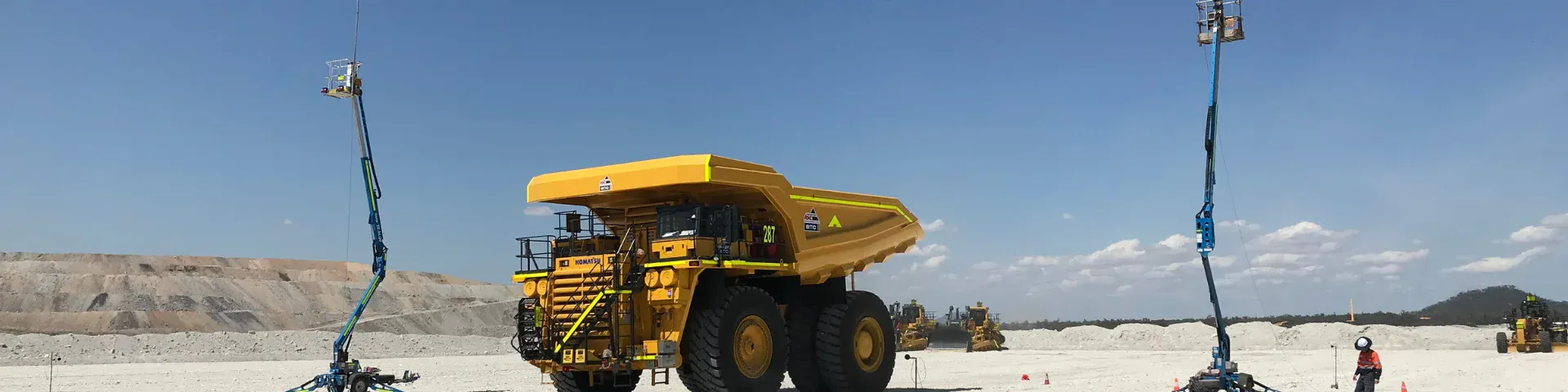
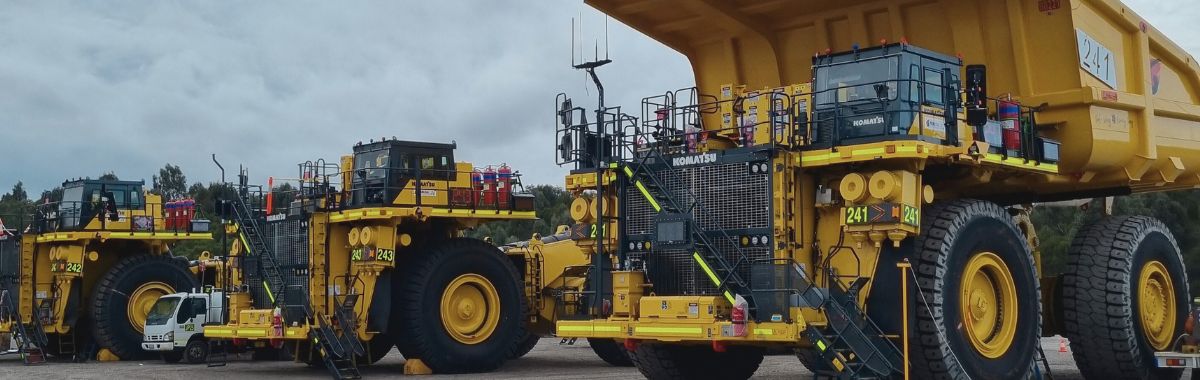
  1. Conformità normativa: Significative riduzioni del rumore garantiscono la conformità ai severi standard ambientali. Ad esempio, una miniera di carbone a cielo aperto della Glencore, utilizzando l'attenuazione acustica M-STEALTH per i carrelli Komatsu, ha ridotto il rumore da 124 dBA a 115 dBA, con una riduzione di 9 dBA. Ciò ha permesso agli autocarri di operare più vicino ai confini del sito, pur rimanendo conformi alle normative sul rumore, prolungando così le ore di lavoro.

  2. Maggiore sicurezza per i lavoratori: Un'efficace attenuazione del suono riduce il rischio di danni all'udito, un problema importante nelle miniere, dove le operazioni di estrazione del carbone devono far fronte a un elevato numero di richieste di risarcimento per sordità.

  3. Relazioni con la comunità: La riduzione del rumore riduce al minimo il disturbo per i residenti nelle vicinanze, favorendo i legami positivi con la comunità e sostenendo le pratiche sostenibili.

  4. Efficienza operativa: Il design leggero e chiavi in mano riduce i tempi di inattività durante l'installazione e la manutenzione, massimizzando la produttività.


Attenuazione del suono basata sui dati

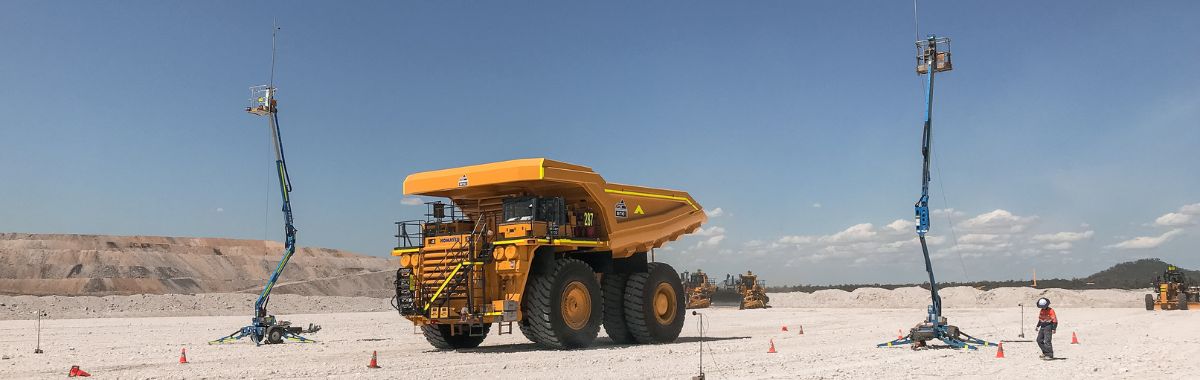
L'approccio di Minetek all'attenuazione del suono si basa sulla precisione dei dati. Utilizzando sensori e strumenti di misura avanzati, gli ingegneri acustici identificano e quantificano le fonti di rumore, consentendo strategie di attenuazione del suono mirate. Questa analisi dettagliata garantisce soluzioni su misura per il profilo acustico unico di ogni macchina. I test successivi all'installazione verificano l'efficacia dell'attenuazione acustica, confrontando i livelli di rumore prima e dopo per confermare le riduzioni e identificare le opportunità di ulteriore ottimizzazione. I nostri servizi completi di test di rumorosità comprendono la conformità alle norme ISO 6393/6395 e i test di esposizione dell'operatore, per garantire il rispetto dei requisiti acustici e offrire agli operatori la sicurezza di soddisfare gli standard normativi e comunitari in continua evoluzione.

Gruppo_immagini_nel_testo_02062024 (2)

Il futuro della gestione del rumore

Con l'evoluzione dell'industria mineraria, la gestione del rumore rimarrà una pietra miliare delle operazioni sostenibili. La tecnologia di attenuazione del suono M-STEALTH di Minetek rappresenta il futuro dell'attenuazione del rumore, combinando innovazione, precisione e impegno per la sicurezza e la conformità. Affrontando il rumore alla fonte, Minetek consente alle società minerarie di operare in modo efficiente, proteggere i lavoratori e mantenere relazioni positive con la comunità.

Siete pronti a trasformare la vostra strategia di gestione del rumore? Contatto Minetek per scoprire come la tecnologia di attenuazione del suono M-STEALTH possa garantire operazioni più silenziose, sicure e produttive per la vostra miniera.

Torna a notizie e approfondimenti

L'hub Minetek Mid-West è ora pienamente operativo.

Data di pubblicazione: 13 marzo 2025

Oggi Minetek, fornitore a livello mondiale di soluzioni per la gestione delle acque, la ventilazione sotterranea e la riduzione del rumore per i leader del settore minerario e industriale, ha annunciato l'apertura ufficiale del suo Mid-West Hub a Columbus, Ohio, USA.

Il nuovo Hub segnala l'intenzione di Minetek di continuare a crescere nelle regioni del Nord e del Sud America, dopo decenni di fornitura di soluzioni proattive e reattive in tutto il mondo.
Dallas Bird, amministratore delegato di Minetek, ha dichiarato: "Abbiamo investito molto per aumentare la nostra capacità nella regione, con tutti gli indicatori economici che indicano una domanda sostenuta nei settori chiave del Nord e del Sud America. I nostri clienti - nuovi ed esistenti - hanno capito che le nostre soluzioni per la gestione dell'acqua, la ventilazione sotterranea e l'attenuazione del suono li aiutano a raggiungere i loro obiettivi operativi immediati e quelli più ampi e a lungo termine di ESG e il nostro nuovo Mid-West Hub consolida ulteriormente la nostra posizione di attenzione al cliente 100%".

Jeff Southard, vicepresidente di Minetek per il Nord America, ha aggiunto: "La capacità di distribuire rapidamente le soluzioni è fondamentale per i clienti che serviamo e il nostro Mid-West Hub ci consente di rispondere rapidamente alle loro esigenze. Disponiamo già di un'ampia rete di vendite e di competenze di settore strategicamente posizionate negli Stati Uniti continentali, in aree quali California, Wisconsin, Oregon, Missouri, New Jersey e anche a Calgary, in Canada. Dopo la creazione di una nuova sede aziendale a Houston, in Texas, l'aggiunta del nuovo Hub rafforza la nostra capacità, sia in Nord che in Sud America, di aiutare i nostri clienti in modo più rapido ed efficiente che mai".

Rick Markham, Global Aftersales Manager di Minetek, ha sottolineato che "disponiamo di una rete completa di risorse a terra che supportano le operazioni in corso dei nostri clienti. Questa nuova ed estesa capacità di immagazzinare centralmente le scorte critiche per distribuirle dove e quando sono necessarie aiuterà i nostri clienti a rimanere in movimento, riducendo il potenziale impatto dei tempi di inattività e migliorando l'efficacia operativa complessiva".

Il Mid-West Hub è l'ultima aggiunta alla capacità globale di Minetek, con siti simili ora operativi a Perth, nell'Australia Occidentale, a supporto dei clienti minerari e industriali nei vasti campi auriferi e nella rete di operazioni minerarie metallifere dell'Australia. Il Centro di Eccellenza di Minetek, con sede a Sydney, in Australia, rimane il fulcro della produzione globale del gruppo.
Mentre i leader del settore minerario e industriale si sforzano di ottimizzare le loro operazioni sia in modo pianificato che in modo reattivo, con la continua domanda di materie prime minerarie nelle applicazioni tradizionali e la crescente necessità di elettrificazione dei minerali che continua ad aumentare, Minetek è ben posizionata per soddisfare questo aumento globale della domanda.

Informazioni su Minetek

Gestione innovativa dell'acqua per la conformità e la sostenibilità.

La gestione dell'acqua in eccesso è una delle sfide più grandi nelle miniere e nei contesti industriali più ampi. Minetek Water offre la tecnologia di evaporazione dell'acqua più completa e conveniente, progettata per garantire la conformità ambientale e ridurre al minimo i rischi operativi.

  • In grado di trattare diverse qualità di acqua, compresi i solidi fino a 4,0 mm.
  • Progettato per gestire livelli di pH da 1,8 a 14+, è efficace in condizioni industriali estreme.
  • Implementato con successo in oltre 700 progetti in tutto il mondo.

Ottimizzazione della ventilazione sotterranea.

Dal 1984, Minetek Air è all'avanguardia nelle soluzioni di gestione dell'aria progettate per migliorare la produttività, l'efficienza energetica e la riduzione dei costi nelle miniere sotterranee. Progettata per un controllo preciso del flusso d'aria, la tecnologia di ventilazione di Minetek aiuta le miniere:

  • Fornire aria dove e quando serve.
  • Ridurre il consumo energetico e le emissioni.
  • Garantire un ritorno sull'investimento.

Soluzioni di riduzione del rumore leader del settore.

La conformità alle normative sul rumore è essenziale per le attività minerarie e industriali. Minetek Sound offre una tecnologia di attenuazione del suono di livello mondiale, progettata per ridurre i rischi legati al rumore senza influire sulle prestazioni delle apparecchiature.

  • È dimostrato che riduce le emissioni acustiche fino a 50%.
  • Oltre 1.500 macchine attenuate in più di 90 modelli approvati dagli OEM.
  • Consente alle operazioni di ridurre efficacemente i rischi di conformità al rumore.

Per ulteriori informazioni su Minetek o sul Mid-West Hub, contatta il nostro team.

Torna a notizie e approfondimenti

Minetek’s 2025 Intake of Electrical and Mechanical Apprentices

Publish date: 11 Dicembre 2024

Minetek, a family-run Australian business known for its camaraderie and high performance, is excited to announce the 2025 intake of Electrical and Mechanical apprentices at our Manufacturing facility in Prestons, NSW. We are now accepting applications and invite aspiring young individuals and school leavers to join our dedicated team and fast-track their career goals through immersive on-the-job training combined with formal TAFE training.

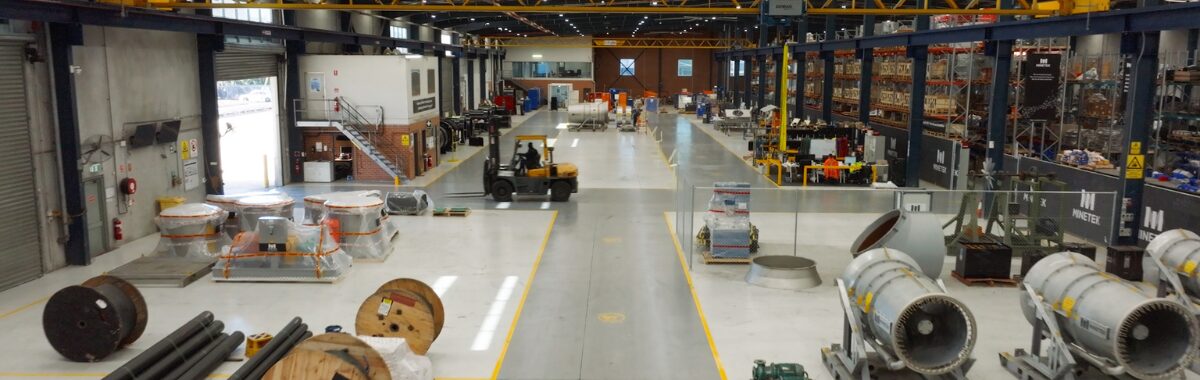
Prestons Warehouse

Informazioni su Minetek 

At Minetek, we are committed to supporting the development of our team members, offering a unique blend of professional and personal growth opportunities. Our small but dedicated team thrives on a culture of innovation and consistently delivering exceptional results for our stakeholders. We believe in fostering a future-focused environment where creativity and forward-thinking are celebrated. 

The Apprenticeship Program 

Our Apprenticeship Program is designed to introduce a new generation to the high-performing world of technology and manufacturing. Apprentices will gain hands-on experience across various mechanical and electrical disciplines, providing a comprehensive understanding of potential career paths. Participants will benefit from rotations in engineering, production, and testing, ensuring they receive a well-rounded education. 

With an above-award wage, the program not only accelerates learning and development but is an ideal opportunity for those with a clear vision of their future career goals. 

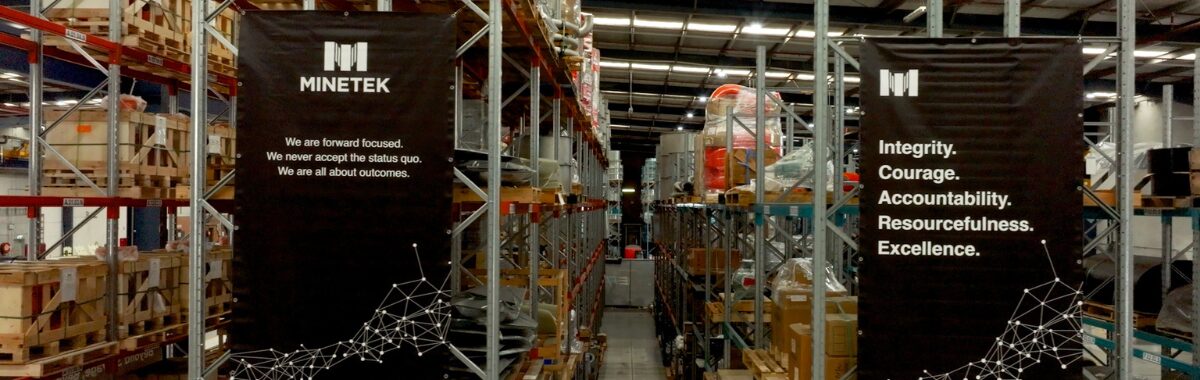
Minetek Values

Electrical Apprenticeship Program 

The Electrical Apprenticeship Program at Minetek offers a robust career pathway for school leavers. This three-year program combines on-the-job training with mandatory electrical trade schooling at TAFE, ensuring apprentices gain invaluable hands-on experience that is unattainable in a classroom alone. 

A significant component of the electrical apprenticeship is the completion of a Certificate III in Electrotechnology. This qualification equips students with the practical skills and theoretical knowledge necessary to work safely with electrical systems. It encompasses competencies in selecting, installing, setting up, testing, fault finding, repairing, and maintaining electrical systems and equipment in buildings and premises. Additionally, it includes the ERAC requirements for an ‘Electrician’s licence’. 

Minetek covers all educational expenses for our apprentices, providing them with the financial freedom to focus entirely on their learning and development. Upon successful completion of their electrical apprenticeship, there is an opportunity for future employment within our organisation. 

2025 Apprenticeship Intake - Website Images (1)

Mechanical Apprenticeship Program 

The Mechanical Apprenticeship Program at Minetek is a fantastic opportunity for individuals aiming to pursue a career in engineering or mechanics. Over three years, apprentices will work alongside experienced engineering and mechanical tradesmen within the metal, engineering, and manufacturing industries. This program also includes mandatory trade schooling at TAFE, ensuring a comprehensive educational experience. 

A key element of the mechanical apprenticeship is the completion of a Certificate III in Mechanical Engineering. This qualification imparts the practical skills and theoretical knowledge required for a broad range of mechanical trade work. Apprentices will learn to undertake fitting, assembly, manufacture, installation, modification, testing, fault finding, maintenance, and service of mechanical equipment and machinery. They will also gain proficiency in using machine tools. 

Minetek’s career apprenticeship program covers all educational costs, and successful completion opens the door to potential ongoing employment within our dynamic team. 

Why Choose Minetek? 

Choosing Minetek means joining a team that values each member’s contributions and fosters an environment of mutual respect and support. Our high-performance culture is driven by innovation and a relentless pursuit of excellence. As an apprentice at Minetek, you will not only gain technical skills but also develop personally and professionally, preparing you for a successful career in the industry. 

Minetek’s 2025 intake of Electrical and Mechanical apprentices is a unique opportunity for young individuals and school leavers to embark on a rewarding career path. With a strong focus on hands-on experience, formal training, and a supportive team environment, our apprenticeship program is designed to equip you with the skills and knowledge needed to succeed in the technology and manufacturing industries. Join us at Minetek and be part of a future-focused, innovative team that is committed to excellence and growth. 

Apply now and take the first step towards a promising career with Minetek. Simply submit your resume and cover letter here. Should you have any questions, feel free to reach out to Minetek’s People and Culture team via [email protected]. Applications close at 5pm on Monday the 13th of January 2025. 

Torna a notizie e approfondimenti

L'impatto dell'inverno sull'inquinamento acustico delle miniere

Data di pubblicazione: 22 ottobre 2024

Con l'arrivo dell'autunno australiano, è fondamentale riflettere sulle sfide dell'inverno appena trascorso e iniziare a prepararsi per il prossimo. L'Australia ha appena vissuto una stagione insolitamente fredda, con temperature che si sono abbassate di circa cinque gradi sotto la media. Si prevede che modelli meteorologici simili interesseranno l'emisfero settentrionale nei prossimi mesi.

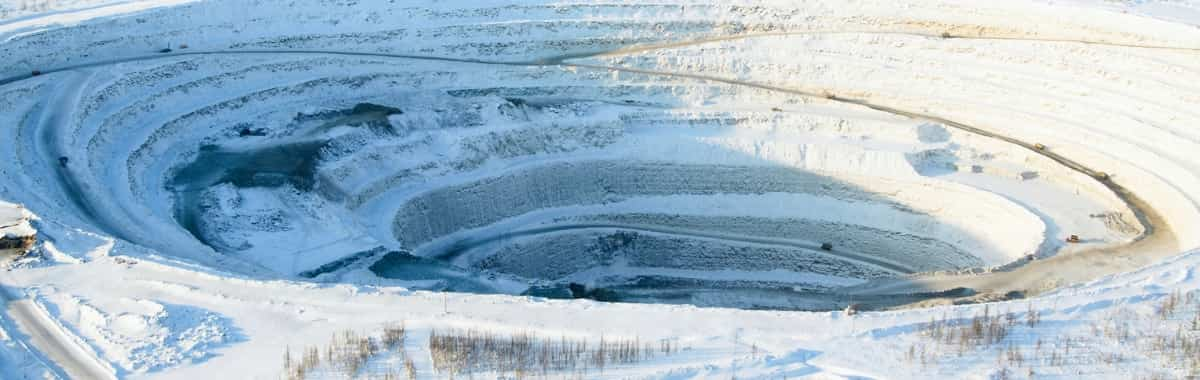
Il freddo, combinato con neve e ghiaccio, pone diverse sfide all'industria mineraria. Sono comuni i malfunzionamenti dei macchinari, i ritardi operativi e l'aumento delle esigenze di manutenzione, tutti fattori che fanno lievitare i costi operativi e ostacolano la produttività. Tuttavia, una conseguenza spesso trascurata delle condizioni invernali è il modo in cui le temperature fredde influenzare il rumore dalle attrezzature minerarie, facendole viaggiare più a lungo.

La mia coperta di neve

Come il freddo amplifica il rumore nelle operazioni minerarie

L'aria fredda, soprattutto in inverno, modifica il modo in cui il suono viaggia. Le temperature più basse aumentano la densità dell'aria, consentendo alle onde sonore di propagarsi più a lungo di quanto farebbero in condizioni più calde. Per le macchine da miniera, questo può significare un aumento significativo dei livelli di rumore, che ha una serie di effetti sia all'interno della miniera che sulla comunità circostante.

Implicazioni per le società minerarie a livello globale
  1. Impatto sulle comunità vicine
    L'aumento dell'inquinamento acustico durante i mesi freddi può disturbare notevolmente le comunità vicine ai siti minerari. Non si tratta solo di una questione di disagi: può portare a problemi di salute, come un aumento dello stress e dei disturbi del sonno. Il freddo amplifica le operazioni già rumorose e i residenti possono vedere diminuire la loro qualità di vita a causa dell'interruzione delle comunicazioni, delle attività quotidiane e del tempo libero.
  2. Reclami in aumento
    Poiché il rumore diventa più evidente in inverno, è probabile che le compagnie minerarie registrino un aumento dei reclami legati al rumore. Per gestire queste lamentele in modo efficiente, le compagnie minerarie dovranno destinare risorse aggiuntive al coinvolgimento delle comunità e alla risoluzione dei reclami. La mancata gestione di questi problemi può danneggiare la reputazione dell'azienda e mettere a dura prova i rapporti con le comunità locali.
  3. Sfide normative
    Le società minerarie devono rispettare rigorose normative in materia di rumore e l'amplificazione dei livelli di rumore durante la stagione fredda aumenta il rischio di violazione di tali norme. La mancata conformità può portare a multe, contestazioni legali e restrizioni operative, complicando ulteriormente l'attività.
  4. Impatto ambientale
    L'aumento dei livelli di rumore non riguarda solo gli esseri umani, ma disturba anche la fauna e gli ecosistemi locali. Molti animali si affidano ad ambienti silenziosi per comunicare, cacciare e riprodursi. Un rumore eccessivo può costringerli ad abbandonare i loro habitat, con conseguente riduzione della biodiversità e alterazione degli ecosistemi. In combinazione con altri stress ambientali derivanti dall'attività estrattiva, ciò può provocare danni ecologici a lungo termine.

Prepararsi alle sfide del freddo e del rumore

Le società minerarie devono affrontare in modo proattivo queste sfide stagionali legate al rumore, adottando misure per garantire la conformità alle normative e l'armonia della comunità. Il freddo invernale ci ricorda l'interconnessione tra le condizioni meteorologiche e le operazioni minerarie, sottolineando la necessità di pratiche resilienti e adattive.

Soluzioni audio Minetek

Minetek è riconosciuta a livello mondiale per le sue innovative tecnologie di soppressione del suono e riduzione del rumore, studiate appositamente per gli ambienti minerari. Le nostre soluzioni di produzione australiana sono riuscite a ridurre il rumore di oltre 1.200 macchine da miniera e di oltre 90 modelli approvati dagli OEM.

I nostri sistemi modulari sono progettati per fornire una riduzione del rumore fino a 50%, garantendo la conformità agli standard normativi e alle aspettative della comunità, anche in condizioni climatiche estreme. Che si tratti di sole, neve o pioggia, le soluzioni Minetek proteggono l'ambiente, salvaguardano il benessere dei lavoratori e riducono al minimo l'impatto delle attività estrattive sulle comunità vicine.

Il nostro impegno per l'innovazione ci spinge a creare pratiche minerarie più sicure e sostenibili, indipendentemente dalla stagione.

La mia coperta di neve