Vai al contenuto principale
Contatto
Torna a notizie e approfondimenti

Il ruolo dell'automazione nella moderna ventilazione mineraria

Data di pubblicazione: 4 ottobre 2024
L'automazione è alla guida dell'innovazione, migliorando l'efficienza, la sicurezza e la produttività in diversi settori. Copre un ampio spettro di tecnologie, come la robotica, l'intelligenza artificiale e i sistemi di controllo avanzati, che stanno trasformando i flussi di lavoro e i modelli operativi tradizionali. Riducendo il coinvolgimento dell'uomo in compiti ripetitivi, pericolosi e precisi, l'automazione aumenta la produttività e riduce notevolmente le possibilità di incidenti ed errori.

L'industria mineraria, in particolare, può trarre grandi benefici dall'automazione per affrontare questi rischi. I sistemi automatizzati, soprattutto per quanto riguarda la ventilazione dell'aria, sono fondamentali per migliorare la sicurezza nelle miniere, un settore che, pur essendo essenziale, rimane altamente pericoloso.

Ventilatore sotterraneo

Importanza della ventilazione nelle miniere sotterranee

Una ventilazione dell'aria pulita e affidabile è fondamentale per mantenere la salute e la sicurezza dei minatori nelle miniere sotterranee. Le operazioni minerarie spesso rilasciano gas pericolosi come il metano e il monossido di carbonio che, se non gestiti in modo efficace, possono comportare seri rischi. Il metano è altamente infiammabile e può causare esplosioni, mentre il monossido di carbonio, un gas incolore e inodore, può causare avvelenamento o morte in caso di esposizione prolungata. Sistemi di ventilazione efficaci sono essenziali per diluire ed eliminare questi gas pericolosi, prevenirne l'accumulo e garantire un ambiente di lavoro sicuro.

La polvere generata durante l'estrazione mineraria può anche comportare rischi significativi per la salute dei lavoratori se inalata nel tempo. Per esempio, la polvere di silice può causare la silicosi, una grave malattia polmonare. Una corretta ventilazione controlla i livelli di polvere, riducendo il rischio di problemi respiratori tra i minatori.

La regolazione della temperatura è un altro fattore critico per la sicurezza in miniera. Le miniere più profonde tendono ad avere temperature più elevate, che possono portare a stress da calore o a colpi di calore. I sistemi di ventilazione aiutano a gestire queste temperature portando aria più fresca dalla superficie ed espellendo l'aria calda dall'interno della miniera.

L'automazione dei sistemi di ventilazione può migliorare notevolmente la gestione della qualità dell'aria e della temperatura nelle miniere, rendendo l'ambiente più sicuro per i minatori. I sistemi automatizzati possono regolare la ventilazione in tempo reale in base alle mutevoli condizioni all'interno della miniera, garantendo condizioni di lavoro ottimali e riducendo il consumo energetico grazie al funzionamento solo quando necessario.
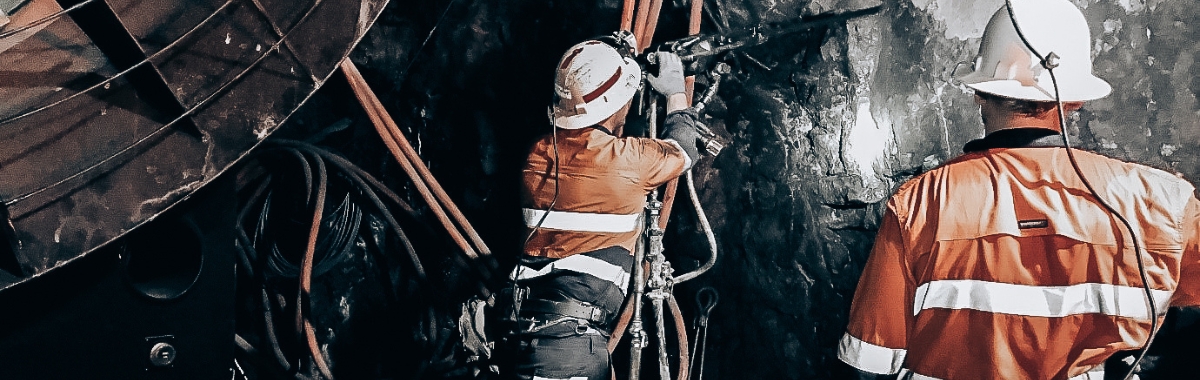
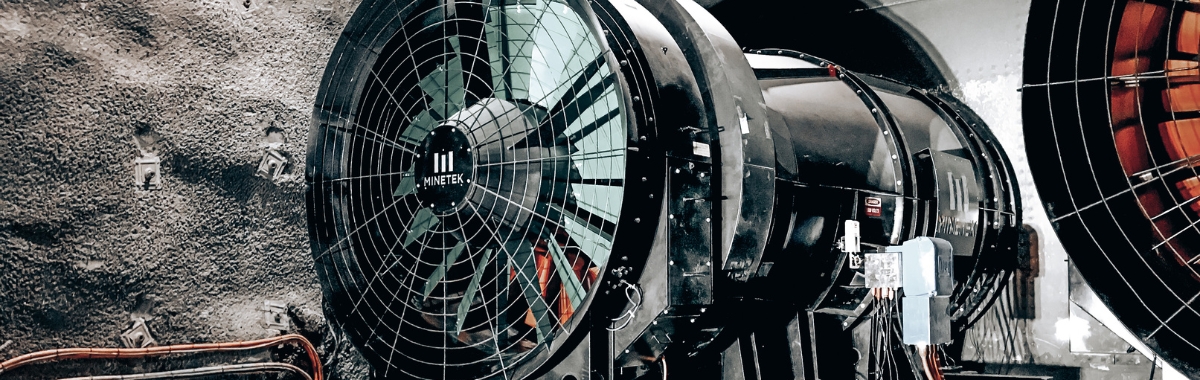
Il team aria di Minetek installa un ventilatore assiale HO in una miniera sotterranea

Soluzioni di ventilazione all'avanguardia di Minetek Air

Da anni la tecnologia è fondamentale per migliorare le operazioni minerarie e garantire aria pulita. Tuttavia, i sistemi di ventilazione tradizionali spesso non hanno l'adattabilità e l'efficienza richieste dalle miniere moderne. Minetek Air affronta queste sfide con i suoi ventilatori avanzati, progettati per migliorare la qualità dell'aria e aumentare l'efficienza della ventilazione.

Dal 1984, Minetek Air fornisce soluzioni innovative e modulari per la gestione dell'aria, studiate su misura per le miniere sotterranee. La nostra gamma di ventilazione di livello mondiale è in grado di aumentare la produttività e ridurre i costi operativi, offrendo al contempo la flessibilità necessaria per fornire aria esattamente quando e dove serve.
Tecnologia Performance On Demand (POD)

Con l'aumento dei costi energetici e la crescente enfasi sulla conservazione dell'energia, le società minerarie stanno esaminando sempre più spesso le loro attività alla ricerca di potenziali risparmi. I sistemi di ventilazione, in particolare nelle miniere profonde, rappresentano una quota sostanziale del consumo energetico, tipicamente tra 42% e 49% dei costi energetici totali delle miniere. L'avanzato sistema di ventilazione mineraria di Minetek sta rivoluzionando il modo in cui le società minerarie operano, riducendo gli sprechi di energia grazie alla capacità di regolare automaticamente il volume d'aria richiesto per qualsiasi voce specifica.

La funzione POD è progettata per massimizzare il ritorno sull'investimento. A differenza dei sistemi tradizionali che funzionano costantemente a pieno regime, la tecnologia POD di Minetek regola dinamicamente la potenza, la pressione e le prestazioni per soddisfare le esigenze esatte della miniera, senza ricorrere ai controlli del variatore di velocità (VSD). Questa gestione precisa del flusso d'aria riduce significativamente i costi energetici mantenendo un'elevata efficienza.


Condotti d'aria lunghi Minetek

Sistema di controllo dell'aria di mina (MAC)

Integrato con la tecnologia Performance On Demand (POD) della gamma di ventilatori Minetek, il sistema Controllo aereo delle mine (MAC) Il sistema regola automaticamente il flusso d'aria in base alle esigenze in tempo reale. Molte miniere sono tenute a monitorare e gestire i livelli di inquinanti atmosferici nell'ambito delle autorizzazioni allo sviluppo e delle licenze di protezione ambientale rilasciate dall'EPA. Il sistema MAC di Minetek aiuta a garantire la conformità fornendo un controllo preciso e la segnalazione della qualità dell'aria.

Il controllore computerizzato del sistema MAC gestisce dinamicamente il flusso d'aria, da un flusso minimo nei periodi di bassa attività a una capacità più che doppia rispetto ai tradizionali ventilatori assiali a pale durante i picchi di richiesta. Questa capacità di controllare la ventilazione ad alta pressione dalla superficie consente di rimuovere rapidamente i gas o le polveri, garantendo un rientro più rapido e sicuro nella miniera.

Conclusione

La tecnologia avanzata di Minetek garantisce l'erogazione della quantità ottimale di aria in tempo reale, mantenendo un ambiente sicuro e stabile per i minatori in ogni momento. Questo livello di automazione non solo migliora la sicurezza, ma aumenta anche l'efficienza operativa, riducendo i tempi di inattività e consentendo un rientro più rapido dopo le attività di brillamento.

Dal punto di vista finanziario, i sistemi di ventilazione adattativa di Minetek offrono notevoli vantaggi in termini di costi. I sistemi tradizionali spesso funzionano a capacità costante, con conseguente consumo inutile di energia e costi più elevati. Al contrario, il sistema di Minetek regola la potenza e le prestazioni in base alle richieste in tempo reale della miniera, riducendo il consumo energetico e i costi. Questa gestione intelligente si traduce in una riduzione delle bollette energetiche, fondamentale dal momento che la ventilazione è una componente importante delle spese energetiche di una miniera. Inoltre, la riduzione delle sollecitazioni sulle apparecchiature di ventilazione può diminuire i costi di manutenzione e prolungare la durata delle apparecchiature.

Se state cercando di migliorare l'efficienza operativa della vostra miniera sotterranea con sistemi di ventilazione avanzati, contattate oggi stesso il nostro team Air per scoprire come le nostre soluzioni innovative possono soddisfare le vostre esigenze.
Contatto | Per saperne di più sulle nostre soluzioni

Torna a notizie e approfondimenti

Advancing Municipal Wastewater Management in the Middle East

Data di pubblicazione: 4 ottobre 2024
Wastewater treatment is critically important in the Middle East due to the region’s limited freshwater resources and rapidly growing population. The issues of water scarcity and population expansion are further intensified by significant urbanisation and industrialisation. In response, several Middle Eastern countries have implemented extensive wastewater treatment programmes. These efforts not only promote sustainable water use, environmental protection, and circular economy practices but also have the potential to transform water resource management in the region, providing hope amidst the challenges of water scarcity.

Jordan stands out as a leader in wastewater treatment innovation. The As-Samra wastewater treatment plant, which serves 65% of Jordan’s population, is a notable example. The facility is capable of generating 80% of its energy needs through biogas and hydropower. The treated wastewater is directed into the King Abdullah Canal, contributing over 100 million cubic metres of reclaimed water to support the scarce water supplies for farmers in the Jordan Valley. Initially, farmers were reluctant to use treated wastewater; however, integrating it with existing agricultural water sources proved effective.

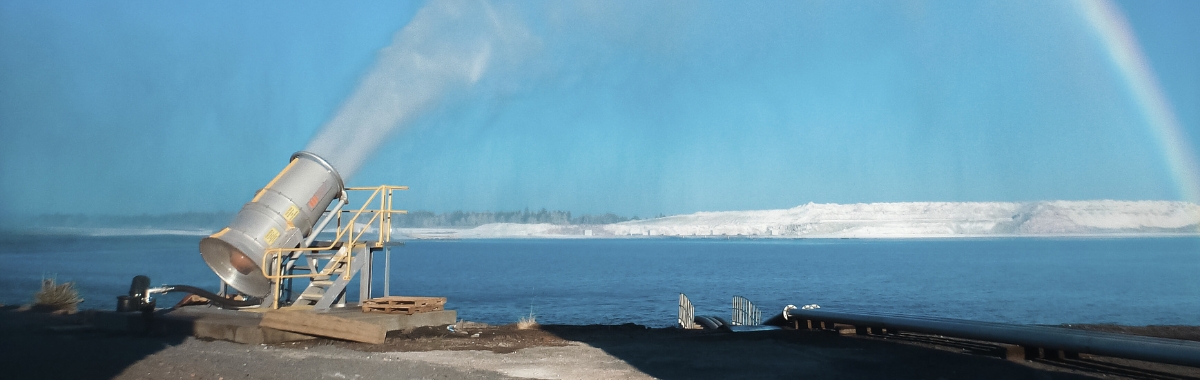
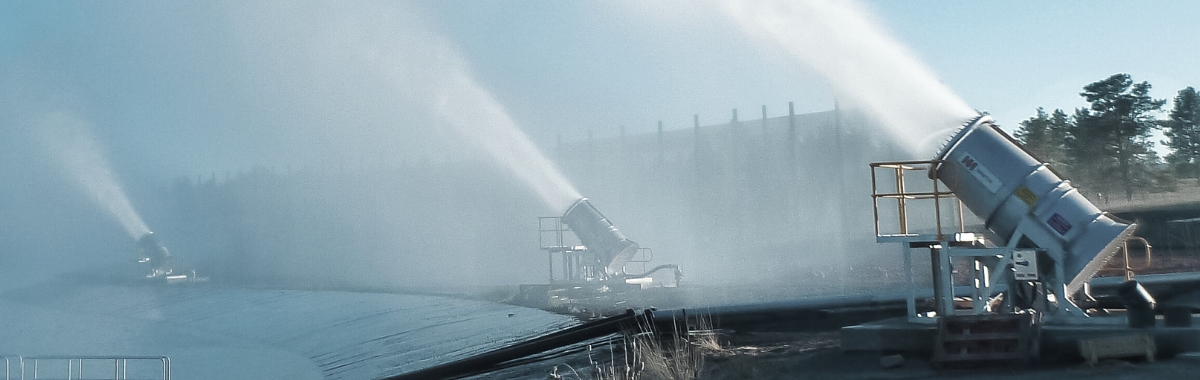
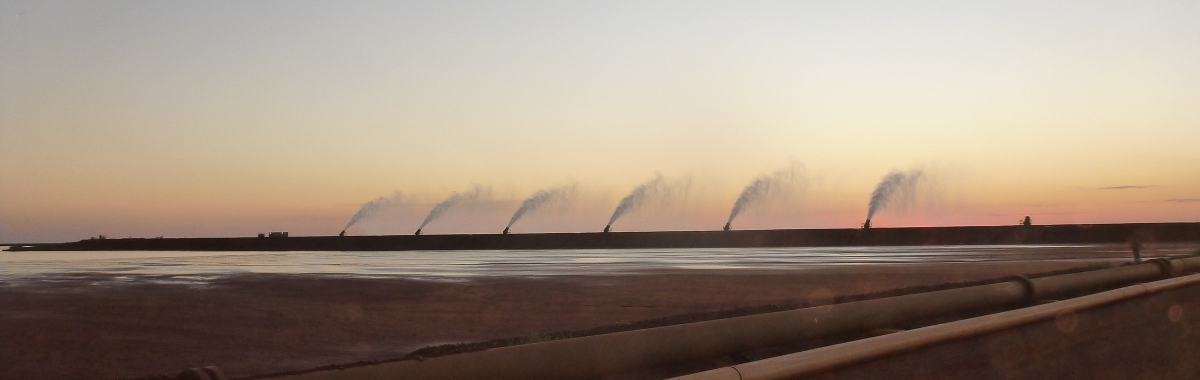
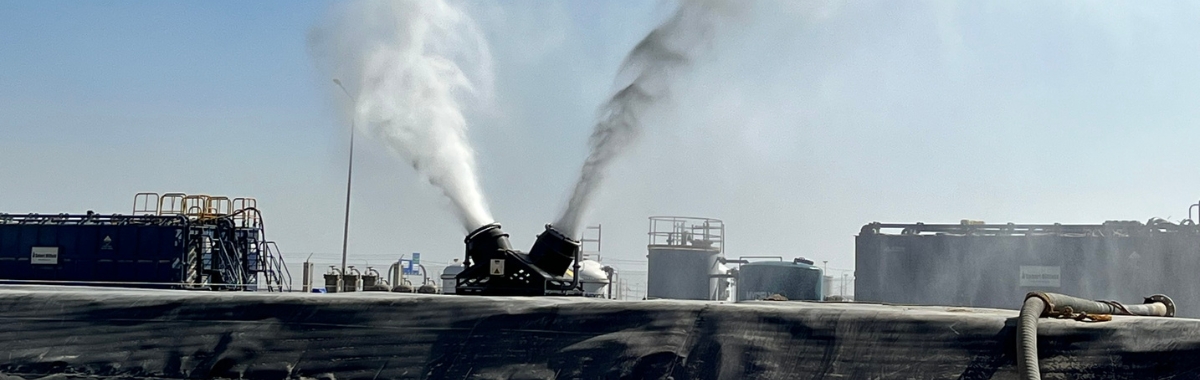
Evaporatori d'acqua Minetek

Investment in Wastewater Treatment Initiatives in the Middle East

In recent years, the Middle East has demonstrated a strong commitment to enhancing its wastewater treatment capabilities and modernising its infrastructure. This surge in investment highlights the region’s determination to tackle its water management challenges. Governments and municipalities have initiated ambitious projects to expand treatment capacities and boost operational efficiency. Despite persistent challenges, these coordinated efforts reflect the region’s unwavering focus on improving wastewater management, offering a promising outlook for the future of water management in the Middle East.

A major challenge is the high energy consumption and associated costs required to operate advanced wastewater treatment processes. While these processes are essential for meeting stringent environmental standards, they require significant energy, placing financial strain on municipalities and utilities.

Another critical issue is the effective management of by-products generated during wastewater treatment, such as sludge and treated effluent. Proper disposal or beneficial reuse of these materials is essential to prevent environmental contamination and to maximise resource recovery. Developing sustainable strategies for handling and utilising these by-products is a complex task that demands continuous innovation and investment, and it remains a key aspect of the wastewater treatment process.

In-text Images (33)

Minetek’s Contribution to Advancing Sustainable Water Management Practices

A Acqua Minetek, we are dedicated to delivering the industry’s most comprehensive and cost-efficient range of mechanical water evaporation and water quality management technologies. Our solutions are specifically designed to minimise risks and ensure compliance with regulatory standards, enabling operators to focus on maximising production and profitability while meeting rigorous environmental objectives. With our mobile and adaptable systems, we have demonstrated effectiveness in some of the world’s most challenging industrial environments, reinforcing our reputation as a trusted partner in sustainable water management.

At the core of our solutions are Minetek’s advanced water evaporation systems, which provide adaptable options for both immediate and long-term management of water by-product quality. Whether dealing with acidic, saline, or caustic water issues across various industrial sectors, our technologies empower industries to enhance operational efficiency while fulfilling their environmental responsibilities. Choosing Minetek allows businesses not only to optimise their water management approaches but also to support sustainable resource use, establishing themselves as leaders in responsible industrial practices.

Contatto | Per saperne di più sulle nostre soluzioni

Torna a notizie e approfondimenti

Understanding the New Regulations and Innovations in Coal Ash Pond Management for Power Plants

Publish date: 12 Settembre 2024

Earlier this year, the Environmental Protection Agency (EPA) took significant steps to safeguard public health by finalising a crucial update to the Coal Combustion Residuals (CCR) Rule. This landmark ruling, which was long overdue, aims to address a pressing environmental concern: the vast quantities of toxic coal ash stored in outdated landfills and ponds throughout the United States. Previously exempt from stringent federal oversight, these repositories of coal ash posed significant risks to nearby communities and ecosystems. The urgency of these new regulations cannot be overstated.

The revised CCR Rule marks a critical shift in the regulatory approach. It extends federal standards to include not only active landfills but also older, decommissioned sites and legacy ponds at retired power plants. This expansion is crucial as it acknowledges the ongoing environmental impact of these ageing facilities, many of which were initially exempt from rigorous regulatory scrutiny.

Legacy coal ash ponds and landfills can be found across the United States. In Georgia alone, 19 such sites were previously excluded from federal regulations but are now mandated to comply with the CCR rule. This requirement ensures that these sites, once considered closed or inactive, are brought up to current environmental standards. Such regulatory oversight is essential for mitigating the risks associated with coal ash, a byproduct known to contain hazardous pollutants, metals, carcinogens, and neurotoxins left behind when power companies burn coal for energy.

Legacy coal ash ponds and landfills across the U.S. are now under federal scrutiny to prevent hazardous pollution and protect nearby communities.

Often, utilities dispose of coal ash by depositing it in unlined ponds, landfills, and mines, where toxic pollutants such as mercury, lead, and arsenic can leak into groundwater. These pollutants have been linked to serious health issues, including cancer, heart disease, thyroid disease, reproductive problems, and neurological damage in children, reinforcing the need for power plants to adopt comprehensive pollution control measures and embrace state-of-the-art technologies to manage coal ash disposal effectively.

The implementation of the new coal ash rule was accompanied by three additional regulations focused on reducing emissions from power plants:

  • Limiting carbon emissions from coal and new gas plants.

  • Strengthening wastewater treatment requirements for coal facilities.

  • Improving standards for air emissions of mercury and other toxic pollutants from coal and oil-fired power plants.

By enforcing these new standards, the EPA seeks to prevent further contamination of groundwater, surface water, and soil from leaching coal ash. This proactive measure not only safeguards public health but also aims to restore and protect ecosystems that have been adversely affected by decades of unregulated coal ash disposal.

Minetek’s Advanced Dewatering Solutions for Coal Ash Pond Management

Power plants across the United States, particularly those in the Southeastern USA, where many of these ponds are located, face a critical mandate to adopt advanced technologies and practices to comply with updated environmental regulations.

Minetek, a leading provider of innovative solutions for industrial water management and environmental remediation, plays a critical role in assisting these power plants. One of the key challenges addressed by Minetek is the dewatering of coal ash ponds. This process is essential for the eventual closure and capping of ash pond impoundments, a critical step towards reducing the environmental impact and potential risks posed by these ageing facilities. With Minetek’s advanced dewatering solutions, power plants can look forward to a future with significantly reduced environmental risks and improved compliance with environmental regulations.

Minetek provides power plants with efficient and affordable dewatering solutions, reducing the financial burden of traditional water treatment.

Coal ash ponds typically contain significant volumes of water mixed with ash residues, which can leach harmful pollutants into groundwater if not properly managed. Minetek specialises in advanced dewatering technologies that efficiently separate water from solid residues, facilitating the safe handling and disposal of ash material in compliance with regulatory standards. By partnering with Minetek, power plants can achieve effective ash pond closure and rehabilitation, thereby minimising ongoing environmental risks and ensuring long-term compliance with environmental regulations.

Minetek has a renewed opportunity to assist power plants (predominantly located in Southeastern USA) with ash pond dewatering for eventual closure and capping and rehab of their coal ash pond impoundment. These plants currently use water treatment, which is an extremely expensive solution.

Even more importantly, Minetek’s solutions offer a cost-effective alternative to traditional water treatment methods currently used by many power plants. While effective, these methods can be financially burdensome due to ongoing operational costs and the complexity of treating large volumes of contaminated water. Minetek’s technology streamlines the dewatering process, reducing the overall cost and environmental footprint associated with ash pond management. This cost-effectiveness should provide power plants with the reassurance that their financial investment in Minetek’s solutions will yield significant long-term benefits.

We take pride in pioneering the world’s most cost-effective mechanical evaporation technology solutions. These solutions empower power plants to achieve operational excellence across diverse and demanding operating environments while significantly reducing environmental impact and operational costs.

Power Plants’ Sustainable Future

With these new regulations and the increasing scrutiny on environmental compliance, power plants across the United States need to prioritise investments in sustainable technologies and practices. This includes adopting advanced solutions like Minetek’s efficient dewatering technologies for coal ash pond management. These technologies not only ensure compliance with stringent environmental standards but also offer a cost-effective approach to mitigate risks associated with coal ash disposal.

As the regulatory landscape evolves, proactive adaptation to these standards will be crucial for power plants to maintain operational efficiency, minimise environmental liabilities, and demonstrate leadership in sustainable energy practices.

CCR PDF Download