Contact Us
Return to news & insights

The Role of Automation in Modern Mining Ventilation

Publish date: 4 October 2024
Automation leads the way in innovation, enhancing efficiency, safety, and productivity across multiple industries. It covers a broad spectrum of technologies, such as robotics, artificial intelligence, and advanced control systems, which are transforming traditional workflows and operational models. By reducing human involvement in repetitive, dangerous, and precise tasks, automation boosts productivity while greatly lowering the chances of accidents and mistakes.

The mining industry, in particular, can greatly benefit from automation to address these risks. Automated systems, especially in air ventilation, are crucial for enhancing safety in mining, a field that, while essential, remains highly dangerous.

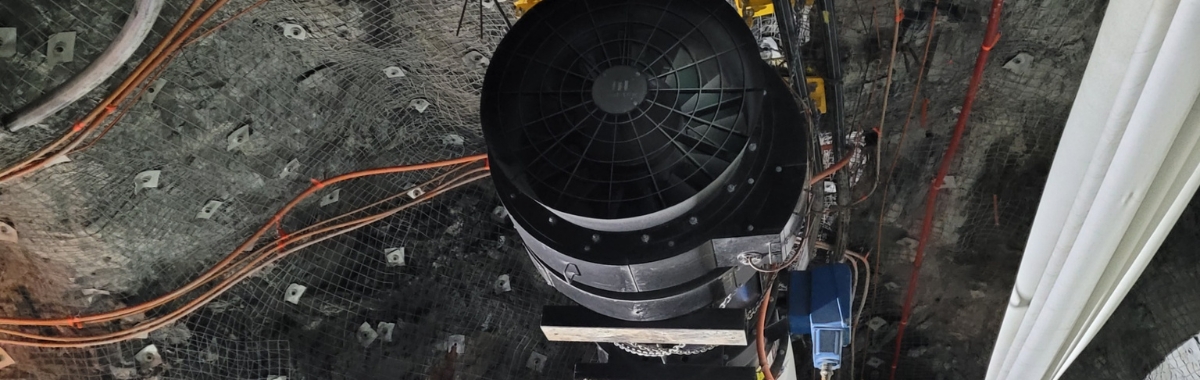
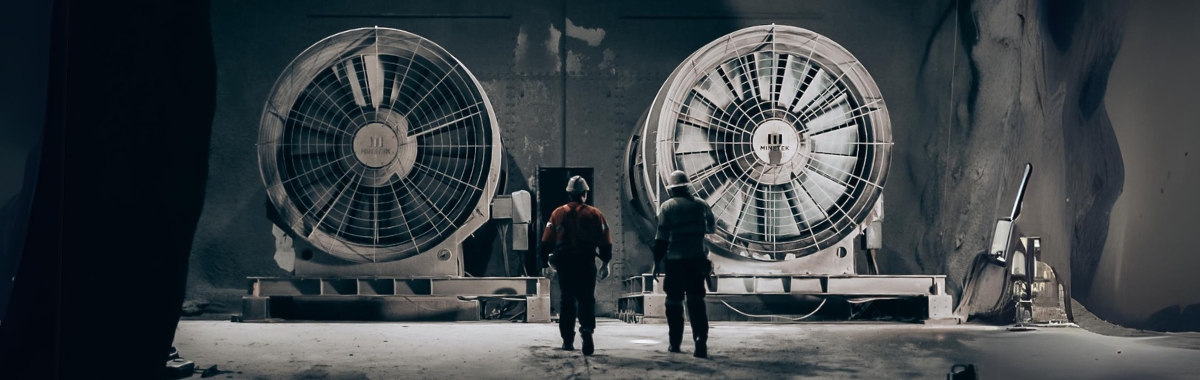
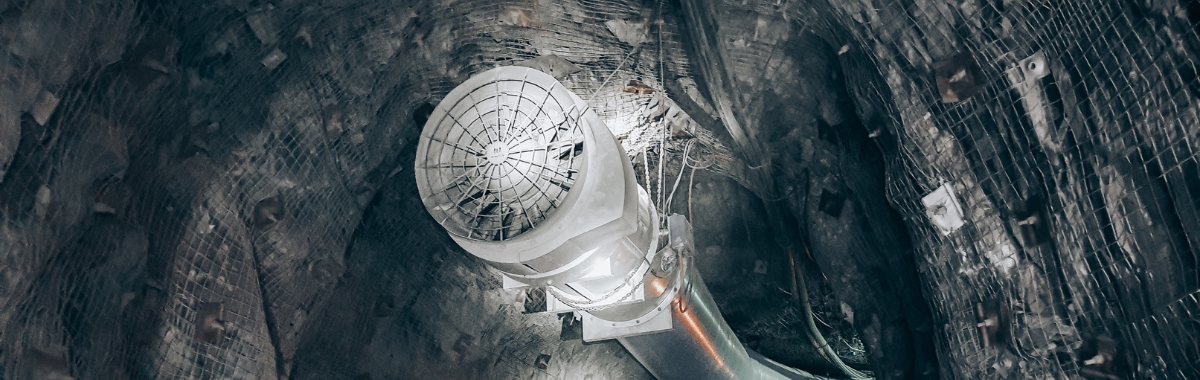
Underground ventilation fan

Importance of Air Ventilation in Underground Mines

Clean, reliable air ventilation is crucial for maintaining the health and safety of miners in underground mines. Mining operations often release hazardous gases like methane and carbon monoxide, which, if not effectively managed, can pose serious risks. Methane is highly flammable and can cause explosions, while carbon monoxide, a colourless and odourless gas, can lead to poisoning or death with prolonged exposure. Effective ventilation systems are essential for diluting and removing these dangerous gases, preventing their buildup, and ensuring a safe working environment.

Dust generated during mining can also pose significant health risks to workers if inhaled over time. For instance, silica dust can cause silicosis, a serious lung disease. Proper ventilation controls dust levels, reducing the risk of respiratory issues among miners.

Temperature regulation is another critical factor in mine safety. Deeper mines tend to have higher temperatures, which can lead to heat stress or heat stroke. Ventilation systems help manage these temperatures by bringing in cooler air from the surface and expelling hot air from inside the mine.

Automating ventilation systems can greatly enhance the management of air quality and temperature in mines, leading to a safer environment for miners. Automated systems can adjust ventilation in real time based on changing conditions within the mine, ensuring optimal working conditions and reducing energy consumption by operating only when necessary.

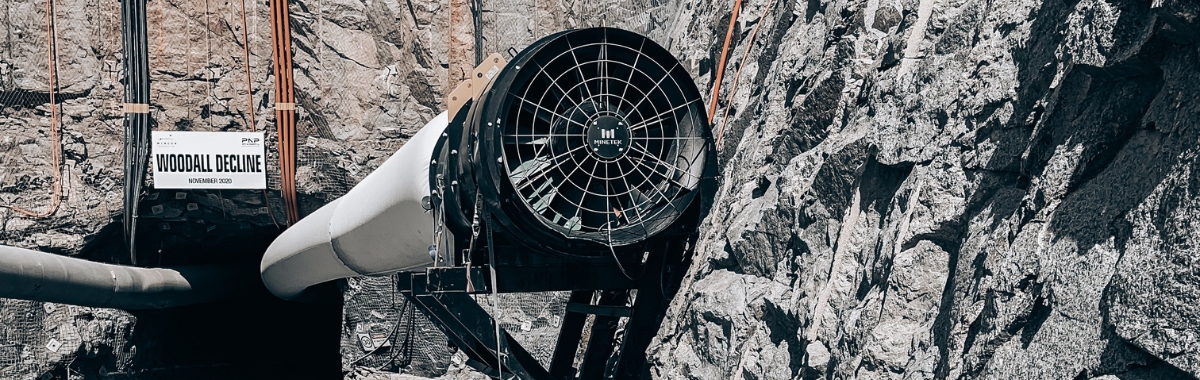
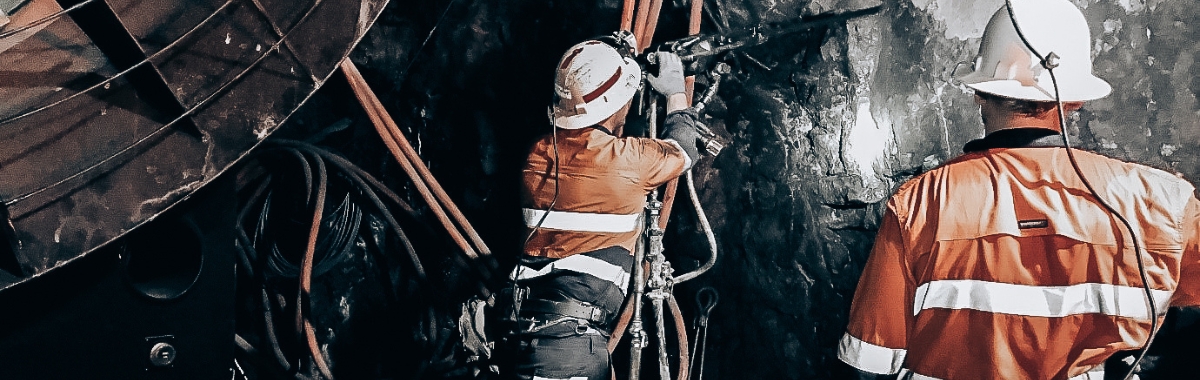
Minetek air team installing HO Axial fan in underground mine

Minetek Air’s Cutting-Edge Ventilation Solutions

Technology has been pivotal in enhancing mining operations and ensuring clean air for years. However, traditional ventilation systems often lack the adaptability and efficiency that modern mines demand. Minetek Air addresses these challenges with its advanced ventilation fans, engineered to enhance air quality and boost ventilation efficiency.

Since 1984, Minetek Air has provided innovative, modular air management solutions tailored for underground mining. Our world-class ventilation range is proven to increase productivity and lower operating costs, all while offering the flexibility to deliver air exactly when and where it’s needed.

Performance On Demand (POD) Technology

With rising energy costs and a growing emphasis on energy conservation, mining companies are increasingly examining their operations for potential savings. Ventilation systems, particularly in deep mines, account for a substantial share of energy consumption—typically between 42% and 49% of total mining energy costs. Minetek’s advanced mine ventilation system is revolutionising how mining companies operate by reducing power wastage through its ability to automatically adjust the air volume required for any specific heading.

The POD feature is designed to maximise return on investment. Unlike traditional systems that run at full capacity constantly, Minetek’s POD technology dynamically adjusts power, pressure, and performance to meet the mine’s exact needs without relying on Variable Speed Drive (VSD) controls. This precise management of airflow significantly cuts energy costs while maintaining high efficiency.


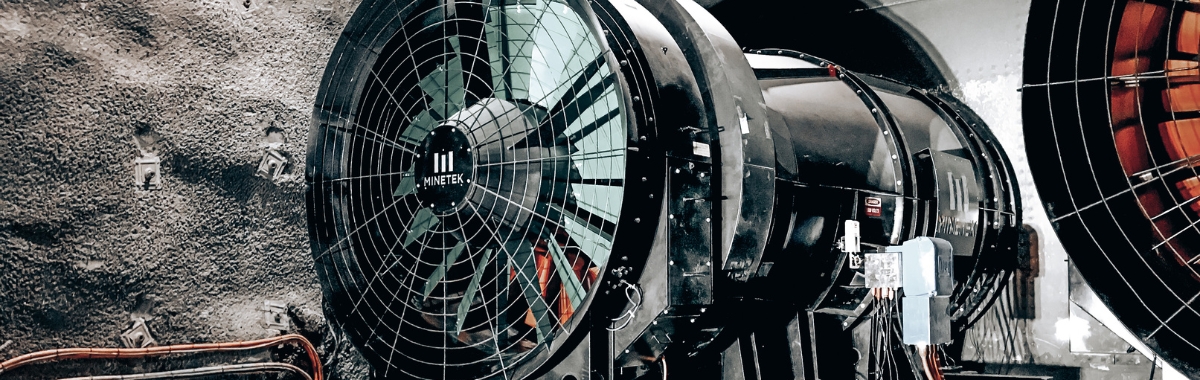
Minetek air long duct runs

Mine Air Control (MAC) System

Integrated with the Performance On Demand (POD) technology in Minetek’s fan range, the Mine Air Control (MAC) system automatically adjusts airflow based on real-time needs. Many mines are required to monitor and manage air pollutant levels as part of their development approvals and environmental protection licenses issued by the EPA. Minetek’s MAC system helps ensure compliance by providing precise control and reporting of air quality.

The MAC system’s computerised controller dynamically manages airflow—from minimal flow during low-activity periods to more than double the capacity of traditional vane axial fans during peak demand. This ability to control high-pressure ventilation from the surface enables the rapid removal of gases or dust, ensuring quicker and safer re-entry into the mine.

Conclusion

Minetek’s advanced technology ensures the optimal amount of air is delivered in real time, maintaining a safe and stable environment for miners at all times. This level of automation not only enhances safety but also boosts operational efficiency by reducing downtime and enabling faster re-entry after blasting activities.

From a financial perspective, Minetek’s adaptive ventilation systems offer significant cost advantages. Traditional systems often run at constant capacity, resulting in unnecessary energy use and higher costs. In contrast, Minetek’s system adjusts power and performance according to the mine’s real-time demands, reducing energy consumption and costs. This intelligent management leads to lower energy bills, crucial since ventilation is a major component of a mine’s energy expenses. Additionally, reduced strain on ventilation equipment can decrease maintenance costs and extend equipment life.

If you’re looking to enhance operational efficiency in your underground mine with advanced ventilation systems, connect with our Air team today to learn how our innovative solutions can meet your needs.

Contact Us | Learn More About Our Solutions

Return to news & insights

Advancing Municipal Wastewater Management in the Middle East

Publish date: 4 October 2024
Wastewater treatment is critically important in the Middle East due to the region’s limited freshwater resources and rapidly growing population. The issues of water scarcity and population expansion are further intensified by significant urbanisation and industrialisation. In response, several Middle Eastern countries have implemented extensive wastewater treatment programmes. These efforts not only promote sustainable water use, environmental protection, and circular economy practices but also have the potential to transform water resource management in the region, providing hope amidst the challenges of water scarcity.

Jordan stands out as a leader in wastewater treatment innovation. The As-Samra wastewater treatment plant, which serves 65% of Jordan’s population, is a notable example. The facility is capable of generating 80% of its energy needs through biogas and hydropower. The treated wastewater is directed into the King Abdullah Canal, contributing over 100 million cubic metres of reclaimed water to support the scarce water supplies for farmers in the Jordan Valley. Initially, farmers were reluctant to use treated wastewater; however, integrating it with existing agricultural water sources proved effective.

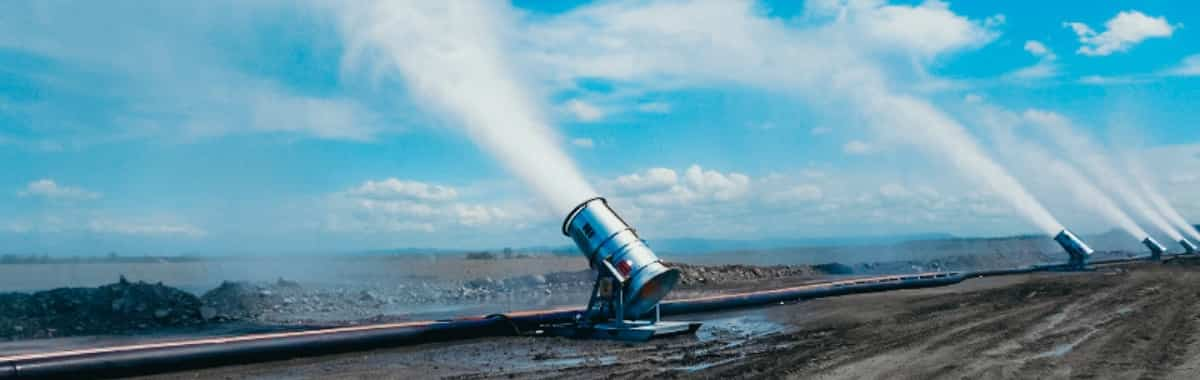
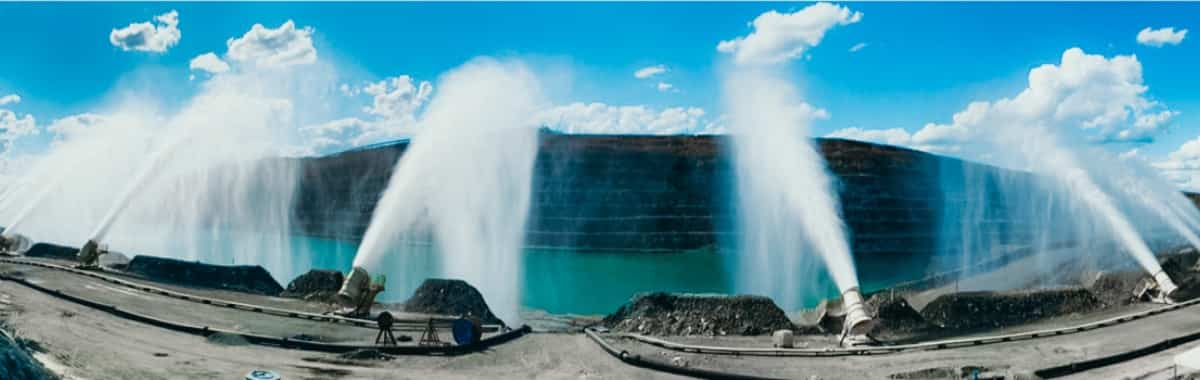
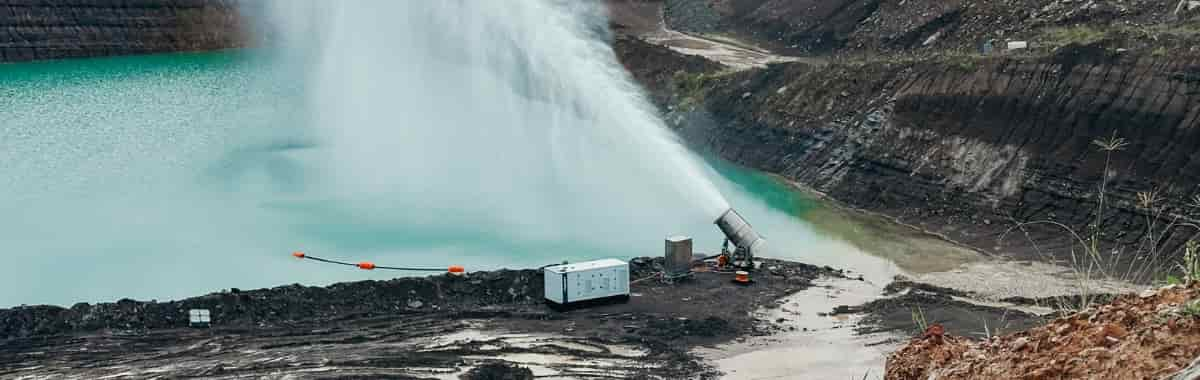
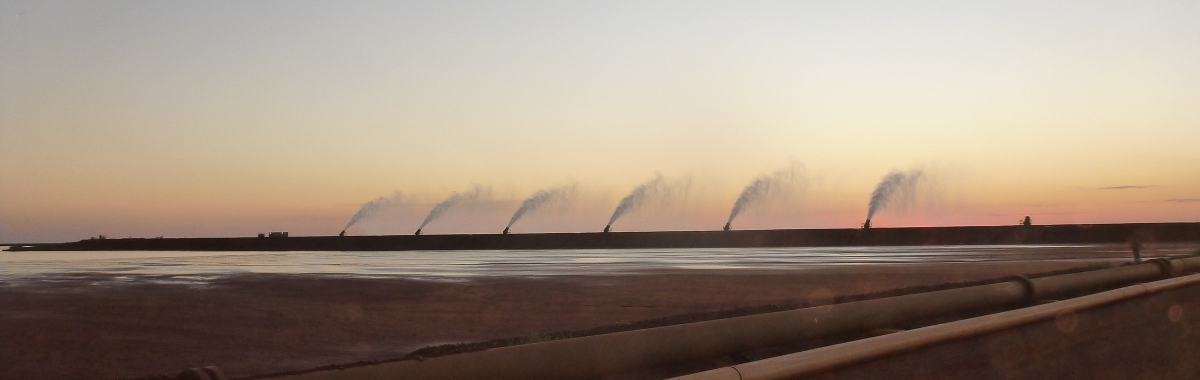
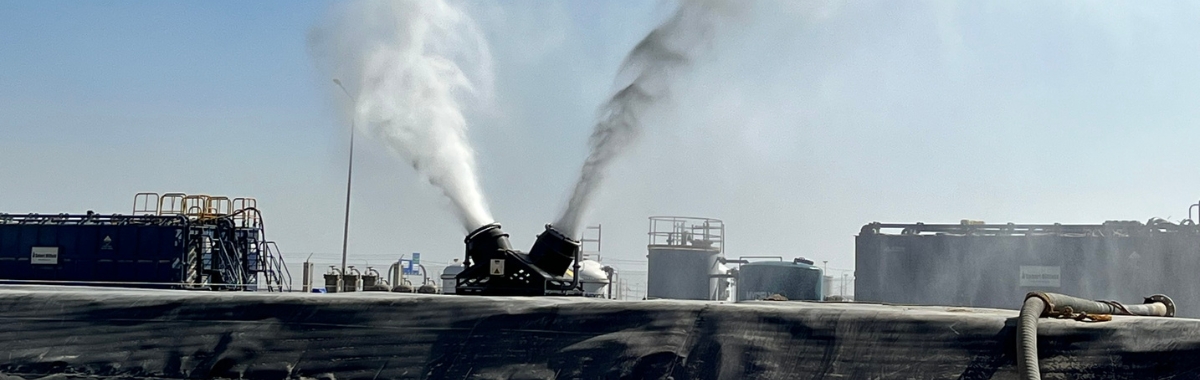
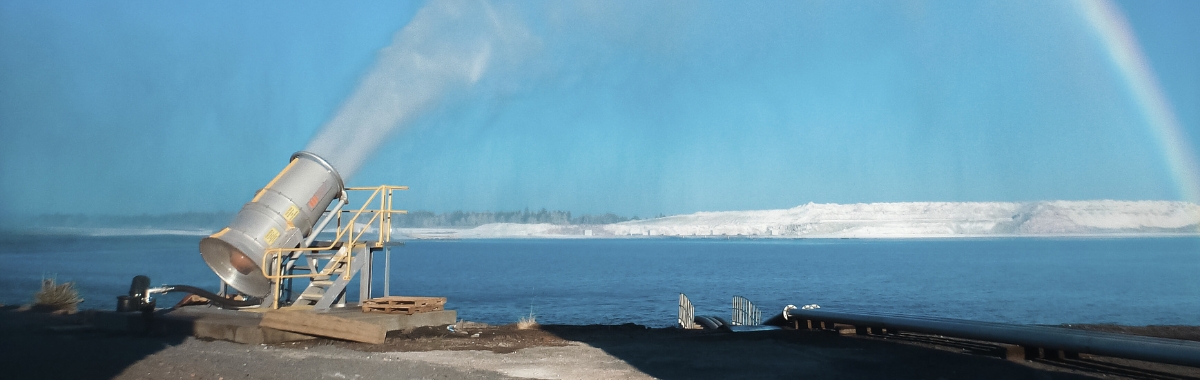
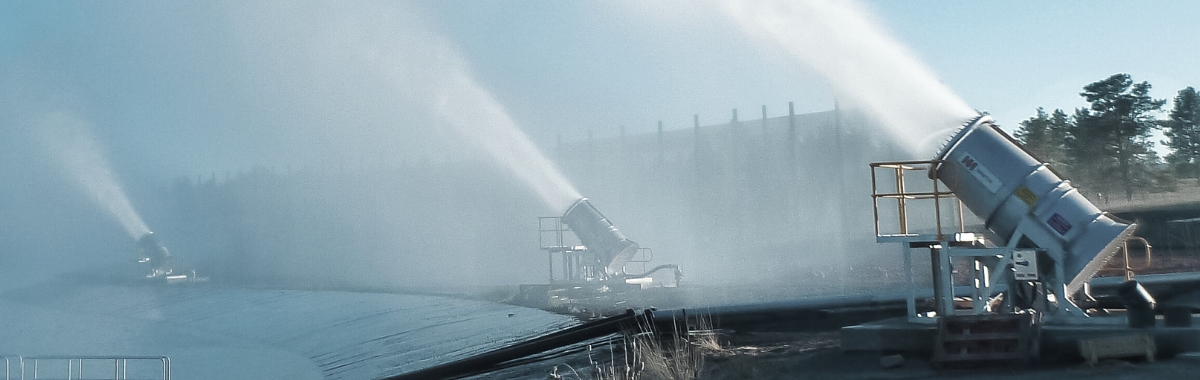
Minetek Water Evaporators

Investment in Wastewater Treatment Initiatives in the Middle East

In recent years, the Middle East has demonstrated a strong commitment to enhancing its wastewater treatment capabilities and modernising its infrastructure. This surge in investment highlights the region’s determination to tackle its water management challenges. Governments and municipalities have initiated ambitious projects to expand treatment capacities and boost operational efficiency. Despite persistent challenges, these coordinated efforts reflect the region’s unwavering focus on improving wastewater management, offering a promising outlook for the future of water management in the Middle East.

A major challenge is the high energy consumption and associated costs required to operate advanced wastewater treatment processes. While these processes are essential for meeting stringent environmental standards, they require significant energy, placing financial strain on municipalities and utilities.

Another critical issue is the effective management of by-products generated during wastewater treatment, such as sludge and treated effluent. Proper disposal or beneficial reuse of these materials is essential to prevent environmental contamination and to maximise resource recovery. Developing sustainable strategies for handling and utilising these by-products is a complex task that demands continuous innovation and investment, and it remains a key aspect of the wastewater treatment process.

In-text Images (33)

Minetek’s Contribution to Advancing Sustainable Water Management Practices

At Minetek Water, we are dedicated to delivering the industry’s most comprehensive and cost-efficient range of mechanical water evaporation and water quality management technologies. Our solutions are specifically designed to minimise risks and ensure compliance with regulatory standards, enabling operators to focus on maximising production and profitability while meeting rigorous environmental objectives. With our mobile and adaptable systems, we have demonstrated effectiveness in some of the world’s most challenging industrial environments, reinforcing our reputation as a trusted partner in sustainable water management.

At the core of our solutions are Minetek’s advanced water evaporation systems, which provide adaptable options for both immediate and long-term management of water by-product quality. Whether dealing with acidic, saline, or caustic water issues across various industrial sectors, our technologies empower industries to enhance operational efficiency while fulfilling their environmental responsibilities. Choosing Minetek allows businesses not only to optimise their water management approaches but also to support sustainable resource use, establishing themselves as leaders in responsible industrial practices.

Contact Us | Learn More About Our Solutions

Return to news & insights

Understanding the New Regulations and Innovations in Coal Ash Pond Management for Power Plants

Publish date: 12 September 2024

Earlier this year, the Environmental Protection Agency (EPA) took significant steps to safeguard public health by finalising a crucial update to the Coal Combustion Residuals (CCR) Rule. This landmark ruling, which was long overdue, aims to address a pressing environmental concern: the vast quantities of toxic coal ash stored in outdated landfills and ponds throughout the United States. Previously exempt from stringent federal oversight, these repositories of coal ash posed significant risks to nearby communities and ecosystems. The urgency of these new regulations cannot be overstated.

The revised CCR Rule marks a critical shift in the regulatory approach. It extends federal standards to include not only active landfills but also older, decommissioned sites and legacy ponds at retired power plants. This expansion is crucial as it acknowledges the ongoing environmental impact of these ageing facilities, many of which were initially exempt from rigorous regulatory scrutiny.

Legacy coal ash ponds and landfills can be found across the United States. In Georgia alone, 19 such sites were previously excluded from federal regulations but are now mandated to comply with the CCR rule. This requirement ensures that these sites, once considered closed or inactive, are brought up to current environmental standards. Such regulatory oversight is essential for mitigating the risks associated with coal ash, a byproduct known to contain hazardous pollutants, metals, carcinogens, and neurotoxins left behind when power companies burn coal for energy.

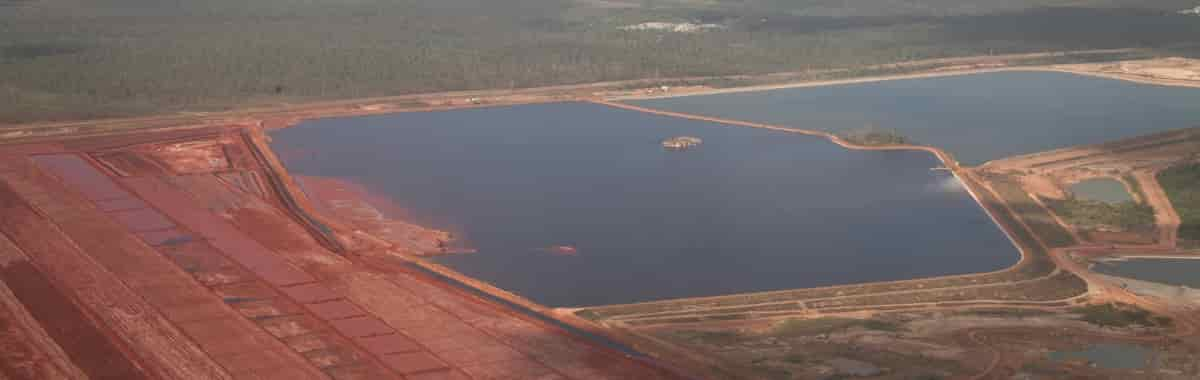
Legacy coal ash ponds and landfills across the U.S. are now under federal scrutiny to prevent hazardous pollution and protect nearby communities.

Often, utilities dispose of coal ash by depositing it in unlined ponds, landfills, and mines, where toxic pollutants such as mercury, lead, and arsenic can leak into groundwater. These pollutants have been linked to serious health issues, including cancer, heart disease, thyroid disease, reproductive problems, and neurological damage in children, reinforcing the need for power plants to adopt comprehensive pollution control measures and embrace state-of-the-art technologies to manage coal ash disposal effectively.

The implementation of the new coal ash rule was accompanied by three additional regulations focused on reducing emissions from power plants:

  • Limiting carbon emissions from coal and new gas plants.

  • Strengthening wastewater treatment requirements for coal facilities.

  • Improving standards for air emissions of mercury and other toxic pollutants from coal and oil-fired power plants.

By enforcing these new standards, the EPA seeks to prevent further contamination of groundwater, surface water, and soil from leaching coal ash. This proactive measure not only safeguards public health but also aims to restore and protect ecosystems that have been adversely affected by decades of unregulated coal ash disposal.

Minetek’s Advanced Dewatering Solutions for Coal Ash Pond Management

Power plants across the United States, particularly those in the Southeastern USA, where many of these ponds are located, face a critical mandate to adopt advanced technologies and practices to comply with updated environmental regulations.

Minetek, a leading provider of innovative solutions for industrial water management and environmental remediation, plays a critical role in assisting these power plants. One of the key challenges addressed by Minetek is the dewatering of coal ash ponds. This process is essential for the eventual closure and capping of ash pond impoundments, a critical step towards reducing the environmental impact and potential risks posed by these ageing facilities. With Minetek’s advanced dewatering solutions, power plants can look forward to a future with significantly reduced environmental risks and improved compliance with environmental regulations.

Minetek provides power plants with efficient and affordable dewatering solutions, reducing the financial burden of traditional water treatment.

Coal ash ponds typically contain significant volumes of water mixed with ash residues, which can leach harmful pollutants into groundwater if not properly managed. Minetek specialises in advanced dewatering technologies that efficiently separate water from solid residues, facilitating the safe handling and disposal of ash material in compliance with regulatory standards. By partnering with Minetek, power plants can achieve effective ash pond closure and rehabilitation, thereby minimising ongoing environmental risks and ensuring long-term compliance with environmental regulations.

Minetek has a renewed opportunity to assist power plants (predominantly located in Southeastern USA) with ash pond dewatering for eventual closure and capping and rehab of their coal ash pond impoundment. These plants currently use water treatment, which is an extremely expensive solution.

Even more importantly, Minetek’s solutions offer a cost-effective alternative to traditional water treatment methods currently used by many power plants. While effective, these methods can be financially burdensome due to ongoing operational costs and the complexity of treating large volumes of contaminated water. Minetek’s technology streamlines the dewatering process, reducing the overall cost and environmental footprint associated with ash pond management. This cost-effectiveness should provide power plants with the reassurance that their financial investment in Minetek’s solutions will yield significant long-term benefits.

We take pride in pioneering the world’s most cost-effective mechanical evaporation technology solutions. These solutions empower power plants to achieve operational excellence across diverse and demanding operating environments while significantly reducing environmental impact and operational costs.

Power Plants’ Sustainable Future

With these new regulations and the increasing scrutiny on environmental compliance, power plants across the United States need to prioritise investments in sustainable technologies and practices. This includes adopting advanced solutions like Minetek’s efficient dewatering technologies for coal ash pond management. These technologies not only ensure compliance with stringent environmental standards but also offer a cost-effective approach to mitigate risks associated with coal ash disposal.

As the regulatory landscape evolves, proactive adaptation to these standards will be crucial for power plants to maintain operational efficiency, minimise environmental liabilities, and demonstrate leadership in sustainable energy practices.

CCR PDF Download