 Indonesian
  English (United States)
  English
  Spanish
  Portuguese
  French
  Italian
 Managing water at Australian mine sites has become one of the most pressing operational challenges facing the industry. With increasing regulatory scrutiny from state EPAs and a growing focus on environmental stewardship, mine water and environmental managers need reliable strategies to control excess water volumes. Zero liquid discharge (ZLD) water balance systems offer a pathway to regulatory compliance while reducing stored water risks.
This guide walks you through the fundamentals of designing a ZLD water balance specifically for Australian mining conditions. Minetek delivers advanced mechanical evaporation solutions that help you reduce wastewater volumes rapidly while maintaining compliance with state and federal regulations. You’ll learn how to integrate mechanical evaporation into your site water balance, manage brine and concentrate effectively, and meet the discharge assessment requirements set by regulators across NSW, Victoria, and Queensland.
From understanding the regulatory landscape to implementing step-by-step design processes, this guide covers everything you need to confidently plan and execute a ZLD strategy at your mine site.
Key Takeaways: ZLD water balance for Australian mines using evaporation.
- A ZLD water balance eliminates offsite discharge by processing all site water through evaporation, treatment, or reuse pathways.
- Australian mine sites must comply with EPA discharge requirements in NSW, Victoria, and Queensland that prioritise avoiding water pollution.
- Mechanical evaporation processes water up to fourteen times faster than natural pond evaporation, reducing storage pond requirements significantly.
- Minetek’s patented evaporation technology helps you achieve ZLD targets while processing water with high TDS and TSS levels.
- Effective brine and concentrate management prevents environmental liability and supports successful mine closure and rehabilitation timelines.
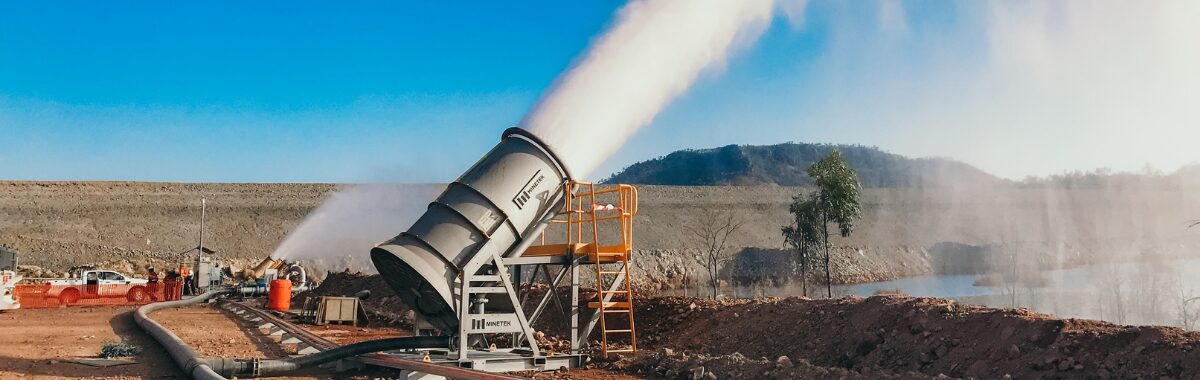
What Is Zero Liquid Discharge (ZLD) and why does it matter for mining?
Zero liquid discharge is a water management approach that recovers or eliminates all liquid wastewater from a site. Instead of discharging treated or untreated water to the environment, a ZLD system processes wastewater through evaporation, crystallisation, or treatment until only solid residue remains. This approach removes the need for offsite disposal or discharge permits in many cases.
For Australian mining operations, ZLD addresses several critical challenges simultaneously. Rising water storage creates dam capacity issues and increases the risk of uncontrolled releases. Regulatory agencies require detailed discharge impact assessments before approving any release to waterways. Additionally, community expectations around environmental performance continue to grow.
A well-designed ZLD water balance helps you maintain operational continuity while demonstrating environmental responsibility to regulators, investors, and surrounding communities.
How does ZLD differ from conventional water management approaches?
Conventional mine water management typically relies on a combination of storage ponds, treatment systems, and licensed discharge points. When rainfall exceeds evaporation or process water accumulates faster than natural dissipation, sites often face surplus water challenges. Licensed discharge to waterways requires meeting strict water quality objectives and can involve lengthy approval processes.
ZLD takes a different approach by designing the water balance to eliminate discharge entirely. Through mechanical evaporation, water recycling, and brine concentration, all incoming water eventually leaves the site as vapour or solid waste. This removes the regulatory burden of discharge licensing while reducing long-term environmental liabilities.
Understanding Australian regulatory requirements for mine water.
Before designing a ZLD water balance, you need to understand the regulatory framework governing mine water in Australia. Each state has specific legislation and guidance documents that shape how you can manage, treat, and dispose of mine wastewater.
NSW EPA water pollution discharge assessment requirements.
In New South Wales, the Protection of the Environment Operations Act 1997 (POEO Act) establishes the framework for managing water pollution. The EPA’s policy is that water pollution should be avoided wherever possible. When discharge cannot be avoided, you must conduct a detailed impact assessment demonstrating that environmental values of receiving waters will be protected.
The assessment process requires you to identify environmental values of affected waterways, assign appropriate protection levels, choose relevant water quality indicators, and implement all practical measures to minimise impacts. For many mine sites, demonstrating compliance with these requirements can be challenging, making ZLD an attractive alternative.
Victorian guidelines for mine and quarry water management.
Victoria’s approach to mine water management emphasises the waste hierarchy. According to Resources Victoria guidelines, water management proposals should prioritise avoidance, reduction, reuse, and recycling before considering treatment or disposal. The ideal goal is achieving a nil discharge of mine wastewater combined with reducing use of potable and other external water supplies.
The State Environment Protection Policy (SEPP) Waters of Victoria 2003 and SEPP Groundwaters of Victoria 1997 establish beneficial use categories and water quality objectives. Any discharge proposal must demonstrate that receiving water quality will not degrade below required standards. Evaporation ponds and onsite disposal methods that ensure no offsite discharge throughout the life of operation and closure may not require EPA works approval.
Queensland coal seam gas and mining water regulations.
Queensland’s regulatory framework addresses mine water through the Environmental Protection Act 1994 and various environmental authorities. Mining operations must develop water management plans that address produced water, process water, and brine. The framework requires progressive management of water volumes to avoid accumulation that could pose environmental or safety risks.
For operations generating significant brine volumes, Queensland regulations require specific brine management plans addressing storage, treatment, and disposal pathways. ZLD strategies using mechanical evaporation can help you meet these requirements while minimising pond footprints and reducing long-term liability.
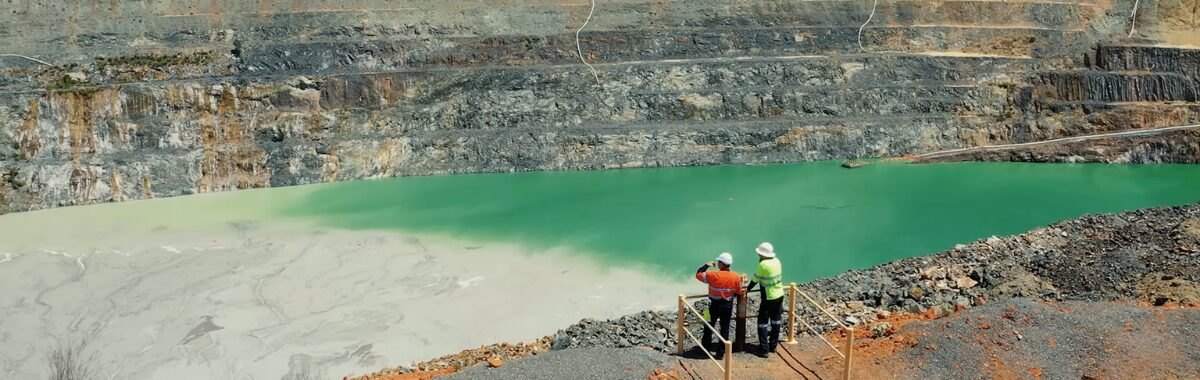
What is a mine site water balance and how do you build one?
A water balance is a quantitative assessment of all water inputs, outputs, and storage changes at your site. Understanding your water balance is essential for designing an effective ZLD system because it identifies where water enters your site, how it moves through operations, and where it accumulates.
1. Identifying water inputs to your mine site.
Water enters mine sites from multiple sources. Rainfall on operational areas, process water for mineral processing and dust suppression, groundwater inflows from dewatering activities, and stormwater runoff from disturbed areas all contribute to your total water inventory. Each source has different quality characteristics and seasonal variability that affect how you manage it.
Document each input source with typical flow rates and quality parameters. Consider seasonal variations, particularly the difference between wet and dry seasons that can dramatically affect your water balance in Australian conditions. This baseline data forms the foundation for your ZLD design.
2. Mapping water outputs and consumption points.
Water leaves your site through evaporation from ponds and wet surfaces, consumption in processing activities, loss to product moisture, and potentially through licensed discharge. In a ZLD system, mechanical evaporation becomes a primary managed output rather than relying solely on natural pond evaporation.
Track how much water each process consumes versus how much it returns to the water circuit. Identify opportunities to increase water reuse and recycling before it reaches storage ponds. This analysis often reveals opportunities to reduce your overall water management challenge before considering evaporation solutions.
3. Calculating storage requirements and capacity limits.
Your storage capacity must accommodate the difference between water inputs and outputs over various timeframes. Australian regulations typically require capacity for at least a one-in-ten-year wet year plus minimum freeboard requirements. Failing to maintain adequate storage capacity can lead to uncontrolled releases and regulatory consequences.
Calculate your storage requirements for different rainfall scenarios. Identify the point at which natural evaporation alone cannot maintain safe storage levels. This surplus water volume represents the target for your mechanical evaporation system to address.
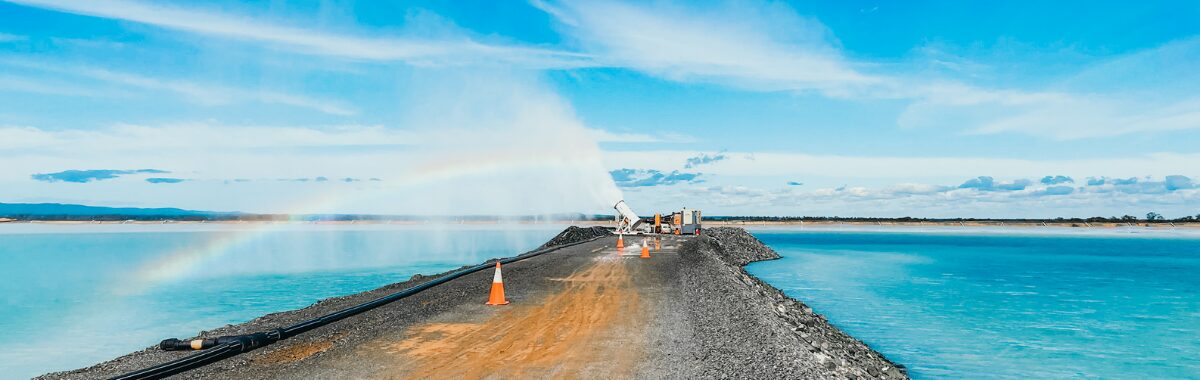
How does Mechanical Evaporation work for mine water?
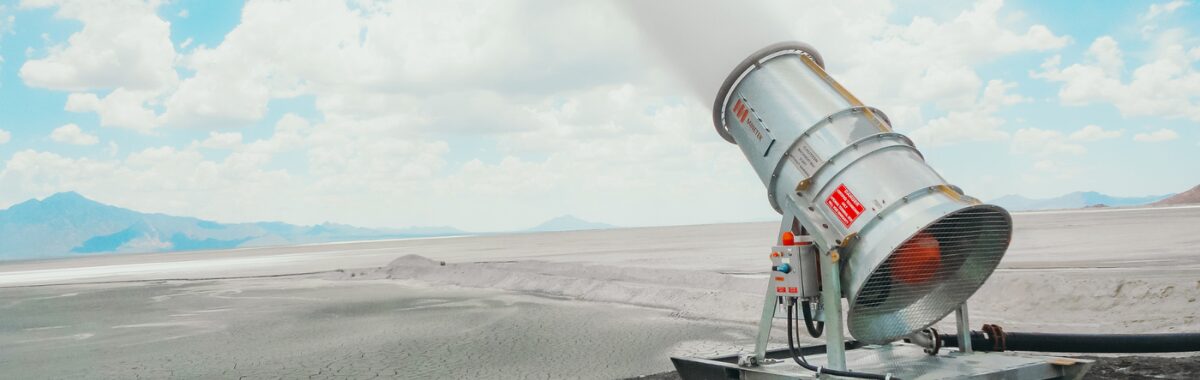
Mechanical evaporation uses engineered systems to accelerate the natural evaporation process. By atomising water into fine droplets and exposing them to atmospheric conditions, mechanical evaporators can achieve evaporation rates many times higher than a static pond of equivalent area.
The science behind atomisation and enhanced evaporation.
When water is broken into tiny droplets, its surface area increases dramatically. Since evaporation occurs at the air-water interface, increasing surface area directly increases evaporation rate. Mechanical evaporators use spray nozzles to fracture water into ultra-fine droplets that evaporate rapidly as they travel through the air.
The evaporation rate depends on several environmental factors: ambient temperature, humidity, wind speed, and solar radiation. Modern evaporation systems use weather stations to monitor these conditions and optimise operation automatically. When conditions favour evaporation, the system runs at full capacity. During rain or high humidity, it pauses to avoid counterproductive operation.
Minetek advanced mechanical evaporation systems are engineered to maximise evaporation performance in demanding mining environments. With automated weather-responsive controls and proven high-capacity capability, Minetek helps sites reduce wastewater volumes faster while supporting safer, more controlled water balance management.
Land-based versus floating evaporator configurations.
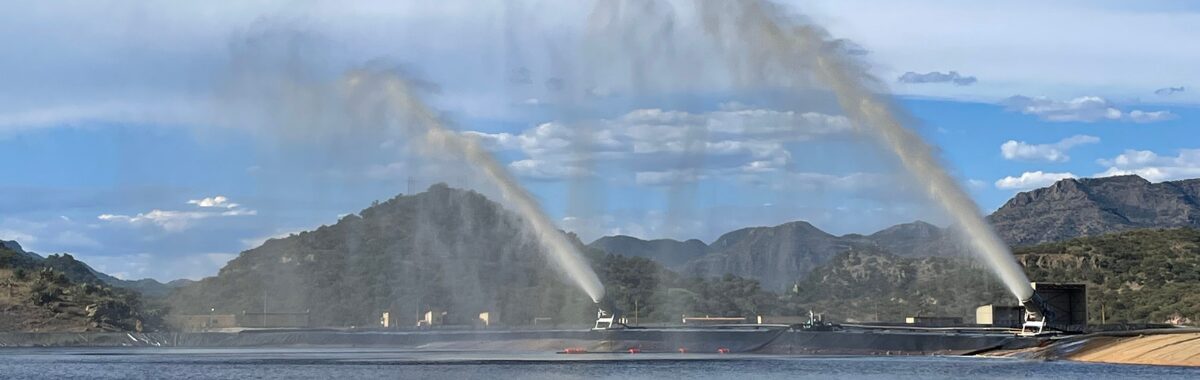
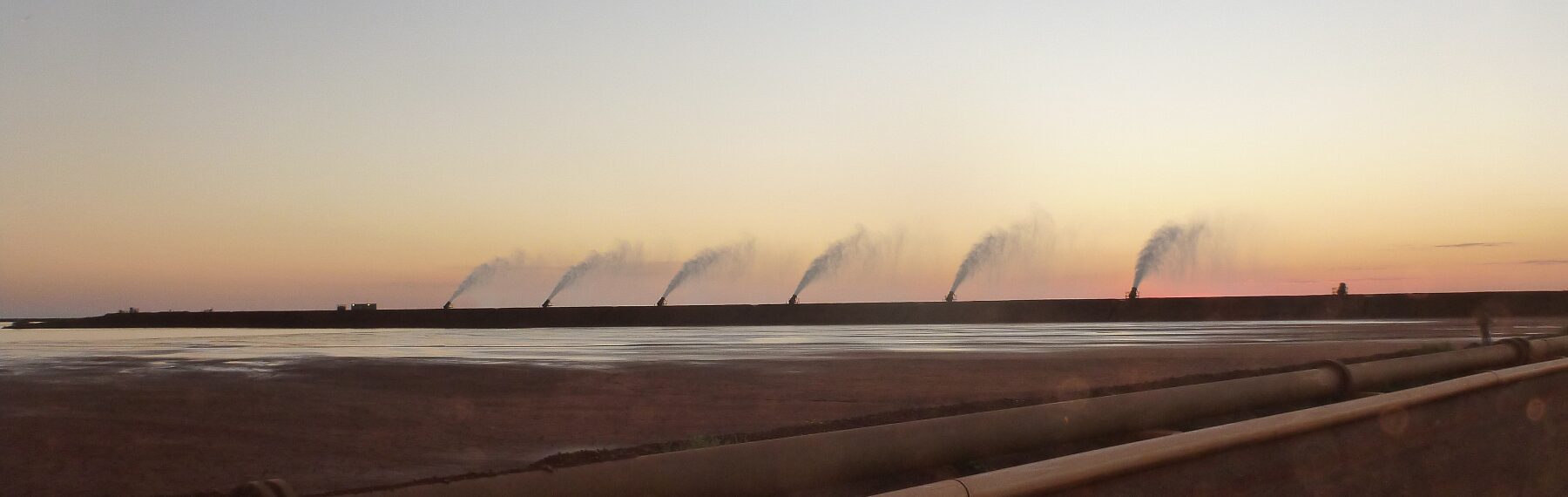
Mechanical evaporators can be deployed in land-based or floating configurations, depending on site layout, water storage infrastructure, and access constraints. Land-based evaporators are installed on stable ground adjacent to ponds, dams, or other storage areas, drawing water through pipework before atomising it into the atmosphere above the surrounding area.
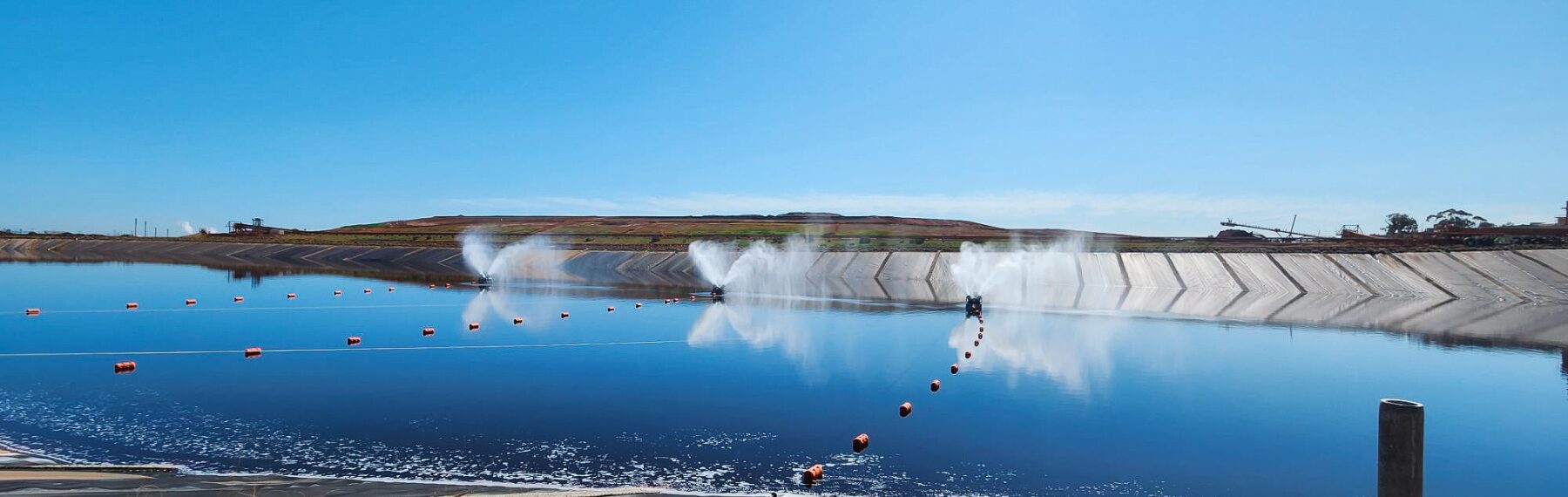
Floating evaporators are mounted on pontoon structures directly on the water surface. This configuration draws water from below the unit and reduces the need for extensive pipework or civil works, making it well suited to large tailings storage facilities or sites with limited shoreline access.
Minetek delivers both land-based and floating mechanical evaporation systems, allowing mine sites to select the configuration that best suits their operating environment.
Processing challenging water qualities including high TDS.
Mine water often contains high concentrations of total dissolved solids (TDS) and total suspended solids (TSS). Many conventional treatment systems perform poorly with these water qualities or require extensive pre-treatment. However, mechanical evaporation can handle water with varying pH levels and elevated TDS without the scaling and fouling problems that affect other technologies.
Minetek’s evaporation systems feature low-fouling stainless steel nozzles designed specifically for challenging water qualities. The nozzle design resists blockage from mineral buildup and maintains consistent atomisation performance over extended operation periods. This capability makes mechanical evaporation well-suited for mine water applications where water quality varies significantly.
Step-by-step process for designing a ZLD water balance.
Designing an effective ZLD water balance requires systematic analysis of your site conditions, water sources, and regulatory requirements. Follow these steps to develop a water balance that achieves zero discharge while meeting operational needs.
Step 1: Conduct a baseline water quality and quantity assessment
Before designing your ZLD system, gather detailed information about your current water situation. Sample all water sources and storage areas for key quality parameters including pH, TDS, TSS, and any site-specific contaminants. Document current and projected water volumes from each source.
Map your existing water infrastructure including storage ponds, treatment systems, and distribution networks. Identify current disposal pathways and any licensed discharge points. This baseline assessment reveals where water accumulates and helps you size evaporation capacity appropriately.
Step 2: Model water flows under various climate scenarios
Develop a water balance model that accounts for seasonal and inter-annual climate variability. Australian conditions can swing dramatically between drought and flood years, and your ZLD system must handle both extremes. Model at least a one-in-ten-year wet scenario to ensure adequate capacity.
Include all significant water inputs and outputs in your model. Run scenarios for typical years, wet years, and extended dry periods. Identify the maximum surplus water volume your system must process and the average ongoing evaporation requirement. These figures drive your mechanical evaporation system sizing.
Step 3: Size your mechanical evaporation capacity
With your water balance model complete, you can calculate the evaporation capacity needed to achieve ZLD. Consider that mechanical evaporation operates most efficiently during daylight hours with low humidity and moderate wind. Your system must process enough water during favourable conditions to offset accumulation during unfavourable periods.
Work with your evaporation technology provider to model expected performance at your specific location. Minetek offers site-specific efficiency modelling based on local climate data including humidity, rainfall, elevation, pan evaporation, and temperature. This analysis predicts achievable evaporation rates throughout the year and ensures your system is appropriately sized.
Step 4: Design brine and concentrate management systems
As water evaporates, dissolved solids concentrate in the remaining liquid. Eventually this brine reaches a point where further concentration produces solid precipitates. Your ZLD design must address how you will manage this concentrate and any resulting solid waste.
Options include dedicated brine storage ponds with liner systems, crystallisation processes that produce dry solite waste, or integration with mineral recovery processes if valuable salts are present. Consider the long-term management and closure implications of each approach. Brine management often represents the final barrier to achieving true ZLD status.
Step 5: Integrate monitoring and adaptive control systems
A ZLD system requires ongoing monitoring and adaptive management to maintain optimal performance. Install flow meters, water quality sensors, and weather stations to track system performance against your water balance model. Use this data to adjust operations in response to changing conditions.
Minetek Sistem Manajemen Lingkungan (EMS) monitors and responds to environmental condition changes in real time. The system adjusts evaporator operation based on humidity, rain, wind, temperature, and other parameters to maximise efficiency. This automated approach reduces operator workload while optimising water removal performance.
What role does brine management play in ZLD success?
Brine management is often the most challenging aspect of achieving true zero liquid discharge. As evaporation concentrates dissolved solids, you eventually produce a high-salinity brine that cannot be further evaporated without crystallisation. How you handle this brine determines whether you achieve ZLD or simply concentrate your water management problem.
Understanding brine characteristics and concentration limits.
Mine water brine composition varies widely depending on the geology you’re mining, process chemicals used, and water sources. Common constituents include chlorides and sulphates of sodium, calcium, and magnesium, plus potentially elevated metals depending on your ore body. Understanding your specific brine chemistry helps you select appropriate management strategies.
Evaporation can concentrate TDS levels to saturation points where crystals begin forming. The specific saturation point depends on the salts present and temperature. Your system design should account for this transition and include provisions for handling the resulting solids.
Brine storage and containment requirements.
Before crystallisation, concentrated brine requires secure storage. Australian regulations typically require lined containment systems for saline water storage to prevent groundwater contamination. The SEPP Groundwaters of Victoria protects beneficial uses of groundwater segments based on TDS levels, and contamination from brine seepage can trigger enforcement action.
Design your brine storage with appropriate liner systems and monitoring bores to detect any seepage. Size storage capacity to handle accumulation during periods when crystallisation or disposal cannot keep pace with brine generation. Include contingency capacity for unexpected process upsets.
Crystallisation and solid waste disposal pathways.
The final step in achieving true ZLD is converting brine into solid waste that can be disposed of or recovered. Crystallisation processes use evaporation or thermal techniques to drive off remaining water and produce dry salt crystals. These solids can then be disposed of in approved landfills, encapsulated onsite, or potentially sold if the salt composition has commercial value.
Consider the long-term management of crystallised solids in your mine closure planning. Properly encapsulated and contained salt waste can be incorporated into rehabilitation plans, but this requires careful geochemical assessment to ensure stability. Work with your environmental consultants to develop appropriate disposal pathways.
How do you calculate ZLD system economics and return on investment?
Understanding the economics of ZLD helps you make informed investment decisions and build business cases for capital expenditure. While ZLD systems require upfront investment, they often deliver compelling returns through reduced operating costs and avoided liabilities.
Comparing capital costs across water management alternatives.
Traditional water management options like new dam construction, water treatment plants, or offsite disposal each carry significant capital costs. Dam construction involves earthworks, liner installation, and regulatory approvals that can take years to complete. Treatment plants require substantial infrastructure and ongoing chemical and energy inputs.
Mechanical evaporation systems typically have lower capital requirements than these alternatives. Minetek’s evaporation solutions are ten times more cost effective than traditional water management methods when considering both capital and operating expenditure. The modular nature of evaporator units allows you to scale capacity incrementally as needs evolve.
Understanding operating cost factors for mechanical evaporation.
Operating costs for mechanical evaporation include energy consumption, maintenance, and monitoring labour. Energy costs depend on your power source and evaporator design efficiency. Well-designed systems minimise power consumption per unit of water evaporated through efficient motors and optimised nozzle pressure.
Maintenance requirements for quality evaporation equipment are typically modest. Minetek systems feature stainless steel filter systems that allow cleaning without shutdown and automated alerts for maintenance requirements. The absence of chemical consumables eliminates a significant operating cost category compared to treatment-based alternatives.
Quantifying avoided costs and risk reduction benefits.
ZLD delivers financial benefits beyond direct cost comparisons. Avoiding discharge licensing removes regulatory compliance costs and approval timeline risks. Reducing stored water volumes lowers dam safety risks and associated insurance costs. Demonstrating environmental stewardship supports social licence and can improve access to financing from ESG-focused investors.
Quantify these avoided costs in your business case. Consider the cost of potential dam failures, regulatory penalties for non-compliance, and project delays from water management constraints. These contingent costs can dwarf the direct investment in ZLD infrastructure.
What are common challenges when implementing ZLD at mine sites?
While ZLD offers significant benefits, implementation presents challenges that require careful planning to overcome. Understanding these challenges upfront helps you develop mitigation strategies and set realistic expectations.
1. Managing seasonal variability in Australian climates.
Australian climates can swing dramatically between wet and dry periods, creating challenges for consistent ZLD operation. During wet seasons, water inputs may exceed evaporation capacity even with mechanical assistance. During extended dry periods, concentrate volumes may exceed brine management capacity.
Address this variability through adequate storage capacity and flexible operating strategies. Design your system to process the average annual surplus with capacity to handle peak periods. Maintain contingency storage to buffer wet season accumulation until evaporation conditions improve.
2. Handling process upsets and unexpected water quality changes.
Mining operations can experience sudden changes in water quality from intercepting different geological zones, process chemical spills, or equipment failures. These upsets can affect evaporation equipment performance or produce brine with unexpected characteristics.
Build robustness into your ZLD design through appropriate buffer storage, water quality monitoring, and response procedures. Minetek evaporators handle varying water qualities effectively, but extreme conditions may require temporary operational adjustments. Maintain communication with your equipment provider to troubleshoot unexpected situations.
3. Coordinating ZLD with existing site infrastructure.
Integrating ZLD into an established operation requires coordination with existing water management infrastructure. You may need to redirect flows, install new pipework, or modify pond configurations. These changes must occur while maintaining ongoing operations and regulatory compliance.
Develop a detailed implementation plan that sequences infrastructure changes with operational requirements. Consider staged deployment of evaporation capacity that allows you to prove performance before committing to full-scale implementation. Work with contractors experienced in mine site water infrastructure to minimise disruption.
How should you approach ZLD for mine closure and rehabilitation?
ZLD considerations extend beyond operational life into mine closure and rehabilitation. Effective water management during closure can significantly accelerate rehabilitation timelines and reduce long-term liabilities.
Accelerating closure through active water removal.
Many mine closures are constrained by the time required to remove accumulated water from pits and storage facilities. Natural evaporation alone can take years or decades depending on climate and volumes involved. Mechanical evaporation can dramatically accelerate this timeframe.
Include post-closure water management in your ZLD planning from the start. Design systems that can be relocated to different areas as closure progresses. Minetek’s mobile evaporation units offer the flexibility to move between ponds and pits as water levels decline, maximising utilisation throughout the closure process.
Managing residual water quality through closure.
Water quality often deteriorates as closure progresses and acid-generating materials become exposed or concentrated. Your closure ZLD strategy must account for potentially worsening water quality while still achieving evaporation targets. This may require additional brine management capacity or modified operating approaches.
Monitor water quality trends throughout operations to project closure conditions. Engage with your regulator early about closure water management plans to ensure your approach meets approval requirements. Proactive planning avoids costly surprises during the closure phase.
Achieving regulatory sign-off on water management completion
Regulators require demonstration that water management liabilities have been addressed before releasing rehabilitation bonds. This typically means showing that water balances will remain stable without ongoing intervention and that any residual water meets quality objectives for the final land use.
Document your ZLD performance throughout operations to build a track record for regulatory confidence. Demonstrate that your system can handle climate variability and that brine management pathways remain viable. This evidence base supports successful regulatory engagement during closure.
Designing your ZLD strategy for long-term success.
Achieving zero liquid discharge at your Australian mine site requires careful planning, appropriate technology selection, and ongoing adaptive management. By understanding your regulatory requirements, building a detailed water balance model, sizing mechanical evaporation capacity appropriately, and planning for brine management, you can develop a ZLD strategy that delivers environmental compliance while supporting operational efficiency.
The investment in ZLD infrastructure pays dividends through reduced regulatory burden, lower stored water risks, and demonstrated environmental stewardship. As water management regulations continue to tighten and stakeholder expectations rise, ZLD positions your operation for long-term success.
If you’re ready to explore how Minetek’s advanced evaporation technology can help you achieve ZLD at your site, start with a site-specific efficiency analysis to understand achievable evaporation rates for your conditions. With the right technology partner and a well-designed water balance, zero liquid discharge is an achievable goal for Australian mining operations.
Frequently Asked Questions (FAQs) about ZLD water balance for Australian mines using evaporation.
What does zero liquid discharge mean for mining operations?
Zero liquid discharge means eliminating all liquid wastewater discharge from your site. Instead of releasing treated water to the environment, a ZLD system processes all wastewater through evaporation, crystallisation, or recycling until only solid residue remains. This approach removes the need for discharge permits and reduces environmental liability.
How does mechanical evaporation compare to natural pond evaporation?
Mechanical evaporation achieves rates up to fourteen times higher than natural pond evaporation for the same surface area. By atomising water into fine droplets, mechanical systems dramatically increase the air-water interface where evaporation occurs. Minetek’s systems operate automatically based on weather conditions to maximise efficiency during favourable periods.
Can mechanical evaporators handle water with high TDS levels?
Yes, quality mechanical evaporation systems handle water with elevated total dissolved solids effectively. Minetek’s evaporators feature low-fouling nozzles designed specifically for challenging water qualities including high TDS, high TSS, and varying pH levels. The nozzle design resists mineral buildup that would clog conventional spray equipment.
What happens to the concentrated brine in a ZLD system?
As evaporation progresses, dissolved solids concentrate in the remaining liquid to form brine. This brine requires secure storage in lined ponds until it can be processed through crystallisation to produce solid salt waste. The solid residue can then be disposed of in approved facilities or potentially recovered if the salt composition has commercial value.
How long does it take to achieve ZLD at an Australian mine site?
Implementation timelines vary depending on your starting water inventory, climate conditions, and system capacity. Most sites can begin reducing stored water volumes immediately upon commissioning mechanical evaporation equipment. Achieving true ZLD status typically requires several years of operating the complete system including brine management. Minetek helps you develop realistic timelines based on site-specific modelling.
What regulatory approvals do you need for mechanical evaporation?
Regulatory requirements vary by state and site circumstances. In many cases, mechanical evaporation systems operating onsite without offsite discharge do not require EPA works approval or waste discharge licences. However, you should confirm requirements with your state regulator and include evaporation systems in your approved work plan or environmental management plan.