 Indonesian
  English (United States)
  English
  Spanish
  Portuguese
  French
  Italian
 Water haulage stops being a short-term fix when it becomes part of routine site management. At that point, the task extends beyond temporary water removal and becomes a recurring operating cost. Labour, fuel, equipment hours, maintenance, and scheduling demands all increase, while site productivity and coordination come under greater pressure.
Haulage can still serve an immediate purpose where excess water needs to be moved quickly to maintain access or support continuity. Repeated use, however, often indicates that excess water is being managed through ongoing operational effort rather than a more controlled long-term approach. Weekly or repeated haulage activity can absorb site resources without reducing the broader water management burden.
Many operations reach a point where a more practical long-term response is needed. Portable, mobile, low-infrastructure water management solutions can help reduce reliance on repeated haulage by providing a more efficient way to manage excess water without the same recurring operating burden. Minetek helps mining operations manage excess water through portable, mobile mechanical evaporation systems built for demanding site conditions. Designed for low-infrastructure deployment and scalable performance, these solutions give sites a more efficient way to reduce stored water without adding the same recurring haulage burden.
Routine water haulage as a growing site cost.
- Short-term role: Water haulage can support site access and continuity when excess water needs to be moved quickly.
- Recurring cost: Once haulage becomes routine, labour, fuel, equipment use, and maintenance costs can build quickly.
- Operational pressure: Repeated haulage can add strain to scheduling, coordination, and day-to-day site productivity.
- Management signal: Regular water movement often indicates that excess water is being managed through ongoing effort rather than a more controlled long-term approach.
- Operational threshold: Once water haulage becomes part of weekly planning, it often indicates the site is managing a recurring water burden rather than a temporary issue.
- Long-term response: Portable, mobile, low-infrastructure water management solutions can help reduce reliance on repeated haulage and lower ongoing operational burden.
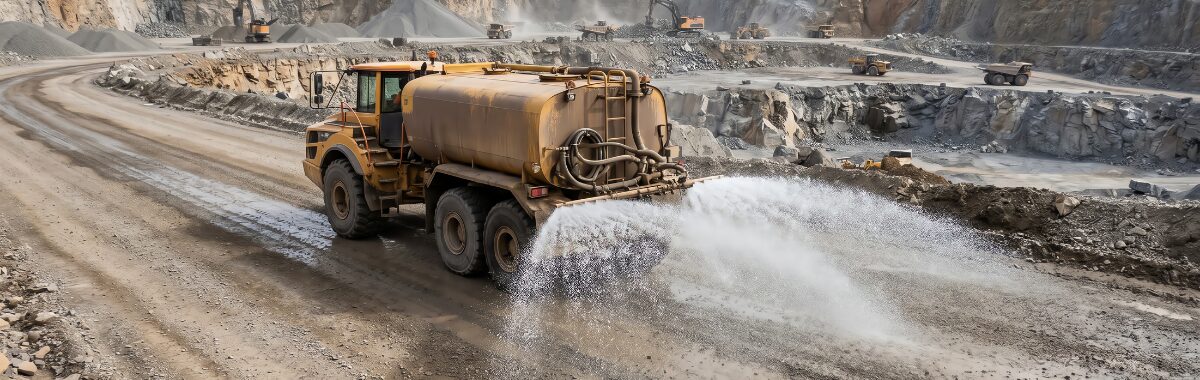
Water haulage works in the short term. What changes when it becomes routine?
Water haulage can serve a practical purpose when excess water needs to be moved quickly. Following rainfall, rising pit inflows, or temporary water accumulation, hauling can help maintain access, support continuity, and give operations time to respond while broader water management decisions are still being assessed.
The challenge changes once that response becomes routine. What begins as a short-term measure can gradually become part of normal site planning, with trucks, operators, and equipment time repeatedly allocated to the same task. At that point, haulage is no longer just providing short-term flexibility. It is becoming part of the site’s ongoing operating model.
That shift matters because routine haulage rarely removes the underlying water management pressure. It continues to move water, but it does not necessarily reduce the recurring effort required to deal with it. When the same haulage activity starts appearing in weekly planning, operations are often no longer managing a temporary condition. They are carrying a recurring site cost that can continue building over time.
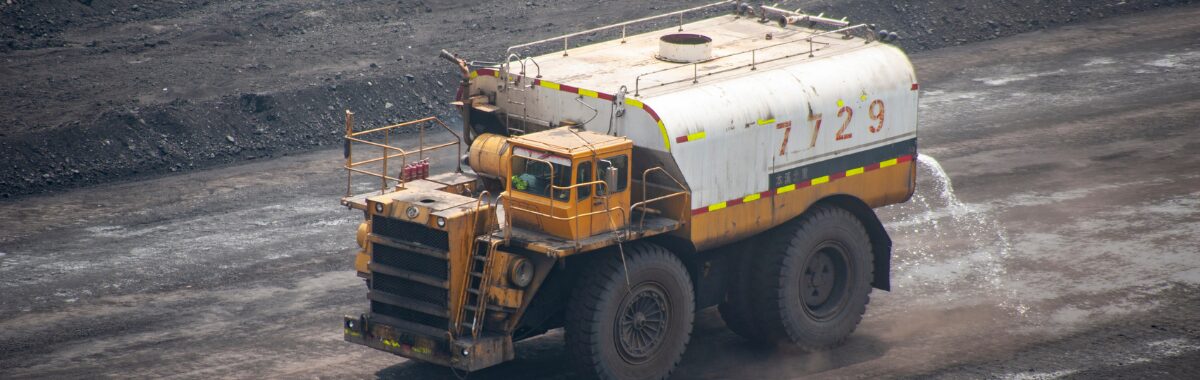
What does routine water haulage really cost a mining operation?
Routine water haulage adds cost well beyond the immediate task of moving water from one part of site to another. Once haulage becomes part of normal operations, it starts creating recurring demands across labour, fuel, equipment use, maintenance, and scheduling.
Those costs are not always obvious at first. A temporary response can seem manageable in isolation. Over time, however, repeated haulage begins absorbing site resources that could otherwise support core operational activity.
Routine haulage often adds pressure in 5 areas:
- Labour: Operators and site personnel are repeatedly allocated to the same water movement task.
- Fuel: Ongoing haul cycles increase diesel consumption and operating cost.
- Equipment use: Trucks and supporting assets accumulate hours that add wear, servicing demand, and maintenance pressure.
- Scheduling: Repeated haulage takes up planning time and adds pressure to dispatch and daily coordination.
- Operational exposure: More mobile equipment activity increases interaction with other site tasks and adds to overall operational complexity.
According to the Global Industry Standard on Tailings Management, operators are expected to maintain a water balance model and water management plan as part of structured site water management. That expectation reinforces the need to manage excess water through planned systems rather than ongoing reactive handling.
The U.S. Mine Safety and Health Administration states that powered haulage remains one of mining’s most significant safety categories, highlighting the broader operational exposure that comes with routine mobile equipment activity.
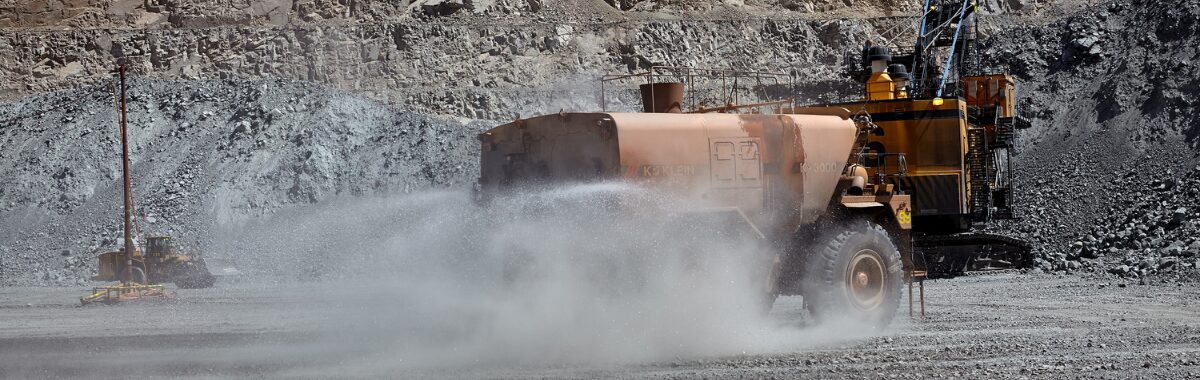
Where does repeated haulage start putting pressure on site productivity?
Repeated haulage starts affecting productivity when it begins competing with other operational priorities for time, equipment, and coordination. What may begin as a manageable response to excess water can gradually become a recurring task that draws resources away from production support, maintenance activity, and day-to-day site planning.
That pressure is rarely limited to the trucks moving water. Operators need to be allocated. Equipment hours continue to build. Dispatch and supervisory teams need to account for recurring haulage in daily scheduling. As that effort becomes more frequent, the operational cost extends beyond transport and begins affecting how efficiently the site can manage its broader workload.
Productivity pressure often builds in 4 areas:
- Resource allocation: Trucks, operators, and support crews are tied to repeated water movement instead of other site priorities.
- Planning load: Recurring haulage adds pressure to shift planning, dispatch, and daily operational coordination.
- Equipment availability: More hours spent on water haulage can reduce flexibility for other haulage or support tasks.
- Operational continuity: Repeated water handling can interrupt workflow and make it harder to maintain efficient site activity.
The productivity issue is not only the act of moving water. The broader impact comes from how often the task returns and how much site effort is required to keep managing it. Once haulage becomes embedded in regular planning, the operational burden often extends well beyond the water itself.
What are the signs that water haulage is no longer a short-term fix?
Water haulage is no longer acting as a short-term fix when it becomes a repeated part of site planning rather than an occasional operational response. At that point, the issue is not simply excess water movement. It is the growing effort required to keep managing the same condition without reducing the broader pressure on the site.
| Sign | Implication |
| Water haulage appears in regular planning | Excess water is being managed as an ongoing operational task rather than a temporary response |
| Trucks and operators are repeatedly allocated to the same task | Labour and equipment are being absorbed by recurring water movement |
| Fuel, maintenance, and equipment hours continue to rise | The cost of haulage is building without reducing the underlying water pressure |
| Water removal limits flexibility elsewhere on site | Resources are being pulled away from other operational priorities |
| The same areas require repeated water removal | The site is managing a recurring condition rather than resolving it |
Recent mine examples show how quickly excess water can escalate from a temporary challenge into a broader operational issue. According to South32’s update on excess water management at Cannington, the operation received about 630 mm of rainfall over 4 days in January 2024, significantly above its average annual rainfall, creating a major water management challenge for the site.
Once haulage becomes regular, repeated, and embedded in operational planning, it often signals that a more controlled long-term water management response is required.
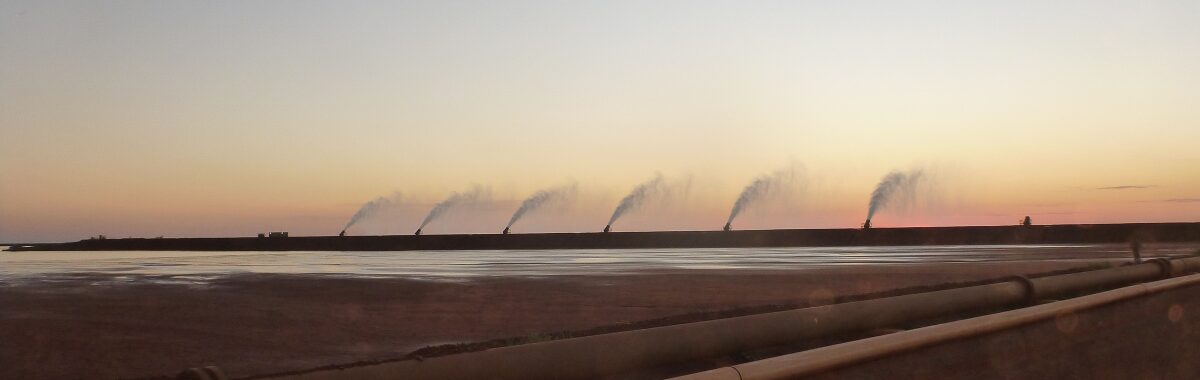
Moving beyond routine water haulage.
Routine water haulage can help sites respond to immediate water pressure. It becomes less efficient once the same task starts recurring across normal operations.
At that stage, many sites need more than a transport response. They need a way to reduce excess water with less labour, less equipment demand, and less disruption to site planning.
Minetek supports that shift with mechanical water evaporation technology designed for excess water management in demanding mining environments. Its systems are built as portable, mobile, low-infrastructure solutions, helping sites manage water without relying on the same level of recurring haulage effort.
Minetek systems can support throughput ranges for applications up to 135 m³/h and can be deployed as part of a scalable water management approach, allowing sites to respond to changing water volumes without committing to large fixed infrastructure from the outset.
Minetek water evaporation systems can support sites that need to:
- reduce excess stored water without adding major fixed infrastructure
- respond to changing site conditions with a more flexible deployment model
- manage water closer to the source rather than extending repeated haulage activity
- scale deployment as demand changes across different stages of water pressure
- lower ongoing operational burden across labour, fuel, equipment use, and scheduling
Routine water haulage can keep water moving, but it does not reduce the cost and effort of managing the same pressure week after week. Once that burden becomes part of normal operations, a more efficient long-term approach becomes necessary.
Minetek helps operations reduce that burden with portable, mobile mechanical evaporation systems designed for demanding site conditions. With scalable deployment and low infrastructure requirements, Minetek gives sites a practical way to manage excess water more efficiently and with less ongoing operational strain.
How much is routine water haulage really costing your site?
Talk to a Minetek Water expert about reducing reliance on routine water haulage.
Pertanyaan yang Sering Diajukan (FAQ)
When does water haulage stop being a short-term fix?
Water haulage stops being a short-term fix when it becomes part of routine site management rather than an occasional response to changing conditions. At that point, recurring labour, fuel, equipment, and scheduling costs start building across operations.
What does routine water haulage really cost a mining operation?
Routine water haulage can increase operating costs across labour, fuel, equipment hours, maintenance, and daily scheduling. The longer it continues, the more it can absorb site resources that could otherwise support core operational activity.
How does repeated water haulage affect site productivity?
Repeated water haulage can reduce productivity by tying up trucks, operators, and planning effort that are needed elsewhere on site. It can also add pressure to dispatch, coordination, and equipment availability.
What are the signs that water haulage has become a recurring site cost?
Common signs include regular allocation of trucks and operators to water movement, repeated scheduling of haulage activity, rising fuel and maintenance demand, and ongoing water removal from the same areas of site.
What is an alternative to routine water haulage for excess water management?
A longer-term alternative is a more controlled water management approach that reduces reliance on repeated truck movements. Portable, mobile, low-infrastructure mechanical evaporation systems can help sites manage excess water more efficiently and with less ongoing operational burden.