Loncat ke konten utama
Hubungi Kami
Kembali ke berita & wawasan

Minetek attends 2026 SME Minnesota Conference

Publish date: 1 April 2026

SME Minnesota Conference 2026

Minetek is heading to 2026 SME Minnesota Conference, taking place from 14–16 April 2026 in Duluth, Minnesota. 

The conference brings together mining professionals for technical discussions, industry knowledge-sharing, and valuable connections across the sector. For Minetek Water, it provides an important opportunity to engage with operators, environmental teams, and technical stakeholders navigating the evolving challenges of mine water management. 

As water-related pressures continue to influence site performance, compliance, and operational planning, events like SME Minnesota create space for practical conversations around current conditions, technical priorities, and the solutions helping mining operations manage water more effectively.


The water management pressures shaping mining operations

Water management continues to be a critical operational focus for mining sites managing changing weather conditions, environmental obligations, and infrastructure limitations. 

Excess water accumulation can quickly affect access, restrict production areas, place pressure on storage capacity, and increase the risk of uncontrolled discharge. At the same time, sites are expected to maintain compliance, protect surrounding environments, and respond to water challenges without adding unnecessary cost or complexity to operations. 

For many mining operations, the challenge is not only dealing with water once it becomes a problem, but managing it proactively before it impacts continuity, safety, and performance. This is especially relevant for sites balancing short-term operational demands with longer-term water planning and environmental accountability. 

These pressures are driving greater focus on practical, scalable water management strategies that can help operations maintain control, reduce risk, and support more consistent site performance. 
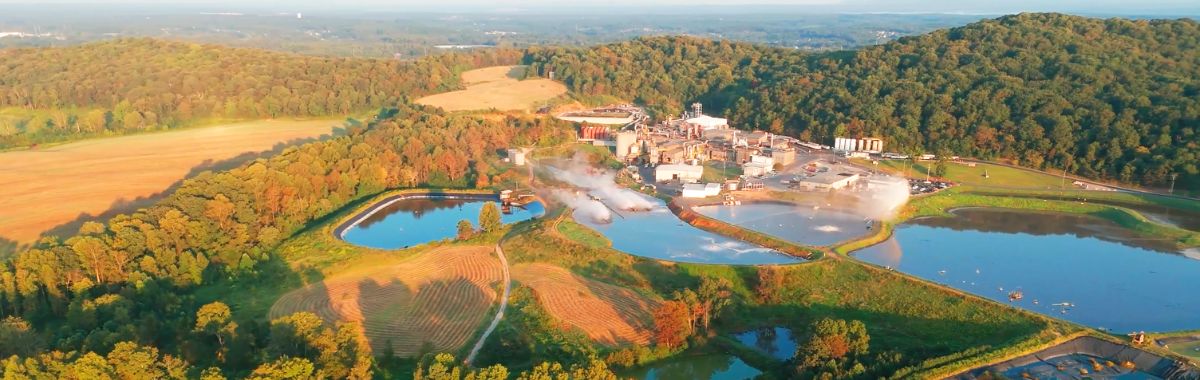
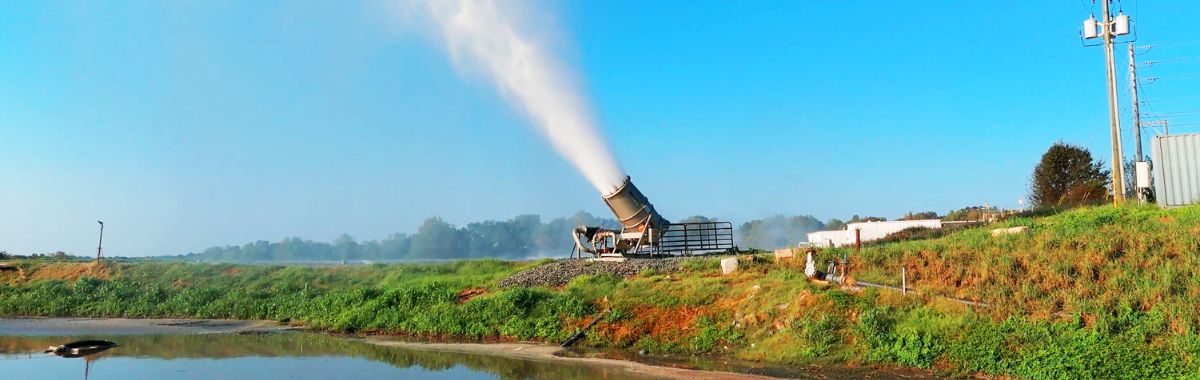
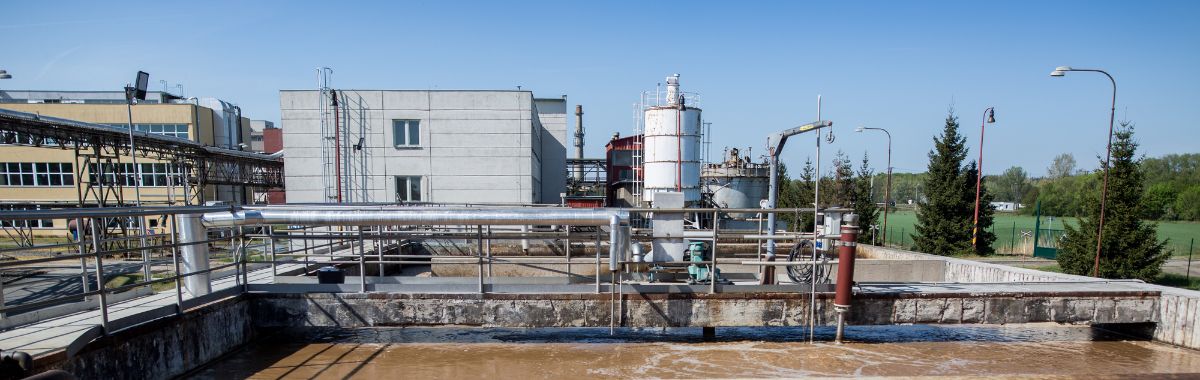
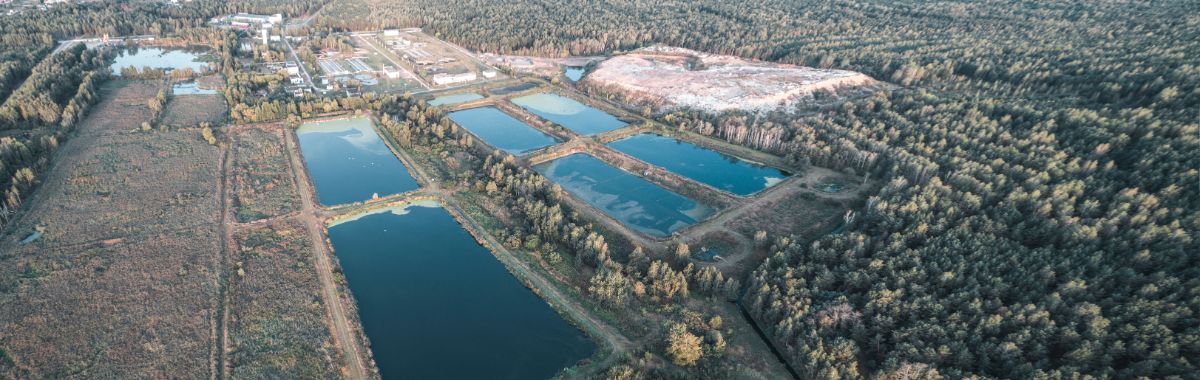
Group_Images_In text_02062024 - 2026-03-18T161630.820

Practical water solutions for operational control

Managing excess water requires more than short-term response measures. Mining operations need solutions that can be deployed effectively, scaled to site conditions, and integrated into broader water management plans without disrupting productivity. 

Minetek supports mining sites with practical solutions designed to reduce excess water, improve access, and ease pressure on existing infrastructure. By helping operations manage water more efficiently, these approaches support greater control across changing site conditions while reducing environmental risk and disruption. 


Advanced water evaporation technology

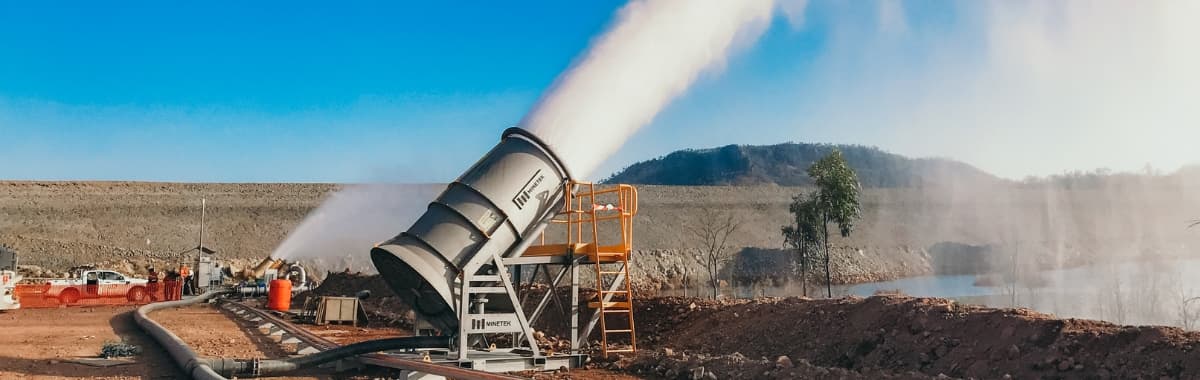
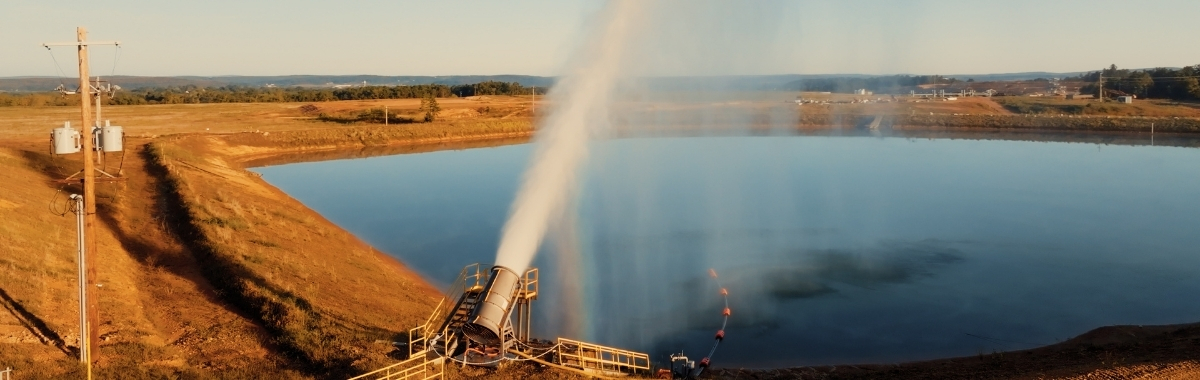
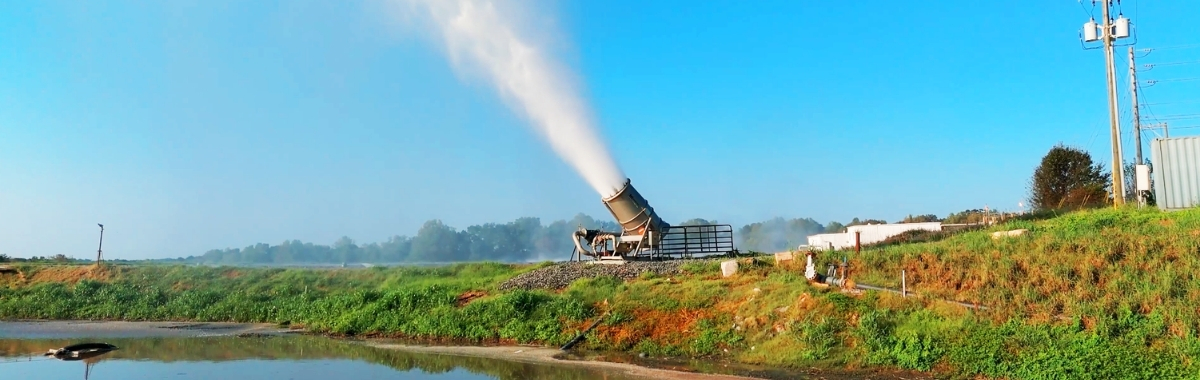
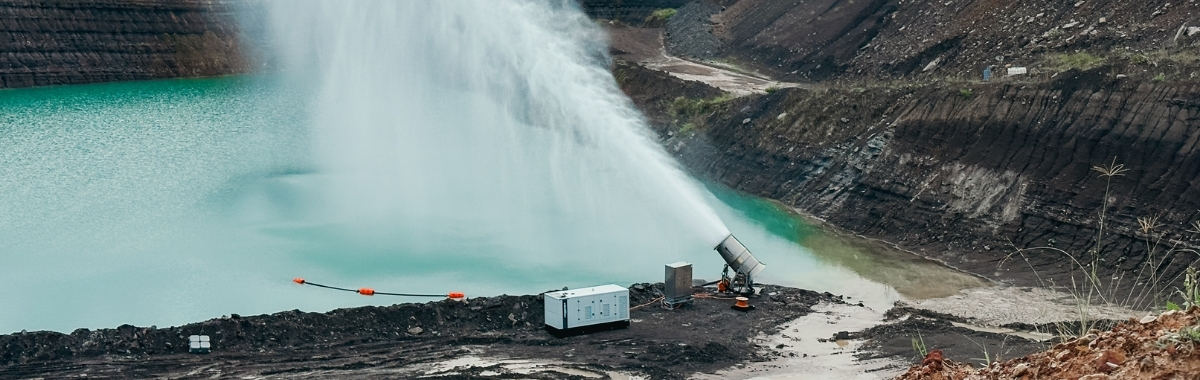
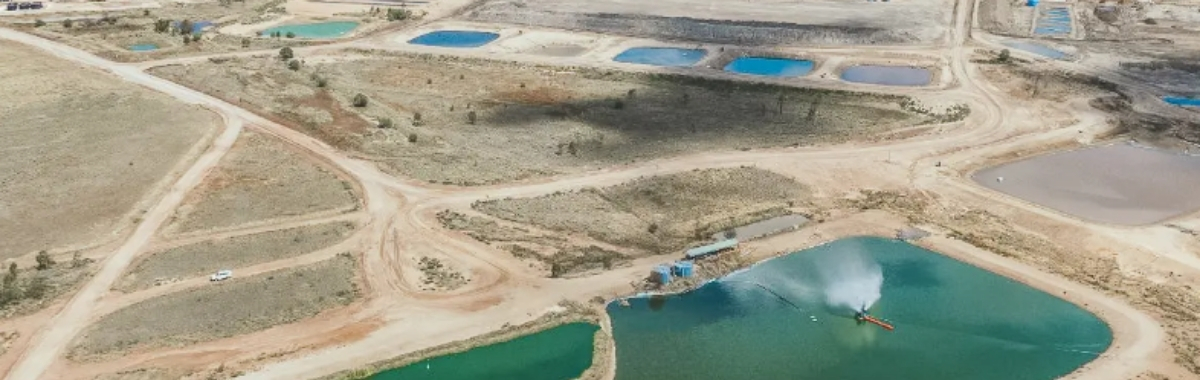
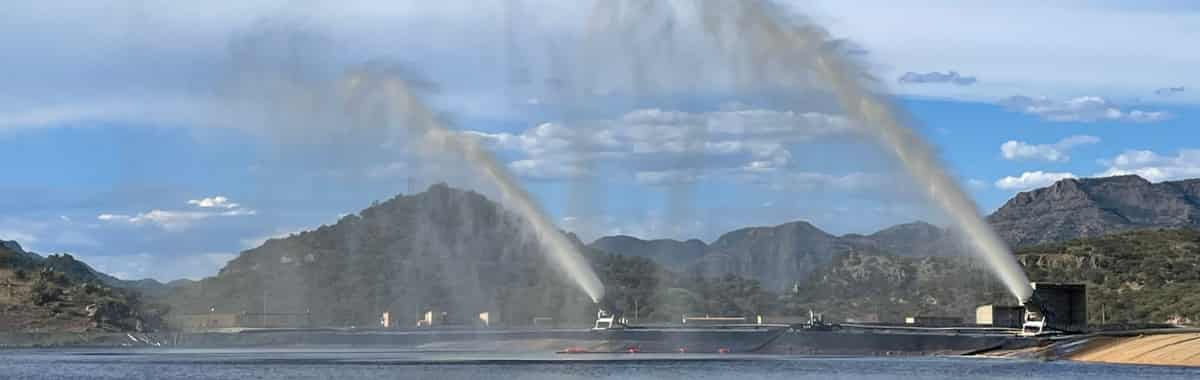
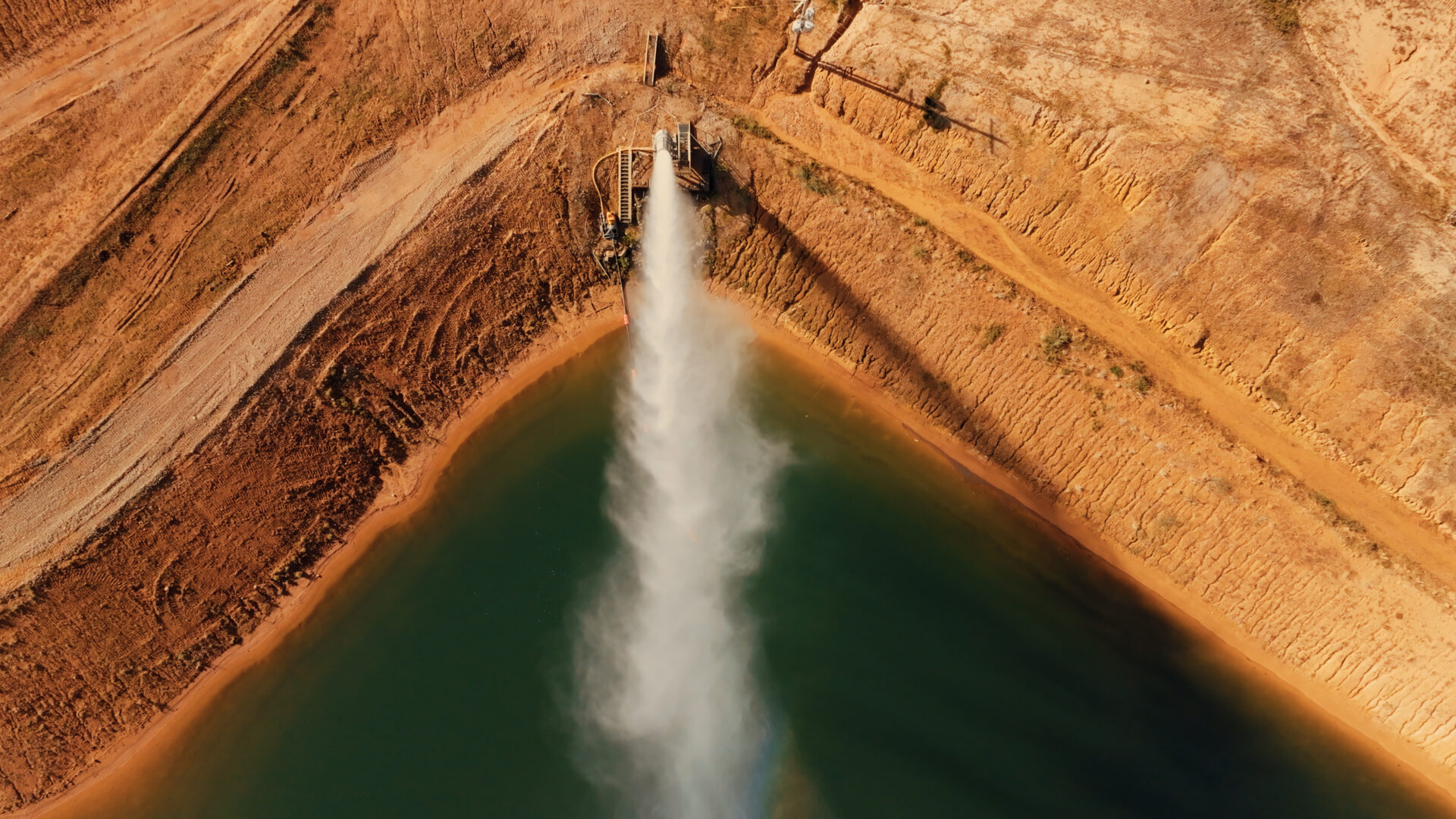
Minetek Water offers the world’s most comprehensive and cost-effective water evaporation technology, designed to help mining operations reduce the risks associated with excess water and support environmental compliance. 

Built for flexibility in demanding site conditions, Minetek’s mobile water evaporation solutions are engineered to process a wide range of water qualities, delivering an efficient, cost-effective, and sustainable approach to mine water management. The technology can process solids up to 4.0 mm in diameter and evaporate water across a pH range from 1.8 to 14+. 

Scientifically proven in some of the world’s most challenging industrial landscapes and climates, the Minetek evaporation technology has been deployed across more than 700 projects globally. This depth of application gives mining operations access to practical, field-tested solutions that help improve water control, reduce disruption, and ease pressure on existing site infrastructure. 

At SME Minnesota Conference 2026, these conversations will remain highly relevant as mining companies continue to evaluate scalable solutions that support compliance, productivity, and long-term site performance. 


Shaping stronger mine water outcomes

As mining operations continue to face increasing environmental, operational and regulatory pressure around water, the need for practical and scalable water management solutions will only continue to grow. 

SME Minnesota Conference 2026 provides an important platform to engage with the industry on the challenges shaping mine water management today, while contributing to broader discussions around compliance, resilience and long-term site performance. 

Connect with Minetek Water at SME Minnesota Conference 2026 at Booth #6 in Duluth to discuss the water management challenges shaping your operation and the solutions supporting stronger site outcomes. 
Kembali ke berita & wawasan

Minetek advances sustainable, responsible mine water management at Water in Mining 2026

Publish date: 26 Maret 2026

Water is becoming one of mining’s most defining operational and strategic pressures. Across major mining regions, operators are facing tighter scrutiny on water stewardship, rising expectations around ESG performance, and increasing pressure to build resilience into site infrastructure and long-term planning. 

That shift is changing the role of mine water management. It is no longer viewed only through the lens of excess water removal or site compliance. It is now central to how operations protect continuity, reduce environmental risk, respond to changing conditions, and maintain confidence with regulators, investors, and communities. 

Against that backdrop, Minetek is deepening its commitment to mine water leadership through a dual-event partnership with Water in Mining 2026We will take a high-level co-sponsor position at Water in Mining Vancouver in April 2026, followed by a major presence at the inaugural Water in Mining Australia conference in Perth in September 2026.  

Through Water in Mining 2026, we will deepen our engagement with global mine water stakeholders in Vancouver and extend that momentum across the Asia-Pacific mining sector in Perth. 


Why Water in Mining 2026 matters now

Mining operations are managing a more complex water environment than ever before. Water strategies now need to account for production demands, storage constraints, environmental obligations, site expansion, rehabilitation planning, and more frequent pressure from extreme weather events. At the same time, the industry is being asked to demonstrate more than compliance. It is being asked to show how water is being managed as part of a broader operational and ESG framework. 

This is why Water in Mining has become an increasingly important forum for the sector. It brings together mining companies, technical specialists, consultants, regulators, and technology partners to examine the practical realities of water management in modern mining. Discussions are no longer limited to isolated technical issues. They increasingly focus on integrated site water strategies, tailings, treatment pathways, closure planning, risk mitigation, and long-term stewardship. 

For Minetek, this partnership reflects the evolving needs of the industry and the broader role we continue to play as a trusted partner in mine water management. 

Drone_Missouri (64)

Helping sites manage water risk, compliance and resilience

Minetek has worked with mining operations across a wide range of environments to help address water-related risks, reduce the likelihood of non-compliance events and support more resilient site outcomes. 
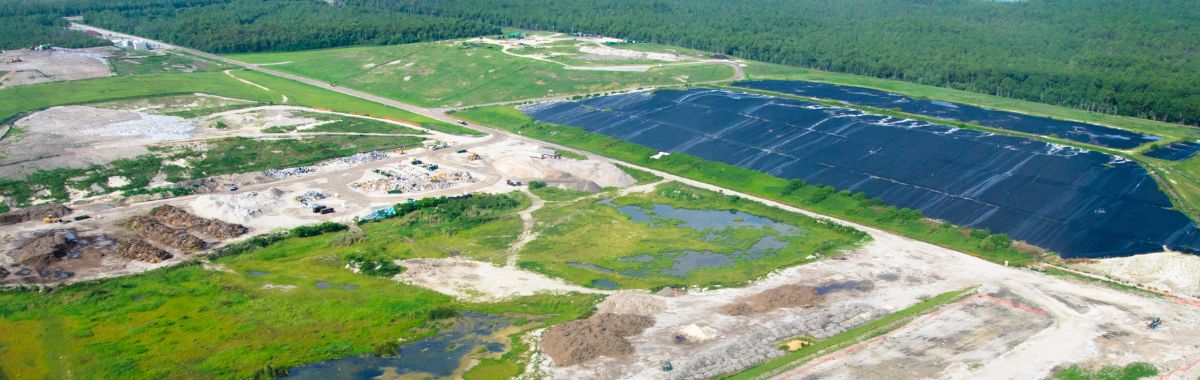
As expectations around ESG performance, reporting and operational accountability continue to rise, mining companies are looking for practical partners who understand how water management decisions affect environmental performance, operational continuity and long-term site strategy. 

Effective water management now influences far more than compliance alone. It can shape production continuity, environmental exposure, closure planning and stakeholder confidence across the life of a mine. 

Our involvement in Water in Mining 2026 reflects that broader role. It gives us an opportunity to engage with the industry on the operational and environmental pressures shaping mine water management today, while sharing insight into how practical, site-ready solutions can support stronger outcomes. 

These are some of the questions increasingly shaping the conversation: 

  • How can water management strategies better support operational continuity?  
  • How can sites reduce risk while improving flexibility under changing conditions? 
  • How should water be considered within ESG priorities and long-term mine planning?  
  • What role can proven engineering solutions play in building more resilient water infrastructure?  

These are the conversations we are bringing to Water in Mining 2026. 


Driving mine water conversations across global and regional markets 

As a co-sponsor of Water in Mining 2026, Minetek will engage with the industry across two important mining markets in Vancouver and Perth. 

The programme begins in Vancouver in April 2026, bringing together mining leaders, technical specialists, consultants and regulators to explore the operational, environmental and strategic pressures shaping water management across the industry. For us, it provides an opportunity to engage with the global mining sector on the issues shaping mine water management today, from water stewardship and compliance to operational resilience and long-term planning. 

That engagement will continue at Water in Mining Australia in Perth in September 2026. As the inaugural Australian event, Perth will provide a dedicated regional forum to examine the specific challenges and opportunities facing the local mining sector, including water management strategy, groundwater and aquifer recharge, tailings, closure and remediation, community engagement, and evolving regulatory expectations. 

The two events give us a strong platform to connect with stakeholders across global and regional markets, while contributing to broader industry conversations around practical, site-ready approaches to mine water management. 

Drone_Missouri (17)

Water management: proven solutions for complex mine water

Air Minetek offers the world’s most comprehensive and cost‑effective mechanical water evaporation technology, designed to reduce risks associated with managing excess water and ensure environmental compliance. Our mobile, flexible solutions have been engineered to process a wide range of water qualities, delivering an efficient, cost‑effective and sustainable water management solution. 

Minetek units can process solids up to 4.0 mm in diameter and evaporate water with a pH level ranging from 1.8 to 14+. Our evaporation technology has been scientifically proven in some of the most challenging industrial landscapes and climates, with over 600 projects completed worldwide. 

Download water evaporators capability brochure 


Shaping the future of mine water management

As mining operations face increasing environmental, operational and strategic pressure around water, the need for practical and scalable approaches to mine water management will only continue to grow. 

Our partnership with Water in Mining 2026 reflects the importance of that shift. It gives us a global platform to engage with the industry on the water challenges shaping mining today, while contributing to conversations around stewardship, compliance, resilience and long-term site performance. 

Across Vancouver and Perth, we look forward to connecting with mining leaders, technical specialists and industry stakeholders on the evolving role of water management in mining. 

Visit us at Water in Mining 2026 or speak with Minetek water management experts about the practical strategies shaping stronger mine water outcomes.

Kembali ke berita & wawasan

Minetek brings mine water management expertise to Water in Mining 2026 Vancouver

Publish date: 26 Maret 2026

The Water in Mining Global Summit 2026

The Water in Mining Global Summit 2026 will take place in Vancouver, Canada, from 20–22 April 2026. As one of the mining industry’s key forums on water, ESG and climate resilience, the event will bring together operators, regulators, investors and technology providers to explore how mine water can be managed more strategically in an increasingly complex operating environment. 

Minetek is proud to partner with this year’s summit. As a globally recognised provider of advanced water management solutions, Minetek will be exhibiting at Booth #11, engaging with operators on how integrated water strategies can support production, regulatory compliance and ESG performance. 


The evolving challenges shaping mine water management

Mine water management is becoming more complex as mining operations face increasing pressure to balance operational continuity, environmental responsibility, and regulatory compliance. Across many sites, water is no longer managed as a standalone issue. It is increasingly tied to production planning, tailings performance, discharge obligations, climate resilience, and long-term site strategy. 

Across North America and other major mining regions, operators are navigating tighter expectations around discharge quality, greater scrutiny of surface water protection, and increasing pressure to maintain control of site water balances under variable conditions. These challenges are being compounded by more frequent extreme weather events, aging infrastructure, and the need to align water decisions with broader ESG and stewardship commitments. 

As these pressures continue to grow, mining companies are looking for practical approaches that not only address excess water volumes, but also support stronger compliance, lower environmental risk, and more resilient site performance. That is a key reason mine water management is now attracting broader strategic attention across the industry.

Drone_Missouri (31)

Advanced mechanical evaporation technology

Air Minetek offers the world’s most comprehensive and cost‑effective mechanical water evaporation technology, designed to reduce risks associated with managing excess water and ensure environmental compliance. Our mobile, flexible solutions have been engineered to process a wide range of water qualities, delivering an efficient, cost‑effective and sustainable water management solution. 

Minetek units can process solids up to 4.0 mm in diameter and evaporate water with a pH level ranging from 1.8 to 14+. Minetek evaporation technology has been scientifically proven in some of the most challenging industrial landscapes and climates, with over 700 projects completed worldwide. 

Download water evaporators capability brochure 

At Water in Mining 2026, Minetek will demonstrate how this proven evaporation capability integrates into broader site‑wide strategies that: 

  • Stabilise water balances across pits, tailings storage and process circuits. 
  • Reduce overflow and non‑compliance risk during high‑inflow and storm events.
  •  Support mines in meeting ESG and climate commitments without constraining production. 

Minetek Water’s objective is to help mine operators turn water from a compliance headache into a strategic lever that protects production, strengthens ESG performance and builds long‑term resilience. 


Evaporation in practice: Missouri Cobalt case study

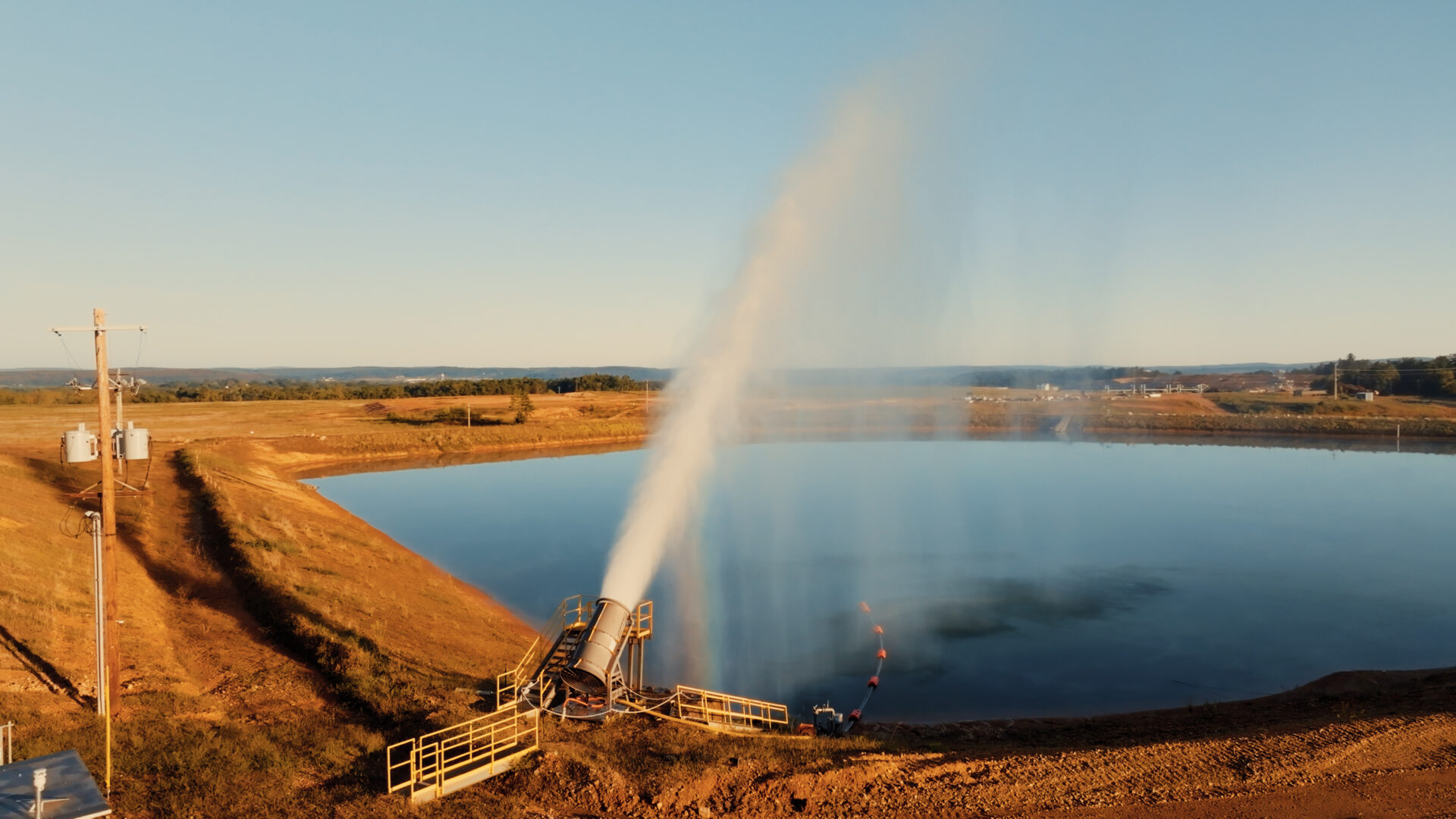
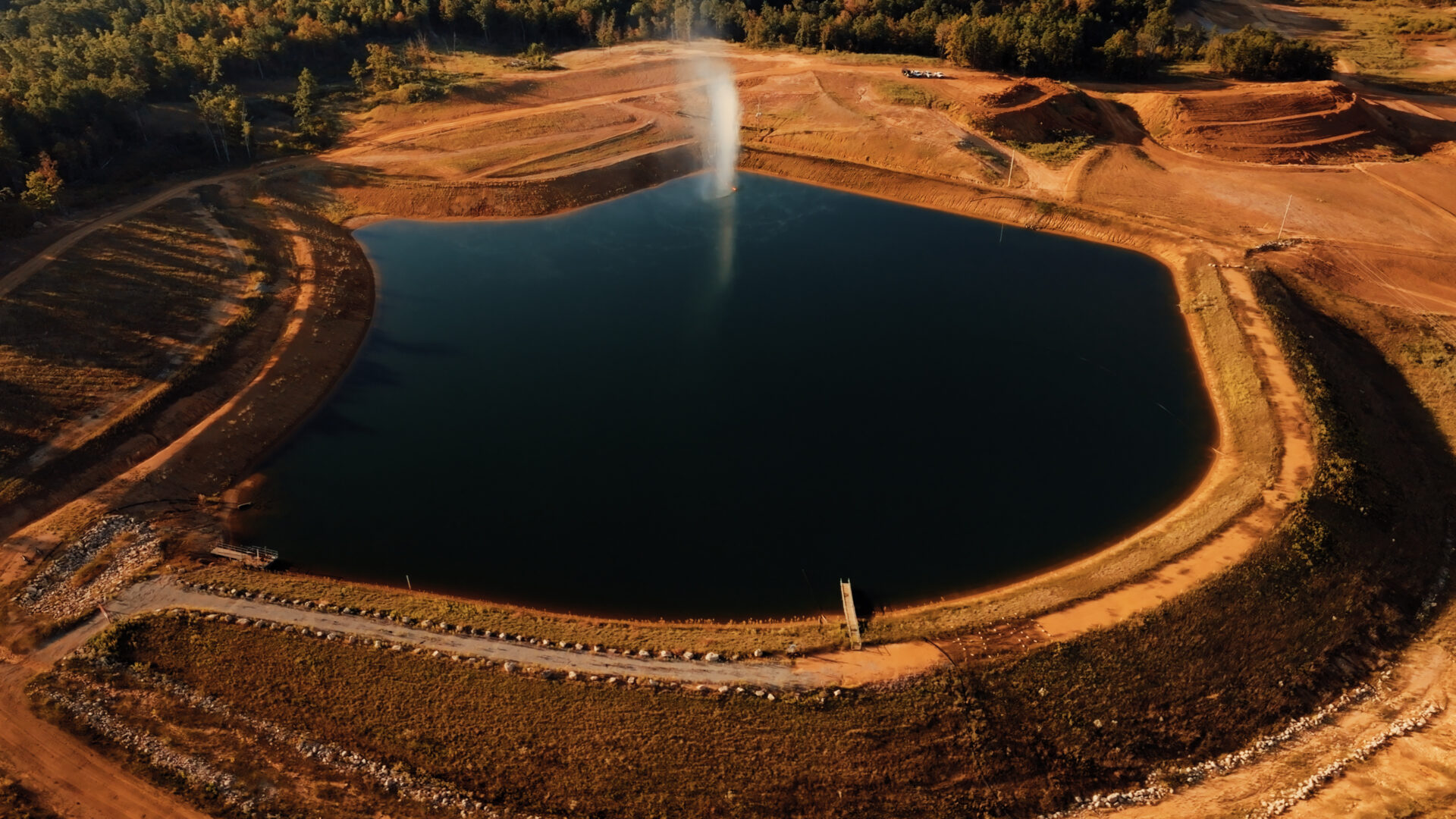
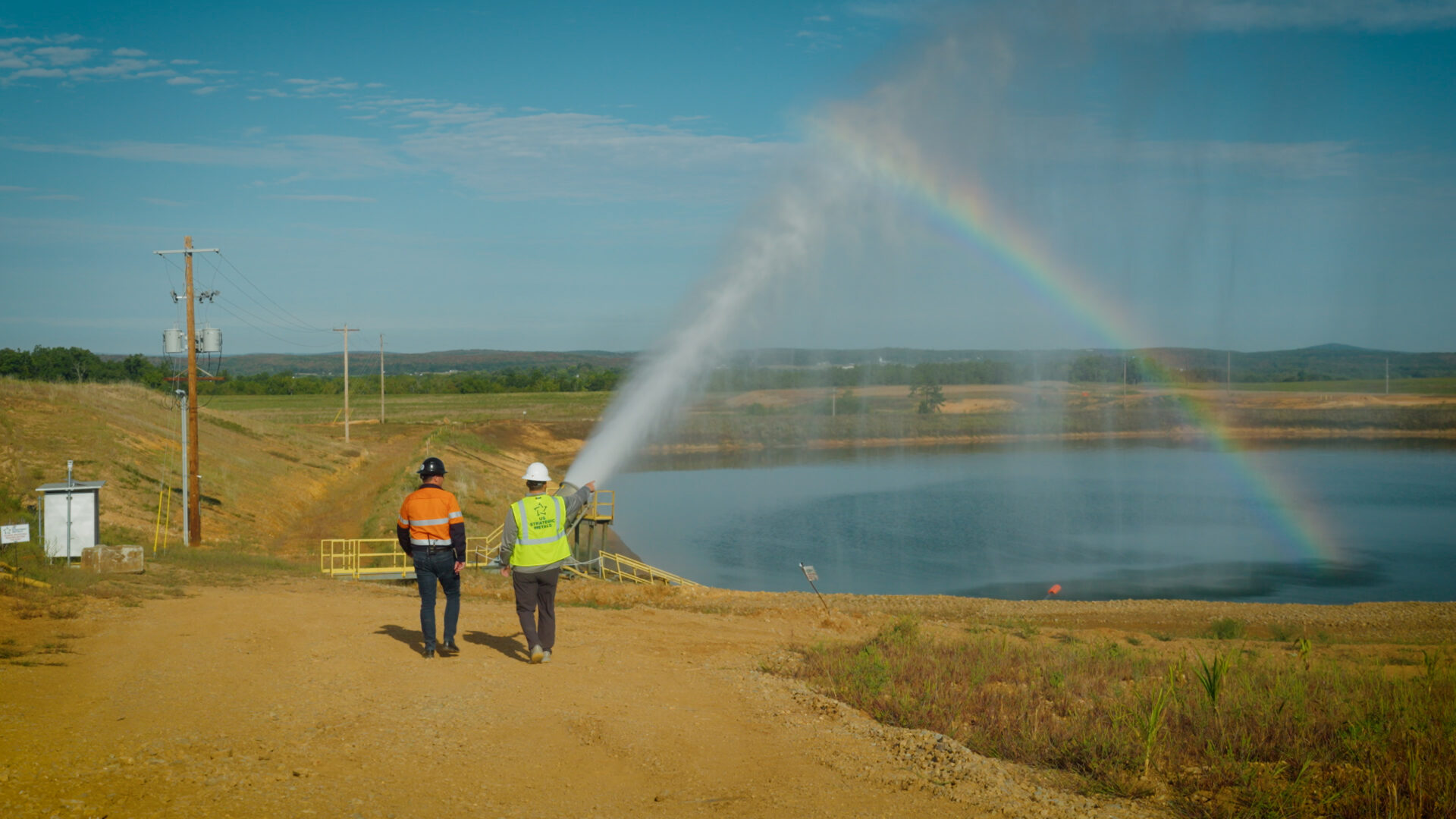
At a Missouri cobalt operation in USA, Minetek supplied a turnkey, land‑based evaporation system to manage inflows into an expanding tailings storage facility. The site was receiving sustained underground inflows of more than 300 gallons per minute, creating a risk of TSF overtopping, regulatory non‑compliance and delayed plans to restart mining. 

Minetek delivered a full mechanical evaporation system with an integrated Environmental Management System (EMS), enabling the site to regain control of water levels under peak inflow conditions. The system delivered weekly evaporation volumes in the millions of gallons, driving consistent reductions in pond levels while automating compliance control through real‑time monitoring and remote operation. 

The full project is detailed in the Missouri cobalt mine water management case study, available here. 

These results are representative of how Minetek Water integrates mechanical evaporation systems into site‑wide water strategies to stabilise water balances, reduce overflow risk and support long‑term ESG objectives. 

BRoll_Missouri (123)

Supporting executives, environmental leaders and technical teams

Across North America and other key mining regions, operators are facing tighter regulations on discharge quality and tailings stability, increased scrutiny on water use, and greater climate uncertainty. These pressures demand solutions that are technically robust, commercially viable and scalable across portfolios. 

During Water in Mining 2026, Minetek will be available at Booth #11 to discuss: 

  • Site‑specific water balance challenges and operational bottlenecks. 
  • Options to de‑risk approvals and compliance while maintaining or increasing throughput. 
  • Practical pathways to implement integrated water roadmaps across the life of asset. 

Alongside the summit, Minetek will also support executive‑level engagement, including private discussions and focused sessions aimed at translating conference insights into actionable plans for individual operations. 

To discuss your site’s water management challenges or arrange a meeting at Booth #11, connect with our team at [email protected] 

Kembali ke berita & wawasan

How mechanical evaporation systems help manage ammonia in industrial wastewater.

Publish date: 18 Maret 2026

Why ammonia management is a growing challenge in industrial wastewater

Ammonia is a common contaminant in industrial wastewater, particularly across mining operations, landfill facilities, and resource processing sites. Elevated ammonia concentrations can threaten aquatic ecosystems, create regulatory compliance risks, and increase the complexity of water management. 

At many industrial sites, ammonia management is closely linked to another challenge. Rainfall, runoff, and process water can accumulate in storage ponds and containment dams, allowing contaminants such as ammonia to concentrate over time. 

Mechanical evaporation technologies offer a practical approach to managing these conditions. By atomising wastewater into fine droplets and exposing them to airflow, evaporation systems reduce stored water volumes while increasing air–water interaction. These conditions can also support ammonia volatilisation processes. 

Minetek’s mechanically enhanced evaporation systems apply this principle to industrial water management, enabling sites to reduce water inventories while supporting ammonia management strategies. 


What causes ammonia in industrial wastewater 

Ammonia enters industrial wastewater through several common sources.  

  • Mining operations frequently generate ammonia with ammonium nitrate explosives during blasting activities. Residual nitrogen compounds dissolve into pit water, runoff, and site drainage systems.
  • Landfills produce ammonia through the biological decomposition of nitrogen-containing organic waste. These reactions generate ammonia that accumulates within leachate storage systems.
  • Industrial process water may also contain ammonia from chemical reactions or mineral processing activities. 

In water, ammonia exists in two chemical forms. 

  • Unionised ammonia (NH₃)
  • Ammonium ion (NH₄⁺) 

The balance between these forms depends on pH and temperature conditions. Higher pH and warmer temperatures favour the unionised ammonia form, which is significantly more toxic to aquatic organisms. 

The U.S. Environmental Protection Agency (EPA) highlights the importance of pH and temperature when assessing ammonia toxicity in freshwater ecosystems. Because of this behaviour, ammonia concentrations are closely monitored in wastewater discharge permits. 


Group_Images_In text_02062024 - 2026-03-18T154457.113

Why ammonia is difficult to manage

Ammonia can be difficult to manage in industrial wastewater systems because it can originate from multiple sources, accumulate in stored water inventories, and pose risks to aquatic ecosystems if discharged without control. The U.S. EPA also identifies ammonia as a common contaminant in waters affected by industrial activities, wastewater discharges, and organic waste decomposition. Several factors contribute to the complexity of ammonia management in industrial water systems: 


Multiple ammonia sources

Ammonia may enter industrial wastewater through nitrogen-containing materials, including explosives residues, organic waste breakdown, and industrial process streams.


Accumulation in stored water inventories

Wastewater stored in ponds, dams, or containment basins can allow ammonia concentrations to increase over time as water volumes fluctuate. 


Treatment complexity

Removing ammonia typically requires specialised treatment processes such as biological nitrification–denitrification or physicochemical treatment methods. 


Environmental and regulatory risk

Ammonia is toxic to aquatic organisms and therefore regulated in wastewater discharge permits to protect freshwater ecosystems. 


Ammonia discharge regulations in North America and Australia 

Ammonia concentrations in wastewater are regulated in many jurisdictions because of their potential toxicity to aquatic ecosystems. 

In the United States, the U.S. EPA Aquatic Life Ambient Water Quality Criteria for Ammonia – Freshwater has established national recommended ambient water quality criteria for ammonia in freshwater under the Clean Water Act. These criteria provide guidance to states when setting water quality standards to protect aquatic life from the toxic effects of ammonia.  

Similarly, in Australia and New Zealand, ammonia concentrations are assessed using guideline values provided in the Australian and New Zealand Guidelines for Fresh and Marine Water Quality. These guidelines establish default toxicant values that help regulators and environmental managers assess risks to aquatic ecosystems. 

These regulatory frameworks highlight the importance of managing ammonia concentrations in industrial and mining wastewater systems to protect receiving water bodies. 

Group_Images_In text_02062024 - 2026-03-18T161630.820

Limitations of traditional ammonia treatment methods 

Several conventional technologies are used to remove ammonia from wastewater. However, these methods can present operational and economic limitations when applied to large industrial water systems. Reviews of wastewater nitrogen removal technologies explain that biological, physical, and chemical treatment methods each have advantages and limitations depending on wastewater conditions.   


Biological treatment sensitivity

Biological nitrogen removal processes such as nitrification–denitrification depend on microbial activity that requires stable environmental conditions. According to the U.S. EPA’s Biological Nutrient Removal Processes and Costs report, nitrifying bacteria responsible for ammonia conversion have stringent growth requirements and are sensitive to environmental conditions such as dissolved oxygen, temperature, and pH. 


Operational complexity

Nitrogen removal processes often require precise control of treatment conditions to maintain performance. According to research published in Chemical Engineering Journal’s “Separation and Purification Technology”, these operational parameters strongly influence microbial activity and treatment effectiveness. Process parameters such as aeration, dissolved oxygen levels, pH, and temperature significantly affect nitrification efficiency and overall ammonia removal performance. 

Because of these limitations, industrial sites often combine treatment technologies with broader water management strategies to control ammonia concentrations effectively 


How ammonia volatilisation works 

Ammonia volatilisation occurs when dissolved ammonia transitions from the liquid phase into the atmosphere. This transfer process depends on several environmental factors. Key drivers include: 

  • air–water contact area 
  • air-to-water ratio 
  • temperature 
  • pH 

Experimental studies investigating ammonia stripping processes have reported removal efficiencies between 91% and 98% under optimised conditions. 

The Internation Journal of Chemical Engineering’s “Recent Development in Ammonia Stripping Process for Industrial Wastewater Treatment” article also highlights droplet surface area and airflow exposure as critical factors influencing ammonia volatilisation rates. 

Hence, increasing air-water interaction therefore plays a central role in accelerating ammonia transfer from water to air. 

Group_Images_In text_02062024 - 2026-01-27T152313.966

How Minetek evaporation systems support ammonia management 


Minetek evaporation technology for industrial water management 

Minetek designs and manufactures mechanically enhanced evaporation systems used by mining and industrial operations to manage excess water inventories. 

These systems are deployed on large water storage facilities such as mine water dams, tailings storage facilities, containment ponds, and landfill leachate basins. In these environments, water accumulation can create operational challenges and increase the concentration of dissolved contaminants such as ammonia. 

Minetek evaporation systems enable sites to actively reduce stored water volumes while increasing air-water interaction within the water management system. This combination allows operators to control water inventories while supporting contaminant management strategies, including ammonia control. 


The science behind Minetek technology 

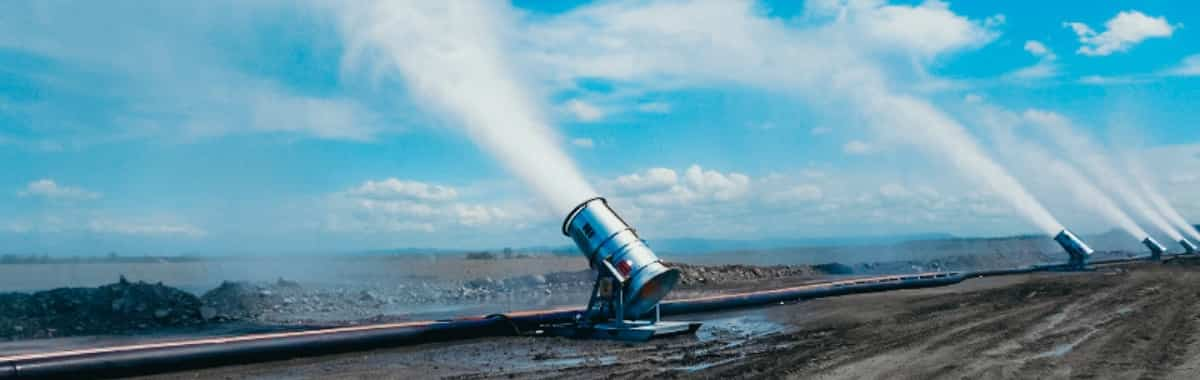
Minetek Evaporators use a process called Mechanically-Enhanced Evaporation (MEE). The technology accelerates natural evaporation by increasing both water surface area and airflow across the water. This is achieved through two key mechanisms. 


Droplet atomisation

Feed water is pumped at high pressure through a series of specialised fracturing nozzles. These nozzles break the water into millions of droplets every second. This dramatically increases the total surface area of the water exposed to the air. 

In conventional evaporation ponds, evaporation only occurs across the surface of the water. By comparison, atomising the water into droplets creates far more surface area, allowing evaporation to occur much more rapidly. 


High-velocity airflow

Minetek evaporators also use powerful industrial fans to generate airflow exceeding 150 km/h. This high-velocity airflow moves across the atomised droplets and accelerates the transfer of moisture into the atmosphere. 

As a result, evaporation occurs at a rate significantly higher than the ambient Pan Evaporation Rate (PER) that limits traditional evaporation ponds. 


Spray plume evaporation process 

Together, atomisation and airflow create a spray plume consisting of millions of droplets of the water being treated. 

As these droplets travel through the airflow: 

  • a portion of the water evaporates into the atmosphere
  • the remaining droplets fall back into the storage pond 

 Minetek evaporators are engineered to achieve approximately 50% evaporation efficiency in a single pass. 


For example: 

If 1,000 litres of water are dispersed into the spray plume, approximately 500 litres may evaporate while the remaining water returns to the feed pond. 

This continuous process allows sites to actively reduce stored water inventories while maintaining circulation within the water storage system. 

Evaporator Air Minetek

Designed for challenging industrial water chemistry 

Industrial water storage systems often contain highly variable water chemistry. 

Common water conditions encountered on mine and industrial sites include: 

  • elevated salinity and dissolved solids
  • suspended solids from sediment or tailings
  • dissolved contaminants such as ammonia
  • fluctuating water chemistry during rainfall events 

Minetek evaporation systems are designed to operate across a wide range of these conditions. Units currently operating around the world are evaporating water ranging from pH 1.0 to above 14, including water with high Total Dissolved Solids (TDS) and high Total Suspended Solids (TSS). 

Unlike conventional treatment technologies that target specific contaminants, evaporation converts liquid water into vapour. As a result, the process is largely unaffected by many dissolved constituents within the water. 

During operation, wastewater is atomised into droplets and dispersed into the air where evaporation occurs as the droplets interact with airflow. Because this process occurs outside the equipment, increasing concentrations of salts, solids, or ammonia do not significantly affect evaporator operation. 

In practice, the main requirement is that the water can be pumped through the evaporator system. Once atomised and exposed to airflow, evaporation proceeds regardless of many dissolved constituents in the water.  


Supporting ammonia management through water volume control 

Ammonia is commonly present in mining and industrial wastewater systems. It can originate from blasting activities, process chemicals, landfill leachate, or biological breakdown of nitrogen compounds. 

Managing ammonia becomes more difficult when water accumulates in pits, ponds, and containment dams. Larger water inventories can increase contaminant concentrations and reduce operational flexibility. Reducing stored water volumes is therefore an important part of many site water management strategies. 

Minetek evaporation systems provide operators with a practical way to actively manage excess water inventories. By accelerating natural evaporation through mechanically enhanced evaporation, the systems reduce stored water volumes while increasing air–water interaction within the water system. 

For sites managing ammonia-affected water, this increased air–water interaction can also influence ammonia behaviour through natural volatilisation processes. 

When integrated into broader site water management strategies, mechanically enhanced evaporation helps operators maintain storage capacity while supporting water quality management across complex industrial water systems. 


Need help managing ammonia and excess water on your site? 

Speak with a Minetek water management expert to explore evaporation solutions for complex wastewater conditions. 


Evaporator Air Minetek

FAQ 

What causes ammonia in mining wastewater?
Ammonia in mining wastewater commonly originates from ammonium nitrate explosives used in blasting operations. Residual nitrogen compounds dissolve into pit water and runoff systems where ammonia concentrations can accumulate. 

Why is ammonia harmful in wastewater?
Ammonia can damage aquatic ecosystems and reduce dissolved oxygen levels in receiving waters. Toxicity increases when ammonia shifts into its unionised form at higher pH and temperature conditions. 

Can evaporation systems reduce ammonia levels?
Evaporation systems increase air–water interaction and can encourage ammonia volatilisation while reducing stored wastewater volumes. 

How do Minetek evaporation systems help manage ammonia?
Minetek systems atomise wastewater into fine droplets and expose them to strong airflow. This increases evaporation rates while promoting ammonia volatilisation. 

Can Minetek evaporators handle difficult water chemistry?
Yes. Minetek evaporation systems have been successfully deployed in waters ranging from highly acidic to highly caustic conditions, including water with high dissolved and suspended solids. 

Kembali ke berita & wawasan

Water management regulations & potential violations in mining operations.

Publish date: 21 Januari 2026

When rising water triggers regulatory exposure.

Mining operations are rarely penalised for having too much water on site. However, they can be penalised for allowing water to rise unchecked, unmanaged, or outside approved operating limits.  

Across major mining jurisdictions, regulators do not define a single maximum water level for pits or tailings storage facilities. Instead, compliance is assessed through a risk-based lens that focuses on preventing unauthorised discharges, protecting water quality, maintaining structural stability, and safeguarding people and the environment.  

Understanding how rising water triggers regulatory exposure is critical for mine operators navigating increasingly complex environmental, safety, and approval frameworks.


United States.

How rising water becomes a regulatory violation. 

In the United States, mining regulations do not impose a universal maximum water level for mine sites or tailings storage facilities. Instead, compliance is assessed through a risk-based framework that focuses on outcomes rather than fixed thresholds. Water becomes a regulatory issue when it is no longer adequately controlled in line with permits, design assumptions, and safety requirements. 

This approach reflects a core principle of US environmental law. A spill does not need to occur for a violation to exist. Regulators assess whether rising water levels cause, or are likely to cause, unauthorised discharges, water quality impacts, dam safety risks, permit non-compliance, or environmental endangerment. 

As water accumulates across a site, it can progressively undermine compliance across several regulatory regimes. The most relevant include the Clean Water Act, National Pollutant Discharge Elimination System permits, stormwater controls, state dam safety requirements, and, in higher-risk scenarios, federal endangerment authorities. 

Bendungan tailing

Clean Water Act and NPDES permit exposure.

Di bawah Undang-Undang Air Bersih, mining operations are prohibited from discharging pollutants to waters of the United States unless authorised under a National Pollutant Discharge Elimination System (NPDES) permit. These permits define how mine-affected water must be managed, treated, and, where allowed, discharged. 

As water levels rise, compliance risk increases. Approaching operating limits raises the likelihood of overtopping during storm events, seepage to surface water or groundwater, and treatment systems being overwhelmed. Each of these conditions can result in unauthorised discharges or exceedance of permitted limits. 

Crucially, an actual discharge is not required for enforcement. Where rising water indicates that permit conditions, such as freeboard or discharge prevention requirements, are no longer being met, regulators may treat the situation as a violation based on imminent risk alone.


Permit conditions and operational controls.

NPDES permits establish discharge limits, operational controls, monitoring, and reporting requirements that are legally enforceable regardless of whether environmental harm has occurred.  

When water levels rise, operators may rely on emergency pumping, diversions, or temporary bypasses that fall outside approved operating envelopes. Even where these actions prevent flooding or overtopping, they may still constitute permit breaches if they are not authorised. 

This leaves little margin for error. A site can remain physically stable while still being legally non-compliant if permit conditions are not followed.


Stormwater management and runoff risk.

Stormwater discharges from mining operations are regulated as industrial activity under the NPDES program, requiring implementation of Stormwater Pollution Prevention Plans and appropriate control measures. Rising water levels can compromise these systems by reducing diversion capacity, saturating embankments, or overwhelming drainage infrastructure. 

These conditions increase the risk of sediment-laden runoff leaving the site during rainfall events. Regulators may cite failures in stormwater control design, inadequate maintenance, or non-compliance with approved plans, even where no formal discharge point is activated. 

Bendungan tailing

State dam safety and tailings oversight.

In the United States, tailings storage facilities are typically regulated as dams under state law with requirements for minimum freeboard, spillway capacity, and defined trigger levels. 

From a dam safety perspective, rising water is a primary risk indicator. Loss of freeboard alone is often sufficient to constitute non-compliance, even where no structural failure has occurred. As water approaches design limits, regulatory attention shifts from routine compliance to risk mitigation. 


Imminent and substantial endangerment authority.

Under RCRA Section 7003, EPA may issue orders where conditions may present an imminent and substantial endangerment to human health or the environment, allowing enforcement based on credible risk rather than an actual release. 

While mine tailings are generally exempt from hazardous waste classification, this exemption does not apply where rising water creates structural instability or a credible risk of uncontrolled release. 

Under these provisions, agencies can issue emergency orders, mandate corrective actions, or require operational changes to reduce risk. The trigger for intervention is credible endangerment, not actual harm. 


When American regulators typically intervene.

In practice, enforcement action is most likely when multiple warning signs converge. These commonly include freeboard falling below approved minimums, water levels approaching dam crests or spillway activation points, increasing seepage beyond baseline conditions, and monitoring data showing sustained upward trends without effective mitigation. 

Failure to notify regulators of deteriorating conditions can itself constitute a violation. Sites that act early and communicate proactively are far more likely to avoid formal enforcement than those that delay action until limits are breached. 

Grup_Gambar_Dalam teks_02062024 (1)

Australia.

How rising water breaches environmental, safety, and licence obligations. 

Australia does not impose a single national limit on how much water a mine or tailings storage facility can hold. Instead, compliance is enforced through a combination of state-based environmental protection laws, site-specific licence conditions, dam safety requirements, and work health and safety obligations. Rising water becomes a compliance issue when it exceeds approved design limits, risks unauthorised discharge, compromises tailings dam stability, or creates unacceptable environmental or safety risk. 

Like the United States, enforcement is outcome-based. A spill is not required for non-compliance to occur. Regulators assess whether water is being managed in accordance with approvals, operating envelopes, and risk controls, with particular focus on freeboard, discharge risk, and structural safety. 

Because mining regulation in Australia is largely administered at the state and territory level, water-related compliance exposure often arises across multiple overlapping regulatory frameworks rather than a single statute. 


State environmental protection laws and unauthorised discharge.

Each Australian state and territory regulates mine water under its own environmental protection legislation. Under state environmental protection legislation, mining operations must hold environmental protection licences issued by the NSW EPA under the Protection of the Environment Operations Act 1997, with conditions that regulate pollution and water discharge limits. 

Rising water levels increase the likelihood of unauthorised discharge, particularly during wet weather events. As ponds or tailings facilities approach approved limits, the risk of overtopping, seepage, or uncontrolled release increases. Regulators may intervene where conditions indicate a material risk of pollution, even if no discharge has yet occurred. 


Environmental Authority and licence conditions.

Mining operations in Queensland must hold an environmental authority (EA) issued under the Environmental Protection Act 1994 before undertaking activities with the potential to release contaminants into the environment, including water, and these authorities include conditions designed to manage those risks. A mining lease cannot be granted unless a valid EA has been issued, and EAs put conditions on operators to help reduce or avoid environmental impacts associated with mining activities.  

Rising water can breach these conditions without any spill occurring. Exceeding approved operating envelopes, failing to maintain freeboard, or operating outside an approved water management plan may each constitute a licence offence. 

Bendungan tailing

Tailings storage facility and dam safety requirements.

Tailings storage facilities in Australia are regulated through mining legislation, environmental approvals, dam safety requirements, and regulator-endorsed guidelines.  

Regulatory expectations for tailings facilities are increasingly informed by the ANCOLD Guidelines dan Standar Industri Global tentang Pengelolaan Tailing (GISTM) 

Loss of freeboard, reduced flood capacity, or failure to act on defined trigger levels is commonly treated as non-compliance. Where a tailings facility is classified as a dam, dam safety legislation applies, including obligations to maintain approved operating levels and notify regulators of rising risk. 


Water management and mine safety obligations.

Water storage, diversion, and release are also regulated under state water management frameworks. Rising water may breach water licences where storage exceeds approved limits or emergency releases occur without authorisation. 

In parallel, under Australia’s model Work Health and Safety laws, operators have a duty to manage risks to workers and others, including hazards that may arise from water inundation or instability on site. Rising water that creates instability or inundation risk, particularly where known risks are not addressed, may trigger safety enforcement or stop-work directions. 


When Australian regulators typically intervene.

Regulatory action most commonly occurs when freeboard drops below approved minimums, water exceeds design or approval limits, emergency discharges occur, or tailings facility risk classifications increase. Sustained upward trends in monitoring data without effective mitigation also attract scrutiny. 

Failure to notify regulators of deteriorating conditions is itself often a breach. As with US regulators, early disclosure and proactive water management are critical to maintaining compliance. 

Group_Images_In text_02062024 (73)

Proactive water management in practice 

The Missouri Cobalt mine in Clayton, Missouri, USA operates a growing cobalt production site that includes reopening legacy underground workings and managing an expanding tailings storage facility. The operation faced a significant hydrological challenge when sustained inflows from underground workings exceeded 300 gallons per minute, overwhelming the site’s existing water infrastructure and threatening regulatory compliance and operational timelines.  

Although no unauthorised discharge had occurred, rising water levels reduced available freeboard and increased the risk of non-compliance with Clean Water Act and NPDES permit conditions, stormwater requirements, and dam safety triggers. This trajectory of increasing water volume, rather than a single incident, created regulatory exposure because uncontrolled accumulation risked overtopping, seepage, and breach of licence conditions if left unmanaged.  

To mitigate this exposure, Minetek supplied and commissioned a stainless steel, land-based 400/200 water evaporation system with an integrated Environmental Management System (EMS) 

Operating at approximately 40 m³/h (180 GPM) with about 45% efficiency, the system delivered measurable daily reductions in pond levels, restored freeboard capacity, and helped maintain a compliant water balance under peak inflow conditions.  

The outcome demonstrates a regulatory reality. Rising water becomes a compliance problem long before any spill or failure occurs. 


Proactive water management as a compliance strategy.

Across both the United States and Australia, mining regulations do not wait for failure before enforcement begins. Rising water levels create regulatory exposure when they move beyond approved operating limits, reduce freeboard, or signal increasing risk to water quality, structural stability, or safety. In this context, compliance is defined by anticipation and control, not reaction. 

The Missouri Cobalt project demonstrates how proactive water management can stabilise risk before it escalates into non-compliance. By addressing rising water early and restoring balance within approved parameters, operators can maintain regulatory confidence, protect assets, and avoid disruption. 

As regulatory scrutiny continues to increase, effective water management is no longer just an operational requirement. It is a core compliance strategy that underpins safe, resilient, and sustainable mining operations. 

Kembali ke berita & wawasan

The future of industrial water management: Introducing XPEL powered by Minetek

Publish date: 12 Januari 2026

Building a stronger foundation for industrial water excellence.

Water management defines operational resilience across today’s industries. At Minetek, we have spent more than three decades engineering high-performance water evaporation systems that help operators manage complex water with confidence. Our experience in demanding mining environments shaped the standards we uphold today. It taught us to engineer solutions that perform with precision, endure harsh conditions, and deliver measurable outcomes. 
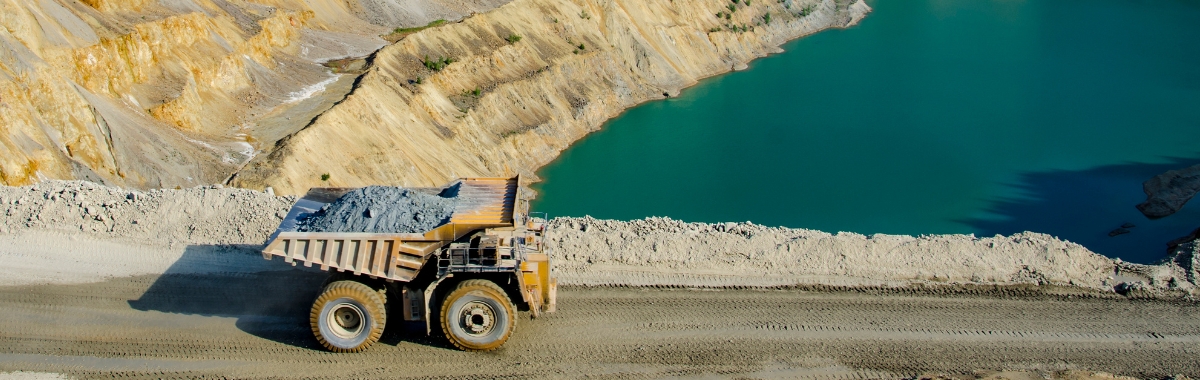
Over the past decade, we have seen a sharp rise in demand from non-mining sectors. Food processors, municipal authorities, legacy industrial plants and manufacturers began seeking the same outcomes our mining partners relied on. Many of these operators now use our technology to stabilise their water systems, reduce environmental risk, and maintain operational certainty. This growth revealed a clear opportunity. These industries needed a dedicated platform that reflected their context, spoke their language, and supported their operational pressures with the same world-class capability. 

We created XPEL didukung oleh Minetek for this purpose. 

XPEL brings a specialised environment for our engineered water solutions. It offers targeted expertise, broader application insight, and structured support designed for industrial and municipal operators. Our mining clients still represent the majority of our global base. Yet the rapid expansion of interest across non-mining sectors made it essential to create a platform that presents our water technology with clarity and relevance for every industry we now serve. 

With XPEL, customers gain a purpose-built platform that delivers the full strength of our mechanical evaporation technology with clearer guidance, broader applicability, and industry-specific support. They gain access to solutions proven to reduce water at the lowest total cost of ownership while delivering the reliability, efficiency and performance that define Minetek’s engineering. XPEL gives operators a direct path to better outcomes, stronger control, and measurable long-term value. It positions every industry to manage water with confidence, precision and the highest standards of operational excellence. 

Group_Images_In text_02062024 (83)

Why do modern industries need a new approach to water management?

Water management has shifted from a routine operational task to a strategic priority across industrial and municipal sectors. Many facilities now handle higher water volumes, more variable chemistry and tighter compliance expectations than their infrastructure was originally designed to support. Seasonal inflows, production peaks and environmental obligations add further pressure, creating a landscape where operators must act with greater accuracy and accountability. The challenge is no longer simply about storing or treating water but about maintaining resilience across unpredictable conditions. 

Traditional solutions are struggling to meet these demands. Treatment plants face increased load and rising operational cost. Storage assets intensify risk as capacity tightens and regulatory expectations escalate. Labour-intensive methods are increasingly difficult to sustain in modern workforce structures. Organisations need a method that reduces water efficiently while controlling cost and operational complexity. They need technology that performs at scale without requiring treatment upgrades or expanded infrastructure. 

XPEL powered by Minetek provides this capability through focused engineering and sector-specific insights. We apply decades of mechanical evaporation expertise to the conditions industrial operators face today. Our systems reduce water volumes predictably and safely. They integrate with on-site controls and environmental data to maintain stable performance across seasonal shifts and variable chemistry. This gives operators a practical and economical path to manage water proactively while protecting infrastructure, improving compliance confidence and strengthening long-term resilience. 


What defines XPEL powered by Minetek?

XPEL represents a refined expression of Minetek’s water engineering capability. It is a dedicated platform built to deliver the highest standards of performance, efficiency and operational reliability for industrial and municipal operators. While our introduction outlined why industries need new solutions, this section explains what XPEL uniquely provides and why it stands apart. 

XPEL stands for engineered quality. Every system is built from a foundation of airflow science and advanced mechanical design. This ensures strong evaporation efficiency, predictable performance and long-term durability across varied industrial environments. Our focus is on delivering solutions that process water consistently while maintaining the lowest total cost of ownership. 

XPEL also represents a more specialised approach to applying this technology. We built the platform to meet the needs of operators whose challenges differ from mining. This means clearer technical guidance, sector-specific insights and solution pathways shaped for food processing, municipal networks, manufacturing and other industrial applications. Customers receive information and support aligned to their regulatory context, workforce structure and operational constraints. 

The outcome is a platform that combines engineering precision with practical applicability. XPEL allows organisations untuk stabilise water systems, control storage levels and strengthen compliance confidence without expanding treatment plants or increasing operational burden. It provides a direct route to stronger water control, predictable kinerja and long-term operational value.

Group_Images_In text_02062024 (86)

Who does XPEL support across industry?

XPEL is designed for operators who manage complex water in environments where performance, certainty and operational efficiency matter. Each sector faces unique pressures driven by production cycles, regulatory frameworks or environmental conditions. Bringing engineered capability to these challenges and providing systems that fit into existing operations without increasing treatment burden or infrastructure footprint. 


Food processing.

Food processors manage fluctuating wastewater volumes influenced by washdown cycles, organic loading and production variability. Many sites operate within limited footprints that restrict treatment expansion. Helping processors maintain stable water systems by providing fast, efficient volume reduction that supports peak production periods. This strengthens compliance, reduces reliance on storage and ensures continuity during seasonal demand shifts. 


Oil and gas.

Oil and gas operators handle high-salinity water, variable chemistry and strict environmental requirements. Many facilities must manage complex process streams while protecting sensitive downstream infrastructure. Delivering controlled, high-capacity evaporation that reduces stored volumes and supports safer, more predictable water balance management in environments where reliability and operational certainty are critical. 


Government and municipal.

Councils and water authorities contend with stormwater surges, seasonal inflows and storage limits. These conditions place pressure on treatment plants and require systems that react quickly without increasing operational strain. Reducing volume efficiently and helps maintain safe pond levels during peak conditions. This supports infrastructure resilience and gives authorities greater confidence in meeting regulatory and community expectations. 


Legacy industrial.

Older industrial facilities often carry inherited ponds and historical water liabilities. Many operate with infrastructure that cannot be easily upgraded. Providing a practical, economical method to reduce water volumes and relieve the load on ageing systems. It enables operators to address long-standing water challenges with technology that performs reliably across varied conditions. 


Pulp and paper.

Pulp and paper mills generate high-strength process water with elevated solids and complex chemistry. Storage and treatment assets can quickly reach capacity, particularly during production peaks. Helping mills stabilise these systems by lowering stored volumes and easing pressure on downstream treatment. This supports operational continuity and strengthens compliance outcomes. 
 

Manufacturing.

Manufacturing facilities manage diverse wastewater profiles that can include elevated TDS, suspended solids and intermittent flows. These variables require systems that stay consistent regardless of daily changes. Providing a scalable pathway to maintain safe storage levels, protect treatment assets and strengthen overall water balance control within complex industrial operations. 

Across all sectors, XPEL provides operators with the ability to reduce water efficiently, protect infrastructure and maintain regulatory confidence without expanding treatment plants or adding operational complexity. 

Group_Images_In text_02062024 (84)

What sets XPEL apart in industrial water management?

XPEL powered by Minetek delivers a level of performance and operational certainty that stands apart from traditional water management methods. Our approach is grounded in engineered precision and informed by more than three decades of solving water challenges across some of the world’s most demanding environments. This experience shapes every system we design and ensures customers receive solutions built for long-term value. 


Proven expertise with global reach.

Our engineering capability has been developed through large-scale projects across mining, industrial and municipal sectors worldwide. This global experience gives us a clear understanding of how water behaves under different climates, chemistries and regulatory frameworks. XPEL applies this depth of knowledge to each project to help operators achieve strong and predictable outcomes regardless of site conditions. 


A focus on performance, innovation and operational reliability.

XPEL systems are engineered to deliver high evaporation efficiency and stable, continuous operation. Our designs draw from advanced airflow modelling, mechanical optimisation and rigorous testing standards. This ensures consistent performance across variable environments and allows operators to reduce water volumes confidently without increasing labour or treatment complexity. We continue to refine and advance our technology to align with emerging industry needs and environmental expectations. 


End-to-end support tailored to operational requirements.

We work closely with customers across planning, modelling, installation and ongoing optimisation. This collaborative approach ensures each system aligns with site-specific constraints, regulatory requirements and performance targets. Our solutions are configurable to meet diverse operating environments and can integrate with remote monitoring networks, automation systems and environmental controls. This level of support helps operators adopt XPEL with confidence and maintain system performance with minimal intervention. 

Group_Images_In text_02062024 (85)

Solutions designed for lowest total cost of ownership. 

XPEL systems deliver strong evaporation performance while helping operators control long-term cost. The technology operates efficiently without chemicals or extensive processing steps. It reduces pressure on existing treatment assets and storage infrastructure. This combination of efficiency, durability and low operational demand positions XPEL as one of the most cost-effective pathways to industrial water management available today. 


What our customers experience with XPEL.

Real-world performance reflects the strength of engineered solutions. Operators across multiple industries have adopted XPEL powered by Minetek to overcome water pressures that challenged their infrastructure, compliance frameworks or operational continuity. Their feedback highlights the value of reliable evaporation, predictable outcomes and strong technical support. 

One customer shared the impact of integrating climate-controlled evaporators into their operation: 

“Good product with great service leads to a great outcome. My dealings with XPEL and their supply and service of evaporators were one of high quality. I installed 10 evaporators on climate control to maximise efficiency and the results were incredible. From the first meeting through to commissioning, nothing was a problem for the XPEL team. I would highly recommend this product to anyone with water disposal issues.” 

This type of outcome aligns with the purpose of the XPEL platform. We help operators stabilise water systems and achieve measurable improvements with systems built for efficiency, reliability and consistent on-site performance. 

In a recent project at a large animal feed facility in Georgia, USA we implemented a turn-key, land-based XPEL evaporation system to address an urgent water management challenge. The facility’s holding pond was approaching maximum capacity, which created risk of overflow, environmental exposure and potential disruption to site operations. 

The installed system delivered a volume throughput of 600 gallons per minute, equal to 135 m³hour, with an estimated evaporation efficiency of 34%. This provided a consistent daily drawdown of around 350,000 gallons. In favourable conditions, the system exceeded this figure by up to an additional 125,000 gallons. These outcomes safeguarded pond integrity, reduced environmental risk and supported regulatory compliance. 

The project also demonstrated the value of XPEL’s integrated Environmental Management System. The EMS enabled real time monitoring and automated adjustment to environmental conditions. This removed manual burden and maintained stable, optimised performance across varying water volumes and seasonal weather patterns. 

The result was a controlled, efficient and reliable water management process that allowed the facility to maintain continuous operations without risking overflow, compliance issues or treatment bottlenecks. 

Group_Images_In text_02062024 (87)

Explore the new XPEL platform.

XPEL powered by Minetek provides operators with a focused environment to explore engineered water solutions designed for industrial and municipal conditions. The platform offers detailed application insights, sector-specific guidance and a clear pathway to selecting systems that align with performance requirements and operational constraints. 

Visitors can explore: 

  • Aplikasi to understand how XPEL supports process water, leachate, tailings water, saline streams and seasonal storage: Click di sini
  • Industry solutions tailored for food processing, government and municipal, oil and gas, legacy industrial, pulp and paper and manufacturing: Click di sini
  • Studi kasus that demonstrate measurable outcomes across real projects: Click di sini


We created XPEL to give operators a clearer path to world-class water management. The platform reflects our commitment to engineered excellence, operational certainty and long-term value. 

Visit the new XPEL website to explore the full range of capabilities: Click di sini

Kembali ke berita & wawasan

Kerangka kerja AS-Australia untuk mineral penting dan kesepakatan tanah jarang

Publish date: 28 Oktober 2025

The global critical minerals race is intensifying, with nations worldwide accelerating efforts to secure sustainable supply chains. Australia is stepping up as a key player in the critical mineral space. They’re the world’s largest producer of lithium and a top-five producer of cobalt, manganese ore, and other rare-earth minerals. The formalized framework between the United States and Australia signals a global shift toward securing supply for the mining and processing of critical minerals and rare earths.

This agreement goes beyond traditional diplomacy, paving the way for up to US$8.5 billion in investment. The intent is to support priority developments to commercial and defense industries, not just in Australia and the U.S., but also in other trusted jurisdictions aligned with a shared standard.

The Critical Minerals Framework in action.

As China continues to refine over 70% of the world’s rare earths, nations like Australia and the U.S. are reshaping supply chains based on transparency, ESG standards, and trusted partnerships. 

With both countries committing billions to critical minerals development, the agreement represents a high-stakes commitment to building secure, transparent supply chains. It is designed to accelerate the delivery of real-world outcomes, supporting projects that will drive growth and long-term security in the global critical minerals sector. 

What the Framework enables: 

  • US$8.5 billion in critical minerals and rare earths investment 
  • At least US$1 billion each from the U.S. and Australian governments within six months 
  • Creation of the U.S.-Australia Critical Minerals Supply Security Response Group for project alignment and due diligence 
  • Joint project financing coordinated through guarantees, loans, and long-term offtake agreements 
Group_Images_In text_02062024 (56)

Impact on Australia’s mining future.

Already, Australia is the world’s fourth-largest rare earth producer. But this is just the beginning. With the new US-Australia Framework, the two governments are committing to fast-tracking investment, streamlining approvals, and strengthening allied supply chains. 

In Australia, projects like Alcoa-Sojitz’s gallium production in Western Australia will be fast-tracked. Along with Arafura Nolans neodymium-praseodymium projects in the Northern Territory. Currently, China produces 93% of these rare earth minerals, and with the support of the $US8.5 billion critical minerals deal, production and supply of gallium and neodymium-praseodymium oxide are set to increase.

The Framework reinforces Australia’s role as a critical mineral contributor to global resource resilience and energy transition. For the mining industry, it brings more than capital. It brings clarity, confidence, and speed. 

Key impacts: 

  • Accelerated project timelines
    Fast-tracked regulatory pathways reduce bottlenecks and enable earlier mobilization of new and expanded operations, especially in emerging crticial & rare earth mineral basins. 
  • Increased investor confidence
    Government-backed financing and due diligence create more certainty for private capital, making critical minerals projects in Australia more bankable.
  • Export and processing expansion
    Support for full-cycle value chains from extraction to downstream processing positions Australia to capture greater value from its resource base. 
  • Stronger ESG alignment
    Projects that meet high environmental, social, and governance standards will have a competitive edge in accessing global markets and financing.
  • Skilled jobs and regional development
    As more exploration and processing hubs take shape, the Framework helps drive high-skilled employment and infrastructure investment across regional Australia. 

This agreement ensures Australia is not just exporting raw materials, but also processing and contributing strategically to a more stable and secure global supply chain. 

This is where experienced, compliance-ready partners make the difference. 

Group_Images_In text_02062024 (57)

Powering critical minerals progress.

With governments mobilizing capital and cutting red tape, the global spotlight is now on critical minerals. Projects that align early with ESG priorities and demonstrate efficient, compliant, and sustainable operations will be best positioned for future partnership and investment.  

Backed by decades of experience in complex industrial operations, Minetek is actively engaged in helping project leaders navigate this emerging landscape. Our expertise in underground ventilation, world’s best and most cost-effective mechanical water management technology, and sound reduction solutions is proving vital as the next generation of critical minerals projects move from concept to execution. 

We bring mining and industry solutions to help projects meet environmental, operational, and community expectations from day one. We work closely with our partners from solution planning through to on-site execution and after-sales support, helping build regulatory credibility, secure community trust, and ensure reliable performance long after commissioning.  

Inovatif water, sound and air solutions for mining and industry.

Solusi pengelolaan air: We deliver the world’s most cost-effective mechanical water evaporation technology, helping mines manage tailings, process water, and stormwater with proven reliability and minimal maintenance. 

Noise reduction and sound attenuation: We engineer sound attenuation solutions to reduce noise levels to compliant thresholds, enabling mining operations to continue safely and efficiently 24/7 – protecting productivity and community trust. 

Teknologi ventilasi bawah tanah: Our advanced systems improve airflow efficiency, reduce energy consumption, and enhance operational safety in challenging mining environments.

We’re already supporting developers preparing for the next wave of investment, helping streamline approvals, reduce environmental footprint, and strengthen production outcomes. 
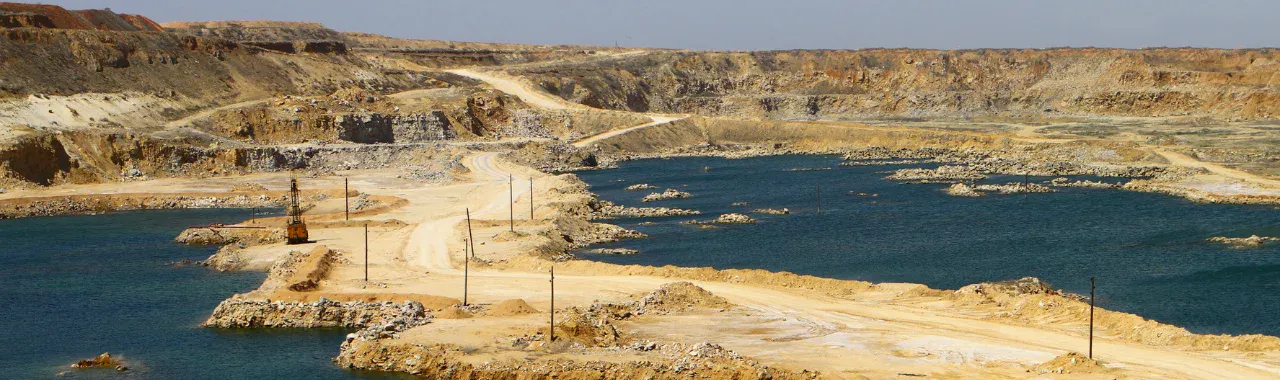
In the U.S., Minetek delivered a custom water evaporation system for a critical mineral cobalt mine in Missouri, which was facing heavy underground inflows that exceeded existing capacity. Our engineered solution helped the site maintain safe water levels in the tailings facility and stay compliant during peak conditions, minimizing risk and protecting production continuity. 

Group_Images_In text_02062024 (59)

Project-ready capability.

When investment timelines compress and underwriting demands escalate, project partners must bring more than ambition. They must bring readiness. Delays in commissioning or compliance create real costs. Minetek blends operational discipline with compliance fluency to help clients meet these demands. 

With a track record of delivering over 2,800 projects across 60 countries, Minetek brings proven global experience to every challenge. From remote logistics to site-specific compliance, our solutions are backed by real-world outcomes across mining, industrial, and environmental settings. 

Minetek is strategically positioned in both the Northern and Southern hemispheres, anchored by manufacturing facilities in Australia and Ohio, USA. This dual‑region footprint enables us to respond quickly and reliably to project needs across global markets. Our Midwest Hub in Ohio plays a critical role in rapid solution deployment across North and South America. 

Our delivery toolkit supports rapid deployment and early-stage certainty: 

  • Modular systems are pre-engineered, reducing installation and commissioning windows. 
  • Logistics frameworks are configured for remote and complex industrial environments, minimizing supply-chain drag. 
  • Service teams are aligned with global regulatory and community-engagement regimes, shortening the time between concept and regulatory clearance. 
  • Compliance resources are embedded, from environmental and social governance (ESG) documentation to audit-ready reporting, helping projects satisfy lenders and regulators alike. 

By enabling these efficiencies, Minetek helps projects steer through early-stage risk and accelerate toward production. The result is reduced delay and earlier value creation. With the new wave of investment, partner readiness is no longer optional. It is what separates successful delivery from stalled development. 

Global momentum is building. Minetek is ready.

The US-Australia Framework marks a pivotal shift that extends beyond national borders. Other countries are following suit, advancing their own strategies to build resilient, transparent, and sustainable resource sectors. 

Minetek is already seeing increased demand from projects preparing for this next wave, particularly around water management, air quality, and noise control solutions.  

These are not just trends. They are real shifts, bringing real challenges and real opportunities to reshape the global minerals landscape. 

Let’s start the conversation. 

Partner with Minetek today and be ready to lead the next era of mining. 

Kembali ke berita & wawasan

Solusi berkelanjutan untuk mengelola air limbah pengolahan makanan

Tanggal penerbitan: 29 September 2025
Dalam industri pengolahan makanan, pengelolaan air limbah yang efektif sangat penting untuk menjaga efisiensi operasional, mempromosikan pengelolaan lingkungan, dan memastikan kepatuhan terhadap peraturan. Air limbah yang dihasilkan dari kegiatan seperti pembersihan, pemrosesan, dan pendinginan di fasilitas yang memproduksi pakan ternak, produk susu, daging, dan minuman sering kali mengandung kebutuhan oksigen biokimiawi (BOD), kebutuhan oksigen kimiawi (COD) yang tinggi, lemak, minyak, minyak (FOG), padatan tersuspensi, dan nutrisi. Kontaminan ini menimbulkan tantangan yang signifikan, termasuk risiko gangguan ekosistem, masalah kesehatan masyarakat dari patogen dan bakteri yang kebal terhadap antibiotik, dan meningkatnya biaya pengolahan karena volume dan komposisi yang bervariasi yang dipengaruhi oleh siklus produksi musiman.
Untuk produksi pakan ternak, air limbah muncul dari proses penggilingan, pencampuran, dan pembuatan pelet. Sebaliknya, fasilitas pengolahan makanan umum menghadapi limbah yang kaya akan bahan organik dari penanganan buah-buahan, sayuran, dan protein. Metode pembuangan tradisional, seperti pembuangan kota atau pengangkutan truk, menjadi semakin tidak berkelanjutan di tengah proyeksi kelangkaan air yang dapat meningkatkan kekurangan air secara global pada tahun 20% karena perubahan iklim. Sistem penguapan air, yang dicontohkan oleh solusi canggih Minetek, memberikan alternatif pembuangan nol dengan mempercepat penguapan untuk mengelola kelebihan air di kolam penampungan, sehingga mendukung keseimbangan air di lokasi dan mengurangi dampak lingkungan.

The challenge of wastewater management in food processing

Fasilitas pengolahan makanan, termasuk yang ada di sektor pakan ternak dan sektor makanan yang lebih luas, menghasilkan volume air limbah yang cukup besar mulai dari 264 hingga 3.698 galon per ton produk dalam operasi susu dan daging saja. Beban organik yang tinggi dan variabilitas limbah ini menyulitkan pengolahan, yang sering kali menyebabkan ketidakpatuhan terhadap peraturan yang ketat, seperti izin Sistem Penghapusan Pembuangan Polutan Nasional (NPDES) Amerika Serikat atau pedoman limbah yang diperketat oleh Uni Eropa untuk BOD, COD, dan batas nutrisi.
Kolam penampungan yang mendekati kapasitasnya akan memperburuk risiko luapan, kontaminasi, dan penghentian operasional, sementara meningkatnya biaya pembuangan dan biaya energi membebani anggaran. Di pabrik pakan ternak, limpasan yang kaya nutrisi dapat menyebabkan eutrofikasi di badan air di dekatnya, dan dalam pengolahan makanan, FOG menyumbat sistem, sehingga meningkatkan biaya pemeliharaan. Menjaga keseimbangan air di lokasi dengan menyeimbangkan aliran masuk dari pemrosesan dan aliran keluar melalui penguapan atau penggunaan kembali sangat penting untuk mencegah masalah ini dan menyelaraskan dengan tujuan keberlanjutan global.
Fasilitas makanan

How can industrial food facilities achieve regulatory compliance for wastewater disposal?

Fasilitas makanan industri dapat mencapai kepatuhan terhadap peraturan untuk pembuangan air limbah dengan melakukan audit air yang komprehensif untuk memetakan penggunaan dan profil kontaminan, diikuti dengan menerapkan rangkaian pengolahan yang disesuaikan yang memenuhi batas limbah untuk BOD, COD, pH, dan nutrisi. Di samping pendekatan yang sudah mapan, seperti sistem flotasi udara terlarut (DAF) untuk menghilangkan FOG dan padatan, fasilitas juga harus mempertimbangkan solusi penguapan tingkat lanjut, seperti evaporator Minetek. Teknologi Minetek dengan aman mempercepat pengurangan air limbah di kolam penampungan, menyediakan metode yang hemat biaya, hemat energi, dan bebas bahan kimia untuk meminimalkan volume pembuangan dan memenuhi standar peraturan. Sistem ini menawarkan jalur pembuangan nol yang proaktif yang menangani kepatuhan dan biaya operasional, yang terintegrasi secara mulus dengan proses pengolahan yang ada.
Pemantauan waktu nyata melalui sensor berkemampuan IoT melacak parameter kepatuhan, memungkinkan penyesuaian proaktif dan pelaporan otomatis. Evaporator Minetek memiliki kemampuan pemantauan dan otomatisasi terintegrasi untuk mengoptimalkan kinerja dan mendukung pelaporan peraturan. Pemulihan sumber daya, seperti biogas dari pencernaan anaerobik, semakin mendukung kepatuhan dengan meminimalkan volume pembuangan. Fasilitas juga harus mengejar sertifikasi, seperti ISO 14001 untuk manajemen lingkungan, dan mengintegrasikan pendekatan zero-liquid discharge (ZLD) jika memungkinkan untuk melebihi persyaratan dasar.

Which treatment systems are effective for reducing food processing wastewater discharge costs?

Sistem pengolahan yang efektif untuk mengurangi biaya pembuangan dalam pengolahan makanan termasuk unit DAF untuk pembuangan FOG dan padatan awal, yang dapat mengurangi biaya tambahan kota sebesar 50-70% melalui limbah yang lebih bersih, dan sistem pencernaan anaerobik yang menghasilkan metana untuk energi di tempat, sehingga mengimbangi biaya operasional hingga 30%.
Namun, tidak semua air limbah dapat dibuang, terutama ketika dihadapkan dengan pembatasan peraturan atau kapasitas lokasi yang terbatas. Dalam skenario ini, sistem pengolahan tradisional, termasuk unit DAF untuk menghilangkan FOG dan padatan, pencernaan anaerobik untuk pembangkit energi di lokasi, dan bioreaktor membran (MBR) untuk pengurangan BOD / COD, mungkin tidak sepenuhnya mengatasi kelebihan volume air atau meningkatnya biaya pembuangan.
Evaporator Minetek menawarkan alternatif yang hemat biaya untuk pengangkutan air, perawatan intensif, atau membangun kolam penyimpanan baru. Dengan mengurangi volume air limbah dengan cepat melalui teknologi penguapan yang canggih, sistem Minetek memungkinkan fasilitas untuk menjaga keseimbangan air di lokasi, menghindari transportasi yang mahal atau proyek-proyek modal, dan memastikan kelangsungan operasional yang berkelanjutan, sambil mendukung kepatuhan lingkungan.
Solusi air industri makanan

What are the latest efficient water management systems for reducing wastewater in the food industry?

While digital integration and advanced biotech are shaping the future of wastewater management in the food industry, Minetek’s evaporators stand out as the most efficient and effective system for reducing wastewater volumes. Unlike other technologies that focus primarily on contaminant removal or recycling, Minetek evaporators directly address excess water by rapidly accelerating evaporation rates, minimizing discharge, haulage, and storage requirements. This chemical-free, energy-efficient solution can be seamlessly integrated with IoT-driven platforms for real-time monitoring and control, ensuring optimal performance and regulatory compliance. By delivering superior throughput and adaptability, Minetek evaporators offer unmatched cost savings and sustainability benefits, positioning them as the leading choice for facilities seeking maximum wastewater reduction.

Water evaporation as an effective solution

Water evaporation systems accelerate natural processes to proactively manage excess wastewater, particularly in holding ponds, by creating controlled, high-surface-area environments that enhance evaporation rates without the need for chemical additives. This approach is ideal for food processing, where it reduces discharge volumes to near zero, mitigating compliance risks and costs associated with hauling or municipal fees. A compelling case is Minetek’s implementation at an animal feed facility in the US, where a holding pond neared capacity, threatening overflow. The turn-key land-based evaporation system, with 600 GPM (135 m³/hour) throughput, integrated environmental controls for real-time optimization, ensuring regulatory adherence and operational continuity. This solution not only prevented disruptions but also supported the site’s water balance, demonstrating the role of evaporation in sustainable wastewater strategies.
industri makanan

Why choose Minetek evaporators?

Evaporator Minetek dirancang untuk memenuhi permintaan industri makanan, memberikan pengurangan air limbah dengan efisiensi tinggi yang disesuaikan dengan pakan ternak dan fasilitas pemrosesan. Manfaatnya meliputi:
  • Superior throughput and efficiency – Capacities up to 600 GPM with up to 50% evaporation rates rapidly lower pond levels, cutting discharge costs by minimizing haulage and treatment needs.
  • Regulatory assurance – Integrated monitoring ensures compliance with BOD/COD limits and NPDES standards, with data logging for audits.
  • Sustainability focus – Zero-discharge design reduces freshwater intake by 30%, aligning with circular economy principles and resource recovery.
  • Custom integration – Modular systems adapt to variable loads, incorporating IoT for predictive management and seamless fit with existing DAF or MBR setups.
The US food processing project showcases Minetek’s effectiveness in achieving measurable reductions, positioning it as a leader for facilities that balance productivity with environmental mandates. They had a critical water management need for their onsite holding pond. It was nearing maximum capacity and required a long-term, cost-effective solution to maintain the water level. Minetek Water delivered a turn-key land-based evaporation system with an integrated Environmental Management System (EMS) to effectively reduce excess water levels in the holding pond. The EMS enabled real-time monitoring and control, ensuring optimal performance and compliance with regulatory requirements. This comprehensive solution minimized environmental risks, maintained operational stability, and supported the facility’s commitment to sustainable practices in the animal feed sector.

Take the next step with Minetek

Water evaporation represents a transformative alternative for managing food processing wastewater, integrating seamlessly with emerging technologies to foster compliance, cost savings, and sustainability. Minetek’s evaporators, proven in real-world applications like the US food processing leader, empower operations to navigate regulatory complexities while advancing eco-friendly practices.
Untuk wawasan khusus tentang mengintegrasikan penguapan ke dalam strategi air limbah Anda, hubungi pakar Minetek hari ini atau minta analisis efisiensi penguapan untuk situs Anda. Tim kami akan bekerja sama dengan Anda untuk menganalisis data spesifik lokasi, hasil proyek, dan memberikan penilaian yang jelas tentang manfaat potensial Anda, mengevaluasi dengan tepat bagaimana teknologi kami akan bekerja dalam kondisi unik Anda.
Kembali ke berita & wawasan

Mengatasi krisis lindi TPA di Amerika

Tanggal penerbitan: 1 September 2025
Tempat pembuangan akhir di seluruh Amerika Serikat menghadapi tantangan yang kritis dan terus meningkat: mengelola lindi beracun, produk sampingan cair berbahaya yang terbentuk saat sampah organik terurai dan berinteraksi dengan kelembapan, seperti air hujan. Masalah lindi TPA ini secara signifikan diperburuk oleh meningkatnya kejadian panas berlebih, di mana suhu internal melebihi batas aman, sehingga mempercepat reaksi kimia dan memperkuat produksi lindi di dalam TPA. Sebuah investigasi komprehensif oleh Bloomberg pada tahun 2025yang berfokus pada lokasi seperti TPA Chiquita Canyon di Los Angeles County, telah merinci bagaimana suhu yang tinggi ini, yang seringkali melebihi 200°F (93°C) menciptakan lingkaran setan panas dan mempercepat pembusukan sampah. Setidaknya 10 kasus panas berlebih yang terdokumentasi telah dilaporkan sejak tahun 2006, dan para ahli berpendapat bahwa lebih banyak lagi insiden yang tidak dilaporkan karena praktik pemantauan dan pelaporan yang tidak konsisten di seluruh industri.

The growing landfill leachate problem.

The overheating phenomenon is largely driven by modern landfill operations, particularly the mandatory installation of gas collection systems required by the Environmental Protection Agency (EPA) to capture methane emissions, a potent greenhouse gas. While critical for reducing climate impact, these systems can inadvertently introduce oxygen into the waste mass through vacuum effects, triggering exothermic reactions that generate excessive heat. Industry studies, some dating back to the 1980s, have long cautioned that such “hot spots” in landfills can become prone to subsurface smoldering or even spontaneous ignition when exposed to oxygen sources. The problem is compounded by the growing scale of landfills, with the average size of active sites having doubled since the early 2000s, resulting in a larger volume of waste to fuel these reactions.
This overheating accelerates the breakdown of waste, significantly increasing the volume and toxicity of leachate produced. Often referred to as “trash juice,” leachate contains a hazardous mix of contaminants, including benzene, heavy metals, volatile organic compounds, and other carcinogens. In overheated conditions, the waste essentially “cooks,” releasing toxic gases such as hydrogen sulfide, carbon monoxide, and elevated levels of benzene, which further contaminate the leachate. This heightened production can overwhelm existing containment systems, leading to hazardous phenomena such as leachate geysers, where pressurized liquid erupts from gas wells or other points, as observed at Chiquita Canyon. These events highlight significant operational failures and underscore the broader industry challenge of managing evolving waste compositions, including an increase in organic and chemical content, in the context of climate-driven factors such as higher rainfall, which further promotes decomposition.
Regulatory shortcomings exacerbate the crisis. The absence of a centralized federal tracking system for landfill incidents means that oversight relies heavily on state-level enforcement, which varies widely and often depends on self-reporting by operators. The EPA sets a temperature standard of 131°F for landfills; however, enforcement is inconsistent, allowing overheating issues to escalate before corrective measures are implemented. This regulatory fragmentation leaves landfill operators struggling to address mounting environmental, safety, and compliance challenges, while nearby communities face heightened risks from unmitigated leachate and gas emissions.
Lindi TPA (Tempat Pembuangan Akhir)

The risks of inadequate leachate management.

The consequences of inadequate leachate management are profound, posing severe threats to groundwater, ecosystems, and public health. When leachate accumulates unchecked, it can breach containment liners or overflow storage tanks, infiltrating aquifers and contaminating drinking water sources. For instance, at Chiquita Canyon, regulators issued warnings about an “imminent and substantial danger” from potential spills of millions of gallons of hazardous leachate into local waterways, prompting urgent but delayed corrective actions. Similar risks have been documented at other sites, such as the Bristol Landfill in Virginia, where residents reported “steaming chimneys of gas and leachate,” and the Bridgeton Landfill in St. Louis, which raised concerns due to its proximity to radioactive waste and associated cancer clusters.
The human and ecological toll is significant. Communities near overheated landfills have reported a range of health issues linked to leachate and gas exposure, including chronic headaches, nosebleeds, nausea, respiratory problems, autoimmune disorders, heart conditions, and increased cancer incidences. According to Bloomberg, at Chiquita Canyon, over 9,500 complaints were logged by March 2024, with reports of sudden pet deaths and mass insect die-offs signaling broader ecological disruption. Benzene, a known carcinogen that can damage DNA and lead to leukemia, has been detected in leachate emissions at levels exceeding legal limits, heightening long-term health risks as noted by the Centers for Disease Control and Prevention.
Traditional leachate management approaches, such as trucking to off-site treatment facilities or chemical stabilization, are becoming increasingly inadequate due to the rising volumes driven by overheating. These methods are not only costly and logistically complex but also prone to failures during transport, which can exacerbate contamination risks. The industry’s reliance on outdated practices, combined with inconsistent regulatory frameworks, perpetuates a cycle of reactive crisis management, highlighting the urgent need for innovative, scalable solutions to address leachate at its source.
Lindi Tempat Pembuangan Akhir (TPA)

Evaporators offering a sustainable solution to landfill leachate.

Minetek’s mechanical evaporation technology offers a transformative approach to managing landfill leachate. Unlike conventional methods, evaporators accelerate the natural evaporation process, significantly reducing the volume of wastewater while concentrating solids for safer disposal and management. Minetek Water’s advanced evaporators are specifically engineered for high-efficiency leachate treatment, utilizing cutting-edge fan technology to process large quantities of contaminated water with minimal energy and infrastructure requirements. This makes them ideal for landfills where space is limited and operational efficiency is paramount.
By evaporating leachate, these systems allow water molecules to return to the natural water cycle, leaving behind a manageable residue of contaminants. This not only mitigates the risk of environmental spills but also reduces the costs associated with off-site disposal. Not only are Minetek’s evaporators designed to operate effectively in high-temperature environments, but they also address the unique challenges posed by overheating landfills.
  • Environmental protection: By reducing leachate volume, evaporators minimize the risk of groundwater contamination and protect local ecosystems.
  • Cost efficiency: Eliminating the need for extensive trucking or chemical treatments lowers operational costs for landfill operators.
  • Compact design: The low infrastructure footprint allows integration into space-constrained landfill sites without disrupting operations.
  • Kepatuhan terhadap peraturan: Proactive leachate management aligns with emerging environmental regulations, helping operators avoid fines and enhance site safety.
  • Scalability: Minetek’s systems can be tailored to handle varying leachate volumes, making them suitable for both small municipal sites and large industrial landfills.
Landfill tip

Case study: real-world impact.

Consider a mid-sized landfill generating thousands of gallons of leachate daily. Traditional methods required frequent trucking to distant treatment facilities, incurring high costs and increasing the risk of spills during transport. By implementing Minetek’s evaporator system, the landfill significantly reduced its leachate volume, thereby cutting transportation costs and eliminating overflow incidents. The waste management site was able to effectively manage water balance amid increasing wastewater from processing and recovery. The concentrated solids were safely disposed of, and the site achieved compliance with local environmental standards, demonstrating the practical impact of evaporation technology.

A call to action for landfill operators.

As the landfill leachate crisis intensifies, innovative solutions such as mechanical evaporators are crucial for sustainable pengelolaan limbah. Minetek Water is committed to partnering with landfill operators to implement tailored evaporation systems that address site-specific challenges. By adopting this technology, operators can protect communities, reduce environmental risks, and achieve long-term operational efficiency.
To learn more about how Minetek’s evaporators can transform leachate management at your facility, contact our team for a consultation or download our brochure for municipal and industrial applications, featuring case study snapshots and technical product specifications. Together, we can tackle America’s landfill leachate crisis with solutions that are effective, sustainable, and future-ready.
Kembali ke berita & wawasan

Water in mining. Your mine water management guide

Tanggal penerbitan: 28 Juli 2025
Pengelolaan air tambang yang efektif merupakan landasan bagi keberhasilan operasi pertambangan dan merupakan komponen penting dari air dalam pertambangan secara keseluruhan. Pengelolaan yang tepat menopang kelangsungan operasional, pengendalian biaya, kepatuhan terhadap peraturan, dan keberlanjutan jangka panjang proyek pertambangan. Pada tahun 2025, industri pertambangan menghadapi tekanan peraturan yang semakin ketat, pengawasan lingkungan yang semakin ketat, dan ekspektasi masyarakat yang semakin meningkat untuk meminimalkan dampak terkait air. Perusahaan tambang harus menghadapi tantangan kompleks terkait air di pertambangan, mulai dari mengelola kelebihan air di daerah beriklim basah hingga melestarikan sumber daya yang langka di daerah gersang. Panduan komprehensif ini memberikan gambaran mendalam mengenai strategi khusus industri, praktik mitigasi risiko, dan teknologi mutakhir untuk pengelolaan air tambang.

Understanding mine water management.

Pengelolaan air tambang mencakup penanganan secara sistematis dan strategis terhadap semua aspek yang terkait dengan air di dalam dan di sekitar operasi pertambangan, yang merupakan bagian penting dari konsep air yang lebih luas dalam pertambangan. Hal ini melibatkan upaya untuk memastikan bahwa air dikelola sebagai sumber daya yang berharga sekaligus sebagai potensi risiko. Air yang ditemukan di pertambangan berasal dari beragam sumber, termasuk aliran air tanah, air permukaan dari curah hujan dan limpasan, air proses yang didaur ulang selama ekstraksi mineral, dan bahkan air yang dihasilkan sebagai produk sampingan dari pengolahan bijih. Bagi perusahaan tambang, pengelolaan air tambang yang efektif sangat penting untuk menjaga kondisi kerja yang aman, melindungi peralatan, mengoptimalkan produksi, dan memastikan kepatuhan terhadap peraturan lingkungan yang terus berkembang. Keseimbangan air yang unik di setiap tambang, mulai dari keseimbangan air positif di daerah tropis atau basah, di mana kelebihan air harus dibuang, hingga keseimbangan negatif di padang pasir atau lokasi pegunungan, di mana kelangkaan air dapat menghentikan produksi, membutuhkan pendekatan khusus dan teknologi canggih yang dirancang khusus untuk air di pertambangan dan pengelolaan air tambang.
Minetek_news_dan_blog

Key strategies for managing water in mining.

1. Comprehensive water management plans.

Rencana pengelolaan air tambang yang kuat merupakan dasar dari pengelolaan air yang bertanggung jawab dalam praktik pertambangan. Rencana ini secara khusus dirancang untuk beradaptasi dengan kondisi yang selalu berubah yang dihadapi oleh operasi pertambangan, termasuk fluktuasi kandungan bijih, pola cuaca yang tidak dapat diprediksi, dan pergeseran persyaratan peraturan. Komponen penting dari rencana yang efektif mencakup pemantauan kualitas dan kuantitas air tambang secara terus menerus, pelibatan masyarakat dan pemangku kepentingan setempat, serta strategi kontinjensi yang terperinci untuk keadaan darurat terkait air. Rehabilitasi progresif, yang memulihkan sistem lahan dan air yang ditambang ke kondisi yang aman dan stabil secara lingkungan, merupakan fokus utama, yang membutuhkan integrasi yang erat antara pengelolaan air di pertambangan, penanganan limbah tambang, dan perencanaan penutupan tambang. Sebagai contoh, di Kanada, perusahaan tambang harus melakukan perencanaan lanjutan untuk musim yang lebih segar (pencairan salju di musim semi) untuk memitigasi banjir dan memastikan bahwa air tambang dikelola sesuai dengan standar Otoritas Perlindungan Lingkungan yang ketat. Secara global, rencana-rencana ini membantu operasi tambang meminimalkan risiko, menghindari penghentian operasi yang merugikan, dan menunjukkan kepedulian terhadap lingkungan hidup kepada para pembuat kebijakan dan masyarakat.

2. Dewatering techniques.

Pengurasan merupakan salah satu proses yang paling menantang secara teknis dan penting dalam operasi pertambangan, dan merupakan bagian penting dari pengelolaan air di pertambangan dan pengelolaan air tambang. Proses ini melibatkan pembuangan air berlebih secara sistematis dari tambang terbuka, terowongan bawah tanah, tempat pembuangan batuan buangan, dan fasilitas tailing untuk mempertahankan aktivitas penambangan yang aman, efisien, dan berkelanjutan. Pengurasan air dilakukan melalui kombinasi pompa submersible berkapasitas tinggi, jaringan drainase gravitasi, sump yang direkayasa, dan semakin banyak teknologi canggih seperti penguapan mekanis dan matahari. Di wilayah seperti Amerika Selatan dan Asia Tenggara, di mana angin muson musiman dan badai tropis dapat dengan cepat menggenangi lokasi tambang, strategi pengurasan air harus disinkronkan secara cermat dengan pemantauan geoteknik pada dinding lubang tambang dan tanggul limbah tambang untuk memastikan keselamatan operasional dan perlindungan lingkungan. Di tambang bawah tanah, pengurasan yang efektif tidak hanya mencegah banjir, tetapi juga menjaga integritas peralatan dan memungkinkan dilakukannya ekstraksi bijih secara berkelanjutan. Pendekatan inovatif, seperti Teknologi penguapan mekanis Minetek, memberikan solusi yang terukur, hemat energi, dan bertanggung jawab terhadap lingkungan kepada operasi pertambangan untuk mengurangi volume air tambang dengan cepat, meminimalkan kebutuhan infrastruktur pengolahan atau penyimpanan air yang mahal, dan secara signifikan memitigasi dampak lingkungan dari air di pertambangan.

3. Tailings Storage Facility (TSF) management.

Fasilitas penyimpanan tailing (TSF) dan bendungan merupakan komponen penting dalam operasi pertambangan kontemporer, yang menawarkan penampungan yang direkayasa untuk batuan yang digerus halus, air, dan bahan kimia residu yang dihasilkan selama pemrosesan mineral. Struktur-struktur ini diperlukan untuk menangani air dalam jumlah besar dengan aman, yang sering kali sarat dengan konsentrasi logam berat, bahan kimia reaktif, dan asam yang tinggi, sehingga sangat mengutamakan pengelolaan lingkungan hidup dan integritas struktural. Sejalan dengan Standar Industri Global tentang Pengelolaan Tailing (GISTM), yang mengamanatkan basis pengetahuan interdisipliner yang komprehensif (Prinsip 2) dan kriteria desain yang kuat untuk meminimalkan risiko di semua fase siklus hidup (Prinsip 4), kerangka kerja peraturan di Australia, Kanada, Amerika Serikat, dan Amerika Selatan telah memberlakukan standar yang ketat untuk desain, pemantauan, dan pelaporan TSF. Hal ini memerlukan investasi oleh operator tambang dalam teknologi canggih, seperti sensor kualitas air, instrumentasi geoteknik, dan protokol kesiapsiagaan darurat. Pemeliharaan tingkat air yang aman di dalam TSF sangat penting, karena kelebihan air dapat merusak stabilitas bendungan dan meningkatkan kemungkinan terjadinya bencana, seperti yang dicontohkan oleh insiden 18 Februari 2025 di Fasilitas Sino-Metals Leach Zambia di Chambishi, yang mengakibatkan kontaminasi yang signifikan terhadap Sungai Kafue dan gangguan terhadap mata pencaharian masyarakat setempat. Solusi pengelolaan air yang inovatif, termasuk sistem penguapan mekanis Minetek, telah muncul sebagai alat penting untuk mengurangi volume air, mengelola rembesan, dan memfasilitasi kepatuhan terhadap peraturan. Pengelolaan TSF yang proaktif dan transparan, sebagaimana digarisbawahi oleh penekanan GISTM terhadap pengungkapan informasi kepada publik (Prinsip 15) dan perencanaan tanggap darurat (Prinsip 13), merupakan elemen yang tak tergantikan dalam praktik pertambangan yang bertanggung jawab. Pendekatan ini melindungi masyarakat dan ekosistem di sekitarnya, mempertahankan kelangsungan operasional, dan menjunjung tinggi reputasi perusahaan.

Air Minetek

4. Water recycling and reuse.

Mendaur ulang dan menggunakan kembali air tambang merupakan landasan pengelolaan air tambang yang berkelanjutan dan merupakan keharusan di daerah-daerah di mana air tawar langka atau mahal. Air di pertambangan semakin dicirikan oleh sistem loop tertutup, di mana operasi pertambangan mendaur ulang air untuk berbagai penggunaan, termasuk pendinginan peralatan, penekanan debu, pemrosesan mineral, dan bahkan rehabilitasi lokasi. Di wilayah yang kekurangan air seperti Timur Tengah, di mana biaya air desalinasi cukup besar, mengintegrasikan penggunaan kembali air limbah dengan teknologi canggih, seperti penguapan mekanis, akan memaksimalkan efisiensi sumber daya dan mengurangi biaya operasional. A Studi tahun 2025 dari Brasil menyoroti pentingnya pelaporan data yang transparan dalam program penggunaan kembali air, yang menunjukkan bahwa tambang dengan infrastruktur daur ulang air tambang yang kuat tidak hanya memenuhi persyaratan peraturan, tetapi juga meningkatkan izin sosial untuk beroperasi dan mengurangi jejak lingkungan mereka. Hal ini menyoroti semakin meningkatnya saling ketergantungan antara air di pertambangan dan pengelolaan air tambang yang efektif.

5. Emergency response and climate adaptation.

Perubahan iklim pada dasarnya mengubah pola curah hujan dan meningkatkan frekuensi kejadian cuaca ekstrem, yang menyebabkan meningkatnya risiko banjir dan tantangan pengelolaan air bagi tambang di seluruh dunia. Di wilayah seperti Kanada dan Amerika Serikat bagian utara, pencairan salju di luar musim, curah hujan yang tinggi, dan siklus pembekuan-pencairan yang cepat dapat membebani infrastruktur pengelolaan air tradisional, sehingga menyebabkan penundaan operasional dan insiden lingkungan. Industri pertambangan beradaptasi dengan menggunakan prakiraan cuaca canggih, pemantauan ketinggian air secara real-time, dan sistem respons cepat seperti evaporator bergerak Minetek, yang merupakan sistem yang dipasang di selip. Teknologi ini memungkinkan tambang untuk merespons lonjakan air secara cepat, sehingga meminimalkan risiko penghentian operasi yang tidak direncanakan atau pelanggaran peraturan. Peristiwa banjir di operasi pertambangan dalam beberapa tahun terakhir menyoroti kebutuhan kritis akan ketahanan iklim dan pentingnya mengintegrasikan perencanaan tanggap darurat ke dalam strategi pengelolaan air tambang.

Evaporator Air Minetek

Advanced technologies for mine water management.

Lanskap air yang berkembang pesat di pertambangan telah mendorong adopsi berbagai teknologi pengelolaan air tambang yang canggih. Solusi-solusi ini membantu perusahaan tambang mengatasi tantangan regulasi, operasional, dan lingkungan secara efektif dan berkelanjutan. Di bawah ini adalah ikhtisar teknologi utama yang saat ini membentuk masa depan pengelolaan air tambang, bersama dengan beberapa pendekatan tambahan yang belum dijelaskan sebelumnya:

1. Mechanical evaporation with Minetek.

Teknologi penguapan mekanis Minetek adalah pengubah permainan untuk mengelola air tambang. Direkayasa menggunakan prinsip-prinsip pertama dari rekayasa kipas dan aliran udara dengan nozel pengotoran rendah yang telah dipatenkan dan aliran udara berkecepatan tinggi, sistem ini memproses air dengan padatan terlarut total (TDS) dan padatan tersuspensi total (TSS) yang tinggi pada kisaran pH 1,8 hingga 14. Tidak seperti kolam penguapan tenaga surya, sistem Minetek dapat dipindahkan, membutuhkan perawatan minimal, dan beroperasi secara efektif di berbagai iklim, mulai dari musim dingin di Kanada hingga kondisi gersang di Australia. Sistem ini memproses lebih dari 2.160 m³/jam dan tidak rentan terhadap perubahan kualitas air umpan. Sistem Manajemen Lingkungan (EMS) yang ada di dalamnya memantau dan merespons perubahan kondisi lingkungan seperti kelembapan, hujan, dan angin secara real time, mengoptimalkan operasi sesuai dengan berbagai parameter yang dapat disesuaikan, termasuk waktu penyinaran matahari yang optimal, kecepatan dan arah angin relatif, kelembapan dan temperatur, aliran dan tekanan air sistem. Dengan lebih dari 700 sistem yang digunakan di 29 negara, teknologi Minetek mengurangi biaya hingga 10 kali lipat dibandingkan dengan metode tradisional.

2. Passive treatment systems.

Teknologi pengolahan pasif menggunakan proses alami untuk meremediasi air tambang, khususnya untuk air asam tambang (AMD). Lahan basah yang dibangun, bioreaktor anaerobik, dan saluran pembuangan batu kapur dapat secara efektif menghilangkan logam dan menetralisir keasaman dengan masukan energi dan pengawasan operasional yang minimal. Sistem-sistem ini sangat bermanfaat bagi lokasi tambang yang terpencil atau yang sudah tua, yang memberikan peningkatan kualitas air jangka panjang dan berbiaya rendah.

3. Active water treatment plants.

Instalasi pengolahan aktif konvensional menggunakan proses fisik, kimia, dan biologis, seperti klarifikasi, penyaringan, pengendapan, pertukaran ion, dan osmosis balik, untuk menghilangkan kontaminan dari air tambang. Sistem ini sangat efektif untuk kimia air yang kompleks atau bervariasi dan sering digunakan untuk mengolah air untuk dibuang atau digunakan kembali, memastikan kepatuhan terhadap standar lingkungan yang ketat.

4. Internet of Things (IoT) and big data.

Sistem pemantauan berbasis IoT meningkatkan pengelolaan air dengan menyediakan data waktu nyata tentang kualitas dan tingkat air. A Studi tahun 2023 dari Tiongkok mendemonstrasikan peningkatan efisiensi daur ulang di tambang batu bara, sebuah model yang dapat diterapkan di Amerika Serikat dan Kanada. Analisis tingkat lanjut, pemeliharaan prediktif, dan kontrol otomatis semakin mengoptimalkan penanganan air dan deteksi risiko dini.

5. Water treatment and desalination.

Di daerah yang sulit air seperti Timur Tengah, desalinasi dan pengolahan air sangat mahal. Sistem penguapan Minetek menawarkan alternatif yang hemat biaya, mengurangi ketergantungan pada perawatan kimia. A 2025 Studi di Brasil menekankan integrasi desalinasi dengan penggunaan kembali. Selain itu, teknologi desalinasi yang canggih, termasuk osmosis balik, elektrodialisis, dan osmosis maju, semakin banyak digunakan untuk mengubah air yang terkena dampak tambang menjadi air proses atau pasokan yang dapat diminum.

6. Floating evaporators.

Untuk tambang dengan ruang terbatas, evaporator mengambang memberikan solusi yang ringkas. Sistem terapung Minetek memaksimalkan efisiensi, menguapkan hingga 50% volume air yang diproses sebagai uap air murni, tetesan yang tersisa kembali ke kolam, dan membantu mencegah kerusakan lingkungan dengan menahan air beracun di dalam kolam sambil memastikan kepatuhan. Didukung oleh motor listrik yang kuat dan dirancang untuk memproses berbagai kapasitas air per menit, memastikan pengelolaan air yang komprehensif dan efisien.

7. Underground mine water storage and backfilling.

Beberapa operasi pertambangan menggunakan pekerjaan bawah tanah yang ditinggalkan sebagai waduk penyimpanan terkendali untuk kelebihan air tambang atau sebagai bagian dari operasi penimbunan pasta semen. Pendekatan ini tidak hanya mengelola volume air, tetapi juga dapat berkontribusi terhadap stabilitas tanah dan mengurangi risiko pelepasan air ke permukaan.

8. Artificial recharge and Aquifer Storage and Recovery (ASR)

Pengisian ulang buatan dan ASR melibatkan penyuntikan air tambang yang telah diolah ke dalam akuifer setempat untuk disimpan sementara dan kemudian dipulihkan. Teknologi ini mulai populer di wilayah dengan persyaratan keseimbangan air yang ketat atau di mana ketersediaan air musiman berfluktuasi, sehingga tambang dapat menyimpan kelebihan air selama periode basah untuk digunakan pada musim kemarau.

pengelolaan air-minetek

Why choose Minetek’s mechanical evaporation technology?

Minetek teknologi penguapan mekanis dirancang secara khusus untuk memenuhi persyaratan operasi pertambangan modern. Sistem ini memberikan pendekatan yang mengubah cara kerja pengelolaan air tambang dengan menawarkan serangkaian manfaat operasional, lingkungan, dan keuangan yang komprehensif:

Adaptability.

Sistem penguapan Minetek dirancang untuk beroperasi secara efisien di berbagai iklim, mulai dari gurun pasir yang gersang di Australia dan Timur Tengah hingga musim dingin yang membekukan di Kanada dan daerah dengan curah hujan tinggi di Amerika Selatan. Mereka dapat secara efektif memproses air dengan total padatan terlarut (TDS) yang tinggi, padatan tersuspensi, dan rentang pH yang luas, sehingga cocok untuk hampir semua skenario air tambang. Kemampuan beradaptasi ini memastikan bahwa perusahaan tambang dapat mempertahankan pengelolaan air yang efektif terlepas dari lokasi geografis atau tantangan kimiawi air.

Cost Efficiency.

Dibandingkan dengan metode pengelolaan air tradisional seperti pengolahan kimiawi, transportasi air skala besar, atau kolam penguapan, sistem Minetek mengurangi biaya operasional hingga 10 kali lipat. Dengan meminimalkan kebutuhan akan infrastruktur yang mahal dan menurunkan biaya pemeliharaan dan energi yang berkelanjutan, sistem ini menawarkan pengembalian investasi yang cepat dan keberlanjutan keuangan jangka panjang bagi perusahaan tambang.

Sustainability.

Pengelolaan lingkungan adalah inti dari teknologi Minetek. Penguapan mekanis secara dramatis mengurangi kebutuhan akan bahan kimia tambahan dan secara signifikan mengurangi volume air yang membutuhkan pengolahan atau pembuangan. Dengan mengurangi risiko kontaminasi air di luar lokasi dan meminimalkan jejak lingkungan tambang, sistem Minetek memungkinkan operasi pertambangan untuk memenuhi dan melampaui persyaratan peraturan, melindungi ekosistem lokal, dan meningkatkan izin sosial untuk beroperasi.

Rapid deployment.

Operasi pertambangan sering kali membutuhkan solusi mendesak untuk tantangan pengelolaan air, terutama setelah peristiwa banjir atau selama periode produksi yang cepat. Unit modular Minetek yang bergerak dan modular dapat dengan cepat digunakan dan ditingkatkan untuk menyesuaikan dengan permintaan lokasi yang terus berkembang, meminimalkan gangguan operasional dan memungkinkan respons yang fleksibel di lapangan terhadap keadaan darurat terkait air.

Proven success.

Dengan lebih dari 700 instalasi yang berhasil di 29 negara, teknologi penguapan mekanis Minetek memiliki rekam jejak yang telah terbukti dalam industri pertambangan. Proyek-proyek penting seperti Tambang Gunung Morgan di Australia telah menunjukkan kemampuan sistem untuk menangani kimia air yang kompleks, mengurangi biaya, dan memastikan kepatuhan terhadap standar lingkungan yang ketat. Pengalaman yang luas dan komitmen terhadap inovasi yang berkelanjutan menjadikan Minetek sebagai mitra tepercaya bagi perusahaan pertambangan yang mencari solusi pengelolaan air yang andal dan berkinerja tinggi.
Evaporator Air Minetek
Pada tahun 2025, pengelolaan air tambang yang efektif merupakan landasan bagi operasi pertambangan yang berkelanjutan dan merupakan elemen dasar dari praktik terbaik dalam pengelolaan air tambang. Dengan mengintegrasikan rencana pengelolaan air tambang yang komprehensif, teknologi canggih seperti sistem penguapan mekanis Minetek, dan strategi spesifik wilayah, operasi pertambangan di seluruh dunia dapat mengurangi risiko, mengurangi biaya, dan meningkatkan pengelolaan lingkungan. Solusi inovatif Minetek memberikan pendekatan yang telah terbukti, mudah beradaptasi, dan hemat biaya untuk mengelola air di pertambangan, memungkinkan penerapan sistem pengelolaan air tambang yang kuat yang memastikan kepatuhan dan efisiensi di seluruh pasar global.

Untuk informasi lebih lanjut tentang solusi pengelolaan air kami, klik tautan di bawah ini untuk mengunduh brosur Teknologi Penguapan Air Minetek atau hubungi kami.

Unduh Sekarang