Vai al contenuto principale
Contatto
Torna a notizie e approfondimenti

Minetek attends 2026 SME Minnesota Conference

Publish date: 1 Aprile 2026

SME Minnesota Conference 2026

Minetek is heading to 2026 SME Minnesota Conference, taking place from 14–16 April 2026 in Duluth, Minnesota. 

The conference brings together mining professionals for technical discussions, industry knowledge-sharing, and valuable connections across the sector. For Minetek Water, it provides an important opportunity to engage with operators, environmental teams, and technical stakeholders navigating the evolving challenges of mine water management. 

As water-related pressures continue to influence site performance, compliance, and operational planning, events like SME Minnesota create space for practical conversations around current conditions, technical priorities, and the solutions helping mining operations manage water more effectively.


The water management pressures shaping mining operations

Water management continues to be a critical operational focus for mining sites managing changing weather conditions, environmental obligations, and infrastructure limitations. 

Excess water accumulation can quickly affect access, restrict production areas, place pressure on storage capacity, and increase the risk of uncontrolled discharge. At the same time, sites are expected to maintain compliance, protect surrounding environments, and respond to water challenges without adding unnecessary cost or complexity to operations. 

For many mining operations, the challenge is not only dealing with water once it becomes a problem, but managing it proactively before it impacts continuity, safety, and performance. This is especially relevant for sites balancing short-term operational demands with longer-term water planning and environmental accountability. 

These pressures are driving greater focus on practical, scalable water management strategies that can help operations maintain control, reduce risk, and support more consistent site performance. 
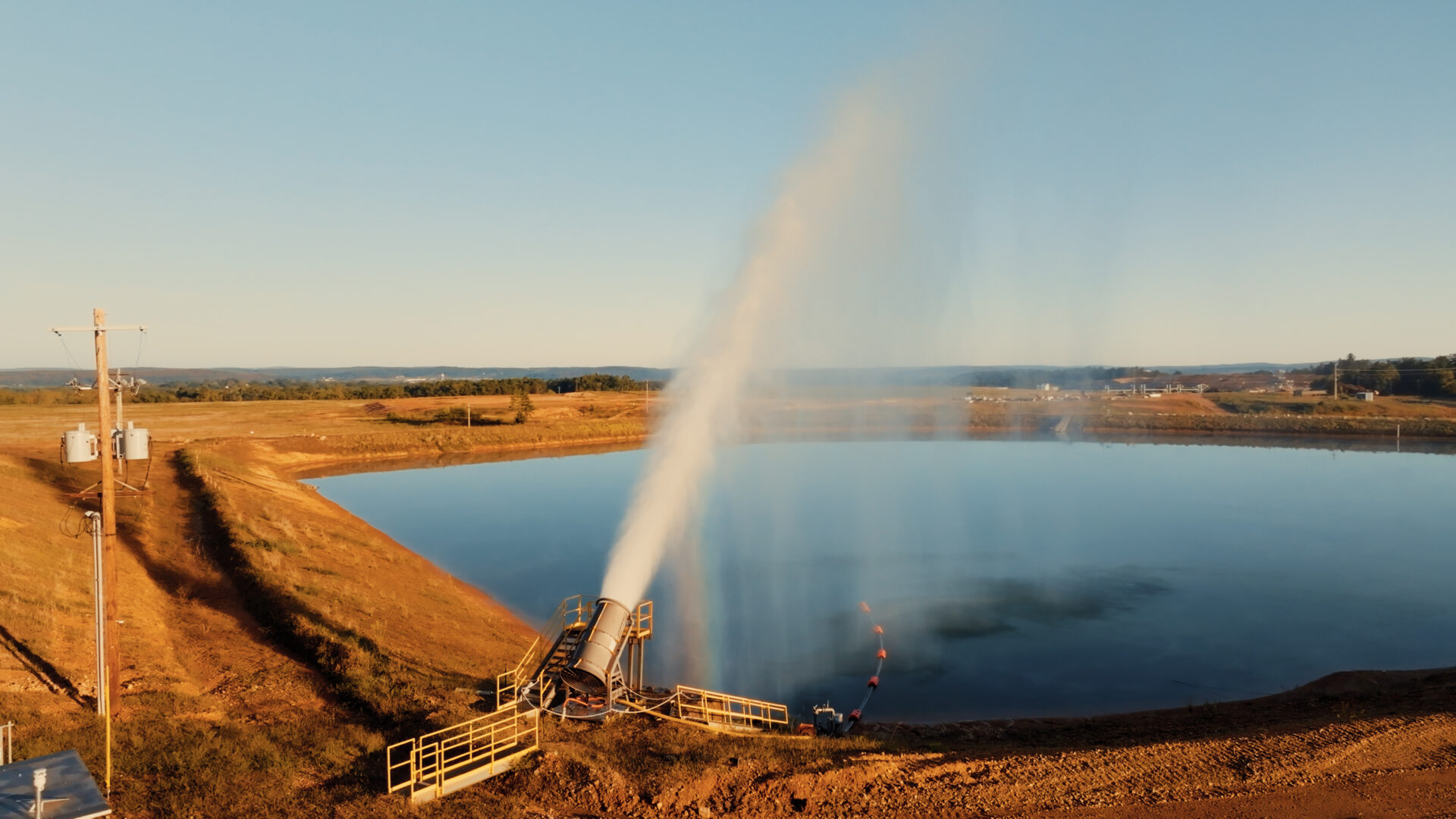
Group_Images_In text_02062024 - 2026-03-18T161630.820

Practical water solutions for operational control

Managing excess water requires more than short-term response measures. Mining operations need solutions that can be deployed effectively, scaled to site conditions, and integrated into broader water management plans without disrupting productivity. 

Minetek supports mining sites with practical solutions designed to reduce excess water, improve access, and ease pressure on existing infrastructure. By helping operations manage water more efficiently, these approaches support greater control across changing site conditions while reducing environmental risk and disruption. 


Advanced water evaporation technology

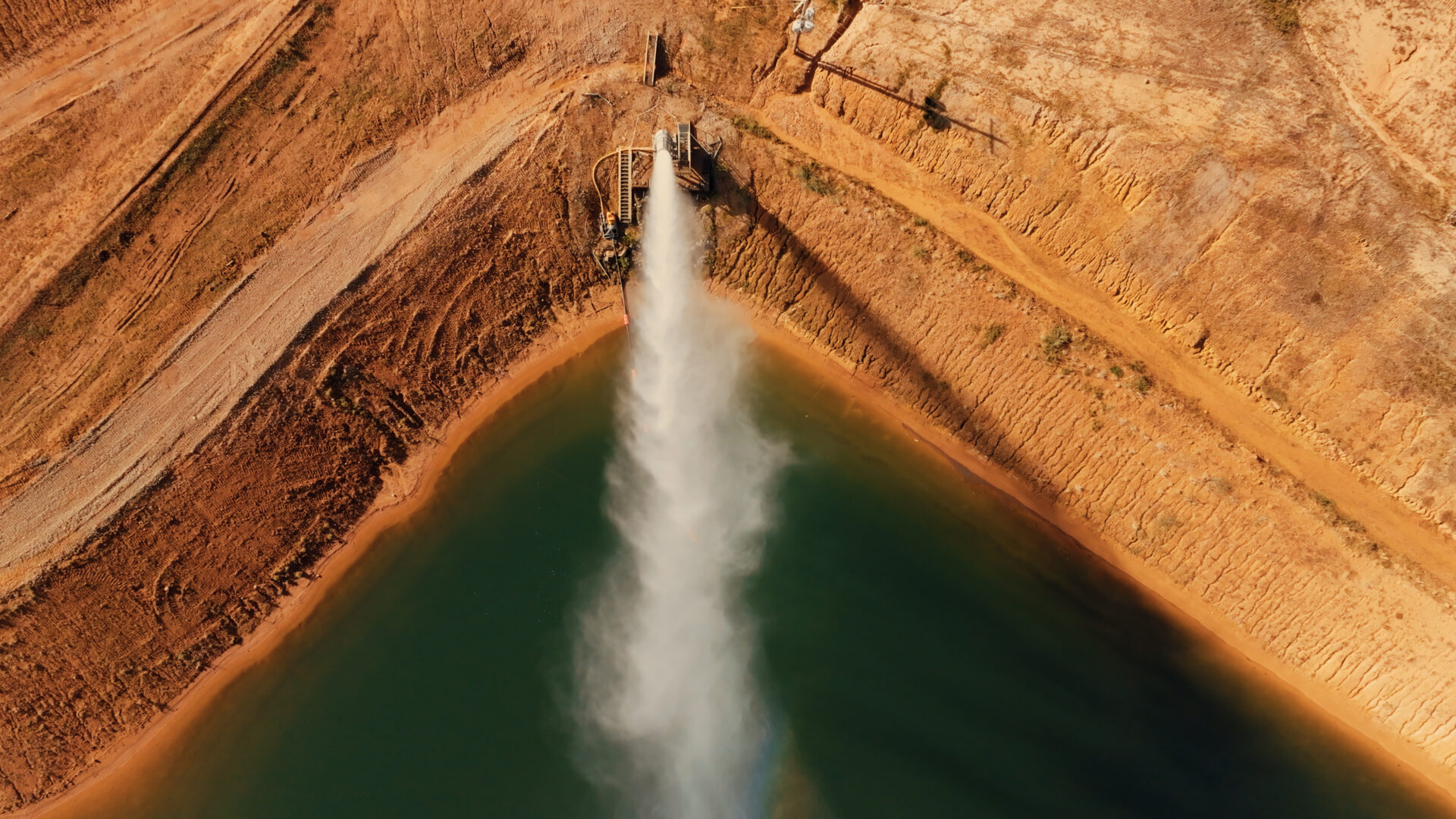
Minetek Water offers the world’s most comprehensive and cost-effective water evaporation technology, designed to help mining operations reduce the risks associated with excess water and support environmental compliance. 

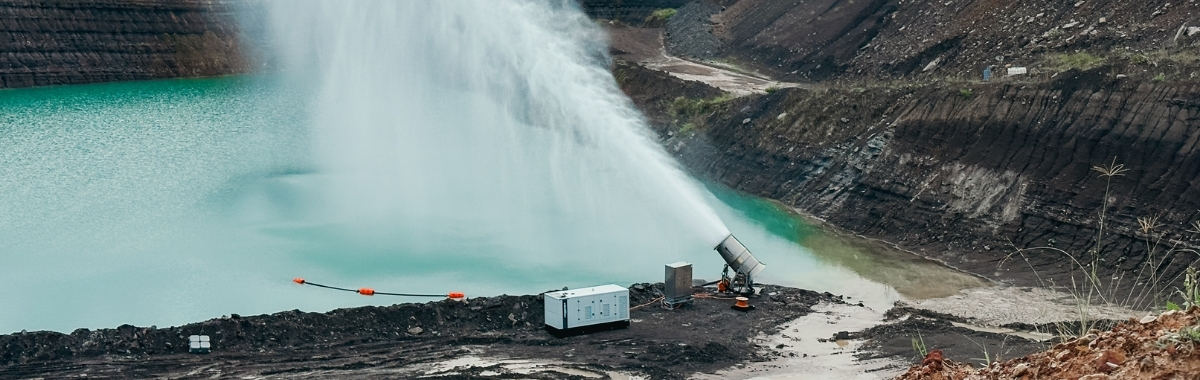
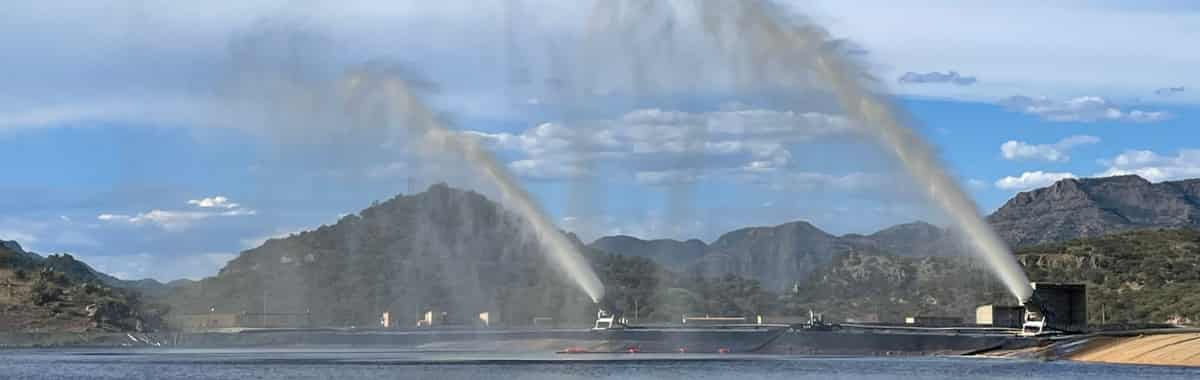
Built for flexibility in demanding site conditions, Minetek’s mobile water evaporation solutions are engineered to process a wide range of water qualities, delivering an efficient, cost-effective, and sustainable approach to mine water management. The technology can process solids up to 4.0 mm in diameter and evaporate water across a pH range from 1.8 to 14+. 

Scientifically proven in some of the world’s most challenging industrial landscapes and climates, the Minetek evaporation technology has been deployed across more than 700 projects globally. This depth of application gives mining operations access to practical, field-tested solutions that help improve water control, reduce disruption, and ease pressure on existing site infrastructure. 

At SME Minnesota Conference 2026, these conversations will remain highly relevant as mining companies continue to evaluate scalable solutions that support compliance, productivity, and long-term site performance. 


Shaping stronger mine water outcomes

As mining operations continue to face increasing environmental, operational and regulatory pressure around water, the need for practical and scalable water management solutions will only continue to grow. 

SME Minnesota Conference 2026 provides an important platform to engage with the industry on the challenges shaping mine water management today, while contributing to broader discussions around compliance, resilience and long-term site performance. 

Connect with Minetek Water at SME Minnesota Conference 2026 at Booth #6 in Duluth to discuss the water management challenges shaping your operation and the solutions supporting stronger site outcomes. 
Torna a notizie e approfondimenti

Minetek advances sustainable, responsible mine water management at Water in Mining 2026

Publish date: 26 Marzo 2026

Water is becoming one of mining’s most defining operational and strategic pressures. Across major mining regions, operators are facing tighter scrutiny on water stewardship, rising expectations around ESG performance, and increasing pressure to build resilience into site infrastructure and long-term planning. 

That shift is changing the role of mine water management. It is no longer viewed only through the lens of excess water removal or site compliance. It is now central to how operations protect continuity, reduce environmental risk, respond to changing conditions, and maintain confidence with regulators, investors, and communities. 

Against that backdrop, Minetek is deepening its commitment to mine water leadership through a dual-event partnership with Water in Mining 2026We will take a high-level co-sponsor position at Water in Mining Vancouver in April 2026, followed by a major presence at the inaugural Water in Mining Australia conference in Perth in September 2026.  

Through Water in Mining 2026, we will deepen our engagement with global mine water stakeholders in Vancouver and extend that momentum across the Asia-Pacific mining sector in Perth. 


Why Water in Mining 2026 matters now

Mining operations are managing a more complex water environment than ever before. Water strategies now need to account for production demands, storage constraints, environmental obligations, site expansion, rehabilitation planning, and more frequent pressure from extreme weather events. At the same time, the industry is being asked to demonstrate more than compliance. It is being asked to show how water is being managed as part of a broader operational and ESG framework. 

This is why Water in Mining has become an increasingly important forum for the sector. It brings together mining companies, technical specialists, consultants, regulators, and technology partners to examine the practical realities of water management in modern mining. Discussions are no longer limited to isolated technical issues. They increasingly focus on integrated site water strategies, tailings, treatment pathways, closure planning, risk mitigation, and long-term stewardship. 

For Minetek, this partnership reflects the evolving needs of the industry and the broader role we continue to play as a trusted partner in mine water management. 

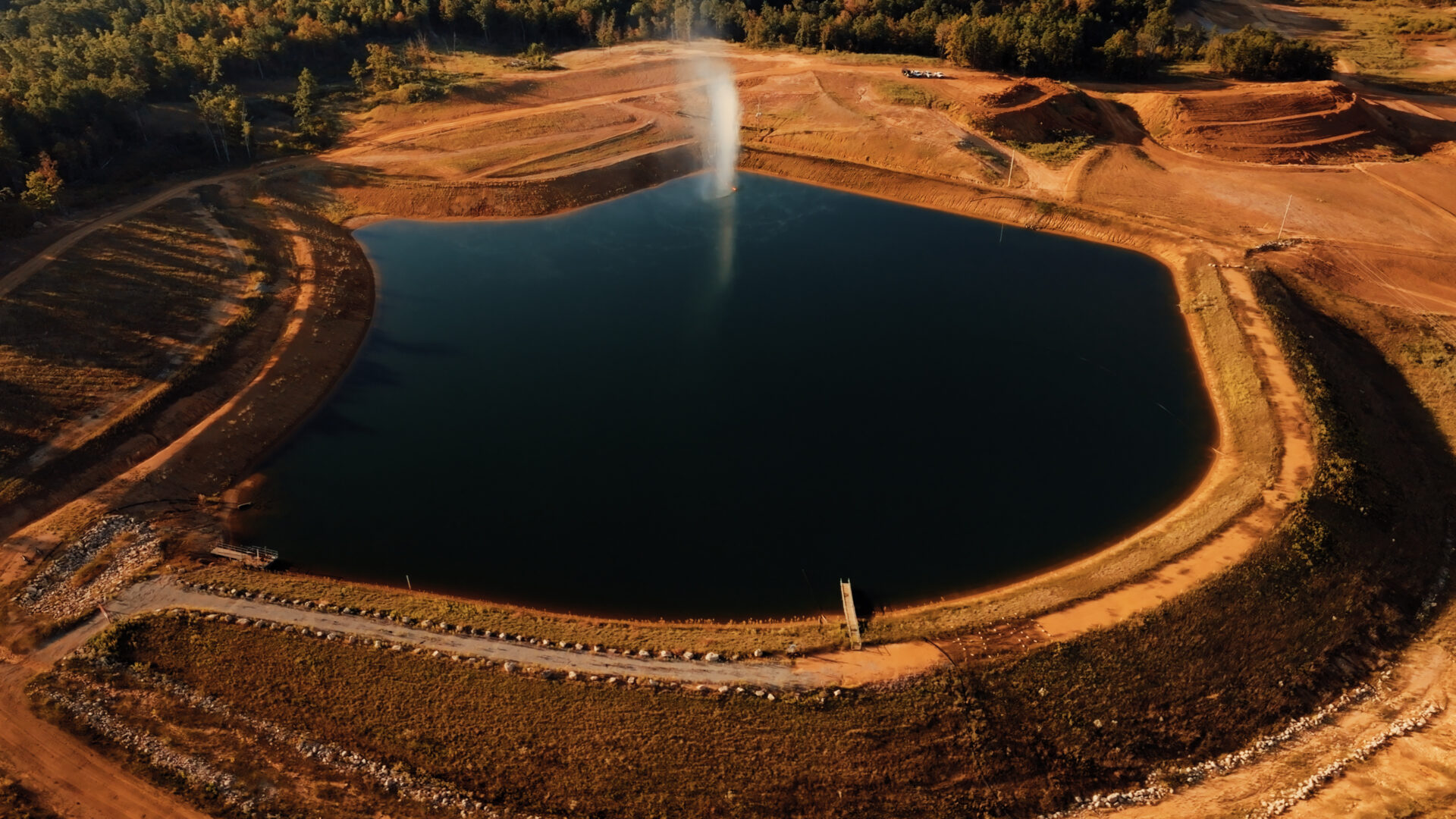
Drone_Missouri (64)

Helping sites manage water risk, compliance and resilience

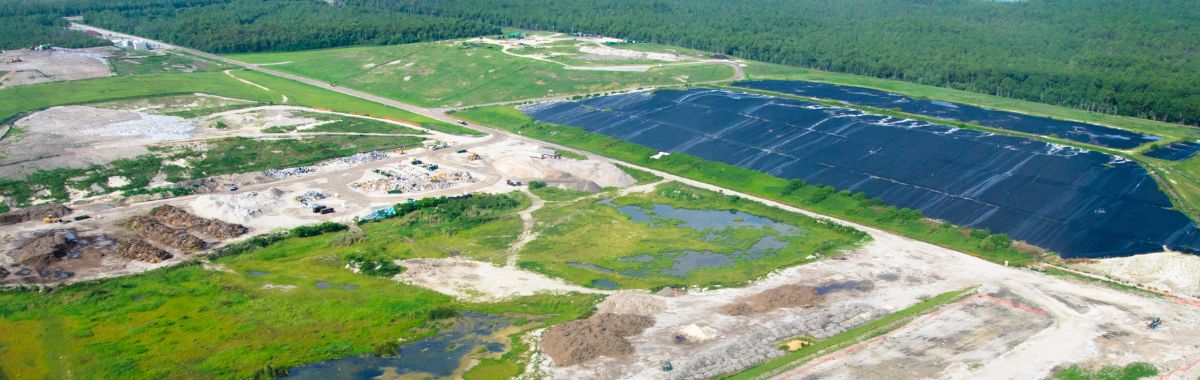
Minetek has worked with mining operations across a wide range of environments to help address water-related risks, reduce the likelihood of non-compliance events and support more resilient site outcomes. 
As expectations around ESG performance, reporting and operational accountability continue to rise, mining companies are looking for practical partners who understand how water management decisions affect environmental performance, operational continuity and long-term site strategy. 

Effective water management now influences far more than compliance alone. It can shape production continuity, environmental exposure, closure planning and stakeholder confidence across the life of a mine. 

Our involvement in Water in Mining 2026 reflects that broader role. It gives us an opportunity to engage with the industry on the operational and environmental pressures shaping mine water management today, while sharing insight into how practical, site-ready solutions can support stronger outcomes. 

These are some of the questions increasingly shaping the conversation: 

  • How can water management strategies better support operational continuity?  
  • How can sites reduce risk while improving flexibility under changing conditions? 
  • How should water be considered within ESG priorities and long-term mine planning?  
  • What role can proven engineering solutions play in building more resilient water infrastructure?  

These are the conversations we are bringing to Water in Mining 2026. 


Driving mine water conversations across global and regional markets 

As a co-sponsor of Water in Mining 2026, Minetek will engage with the industry across two important mining markets in Vancouver and Perth. 

The programme begins in Vancouver in April 2026, bringing together mining leaders, technical specialists, consultants and regulators to explore the operational, environmental and strategic pressures shaping water management across the industry. For us, it provides an opportunity to engage with the global mining sector on the issues shaping mine water management today, from water stewardship and compliance to operational resilience and long-term planning. 

That engagement will continue at Water in Mining Australia in Perth in September 2026. As the inaugural Australian event, Perth will provide a dedicated regional forum to examine the specific challenges and opportunities facing the local mining sector, including water management strategy, groundwater and aquifer recharge, tailings, closure and remediation, community engagement, and evolving regulatory expectations. 

The two events give us a strong platform to connect with stakeholders across global and regional markets, while contributing to broader industry conversations around practical, site-ready approaches to mine water management. 

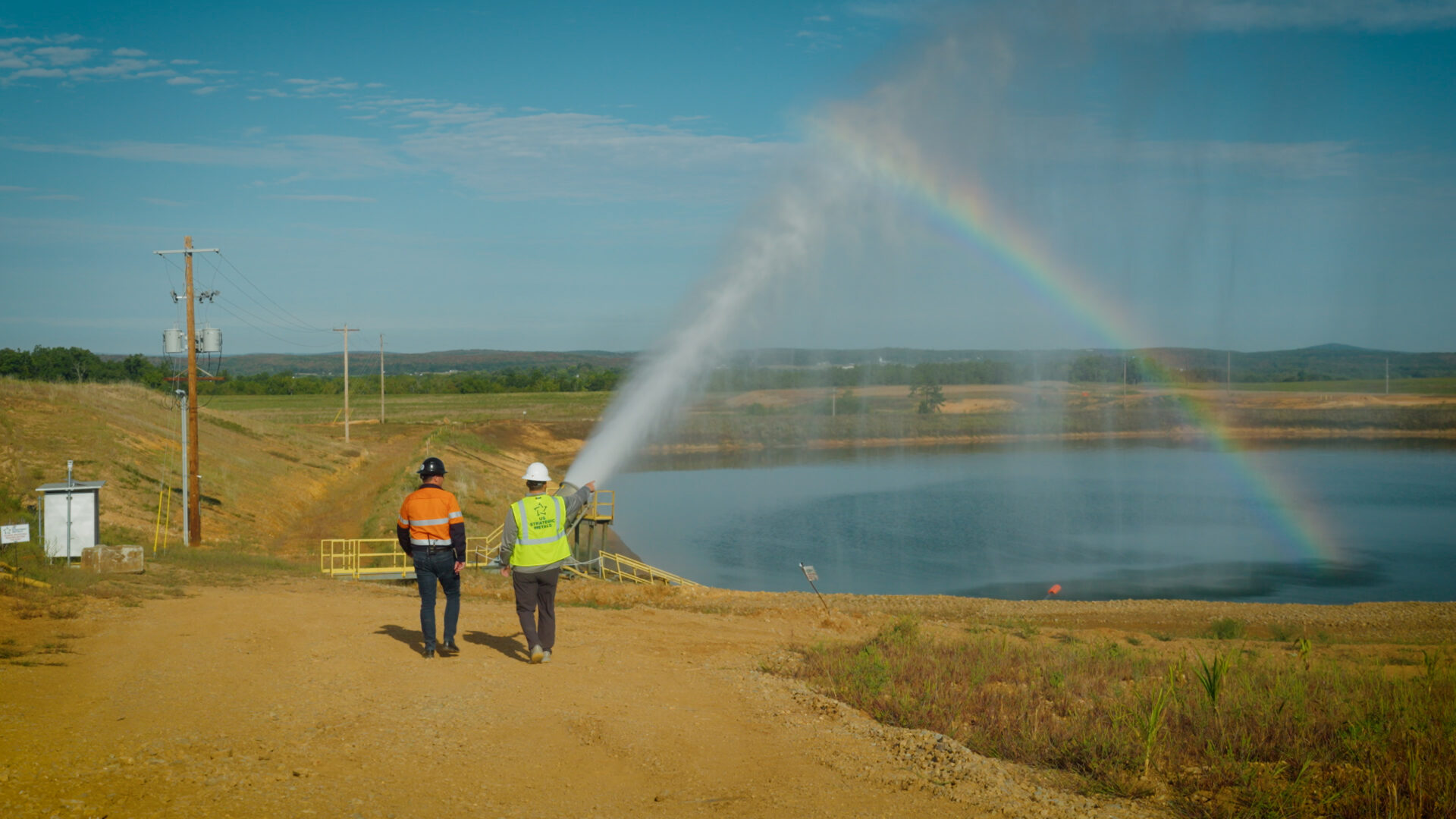
Drone_Missouri (17)

Water management: proven solutions for complex mine water

Acqua Minetek offers the world’s most comprehensive and cost‑effective mechanical water evaporation technology, designed to reduce risks associated with managing excess water and ensure environmental compliance. Our mobile, flexible solutions have been engineered to process a wide range of water qualities, delivering an efficient, cost‑effective and sustainable water management solution. 

Minetek units can process solids up to 4.0 mm in diameter and evaporate water with a pH level ranging from 1.8 to 14+. Our evaporation technology has been scientifically proven in some of the most challenging industrial landscapes and climates, with over 600 projects completed worldwide. 

Download water evaporators capability brochure 


Shaping the future of mine water management

As mining operations face increasing environmental, operational and strategic pressure around water, the need for practical and scalable approaches to mine water management will only continue to grow. 

Our partnership with Water in Mining 2026 reflects the importance of that shift. It gives us a global platform to engage with the industry on the water challenges shaping mining today, while contributing to conversations around stewardship, compliance, resilience and long-term site performance. 

Across Vancouver and Perth, we look forward to connecting with mining leaders, technical specialists and industry stakeholders on the evolving role of water management in mining. 

Visit us at Water in Mining 2026 or speak with Minetek water management experts about the practical strategies shaping stronger mine water outcomes.

Torna a notizie e approfondimenti

Minetek brings mine water management expertise to Water in Mining 2026 Vancouver

Publish date: 26 Marzo 2026

The Water in Mining Global Summit 2026

Il Water in Mining Global Summit 2026 will take place in Vancouver, Canada, from 20–22 April 2026. As one of the mining industry’s key forums on water, ESG and climate resilience, the event will bring together operators, regulators, investors and technology providers to explore how mine water can be managed more strategically in an increasingly complex operating environment. 

Minetek is proud to partner with this year’s summit. As a globally recognised provider of advanced water management solutions, Minetek will be exhibiting at Booth #11, engaging with operators on how integrated water strategies can support production, regulatory compliance and ESG performance. 


The evolving challenges shaping mine water management

Mine water management is becoming more complex as mining operations face increasing pressure to balance operational continuity, environmental responsibility, and regulatory compliance. Across many sites, water is no longer managed as a standalone issue. It is increasingly tied to production planning, tailings performance, discharge obligations, climate resilience, and long-term site strategy. 

Across North America and other major mining regions, operators are navigating tighter expectations around discharge quality, greater scrutiny of surface water protection, and increasing pressure to maintain control of site water balances under variable conditions. These challenges are being compounded by more frequent extreme weather events, aging infrastructure, and the need to align water decisions with broader ESG and stewardship commitments. 

As these pressures continue to grow, mining companies are looking for practical approaches that not only address excess water volumes, but also support stronger compliance, lower environmental risk, and more resilient site performance. That is a key reason mine water management is now attracting broader strategic attention across the industry.

Drone_Missouri (31)

Advanced mechanical evaporation technology

Acqua Minetek offers the world’s most comprehensive and cost‑effective mechanical water evaporation technology, designed to reduce risks associated with managing excess water and ensure environmental compliance. Our mobile, flexible solutions have been engineered to process a wide range of water qualities, delivering an efficient, cost‑effective and sustainable water management solution. 

Minetek units can process solids up to 4.0 mm in diameter and evaporate water with a pH level ranging from 1.8 to 14+. Minetek evaporation technology has been scientifically proven in some of the most challenging industrial landscapes and climates, with over 700 projects completed worldwide. 

Download water evaporators capability brochure 

At Water in Mining 2026, Minetek will demonstrate how this proven evaporation capability integrates into broader site‑wide strategies that: 

  • Stabilise water balances across pits, tailings storage and process circuits. 
  • Reduce overflow and non‑compliance risk during high‑inflow and storm events.
  •  Support mines in meeting ESG and climate commitments without constraining production. 

Minetek Water’s objective is to help mine operators turn water from a compliance headache into a strategic lever that protects production, strengthens ESG performance and builds long‑term resilience. 


Evaporation in practice: Missouri Cobalt case study

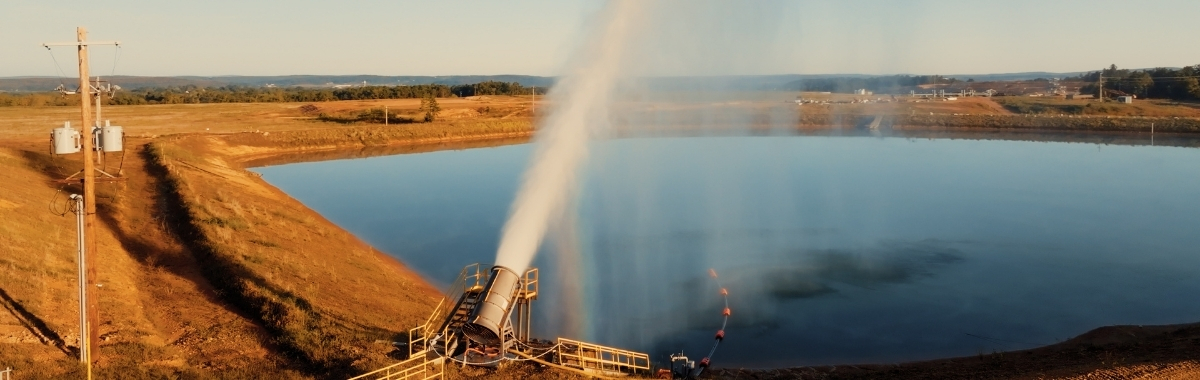
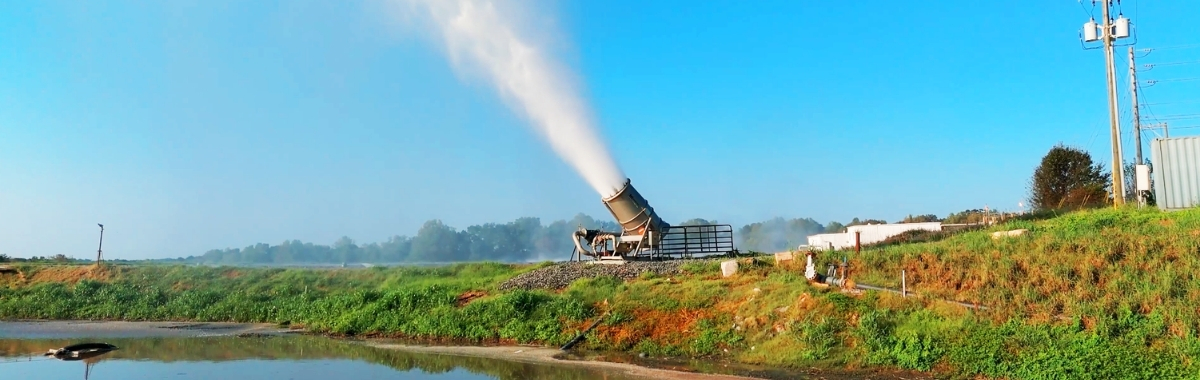
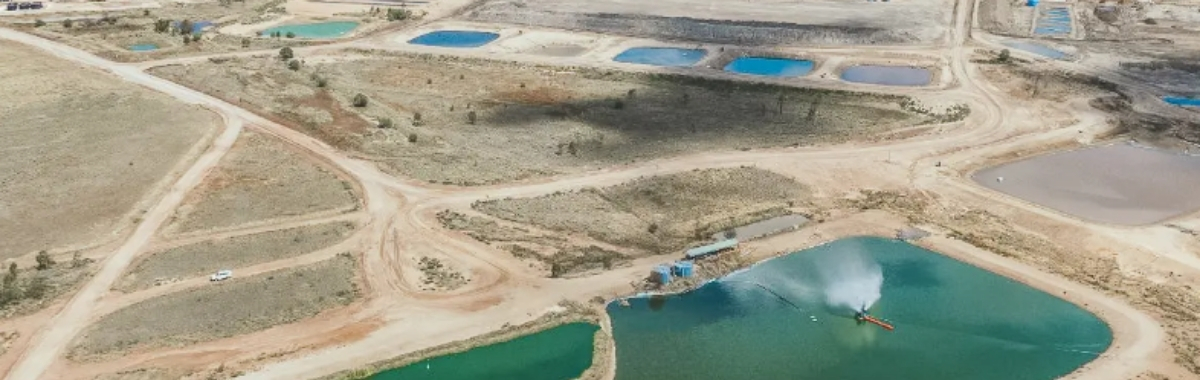
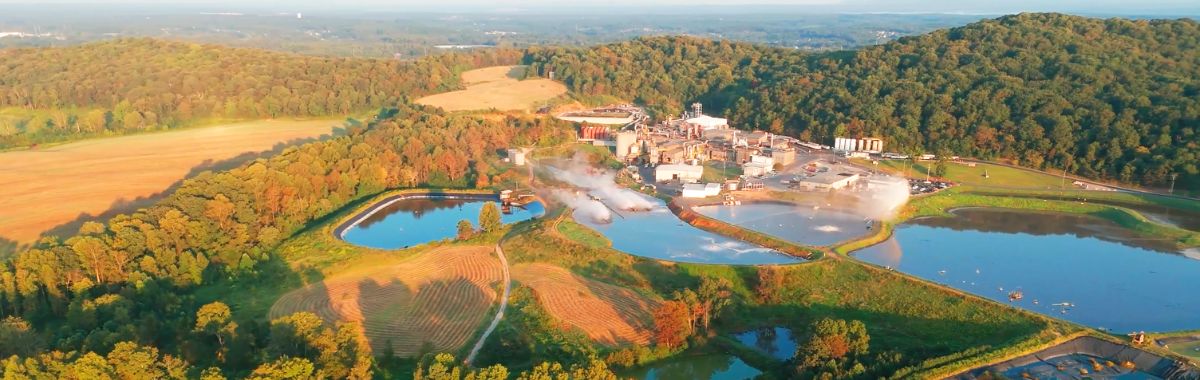
At a Missouri cobalt operation in USA, Minetek supplied a turnkey, land‑based evaporation system to manage inflows into an expanding tailings storage facility. The site was receiving sustained underground inflows of more than 300 gallons per minute, creating a risk of TSF overtopping, regulatory non‑compliance and delayed plans to restart mining. 

Minetek delivered a full mechanical evaporation system with an integrated Environmental Management System (EMS), enabling the site to regain control of water levels under peak inflow conditions. The system delivered weekly evaporation volumes in the millions of gallons, driving consistent reductions in pond levels while automating compliance control through real‑time monitoring and remote operation. 

The full project is detailed in the Missouri cobalt mine water management case study, available here. 

These results are representative of how Minetek Water integrates mechanical evaporation systems into site‑wide water strategies to stabilise water balances, reduce overflow risk and support long‑term ESG objectives. 

BRoll_Missouri (123)

Supporting executives, environmental leaders and technical teams

Across North America and other key mining regions, operators are facing tighter regulations on discharge quality and tailings stability, increased scrutiny on water use, and greater climate uncertainty. These pressures demand solutions that are technically robust, commercially viable and scalable across portfolios. 

During Water in Mining 2026, Minetek will be available at Booth #11 to discuss: 

  • Site‑specific water balance challenges and operational bottlenecks. 
  • Options to de‑risk approvals and compliance while maintaining or increasing throughput. 
  • Practical pathways to implement integrated water roadmaps across the life of asset. 

Alongside the summit, Minetek will also support executive‑level engagement, including private discussions and focused sessions aimed at translating conference insights into actionable plans for individual operations. 

To discuss your site’s water management challenges or arrange a meeting at Booth #11, connect with our team at [email protected] 

Torna a notizie e approfondimenti

How mechanical evaporation systems help manage ammonia in industrial wastewater.

Publish date: 18 Marzo 2026

Why ammonia management is a growing challenge in industrial wastewater

Ammonia is a common contaminant in industrial wastewater, particularly across mining operations, landfill facilities, and resource processing sites. Elevated ammonia concentrations can threaten aquatic ecosystems, create regulatory compliance risks, and increase the complexity of water management. 

At many industrial sites, ammonia management is closely linked to another challenge. Rainfall, runoff, and process water can accumulate in storage ponds and containment dams, allowing contaminants such as ammonia to concentrate over time. 

Mechanical evaporation technologies offer a practical approach to managing these conditions. By atomising wastewater into fine droplets and exposing them to airflow, evaporation systems reduce stored water volumes while increasing air–water interaction. These conditions can also support ammonia volatilisation processes. 

Minetek’s mechanically enhanced evaporation systems apply this principle to industrial water management, enabling sites to reduce water inventories while supporting ammonia management strategies. 


What causes ammonia in industrial wastewater 

Ammonia enters industrial wastewater through several common sources.  

  • Mining operations frequently generate ammonia with ammonium nitrate explosives during blasting activities. Residual nitrogen compounds dissolve into pit water, runoff, and site drainage systems.
  • Landfills produce ammonia through the biological decomposition of nitrogen-containing organic waste. These reactions generate ammonia that accumulates within leachate storage systems.
  • Industrial process water may also contain ammonia from chemical reactions or mineral processing activities. 

In water, ammonia exists in two chemical forms. 

  • Unionised ammonia (NH₃)
  • Ammonium ion (NH₄⁺) 

The balance between these forms depends on pH and temperature conditions. Higher pH and warmer temperatures favour the unionised ammonia form, which is significantly more toxic to aquatic organisms. 

Il U.S. Environmental Protection Agency (EPA) highlights the importance of pH and temperature when assessing ammonia toxicity in freshwater ecosystems. Because of this behaviour, ammonia concentrations are closely monitored in wastewater discharge permits. 


Group_Images_In text_02062024 - 2026-03-18T154457.113

Why ammonia is difficult to manage

Ammonia can be difficult to manage in industrial wastewater systems because it can originate from multiple sources, accumulate in stored water inventories, and pose risks to aquatic ecosystems if discharged without control. The U.S. EPA also identifies ammonia as a common contaminant in waters affected by industrial activities, wastewater discharges, and organic waste decomposition. Several factors contribute to the complexity of ammonia management in industrial water systems: 


Multiple ammonia sources

Ammonia may enter industrial wastewater through nitrogen-containing materials, including explosives residues, organic waste breakdown, and industrial process streams.


Accumulation in stored water inventories

Wastewater stored in ponds, dams, or containment basins can allow ammonia concentrations to increase over time as water volumes fluctuate. 


Treatment complexity

Removing ammonia typically requires specialised treatment processes such as biological nitrification–denitrification or physicochemical treatment methods. 


Environmental and regulatory risk

Ammonia is toxic to aquatic organisms and therefore regulated in wastewater discharge permits to protect freshwater ecosystems. 


Ammonia discharge regulations in North America and Australia 

Ammonia concentrations in wastewater are regulated in many jurisdictions because of their potential toxicity to aquatic ecosystems. 

In the United States, the U.S. EPA Aquatic Life Ambient Water Quality Criteria for Ammonia – Freshwater has established national recommended ambient water quality criteria for ammonia in freshwater under the Clean Water Act. These criteria provide guidance to states when setting water quality standards to protect aquatic life from the toxic effects of ammonia.  

Similarly, in Australia and New Zealand, ammonia concentrations are assessed using guideline values provided in the Australian and New Zealand Guidelines for Fresh and Marine Water Quality. These guidelines establish default toxicant values that help regulators and environmental managers assess risks to aquatic ecosystems. 

These regulatory frameworks highlight the importance of managing ammonia concentrations in industrial and mining wastewater systems to protect receiving water bodies. 

Group_Images_In text_02062024 - 2026-03-18T161630.820

Limitations of traditional ammonia treatment methods 

Several conventional technologies are used to remove ammonia from wastewater. However, these methods can present operational and economic limitations when applied to large industrial water systems. Reviews of wastewater nitrogen removal technologies explain that biological, physical, and chemical treatment methods each have advantages and limitations depending on wastewater conditions.   


Biological treatment sensitivity

Biological nitrogen removal processes such as nitrification–denitrification depend on microbial activity that requires stable environmental conditions. According to the U.S. EPA’s Biological Nutrient Removal Processes and Costs report, nitrifying bacteria responsible for ammonia conversion have stringent growth requirements and are sensitive to environmental conditions such as dissolved oxygen, temperature, and pH. 


Operational complexity

Nitrogen removal processes often require precise control of treatment conditions to maintain performance. According to research published in Chemical Engineering Journal’s “Separation and Purification Technology”, these operational parameters strongly influence microbial activity and treatment effectiveness. Process parameters such as aeration, dissolved oxygen levels, pH, and temperature significantly affect nitrification efficiency and overall ammonia removal performance. 

Because of these limitations, industrial sites often combine treatment technologies with broader water management strategies to control ammonia concentrations effectively 


How ammonia volatilisation works 

Ammonia volatilisation occurs when dissolved ammonia transitions from the liquid phase into the atmosphere. This transfer process depends on several environmental factors. Key drivers include: 

  • air–water contact area 
  • air-to-water ratio 
  • temperature 
  • pH 

Experimental studies investigating ammonia stripping processes have reported removal efficiencies between 91% and 98% under optimised conditions. 

The Internation Journal of Chemical Engineering’s “Recent Development in Ammonia Stripping Process for Industrial Wastewater Treatment” article also highlights droplet surface area and airflow exposure as critical factors influencing ammonia volatilisation rates. 

Hence, increasing air-water interaction therefore plays a central role in accelerating ammonia transfer from water to air. 

Group_Images_In text_02062024 - 2026-01-27T152313.966

How Minetek evaporation systems support ammonia management 


Minetek evaporation technology for industrial water management 

Minetek designs and manufactures mechanically enhanced evaporation systems used by mining and industrial operations to manage excess water inventories. 

These systems are deployed on large water storage facilities such as mine water dams, tailings storage facilities, containment ponds, and landfill leachate basins. In these environments, water accumulation can create operational challenges and increase the concentration of dissolved contaminants such as ammonia. 

Minetek evaporation systems enable sites to actively reduce stored water volumes while increasing air-water interaction within the water management system. This combination allows operators to control water inventories while supporting contaminant management strategies, including ammonia control. 


The science behind Minetek technology 

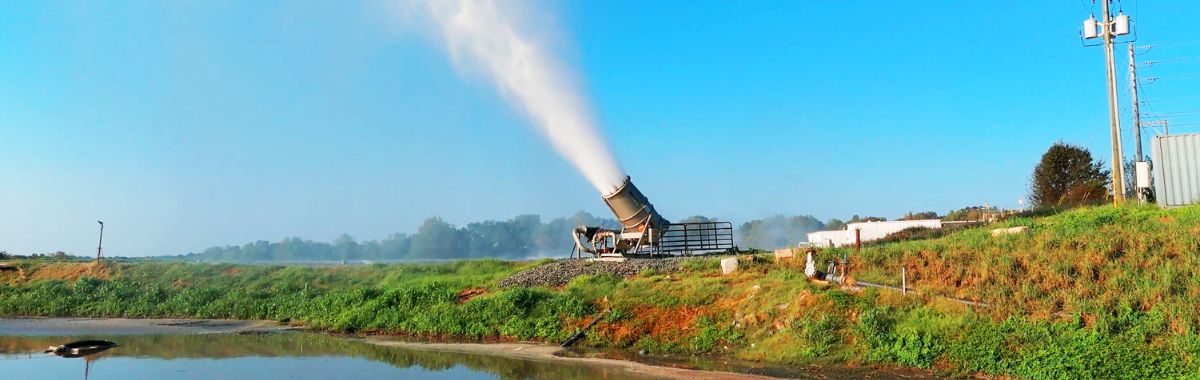
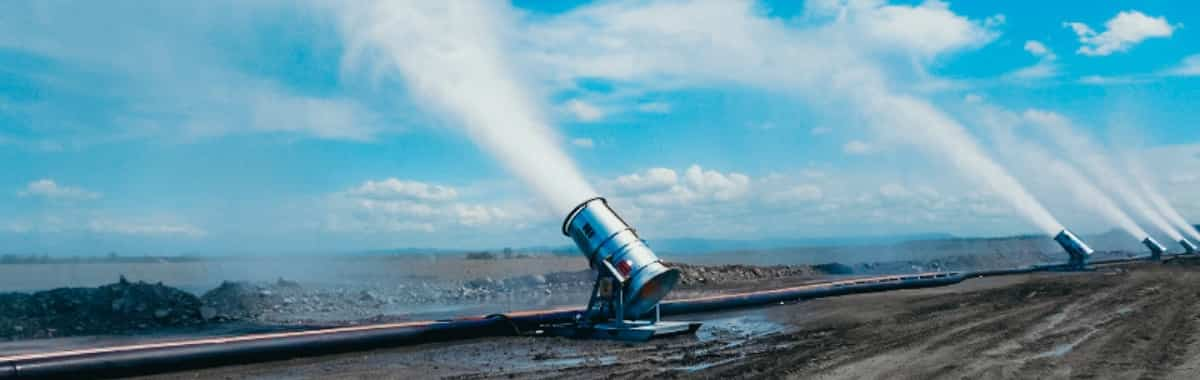
Minetek Evaporators use a process called Mechanically-Enhanced Evaporation (MEE). The technology accelerates natural evaporation by increasing both water surface area and airflow across the water. This is achieved through two key mechanisms. 


Droplet atomisation

Feed water is pumped at high pressure through a series of specialised fracturing nozzles. These nozzles break the water into millions of droplets every second. This dramatically increases the total surface area of the water exposed to the air. 

In conventional evaporation ponds, evaporation only occurs across the surface of the water. By comparison, atomising the water into droplets creates far more surface area, allowing evaporation to occur much more rapidly. 


High-velocity airflow

Minetek evaporators also use powerful industrial fans to generate airflow exceeding 150 km/h. This high-velocity airflow moves across the atomised droplets and accelerates the transfer of moisture into the atmosphere. 

As a result, evaporation occurs at a rate significantly higher than the ambient Pan Evaporation Rate (PER) that limits traditional evaporation ponds. 


Spray plume evaporation process 

Together, atomisation and airflow create a spray plume consisting of millions of droplets of the water being treated. 

As these droplets travel through the airflow: 

  • a portion of the water evaporates into the atmosphere
  • the remaining droplets fall back into the storage pond 

 Minetek evaporators are engineered to achieve approximately 50% evaporation efficiency in a single pass. 


For example: 

If 1,000 litres of water are dispersed into the spray plume, approximately 500 litres may evaporate while the remaining water returns to the feed pond. 

This continuous process allows sites to actively reduce stored water inventories while maintaining circulation within the water storage system. 

Minetek Water Evaporator

Designed for challenging industrial water chemistry 

Industrial water storage systems often contain highly variable water chemistry. 

Common water conditions encountered on mine and industrial sites include: 

  • elevated salinity and dissolved solids
  • suspended solids from sediment or tailings
  • dissolved contaminants such as ammonia
  • fluctuating water chemistry during rainfall events 

Minetek evaporation systems are designed to operate across a wide range of these conditions. Units currently operating around the world are evaporating water ranging from pH 1.0 to above 14, including water with high Total Dissolved Solids (TDS) and high Total Suspended Solids (TSS). 

Unlike conventional treatment technologies that target specific contaminants, evaporation converts liquid water into vapour. As a result, the process is largely unaffected by many dissolved constituents within the water. 

During operation, wastewater is atomised into droplets and dispersed into the air where evaporation occurs as the droplets interact with airflow. Because this process occurs outside the equipment, increasing concentrations of salts, solids, or ammonia do not significantly affect evaporator operation. 

In practice, the main requirement is that the water can be pumped through the evaporator system. Once atomised and exposed to airflow, evaporation proceeds regardless of many dissolved constituents in the water.  


Supporting ammonia management through water volume control 

Ammonia is commonly present in mining and industrial wastewater systems. It can originate from blasting activities, process chemicals, landfill leachate, or biological breakdown of nitrogen compounds. 

Managing ammonia becomes more difficult when water accumulates in pits, ponds, and containment dams. Larger water inventories can increase contaminant concentrations and reduce operational flexibility. Reducing stored water volumes is therefore an important part of many site water management strategies. 

Minetek evaporation systems provide operators with a practical way to actively manage excess water inventories. By accelerating natural evaporation through mechanically enhanced evaporation, the systems reduce stored water volumes while increasing air–water interaction within the water system. 

For sites managing ammonia-affected water, this increased air–water interaction can also influence ammonia behaviour through natural volatilisation processes. 

When integrated into broader site water management strategies, mechanically enhanced evaporation helps operators maintain storage capacity while supporting water quality management across complex industrial water systems. 


Need help managing ammonia and excess water on your site? 

Speak with a Minetek water management expert to explore evaporation solutions for complex wastewater conditions. 


Minetek Water Evaporator

FAQ 

What causes ammonia in mining wastewater?
Ammonia in mining wastewater commonly originates from ammonium nitrate explosives used in blasting operations. Residual nitrogen compounds dissolve into pit water and runoff systems where ammonia concentrations can accumulate. 

Why is ammonia harmful in wastewater?
Ammonia can damage aquatic ecosystems and reduce dissolved oxygen levels in receiving waters. Toxicity increases when ammonia shifts into its unionised form at higher pH and temperature conditions. 

Can evaporation systems reduce ammonia levels?
Evaporation systems increase air–water interaction and can encourage ammonia volatilisation while reducing stored wastewater volumes. 

How do Minetek evaporation systems help manage ammonia?
Minetek systems atomise wastewater into fine droplets and expose them to strong airflow. This increases evaporation rates while promoting ammonia volatilisation. 

Can Minetek evaporators handle difficult water chemistry?
Yes. Minetek evaporation systems have been successfully deployed in waters ranging from highly acidic to highly caustic conditions, including water with high dissolved and suspended solids. 

Torna a notizie e approfondimenti

Water management regulations & potential violations in mining operations.

Publish date: 21 Gennaio 2026

When rising water triggers regulatory exposure.

Mining operations are rarely penalised for having too much water on site. However, they can be penalised for allowing water to rise unchecked, unmanaged, or outside approved operating limits.  

Across major mining jurisdictions, regulators do not define a single maximum water level for pits or tailings storage facilities. Instead, compliance is assessed through a risk-based lens that focuses on preventing unauthorised discharges, protecting water quality, maintaining structural stability, and safeguarding people and the environment.  

Understanding how rising water triggers regulatory exposure is critical for mine operators navigating increasingly complex environmental, safety, and approval frameworks.


United States.

How rising water becomes a regulatory violation. 

In the United States, mining regulations do not impose a universal maximum water level for mine sites or tailings storage facilities. Instead, compliance is assessed through a risk-based framework that focuses on outcomes rather than fixed thresholds. Water becomes a regulatory issue when it is no longer adequately controlled in line with permits, design assumptions, and safety requirements. 

This approach reflects a core principle of US environmental law. A spill does not need to occur for a violation to exist. Regulators assess whether rising water levels cause, or are likely to cause, unauthorised discharges, water quality impacts, dam safety risks, permit non-compliance, or environmental endangerment. 

As water accumulates across a site, it can progressively undermine compliance across several regulatory regimes. The most relevant include the Clean Water Act, National Pollutant Discharge Elimination System permits, stormwater controls, state dam safety requirements, and, in higher-risk scenarios, federal endangerment authorities. 

Tailings dam

Clean Water Act and NPDES permit exposure.

Under the Legge sulle acque pulite, mining operations are prohibited from discharging pollutants to waters of the United States unless authorised under a National Pollutant Discharge Elimination System (NPDES) permit. These permits define how mine-affected water must be managed, treated, and, where allowed, discharged. 

As water levels rise, compliance risk increases. Approaching operating limits raises the likelihood of overtopping during storm events, seepage to surface water or groundwater, and treatment systems being overwhelmed. Each of these conditions can result in unauthorised discharges or exceedance of permitted limits. 

Crucially, an actual discharge is not required for enforcement. Where rising water indicates that permit conditions, such as freeboard or discharge prevention requirements, are no longer being met, regulators may treat the situation as a violation based on imminent risk alone.


Permit conditions and operational controls.

NPDES permits establish discharge limits, operational controls, monitoring, and reporting requirements that are legally enforceable regardless of whether environmental harm has occurred.  

When water levels rise, operators may rely on emergency pumping, diversions, or temporary bypasses that fall outside approved operating envelopes. Even where these actions prevent flooding or overtopping, they may still constitute permit breaches if they are not authorised. 

This leaves little margin for error. A site can remain physically stable while still being legally non-compliant if permit conditions are not followed.


Stormwater management and runoff risk.

Stormwater discharges from mining operations are regulated as industrial activity under the NPDES program, requiring implementation of Stormwater Pollution Prevention Plans and appropriate control measures. Rising water levels can compromise these systems by reducing diversion capacity, saturating embankments, or overwhelming drainage infrastructure. 

These conditions increase the risk of sediment-laden runoff leaving the site during rainfall events. Regulators may cite failures in stormwater control design, inadequate maintenance, or non-compliance with approved plans, even where no formal discharge point is activated. 

Tailings dam

State dam safety and tailings oversight.

In the United States, tailings storage facilities are typically regulated as dams under state law with requirements for minimum freeboard, spillway capacity, and defined trigger levels. 

From a dam safety perspective, rising water is a primary risk indicator. Loss of freeboard alone is often sufficient to constitute non-compliance, even where no structural failure has occurred. As water approaches design limits, regulatory attention shifts from routine compliance to risk mitigation. 


Imminent and substantial endangerment authority.

Under RCRA Section 7003, EPA may issue orders where conditions may present an imminent and substantial endangerment to human health or the environment, allowing enforcement based on credible risk rather than an actual release. 

While mine tailings are generally exempt from hazardous waste classification, this exemption does not apply where rising water creates structural instability or a credible risk of uncontrolled release. 

Under these provisions, agencies can issue emergency orders, mandate corrective actions, or require operational changes to reduce risk. The trigger for intervention is credible endangerment, not actual harm. 


When American regulators typically intervene.

In practice, enforcement action is most likely when multiple warning signs converge. These commonly include freeboard falling below approved minimums, water levels approaching dam crests or spillway activation points, increasing seepage beyond baseline conditions, and monitoring data showing sustained upward trends without effective mitigation. 

Failure to notify regulators of deteriorating conditions can itself constitute a violation. Sites that act early and communicate proactively are far more likely to avoid formal enforcement than those that delay action until limits are breached. 

Gruppo_Immagini_In testo_02062024 (1)

Australia.

How rising water breaches environmental, safety, and licence obligations. 

Australia does not impose a single national limit on how much water a mine or tailings storage facility can hold. Instead, compliance is enforced through a combination of state-based environmental protection laws, site-specific licence conditions, dam safety requirements, and work health and safety obligations. Rising water becomes a compliance issue when it exceeds approved design limits, risks unauthorised discharge, compromises tailings dam stability, or creates unacceptable environmental or safety risk. 

Like the United States, enforcement is outcome-based. A spill is not required for non-compliance to occur. Regulators assess whether water is being managed in accordance with approvals, operating envelopes, and risk controls, with particular focus on freeboard, discharge risk, and structural safety. 

Because mining regulation in Australia is largely administered at the state and territory level, water-related compliance exposure often arises across multiple overlapping regulatory frameworks rather than a single statute. 


State environmental protection laws and unauthorised discharge.

Each Australian state and territory regulates mine water under its own environmental protection legislation. Under state environmental protection legislation, mining operations must hold environmental protection licences issued by the NSW EPA under the Protection of the Environment Operations Act 1997, with conditions that regulate pollution and water discharge limits. 

Rising water levels increase the likelihood of unauthorised discharge, particularly during wet weather events. As ponds or tailings facilities approach approved limits, the risk of overtopping, seepage, or uncontrolled release increases. Regulators may intervene where conditions indicate a material risk of pollution, even if no discharge has yet occurred. 


Environmental Authority and licence conditions.

Mining operations in Queensland must hold an environmental authority (EA) issued under the Environmental Protection Act 1994 before undertaking activities with the potential to release contaminants into the environment, including water, and these authorities include conditions designed to manage those risks. A mining lease cannot be granted unless a valid EA has been issued, and EAs put conditions on operators to help reduce or avoid environmental impacts associated with mining activities.  

Rising water can breach these conditions without any spill occurring. Exceeding approved operating envelopes, failing to maintain freeboard, or operating outside an approved water management plan may each constitute a licence offence. 

Tailings dam

Tailings storage facility and dam safety requirements.

Tailings storage facilities in Australia are regulated through mining legislation, environmental approvals, dam safety requirements, and regulator-endorsed guidelines.  

Regulatory expectations for tailings facilities are increasingly informed by the ANCOLD Guidelines e Global Industry Standard on Tailings Management (GISTM) 

Loss of freeboard, reduced flood capacity, or failure to act on defined trigger levels is commonly treated as non-compliance. Where a tailings facility is classified as a dam, dam safety legislation applies, including obligations to maintain approved operating levels and notify regulators of rising risk. 


Water management and mine safety obligations.

Water storage, diversion, and release are also regulated under state water management frameworks. Rising water may breach water licences where storage exceeds approved limits or emergency releases occur without authorisation. 

In parallel, under Australia’s model Work Health and Safety laws, operators have a duty to manage risks to workers and others, including hazards that may arise from water inundation or instability on site. Rising water that creates instability or inundation risk, particularly where known risks are not addressed, may trigger safety enforcement or stop-work directions. 


When Australian regulators typically intervene.

Regulatory action most commonly occurs when freeboard drops below approved minimums, water exceeds design or approval limits, emergency discharges occur, or tailings facility risk classifications increase. Sustained upward trends in monitoring data without effective mitigation also attract scrutiny. 

Failure to notify regulators of deteriorating conditions is itself often a breach. As with US regulators, early disclosure and proactive water management are critical to maintaining compliance. 

Group_Images_In text_02062024 (73)

Proactive water management in practice 

Il Missouri Cobalt mine in Clayton, Missouri, USA operates a growing cobalt production site that includes reopening legacy underground workings and managing an expanding tailings storage facility. The operation faced a significant hydrological challenge when sustained inflows from underground workings exceeded 300 gallons per minute, overwhelming the site’s existing water infrastructure and threatening regulatory compliance and operational timelines.  

Although no unauthorised discharge had occurred, rising water levels reduced available freeboard and increased the risk of non-compliance with Clean Water Act and NPDES permit conditions, stormwater requirements, and dam safety triggers. This trajectory of increasing water volume, rather than a single incident, created regulatory exposure because uncontrolled accumulation risked overtopping, seepage, and breach of licence conditions if left unmanaged.  

To mitigate this exposure, Minetek supplied and commissioned a stainless steel, land-based 400/200 water evaporation system with an integrated Environmental Management System (EMS) 

Operating at approximately 40 m³/h (180 GPM) with about 45% efficiency, the system delivered measurable daily reductions in pond levels, restored freeboard capacity, and helped maintain a compliant water balance under peak inflow conditions.  

The outcome demonstrates a regulatory reality. Rising water becomes a compliance problem long before any spill or failure occurs. 


Proactive water management as a compliance strategy.

Across both the United States and Australia, mining regulations do not wait for failure before enforcement begins. Rising water levels create regulatory exposure when they move beyond approved operating limits, reduce freeboard, or signal increasing risk to water quality, structural stability, or safety. In this context, compliance is defined by anticipation and control, not reaction. 

The Missouri Cobalt project demonstrates how proactive water management can stabilise risk before it escalates into non-compliance. By addressing rising water early and restoring balance within approved parameters, operators can maintain regulatory confidence, protect assets, and avoid disruption. 

As regulatory scrutiny continues to increase, effective water management is no longer just an operational requirement. It is a core compliance strategy that underpins safe, resilient, and sustainable mining operations. 

Building a stronger foundation for industrial water excellence.

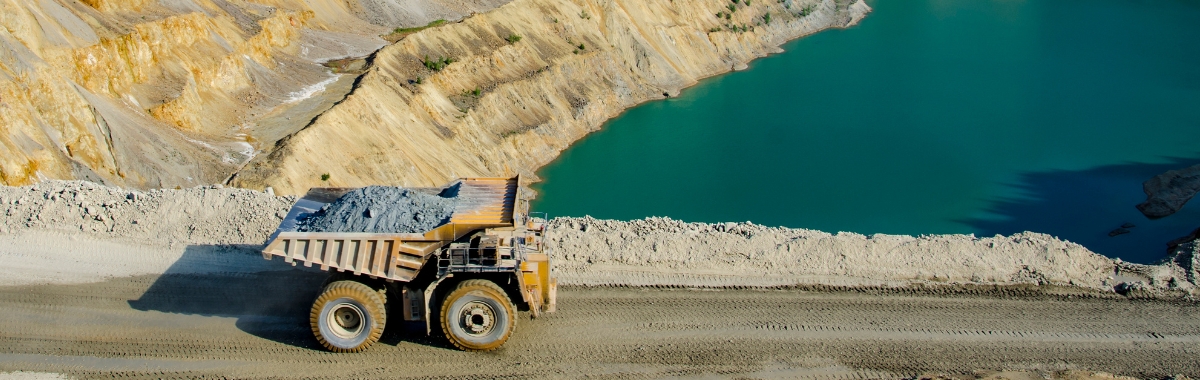
Water management defines operational resilience across today’s industries. At Minetek, we have spent more than three decades engineering high-performance water evaporation systems that help operators manage complex water with confidence. Our experience in demanding mining environments shaped the standards we uphold today. It taught us to engineer solutions that perform with precision, endure harsh conditions, and deliver measurable outcomes. 
Over the past decade, we have seen a sharp rise in demand from non-mining sectors. Food processors, municipal authorities, legacy industrial plants and manufacturers began seeking the same outcomes our mining partners relied on. Many of these operators now use our technology to stabilise their water systems, reduce environmental risk, and maintain operational certainty. This growth revealed a clear opportunity. These industries needed a dedicated platform that reflected their context, spoke their language, and supported their operational pressures with the same world-class capability. 

We created XPEL alimentato da Minetek for this purpose. 

XPEL brings a specialised environment for our engineered water solutions. It offers targeted expertise, broader application insight, and structured support designed for industrial and municipal operators. Our mining clients still represent the majority of our global base. Yet the rapid expansion of interest across non-mining sectors made it essential to create a platform that presents our water technology with clarity and relevance for every industry we now serve. 

With XPEL, customers gain a purpose-built platform that delivers the full strength of our mechanical evaporation technology with clearer guidance, broader applicability, and industry-specific support. They gain access to solutions proven to reduce water at the lowest total cost of ownership while delivering the reliability, efficiency and performance that define Minetek’s engineering. XPEL gives operators a direct path to better outcomes, stronger control, and measurable long-term value. It positions every industry to manage water with confidence, precision and the highest standards of operational excellence. 

Group_Images_In text_02062024 (83)

Why do modern industries need a new approach to water management?

Water management has shifted from a routine operational task to a strategic priority across industrial and municipal sectors. Many facilities now handle higher water volumes, more variable chemistry and tighter compliance expectations than their infrastructure was originally designed to support. Seasonal inflows, production peaks and environmental obligations add further pressure, creating a landscape where operators must act with greater accuracy and accountability. The challenge is no longer simply about storing or treating water but about maintaining resilience across unpredictable conditions. 

Traditional solutions are struggling to meet these demands. Treatment plants face increased load and rising operational cost. Storage assets intensify risk as capacity tightens and regulatory expectations escalate. Labour-intensive methods are increasingly difficult to sustain in modern workforce structures. Organisations need a method that reduces water efficiently while controlling cost and operational complexity. They need technology that performs at scale without requiring treatment upgrades or expanded infrastructure. 

XPEL powered by Minetek provides this capability through focused engineering and sector-specific insights. We apply decades of mechanical evaporation expertise to the conditions industrial operators face today. Our systems reduce water volumes predictably and safely. They integrate with on-site controls and environmental data to maintain stable performance across seasonal shifts and variable chemistry. This gives operators a practical and economical path to manage water proactively while protecting infrastructure, improving compliance confidence and strengthening long-term resilience. 


What defines XPEL powered by Minetek?

XPEL represents a refined expression of Minetek’s water engineering capability. It is a dedicated platform built to deliver the highest standards of performance, efficiency and operational reliability for industrial and municipal operators. While our introduction outlined why industries need new solutions, this section explains what XPEL uniquely provides and why it stands apart. 

XPEL stands for engineered quality. Every system is built from a foundation of airflow science and advanced mechanical design. This ensures strong evaporation efficiency, predictable performance and long-term durability across varied industrial environments. Our focus is on delivering solutions that process water consistently while maintaining the lowest total cost of ownership. 

XPEL also represents a more specialised approach to applying this technology. We built the platform to meet the needs of operators whose challenges differ from mining. This means clearer technical guidance, sector-specific insights and solution pathways shaped for food processing, municipal networks, manufacturing and other industrial applications. Customers receive information and support aligned to their regulatory context, workforce structure and operational constraints. 

Il outcome is a platform that combines engineering precision with practical applicability. XPEL allows organisations to stabilise water systems, control storage levels and strengthen compliance confidence without expanding treatment plants or increasing operational burden. It provides a direct route to stronger water control, predictable prestazioni and long-term operational value.

Group_Images_In text_02062024 (86)

Who does XPEL support across industry?

XPEL is designed for operators who manage complex water in environments where performance, certainty and operational efficiency matter. Each sector faces unique pressures driven by production cycles, regulatory frameworks or environmental conditions. Bringing engineered capability to these challenges and providing systems that fit into existing operations without increasing treatment burden or infrastructure footprint. 


Food processing.

Food processors manage fluctuating wastewater volumes influenced by washdown cycles, organic loading and production variability. Many sites operate within limited footprints that restrict treatment expansion. Helping processors maintain stable water systems by providing fast, efficient volume reduction that supports peak production periods. This strengthens compliance, reduces reliance on storage and ensures continuity during seasonal demand shifts. 


Oil and gas.

Oil and gas operators handle high-salinity water, variable chemistry and strict environmental requirements. Many facilities must manage complex process streams while protecting sensitive downstream infrastructure. Delivering controlled, high-capacity evaporation that reduces stored volumes and supports safer, more predictable water balance management in environments where reliability and operational certainty are critical. 


Government and municipal.

Councils and water authorities contend with stormwater surges, seasonal inflows and storage limits. These conditions place pressure on treatment plants and require systems that react quickly without increasing operational strain. Reducing volume efficiently and helps maintain safe pond levels during peak conditions. This supports infrastructure resilience and gives authorities greater confidence in meeting regulatory and community expectations. 


Legacy industrial.

Older industrial facilities often carry inherited ponds and historical water liabilities. Many operate with infrastructure that cannot be easily upgraded. Providing a practical, economical method to reduce water volumes and relieve the load on ageing systems. It enables operators to address long-standing water challenges with technology that performs reliably across varied conditions. 


Pulp and paper.

Pulp and paper mills generate high-strength process water with elevated solids and complex chemistry. Storage and treatment assets can quickly reach capacity, particularly during production peaks. Helping mills stabilise these systems by lowering stored volumes and easing pressure on downstream treatment. This supports operational continuity and strengthens compliance outcomes. 
 

Manufacturing.

Manufacturing facilities manage diverse wastewater profiles that can include elevated TDS, suspended solids and intermittent flows. These variables require systems that stay consistent regardless of daily changes. Providing a scalable pathway to maintain safe storage levels, protect treatment assets and strengthen overall water balance control within complex industrial operations. 

Across all sectors, XPEL provides operators with the ability to reduce water efficiently, protect infrastructure and maintain regulatory confidence without expanding treatment plants or adding operational complexity. 

Group_Images_In text_02062024 (84)

What sets XPEL apart in industrial water management?

XPEL powered by Minetek delivers a level of performance and operational certainty that stands apart from traditional water management methods. Our approach is grounded in engineered precision and informed by more than three decades of solving water challenges across some of the world’s most demanding environments. This experience shapes every system we design and ensures customers receive solutions built for long-term value. 


Proven expertise with global reach.

Our engineering capability has been developed through large-scale projects across mining, industrial and municipal sectors worldwide. This global experience gives us a clear understanding of how water behaves under different climates, chemistries and regulatory frameworks. XPEL applies this depth of knowledge to each project to help operators achieve strong and predictable outcomes regardless of site conditions. 


A focus on performance, innovation and operational reliability.

XPEL systems are engineered to deliver high evaporation efficiency and stable, continuous operation. Our designs draw from advanced airflow modelling, mechanical optimisation and rigorous testing standards. This ensures consistent performance across variable environments and allows operators to reduce water volumes confidently without increasing labour or treatment complexity. We continue to refine and advance our technology to align with emerging industry needs and environmental expectations. 


End-to-end support tailored to operational requirements.

We work closely with customers across planning, modelling, installation and ongoing optimisation. This collaborative approach ensures each system aligns with site-specific constraints, regulatory requirements and performance targets. Our solutions are configurable to meet diverse operating environments and can integrate with remote monitoring networks, automation systems and environmental controls. This level of support helps operators adopt XPEL with confidence and maintain system performance with minimal intervention. 

Group_Images_In text_02062024 (85)

Solutions designed for lowest total cost of ownership. 

XPEL systems deliver strong evaporation performance while helping operators control long-term cost. The technology operates efficiently without chemicals or extensive processing steps. It reduces pressure on existing treatment assets and storage infrastructure. This combination of efficiency, durability and low operational demand positions XPEL as one of the most cost-effective pathways to industrial water management available today. 


What our customers experience with XPEL.

Real-world performance reflects the strength of engineered solutions. Operators across multiple industries have adopted XPEL powered by Minetek to overcome water pressures that challenged their infrastructure, compliance frameworks or operational continuity. Their feedback highlights the value of reliable evaporation, predictable outcomes and strong technical support. 

One customer shared the impact of integrating climate-controlled evaporators into their operation: 

“Good product with great service leads to a great outcome. My dealings with XPEL and their supply and service of evaporators were one of high quality. I installed 10 evaporators on climate control to maximise efficiency and the results were incredible. From the first meeting through to commissioning, nothing was a problem for the XPEL team. I would highly recommend this product to anyone with water disposal issues.” 

This type of outcome aligns with the purpose of the XPEL platform. We help operators stabilise water systems and achieve measurable improvements with systems built for efficiency, reliability and consistent on-site performance. 

In a recent project at a large animal feed facility in Georgia, USA we implemented a turn-key, land-based XPEL evaporation system to address an urgent water management challenge. The facility’s holding pond was approaching maximum capacity, which created risk of overflow, environmental exposure and potential disruption to site operations. 

The installed system delivered a volume throughput of 600 gallons per minute, equal to 135 m³hour, with an estimated evaporation efficiency of 34%. This provided a consistent daily drawdown of around 350,000 gallons. In favourable conditions, the system exceeded this figure by up to an additional 125,000 gallons. These outcomes safeguarded pond integrity, reduced environmental risk and supported regulatory compliance. 

The project also demonstrated the value of XPEL’s integrated Environmental Management System. The EMS enabled real time monitoring and automated adjustment to environmental conditions. This removed manual burden and maintained stable, optimised performance across varying water volumes and seasonal weather patterns. 

The result was a controlled, efficient and reliable water management process that allowed the facility to maintain continuous operations without risking overflow, compliance issues or treatment bottlenecks. 

Group_Images_In text_02062024 (87)

Explore the new XPEL platform.

XPEL powered by Minetek provides operators with a focused environment to explore engineered water solutions designed for industrial and municipal conditions. The platform offers detailed application insights, sector-specific guidance and a clear pathway to selecting systems that align with performance requirements and operational constraints. 

Visitors can explore: 

  • Applicazioni to understand how XPEL supports process water, leachate, tailings water, saline streams and seasonal storage: Click here
  • Industry solutions tailored for food processing, government and municipal, oil and gas, legacy industrial, pulp and paper and manufacturing: Click here
  • Casi di studio that demonstrate measurable outcomes across real projects: Click here


We created XPEL to give operators a clearer path to world-class water management. The platform reflects our commitment to engineered excellence, operational certainty and long-term value. 

Visit the new XPEL website to explore the full range of capabilities: Click here

Torna a notizie e approfondimenti

US–Australia Framework for critical minerals and rare earth deal

Data di pubblicazione: 28 ottobre 2025

The global critical minerals race is intensifying, with nations worldwide accelerating efforts to secure sustainable supply chains. Australia is stepping up as a key player in the critical mineral space. They’re the world’s largest producer of lithium and a top-five producer of cobalt, manganese ore, and other rare-earth minerals. The formalized framework between the United States and Australia signals a global shift toward securing supply for the mining and processing of critical minerals and rare earths.

This agreement goes beyond traditional diplomacy, paving the way for up to US$8.5 billion in investment. The intent is to support priority developments to commercial and defense industries, not just in Australia and the U.S., but also in other trusted jurisdictions aligned with a shared standard.

The Critical Minerals Framework in action.

As China continues to refine over 70% of the world’s rare earths, nations like Australia and the U.S. are reshaping supply chains based on transparency, ESG standards, and trusted partnerships. 

With both countries committing billions to critical minerals development, the agreement represents a high-stakes commitment to building secure, transparent supply chains. It is designed to accelerate the delivery of real-world outcomes, supporting projects that will drive growth and long-term security in the global critical minerals sector. 

What the Framework enables: 

  • US$8.5 billion in critical minerals and rare earths investment 
  • At least US$1 billion each from the U.S. and Australian governments within six months 
  • Creation of the U.S.-Australia Critical Minerals Supply Security Response Group for project alignment and due diligence 
  • Joint project financing coordinated through guarantees, loans, and long-term offtake agreements 
Group_Images_In text_02062024 (56)

Impact on Australia’s mining future.

Already, Australia is the world’s fourth-largest rare earth producer. But this is just the beginning. With the new US-Australia Framework, the two governments are committing to fast-tracking investment, streamlining approvals, and strengthening allied supply chains. 

In Australia, projects like Alcoa-Sojitz’s gallium production in Western Australia will be fast-tracked. Along with Arafura Nolans neodymium-praseodymium projects in the Northern Territory. Currently, China produces 93% of these rare earth minerals, and with the support of the $US8.5 billion critical minerals deal, production and supply of gallium and neodymium-praseodymium oxide are set to increase.

The Framework reinforces Australia’s role as a critical mineral contributor to global resource resilience and energy transition. For the mining industry, it brings more than capital. It brings clarity, confidence, and speed. 

Key impacts: 

  • Accelerated project timelines
    Fast-tracked regulatory pathways reduce bottlenecks and enable earlier mobilization of new and expanded operations, especially in emerging crticial & rare earth mineral basins. 
  • Increased investor confidence
    Government-backed financing and due diligence create more certainty for private capital, making critical minerals projects in Australia more bankable.
  • Export and processing expansion
    Support for full-cycle value chains from extraction to downstream processing positions Australia to capture greater value from its resource base. 
  • Stronger ESG alignment
    Projects that meet high environmental, social, and governance standards will have a competitive edge in accessing global markets and financing.
  • Skilled jobs and regional development
    As more exploration and processing hubs take shape, the Framework helps drive high-skilled employment and infrastructure investment across regional Australia. 

This agreement ensures Australia is not just exporting raw materials, but also processing and contributing strategically to a more stable and secure global supply chain. 

This is where experienced, compliance-ready partners make the difference. 

Group_Images_In text_02062024 (57)

Powering critical minerals progress.

With governments mobilizing capital and cutting red tape, the global spotlight is now on critical minerals. Projects that align early with ESG priorities and demonstrate efficient, compliant, and sustainable operations will be best positioned for future partnership and investment.  

Backed by decades of experience in complex industrial operations, Minetek is actively engaged in helping project leaders navigate this emerging landscape. Our expertise in underground ventilation, world’s best and most cost-effective mechanical water management technology, and sound reduction solutions is proving vital as the next generation of critical minerals projects move from concept to execution. 

We bring mining and industry solutions to help projects meet environmental, operational, and community expectations from day one. We work closely with our partners from solution planning through to on-site execution and after-sales support, helping build regulatory credibility, secure community trust, and ensure reliable performance long after commissioning.  

Innovativo water, sound and air solutions for mining and industry.

Soluzioni per la gestione dell'acqua: We deliver the world’s most cost-effective mechanical water evaporation technology, helping mines manage tailings, process water, and stormwater with proven reliability and minimal maintenance. 

Noise reduction and sound attenuation: We engineer sound attenuation solutions to reduce noise levels to compliant thresholds, enabling mining operations to continue safely and efficiently 24/7 – protecting productivity and community trust. 

Tecnologia di ventilazione sotterranea: Our advanced systems improve airflow efficiency, reduce energy consumption, and enhance operational safety in challenging mining environments.

We’re already supporting developers preparing for the next wave of investment, helping streamline approvals, reduce environmental footprint, and strengthen production outcomes. 
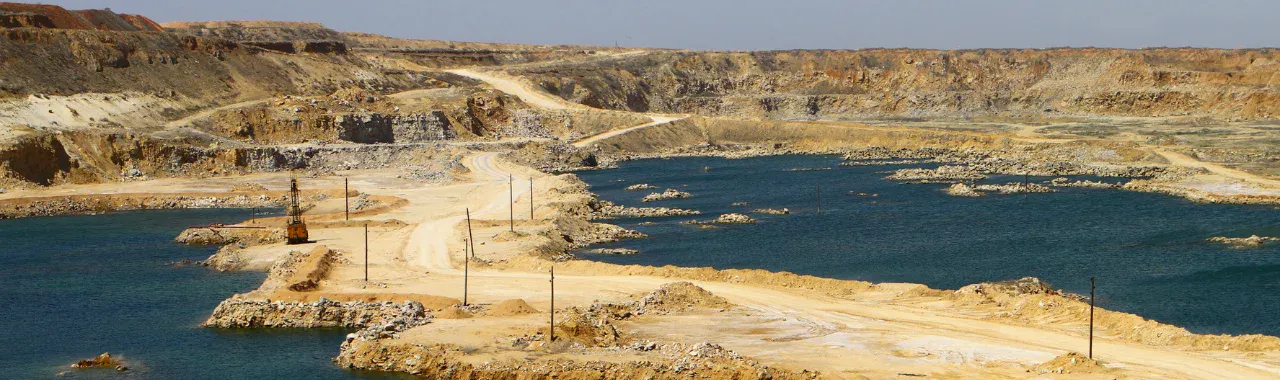
In the U.S., Minetek delivered a custom water evaporation system for a critical mineral cobalt mine in Missouri, which was facing heavy underground inflows that exceeded existing capacity. Our engineered solution helped the site maintain safe water levels in the tailings facility and stay compliant during peak conditions, minimizing risk and protecting production continuity. 

Group_Images_In text_02062024 (59)

Project-ready capability.

When investment timelines compress and underwriting demands escalate, project partners must bring more than ambition. They must bring readiness. Delays in commissioning or compliance create real costs. Minetek blends operational discipline with compliance fluency to help clients meet these demands. 

With a track record of delivering over 2,800 projects across 60 countries, Minetek brings proven global experience to every challenge. From remote logistics to site-specific compliance, our solutions are backed by real-world outcomes across mining, industrial, and environmental settings. 

Minetek is strategically positioned in both the Northern and Southern hemispheres, anchored by manufacturing facilities in Australia and Ohio, USA. This dual‑region footprint enables us to respond quickly and reliably to project needs across global markets. Our Midwest Hub in Ohio plays a critical role in rapid solution deployment across North and South America. 

Our delivery toolkit supports rapid deployment and early-stage certainty: 

  • Modular systems are pre-engineered, reducing installation and commissioning windows. 
  • Logistics frameworks are configured for remote and complex industrial environments, minimizing supply-chain drag. 
  • Service teams are aligned with global regulatory and community-engagement regimes, shortening the time between concept and regulatory clearance. 
  • Compliance resources are embedded, from environmental and social governance (ESG) documentation to audit-ready reporting, helping projects satisfy lenders and regulators alike. 

By enabling these efficiencies, Minetek helps projects steer through early-stage risk and accelerate toward production. The result is reduced delay and earlier value creation. With the new wave of investment, partner readiness is no longer optional. It is what separates successful delivery from stalled development. 

Global momentum is building. Minetek is ready.

The US-Australia Framework marks a pivotal shift that extends beyond national borders. Other countries are following suit, advancing their own strategies to build resilient, transparent, and sustainable resource sectors. 

Minetek is already seeing increased demand from projects preparing for this next wave, particularly around water management, air quality, and noise control solutions.  

These are not just trends. They are real shifts, bringing real challenges and real opportunities to reshape the global minerals landscape. 

Let’s start the conversation. 

Partner with Minetek today and be ready to lead the next era of mining. 

Torna a notizie e approfondimenti

Sustainable solution for managing food processing wastewater

Data di pubblicazione: 29 settembre 2025
Nell'industria alimentare, una gestione efficace delle acque reflue è fondamentale per mantenere l'efficienza operativa, promuovere la tutela dell'ambiente e garantire la conformità alle normative. Le acque reflue generate da attività come la pulizia, la lavorazione e il raffreddamento in impianti che producono mangimi, prodotti lattiero-caseari, carne e bevande contengono spesso alti livelli di richiesta biochimica di ossigeno (BOD), richiesta chimica di ossigeno (COD), grassi, oli, unto (FOG), solidi sospesi e nutrienti. Questi contaminanti pongono sfide significative, tra cui il rischio di interruzione dell'ecosistema, le preoccupazioni per la salute pubblica dovute a patogeni e batteri resistenti agli antibiotici e l'aumento dei costi di trattamento a causa di volumi e composizioni variabili influenzati dai cicli di produzione stagionali.
Per la produzione di mangimi, le acque reflue derivano dai processi di macinazione, miscelazione e pellettizzazione. Le strutture di lavorazione degli alimenti in generale, invece, devono fare i conti con gli effluenti ricchi di sostanze organiche derivanti dalla manipolazione di frutta, verdura e proteine. I metodi di smaltimento tradizionali, come gli scarichi urbani o il trasporto su strada, stanno diventando sempre più insostenibili a causa delle proiezioni sulla scarsità d'acqua, che potrebbe intensificarsi entro il 20% a causa dei cambiamenti climatici. I sistemi di evaporazione dell'acqua, esemplificati dalle soluzioni avanzate di Minetek, forniscono un'alternativa proattiva e a scarico zero accelerando l'evaporazione per gestire l'acqua in eccesso nei bacini di contenimento, sostenendo così il bilancio idrico del sito e riducendo l'impatto ambientale.

The challenge of wastewater management in food processing

Gli impianti di lavorazione degli alimenti, compresi quelli per l'alimentazione del bestiame e i settori alimentari in senso lato, generano volumi di acque reflue considerevoli, che vanno da 264 a 3.698 galloni per tonnellata di prodotto nelle sole operazioni di produzione di latte e carne. L'elevato carico organico e la variabilità di questi effluenti complicano il trattamento, portando spesso alla non conformità con le severe normative, come i permessi NPDES (National Pollutant Discharge Elimination System) degli Stati Uniti o le sempre più severe linee guida dell'Unione Europea per i limiti di BOD, COD e nutrienti.
I bacini di contenimento prossimi alla capacità aggravano i rischi di tracimazione, contaminazione e interruzione dell'attività, mentre l'aumento delle tariffe di smaltimento e dei costi energetici grava sui bilanci. Negli impianti di alimentazione del bestiame, il deflusso ricco di nutrienti può causare l'eutrofizzazione dei corpi idrici vicini, mentre nella lavorazione degli alimenti il fango intasa i sistemi, aumentando le spese di manutenzione. Mantenere l'equilibrio idrico del sito bilanciando gli afflussi dalla lavorazione e i deflussi attraverso l'evaporazione o il riutilizzo è fondamentale per evitare questi problemi e allinearsi agli obiettivi globali di sostenibilità.
Food facility

How can industrial food facilities achieve regulatory compliance for wastewater disposal?

Gli impianti alimentari industriali possono raggiungere la conformità normativa per lo smaltimento delle acque reflue conducendo audit idrici completi per mappare i profili di utilizzo e di contaminazione, quindi implementando treni di trattamento personalizzati che soddisfino i limiti di effluenza per BOD, COD, pH e nutrienti. Oltre agli approcci consolidati, come i sistemi di flottazione ad aria disciolta (DAF) per la rimozione di FOG e solidi, le strutture dovrebbero prendere in considerazione anche soluzioni avanzate di evaporazione, come gli evaporatori Minetek. La tecnologia Minetek accelera in modo sicuro la riduzione delle acque reflue nei bacini di contenimento, fornendo un metodo economico, efficiente dal punto di vista energetico e privo di sostanze chimiche per ridurre al minimo i volumi di scarico e rispettare gli standard normativi. Questi sistemi offrono un percorso proattivo a scarico zero che affronta sia la conformità che i costi operativi, integrandosi perfettamente con i processi di trattamento esistenti.
Il monitoraggio in tempo reale tramite sensori abilitati all'IoT tiene traccia dei parametri di conformità, consentendo regolazioni proattive e reportistica automatizzata. Gli evaporatori Minetek sono dotati di funzionalità integrate di monitoraggio e automazione per ottimizzare le prestazioni e supportare la rendicontazione normativa. Il recupero delle risorse, come il biogas dalla digestione anaerobica, favorisce ulteriormente la conformità riducendo al minimo i volumi di scarico. Le strutture dovrebbero anche perseguire certificazioni, come la ISO 14001 per la gestione ambientale, e integrare approcci di scarico zero-liquido (ZLD), ove possibile, per superare i requisiti di base.

Which treatment systems are effective for reducing food processing wastewater discharge costs?

I sistemi di trattamento efficaci per ridurre i costi di scarico nella lavorazione degli alimenti includono le unità DAF per la rimozione iniziale di FOG e solidi, che possono ridurre le sovrattasse comunali di 50-70% grazie a effluenti più puliti, e i sistemi di digestione anaerobica che generano metano per l'energia in loco, compensando le spese operative fino a 30%.
Tuttavia, non tutte le acque reflue possono essere scaricate, soprattutto in presenza di restrizioni normative o di capacità limitata del sito. In questi scenari, i sistemi di trattamento tradizionali, tra cui le unità DAF per la rimozione del fango e dei solidi, la digestione anaerobica per la produzione di energia in loco e i bioreattori a membrana (MBR) per la riduzione di BOD/COD, potrebbero non essere in grado di risolvere completamente il problema del volume d'acqua in eccesso o dell'aumento dei costi di smaltimento.
Gli evaporatori Minetek offrono un'alternativa economica al trasporto dell'acqua, al trattamento intensivo o alla costruzione di nuovi bacini di stoccaggio. Riducendo rapidamente i volumi delle acque reflue grazie a una tecnologia di evaporazione avanzata, i sistemi Minetek consentono alle strutture di mantenere l'equilibrio idrico del sito, di evitare costosi progetti di trasporto o di capitale e di garantire una continuità operativa continua, il tutto sostenendo la conformità ambientale.
Food industry water solution

What are the latest efficient water management systems for reducing wastewater in the food industry?

While digital integration and advanced biotech are shaping the future of wastewater management in the food industry, Minetek’s evaporators stand out as the most efficient and effective system for reducing wastewater volumes. Unlike other technologies that focus primarily on contaminant removal or recycling, Minetek evaporators directly address excess water by rapidly accelerating evaporation rates, minimizing discharge, haulage, and storage requirements. This chemical-free, energy-efficient solution can be seamlessly integrated with IoT-driven platforms for real-time monitoring and control, ensuring optimal performance and regulatory compliance. By delivering superior throughput and adaptability, Minetek evaporators offer unmatched cost savings and sustainability benefits, positioning them as the leading choice for facilities seeking maximum wastewater reduction.

Water evaporation as an effective solution

Water evaporation systems accelerate natural processes to proactively manage excess wastewater, particularly in holding ponds, by creating controlled, high-surface-area environments that enhance evaporation rates without the need for chemical additives. This approach is ideal for food processing, where it reduces discharge volumes to near zero, mitigating compliance risks and costs associated with hauling or municipal fees. A compelling case is Minetek’s implementation at an animal feed facility in the US, where a holding pond neared capacity, threatening overflow. The turn-key land-based evaporation system, with 600 GPM (135 m³/hour) throughput, integrated environmental controls for real-time optimization, ensuring regulatory adherence and operational continuity. This solution not only prevented disruptions but also supported the site’s water balance, demonstrating the role of evaporation in sustainable wastewater strategies.
food industry

Why choose Minetek evaporators?

Gli evaporatori Minetek sono progettati per soddisfare le esigenze dell'industria alimentare, offrendo una riduzione delle acque reflue ad alta efficienza, su misura per gli impianti di alimentazione e lavorazione. I vantaggi includono:
  • Superior throughput and efficiency – Capacities up to 600 GPM with up to 50% evaporation rates rapidly lower pond levels, cutting discharge costs by minimizing haulage and treatment needs.
  • Regulatory assurance – Integrated monitoring ensures compliance with BOD/COD limits and NPDES standards, with data logging for audits.
  • Sustainability focus – Zero-discharge design reduces freshwater intake by 30%, aligning with circular economy principles and resource recovery.
  • Custom integration – Modular systems adapt to variable loads, incorporating IoT for predictive management and seamless fit with existing DAF or MBR setups.
Il US food processing project showcases Minetek’s effectiveness in achieving measurable reductions, positioning it as a leader for facilities that balance productivity with environmental mandates. They had a critical water management need for their onsite holding pond. It was nearing maximum capacity and required a long-term, cost-effective solution to maintain the water level. Minetek Water delivered a turn-key land-based evaporation system with an integrated Environmental Management System (EMS) to effectively reduce excess water levels in the holding pond. The EMS enabled real-time monitoring and control, ensuring optimal performance and compliance with regulatory requirements. This comprehensive solution minimized environmental risks, maintained operational stability, and supported the facility’s commitment to sustainable practices in the animal feed sector.

Take the next step with Minetek

Water evaporation represents a transformative alternative for managing food processing wastewater, integrating seamlessly with emerging technologies to foster compliance, cost savings, and sustainability. Minetek’s evaporators, proven in real-world applications like the US food processing leader, empower operations to navigate regulatory complexities while advancing eco-friendly practices.
Per avere informazioni personalizzate sull'integrazione dell'evaporazione nella vostra strategia per le acque reflue, contattate oggi stesso un esperto di Minetek o richiedete un analisi dell'efficienza di evaporazione per il vostro sito. Il nostro team lavorerà con voi per analizzare i dati specifici del sito, i risultati del progetto e fornire una chiara valutazione dei vostri potenziali benefici, valutando esattamente come la nostra tecnologia si comporterà nelle vostre condizioni uniche.
Torna a notizie e approfondimenti

Tackling America’s landfill leachate crisis

Data di pubblicazione: 1 settembre 2025
Le discariche di tutti gli Stati Uniti devono affrontare una sfida critica e crescente: la gestione del percolato tossico, un pericoloso sottoprodotto liquido che si forma quando i rifiuti organici si decompongono e interagiscono con l'umidità, come l'acqua piovana. Il problema del percolato nelle discariche è aggravato in modo significativo dai crescenti casi di surriscaldamento, in cui le temperature interne superano i limiti di sicurezza, accelerando così le reazioni chimiche e amplificando la produzione di percolato all'interno delle discariche. Un'indagine completa condotta da Bloomberg nel 2025Il rapporto, che si concentra su siti come la discarica di Chiquita Canyon, nella contea di Los Angeles, ha descritto nei dettagli come queste temperature elevate, che spesso superano i 200°F (93°C), creino un circolo vizioso di calore e decomposizione accelerata dei rifiuti. Dal 2006 sono stati segnalati almeno 10 casi documentati di surriscaldamento, e gli esperti suggeriscono che molti altri incidenti non vengono segnalati a causa di pratiche di monitoraggio e segnalazione incoerenti nell'industria.

The growing landfill leachate problem.

Il fenomeno del surriscaldamento è in gran parte causato dalle moderne operazioni di discarica, in particolare dall'installazione obbligatoria di sistemi di raccolta del gas richiesti dall'Agenzia per la Protezione dell'Ambiente (EPA) per catturare le emissioni di metano, un potente gas a effetto serra. Sebbene siano fondamentali per ridurre l'impatto sul clima, questi sistemi possono inavvertitamente introdurre ossigeno nella massa dei rifiuti per effetto del vuoto, innescando reazioni esotermiche che generano calore eccessivo. Studi di settore, alcuni dei quali risalgono agli anni '80, hanno da tempo messo in guardia sul fatto che questi "punti caldi" nelle discariche possono essere soggetti a combustione sotterranea o addirittura a incendi spontanei se esposti a fonti di ossigeno. Il problema è aggravato dalle crescenti dimensioni delle discariche: la dimensione media dei siti attivi è raddoppiata dall'inizio degli anni 2000, con un conseguente aumento del volume di rifiuti che alimenta queste reazioni.
Il surriscaldamento accelera la disgregazione dei rifiuti, aumentando significativamente il volume e la tossicità del percolato prodotto. Spesso definito "succo di spazzatura", il percolato contiene un pericoloso mix di contaminanti, tra cui benzene, metalli pesanti, composti organici volatili e altre sostanze cancerogene. In condizioni di surriscaldamento, i rifiuti essenzialmente "cuociono", rilasciando gas tossici come idrogeno solforato, monossido di carbonio ed elevati livelli di benzene, che contaminano ulteriormente il percolato. Questa maggiore produzione può sovraccaricare i sistemi di contenimento esistenti, portando a fenomeni pericolosi come i geyser di percolato, in cui il liquido pressurizzato erutta dai pozzi di gas o da altri punti, come osservato a Chiquita Canyon. Questi eventi evidenziano significativi fallimenti operativi e sottolineano la sfida più ampia del settore di gestire l'evoluzione della composizione dei rifiuti, compreso l'aumento del contenuto organico e chimico, nel contesto di fattori determinati dal clima, come l'aumento delle precipitazioni, che favorisce ulteriormente la decomposizione.
Le carenze normative aggravano la crisi. L'assenza di un sistema federale centralizzato di monitoraggio degli incidenti nelle discariche fa sì che la supervisione si affidi in larga misura all'applicazione delle norme a livello statale, che varia notevolmente e spesso dipende dalle autodenunce degli operatori. L'EPA stabilisce uno standard di temperatura di 131°F per le discariche; tuttavia, l'applicazione è incoerente, consentendo ai problemi di surriscaldamento di aggravarsi prima che vengano attuate le misure correttive. Questa frammentazione normativa lascia i gestori delle discariche in difficoltà nell'affrontare le crescenti sfide ambientali, di sicurezza e di conformità, mentre le comunità vicine affrontano rischi maggiori a causa di emissioni di percolato e gas non mitigate.
Percolato di discarica

The risks of inadequate leachate management.

Le conseguenze di una gestione inadeguata del percolato sono profonde e rappresentano una grave minaccia per le acque sotterranee, gli ecosistemi e la salute pubblica. Quando il percolato si accumula senza controllo, può rompere i rivestimenti di contenimento o traboccare dai serbatoi di stoccaggio, infiltrandosi nelle falde acquifere e contaminando le fonti di acqua potabile. Ad esempio, a Chiquita Canyon, le autorità di regolamentazione hanno lanciato l'allarme su un "pericolo imminente e sostanziale" derivante dalla potenziale fuoriuscita di milioni di galloni di percolato pericoloso nei corsi d'acqua locali, sollecitando azioni correttive urgenti ma ritardate. Rischi simili sono stati documentati in altri siti, come la discarica di Bristol, in Virginia, dove i residenti hanno riferito di "camini fumanti di gas e percolato", e la discarica di Bridgeton, a St. Louis, che ha destato preoccupazioni per la sua vicinanza a rifiuti radioattivi e a cluster di tumori associati.
Il tributo umano ed ecologico è significativo. Le comunità vicine alle discariche surriscaldate hanno segnalato una serie di problemi di salute legati all'esposizione al percolato e ai gas, tra cui mal di testa cronico, epistassi, nausea, problemi respiratori, disturbi autoimmuni, patologie cardiache e aumento dell'incidenza del cancro. Secondo BloombergNel Chiquita Canyon, a marzo 2024, sono state registrate oltre 9.500 denunce, con segnalazioni di morti improvvise di animali domestici e morie di insetti di massa che segnalano un più ampio dissesto ecologico. Il benzene, un noto cancerogeno che può danneggiare il DNA e portare alla leucemia, è stato rilevato nelle emissioni di percolato a livelli superiori ai limiti di legge, aumentando i rischi per la salute a lungo termine, come rilevato dai Centri per il controllo e la prevenzione delle malattie.
Gli approcci tradizionali alla gestione del percolato, come il trasporto verso impianti di trattamento esterni o la stabilizzazione chimica, stanno diventando sempre più inadeguati a causa dell'aumento dei volumi dovuto al surriscaldamento. Questi metodi non solo sono costosi e logisticamente complessi, ma sono anche soggetti a guasti durante il trasporto, che possono aggravare i rischi di contaminazione. L'affidamento del settore a pratiche obsolete, combinato con quadri normativi incoerenti, perpetua un ciclo di gestione reattiva delle crisi, evidenziando l'urgente necessità di soluzioni innovative e scalabili per affrontare il problema del percolato alla fonte.
Percolato di discarica

Evaporators offering a sustainable solution to landfill leachate.

La tecnologia di evaporazione meccanica di Minetek offre un approccio innovativo alla gestione del percolato di discarica. A differenza dei metodi convenzionali, gli evaporatori accelerano il processo di evaporazione naturale, riducendo significativamente il volume delle acque reflue e concentrando i solidi per uno smaltimento e una gestione più sicuri. Gli evaporatori avanzati di Minetek Water sono progettati specificamente per il trattamento del percolato ad alta efficienza, utilizzando una tecnologia di ventilazione all'avanguardia per trattare grandi quantità di acqua contaminata con requisiti energetici e infrastrutturali minimi. Questo li rende ideali per le discariche dove lo spazio è limitato e l'efficienza operativa è fondamentale.
Evaporando il percolato, questi sistemi consentono alle molecole d'acqua di tornare al ciclo naturale dell'acqua, lasciando dietro di sé un residuo gestibile di contaminanti. Questo non solo riduce il rischio di fuoriuscite nell'ambiente, ma riduce anche i costi associati allo smaltimento fuori sede. Gli evaporatori Minetek non solo sono progettati per funzionare efficacemente in ambienti ad alta temperatura, ma affrontano anche le sfide uniche poste dal surriscaldamento delle discariche.
  • Environmental protection: Riducendo il volume del percolato, gli evaporatori minimizzano il rischio di contaminazione delle falde acquifere e proteggono gli ecosistemi locali.
  • Cost efficiency: L'eliminazione della necessità di lunghi trasporti o di trattamenti chimici riduce i costi operativi per i gestori delle discariche.
  • Compact design: L'ingombro ridotto dell'infrastruttura consente l'integrazione in discariche con spazi limitati senza interrompere le operazioni.
  • Conformità normativa: La gestione proattiva del percolato si allinea alle normative ambientali emergenti, aiutando gli operatori a evitare multe e a migliorare la sicurezza del sito.
  • Scalabilità: I sistemi Minetek possono essere adattati per gestire volumi di percolato variabili, rendendoli adatti sia ai piccoli siti municipali che alle grandi discariche industriali.
Discarica

Case study: real-world impact.

Considerate una discarica di medie dimensioni che genera migliaia di litri di percolato al giorno. I metodi tradizionali richiedevano frequenti trasporti verso impianti di trattamento distanti, comportando costi elevati e aumentando il rischio di fuoriuscite durante il trasporto. Implementando il sistema di evaporazione di Minetek, la discarica ha ridotto significativamente il volume del percolato, tagliando i costi di trasporto ed eliminando gli incidenti di tracimazione. Il sito di gestione dei rifiuti è stato in grado di gestire efficacemente il bilancio idrico. in mezzo all'aumento delle acque reflue di lavorazione e recupero. I solidi concentrati sono stati smaltiti in modo sicuro e il sito ha raggiunto la conformità agli standard ambientali locali, dimostrando l'impatto pratico della tecnologia di evaporazione.

A call to action for landfill operators.

Con l'intensificarsi della crisi del percolato di discarica, soluzioni innovative come gli evaporatori meccanici sono fondamentali per una gestione sostenibile. gestione dei rifiuti. Minetek Water si impegna a collaborare con gli operatori delle discariche per implementare sistemi di evaporazione su misura che affrontino le sfide specifiche del sito. Adottando questa tecnologia, gli operatori possono proteggere le comunità, ridurre i rischi ambientali e raggiungere un'efficienza operativa a lungo termine.
Per saperne di più su come gli evaporatori Minetek possono trasformare la gestione del percolato nel vostro impianto, contatta il nostro team per una consulenza o scarica la nostra brochure per le applicazioni municipali e industrialicon immagini di casi di studio e specifiche tecniche dei prodotti. Insieme, possiamo affrontare la crisi del percolato di discarica in America con soluzioni efficaci, sostenibili e pronte per il futuro.
Torna a notizie e approfondimenti

Water in mining. Your mine water management guide

Publish date: 28 Luglio 2025
Effective mine water management is a cornerstone of successful mining operations and a critical component of water in mining as a whole. Proper management underpins operational continuity, cost control, regulatory compliance, and the long-term sustainability of mining projects. In 2025, the mining industry faces intensifying regulatory pressures, heightened environmental scrutiny, and a growing societal expectation to minimize water-related impacts. Mining companies must navigate complex challenges related to water in mining, from managing excess water in wet climates to conserving scarce resources in arid regions. This comprehensive guide offers an in-depth overview of industry-specific strategies, risk mitigation practices, and cutting-edge technologies for mine water management.

Understanding mine water management.

Mine water management encompasses the systematic and strategic handling of all water-related aspects within and around mining operations, forming a vital part of the broader concept of water in mining. This involves ensuring that water is managed as both a valuable resource and a potential risk. Water encountered in mining originates from a diverse range of sources, including groundwater inflows, surface water from rainfall and runoff, process water recycled during mineral extraction, and even water generated as a byproduct of ore processing. For mining companies, effective mine water management is crucial for maintaining safe working conditions, protecting equipment, optimizing production, and ensuring compliance with evolving environmental regulations. The unique water balance of each mine, ranging from positive water balances in tropical or wet regions, where excess water must be removed, to negative balances in deserts or mountainous sites, where water scarcity can halt production, necessitates tailored approaches and advanced technologies specifically designed for both water in mining and mine water management.
Notizie_e_blog_di_Minetek

Key strategies for managing water in mining.

1. Comprehensive water management plans.

A robust mine water management plan is the foundation of responsible water in mining practices. These plans are specifically engineered to adapt to the ever-changing conditions faced by mining operations, including fluctuating ore bodies, unpredictable weather patterns, and shifting regulatory requirements. Essential components of an effective plan include continuous monitoring of mine water quality and quantity, engagement with local communities and stakeholders, and detailed contingency strategies for water-related emergencies. Progressive rehabilitation, which restores mined land and water systems to a safe and environmentally stable state, is a key focus, requiring close integration between water management in mining, tailings handling, and site closure planning. For example, in Canada, mining companies must undertake advanced planning for freshet seasons (spring snowmelt) to mitigate flooding and ensure that mine water is managed by strict Environmental Protection Authority standards. Globally, these plans help mining operations minimize risks, avoid costly shutdowns, and demonstrate environmental stewardship to regulators and the public.

2. Dewatering techniques.

Dewatering represents one of the most technically challenging and essential processes in mining operations, and it is a crucial part of both water management in mining and mine water management. It involves systematically removing excess water from open pits, underground tunnels, waste rock dumps, and tailings facilities to maintain safe, efficient, and continuous mining activity. Dewatering is achieved through a combination of high-capacity submersible pumps, gravity drainage networks, engineered sumps, and, increasingly, advanced technologies such as mechanical and solar evaporation. In regions like South America and Southeast Asia, where seasonal monsoons and tropical storms can rapidly inundate mine sites, dewatering strategies must be closely synchronized with geotechnical monitoring of pit walls and tailings embankments to ensure both operational safety and environmental protection. In underground mines, effective dewatering not only prevents flooding but also preserves equipment integrity and enables ongoing ore extraction. Innovative approaches, such as Minetek’s mechanical evaporation technology, provide mining operations with a scalable, energy-efficient, and environmentally responsible solution to rapidly reduce mine water volumes, minimize the need for costly water treatment or storage infrastructure, and significantly mitigate the environmental impact of water in mining.

3. Tailings Storage Facility (TSF) management.

Tailings storage facilities (TSFs) and dams represent essential components of contemporary mining operations, offering engineered containment for the finely ground rock, water, and residual chemicals generated during mineral processing. These structures are required to securely handle substantial volumes of water, frequently laden with elevated concentrations of heavy metals, reactive chemicals, and acids, thereby placing paramount emphasis on environmental stewardship and structural integrity. In alignment with the Global Industry Standard on Tailings Management (GISTM), which mandates comprehensive interdisciplinary knowledge bases (Principle 2) and robust design criteria to minimize risks across all lifecycle phases (Principle 4), regulatory frameworks in Australia, Canada, the United States, and South America have imposed stringent standards for TSF design, monitoring, and reporting. This necessitates investments by mining operators in advanced technologies, such as water quality sensors, geotechnical instrumentation, and emergency preparedness protocols. The maintenance of safe water levels within TSFs is imperative, as surplus water may undermine dam stability and elevate the probability of catastrophic failures, exemplified by the February 18, 2025, incident at the Sino-Metals Leach Zambia facility in Chambishi, which resulted in significant contamination of the Kafue River and disruption to local livelihoods. Innovative water management solutions, including Minetek’s mechanical evaporation systems, have emerged as vital tools for reducing water volumes, managing seepage, and facilitating regulatory compliance. Proactive and transparent TSF management, as underscored by the GISTM’s emphasis on public disclosure (Principle 15) and emergency response planning (Principle 13), constitutes an indispensable element of responsible mining practices. This approach safeguards adjacent communities and ecosystems, sustains operational continuity, and upholds corporate reputation.

Acqua Minetek

4. Water recycling and reuse.

Recycling and reusing mine water are cornerstones of sustainable mine water management and a necessity in regions where freshwater is scarce or expensive. Water in mining is increasingly characterized by closed-loop systems, where mining operations recycle water for multiple uses, including equipment cooling, dust suppression, mineral processing, and even site rehabilitation. In water-stressed regions such as the Middle East, where the cost of desalinated water is significant, integrating wastewater reuse with advanced technologies, like mechanical evaporation, maximizes resource efficiency and reduces operational costs. A 2025 study from Brazil highlights the importance of transparent data reporting in water reuse programs, demonstrating that mines with robust mine water recycling infrastructure not only meet regulatory requirements but also enhance their social license to operate and reduce their environmental footprint. This highlights the growing interdependence between water in mining and effective mine water management.

5. Emergency response and climate adaptation.

Climate change is fundamentally altering precipitation patterns and increasing the frequency of extreme weather events, leading to heightened flood risk and water management challenges for mines worldwide. In regions such as Canada and the northern United States, unseasonal snowmelt, record rainfall, and rapid freeze-thaw cycles can overwhelm traditional water management infrastructure, causing operational delays and environmental incidents. The mining industry is adapting by deploying advanced weather forecasting, real-time water level monitoring, and rapid-response systems such as Minetek’s mobile evaporators, which are skid-mounted systems. These technologies enable mines to quickly respond to sudden water surges, minimizing the risk of unplanned shutdowns or regulatory breaches. Flood events at mining operations in recent years highlight the critical need for climate resiliency and the importance of integrating emergency response planning into mine water management strategies.

Minetek Water Evaporator

Advanced technologies for mine water management.

The rapidly evolving landscape of water in mining has prompted the adoption of a wide range of advanced mine water management technologies. These solutions help mining companies address regulatory, operational, and environmental challenges cost-effectively and sustainably. Below is an overview of key technologies currently shaping the future of mine water management, along with several additional approaches not previously detailed:

1. Mechanical evaporation with Minetek.

Minetek’s mechanical evaporation technology is a game-changer for managing mine water. Engineered using the first principles of fan engineering and airflow with patented low-fouling nozzles and high-velocity airflow, it processes water with high total dissolved solids (TDS) and total suspended solids (TSS) across a pH range of 1.8 to 14. Unlike solar evaporation ponds, Minetek’s systems are mobile, require minimal maintenance, and operate effectively in diverse climates, from Canada’s winters to Australia’s arid conditions. They process more than 2,160 m³/hour and are not susceptible to changes in feed water quality. The in-built Environmental Management System (EMS) monitors and responds to environmental condition changes like humidity, rain, and wind in real time, optimising operation according to a broad range of adjustable parameters, including optimum sun-up/ downtimes, relative wind speed and direction, humidity and temperature, system water flow, and pressure. With over 700 systems deployed across 29 countries, Minetek’s technology reduces costs by up to 10 times compared to traditional methods.

2. Passive treatment systems.

Passive treatment technologies use natural processes to remediate mine water, particularly for acid mine drainage (AMD). Constructed wetlands, anaerobic bioreactors, and limestone drains can effectively remove metals and neutralize acidity with minimal energy input and operational oversight. These systems are especially valuable for remote or legacy mine sites, providing long-term, low-cost water quality improvements.

3. Active water treatment plants.

Conventional active treatment plants employ physical, chemical, and biological processes, such as clarification, filtration, precipitation, ion exchange, and reverse osmosis, to remove contaminants from mine water. These systems are highly effective for complex or variable water chemistries and are often used to treat water for discharge or reuse, ensuring compliance with strict environmental standards.

4. Internet of Things (IoT) and big data.

IoT-based monitoring systems enhance water management by providing real-time data on water quality and levels. A 2023 study from China demonstrates improved recycling efficiency in coal mines, a model applicable to the USA and Canada. Advanced analytics, predictive maintenance, and automated controls further optimize water handling and early risk detection.

5. Water treatment and desalination.

In water-scarce regions like the Middle East, desalination and treatment are costly. Minetek’s evaporation systems offer a cost-effective alternative, reducing reliance on chemical treatments. A 2025 Brazilian study emphasizes the integration of desalination with reuse. Additionally, advanced desalination technologies, including reverse osmosis, electrodialysis, and forward osmosis, are increasingly deployed to convert mine-affected water into process water or potable supply.

6. Floating evaporators.

For mines with limited space, floating evaporators provide a compact solution. Minetek’s floating systems maximize efficiency, evaporating up to 50% of processed water volume as pure water vapor, the remaining droplets returning to the pond, and help prevent environmental damage by containing toxic water within the pond while ensuring compliance. Powered by robust electric motors and designed to process varying capacities of water per minute, ensuring comprehensive and efficient water management.

7. Underground mine water storage and backfilling.

Some mining operations use abandoned underground workings as controlled storage reservoirs for excess mine water or as part of cemented paste backfill operations. This approach not only manages water volumes but can also contribute to ground stability and reduce the risk of surface discharge.

8. Artificial recharge and Aquifer Storage and Recovery (ASR)

Artificial recharge and ASR involve injecting treated mine water into local aquifers for temporary storage and later recovery. This technology is gaining traction in regions with strict water balance requirements or where seasonal water availability fluctuates, allowing mines to store surplus water during wet periods for use during droughts.

water-management-minetek

Why choose Minetek’s mechanical evaporation technology?

Minetek mechanical evaporation technology is engineered specifically to meet the demanding requirements of modern mining operations. These systems deliver a game-changing approach to mine water management by offering a comprehensive suite of operational, environmental, and financial benefits:

Adaptability.

Minetek’s evaporation systems are designed to operate efficiently in a wide range of climates from the arid deserts of Australia and the Middle East to the freezing winters of Canada and high-rainfall regions in South America. They can effectively process water with high total dissolved solids (TDS), suspended solids, and a broad pH range, making them suitable for virtually any mine water scenario. This adaptability ensures that mining companies can maintain effective water management regardless of geographic location or water chemistry challenges.

Cost Efficiency.

Compared to traditional water management methods such as chemical treatment, large-scale water transport, or evaporation ponds, Minetek’s systems reduce operating costs by up to 10 times. By minimizing the need for costly infrastructure and lowering ongoing maintenance and energy expenses, these systems offer mining companies a rapid return on investment and long-term financial sustainability.

Sustainability.

Environmental stewardship is at the core of Minetek’s technology. Mechanical evaporation dramatically reduces the need for chemical additives and significantly decreases the volume of water requiring treatment or discharge. By mitigating the risk of off-site water contamination and minimizing the mine’s environmental footprint, Minetek’s systems enable mining operations to meet and exceed regulatory requirements, protect local ecosystems, and enhance their social license to operate.

Rapid deployment.

Mining operations often require urgent solutions to water management challenges, especially after flood events or during periods of rapid production. Minetek’s mobile, modular units can be quickly deployed and scaled to match evolving site demands, minimizing operational disruptions and allowing for flexible, on-the-ground responses to water-related emergencies.

Proven success.

With over 700 successful installations in 29 countries, Minetek’s mechanical evaporation technology has a proven track record in the mining industry. Notable projects such as the Mount Morgan Mine in Australia have demonstrated the system’s ability to handle complex water chemistries, reduce costs, and ensure compliance with stringent environmental standards. This extensive experience and a commitment to ongoing innovation make Minetek a trusted partner for mining companies seeking reliable, high-performance water management solutions.
Minetek Water Evaporator
In 2025, effective mine water management is a cornerstone of sustainable mining operations and a foundational element of best practices in mining water management. By integrating comprehensive mine water management plans, advanced technologies such as Minetek’s mechanical evaporation systems, and region-specific strategies, mining operations worldwide can mitigate risks, reduce costs, and enhance environmental stewardship. Minetek’s innovative solutions provide a proven, adaptable, and cost-effective approach to managing water in mining, enabling the implementation of robust mine water management systems that ensure compliance and efficiency across global markets.

For more information on our water management solutions, click the link below to download our Minetek Water Evaporation Technology brochure or contact us.

Scarica ora