 French
  English (United States)
  English
  Spanish
  Portuguese
  Indonesian
  Italian
 Planned shutdowns and maintenance periods reduce site activity, but they do not remove water risk. Rainfall, seepage, runoff, and stored water pressures can continue building while staffing, inspections, and equipment access are temporarily reduced. Mine shutdown water management focuses on protecting storage capacity, maintaining visibility over changing site conditions, and avoiding reactive decisions while normal operating rhythms are paused.
In the United States, the U.S. Environmental Protection Agency’s overview of stormwater discharges from industrial activities explains that runoff from industrial areas remains a regulated risk where stormwater can contact exposed materials and carry pollutants off site.
In Queensland, the Department of the Environment, Tourism, Science and Innovation’s guidance on high-risk weather preparation advises operators to review water management plans, site water balances or models, and notification procedures before wet conditions arrive.
Mine shutdown water management priorities
- 3 planning controls: Queensland guidance calls for updated water plans, water balances/models, and notification procedures before high-risk weather.
- Ongoing water risk: Water pressure does not stop when site activity slows.
- Storage control: Freeboard and storage flexibility can narrow during shutdown windows.
- Visibility gap: Reduced staffing can delay monitoring, reporting, and escalation.
- Emergency evaporation deployment: At Mount Morgan Mine, Minetek deployed a 3-unit evaporation system following the 2011 Queensland floods.
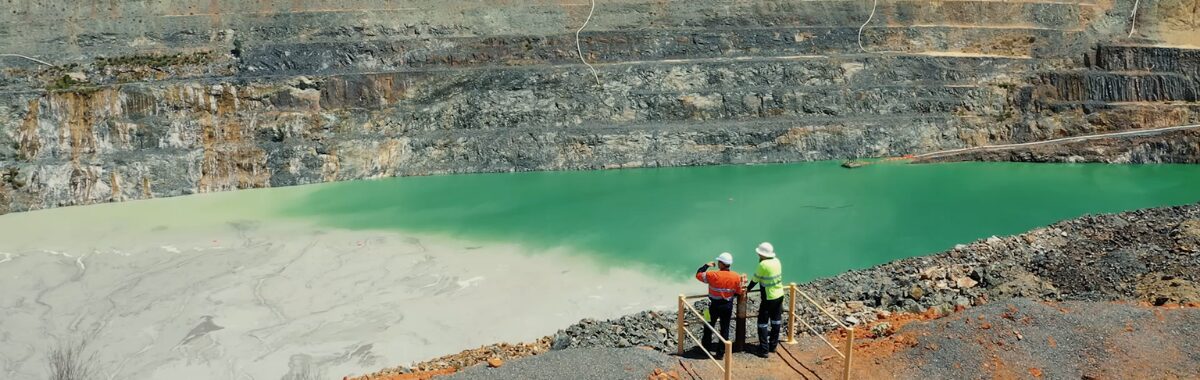
Water planning priorities during mine shutdowns.
Planned shutdowns and maintenance periods can reduce staffing, limit equipment access, and slow response time, but water risk continues in the background. Storage pressure, changing site conditions, and reduced visibility can all create avoidable issues if water controls are not reviewed before the shutdown begins. A detailed approach helps operators protect storage capacity, maintain visibility, and keep water control aligned with reduced site activity.
Step 1: Review storage capacity before the shutdown begins.
The first priority during a mine shutdown is understanding how much storage flexibility the site will have while staffing, inspections, and equipment access are reduced. A shutdown window may be temporary, but water pressure can continue building if rainfall, seepage, pit inflows, or residual process water keep adding volume.
Before the shutdown begins, operators should review:
- Current stored volumes
- Available freeboard
- Contingency storage capacity
- Expected inflows during the shutdown period
- How quickly storage flexibility could tighten
In its guidance on high-risk weather preparation, the Queensland Department of the Environment, Tourism, Science and Innovation advises operators to review and update water management plans, site water balances or models, and notification procedures before wet conditions arrive.
During a planned shutdown, the same planning discipline applies. If storage assumptions are based on normal staffing levels and normal response times, they may no longer reflect the site conditions that exist during reduced activity.
If stored water rises faster than expected, how much margin is really available before site access, compliance, or response options begin to narrow?
Step 2: Maintain water visibility while staffing is reduced.
A planned shutdown can create a visibility gap before it creates a storage problem. With fewer people on site, inspections may happen less often, reporting may slow down, and early changes in water conditions can be harder to detect.
| Visibility area | What can change during shutdown | Operational impact |
| Storage monitoring | Fewer inspections or delayed reporting | Rising volumes may be noticed later |
| Rainfall and inflow tracking | Reduced monitoring coverage | Water pressure can build with less warning |
| Escalation pathways | Fewer staff available to respond | Delays can turn manageable issues into reactive decisions |
Le U.S. Environmental Protection Agency’s industrial stormwater guide emphasizes inspections, maintenance, and monitoring as core parts of industrial stormwater control. The Australian Department of Industry, Science and Resources’ Water Stewardship handbook also presents water management as an integrated task across mining operations.
During a shutdown, the goal is to preserve enough visibility to detect changing water conditions early and respond before stored water begins affecting storage capacity, site access, or control.
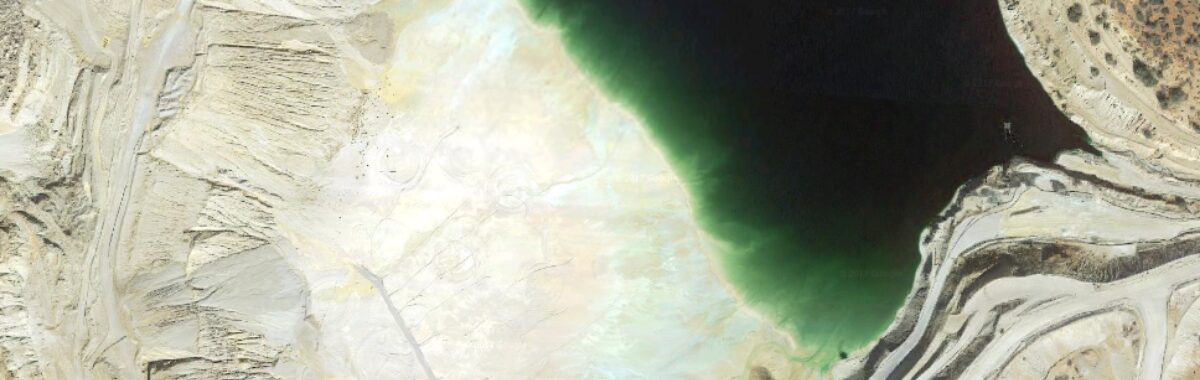
Step 3: Protect access to critical water infrastructure.
Storage and visibility are only part of mine shutdown water management. The site also needs to protect access to the infrastructure that controls water if conditions change during the shutdown window.
When staffing is reduced, equipment may be offline, work areas may be isolated, and some response pathways may take longer to activate. That can make pumps, pipelines, transfer points, floating systems, or access routes harder to reach at the exact moment they are needed most.
During a shutdown, operators should identify:
- which water assets must remain accessible
- which areas could become difficult to reach after rainfall
- whether backup pumping or transfer options are available
- who can authorize and activate a response if conditions change
This part of shutdown planning is practical as much as procedural. A site may still have available storage and active monitoring, but water control can still weaken if crews cannot reach the assets needed to respond. Protecting access helps keep response options open while normal site activity is reduced.
If water conditions worsen during the shutdown, can the site still reach and operate the assets needed to keep control?
Step 4: Keep water reduction capacity active during the shutdown window.
During a planned shutdown, water control is not only about where water is stored or how quickly conditions are reported. It also depends on whether the site can continue reducing stored water volumes while normal activity is scaled back. That becomes more important when discharge is constrained, inflows continue, or wet weather remains a possibility during the shutdown period.
| Water control activity | What it does during shutdown | Limitation if used alone |
| Storage | Holds water while activity is reduced | Available margin can narrow over time |
| Monitoring | Shows where pressure is building | Does not reduce stored volume |
| Pumping or transfer | Moves water between areas | Does not remove water from the site water balance |
| Water reduction | Lowers stored water volumes | Needs enough active capacity to match conditions |
This distinction matters during a mine shutdown. A site may still have monitoring in place and pumps available, but stored volumes can continue building if reduction capacity is offline or undersized for the shutdown window. When that happens, storage flexibility can narrow quickly and leave fewer response options before full crews return.
If the shutdown lasts longer than expected or inflows increase, can the site still reduce stored water volumes fast enough to stay in control?
Step 5: Reassess water conditions before operations ramp back up.
A planned shutdown should not end with water conditions assumed to be unchanged. Stored volumes, access conditions, and system readiness may all have shifted while staffing and site activity were reduced.
Before ramp-up begins, confirm the following:
- Stored water position: Current volumes and available freeboard
- Active area conditions: Water accumulation in pits, haul routes, or operating areas
- Infrastructure availability: Pump, pipeline, and transfer system readiness
- Water reduction status: Whether evaporation or other reduction capacity remains active and fit for current conditions
- Restart constraints: Any water-related issue that could slow or disrupt safe ramp-up
This final check helps operators confirm that water controls are aligned with the site’s next stage of activity, not the reduced conditions of the shutdown period.
A useful restart question is simple: has water remained under control during the shutdown, or has the site’s operating position changed?
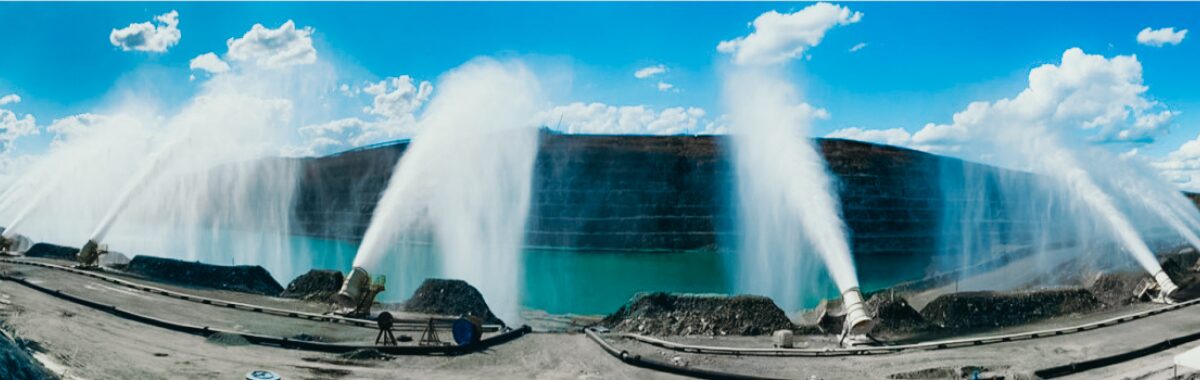
Minetek evaporation during mine shutdown conditions.
Planned shutdowns and maintenance periods still require active water control. When stored water continues building while staffing, inspections, or equipment access are reduced, operations need a solution that can keep reducing volumes without waiting for the site to return to full activity.
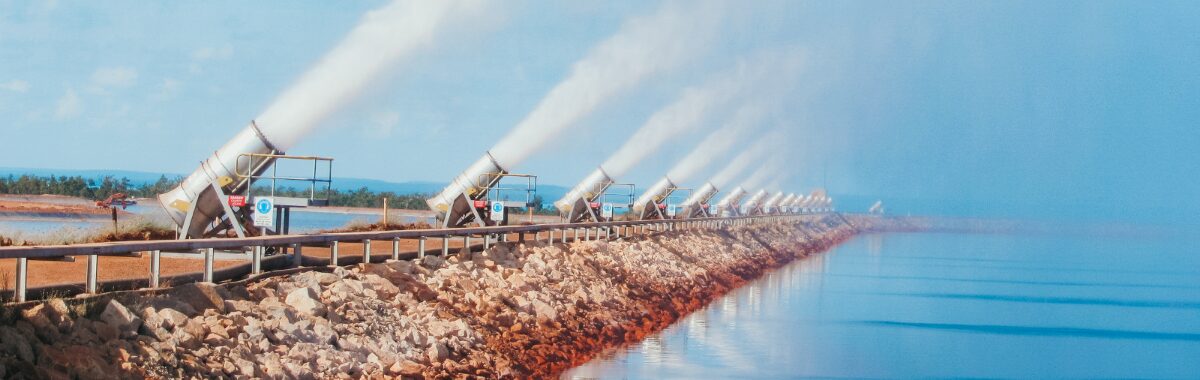
Minetek evaporation systems support shutdown-period water control by helping operations:
- reduce stored water volumes during reduced site activity
- preserve storage capacity and freeboard while response options are narrower
- maintain water control when staffing and equipment access are temporarily reduced
- deploy portable systems across changing site conditions
- scale capacity when water pressure increases
Following the 2011 Queensland floods, Minetek deployed a 3-unit evaporation system to manage acid water in the abandoned pit and reduce the risk of discharge into the Dee River.
In a Queensland gold mine emergency-response project, Minetek deployed 15 land-based et 4 floating evaporation systems, delivering combined throughput of 1,477 m³/hour (6,560 GPM) to rapidly reduce excess water levels in critical conditions.
For shutdown periods, that combination of throughput, flexibility, and scalable deployment gives operators a more proactive way to protect storage capacity, maintain control, and reduce reactive decision-making while normal site activity is temporarily reduced.
Managing water risk during a planned shutdown or maintenance period?
Speak with Minetek about scalable evaporation systems designed to protect storage capacity, maintain water control, and reduce reactive decisions during reduced site activity.
FAQ
What is mine shutdown water management?
Mine shutdown water management is the planning and control of storage, visibility, access, and water reduction during planned shutdowns and maintenance periods when normal site activity is temporarily reduced.
Why does water risk continue during a mine shutdown?
Water risk continues because rainfall, seepage, runoff, and stored water pressures do not pause when production slows. Reduced staffing and equipment access can also make issues harder to detect and slower to manage.
What should operators review before a planned shutdown begins?
Before a shutdown begins, operators should review stored water volumes, available freeboard, contingency storage capacity, expected inflows, access to critical infrastructure, and whether water reduction capacity will remain active.
Why is visibility important during shutdown periods?
Visibility matters because reduced staffing can delay inspections, monitoring, and escalation. Without clear oversight, changing water conditions may not be identified until storage flexibility, access, or response options have already narrowed.
What role does evaporation play during mine shutdowns?
Evaporation helps reduce stored water volumes while normal site activity is reduced. During planned shutdowns, active evaporation capacity can protect storage flexibility, support freeboard, and reduce the likelihood of reactive water management decisions.