 French
  English (United States)
  English
  Spanish
  Portuguese
  Indonesian
  Italian
 Water management is harder at remote mining operations because fewer people, less service access, and limited spare capacity leave less room for reactive response when conditions change. In that environment, dependable operation, simpler upkeep, and lower intervention matter more because problems are often harder to address quickly once they start.
Remote sites do not always have immediate access to labour, on-site support, or replacement capacity when water issues escalate. Weather shifts, changing water levels, and operating demands can also alter system conditions quickly. That makes water systems easier to maintain, requiring less manual adjustment, better suited to remote conditions.
The challenge is not only keeping water under control. It is maintaining performance when support may be far away and response times may be longer than at a more accessible site. Water management is harder at remote mining operations making lower-intervention systems matter more in those conditions, and remote monitoring and automation can help operators stay ahead of changing site conditions.
Water management for remote mining operations.
- Remote constraints: Remote sites have less labour, service access, and spare response capacity when issues arise.
- Dependable operation: Reliable water management matters more when support is harder to reach and response takes longer.
- Lower intervention: Simpler upkeep and fewer manual adjustments reduce pressure on remote operating teams.
- Changing conditions: Water systems need to respond to shifting weather, water levels, and site demands.
- Remote monitoring: Minetek Environmental Management System (EMS) helps operators monitor and optimise water management without needing to be on site.
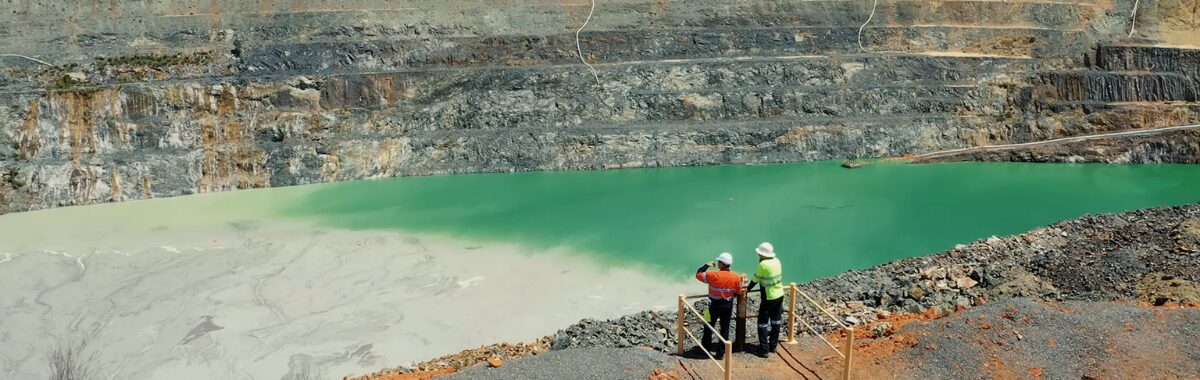
What makes water management harder at remote mining operations?
Water management is harder at remote mining operations because support is further away, response takes longer, and fewer people are available when conditions change. That makes labour access, service response, and spare capacity the main constraints remote sites need to manage.
The main constraints are:
- Less labour access: Remote sites often have fewer people available for constant checks, manual adjustment, and routine intervention.
- Slower service response: When a water issue escalates, it can take longer to access specialist support, repairs, or replacement parts.
- Less spare capacity: Remote operations often have less backup capacity when systems underperform or conditions change quickly.
According to AusIMM’s Increasing production systems availability through remote support discipline (2024), remote operations support involves real-time, 24/7 monitoring, control, and support of site operational technology and plant through a single interface away from site, which reflects how much remote mines depend on systems that can keep performing without constant on-site attention.
At remote sites, those constraints reduce the margin for reactive water management. When people, service support, and backup options are harder to access, dependable operation becomes more important and intervention-heavy systems become harder to sustain.
Why do remote sites need lower-intervention water management?
Remote sites need lower-intervention water management because frequent manual adjustment, service callouts, and routine troubleshooting are harder to sustain when labour and support are not always close at hand.
| Requirement | Remote-site impact |
| Simpler upkeep | Systems that are easier to maintain place less pressure on remote operating teams. |
| Fewer manual adjustments | Lower-intervention systems reduce the need for operators to constantly respond to changing conditions. |
| More dependable operation | Stable performance matters more when delays in response can quickly affect cost, compliance, or water control. |
| Less downtime exposure | The fewer site visits and corrective actions a system needs, the lower the disruption risk at remote locations. |
At remote sites, lower-intervention water management is not a convenience. It is a more practical operating requirement because support is harder to access, response takes longer, and intervention-heavy systems are more difficult to sustain when conditions change.
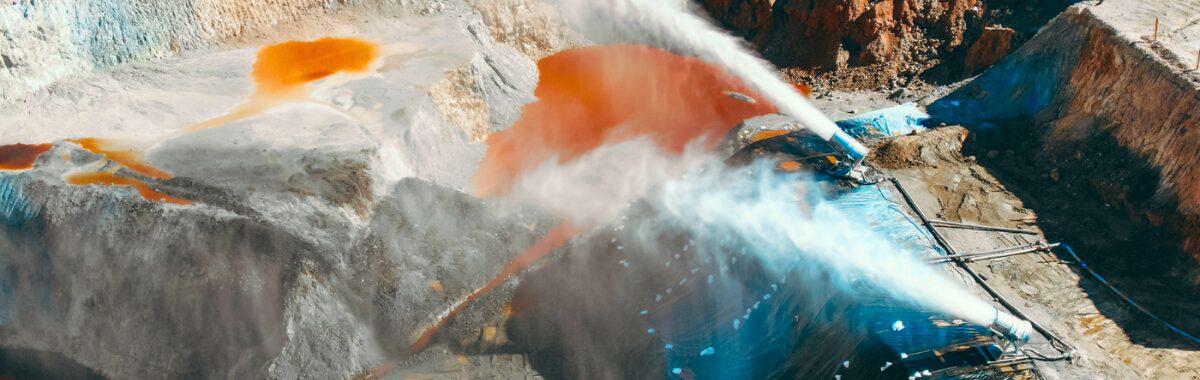
Minetek EMS for remote water management.
Minetek Système de gestion de l'environnement (SGE) supports remote water management by giving operators real-time visibility, remote access, and automated control over changing site conditions. For remote mining operations, that helps reduce manual intervention, improve responsiveness, and maintain more dependable water management without needing operators on site at all times.
| EMS capability | Operational value at remote sites |
| Remote monitoring | Operators can monitor system performance and environmental conditions without needing to be physically on site. |
| Real-time optimisation | The system helps operators respond to changing conditions before they create larger operational issues. |
| Weather-based inputs | Data from the weather station tracks humidity, wind speed and direction, temperature, rainfall, water flow, and pressure. |
| Automation | Operators can configure automations that adjust evaporator performance based on predefined environmental conditions and operating parameters. |
| Sun-up and sun-down control | Automated operating schedules help reduce manual oversight while keeping the system aligned to site conditions. |
| Lower manual intervention | Remote access and automated response reduce the need for constant on-site adjustment and troubleshooting. |
Minetek EMS is designed to help operators stay ahead of changing water conditions rather than reacting after performance has already been affected. At remote sites, that can make water management more controlled, more efficient, and easier to sustain when labour and service access are limited.
For remote mining operations, EMS helps turn water management from a reactive task into a more visible, responsive, and lower-intervention operating system.
Is your site equipped to manage water effectively when support is harder to access?
Speak to Minetek water experts about remote water management solutions that combine real-time monitoring, automation, and lower-intervention operation for remote mining conditions.
Foire aux questions (FAQ)
Why is water management harder at remote mining operations?
Remote mining operations often have less labour access, slower service support, and less spare capacity when problems arise.
Why do remote sites need lower-intervention water management?
Remote sites need water systems that can keep performing with less manual adjustment, simpler upkeep, and fewer service demands.
What makes dependable water management more important at remote sites?
Dependable operation matters more because delays in response can increase downtime, cost, compliance risk, and water mismanagement.
Why does remote monitoring matter in water management?
Remote monitoring helps operators see changing conditions earlier and respond without waiting until performance has already been affected.
How does Minetek EMS support remote water management?
Minetek EMS provides real-time monitoring, remote optimisation, and automation to help operators manage changing water conditions with less on-site intervention.