Contact Us
Return to news & insights

Tackling America’s landfill leachate crisis

Publish date: 1 September 2025
Landfills across the United States are facing a critical and escalating challenge: managing toxic leachate, a hazardous liquid byproduct formed as organic waste decomposes and interacts with moisture, such as rainwater. This landfill leachate issue is significantly exacerbated by the increasing occurrence of overheating, where internal temperatures exceed safe limits, thereby accelerating chemical reactions and amplifying leachate production within landfills. A comprehensive investigation by Bloomberg in 2025, focusing on sites like Chiquita Canyon Landfill in Los Angeles County, has detailed how these elevated temperatures, often exceeding 200°F (93°C) create a vicious cycle of heat and accelerated waste decomposition. At least 10 documented cases of overheating have been reported since 2006, with experts suggesting that many more incidents go unreported due to inconsistent monitoring and reporting practices across the industry.

The growing landfill leachate problem.

The overheating phenomenon is largely driven by modern landfill operations, particularly the mandatory installation of gas collection systems required by the Environmental Protection Agency (EPA) to capture methane emissions, a potent greenhouse gas. While critical for reducing climate impact, these systems can inadvertently introduce oxygen into the waste mass through vacuum effects, triggering exothermic reactions that generate excessive heat. Industry studies, some dating back to the 1980s, have long cautioned that such “hot spots” in landfills can become prone to subsurface smoldering or even spontaneous ignition when exposed to oxygen sources. The problem is compounded by the growing scale of landfills, with the average size of active sites having doubled since the early 2000s, resulting in a larger volume of waste to fuel these reactions.
This overheating accelerates the breakdown of waste, significantly increasing the volume and toxicity of leachate produced. Often referred to as “trash juice,” leachate contains a hazardous mix of contaminants, including benzene, heavy metals, volatile organic compounds, and other carcinogens. In overheated conditions, the waste essentially “cooks,” releasing toxic gases such as hydrogen sulfide, carbon monoxide, and elevated levels of benzene, which further contaminate the leachate. This heightened production can overwhelm existing containment systems, leading to hazardous phenomena such as leachate geysers, where pressurized liquid erupts from gas wells or other points, as observed at Chiquita Canyon. These events highlight significant operational failures and underscore the broader industry challenge of managing evolving waste compositions, including an increase in organic and chemical content, in the context of climate-driven factors such as higher rainfall, which further promotes decomposition.
Regulatory shortcomings exacerbate the crisis. The absence of a centralized federal tracking system for landfill incidents means that oversight relies heavily on state-level enforcement, which varies widely and often depends on self-reporting by operators. The EPA sets a temperature standard of 131°F for landfills; however, enforcement is inconsistent, allowing overheating issues to escalate before corrective measures are implemented. This regulatory fragmentation leaves landfill operators struggling to address mounting environmental, safety, and compliance challenges, while nearby communities face heightened risks from unmitigated leachate and gas emissions.
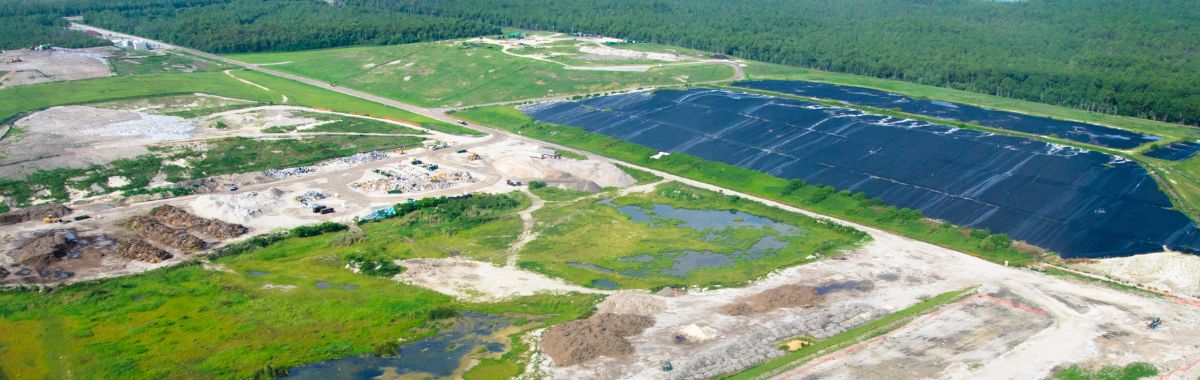
Landfill leachate

The risks of inadequate leachate management.

The consequences of inadequate leachate management are profound, posing severe threats to groundwater, ecosystems, and public health. When leachate accumulates unchecked, it can breach containment liners or overflow storage tanks, infiltrating aquifers and contaminating drinking water sources. For instance, at Chiquita Canyon, regulators issued warnings about an “imminent and substantial danger” from potential spills of millions of gallons of hazardous leachate into local waterways, prompting urgent but delayed corrective actions. Similar risks have been documented at other sites, such as the Bristol Landfill in Virginia, where residents reported “steaming chimneys of gas and leachate,” and the Bridgeton Landfill in St. Louis, which raised concerns due to its proximity to radioactive waste and associated cancer clusters.
The human and ecological toll is significant. Communities near overheated landfills have reported a range of health issues linked to leachate and gas exposure, including chronic headaches, nosebleeds, nausea, respiratory problems, autoimmune disorders, heart conditions, and increased cancer incidences. According to Bloomberg, at Chiquita Canyon, over 9,500 complaints were logged by March 2024, with reports of sudden pet deaths and mass insect die-offs signaling broader ecological disruption. Benzene, a known carcinogen that can damage DNA and lead to leukemia, has been detected in leachate emissions at levels exceeding legal limits, heightening long-term health risks as noted by the Centers for Disease Control and Prevention.
Traditional leachate management approaches, such as trucking to off-site treatment facilities or chemical stabilization, are becoming increasingly inadequate due to the rising volumes driven by overheating. These methods are not only costly and logistically complex but also prone to failures during transport, which can exacerbate contamination risks. The industry’s reliance on outdated practices, combined with inconsistent regulatory frameworks, perpetuates a cycle of reactive crisis management, highlighting the urgent need for innovative, scalable solutions to address leachate at its source.
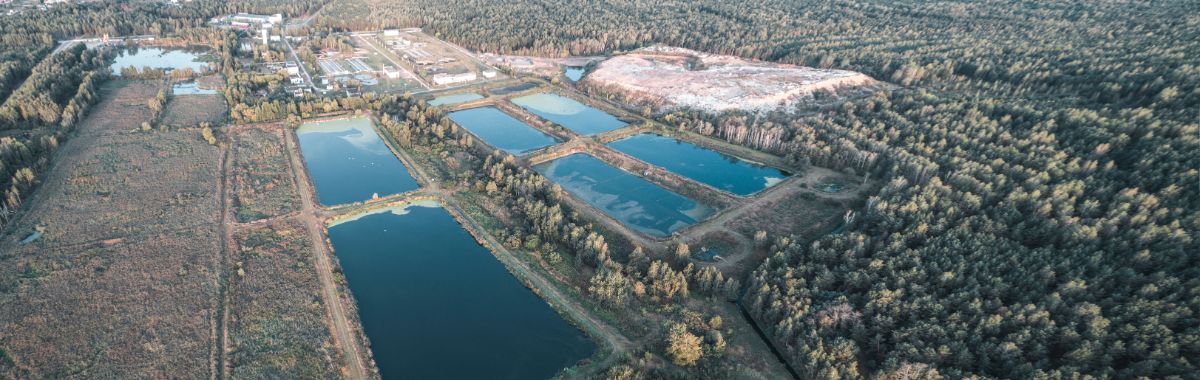
Landfill Leachate

Evaporators offering a sustainable solution to landfill leachate.

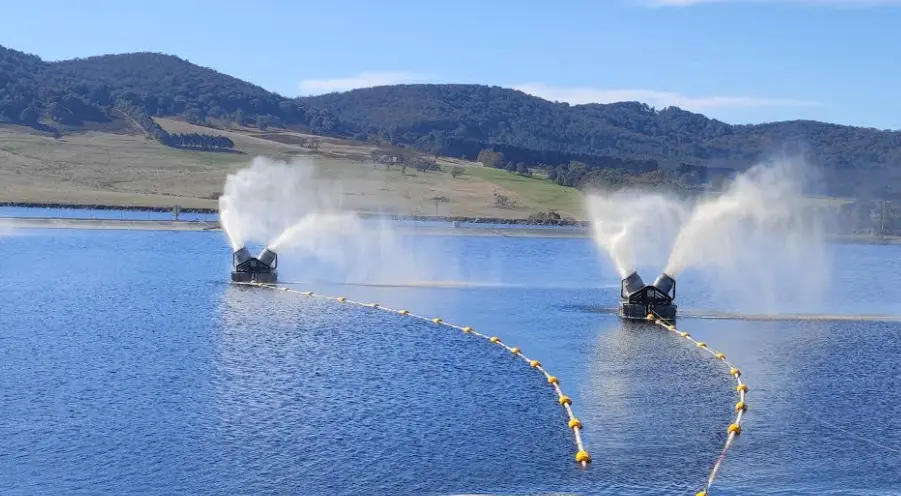
Minetek’s mechanical evaporation technology offers a transformative approach to managing landfill leachate. Unlike conventional methods, evaporators accelerate the natural evaporation process, significantly reducing the volume of wastewater while concentrating solids for safer disposal and management. Minetek Water’s advanced evaporators are specifically engineered for high-efficiency leachate treatment, utilizing cutting-edge fan technology to process large quantities of contaminated water with minimal energy and infrastructure requirements. This makes them ideal for landfills where space is limited and operational efficiency is paramount.
By evaporating leachate, these systems allow water molecules to return to the natural water cycle, leaving behind a manageable residue of contaminants. This not only mitigates the risk of environmental spills but also reduces the costs associated with off-site disposal. Not only are Minetek’s evaporators designed to operate effectively in high-temperature environments, but they also address the unique challenges posed by overheating landfills.
  • Environmental protection: By reducing leachate volume, evaporators minimize the risk of groundwater contamination and protect local ecosystems.
  • Cost efficiency: Eliminating the need for extensive trucking or chemical treatments lowers operational costs for landfill operators.
  • Compact design: The low infrastructure footprint allows integration into space-constrained landfill sites without disrupting operations.
  • Regulatory compliance: Proactive leachate management aligns with emerging environmental regulations, helping operators avoid fines and enhance site safety.
  • Scalability: Minetek’s systems can be tailored to handle varying leachate volumes, making them suitable for both small municipal sites and large industrial landfills.
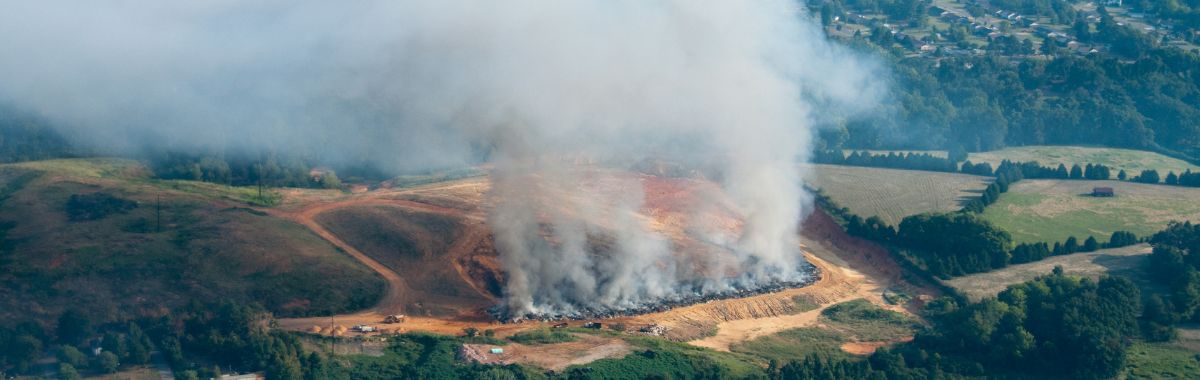
Landfill tip

Case study: real-world impact.

Consider a mid-sized landfill generating thousands of gallons of leachate daily. Traditional methods required frequent trucking to distant treatment facilities, incurring high costs and increasing the risk of spills during transport. By implementing Minetek’s evaporator system, the landfill significantly reduced its leachate volume, thereby cutting transportation costs and eliminating overflow incidents. The waste management site was able to effectively manage water balance amid increasing wastewater from processing and recovery. The concentrated solids were safely disposed of, and the site achieved compliance with local environmental standards, demonstrating the practical impact of evaporation technology.

A call to action for landfill operators.

As the landfill leachate crisis intensifies, innovative solutions such as mechanical evaporators are crucial for sustainable waste management. Minetek Water is committed to partnering with landfill operators to implement tailored evaporation systems that address site-specific challenges. By adopting this technology, operators can protect communities, reduce environmental risks, and achieve long-term operational efficiency.
To learn more about how Minetek’s evaporators can transform leachate management at your facility, contact our team for a consultation or download our brochure for municipal and industrial applications, featuring case study snapshots and technical product specifications. Together, we can tackle America’s landfill leachate crisis with solutions that are effective, sustainable, and future-ready.
Return to news & insights

Cost-effective solution to leachate management in landfills.

Publish date: 21 July 2025
Landfill leachate, a toxic liquid formed when water filters through waste, presents significant threats to both the environment and landfill operators. Large volumes, soaring water treatment costs, and increasingly strict regulatory requirements make leachate management a pressing concern for the waste industry.
Failure to address leachate risks can result in environmental disasters, legal penalties, and spiraling operational expenses. This article examines the most formidable challenges facing landfill operators and highlights Minetek’s mechanical evaporation technology: a transformative, cost-effective solution that dramatically reduces leachate volumes. Supported by independent research and real-world cost comparisons, this innovative approach sets a new standard for sustainable landfill management.

Challenges of managing landfill leachate.

1. Large volumes of leachate.

Landfills generate significant quantities of leachate, particularly in regions with high rainfall or during extreme weather events. For instance, a single landfill site may need to manage millions of liters of leachate, as illustrated by a recent Minetek case study where a waste management center aimed to remove 63 million liters of leachate to facilitate site rehabilitation. The sheer volume of leachate can overwhelm existing storage and treatment facilities, resulting in operational inefficiencies and an increased risk of environmental spills or overflows.

2. High treatment and disposal costs.

Traditional leachate management methods, such as off-site disposal, trucking, or conventional wastewater treatment, are often costly. According to Dr. Arie Kremen from Tetra Tech, leachate management accounts for 20–30% of landfill operations and maintenance expenses in temperate climates, with costs escalating during the post-closure period. Engineered mechanical water evaporation systems have operational costs ranging from $0.08 to $0.10 per gallon or $21.13 to $26.42 per cubic meter (m³). Whereas off-site disposal to publicly owned treatment works (POTWs) incurs significant conveyance and pretreatment expenses. Additionally, constructing new treatment facilities involves high capital expenditures (CAPEX) and ongoing operational expenditures (OPEX), including costs for chemicals, labor, and maintenance, which can exceed $3,000 per day for extensive facilities.
Landfill tip

3. Regulatory compliance.

Managing leachate in landfills is not just a technical challenge—it’s a regulatory minefield. Environmental regulations across jurisdictions have become increasingly rigorous, requiring landfill operators to demonstrate a proactive and transparent approach to controlling leachate volume, ensuring treatment quality, and protecting the environment. Non-compliance risks include regulatory fines, forced shutdowns, reputational damage, and, in some cases, criminal liability. Landfill leachate management presents significant challenges due to large volumes, high treatment costs, and stringent regulatory requirements across various countries.

United States.

Under the Resource Conservation and Recovery Act (RCRA), landfills are required to use double liners, leachate collection systems, and meet the conditions of a National Pollutant Discharge Elimination System (NPDES) permit. Discharge water is subject to maximum contaminant limits (MCLs) for ammonia, BOD, COD, total nitrogen, heavy metals, and PFAS. As of 2025, EPA’s proposed PFAS limits and the anticipated revision of the NPDES framework signal even tighter leachate discharge thresholds. Non-compliance can result in substantial fines, legal actions, and operational shutdowns, particularly for sites near environmentally or culturally sensitive areas.

Australia.

Leachate compliance is regulated at the state level by Environmental Protection Authorities (EPAs), with mandates governed by the Environment Protection Act 1993 and relevant state legislation. Requirements include:

  • Leachate capture and impermeable containment
  • Regular water sampling and groundwater monitoring
  • Licencing for discharge to surface water or sewerage systems
Australia also enforces international protocols, such as MARPOL Annex V, which influence discharges near sensitive marine areas, including the Great Barrier Reef. State-specific leachate limits on contaminants such as COD, BOD, ammonia, and PFAS are becoming increasingly prescriptive. Sites unable to demonstrate best available techniques (BAT) may face penalties or be ineligible for operating licence renewals. Australian regulations emphasize best available techniques (BAT) and site-specific risk assessments to ensure environmental safety, with permits requiring regular monitoring of leachate.

Canada.

Canada’s federal Canadian Environmental Protection Act (CEPA) governs hazardous leachate under its H13 waste code if it contains toxic substances. Provincial regulators, such as Ontario’s Ministry of the Environment, require:
  • Full leachate recirculation controls
  • Zero Liquid Discharge (ZLD) plans for new or expanding landfills
  • Real-time monitoring of ammonia, heavy metals, and chloride
  • Strict compliance with effluent limits under the Fisheries Act
As climate resilience becomes a regulatory focus, operators must now factor in rainfall variability and stormwater surges in their leachate design and response plans.

Mexico.

Mexico’s NOM-083-SEMARNAT-2003 outlines minimum landfill engineering standards, including impermeable liners, leachate collection, and pre-treatment. Discharge must meet municipal wastewater standards, including thresholds for:
  • BOD < 60 mg/L
  • COD < 150 mg/L
  • Heavy metals, including lead, mercury, cadmium
Regulatory enforcement, led by SEMARNAT, varies regionally; however, recent reforms have tightened federal oversight and monitoring requirements, particularly in groundwater-sensitive regions. With over 47% of landfill sites historically lacking effective leachate management, infrastructure upgrades are mandatory for permit extensions and expansion approvals.
Landfill leachate

Global landfill industry snapshot.

Across all four markets in Australia, the United States, Canada, and Mexico, the landfill and waste management sectors are under escalating pressure to modernize leachate treatment infrastructure. Regulatory enforcement is tightening in parallel with public expectations around environmental protection, methane reduction, and groundwater preservation. With an average of 20–30% of landfill operational budgets allocated to leachate management, the demand for cost-effective, compliant, and scalable solutions, such as Minetek’s evaporation technology, is expected to grow.
Region Waste management market value Key landfill stats Leachate focus & trends
Australia AUD 17 billion 1,168 landfills manage 20.5 Mt of waste annually 80% reduction in landfill waste by 2030. Strong push for ZLD, real-time monitoring, and best available techniques (BAT).
Australia USD 343 billion 2,600+ MSW landfills managing over 292 Mt/year PFAS limits, methane capture rules, stricter NPDES permitting, and EPA funding for advanced treatment infrastructure.
Canada USD 67 billion 1,000+ active landfills, ZLD requirements on new sites CEPA mandates the handling of hazardous leachate; provincial regulators enforce discharge limits for ammonia and metals.
Mexico USD 18.8 billion 2,400+ municipal landfills, many under-equipped NOM-083 drives liner and leachate upgrades, as well as stricter compliance for older landfills near population centres.
Minetek floating evaporators

A cost-effective solution to leachate management.

Minetek’s mechanical evaporation technology is revolutionizing leachate management by delivering a disruptive, low-cost alternative to outdated and expensive methods. Unlike conventional systems, Minetek’s solution harnesses cutting-edge engineering to turbocharge natural evaporation, enabling operators to rapidly eliminate massive leachate volumes and concentrate contaminants into a manageable sludge or slurry. Engineered for durability and adaptability, the system thrives under the harshest conditions, high total dissolved solids (TDS), elevated total suspended solids (TSS), and extreme pH ranges (1.8 to 14+). This makes it the premier choice for forward-thinking landfill operations seeking next-level performance.

How Minetek’s evaporators work.

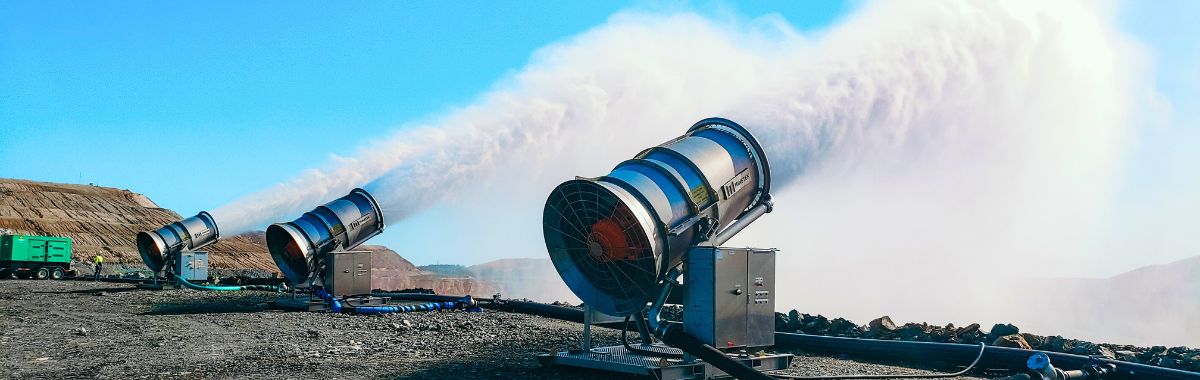
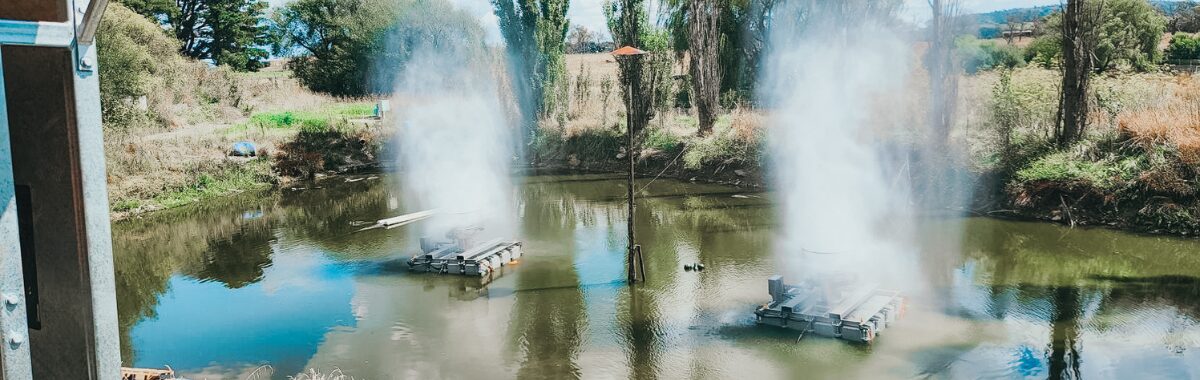
Minetek’s Evaporators use high-pressure pumps to force leachate through low-fouling nozzles, atomizing the water into fine droplets. A high-speed fan (exceeding 150 km/h) enhances evaporation by increasing the surface area of the droplets, allowing approximately 50% of the spray volume to evaporate as pure water vapor, while solids and contaminants return to the source pond. This process minimizes environmental impact by avoiding chemical-intensive treatments and reducing the need for off-site disposal.

Case study: Rapid leachate volume reduction

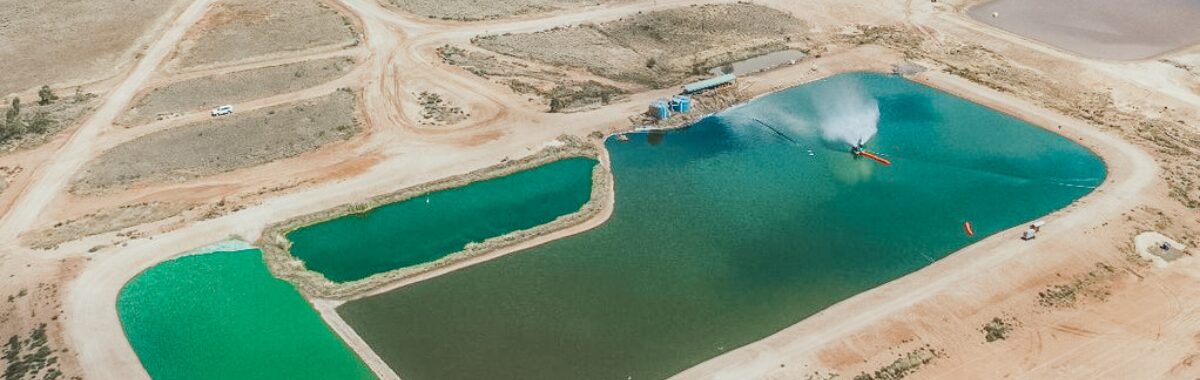
Faced with the monumental task of eliminating 63 million liters of leachate from a dam within just 12–18 months, a major Australian waste management center turned to Minetek for a breakthrough. Deploying a single 200/100 Land-Based Water Evaporator, capable of vaporizing an impressive 280,800 liters every 12 hours, the site not only achieved its ambitious remediation goal, but did so up to nine months faster than projected. This case powerfully demonstrates how Minetek’s technology enables operators to overcome enormous leachate challenges with unmatched speed and confidence.

Academic evidence of evaporation technology.

Academic research supports the efficacy of evaporation for leachate management. A comprehensive review published in Frontiers in Environmental Science highlights that evaporation technologies, combined with membrane processes, are effective for treating highly polluted leachate containing ammonia, chemical oxygen demand (COD), heavy metals, and salinity. These methods produce a condensate stream suitable for reuse or discharge, reducing the volume of contaminated liquid. The review emphasizes the need for sustainable treatment approaches to comply with strict discharge limits, aligning with Minetek’s approach of volume reduction and contaminant concentration.


Additionally, research from the Science of The Total Environment indicates that biological treatments, such as activated sludge or constructed wetlands, achieve 60–90% removal of biochemical oxygen demand (BOD) and COD but are less effective for high-TDS leachate and require significant infrastructure. Evaporation, as employed by Minetek, bypasses these limitations by directly reducing water volume without extensive pre-treatment, making it a practical solution for challenging leachate compositions.

landfill water pond

Dewatering cost comparison.

Minetek’s Evaporators offer significant cost savings compared to traditional methods. According to Minetek, their systems evaporate water at an average cost of $0.20 per cubic meter, compared to over $2.00 per cubic meter for a conventional water treatment facility, factoring in installation, power, labor, maintenance, and chemical additives. Alternative methods, such as sprinklers or irrigation, have lower evaporation efficiencies (approximately 4%) and higher OPEX costs due to maintenance and spare parts. Trucking and off-site disposal are subject to fluctuating fuel and labor costs, making them less predictable and sustainable.

Method CAPEX OPEX Evaporation efficiency Environmental impact Compliance suitability
Minetek evaporators Low $0.20/m³ ~50% Low (no chemical waste) High
Water treatment facility High >$2.00/m³, $3,000+/day N/A Moderate (sludge) High
Trucking/Off-site disposal Moderate Variable (fuel/labor) N/A High (emissions) Moderate
Sprinklers/Irrigation Moderate High (maintenance) ~4% Moderate (land use) Moderate
Evaporation ponds Moderate $0.02/gallon (long-term) Low (weather-dependent) High (land use, leaks) Low

Environmental and operational benefits.

  • Low Infrastructure Footprint: Minetek’s Evaporators require minimal space, making them suitable for sites with limited land availability.
  • Regulatory Compliance: The technology enables landfill operators to meet stringent environmental standards by reducing leachate volumes and mitigating the risks of groundwater contamination.
  • Automation and Adaptability: Minetek’s Environmental Management System (EMS) and Automatic Angle Adjuster (AAA) enable real-time monitoring and adjustment based on environmental conditions, ensuring optimal performance without increasing odor or spray drift.
  • Sustainability: By concentrating contaminants for later treatment, Minetek’s Evaporators align with zero liquid discharge (ZLD) requirements, minimizing environmental impact.
Minetek evaporators
Landfill leachate management requires innovative, trailblazing solutions that deliver exceptional results in volume reduction, cost efficiency, and regulatory compliance. Minetek’s mechanical evaporation technology surpasses conventional approaches, enabling landfill operators to significantly reduce leachate volumes and simplify contaminant management. Validated by independent research and proven successful in demanding real-world projects, Minetek’s Evaporators deliver dramatic cost savings ($0.20/m³ vs. $2.00/m³ for conventional treatment) and reduce environmental footprints. For forward-thinking operators seeking to future-proof their leachate strategy, Minetek’s technology sets a new industry benchmark for efficiency, compliance, and sustainability.
To explore further, landfill operators can download Minetek’s eBook, “Water Evaporation Technology for Municipal and Industrial Applications,” or request a site-specific evaporation efficiency model to assess the technology’s suitability for their specific needs below.
Return to news & insights

How Minetek’s evaporators fit into a circular water strategy for municipalities.

Publish date: 14 July 2025

Municipalities worldwide are facing a pressing need to upgrade their water infrastructure. The combination of aging systems, extreme weather events, burgeoning populations, and stricter environmental regulations is accelerating the demand for innovative, sustainable solutions. At the core of this transformation is the shift towards circular water use, a strategy that prioritizes resource efficiency, waste reduction, and ecosystem protection.

Minetek’s advanced wastewater evaporation systems are specifically designed to facilitate this transformation. Engineered for high-performance in demanding environments, our solutions play a crucial role in helping municipalities achieve sustainable water outcomes while also enhancing compliance, cost efficiency, and environmental accountability.

enviro-header

What is a circular water strategy?

A circular water strategy goes beyond traditional ‘use and discharge’ models. It treats water as a valuable asset to be reused, repurposed, and returned to the environment responsibly. This model is essential for local governments aiming to:

  • Reduce freshwater withdrawal from natural sources
  • Minimise wastewater discharge and leachate overflow
  • Improve resilience during drought or flood events
  • Comply with environmental and community standards

For municipalities aiming to meet these goals, the need for tools that are flexible, scalable, and aligned with future-focused planning is paramount. This is where Minetek Water comes into play, offering solutions that can be tailored to fit the unique requirements of each municipality.

The role of Minetek’s wastewater evaporators.

Minetek’s mechanical wastewater evaporation systems provide councils and municipal operators with a high-volume, low-footprint solution for safely disposing of wastewater, leachate, stormwater, and process water.

Key benefits:

High-efficiency water removal.

  • Our systems evaporate water with water flow rates from 40 gallons per minute / 2 litres per second to 400 gallons per minute / 25 litres per second, depending on the unit, enabling rapid volume reduction without requiring permanent infrastructure or chemical treatment.

Deployable in all conditions.

  • Designed to operate across a wide range of climates and terrains, our evaporators are ideally suited for remote landfills, stormwater holding dams, and council-run wastewater facilities.

Fully automated & low maintenance.

  • With automated monitoring, variable speed controls, and minimal operator input required, municipalities can scale their operations with confidence.
214

Supporting environmental stewardship.

At Minetek, we understand that environmental responsibility isn’t a box to tick; it’s a core operational mandate. Our evaporators contribute to better environmental stewardship in several ways:

Preventing groundwater contamination.

  • By reducing stored leachate volumes, our systems minimise the risk of overflow, seepage, and contamination of nearby water sources.

Reducing dependency on trucking and disposal.

  • Traditional water management often involves costly and carbon-intensive transport. Minetek’s solution eliminates this burden, significantly lowering emissions and risk.

Minimising land use and infrastructure costs.

  • Mechanical evaporation eliminates the need for new dams, pipelines, or treatment plants. This reduces land disturbance, environmental impact, and capital expenditure.


Enabling ESG reporting and compliance.

Environmental, Social, and Governance (ESG) performance is no longer optional. Regulatory authorities, funding bodies, and communities are holding councils to higher standards and expect detailed reporting on water use, waste reduction, and climate impact.

Minetek’s evaporators empower municipalities to deliver on these expectations through:

  • Quantifiable volume reduction data for water discharged
  • Documented reductions in environmental risk
  • Evidence-based reporting on sustainability initiatives
  • Alignment with circular economy principles

This not only strengthens ESG profiles but builds trust with regulators and the communities councils serve.

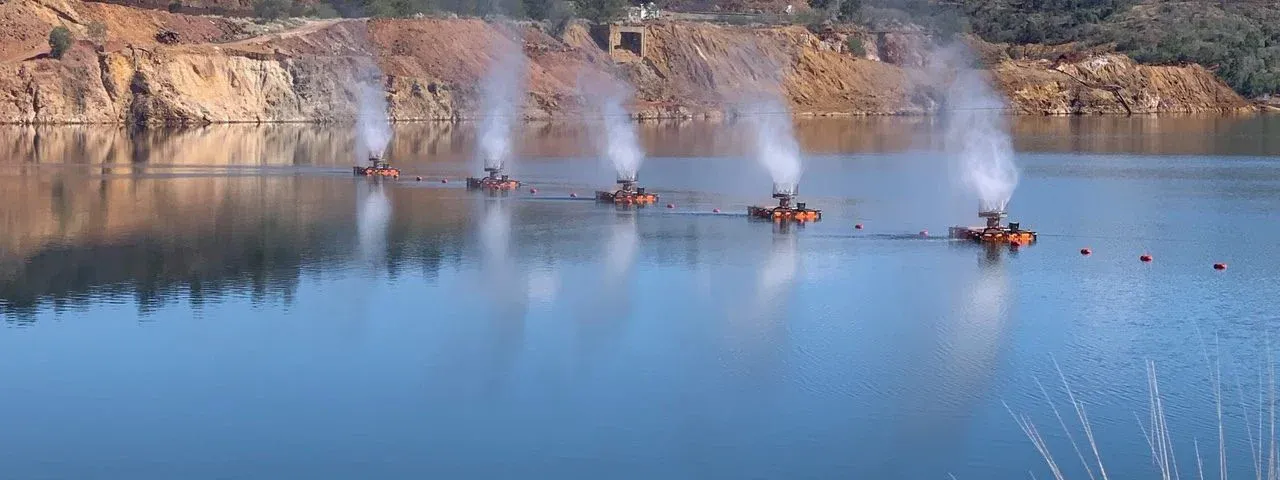
Minetek Landfill Leachate Floating Evaporators

Real-world application. Municipal success.

A council in New South Wales, Australia, recently partnered with Minetek to address severe leachate overflow risks at a regional landfill. Faced with limited infrastructure and strict compliance obligations, the site deployed a Minetek evaporator system.

The result:

  • Immediate capacity relief in containment ponds
  • Avoided non-compliance penalties
  • No requirement for additional land or permits

Read the full case study


The future of sustainable municipal water processes.

Water is no longer just a utility; it is a strategic asset. Minetek’s wastewater evaporators are more than just equipment; they are enablers of circular water use, climate resilience, and long-term planning.

Councils that take a proactive approach to sustainable municipal water will:

  • Lead in environmental leadership
  • Lower operational risks and costs
  • Build public trust through transparency and action

Minetek’s wastewater evaporation systems are ready to meet the challenges of modern municipal water management. Backed by decades of engineering experience and proven field success, we help councils take control of their water strategy; sustainably, responsibly, and effectively.

Explore our full range of municipal solutions or contact us to learn more.