Return to news & insights

Understanding the impact of mining noise.

Publish date: 1 July 2025

Mining operations are integral to global industrial processes, yet they often produce significant noise pollution, which poses challenges not just to compliance with regulatory standards, but also to operational efficiency and worker safety. This article explores the critical aspects of mining noise, its impact, and the strategies for effective noise management.

As the demand for minerals and metals continues to grow, understanding and addressing the environmental and human impacts of mining noise becomes increasingly important. By delving into the sources, implications, and management of mining noise, we can better appreciate the complexities of this issue and the need for comprehensive solutions.

In mining, noise pollution is an inevitable by-product of the operation of heavy machinery, drilling, blasting, and the movement of materials. Each of these activities contributes to a cacophony that can have far-reaching implications. The noise generated is not just a by-product but a significant operational consideration that affects both the internal functioning of mining operations and their external impact on nearby communities and ecosystems. The sheer scale of mining activities means that noise levels can be substantial, leading to potential conflicts with surrounding land uses, wildlife disturbances, and challenges in meeting regulatory requirements.

Sources of mining noise.

The primary sources of noise in mining operations include:

  1. Drilling and Blasting: These are among the most significant contributors to noise pollution, with sound levels often exceeding safe exposure limits. The use of explosives in blasting creates a sudden and intense noise that can carry over long distances, affecting not just workers but also nearby residents and wildlife.
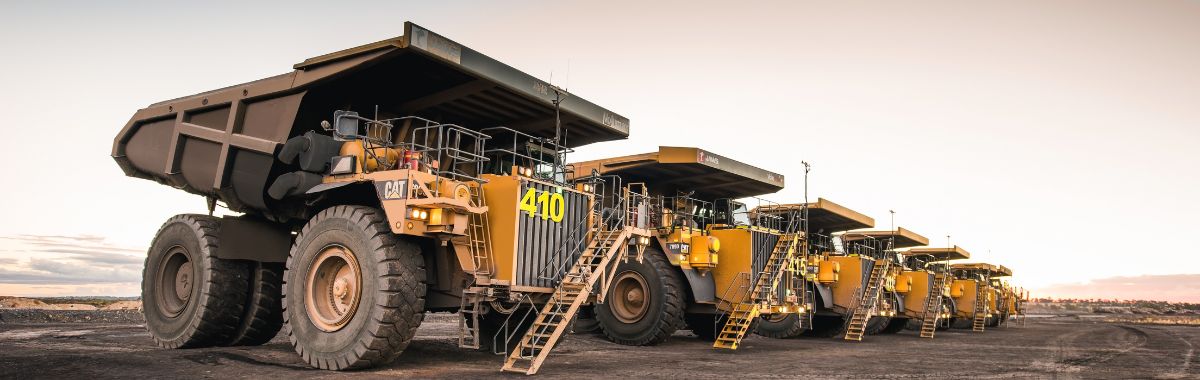
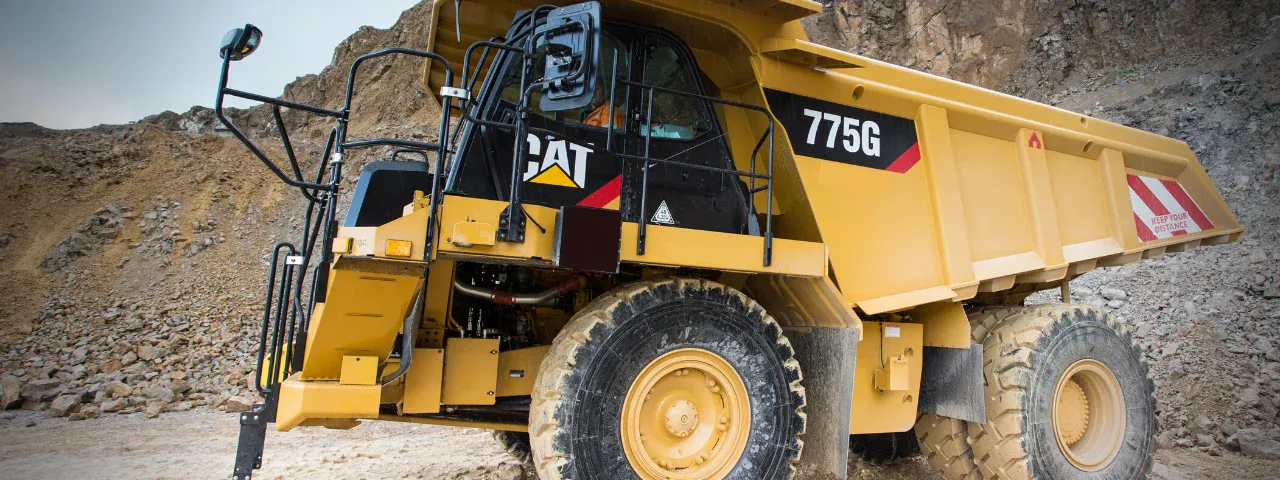
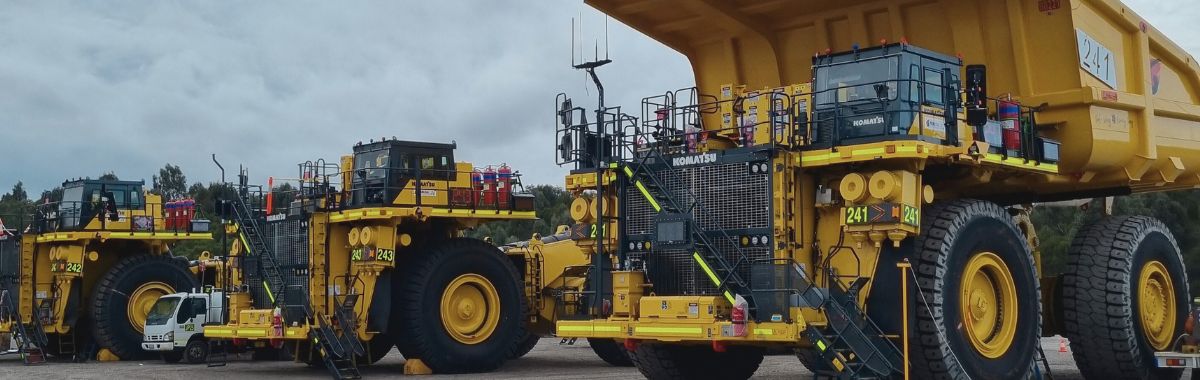
  2. Heavy Machinery: Excavators, loaders, and haul trucks generate substantial noise, especially when operating continuously in confined spaces. The operation of such machinery often involves a combination of engine noise, mechanical vibrations, and the sound of materials being loaded and transported, all contributing to a high-decibel environment.
  3. Material Handling: The movement and processing of extracted materials further add to the noise levels.
    Conveyors, crushers, and processing plants operate continuously, creating a consistent hum that can contribute to the overall noise footprint of a mining site.
Methods-to-reduce-mining- truck-noise-feature-article

Implications of noise pollution.

Noise pollution in mining isn’t merely a nuisance; it has profound implications:

  • Health Risks: Prolonged exposure to high noise levels can lead to hearing loss, stress, and other health issues among workers. Noise-induced hearing loss is one of the most common occupational hazards in the mining industry, highlighting the need for effective hearing protection and noise management strategies.


  • Operational Efficiency: Excessive noise can hinder communication, affecting coordination and leading to inefficiencies. In environments where clear communication is critical for safety and productivity, high noise levels can lead to misunderstandings, errors, and accidents.


  • Regulatory Compliance: Mining operations must adhere to noise regulations to avoid penalties and ensure the safety and well-being of workers. Compliance with these regulations requires ongoing monitoring and adaptation of noise control measures to meet changing standards and operational conditions.


Monitoring and managing mining noise.

Effective management of mining noise begins with precise monitoring and the implementation of strategic measures to mitigate its impact. By understanding the specific sources and patterns of noise within a mining operation, managers can develop targeted strategies that address the most significant contributors to noise pollution. This proactive approach not only helps in maintaining compliance with regulatory standards but also enhances the overall efficiency and safety of mining operations.


Mining noise monitoring.

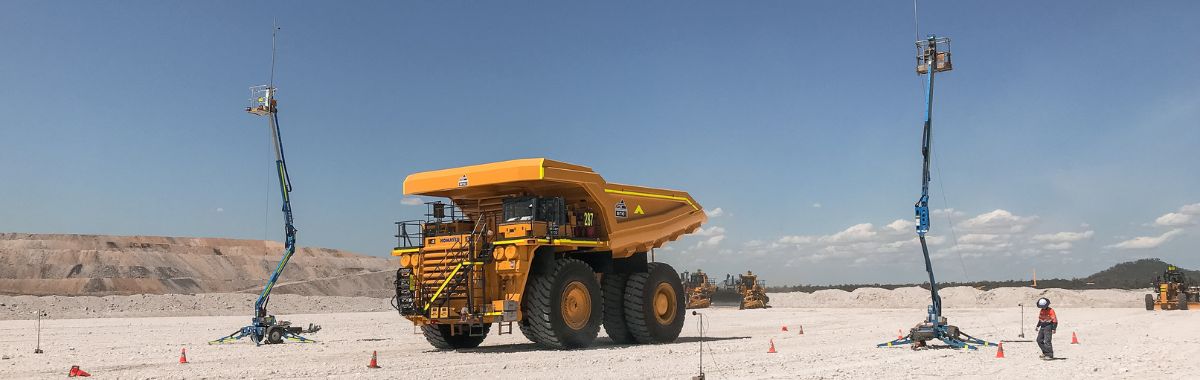
Noise monitoring involves systematically measuring sound levels at various points on a mining site. This data is crucial for:

  • Assessing Compliance: Ensuring that noise levels are within the permissible limits set by regulatory bodies.
    Regular monitoring helps in identifying areas where noise levels exceed acceptable thresholds, allowing for timely interventions.


  • Identifying Noise Sources: Pinpointing specific machinery or processes contributing to excessive noise.
    By understanding which activities generate the most noise, targeted noise reduction strategies can be developed to address these specific sources.


  • Developing Mitigation Strategies: Using data to inform targeted noise reduction initiatives.
    The insights gained from noise monitoring can guide the implementation of noise control measures, from equipment modifications to changes in operational procedures.
Group_Images_In text_02062024

Noise reduction strategies.

The implementation of noise reduction strategies is critical for enhancing operational efficiency and maintaining compliance:

  1. Sound Attenuation Technology: Applying advanced materials and engineering solutions to dampen noise emissions from machinery and equipment. Innovations such as acoustic panels and noise-cancelling technologies can significantly reduce the noise footprint of mining operations.
  2. Maintenance and Upgrades: Regular maintenance of equipment to ensure it operates within optimal noise parameters. Upgrading to newer, quieter machinery can also be beneficial. Consistent maintenance not only prolongs the life of equiment but also ensures that it operates at peak efficiency with minimal noise output.
  3. Operational Adjustments: Modifying operational schedules or procedures to minimize noise exposure during peak working hours. By scheduling noisy activities during times when fewer workers are present, the impact of noise on human health and productivity can be reduced.


Active noise control systems.

Active noise control involves the use of sophisticated technology to cancel out noise by emitting sound waves that are the exact inverse of the unwanted noise.

This technology is particularly effective in environments with consistent noise patterns. By actively neutralizing noise, these systems can create a quieter, more comfortable working environment without the need for extensive structural modifications.
sound-image-blog-cat-775g-1280x480.png

Case study. Successful implementation.

Consider the case of a mining operation that successfully reduced noise pollution by integrating a comprehensive noise management system. By employing a combination of sound attenuation materials, regular equipment maintenance, and strategic operational changes, the operation not only achieved compliance but also enhanced productivity and worker satisfaction. This case highlights the importance of a multi-faceted approach to noise management, one that leverages both technological innovations and operational best practices.


The role of regulatory compliance.

Compliance with noise regulations is non-negotiable in the mining industry. Regulatory bodies set strict limits on permissible noise levels to protect workers’ health and ensure environmental sustainability. Adhering to these regulations is essential for legal reasons and maintaining a positive reputation and relationship with the local community. By proactively managing noise levels, mining companies can demonstrate their commitment to responsible and sustainable operations.


Ensuring compliance.

To ensure compliance, mining operations must:

  • Conduct regular audits: Regularly assess noise levels and evaluate the effectiveness of existing noise control measures. Audits provide valuable insights into the current state of noise management and highlight areas for improvement.
  • Implement training programs: Educate workers on noise risks and protective measures, fostering a culture of safety and awareness.
    Training programs empower workers to protect themselves and contribute to the overall noise management strategy.
  • Stay informed: Keep abreast of changes in noise regulations and emerging technologies that can aid in noise management.
    By staying updated on industry developments, mining companies can ensure that their noise management strategies remain effective and compliant.
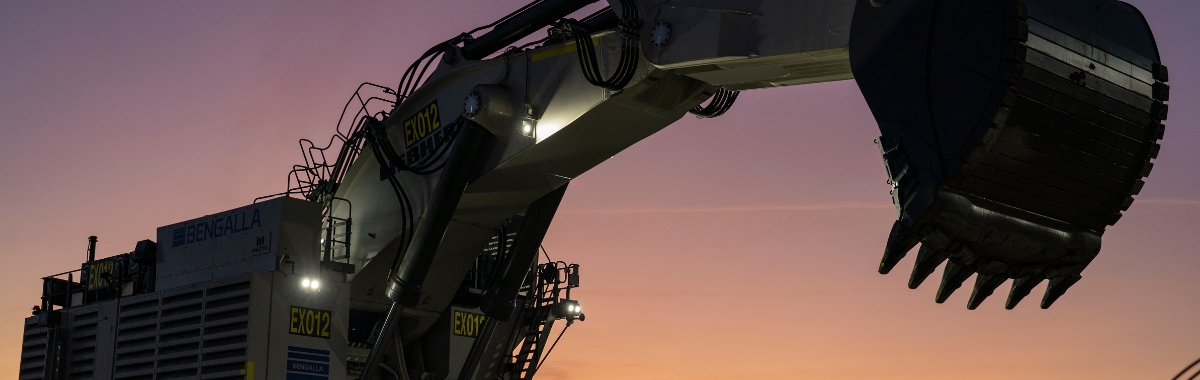
Minetek sound noise reduction on excavator

Engineered sound attenuation for compliance, safety, and performance.

Minetek’s M-STEALTH Sound Attenuation system offers a proven, compliant solution for reducing site noise across mining operations, without compromising machine performance or payload capacity. Designed for mobile and fixed plant machinery—including haul trucks, dozers, excavators, and generators. M-STEALTH delivers up to 50% reduction in cumulative site noise through precision acoustic engineering and site-specific tuning.

Key system advantages:

  • Compliance-first engineering: Meets OEM airflow and backpressure specs while exceeding noise standards.
  • Fire-risk mitigation: Dual-skin construction keeps surface temps under 150°C in line with AS-5062-2022—no thermal blankets required.
  • Operational efficiency: Lightweight design maintains fuel economy and payloads.
  • Field-proven results: Installed on more than 2,500 machines across 90+ OEM-approved platforms.

With M-STEALTH, mine operators can move closer to boundary lines while remaining fully compliant, enabling safer, more productive operations.


Mining noise impacts operations and can be managed effectively.

Understanding and managing the impact of mining noise is essential for the sustainability and success of mining operations.

By leveraging advanced noise attenuation technologies and adopting a proactive approach to noise management, mining managers can enhance productivity, ensure compliance, and create a safer, more efficient working environment.

The journey towards effective noise management is ongoing, requiring continuous assessment and adaptation. However, the benefits of a quieter, more efficient mining operation are well worth the investment.

In conclusion, addressing mining noise is not just about meeting regulatory requirements but also about fostering a work environment that prioritizes the health and wellbeing of workers.
By continually refining noise management practices and embracing innovative solutions, the mining industry can achieve a balance between operational demands and environmental stewardship.
Return to news & insights

The future of noise mangement: Attenuation of sound

Publish date: 5 June 2025

In the mining industry, noise is far more than an inconvenience – it’s a critical operational challenge that affects worker safety, regulatory compliance, and community relationships. As global resource demand grows, mines face increasingly stringent environmental regulations, requiring innovative solutions for the attenuation of sound. Minetek’s M-STEALTH SOUND attenuation technology is at the forefront of this transformation, offering a groundbreaking approach to reducing noise emissions. With over three decades of engineering expertise, Minetek is redefining noise management, enabling mining operations to achieve quieter, safer, and more sustainable outcomes while maintaining productivity and compliance.

Why is the Attenuation of Sound Critical in Mining?

Mining operations rely on heavy machinery like haul trucks, drills, and excavators, generating noise levels often exceeding 90–110 dB. Unmanaged noise risks worker health, causing hearing loss, and disrupts nearby communities, leading to regulatory penalties and restricted operating hours. Traditional noise control methods, such as personal protective equipment (PPE), are inadequate as they only mitigate exposure. Sound suppression techniques, which enclose or muffle equipment, often compromise performance by restricting airflow, increasing heat, and raising fire risks, thus reducing efficiency and safety.

The attenuation of sound, however, addresses noise at its source, offering a superior solution. Minetek’s M-STEALTH Sound technology achieves precise sound attenuation without hindering machine functionality. Unlike suppression, which masks noise, attenuation reduces the sound produced by equipment, preserving optimal airflow, cooling, and performance. This distinction makes M-STEALTH a game-changer for mines aiming to meet stringent noise regulations while enhancing safety and productivity. By focusing on sound attenuation, Minetek delivers customized solutions that align with each machine’s acoustic profile, setting a new mining noise management standard.

Group_Images_In text_02062024

How M-STEALTH achieves superior sound results.

Minetek’s M-STEALTH Sound Attenuation technology is engineered to target and eliminate specific noise emissions from machinery and sound for mobile and fixed mining equipment, including dozers, excavators, haul trucks, and generators. Designed for site-specific needs, it reduces accumulated site noise levels by up to 50% while ensuring no compromise to machine performance with minimal weight, preserving machine payloads, OEM back pressure requirements, and airflow. Key features of this sound attenuation solutio include:

  • Precision Sound Analysis: Advanced sound intensity testing and acoustic visualization target specific noise frequencies for optimal attenuation of sound.

  • Safety Through Design: Its dual-skin construction maintains surface temperatures below 150°C, aligning with AS-5062-2022 fire prevention standards and eliminating the need for thermal blankets. This reduces fire risks, OPEX, and maintenance downtime while enhancing operator safety. 
  • Lightweight Durability: M-STEALTH is up to 50% lighter than conventional mufflers. It minimizes added weight to maintain payloads and fuel efficiency, which are critical for operational performance. The dual-skin construction of the exhaust components ensures superior durability, resisting rust and heat-related stress for extended service life compared to traditional sound-suppressed exhaust systems.

  • OEM Compatibility: Ensures compliance with original equipment manufacturer (OEM) backpressure and airflow standards, preserving equipment longevity.

  • Tailored Solutions: Customized for over 90 OEM-approved models, with more than 2,500 machines equipped worldwide.

This focus on the attenuation of sound allows mines to operate closer to site boundaries without breaching noise regulations, enhancing both compliance and efficiency.

Group_Images_In text_02062024 (1)

Benefits of M-STEALTH Sound Attenuation Technology

Minetek’s M-STEALTH SOUND system delivers comprehensive benefits, aligning with the company’s mission to provide sustainable solutions through the attenuation of sound:

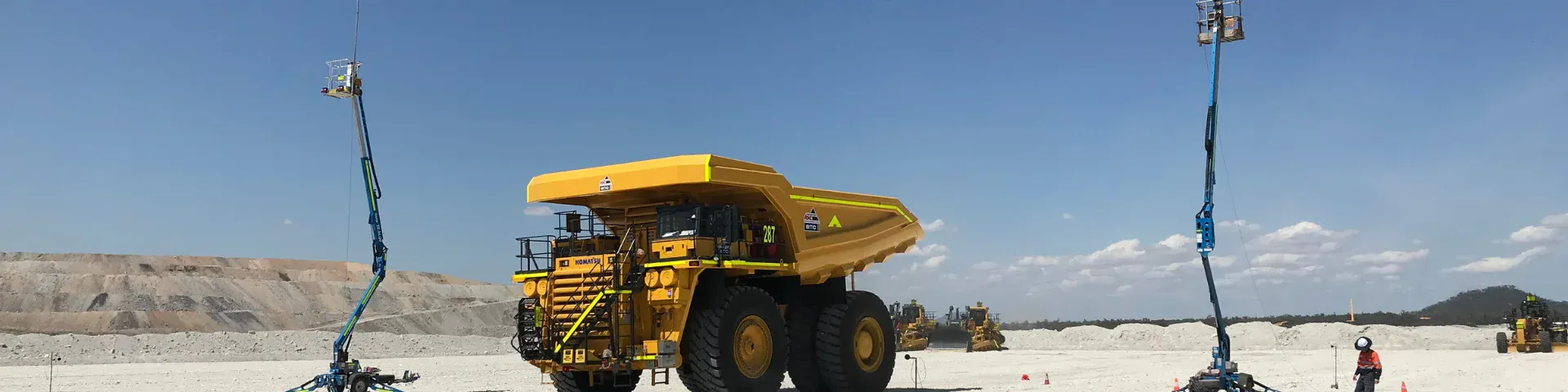
  1. Regulatory Compliance: Significant noise reductions ensure compliance with strict environmental standards. For instance, a Glencore open-cut coal mine using M-STEALTH Sound Attenuation for Komatsu haul trucks reduced noise from 124 dBA to 115 dBA, a  9dBA reduction. This enabled the trucks to operate closer to site boundaries while remaining compliant with noise regulations, which in turn extended operating hours.

  2. Enhanced Worker Safety: Effective sound attenuation lowers the risk of hearing damage, a significant issue in mining where coal operations face high deafness-related claims.

  3. Community Relations: Reduced noise minimizes disturbances to nearby residents, fostering positive community ties and supporting sustainable practices.

  4. Operational Efficiency: The lightweight, turnkey design reduces downtime during installation and maintenance, maximizing productivity.


Data-Driven Attenuation of Sound

Minetek’s approach to the attenuation of sound is rooted in data-driven precision. Using advanced sensors and measurement tools, acoustic engineers identify and quantify noise sources, enabling targeted sound attenuation strategies. This detailed analysis ensures solutions are tailored to each machine’s unique acoustic profile. Post-installation testing verifies the effectiveness of sound attenuation, comparing before-and-after noise levels to confirm reductions and identify opportunities for further optimization. Our comprehensive noise testing services, include ISO 6393/6395 compliance and operator exposure testing, ensuring sound requirements are met, providing operators with the confidence to meet evolving regulatory and community standards.

Group_Images_In text_02062024 (2)

The Future of Noise Management

As the mining industry evolves, noise management will remain a cornerstone of sustainable operations. Minetek’s M-STEALTH Sound Attenuation technology represents the future of noise attenuation, combining innovation, precision, and a commitment to safety and compliance. By addressing noise at its source, Minetek empowers mining companies to operate efficiently, protect workers, and maintain positive community relations.

Ready to transform your noise management strategy? Contact Minetek today to explore how M-STEALTH sound attenuation technology can deliver quieter, safer, and more productive operations for your mine.

Return to news & insights

Minetek Mid-West Hub now fully operational.

Publish date: 13 March 2025

Today Minetek, a world-class provider of water management, underground ventilation and sound reduction solutions to mining and industrial leaders, announced the official opening of its Mid-West Hub in Columbus, Ohio, USA.

The new Hub signals Minetek’s intentions to continue its growth in the regions of North and South America, following decades of delivering proactive and responsive solutions across the globe.
Dallas Bird, Minetek’s Managing Director, stated, “we’ve invested heavily in growing our capacity in the region with all economic indicators pointing to sustained demand in key industries across North and South America. Our clients – new and existing – have been clear that our solutions in water management, underground ventilation and sound attenuation are helping them meet their immediate operational and broader, long-term ESG objectives and our new Mid-West Hub further cements our position as being 100% client-focused.”

Jeff Southard, Minetek’s VP North America, added, “being able to deploy solutions rapidly is critical for the clients we serve, and our Mid-West Hub enables us to respond quickly to meet their needs. We already have a broad footprint of sales and domain expertise strategically placed across the continental United States in areas including California, Wisconsin, Oregon, Missouri, New Jersey and also in Calgary, Canada. Following the establishment of a new corporate office location in Houston, Texas, the addition of the new Hub underpins our capability in both North and South America to help our client’s faster and more efficiently than ever before.”

Rick Markham, Minetek’s Global Aftersales Manager, underlined, “we have a comprehensive network of resources on the ground supporting the ongoing operations of our clients. This new, extended capacity to centrally warehouse critical stocks to deploy where and when they are needed will help keep our clients on the move, reducing the potential impacts of downtime and improving overall operational effectiveness.”

The Mid-West Hub is the latest addition to Minetek’s global capacity with similar sites now operational in Perth, Western Australia supporting mining and industrial clients in Australia’s vast goldfields and network of metalliferous mining operations. Minetek’s Sydney, Australia-based Centre of Excellence remains the core of global manufacturing for the group.
As mining and industrial leaders endeavor to optimise their operations in both planned and responsive measures, with ongoing demand for mining commodities in traditional ore applications and the burgeoning need for electrification minerals continuing to increase, Minetek is well positioned to meet this global ramp in demand.

About Minetek

Innovative water management for compliance & sustainability.

Managing excess water is one of the greatest challenges in mining and broader industrial settings. Minetek Water provides the most comprehensive and cost-effective water evaporation technology, designed to ensure environmental compliance while minimising operational risks.

  • Capable of processing various water qualities, including solids up to 4.0mm.
  • Engineered to handle pH levels from 1.8 to 14+, making it effective in extreme industrial conditions.
  • Successfully implemented in 700+ projects worldwide.

Optimising underground ventilation.

Since 1984, Minetek Air has pioneered air management solutions designed to enhance productivity, energy efficiency, and cost reduction in underground mining operations. Engineered for precise airflow control, Minetek’s ventilation technology helps mines:

  • Deliver air where and when it’s needed.
  • Reduce energy consumption and emissions.
  • Ensure a guaranteed return on investment.

Industry-leading noise reduction solutions.

Compliance with noise regulations is essential for mining and industrial operations. Minetek Sound delivers world-class sound attenuation technology designed to reduce noise-related risks without impacting equipment performance.

  • Proven to reduce noise emissions by up to 50%.
  • Over 1,500 machines attenuated across 90+ OEM-approved models.
  • Enables operations to mitigate noise compliance risks effectively.

For more information about Minetek or the Mid-West Hub, contact our team.

Return to news & insights

Minetek’s 2025 Intake of Electrical and Mechanical Apprentices

Publish date: 11 December 2024

Minetek, a family-run Australian business known for its camaraderie and high performance, is excited to announce the 2025 intake of Electrical and Mechanical apprentices at our Manufacturing facility in Prestons, NSW. We are now accepting applications and invite aspiring young individuals and school leavers to join our dedicated team and fast-track their career goals through immersive on-the-job training combined with formal TAFE training.

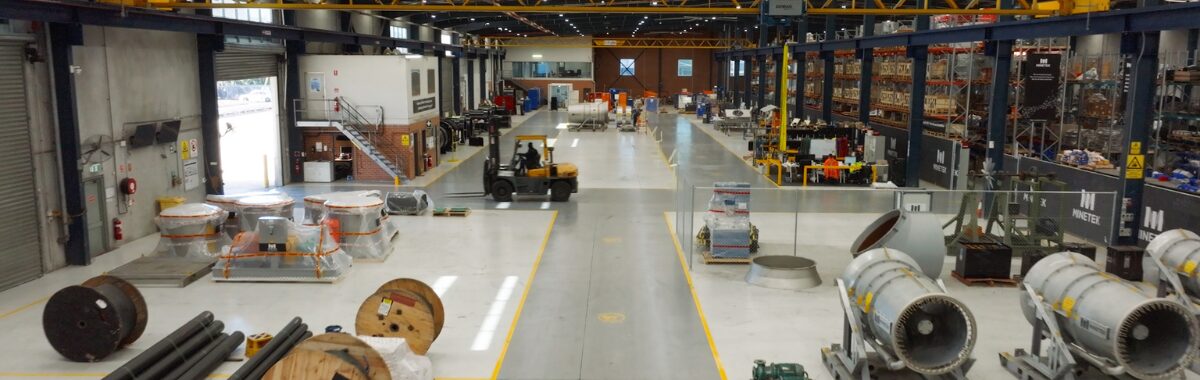
Prestons Warehouse

About Minetek 

At Minetek, we are committed to supporting the development of our team members, offering a unique blend of professional and personal growth opportunities. Our small but dedicated team thrives on a culture of innovation and consistently delivering exceptional results for our stakeholders. We believe in fostering a future-focused environment where creativity and forward-thinking are celebrated. 

The Apprenticeship Program 

Our Apprenticeship Program is designed to introduce a new generation to the high-performing world of technology and manufacturing. Apprentices will gain hands-on experience across various mechanical and electrical disciplines, providing a comprehensive understanding of potential career paths. Participants will benefit from rotations in engineering, production, and testing, ensuring they receive a well-rounded education. 

With an above-award wage, the program not only accelerates learning and development but is an ideal opportunity for those with a clear vision of their future career goals. 

Minetek Values

Electrical Apprenticeship Program 

The Electrical Apprenticeship Program at Minetek offers a robust career pathway for school leavers. This three-year program combines on-the-job training with mandatory electrical trade schooling at TAFE, ensuring apprentices gain invaluable hands-on experience that is unattainable in a classroom alone. 

A significant component of the electrical apprenticeship is the completion of a Certificate III in Electrotechnology. This qualification equips students with the practical skills and theoretical knowledge necessary to work safely with electrical systems. It encompasses competencies in selecting, installing, setting up, testing, fault finding, repairing, and maintaining electrical systems and equipment in buildings and premises. Additionally, it includes the ERAC requirements for an ‘Electrician’s licence’. 

Minetek covers all educational expenses for our apprentices, providing them with the financial freedom to focus entirely on their learning and development. Upon successful completion of their electrical apprenticeship, there is an opportunity for future employment within our organisation. 

2025 Apprenticeship Intake - Website Images (1)

Mechanical Apprenticeship Program 

The Mechanical Apprenticeship Program at Minetek is a fantastic opportunity for individuals aiming to pursue a career in engineering or mechanics. Over three years, apprentices will work alongside experienced engineering and mechanical tradesmen within the metal, engineering, and manufacturing industries. This program also includes mandatory trade schooling at TAFE, ensuring a comprehensive educational experience. 

A key element of the mechanical apprenticeship is the completion of a Certificate III in Mechanical Engineering. This qualification imparts the practical skills and theoretical knowledge required for a broad range of mechanical trade work. Apprentices will learn to undertake fitting, assembly, manufacture, installation, modification, testing, fault finding, maintenance, and service of mechanical equipment and machinery. They will also gain proficiency in using machine tools. 

Minetek’s career apprenticeship program covers all educational costs, and successful completion opens the door to potential ongoing employment within our dynamic team. 

Why Choose Minetek? 

Choosing Minetek means joining a team that values each member’s contributions and fosters an environment of mutual respect and support. Our high-performance culture is driven by innovation and a relentless pursuit of excellence. As an apprentice at Minetek, you will not only gain technical skills but also develop personally and professionally, preparing you for a successful career in the industry. 

Minetek’s 2025 intake of Electrical and Mechanical apprentices is a unique opportunity for young individuals and school leavers to embark on a rewarding career path. With a strong focus on hands-on experience, formal training, and a supportive team environment, our apprenticeship program is designed to equip you with the skills and knowledge needed to succeed in the technology and manufacturing industries. Join us at Minetek and be part of a future-focused, innovative team that is committed to excellence and growth. 

Apply now and take the first step towards a promising career with Minetek. Simply submit your resume and cover letter here. Should you have any questions, feel free to reach out to Minetek’s People and Culture team via [email protected]. Applications close at 5pm on Monday the 13th of January 2025. 

Return to news & insights

The Impact of Winter on Mining Noise Pollution

Publish date: 22 October 2024

As the Australian autumn settles in, it’s crucial to reflect on the challenges of the recent winter and start preparing for the next. Australia just experienced an unusually cold season, with temperatures dropping about five degrees below average. Similar weather patterns are anticipated to affect the Northern Hemisphere in the coming months.

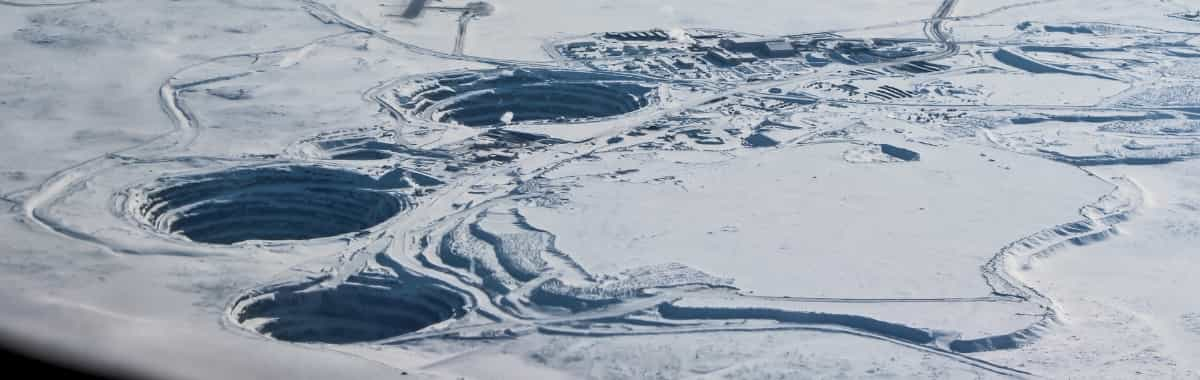
Cold weather, combined with snow and ice, poses several challenges to the mining industry. Machinery malfunctions, operational delays, and increased maintenance needs are common, all of which raise operational costs and hinder productivity. However, one often overlooked consequence of winter conditions is how cold temperatures affect noise from mining equipment, causing it to travel further.

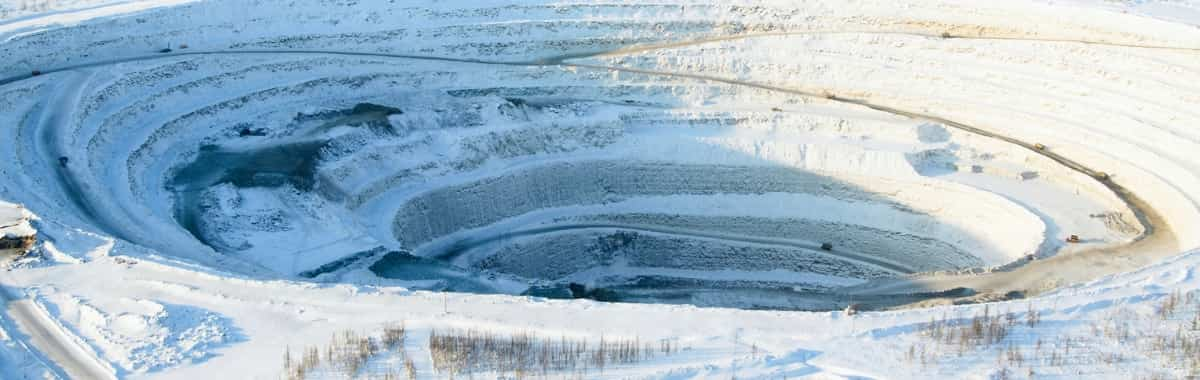
Mine covered in snow

How Cold Weather Amplifies Noise in Mining Operations

Cold air, particularly in winter, changes the way sound travels. Lower temperatures increase the density of air, allowing sound waves to carry further than they would in warmer conditions. For mining machines, this can mean a significant rise in noise levels, which has a range of effects both within the mine and on the surrounding community.

Implications for Mining Companies Globally
  1. Impact on Nearby Communities
    Increased noise pollution during colder months can significantly disrupt communities near mining sites. This isn’t just a matter of inconvenience—it can lead to health concerns, such as increased stress and sleep disturbances. The cold amplifies the already noisy operations, and residents may find their quality of life diminished as communication, daily activities, and leisure are disrupted.
  2. Rising Complaints
    As noise becomes more noticeable in winter, mining companies are likely to see an increase in noise-related complaints. Managing these grievances efficiently will require mining companies to allocate additional resources to community engagement and complaint resolution. Failing to address these concerns can damage the company’s reputation and strain relations with local communities.
  3. Regulatory Challenges
    Mining companies must comply with strict noise regulations, and amplified noise levels during cold weather increase the risk of breaching these standards. Non-compliance can lead to fines, legal challenges, and operational restrictions, further complicating the business.
  4. Environmental Impact
    The heightened noise levels don’t just affect humans; they also disrupt local wildlife and ecosystems. Many animals rely on quiet environments for communication, hunting, and reproduction. Excessive noise can force them to abandon their habitats, leading to reduced biodiversity and altered ecosystems. Combined with other environmental stresses from mining, this can result in long-term ecological damage.

Preparing for Cold Weather and Noise Challenges

Mining companies must be proactive in addressing these seasonal noise challenges, taking steps to ensure both regulatory compliance and community harmony. The winter chill serves as a stark reminder of the interconnectedness between weather conditions and mining operations, emphasising the need for resilient and adaptive practices.

Minetek’s Sound Solutions

Minetek is globally recognised for its innovative sound suppression and noise reduction technologies tailored specifically to mining environments. Our Australian-made solutions have successfully reduced noise across more than 1,200 mining machines and over 90 OEM-approved models.

Our modular systems are engineered to deliver up to 50% noise reduction, ensuring compliance with regulatory standards and community expectations, even in extreme weather. Whether in sun, snow, or rain, Minetek’s solutions protect the environment, safeguard worker well-being, and minimise the impact of mining activities on nearby communities.

Our commitment to innovation drives us to create safer, more sustainable mining practices, no matter the season.

Mine covered in snow