 Portuguese
  English (United States)
  English
  Spanish
  French
  Indonesian
  Italian
 Mine sites face increasing pressure to eliminate liquid discharge and improve environmental performance. Regulatory requirements have tightened, community expectations have risen, and water scarcity has made every drop more valuable. As a result, zero liquid discharge (ZLD) systems are becoming a more important strategy for mining operations seeking to manage tailings water, pit water, and process wastewater while meeting strict environmental permit conditions.
This guide explains the key considerations involved in designing zero liquid discharge systems for mine sites using mechanical evaporation. It outlines how ZLD systems work, why mechanical evaporation offers distinct advantages for mining applications, and how to plan a system that addresses site-specific water management challenges. Minetek delivers mechanical evaporation technology that helps mining operations achieve zero liquid discharge while reducing storage requirements and supporting regulatory compliance.
Key takeaways: Zero liquid discharge for mine sites in 2026.
- Zero liquid discharge eliminates wastewater releases from mine sites by concentrating water into minimal residual solids.
- Mechanical evaporation accelerates natural evaporation rates, making ZLD more feasible in locations with limited evaporation pond capacity.
- Mine-specific ZLD strategies should account for tailings chemistry, seasonal variation, and site layout constraints.
- Minetek mechanical evaporation systems support ZLD objectives with patented technology proven across diverse mining climates.
- Effective ZLD planning can reduce dam storage risk, lower disposal costs, and strengthen environmental compliance outcomes.
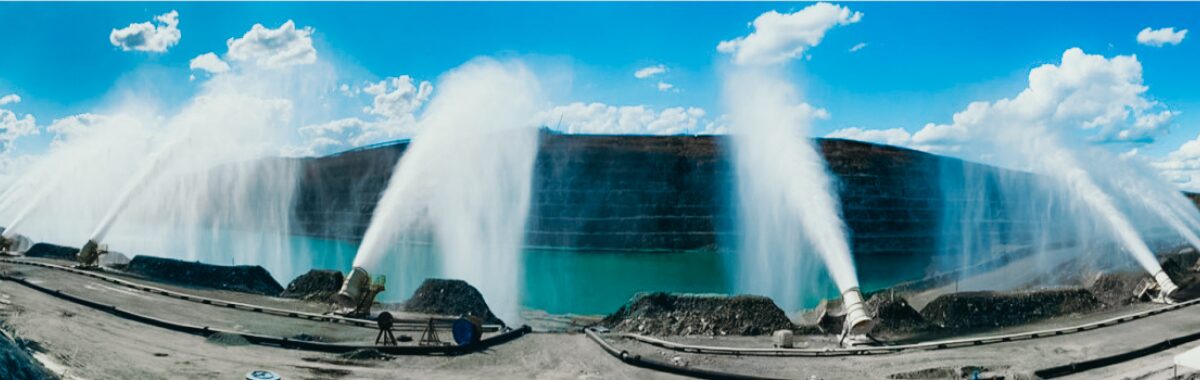
What is zero liquid discharge and why does it matter for mining?
Zero liquid discharge is a water management approach that eliminates all liquid effluent from leaving a site. Rather than discharging treated or untreated water into the environment, ZLD systems concentrate wastewater until only solid residuals remain. These solids can then be disposed of safely or, in some cases, recovered for reuse.
In mining, this approach matters because water management pressures rarely sit in one area alone. Discharge limits, storage capacity, closure planning, and environmental risk are often closely connected. A ZLD strategy helps operations manage these pressures in a more controlled and predictable way, particularly where wastewater volumes are high, water quality is difficult to manage, or discharge conditions are becoming more restrictive.
For mining operations, ZLD addresses several interconnected challenges:
- Reduced environmental liability: It helps prevent contaminated water from reaching surface water or groundwater systems.
- Lower reliance on storage infrastructure: It can reduce dependence on large evaporation ponds and tailings storage facilities, which often carry operational and closure-related risks.
- Stronger closure planning outcomes: It can support faster remediation timelines, with the potential for fewer long-term monitoring requirements and reduced post-closure obligations.
How does zero liquid discharge differ from traditional water treatment?
Traditional water treatment is designed to improve effluent quality to a standard that allows discharge under permit conditions. Water is treated, compliance thresholds are met, and the remaining effluent is released. Zero liquid discharge takes the process further by removing the discharge step altogether.
This distinction is becoming more important across mining operations as discharge approvals become more difficult to secure and maintain. Regulatory limits are tightening, scrutiny around mine water releases is increasing, and community expectations are placing greater pressure on how water is managed. A zero liquid discharge approach helps reduce reliance on discharge pathways and gives operations a more controlled long-term water management strategy.
ZLD also changes how water is viewed on site. Instead of treating water primarily as a waste stream for disposal, it is treated as a managed operational input that must be reduced, contained, or reused wherever possible. That shift in approach can support broader improvements in water balance management, infrastructure planning, and environmental risk reduction.
Traditional water treatment vs zero liquid discharge
| Aspect | Traditional water treatment | Zero liquid discharge |
|---|---|---|
| End goal | Treat water to meet discharge limits | Eliminate liquid discharge from site |
| Discharge outcome | Water is released under permit conditions | Water remains contained, with solids left for disposal or reuse |
| Regulatory dependence | Ongoing reliance on discharge permits | Reduced reliance on discharge approvals |
| Water management approach | Focused on treatment and release | Focused on reduction, containment, and recovery |
| Site implications | May still require ongoing discharge infrastructure and monitoring | Can support tighter water control and lower long-term discharge risk |
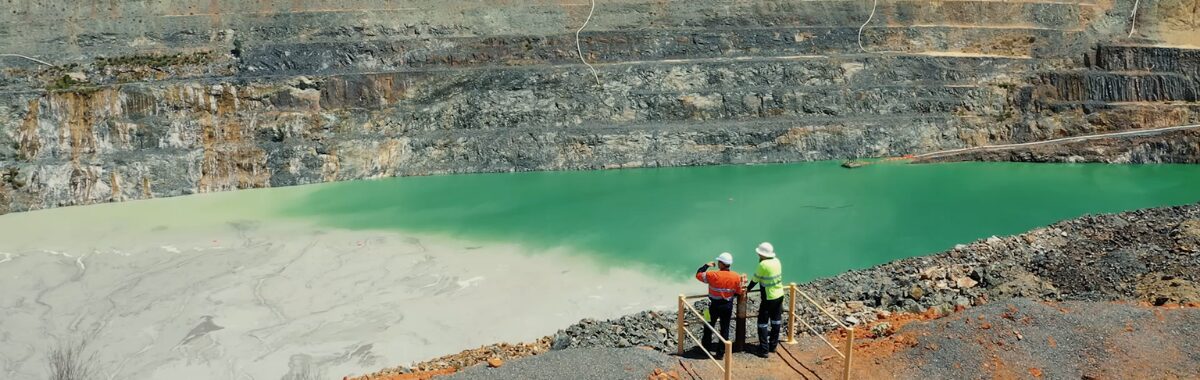
How mechanical evaporation supports Zero Liquid Discharge (ZLD).
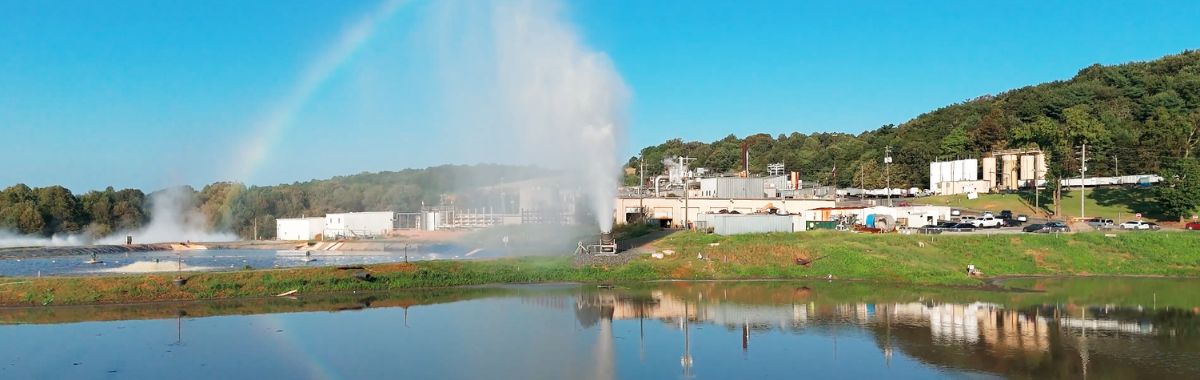
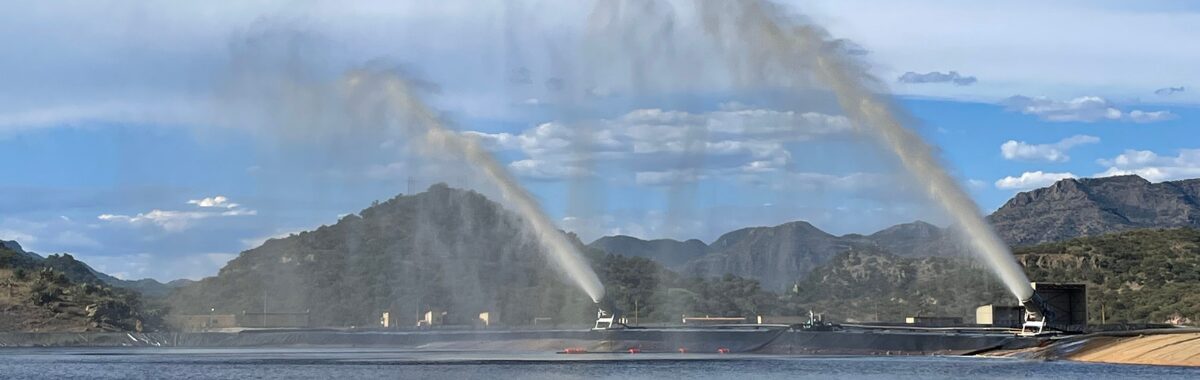
Mechanical evaporation uses engineered systems to accelerate the natural evaporation process. Instead of relying solely on sun and wind to evaporate water from large ponds, mechanical evaporators atomise water into fine droplets that evaporate rapidly.
This approach offers significant advantages for ZLD applications. Natural evaporation rates depend heavily on local climate conditions. In humid or cold regions, evaporation pond performance drops dramatically. Mechanical evaporation maintains high evaporation rates across weather conditions, making ZLD achievable in locations where passive systems would fall short.
Mechanical evaporation also reduces land requirements. Traditional evaporation ponds need large footprints and carry risks related to liner integrity, wildlife exposure, and seepage. Mechanical systems concentrate evaporation capacity into smaller areas, freeing up land for other uses.
What types of mechanical evaporation systems work for mining?
Mining operations typically consider two main types of mechanical evaporation systems: land-based units and floating units. Land-based evaporators are installed adjacent to water storage areas and draw water from ponds, dams, or tanks through connected pipework.
Floating evaporators operate directly on water bodies such as tailings dams or pit lakes. By evaporating water at the source, they reduce the need for additional pumping infrastructure. This configuration is often well suited to sites with large accumulated water volumes or limited access to surrounding land.
Both system types use atomisation to disperse water into ultra-fine droplets. This increased surface area supports faster evaporation, allowing mechanical systems to achieve evaporation rates well beyond natural processes alone. Minetek’s mechanical evaporation systems use patented technology to process large water volumes per minute, including water with high total dissolved solids and suspended solids.
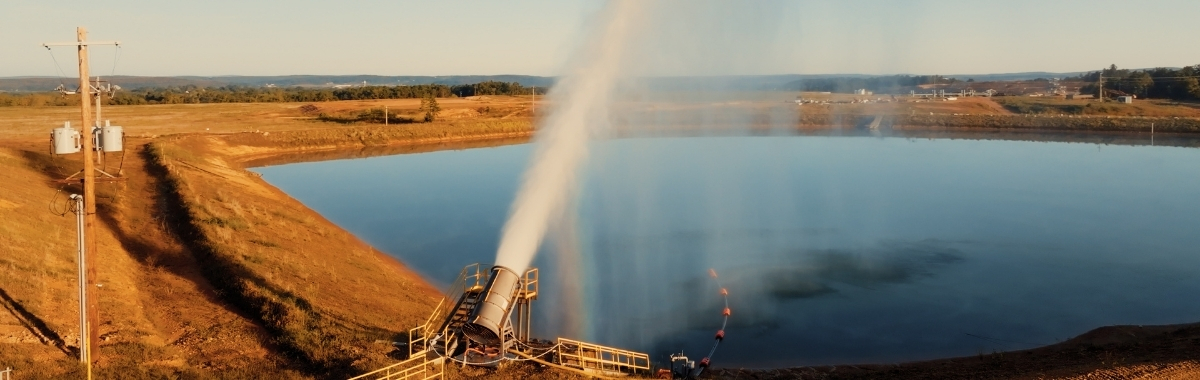
Why mine sites need a specialised ZLD approach.
Generic ZLD systems designed for industrial plants often overlook factors that are critical in mining applications. Mine water chemistry can vary significantly depending on ore body composition, processing methods, and site geology. Tailings water may contain elevated metals, sulfates, or other constituents that require specific handling.
Mine sites also operate under a distinct set of constraints. Operations often run continuously, water volumes can shift rapidly during rainfall events, and remote locations may limit access to specialised maintenance support. As a result, a ZLD strategy developed for a chemical or manufacturing plant may not translate effectively to a mining environment.
Mining operations also have different lifecycle requirements. Unlike permanent industrial facilities, mines operate within defined life spans that can include expansion, transition, and closure phases. A ZLD system therefore needs to support current operations while remaining flexible enough to accommodate future site changes and eventual closure planning.
What water streams should a mine site ZLD strategy address?
Effective mine site ZLD planning begins with a clear understanding of all water streams requiring management. Each stream presents different characteristics that influence treatment requirements, infrastructure design, and operating priorities. While water profiles vary by operation, a comprehensive ZLD strategy should consider both routine and site-specific streams across the broader water balance.
Key water streams may include:
- Tailings water: Often one of the highest-volume streams on site, with the potential to contain elevated solids, metals, sulfates, and residual process contaminants.
- Process water: Water from milling and separation circuits may contain reagents, dissolved metals, and suspended solids that affect treatment and reuse options.
- Pit dewatering water: As mining progresses deeper, groundwater inflows often increase. This water may contain elevated salinity, metals, or other dissolved constituents requiring careful management.
- Stormwater runoff: Runoff from disturbed areas can introduce significant seasonal variability, particularly during heavy rainfall events.
- Wastewater: Site-generated wastewater from workshops, washdown areas, and other operational facilities may also need to be incorporated into the ZLD strategy, depending on contamination risks and disposal constraints.
- Acid mine drainage: Where sulfide mineral exposure is present, acid mine drainage can create a complex and high-risk water stream that requires specialised treatment and containment.
- Closure-related water inventories: Water remaining in pits, tailings storage facilities, ponds, or other site infrastructure during closure planning may require long-term management under a ZLD framework.
A robust ZLD strategy considers how these streams interact and how volumes and water quality may shift over time. This supports a system design that can manage combined loads, respond to variable conditions, and maintain operational flexibility across active operations, transition phases, and closure planning.
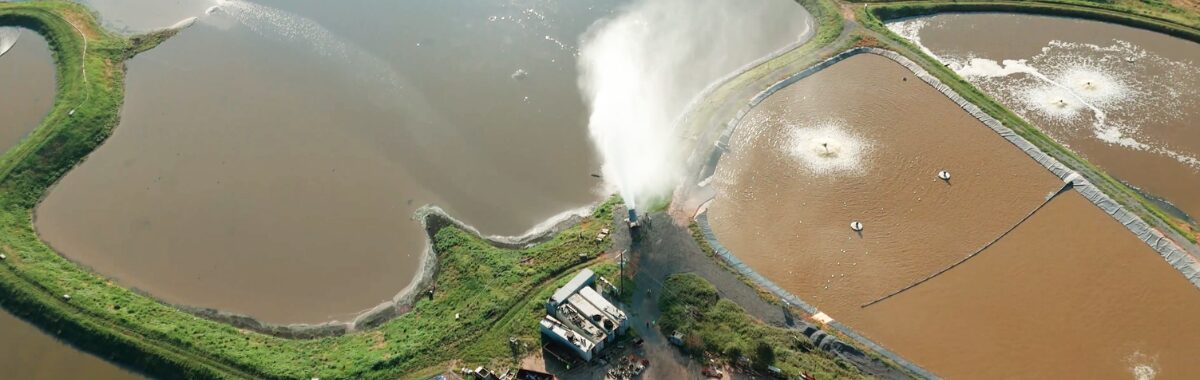
Step-by-step guide to designing a mine site ZLD system.
Designing a mine site ZLD system requires a structured approach that accounts for site water balance, water chemistry, operational constraints, and long-term closure planning. The steps below outline a practical framework for developing a system suited to mining conditions.
Step 1: Assess the site water balance
Map all major water inputs and outputs across the site, including rainfall, groundwater inflows, process water use, evaporation losses, and existing discharge points. Seasonal variation, expansion plans, and future changes in mine depth or geology should also be considered, as these factors can significantly affect system sizing and performance.
Step 2: Characterise each water stream
Analyse key water streams for parameters such as total dissolved solids (TDS), total suspended solids (TSS), pH, metals, and other contaminants of concern. This data helps guide equipment selection, material requirements, and system design for challenging mining water conditions.
Step 3: Select the right evaporation system
System selection should reflect site layout, storage configuration, climate, and operating preferences. Land-based evaporators are often suited to sites with accessible ground near storage areas, while floating evaporators can work well for tailings dams or pit lakes where evaporation at the source reduces pumping needs.
Step 4: Design for automation and environmental control
Modern ZLD systems should include weather monitoring and automated controls to optimise performance under changing conditions. Automation can help maximise evaporation efficiency, reduce operator workload, and minimise drift or overspray during unfavourable weather.
Step 5: Plan for residuals management
ZLD systems concentrate contaminants into a smaller volume of brine or solids, so a residuals management plan is essential. Disposal, containment, or potential recovery pathways should be assessed early to ensure alignment with regulatory requirements and long-term site planning.
Step 6: Integrate with operations and closure planning
A ZLD system should be designed as part of the broader mine water strategy, not as a standalone process. It should support ongoing operations, respond to abnormal events such as heavy rainfall or outages, and remain aligned with closure objectives and end-of-mine-life planning.
Economic considerations for mine site ZLD.
ZLD requires upfront capital investment, but the economics often become more favourable when assessed across the full life of mine. Conventional water management can carry ongoing costs tied to treatment, pumping, storage, disposal, and compliance risk. A well-designed ZLD strategy can reduce that long-term burden.
What are the CAPEX and OPEX factors for mechanical evaporation?
Capital costs typically include equipment, installation, and commissioning. Compared with more complex concentration technologies such as thermal evaporators or advanced membrane systems, mechanical evaporation can offer a lower-cost pathway for large-volume mining applications.
Operating costs generally include power, maintenance, and labour. Automated mechanical evaporation systems are designed to reduce operator intervention while supporting reliable performance under variable site conditions.
How does ZLD affect total cost of ownership?
The total cost of ownership extends beyond equipment and energy use. Reducing or eliminating discharge can lower compliance exposure, reduce reliance on water storage infrastructure, and limit long-term liability associated with accumulated water.
ZLD can also improve closure economics. Sites with lower stored water volumes and reduced contamination risk may face simpler closure requirements and lower post-closure management obligations.
Regulatory compliance and permitting considerations.
Mine water regulations vary by jurisdiction, but the overall direction is clear. Discharge controls are tightening, scrutiny is increasing, and operations are under greater pressure to demonstrate long-term water management discipline.
What permits may still apply?
ZLD systems generally reduce reliance on discharge permits, but approvals may still be required for water storage, residuals disposal, and, in some cases, drift or air emissions management. Early engagement with environmental advisers and regulators helps clarify approval requirements and can reduce delays later in the planning process.
How does ZLD support long-term compliance?
By reducing dependence on discharge pathways, ZLD can help operations prepare for stricter future effluent limits. It can also support broader environmental performance objectives by demonstrating a more controlled and proactive approach to mine water management.
Operating a mine site ZLD system effectively.
Long-term ZLD performance depends on more than system design alone. Monitoring, maintenance, and the ability to respond to changing site conditions all influence how effectively the system performs over time.
How should system performance be monitored?
Performance monitoring should track evaporation rates, energy use, residuals generation, and water quality across major streams. Reviewing these indicators against design expectations helps identify shifts early and supports more stable operation.
Automated monitoring and remote control systems can improve site visibility and reduce response times when operating conditions change.
What maintenance and operating challenges should be planned for?
Mechanical evaporation systems are generally designed for lower maintenance than many treatment-intensive alternatives, but routine inspection remains important. Typical activities include nozzle checks, pump servicing, and control system verification.
Sites also need to plan for seasonal volume changes and water chemistry shifts over time. Modular system capacity, appropriately sized storage, ongoing water quality monitoring, and critical spare parts can all help maintain performance under changing mining conditions.
Comparing ZLD technologies for mining applications.
Several technologies can support ZLD objectives, but they differ significantly in cost, complexity, and suitability for large mine water volumes.
How does mechanical evaporation compare to thermal evaporation?
Thermal evaporators use heat to drive evaporation in enclosed vessels and can be effective for smaller-volume or tightly controlled recovery applications. However, their energy demand often makes them less practical for the large water volumes commonly found in mining.
Mechanical evaporation accelerates natural evaporation through atomisation and ambient conditions, making it better suited to high-volume mine water management in many cases.
How does mechanical evaporation compare to membrane systems?
Membrane systems can support water reuse by separating cleaner water from dissolved contaminants, but they often require extensive pretreatment and still generate concentrate streams that need further management.
Mechanical evaporation can work more directly on challenging mine waters, including streams with high dissolved or suspended solids, which can make it a more practical route to ZLD for many mining applications.
ZLD considerations across different mining operations.
ZLD strategies need to reflect mining method, water source, and site layout. The same system design will not suit every operation.
- Open pit operations: Often need to manage pit dewatering, runoff, and large surface water inventories. Floating or land-based evaporation systems may be selected based on storage layout, land access, and pumping requirements.
- Underground operations: Often deal with groundwater inflows, shifting water chemistry, and increasing dewatering demand as mining progresses deeper. Surface storage and modular expansion can help support changing requirements over time.
Future outlook for mine site water management.
Mine water management is expected to become more demanding as discharge regulations tighten, climate variability increases, and expectations around environmental performance continue to rise.
At the same time, advances in atomisation, automation, materials, and energy integration are expanding the role of mechanical evaporation in mining water strategies. For operations planning over the full life of mine, ZLD is increasingly being evaluated not only as a compliance measure, but as a longer-term water management strategy.
FAQs about Zero Liquid Discharge (ZLD) for mine sites in 2026
Zero liquid discharge is a water management strategy that eliminates all liquid wastewater releases from your mine site. Instead of treating and discharging water, ZLD systems concentrate wastewater to minimal solid residuals for disposal or recovery. This approach removes discharge permit requirements and reduces environmental liability.
Mechanical evaporation accelerates natural evaporation by atomising water into ultra-fine droplets that evaporate rapidly. Systems use electric motors and pumps to disperse water through specialised nozzles. Minetek mechanical evaporation technology processes vast quantities of water per minute, even water with high dissolved and suspended solids content.
Mechanical evaporation handles diverse water types including tailings water, pit dewatering, process water, and stormwater runoff. Systems can manage high-TDS and high-TSS waters that would damage membrane-based alternatives. Minetek evaporators feature low-fouling nozzles and heavy-duty construction designed for challenging mining water conditions.
Mechanical evaporation requires significantly less land than traditional evaporation ponds. Land-based units have compact footprints with skid mobility for repositioning. Floating systems operate directly on existing water bodies, eliminating additional land requirements entirely while evaporating water at the source.
Mechanical evaporation systems require minimal maintenance compared to chemical treatment processes. Regular tasks include nozzle inspection and cleaning, pump servicing, and control system checks. Minetek systems feature accessible designs that simplify maintenance and low-fouling components that extend service intervals.
ZLD simplifies mine closure by reducing accumulated water volumes and eliminating ongoing discharge management requirements. Sites implementing ZLD during operations often face faster remediation timelines and reduced post-closure monitoring obligations. This can significantly reduce total closure costs and liability exposure.
Modular mechanical evaporation systems scale capacity to match seasonal variations. Deploy additional units during wet periods and reduce operations during dry periods. Water storage buffers variable inflows against steady evaporation capacity. Minetek systems offer flexible configurations that adapt to changing site conditions throughout the year.
Mechanical evaporation requires less energy than thermal evaporation technologies because it enhances natural processes rather than replacing them entirely. Electric motors power the atomisation process. Minetek’s Environmental Management System optimises operation based on weather conditions to maximise efficiency and minimise energy consumption.