 Italian
  English (United States)
  English
  Spanish
  Portuguese
  French
  Indonesian
 Filter system design affects maintenance planning in mine water operations by shaping cleaning frequency, labour requirements, and system reliability over time.
When filters are not designed for the solids profile and variability of site water, maintenance demands can increase quickly and place added pressure on operational continuity.
For mining operations, solids management is not only about protecting equipment. It also influences servicing frequency, maintenance predictability, and the reliability of water infrastructure during both routine and high-pressure operating periods. Filter design should therefore be treated as part of long-term maintenance strategy, not as a secondary equipment consideration.
Maintenance pressures in mine water.
- Filter performance: Filter system design shapes cleaning frequency, servicing requirements, and overall maintenance demands in mine water operations.
- Solids loading: Higher solids volumes can accelerate filter fouling, increase maintenance frequency, and affect long-term system reliability.
- Workforce impact: Frequent cleaning can place added pressure on maintenance teams and increase labour demands across site operations.
- Operational continuity: Poorly matched filter systems can reduce system availability and disrupt broader water management performance.
- Excess water management: Minetek Water evaporators support excess mine water management, tailings water management, pit dewatering support, emergency water management, and broader site water balance strategies.
Why does filter system design affect maintenance planning in mine water operations?
Filter system design affects maintenance planning because it determines cleaning frequency, labour demands, and system reliability. When filters are not aligned with solids loading and changing water conditions, maintenance becomes more frequent, less predictable, and more disruptive to mine water operations.
A filter system does more than remove solids. It also shapes how easily the system can be maintained over time. In mine water operations, a system that performs well under steady conditions may require significantly more upkeep as solids volumes increase, water quality varies, or service access becomes more difficult.
Maintenance planning should therefore begin with system design. Filters need to be selected and configured based on long-term operating conditions, not only initial performance requirements.
| Filter design factor | Maintenance effect | Operational impact |
| High solids loading | Faster fouling | More frequent cleaning |
| Variable water quality | Unpredictable servicing needs | Harder maintenance scheduling |
| Limited service access | Longer maintenance tasks | Higher labour demand |
| Poor system fit | Repeated manual intervention | Reduced reliability |
For mine sites managing variable water conditions, effective filter design supports more predictable maintenance intervals, improved system availability, and more reliable long-term water management.
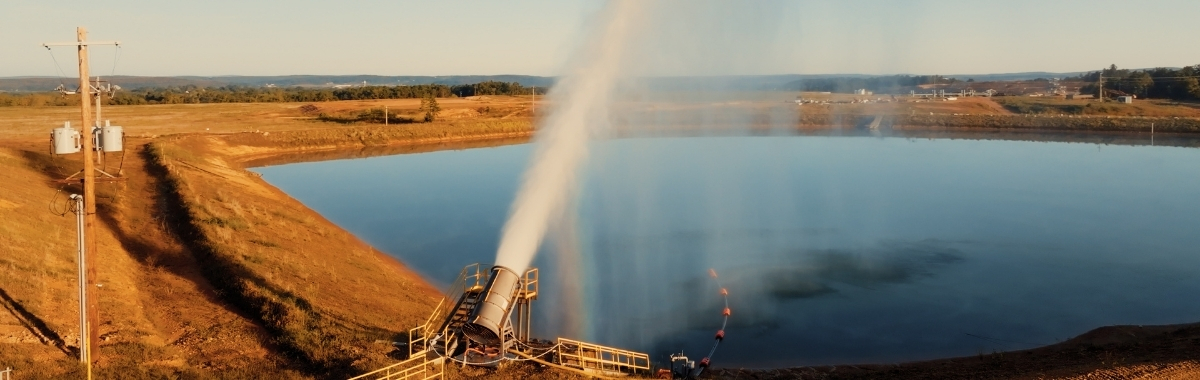
How do solids affect filter cleaning frequency and system reliability?
Solids affect filter cleaning frequency by increasing the rate of fouling, which shortens servicing intervals and raises maintenance demands. As solids loading increases or water quality becomes more variable, filter performance can decline faster, making system reliability harder to maintain over time. In mine water operations, solids are rarely consistent. Sediment, suspended fines, slurry-related material, and debris can all change how quickly filters block, lose efficiency, or require intervention.
This makes maintenance planning more difficult because cleaning needs often shift with site conditions.
- Higher solids loading: More material reaches the filter, increasing buildup and shortening cleaning intervals.
- Fine suspended solids: Smaller particles can accumulate quickly across filter surfaces and reduce filtration efficiency.
- Variable particle size: Changing solids profiles can make servicing needs less predictable over time.
- Debris and coarse material: Larger material can increase blockage risk and interrupt normal system performance.
When filters are not designed for the solids profile they need to handle, maintenance intensity can increase quickly. Over time, this can reduce system availability, disrupt routine water management, and make long-term performance harder to sustain.
How should mine sites plan maintenance for filter systems?
Mine sites should plan filter maintenance around solids loading, water variability, service access, and available labour. A practical maintenance plan helps sites reduce reactive cleaning, improve servicing predictability, and maintain more reliable water system performance over time. A clear maintenance planning process should include:
- Assess the solids profile
Review the expected solids volume, particle size, and material type the filter system will need to handle under normal and variable operating conditions. - Account for water variability
Consider how rainfall, production activity, pit conditions, or changes in site water balance may affect filter loading over time. - Review cleaning and service access
Confirm whether filters can be inspected, cleaned, and maintained efficiently within the physical constraints of the site. - Match maintenance demands to site resources
Evaluate how often servicing may be required and whether site labour and maintenance schedules can realistically support that demand. - Plan for long-term operating conditions
Select filter systems based on how they will perform over time, not only how they perform at initial commissioning.
Maintenance planning is more effective when maintainability is treated as part of system design for mine water operations. This helps reduce servicing pressure, improve system availability, and support more consistent long-term performance.
How does evaporation support broader mine water management strategies?
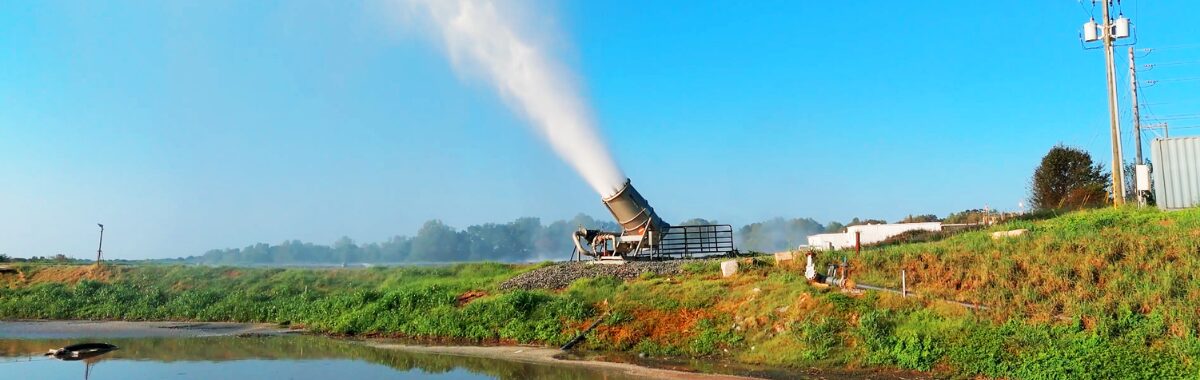
Evaporation supports broader mine water management strategies by helping operations remove excess water, reduce pressure on storage infrastructure, and maintain greater control over site water balance.
In mining environments where water volumes can change quickly, evaporation can complement other water management systems and support more reliable long-term performance. This is particularly relevant where sites are managing:
- excess mine water accumulation
- tailings water volumes
- pit dewatering pressures
- emergency water during rainfall events
- broader water balance constraints across site infrastructure
Evaporation is a cost-effective complement to broader mine water management strategies, helping operations remove excess water without relying solely on storage, transport, or disposal pathways. When stored water volumes begin to affect capacity, access, or operational flexibility, evaporation can provide a practical way to reduce pressure on site infrastructure and improve water balance control.
Minetek Water evaporators are engineered for high-capacity water removal in demanding mining environments, with evaporation capacity of up to 135 m³/hour per system through scalable modular units. They are designed to manage challenging water conditions across pH 1–14, including high TDS/TSS, saline, acid, and caustic water sources.
Available in land-based or floating configurations for pits, dams, and TSFs, Minetek Water evaporators support broader site water balance strategies with automated controls that adjust to real-time weather conditions. This helps operations remove excess water with a low footprint, low power demand, and greater operational flexibility.
Reliable mine water management starts with practical system design.
Long-term performance depends on more than water removal capacity alone. Filter design, solids management, and maintenance planning all influence how reliably a system can operate over time. A practical design approach helps sites reduce maintenance pressure, improve operational continuity, and maintain greater control over excess water.
Speak with a Minetek water expert to discover how our evaporation systems can help your operations achieve a sustainable and performing water management.
Domande frequenti
How does filter system design affect maintenance planning in mine water operations?
Filter system design affects maintenance planning by shaping cleaning frequency, servicing requirements, labour demands, and overall system reliability. When filters are not matched to solids loading and changing water conditions, maintenance can become more frequent, less predictable, and more disruptive to broader mine water operations.
How do solids increase filter cleaning frequency in mine water systems?
Solids increase filter cleaning frequency by accelerating fouling and buildup across filter surfaces. As suspended fines, sediment, slurry-related material, or debris accumulate, filters can lose efficiency more quickly and require more frequent cleaning to maintain system performance and continuity.
What should mine sites consider when planning filter maintenance?
Mine sites should consider solids loading, water variability, service access, labour availability, and long-term operating conditions when planning filter maintenance. A practical maintenance plan should reflect how the system will perform over time, not only how it performs at initial commissioning.
How can poor filter design affect mine water system reliability?
Poor filter design can reduce mine water system reliability by increasing servicing frequency, raising manual maintenance demands, and creating a greater risk of blockage or interruption. Over time, this can reduce system availability and make long-term water management performance harder to sustain.
How does evaporation support broader mine water management strategies?
Evaporation supports broader mine water management strategies by providing a cost-effective way to remove excess water and reduce pressure on storage infrastructure. Used alongside other water management systems, Minetek water evaporators can help operations improve water balance control, maintain operational flexibility, and respond more effectively when rising water volumes begin to affect site capacity or access.