 Italian
  English (United States)
  English
  Spanish
  Portuguese
  French
  Indonesian
 Industrial noise reduction solutions reduce noise by controlling it at the source, interrupting how it travels, or limiting exposure at the point of impact. In mining and industrial environments, the right approach depends on the equipment, required noise reduction, operational constraints, and compliance targets. Common solutions include engineered sound attenuation systems, acoustic enclosures, silencers, barriers, vibration control treatments, and ventilation modifications. These methods are used to help reduce workplace exposure, support environmental compliance, protect nearby communities, and maintain safe, productive operating conditions across complex industrial sites.
Heavy machinery in mining operations, manufacturing plants, and power generation facilities can generate noise levels that affect worker safety, community relations, and regulatory standing. For environmental managers, EHS leaders, and operations directors, reducing equipment noise without compromising performance remains a critical operational priority.
Minetek delivers engineered industrial noise reduction solutions that help operations meet regulatory requirements while maintaining equipment reliability and productivity. This guide outlines 10 noise control methods ranked by cost and performance to support informed decision-making across industrial facilities.
Quick guide: 10 noise reduction solutions for industrial facilities.
- Minetek M-STEALTH: Engineered sound attenuation system for mobile mining and industrial equipment
- Acoustic enclosures: Fixed structures designed to contain noise from stationary machinery
- Vibration damping: Materials that reduce noise radiated by panels and housings
- Sound barriers: Walls and partitions that block noise transmission
- Industrial silencers: Devices that reduce exhaust and vent noise
- Acoustic absorption panels: Surface treatments that capture sound reflections
- Vibration isolation pads: Mountings that prevent vibration transfer
- Fan optimisation retrofits: Aerodynamic modifications for quieter ventilation
- Pneumatic exhaust silencing: Attachments that reduce compressed air noise
- Machine guard modifications: Existing guards adapted into acoustic barriers
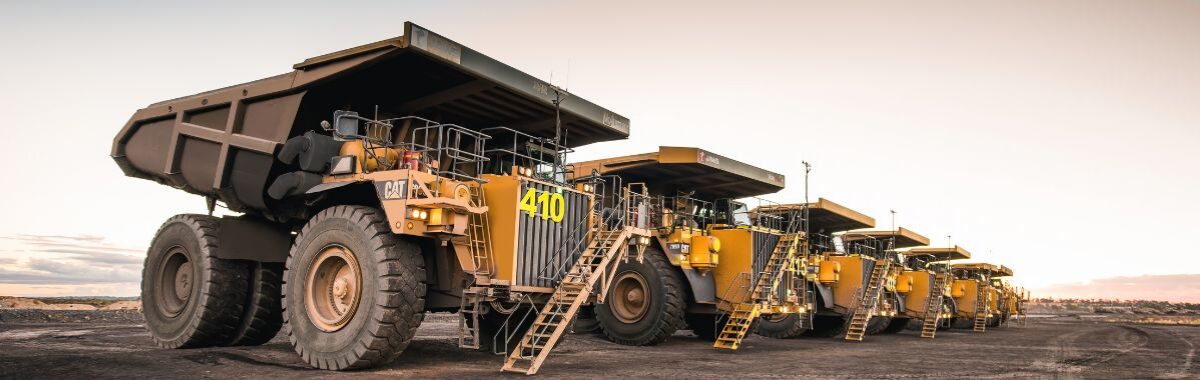
The 10 noise reduction solutions for mining, manufacturing, and power generation.
Industrial facilities use a range of noise control methods to manage risks related to worker exposure, environmental compliance, and community impact. The 10 solutions below address different equipment types, operating conditions, and acoustic challenges, from mobile mining fleets to stationary plant infrastructure.
1. Minetek M-STEALTH: Best overall sound attenuation system for industrial equipment.
Minetek’s M-STEALTH™ system is an engineered sound attenuation system designed to reduce noise from heavy mobile equipment while preserving machine performance. It is used on assets such as haul trucks, excavators, dozers, and generators where operations need to lower site noise levels without compromising airflow, backpressure, payload, or reliability.
Unlike generic acoustic treatments, M-STEALTH targets specific noise sources through engineered design informed by sound intensity testing and acoustic visualisation. This approach allows noise reduction strategies to be tailored to the actual operating profile of each machine rather than relying on standardised treatments.
The system is engineered to maintain OEM backpressure levels while reducing exhaust surface temperatures below 150°C. This removes the need for thermal blankets and can help reduce maintenance-related downtime. Minetek has fitted more than 3,000 mining machines globally with sound attenuation packages, with site noise reductions of up to 50% reported across selected applications.
Minetek delivers custom-engineered solutions tailored to specific equipment and operating conditions. Supported by in-house acoustic engineering capability, each M-STEALTH package is designed to maximise noise reduction while preserving machine payloads and airflow. The dual-skin exhaust construction is built to resist rust and heat-related stress, supporting longer service life than traditional sound-suppressed systems.
M-STEALTH features
- Dual-skin exhaust system: Designed for durability, with resistance to heat stress and corrosion that supports longer service intervals between replacements.
- AS 5062:2022 fire prevention protection: Built to support compliance with Australian fire prevention requirements for mobile and fixed plant.
- OEM-compatible design: Designed for compatibility with Caterpillar, Hitachi, Komatsu, Liebherr, and other major equipment manufacturers.
- Reduced exhaust surface temperature: Surface temperatures remain below 150°C, eliminating the need for thermal blankets and reducing burn hazard risks.
- Site-specific engineering: Each system is based on acoustic testing of the actual equipment rather than generic specifications.
- Minimal weight impact: Engineered to preserve machine payloads so productivity is not unnecessarily affected by noise compliance measures.
M-STEALTH advantages
- Reduces site noise by up to 50% while maintaining machine performance
- Backed by more than 40 years of noise management experience
- Custom engineering supports equipment-specific and compliance-driven requirements
Implementation considerations
- An initial acoustic assessment supports a more accurate, equipment-specific solution design
- Installation scheduling is coordinated to minimise disruption to maintenance and production plans
- Best suited to mobile equipment applications, with complementary solutions available for fixed plant noise sources
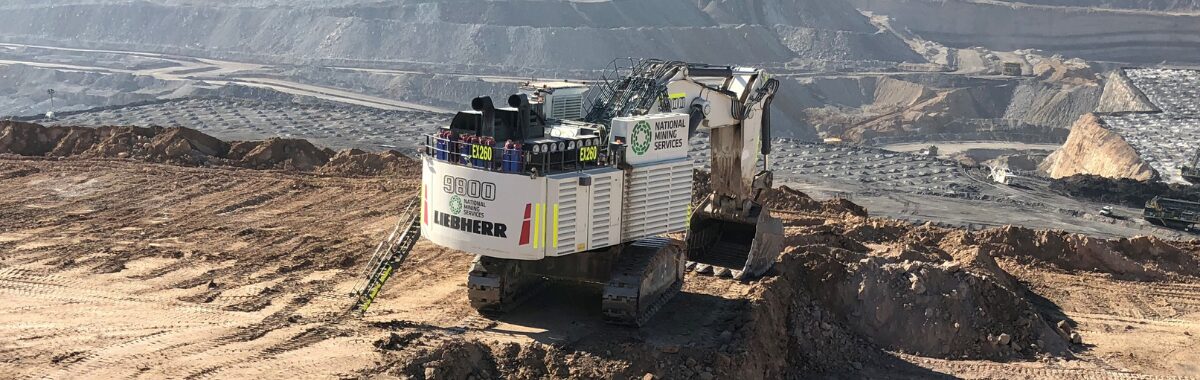
2. Acoustic enclosures: Best for stationary equipment noise containment
Acoustic enclosures are fixed structures designed to contain noise from stationary equipment at the source. Minetek acoustic enclosures apply this approach to pump systems and fixed plant areas where operations need to reduce noise while maintaining safe access, airflow, and equipment performance.
Designed for demanding industrial conditions, Minetek acoustic enclosures combine weatherproof construction, resistance to grease and contaminants, airflow management, and high-quality sound media to support reliable acoustic performance. This makes them well suited to mining and industrial sites where durability, ventilation, and maintenance access are essential.
For operations managing fixed plant noise, Minetek acoustic enclosures provide a practical way to contain sound within designated areas and support a quieter working environment. Each enclosure is engineered to suit the specific pump or stationary equipment being attenuated, helping operations manage noise in a way that supports occupational health and safety compliance outcomes.
Minetek acoustic enclosure features
- Application-specific engineering: Designed to specification for the specific pump or stationary equipment being attenuated
- Weatherproof construction: Built for demanding environments with resistance to grease and other contaminants
- Ventilation integration: Engineered to maintain adequate airflow while controlling noise
- High-quality sound media: Designed for demanding acoustic applications
- Noise containment for designated areas: Supports pump room and fixed plant noise control within defined operating zones
Advantages
- Supports effective noise containment for stationary equipment and fixed plant areas
- Extends Minetek’s sound attenuation capability beyond mobile equipment
- Combines acoustic control with weather protection and site durability
- Can be customised to suit pump systems and other stationary noise sources
Implementation considerations
- Requires sufficient space around the equipment for enclosure design, access, and installation
- Ventilation and thermal management need to be engineered alongside acoustic performance
- Best outcomes depend on equipment-specific design rather than standard enclosure layouts
- Most effective where stationary noise can be contained within a defined operating area
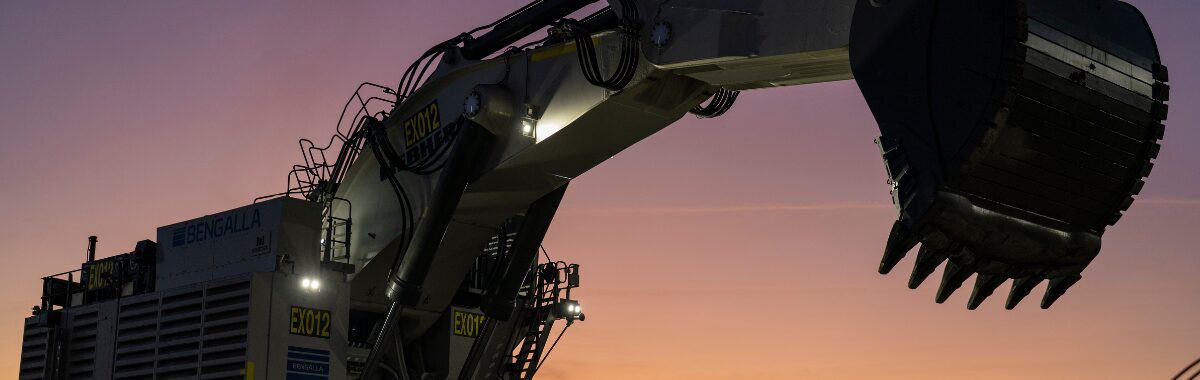
3. Vibration damping: Best for reducing noise radiated by panels and housings
Vibration damping reduces noise by treating metal surfaces that radiate sound during equipment operation. In mining and industrial environments, guards, conveyor housings, tanks, and similar components can amplify mechanical noise when vibration causes them to act as secondary sound sources.
This approach applies damping materials or sound-deadened steel to existing components to reduce structure-borne vibration and limit radiated noise. It is most effective where thin metal surfaces contribute significantly to overall equipment noise and where operations need a retrofit-friendly solution with minimal disruption.
Vibration damping features
- Constrained layer damping: Uses high-damping material between metal layers to dissipate vibration energy
-
Retrofit application: Can be applied to existing equipment without major structural modifications
-
Targeted surface treatment: Focuses on panels and housings that contribute most to radiated noise
- Material flexibility: Can be implemented using different damping materials depending on the operating environment
Advantages
- Addresses noise at the source rather than along the transmission path
- Can be retrofitted to existing equipment with limited disruption
- May help reduce vibration-related wear on treated components
- Well suited to plant areas where panels and housings amplify equipment noise
Implementation considerations
- Best suited to surfaces that have been identified as significant noise radiators
- Less effective on thicker or heavily reinforced panels
- Multiple treatment areas may be required to achieve meaningful overall noise reduction
Often most effective when used as part of a broader site noise management strategy
4. Sound barriers: Best for blocking noise transmission paths
Sound barriers reduce noise by interrupting the path between the source and the receiver. In mining and industrial environments, they are commonly used to shield workers, nearby infrastructure, or site boundaries from equipment noise where direct containment is not practical.
These barriers can take the form of fixed acoustic walls or movable curtain systems, depending on the site layout and operating conditions. Their effectiveness depends on correct placement, sufficient height and width, and limiting gaps that allow noise to pass through.
Sound barrier features
- Fixed acoustic walls: Permanent structures for defined noise control zones
- Curtain barriers: Flexible systems for changing plant layouts
- Absorptive surfaces: Help reduce reflected noise on the source side
Advantages
- Helps create quieter zones in open plant areas
- Does not require modification to the equipment
- Flexible options are available for changing operations
Implementation considerations
- Performance depends heavily on barrier placement and coverage
- Gaps and openings can reduce effectiveness
- Best suited to blocking transmission rather than reducing noise at the source
5. Industrial silencers: Best for reducing exhaust and vent noise
Industrial silencers reduce noise from exhaust systems, steam vents, and pressure relief points. In mining and industrial environments, they are commonly used where discharge noise needs to be controlled without significantly affecting airflow or system performance.
These systems are typically designed as absorptive or reactive silencers, depending on the frequency profile and operating conditions. When correctly specified, they can deliver meaningful noise reduction while supporting reliable operation across a range of temperature and pressure conditions.
Industrial silencer features
- Absorptive silencers: Reduce high-frequency exhaust and vent noise
- Reactive silencers: Control low-frequency pulsation noise
- Application-specific designs: Suited to different pressure, temperature, and flow requirements
Advantages
- Reduces noise directly at the emission point
- Available for a wide range of industrial applications
- Can support noise control without major equipment changes
Implementation considerations
- Performance depends on correct sizing and specification
- Backpressure must be managed in the design
- Multiple discharge points may require separate treatment

6. Acoustic absorption panels: Best for reducing reverberation in enclosed spaces
Acoustic absorption panels reduce reflected noise from hard surfaces such as concrete walls, metal roofs, and ceilings. In mining and industrial environments, they are used to control reverberation in enclosed spaces where sound buildup can increase overall noise levels.
These treatments are typically installed on walls or suspended from ceilings to capture reflected sound energy rather than block noise at the source. They are most effective in plant areas where hard, reflective surfaces amplify noise and reduce speech clarity.
Acoustic absorption features
- Wall-mounted panels: Reduce reflections from hard vertical surfaces
- Ceiling baffles: Help control noise buildup in high-roof areas
- Material options: Available in different finishes for different operating environments
Advantages
- Helps reduce reverberant noise in enclosed areas
- Can improve speech clarity and warning signal audibility
- Can be added to existing facilities without major construction
Implementation considerations
- Works best in enclosed or semi-enclosed spaces
- Does not reduce direct noise from the equipment itself
- Requires enough treatment area to achieve meaningful results
7. Vibration isolation pads: Best for preventing structure-borne noise
Vibration isolation pads reduce noise by separating vibrating equipment from the structures that support it. In mining and industrial environments, they are commonly used under motors, pumps, compressors, and similar equipment where vibration would otherwise transfer into floors, beams, or platforms.
These pads help limit structure-borne noise and vibration by breaking the rigid connection between the machine and the supporting structure. They are most effective where structural transmission is contributing to overall site noise and where a simple retrofit solution is needed.
Vibration isolation features
- Isolation pads: Separate equipment from supporting structures
- Elastomeric materials: Help absorb transmitted vibration
- Retrofit suitability: Can be installed on existing equipment foundations or mounts
Advantages
- Helps reduce structure-borne noise at the source
- Relatively simple and cost-effective to install
- Can also help protect equipment from transmitted vibration
Implementation considerations
- Performance depends on correct installation and load distribution
- Less effective for some low-frequency vibration conditions
- Only addresses vibration transfer, not airborne noise directly
8. Fan optimisation retrofits: Best for reducing ventilation system noise
Fan optimisation retrofits reduce noise by improving airflow efficiency and reducing turbulence within the fan system. In mining and industrial environments, they are commonly used where poor installation geometry, restrictive ducting, or inefficient airflow is contributing to unnecessary noise.
These retrofits can include aerodynamic modifications, ducting improvements, and speed adjustments to reduce tonal and turbulence-related noise at the source. They are most effective where fan performance and noise control can be improved together.
Fan optimisation features
- Aerodynamic modifications: Reduce turbulence and tonal noise
- Ducting improvements: Improve airflow into and out of the fan
- Speed control options: Lower fan speed where operating conditions allow
Advantages
- Can reduce noise while improving airflow efficiency
- Addresses noise at the source rather than adding containment
- May reduce energy demand in some fan applications
Implementation considerations
- Requires system-specific assessment and design
- Results depend on the existing fan installation and operating conditions
- May require layout changes to support improved airflow paths
9. Pneumatic exhaust silencing: Best for compressed air discharge noise
Pneumatic exhaust silencing reduces noise from compressed air exhaust points. In mining and industrial environments, it is commonly used where unsilenced air discharge creates sharp, high-impact noise across plant areas.
These systems use silencers or manifold arrangements to reduce exhaust noise without unnecessarily restricting performance. They are most effective where compressed air systems have multiple discharge points or repeated noise events across the facility.
Pneumatic exhaust features
- Exhaust silencers: Reduce compressed air discharge noise
- Manifold systems: Combine multiple exhaust points into a single treatment area
- Retrofit suitability: Can be added to existing pneumatic systems
Advantages
- Can deliver significant noise reduction at relatively low cost
- Supports quieter plant conditions without major equipment changes
- Well suited to repetitive compressed air noise sources
Implementation considerations
- Each exhaust point may require treatment
- Performance depends on correct sizing and airflow design
- Best results come from a facility-wide approach rather than isolated fixes
10. Machine guard modifications: Best for adapting existing guards into acoustic barriers
Machine guard modifications reduce noise by improving the acoustic performance of existing safety guards. In mining and industrial environments, this can involve sealing gaps, adding internal absorbent material, or modifying guard panels so they help block and contain airborne noise.
This approach is most effective where existing guards already sit close to the noise source and can be adapted without disrupting safe access or equipment function. It can provide a practical retrofit option where operations want to improve noise control using existing plant structures.
Machine guard modification features
- Gap sealing: Reduces open areas that allow noise to escape
- Internal acoustic lining: Helps absorb reflected sound within the guard
- Panel upgrades: Improves the barrier performance of existing guard surfaces
Advantages
- Uses existing infrastructure rather than adding separate structures
- Can be a practical retrofit option for targeted noise issues
- Supports noise control close to the source
Implementation considerations
- Performance depends on the guard design and remaining openings
- May need to be combined with damping or absorbent treatments
- Must maintain safe access, visibility, and operational function
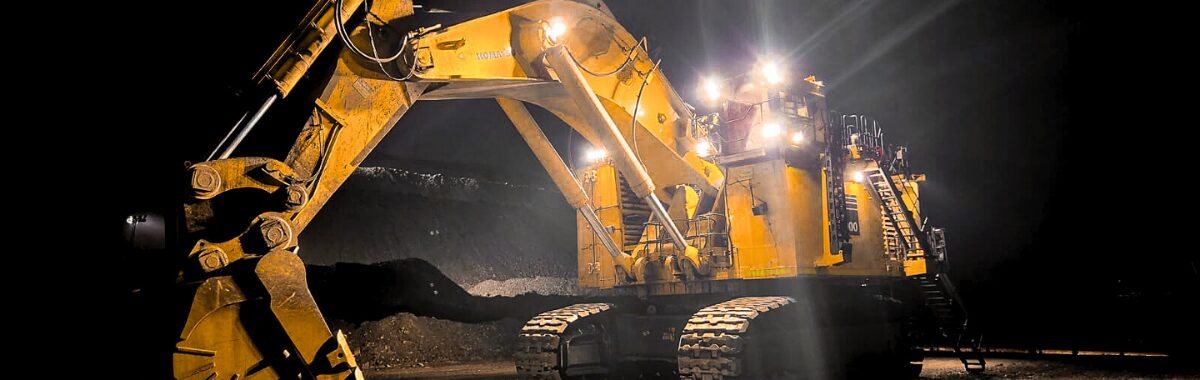
Comparison table: Noise reduction solutions for mining and industrial facilities.
| Soluzione | Best for | Typical application | Mobile equipment | Performance preservation |
|---|---|---|---|---|
| Minetek M-STEALTH | Mobile equipment noise attenuation | Haul trucks, excavators, dozers, generators, blast hole drill rigs, graders, loaders, water trucks | ✓ | ✓ |
| Acoustic enclosures | Stationary equipment noise containment | Pump systems, fixed plant areas | ✗ | ✓ |
| Vibration damping | Reducing noise from panels and housings | Guards, tanks, conveyor housings, metal panels | ✗ | ✓ |
| Sound barriers | Blocking noise transmission paths | Open plant areas, worker zones, site boundaries | ✗ | ✓ |
| Industrial silencers | Exhaust and vent noise reduction | Exhaust systems, vents, pressure relief points | ✗ | Varies |
| Acoustic absorption panels | Reducing reverberation in enclosed spaces | Buildings, workshops, enclosed plant areas | ✗ | ✓ |
| Vibration isolation pads | Preventing structure-borne noise | Pumps, motors, compressors, mounted equipment | ✗ | ✓ |
| Fan optimisation retrofits | Reducing ventilation system noise | Fans, ducted systems, ventilation infrastructure | ✗ | ✓ |
| Pneumatic exhaust silencing | Compressed air discharge noise | Pneumatic exhaust points and air systems | ✗ | ✓ |
| Machine guard modifications | Adapting existing guards into acoustic barriers | Guarded plant and processing equipment | ✗ | ✓ |
How do noise regulations affect manufacturing plant compliance?
Manufacturing facilities face noise limits from multiple regulatory bodies, and the requirements differ between jurisdictions. In the United States, OSHA requires hearing conservation programs when worker noise exposure reaches 85 dB over an 8-hour time-weighted average (TWA). In Australia, Safe Work Australia’s model exposure standard is 85 dB over 8 hours o 140 dB peak, with state and territory regulators enforcing local WHS requirements.
These regulations affect manufacturing plant compliance in several ways:
- Worker exposure management: Sites need to monitor worker noise exposure and act when levels exceed regulatory thresholds.
- Noise control requirements: Engineering or administrative controls may be required where exposure remains too high.
- Environmental compliance: Property boundary and community noise limits can apply in addition to workplace exposure rules.
- Operational planning: Equipment selection, attenuation measures, and maintenance strategies may need to account for compliance obligations.
- Documentation and verification: Noise monitoring records and documented mitigation measures help demonstrate compliance to regulators.
Non-compliance carries financial and operational risks. Fines, legal actions, operating restrictions, and shutdowns until conditions improve can disrupt production schedules. Regular noise monitoring, documented control measures, and effective hearing conservation or workplace noise management programs also help demonstrate good-faith compliance efforts to regulators.
When should operations choose engineered attenuation over generic barriers?
Generic barriers and enclosures are effective for stationary equipment where the noise source can be fully contained. Mobile equipment such as haul trucks, excavators, and dozers requires a different approach because a moving machine cannot be enclosed in the same way as fixed plant.
Engineered sound attenuation systems such as M-STEALTH target specific noise sources on the equipment itself. Minetek designs each package based on acoustic testing of the actual machine, addressing engine, exhaust, and cooling system noise that generic treatments often cannot reach.
Engineered attenuation is typically the better option when:
- mobile equipment operates across the site rather than in fixed locations
- generic treatments would affect machine performance or payload capacity
- documented noise reduction is required for regulatory compliance verification
- OEM warranty preservation and airflow maintenance are key project priorities
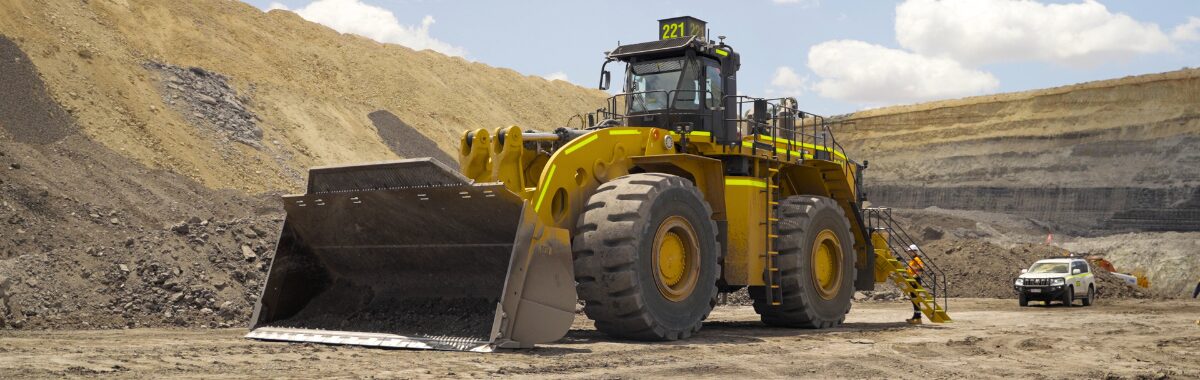
Why is Minetek M-STEALTH the best sound attenuation system for industrial noise?
Minetek stands apart through the engineering approach behind every installation. While some solutions treat noise as a general issue, each M-STEALTH system is designed using sound intensity testing and acoustic visualisation of the specific equipment being assessed. This targeted method supports measurable results rather than estimated improvements.
Minetek has been the original mining noise management specialist since 1984. With sound attenuation solutions developed for over 115 different OEM models and more than 3,000 mining machines fitted globally, M-STEALTH offers a proven track record that operations can rely on. Minetek’s in-house acoustic engineers bring multidisciplinary expertise in mechanical, electrical, and environmental engineering to every project.
For environmental managers and operations leaders seeking compliance without compromising productivity, M-STEALTH provides a practical path forward. The system reduces site noise levels by up to 50% while preserving machine payloads, OEM backpressure requirements, airflow, and maintenance accessibility. Minetek can support operations with an engineered assessment aligned to site and equipment requirements.
Looking for a practical way to reduce site noise while maintaining machine performance?
Talk to one of our Minetek sound attenuation experts about an engineered solution tailored to specific equipment and compliance requirements.
FAQs about industrial noise reduction solutions.
Costs vary significantly based on the approach and scale. Simple treatments like vibration isolation pads cost relatively little per machine, while engineered systems require greater initial investment for design and installation.
Minetek’s approach focuses on total cost of ownership including reduced maintenance downtime and preserved machine performance. Many noise control investments recover costs through avoided regulatory penalties and extended operating hours.
Most facilities need to achieve workplace exposure below 85 dB for an eight-hour average, with engineering controls required above 90 dB. Environmental limits at property boundaries often require reductions to 50-55 dB depending on jurisdiction and time of day.
Minetek helps operators determine specific compliance targets and designs solutions to meet them with documented verification.
Yes, most industrial noise solutions install on equipment already in operation. Minetek’s M-STEALTH system is specifically designed for retrofit installation on existing haul trucks, excavators, and other mobile equipment without requiring new machines. Installation timing coordinates with maintenance schedules to minimise production impact.
Durability varies by solution type. Minetek’s M-STEALTH dual-skin exhaust construction resists rust and heat-related stress, extending service life compared to traditional sound-suppressed systems. The system eliminates thermal blanket requirements, reducing ongoing maintenance needs. Properly installed vibration damping and isolation systems can last the life of the equipment they treat.
Poor noise control design can introduce backpressure, restrict airflow, or add excessive weight. Minetek specifically engineers M-STEALTH to maintain OEM backpressure levels and preserve machine payloads. The dual-skin design enhances fuel efficiency while delivering noise reduction, a combination that protects both compliance and productivity.