 English
  English (United States)
  Spanish
  Portuguese
  French
  Indonesian
  Italian
 Reducing mine water pressure without major civil expansion means lowering stored water volumes without immediately building new ponds, raising dam walls, or committing to larger civil works. Advanced mechanical evaporation can support that approach by helping sites reduce stored water within the existing footprint, while preserving flexibility around timing, capital planning, and longer-term infrastructure decisions.
For many mine sites, water management decisions are shaped by more than storage capacity alone. Available footprint, project lead times, capital allocation, and operational priorities can all influence how quickly larger civil works can be progressed. Where stored water begins to place pressure on existing systems, practical options that reduce volumes earlier can help relieve that pressure without forcing immediate expansion.
For operations balancing day-to-day water management with longer-term planning, reducing stored water can create more room to manage immediate pressure while keeping future infrastructure decisions open.
Key summary: Stored water reduction without major civil expansion.
- Stored water pressure: Sites can reduce pressure on existing water systems by lowering stored water volumes without immediately expanding civil infrastructure.
- Existing footprint: Evaporation systems can help relieve water pressure within the current site footprint, avoiding the need for new ponds or dam lifts in the short term.
- Planning flexibility: Reducing stored water earlier can preserve flexibility around project timing, capital allocation, and longer-term infrastructure decisions.
- Operational practicality: A lower-footprint response can help operations manage day-to-day water pressure while larger civil works are still being assessed.
- Cost-effective strategy: Minetek Water evaporation systems offer a practical, cost-effective way to reduce stored water without committing early to major civil expansion.
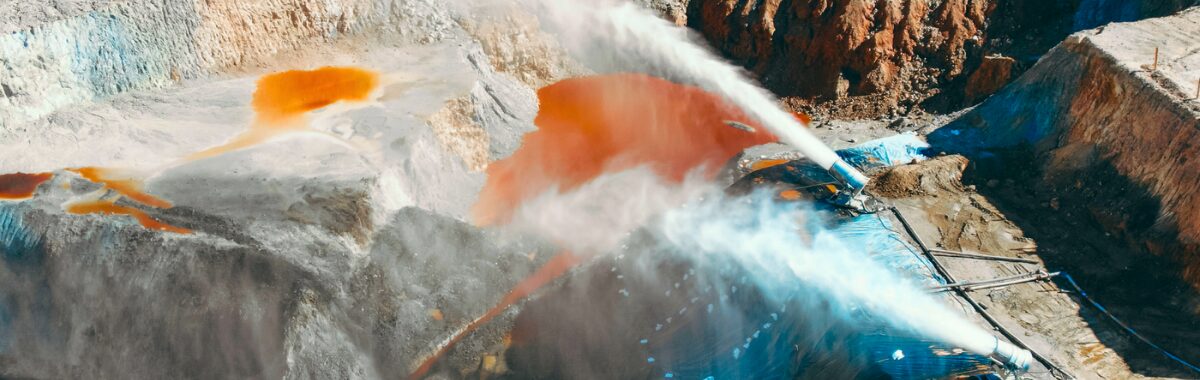
Stored water pressure in mine planning.
Stored water pressure affects more than storage capacity. It can influence how existing water systems are managed and how long facilities can continue operating within their intended parameters. According to the International Council on Mining and Metals in its Water Stewardship Maturity Framework (2023), water represents a material risk for the mining and metals sector that requires effective management.
The need to manage stored water is also tied to broader site planning. In the Global Industry Standard on Tailings Management, the Global Tailings Review states that operators should maintain a water balance model and associated water management plans that take into account mine planning and overall operations.
Reducing stored water can help relieve pressure on existing infrastructure while preserving flexibility around future planning decisions. For sites balancing immediate operational needs with longer-term water strategy, this can provide a more practical way to manage pressure without committing early to major expansion.
Constraints on major civil expansion.
Major civil expansion is not always the most immediate response to rising stored water volumes. New ponds, dam lifts, and related civil works can involve additional design, approvals, site investigations, and sequencing requirements before they can be progressed.
For mine sites, that creates a planning challenge. Water pressure may need to be addressed now, while larger infrastructure decisions still depend on footprint availability, project timing, capital allocation, and broader site priorities.
A lower-footprint response can help bridge that gap. Reducing stored water earlier can ease short-term pressure on existing systems while preserving flexibility around when, where, and how major civil works are pursued.
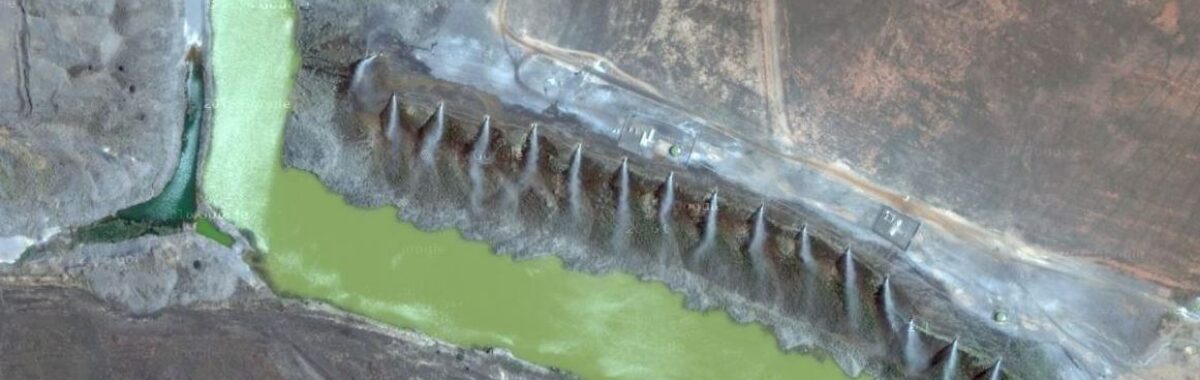
Reducing stored water without infrastructure expansion.
Reducing stored water does not always require immediate infrastructure expansion. For mine sites under pressure, Minetek mechanical evaporation can help lower stored water volumes within the existing footprint while preserving flexibility around longer-term civil planning.
Instead of increasing containment capacity first, sites can focus on reducing excess water earlier. Advanced mechanical evaporation offers a practical way to relieve pressure on existing systems without immediately committing to new ponds, dam lifts, or broader civil works.
This can help operations:
- Reduce stored water volumes within existing infrastructure
- Avoid early commitment to larger-footprint civil expansion
- Create more flexibility around project timing and capital allocation
- Ease short-term pressure while longer-term works are still being assessed
- Support more manageable day-to-day water planning across site operations
Minetek Water evaporation systems for lower-footprint water management.
Minetek Water evaporation systems are designed to reduce stored water quickly without requiring major new infrastructure. With an evaporation rate of up to 135 m³/hour per unit, they give mine sites a practical water reduction option that can be deployed within a smaller operating footprint.
The systems can be introduced quickly within the current footprint, moved as operational needs shift, and expanded over time as water volumes change.
This makes the systems well suited to sites that need:
- Portable deployment across changing site conditions
- Mobile equipment that can be repositioned as operations evolve
- Fast deployment without waiting on major civil works
- Scalable capacity through modular system expansion
For mine sites looking to reduce stored water without immediate civil expansion, this provides a lower-footprint option that is easier to deploy, move, and scale as conditions change.
Relieve water pressure without major civil expansion.
Connect with a Minetek Water expert to explore water management evaporation solutions for your site.
Frequently Asked Questions (FAQs)
It means lowering stored water volumes without immediately building new ponds, raising dam walls, or committing to larger civil works. The focus is on relieving pressure on existing water systems while preserving flexibility around future infrastructure decisions.
Major civil works can require additional footprint, longer lead times, and earlier capital commitment. For sites managing immediate water pressure, lower-footprint options can provide a more practical short-term response while longer-term plans are still being assessed.
Mine sites can reduce stored water through active water removal approaches such as mechanical evaporation. This helps lower water volumes within the existing footprint rather than increasing storage capacity first.
Minetek Water evaporation systems help reduce stored water without major new infrastructure. With evaporation rates of up to 135 m³/hour per unit, they offer portable, mobile, fast-deployment, and scalable water reduction capability for changing site conditions.
Mechanical evaporation can help sites relieve stored water pressure earlier, avoid immediate commitment to major civil works, and manage water volumes within the current footprint. This supports more practical day-to-day mine planning while preserving flexibility for future infrastructure decisions.