 English
  English (United States)
  Spanish
  Portuguese
  French
  Indonesian
  Italian
 Mine water management during early-stage construction and operations often involves conditions that are still changing. Inflows can be unpredictable, storage capacity may be limited, and permanent infrastructure is not yet fully established. These factors can create pressure on ramp-up schedules, restrict site access, and complicate coordination between contractors and operations teams.
A more effective approach focuses on responsive, rapidly deployable systems that can manage water as conditions evolve. By maintaining control before long-term infrastructure is in place, operations can reduce delays and support a smoother transition into steady-state performance.
Key summary: Early-stage water management in mine construction and operations .
- Unpredictable inflows: Water volumes can change quickly before systems are fully established
- Limited infrastructure: Temporary solutions are required before permanent systems are in place
- Impact on ramp-up: Poor water control can delay production readiness and restrict site access
- Need for responsiveness: Early-stage operations require systems that can be deployed and adapted quickly
- Minetek capability: Mobile, low-footprint evaporation systems support early-stage water management without reliance on permanent infrastructure
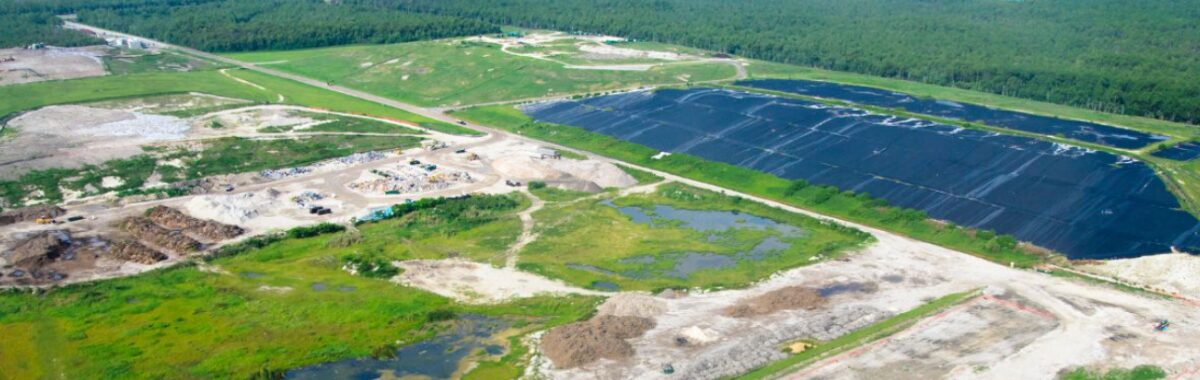
Changing inflows and storage pressure in early-stage operations
Mine water conditions during construction and early operations are rarely stable. As site development progresses, inflows can vary significantly, and storage capacity is often still being established.
This creates a dynamic operating environment:
- Variable inflows: Groundwater and rainfall impacts can change quickly as excavation progresses and new areas are exposed
- Incomplete storage capacity: Permanent ponds, pipelines, and treatment systems may not yet be fully constructed
- Concentrated water pressure: Early-stage activities can create localised areas where water accumulates faster than it can be managed
- Changing site layout: Access, drainage paths, and working areas evolve as construction advances
- Temporary controls: Interim measures may not provide consistent or scalable water management
These conditions mean early-stage water management is often reactive, with limited ability to predict or control how water will move across the site. Without a responsive approach, even moderate inflows can create operational pressure during this phase.
The limitations of early-stage water management without permanent systems
During construction and early operations, water management is typically handled using temporary or partially implemented systems. These setups are necessary, but they are not always designed to manage the variability and scale of early-stage conditions.
Common constraints include:
- Limited capacity: Temporary storage and pumping systems are often designed for expected conditions, not peak inflows. During rainfall events or groundwater surges, water volumes can exceed capacity, leading to rapid build-up and potential overflow risk
- Fragmented systems: Different contractors or teams may implement separate solutions across the site, resulting in inconsistent performance, duplicated effort, and gaps in water coverage between areas
- Manual intervention: Without integrated controls, systems rely heavily on manual monitoring and adjustment. This can slow response times, especially when site conditions change quickly or across multiple locations
- Short-term design focus: Temporary systems are often deployed to address immediate needs, with limited consideration for scalability as construction progresses and inflows increase
- Restricted integration: Early-stage systems are rarely connected into a single coordinated network, making it difficult to manage water holistically across the site or optimise performance
These constraints make it harder to maintain consistent control over water during early-stage operations. As conditions change, systems may fall behind demand, increasing the risk of delays, access restrictions, and inefficiencies across the site.
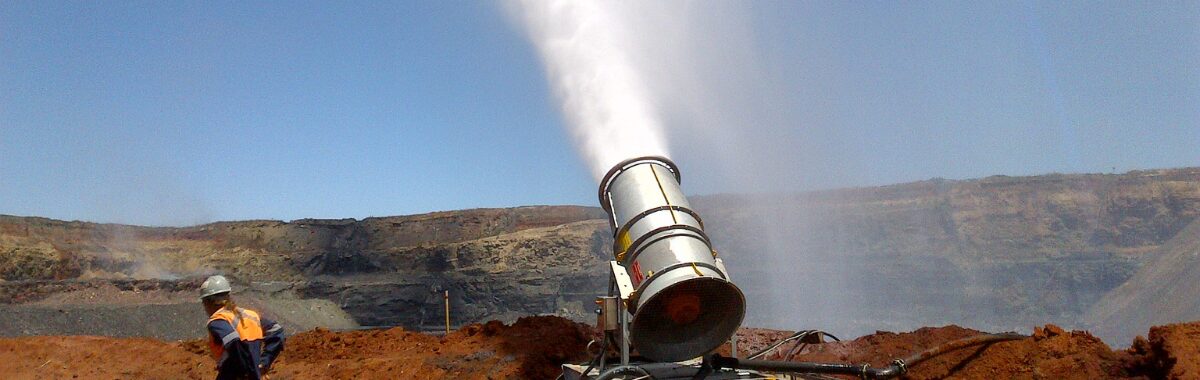
The impact on ramp-up, access, and site efficiency.
Early-stage water management issues can directly affect project timelines and site performance. When water is not controlled effectively, impacts are often felt across multiple areas of the operation.
| Water management issue | Operational impact |
| Excess water accumulation | Delays access to working areas, slowing ramp-up and commissioning |
| Flooded or saturated ground | Restricts movement of personnel and equipment across the site |
| Uncontrolled inflows | Disrupts planned construction sequencing and contractor schedules |
| Inadequate temporary controls | Leads to rework before construction activities can continue |
| Ongoing water handling requirements | Diverts time and resources away from core construction tasks |
These impacts show how early-stage water management is closely linked to ramp-up performance, site access, and overall project efficiency.
Minetek water evaporation systems for early-stage operations.
Early-stage water management requires systems that can operate effectively without relying on permanent infrastructure. Minetek Water evaporators are designed to provide high-capacity water removal with minimal setup, supporting control during construction and early operations.
Key capabilities include:
- High evaporation capacity: Systems can evaporate up to 135 m³/hour per unit, depending on configuration and site conditions, supporting large-scale water removal during peak inflows
- Automated weather response: Systems adjust operation based on real-time environmental conditions, allowing performance to align with changing weather patterns
- Environmental Management System (EMS): Integrated controls optimise evaporation using wind speed, temperature, and humidity data
- Optimised performance: Automated control helps maintain consistent evaporation rates while supporting environmental compliance
Managing early-stage water with greater control.
Early-stage mine water management operates under conditions that are still developing, with changing inflows, limited infrastructure, and increasing pressure on timelines and site access. Decisions made during this phase have a direct impact on how efficiently a site progresses toward full operations.
A responsive approach allows operations to manage these challenges more effectively. By using systems that can be deployed quickly, scaled as needed, and operated continuously, sites can maintain control even before permanent infrastructure is established.
Minetek water evaporation systems support this approach by providing high-capacity, automated water removal with minimal setup. This enables mining operations to manage excess water consistently, reduce delays, and maintain progress through construction and early operations.
Managing water during early-stage construction?
Speak with Minetek about mobile evaporation systems designed for rapid deployment and consistent water control.
FAQs
Early-stage conditions are still developing, with unpredictable inflows, limited storage capacity, and incomplete infrastructure. This creates greater variability and less control compared to steady-state operations.
Uncontrolled water can delay access to key areas, disrupt construction sequencing, and slow commissioning. This can extend ramp-up timelines and impact overall project efficiency.
Temporary systems often have limited capacity, rely on manual intervention, and are not fully integrated across the site. This reduces responsiveness and increases operational risk.
An effective early-stage water management approach uses systems that can be rapidly deployed, repositioned, and scaled as conditions change, allowing operations to maintain control without relying on permanent infrastructure.
Minetek systems provide high-capacity evaporation, automated weather-responsive control, and rapid deployment, enabling consistent water removal during construction and early operations.