Contact Us
Return to news & insights

Minetek sound is enabling quieter, safer and more sustainable mining in Latin America

Publish date: 21 May 2024

After achieving remarkable success with some of the world’s largest mining companies in Australia, Minetek has expanded its Sound Division into Latin America with a dedicated local support team. This expansion brings innovative solutions that reduce site noise levels by up to 50%, ensuring compliance with regulatory and community sound expectations while preventing costly suspensions of mining operations due to noise concerns. This article explores the pressing challenge of noise pollution in Latin American mining regions, the capabilities of Minetek’s Sound Division, and recent success stories showcasing Minetek’s transformative impact on the industry.

Reduce-noise- levels-with-sound- attenuation-image1

Environmental & Safety Challenges Of Noise Pollution

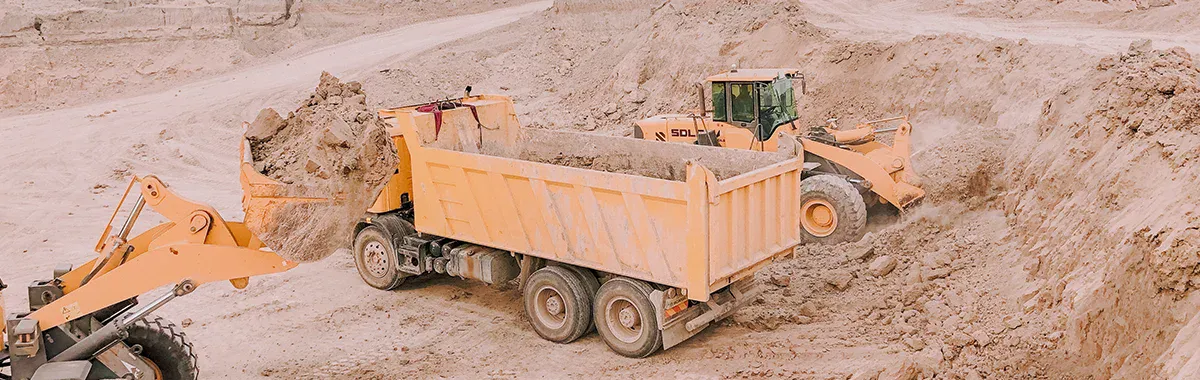
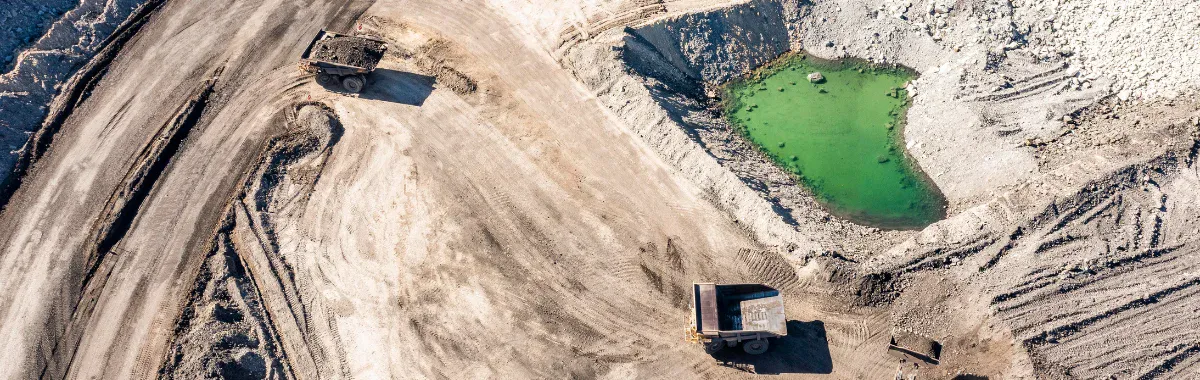
In the mineral-rich regions of Latin America, a formidable challenge of environmental and noise pollution stems from mining operations. This persistent issue has prompted complaints from neighbouring communities and led to temporary suspensions of mining activities. These suspensions aim to initiate dialogues with affected residents, government departments, regulatory bodies, and local authorities.

Notable Cases In Latin America

  • Tintaya Copper Mine, Peru: Complaints from nearby communities regarding noise pollution and environmental impacts led to the temporary suspension of operations.
  • Pascua-Lama Gold Mine, Chile, and Argentina: This mine faced suspension due to concerns related to noise, environmental impacts, and water-related issues. Subsequently, it incurred a $16 million fine, and the Chilean Environmental Protection Agency ordered its “total and definitive closure.”
  • El Torno Gold Mine, Bolivia: Protests by local communities and environmental activists disrupted operations, citing significant noise, ecological and community concerns.
  • Conga Gold Mine, Peru: This mine faced scrutiny and opposition due to noise and water pollution issues.

These case studies vividly highlight the intricate balance that must be struck between mining activities and the well-being of surrounding communities. They underscore the importance of implementing effective noise control solutions to ensure the harmonious coexistence of mining operations and neighbouring communities throughout the region.


Reduce-noise- levels-with-sound- attenuation-image2

Enabling A Safer, Quieter Future For Mining In Latin America

Around the world, mining operations face persistent challenges associated with excessive noise levels, posing risks to operator safety, regulatory compliance, and community satisfaction. Minetek’s Sound Division introduces dynamic and adaptable solutions to mitigate noise from mining machinery, including inside the cab and external environmental noise, enhancing safety and promoting environmentally responsible mining practices.

Minetek’s Comprehensive Sound Solutions For Mining Machinery

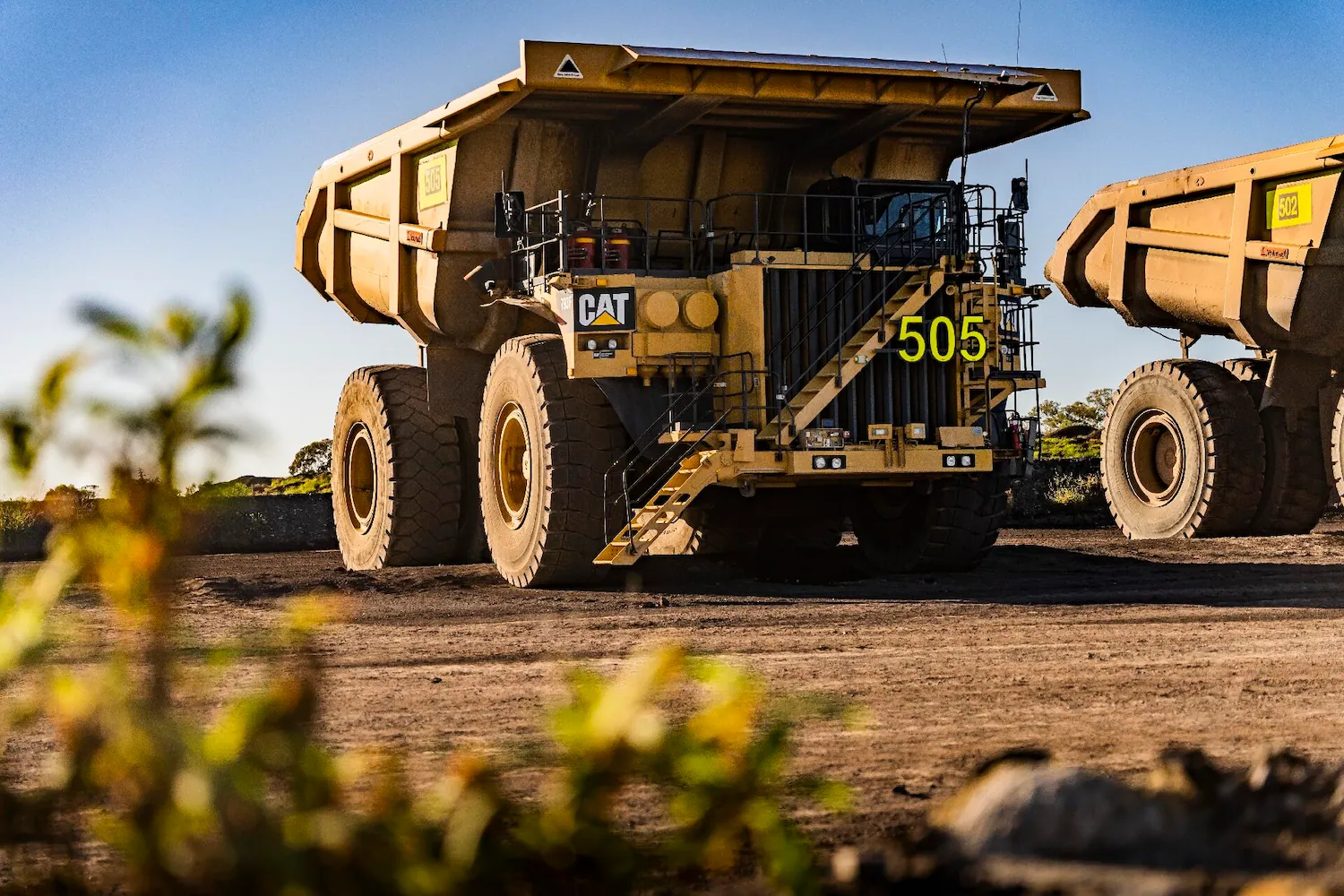
Minetek’s sound solutions cater to a wide range of models across OEM machinery from industry leaders like Liebherr, Komatsu, Caterpillar, Hitachi, Terex, Sandvik, LeToureneau & Epiroc. These solutions encompass mining trucks, excavators, dozers, loaders, and drills. Minetek is committed to reducing noise without compromising machinery integrity, airflow, or maintenance access.

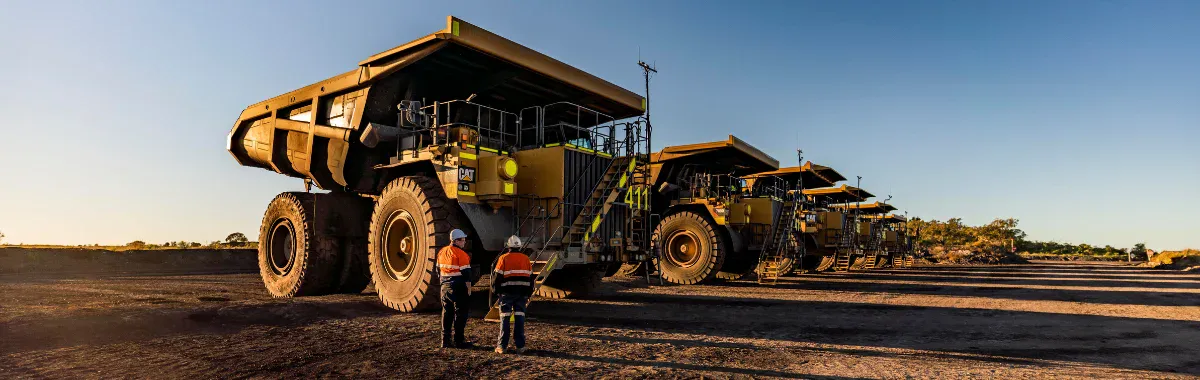
We have succeeded in reducing noise levels in over 1,800 mining machines spanning more than 90 OEM-approved models worldwide. Our approach involves close collaboration with clients to develop practical noise mitigation solutions aligned with safety, regulatory, and community expectations.

Reduce-noise- levels-with-sound- attenuation-image3

Case Study Snapshot: Transforming An Australian Open-cut Mine

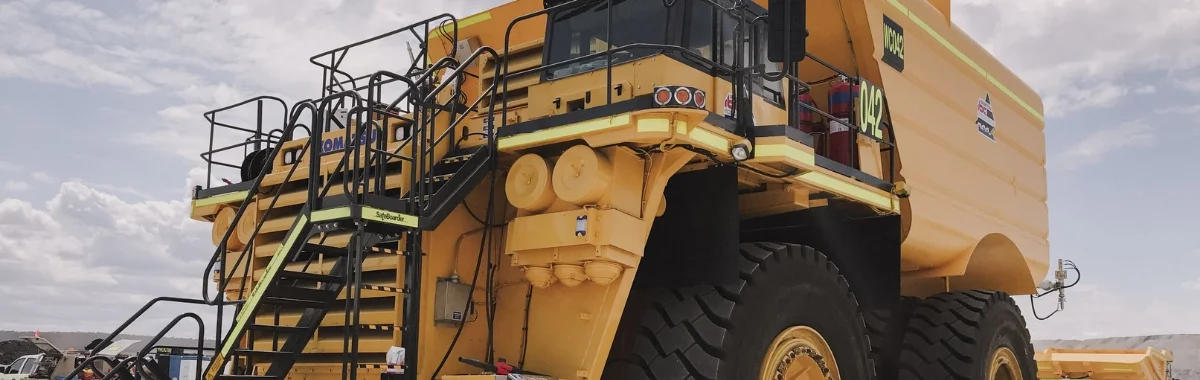
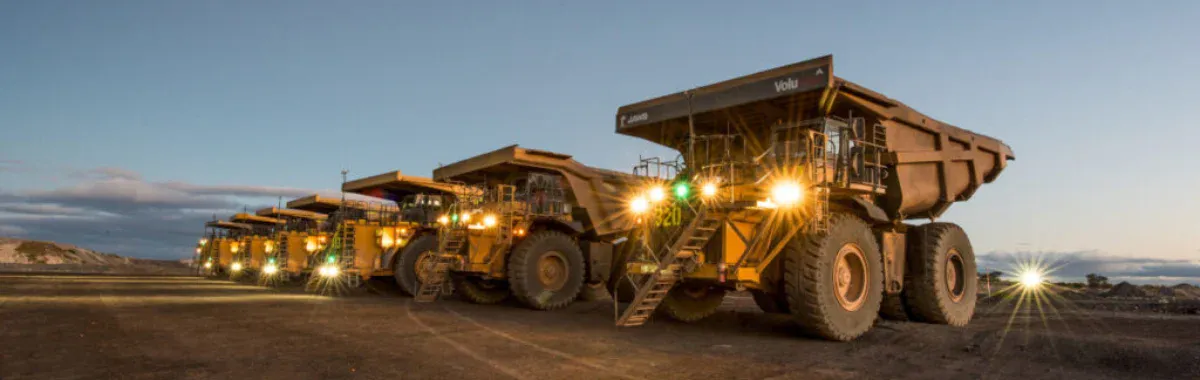
In a recent project, Minetek lowered the overall site noise of an Australian open-cut mine by more than 50%, enabling round-the-clock site operation while meeting stringent regulatory noise level restrictions. As a result, the mine site doubled its production levels, extracting an additional 2.1 million tonnes of coal, valued at over $352.3 million. Download and access the full case study here.

Reduce-noise- levels-with-sound- attenuation-image4

Empowering Mining Operations To Maintain Noise And Environmental Compliance

Minetek’s Sound Division empowers mining operations to mitigate safety risks, achieve regulatory noise compliance, and foster positive relationships with local communities. This proactive approach reduces shutdowns and decreases the risk of short- and long-term suspensions of mining operations.

As Latin American mining regions grapple with noise pollution challenges, Minetek’s Sound Division arrives as a beacon of hope, offering innovative noise control solutions that benefit operators, regulatory compliance, and the well-being of neighbouring communities. With a track record of success and a commitment to a quieter, safer future, Minetek’s Sound Division is revolutionising how mining operations manage and mitigate noise in the region.

For more information about Minetek’s Sound Division and its groundbreaking solutions, please contact us.
Return to news & insights

Exploring the Komatsu PC7000 Excavator

Publish date: 21 May 2024

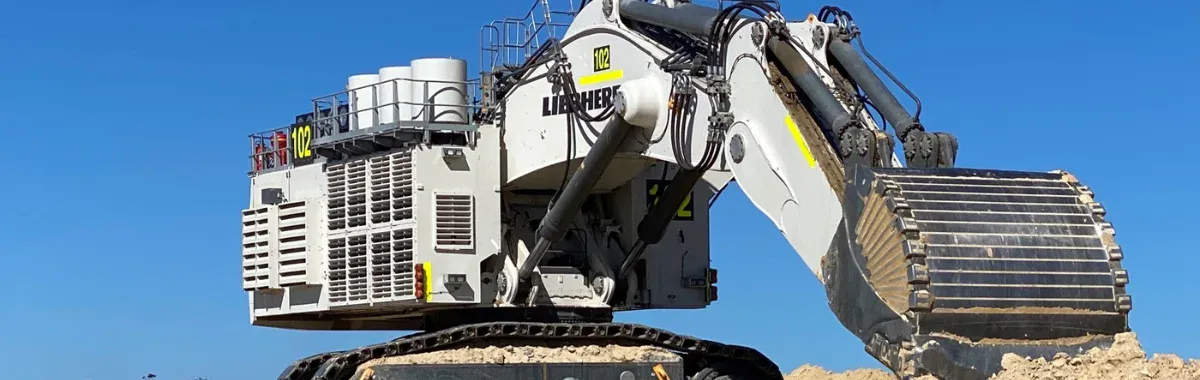
The Komatsu PC7000 mining machine is a large-scale heavy-duty excavator used for industrial-level mining operations. This diesel machine has two powerful 1,250 kW / 1,675 HP engines with enhanced management, adjustable idle shutdown and improved hydraulic efficiency.

Armed with powerful lifting arms and huge buckets with large capacities, Komatsu mining excavators can excavate vast amounts of materials. Operating at 676 – 694 tonnes / 1,490,600 – 1,530,300 lb it has a shovel capacity of 36 m3 / 47 yd3. Mining excavators are one of the most crucial pieces of equipment due to their versatility, manoeuvrability, and multi-functionality.

Komatsu’s PC7000 model includes an advanced operator cab that protects the operator from dust and noise while offering excellent visibility even in the harshest mining conditions. Furthermore, Komatsu’s onboard computer system offers real-time diagnostics and monitoring, making it easy to identify potential problems before they become significant. With its powerful and environmentally friendly engine, sophisticated hydraulics and comprehensive onboard computer systems, the Komatsu PC7000 mining machine is a reliable choice for any mine site or industrial-scale excavation job.

Caterpillar775G

Sound reduction solution for mines

High noise levels and unwanted sound pose a severe challenge to the operational efficiency of mine sites. Reducing the noise emitted by Komatsu’s PC7000 mining excavator can assist with increased operating hours, resource recovery, carbon emissions, operational efficiency, and stakeholder satisfaction. An NSW Hunter Valley mine had strict noise restrictions imposed by the Environmental Protection Authority (EPA) due to nearby communities and environmental factors. This mine site had to adhere to a maximum on site noise level of 116 dBA, with noise monitoring in place using sound receivers strategically placed around the boundary of the mine. By identifying areas of high noise exposure, operators can actively take the appropriate steps to reduce on site noise levels. When introducing the Komatsu PC7000 mining excavator it was identified this would be a major source of noise for this Hunter Valley Mine, if it was to operate at a sound level of 127 dBA.

There would be limited operability of the Komatsu PC7000 excavator which would impact production and operational efficiency. Sound reduction solutions was required to achieve desired production targets whilst maintaining compliance with strict noise restrictions. This Hunter Valley mine engaged with Minetek to help assist with their on-site noise challenges.

Komatsu

Komatsu PC7000 sound solution

Minetek was commissioned to design and manufacture Australia’s first turn-key sound attenuation solution for the Komatsu PC7000 mining excavator. This solution was designed to meet noise limitations of 116 dBA in the NSW Hunter Valley mining region. Minetek’s sound solution for the PC7000 mining excavator was specifically engineered and designed to Komatsu’s OEM specifications without compromising machine integrity, airflow, maintenance, and access ability. This sound attenuation project aimed to reduce machine operating noise down to the site noise level of 116dBA, allowing operations to continue whilst meeting community and environmental guidelines.

Minetek’s sound testing helped pinpoint key noise sources, enabling us to strategically focus on key areas and machine parts to help reduce overall noise levels through sound attenuation. Before attenuation, the PC7000 mining excavator had a factory sound power level of 127 dBA, which is 11 dBA above site noise restrictions. After installing Minetek’s Sound Attenuation package, the Komatsu PC7000 operated at a low noise output of 116 dBA, reducing noise levels by 11 dBA.

Assuming ideal weather conditions (no temperature inversion later, no wind, fog etc.) and hemispherical radiation (Q=2), the Komatsu PC7000 would only be able to operate at a distance of 3,981m (to the receiver / mine boundary) at the pre-attenuation noise level. This would pose significant logistical challenges for this Hunter Valley Mine and would impact operational efficiency.

Untitled-05.png

With Minetek’s sound attenuation solutions installed, Komatsu’s PC7000 mining excavator can now operate more than < 50% closer to the sound receiver / site boundary at a distance of 281.8m. Minetek’s sound attenuation solutions set an industry benchmark, and noise suppression at the source is now best practice.

Minetek has been a key partner to the mining industry for over 30 years now, with extensive experience in noise attenuation solutions across Australia and around the world. Minetek reduces the impact sound has on production, enabling mining companies to achieve true operational excellence. Make Minetek part of your sound strategy by treating major noise sources on mining trucks & machinery through sound attenuation. To learn more about our recent sound attenuation projects or case studies, please leave your contact information below. We look forward to helping you achieve and maintain noise compliance.

Return to news & insights

Exploring the Caterpillar 775G Haul Truck

Publish date: 21 May 2024

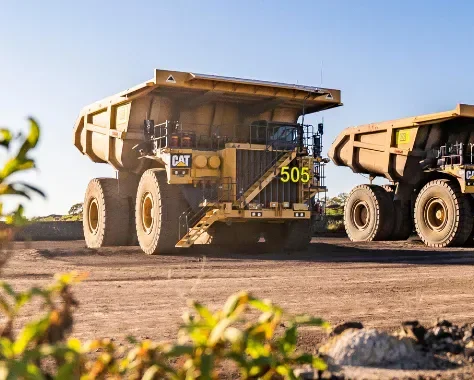
The Caterpillar 775G dump truck is widely used on mine sites across the world. Built with a Caterpillar C27 diesel engine, the Cat 775G has improved fuel efficiency and emits up to 9% less CO2 emissions than the 775F model.

This high-performing off-road dump truck operates at 121dBA (unattenuated) with increased speeds and enhanced traction control. Reducing the dynamic machine noise output provides further effective operation of the Cat 775G; by facilitating an increase in operating hours and resource recovery, carbon emissions and stakeholder satisfaction. ​

Minetek were commissioned to design and manufacture a turn-key sound attenuation solution for the Caterpillar 775G dump truck. The goal of this project was to reduce the machine’s operating noise down to the strict mine noise level, without compromising its operating capacity or adding excess weight to the machine. This sound reduction solution was also designed to provide easy access for routine maintenance and servicing.​

haul-truck-Caterpillar 793D

Caterpillar machine noise reduction

Sound testing determined the Cat 775G emitted a Sound Power Level (SWL) of 121dBA. Assuming ideal weather conditions (no temperature inversion later, no wind, fog etc) and hemispherical radiation (Q=2), this machine can now operate at a distance of 3000m to the receiver, at this noise level. With Minetek’s turn-key sound attenuation package installed, the Caterpillar 775G now operates at an amazingly low noise output of 113dBA. ​

This 8dBA sound reduction enables the Caterpillar 775G to operate >50% closer to the sound receiver at a distance of 1512m. Minetek’s sound attenuation solutions set an industry benchmark and noise suppression at the source is now best practice.

10.png

Minetek is internationally recognised among OEMs and mining operators as a producer of the world’s quietest mining machinery. Our sound attenuation solutions are engineered to maintain productivity and minimise the impact on operators and maintenance teams. Minetek’s modular sound suppression kits are available for mining trucks, excavators, dozers, loaders and drills, with certified install teams available globally.

Learn more about our recent sound attenuation projects and noise reduction case studies for mining machines. Discover how you can increase operating hours and reduce sound levels by leaving your details below.

Return to news & insights

Minetek’s noise reduction solution at open-cut coal mine

Publish date: 21 May 2024

For over three decades, Minetek has been a driving force in the mining industry, renowned for its commitment to innovation and environmental responsibility. Minetek has established itself as a leader in developing state-of-the-art noise reduction solutions for mining equipment. These solutions not only reduce noise levels but also play a pivotal role in fostering improved relationships between mine sites and surrounding communities.

Through meticulous engineering and design, Minetek’s team of acoustic and mechanical engineers have developed targeted noise reduction solutions that address the source of the issue. The results are exceptional, with mining machines achieving noise reductions of up to 50%, placing them among the world’s quietest mining machines. This accomplishment represents Minetek’s dedication to pushing the boundaries of innovation within the mining industry.

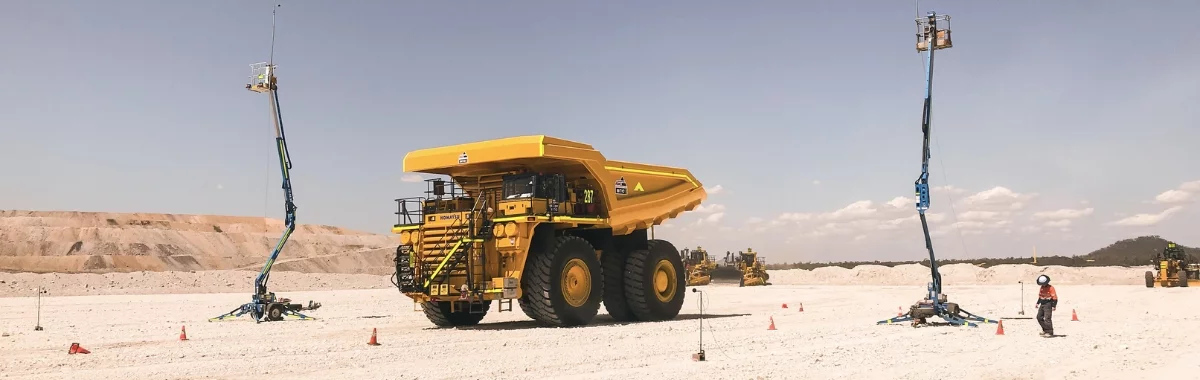
Minetek-Sound-Attenuation-in-Action-on-Komatsu-Haul-Truck.jpg

The effectiveness of Minetek’s noise reduction solutions lies in using advanced technologies and a data-driven approach. By incorporating cutting-edge sensors and measurement tools, we accurately identify and quantify significant noise sources within mining machinery. This detailed analysis enables precise adjustments, targeting the specific complexities of noise generation. Having this extreme level of precision ensures that each noise reduction solution is optimised to meet the unique needs of each mining machine, maximising their performance and minimising noise levels. Our commitment to noise reduction extends beyond the immediate benefits to miners, positively impacting local communities as well. By reducing noise levels, Minetek contributes to the broader goal of environmental sustainability within the mining sector. This approach minimises disruptions to the quality of life for nearby residents and aligns with contemporary standards of corporate responsibility.

Minetek’s sound attenuation solutions in action

Minetek’s collaboration with an Australian Glencore mine is an example of our commitment to addressing the unique challenges mining operations face. While this mine has been a significant economic driver, creating approximately 500 full-time jobs and boosting the local economy, operational noise had generated concerns within the nearby community, leading to complaints from residents.

Minetek was commissioned to design and manufacture a customised Sound Attenuation package for the Komatsu 930E-3 and Komatsu 930E-4 Haul Trucks operating at the Glencore mine. This initiative had two primary objectives: ensuring compliance with stringent on-site noise regulations for heavy machinery operation and relieving the impact of noise on nearby communities.

The Sound Attenuation Package comprised various components, including:

1. Suppressed Exhaust System

2. Radiator Attenuator

3. Bumper Extension

4. Left- and Right-Hand Engine Panels

5. Belly Panels

6. Horseshoe Attenuator

7. Horseshoe Engine Panels

8. Air Intake Attenuator

9. Grid Box Attenuators

10. Duct Assembly

11. Fan Discharge Silencer

12. Grade 5 Sound Media

Minetek-sound-testing-on-a-Komatsu-Haul-Truck-2.jpg

Prior to implementing Minetek’s Sound Attenuation Package, noise levels were measured at 124 dBA. Post-implementation, these levels were significantly reduced to 115 dBA, demonstrating an impressive 9 dBA reduction. This reduction enabled the haul trucks to operate closer to site boundaries while remaining compliant with noise regulations. Following the installation, the client experienced a notable decrease in noise complaints from the local community, allowing for extended operational hours.

The project’s success highlighted Minetek’s ability to develop customised noise reduction solutions tailored to the specific needs of its clients. The Sound Attenuation Package ensured compliance with regulatory standards and demonstrated a commitment to minimising environmental impact on local communities. Our adaptability and technical expertise reinforce our position as a leading provider of effective noise reduction solutions for the mining industry. Beyond the technical aspects, Minetek’s collaboration with the Glencore mine reflects a broader commitment to responsible and sustainable mining practices. By effectively addressing noise concerns, we’ve contributed to a work environment that prioritises both operational efficiency and the well-being of local residents. This collaborative effort shows how our team’s innovative solutions are helping to shape a mining industry that balances operational requirements with community harmony.

Minetek’s approach to safer mining practices

Minetek’s unwavering dedication to quieter, safer, and more efficient mining operations has established the company as an industry leader. By integrating cutting-edge technology, extensive experience, and a strong commitment to compliance, our noise reduction solutions are transforming the way mining machinery operates.

Return to news & insights

Noise management for Australian mine sites

Publish date: 23 April 2024

In the mining industry, regulations and compliance are of utmost importance. These regulations are enforceable, and breaches can result in fines, prosecution or direction to cease operations and undertake remedial action. Therefore, it’s crucial for mining companies to effectively manage noise in order to minimise and prevent the adverse repercussions.

Noise-management-for- australian-mine- sites-image1

Noise Control Standards, Acts & Guidelines In Australia

Noise can come from a whole host of sources across a mining site. From the processing plants, machinery, traffic, and blasting, noise is often an unavoidable part of life on a mine site. While some levels of noise pollution can’t be avoided, proper planning and foresight can help to minimise its impacts. There are a number of reasons why noise control on a mine site simply cannot be neglected. First and foremost, it is essential to note that an effective noise control strategy on a mine site is required by law. Just as with the construction industry, noise must be carefully managed and kept to a minimum so as to not disrupt surrounding communities and animal populations.

In Australia, it is explicitly stated in the Mines Safety and Inspection Act 1994 that employers have a responsibility to provide a working environment that is free from as many hazards as practicable [1]. This includes the hazard of noise and the prevention of noise-induced hearing loss. EPA and several other government regulators also have a role in managing noise and its impacts in Australia. The EPA regulates the mining industry through Environment Protection Licences, which set limit, operating, monitoring and reporting requirements.

Following government guidelines on mining operations in Western Australia, is a regulatory requirement for action to be taken when workers are exposed to either of these two criteria:

  1. An average noise level of more than 85 dBA for an eight-hour working day
  1. A peak noise level higher than 140 dBA

There are also more specific regulatory requirements for noise control, emphasising the need for engineering controls to reduce noise, specifically the Mines and Safety Inspection Regulations 1995. The MSIR states that all mining sites must be monitored regularly for sound levels, placing a strong emphasis on engineering controls that can reduce sound levels or eliminate them entirely [2]. These regulations mean noise control should begin at the source by substituting processes or machinery. Currently, there is a heavy reliance on hearing protectors, such as PPE, which are not as effective as sound attenuation when managing noise pollution.

Typical Mine Site Noise Levels

Mining equipment Sound level (dBA)
Rotary drills 73 – 100
Percussion drills 102 – 120
Haul trucks 84 – 109
Electric shovels 75 – 90
Crawler tractors 95 – 105
Front end loaders 93 – 105
Graders 85 – 100
Coal augers 90 – 99

Source: Management of noise in Western Australia mining operations

How Is Noise Monitored On Australian Mine Sites?

Australian mines have stringent regulations for managing noise on mining sites. Regular and accurate noise monitoring is crucial to ensure legal compliance and avoid penalties. There are two main ways of monitoring noise on a mining site;

  1. Attended noise monitoring

This typically occurs on a monthly basis, with key personnel monitoring and measuring specific mining activities to accurately determine their contribution to the overall noise level.  Attended noise monitoring is key in determining whether noise levels are in compliance with ongoing regulations.

  1. Continuous unattended noise monitoring

In many mining operations, sound level meters are placed at certain receiver points to capture noise information and assess site noise levels continuously. This is a general requirement for mine sites, as these systems provide an accurate representation of the noise environment.

Noise-management-for- australian-mine- sites-image2

Noise Management Plan

Unmanaged noise pollution can have a variety of adverse effects on the environment and local communities. That’s why it is essential for mining companies to understand why noise mitigation and management is so important and how they can take steps to reduce the amount of noise generated by their operations. By implementing effective strategies to reduce sound levels generated by their operations, mining companies can ensure that they are doing their part to protect the environment and their employees from unnecessary harm caused by excessive sound pollution.

Regulatory Noise Management

Similar to the construction industry, there are regulatory measures set in place by the government to ensure that noise is carefully controlled. Before any prospective mining operation begins, the expected noise outputs will have to be reported as part of the Environmental Impact Assessment (EIA), which then determines the viability of the mining project.

The Environmental Protection Agency (EPA) regulates all aspects of mining operations, from exploration to closure. Mining companies must comply with a range of environmental regulations, such as those pertaining to air quality, water quality, soil contamination, habitat protection, and, in this case, noise pollution [3]. Mining companies must ensure that they comply with all relevant local and national noise regulations when operating an existing mine. This includes completing any required paperwork or notifications as well as regularly monitoring SPL levels in accordance with government guidelines. Non-compliance with these regulations could result in costly penalties and reputational damage for your business; therefore, you must stay up-to-date on any changes or updates regarding applicable laws pertaining to your operations [3].

Safety of Workers

There is a multitude of safety hazards posed to miners as a result of prolonged noise exposure. High noise levels can interfere with concentration and communication between miners. This can prove fatal if workers cannot hear warning signs above the high noise level of the workplace. It can also lead to permanent hearing loss, persistent noise stress, fatigue, and reduced quality of life.

Employers and management have a duty of care to provide workers with a mining workplace that is as free from hazards as possible, including noise hazards. When they fail to do so, the subsequent health hazards caused to their workers can have negative economic consequences.

Impacts on the Larger Community

Community compliance is an important part of any mining operation. Mines need to work with the local community to ensure their environmental and safety regulations are met, as both communities and mining operations are reliant on one another. Mines need to work with communities to ensure levels are met and avoid costly fines and reputational damage, while mine expansions are unlikely to be approved if they don’t meet noise levels and nearby communities complain. Conversely, local communities rely on mining operations for jobs and investment. Communities and mining operations need to support one another in order to stay operational.

Australian wildlife will also be adversely affected by high noise levels. Besides having physical effects on their ability to navigate or hunt, it can also lead to the forced migration of species, causing an imbalance in the greater ecosystem.

Noise-management-for- australian-mine- sites-image3

Reduce Noise Levels With Sound Attenuation

Sound attenuation is an effective noise control technique used to reduce sound by absorption. Sound energy is transferred into heat, thus resulting in the medium used for sound attenuation getting warm. By integrating sound attenuation into mining equipment and machinery, the noise levels of mining sites can be reduced.

Minetek offers a range of sound attenuation packages and noise management solutions that are specifically engineered for your machinery and can tackle high noise levels at the source. Contact us to find out how Minetek can help your noise management needs.

References

  1. Department of Mines and Petroleum – https://www.dmp.wa.gov.au/Documents/Safety/MSH_G_ManagementNoiseWAMiningOperations.pdf
  2. Government of Western Australia – https://www.legislation.wa.gov.au/legislation/former/regs.nsf/(DownloadFiles)/Mines+Safety+and+Inspection+Regulations+1995.pdf/$file/Mines+Safety+and+Inspection+Regulations+1995.pdf
  3. NSW Environmental Protection Authority – https://www.epa.nsw.gov.au/
Return to news & insights

Large Mining Machinery and Equipment

Publish date: 23 April 2024

Australia’s abundant reserves of minerals and rare earths have made mining one of the country’s most established sectors. As one of the largest mining countries in the world, the mining industry has always been crucial in Australia’s development and economic growth, with mined natural resources equating to 70.7% of Australia’s exports in 2024.

While the industry deals with metal production, investing, and trading, mining itself often refers to the extraction of precious metals and minerals from the ground. To accomplish this, sites require a range of large mining machinery and equipment.

When working on a mining site, it is important to have efficient mining machinery and equipment that directly aids an increase in production and operations. There is a variety of machine types and models designed specifically for the mining industry across OEMs, such as CaterpillarLiebherr, Komatsu, and Hitachi. This article discusses the primary models of machinery and equipment used in mining operations both in Australia and around the world.

1. Excavators

Mining excavators are used for digging raw materials and are particularly useful for surface mining. Armed with powerful lifting arms and huge buckets with large capacities, these machines are capable of excavating huge amounts of materials. They are one of the most crucial pieces of equipment due to their versatility, manoeuvrability, and multi-functionality. Excavators can perform tasks with minimal errors and are much more efficient than manual labour, hence reducing the need for human labour and increasing profitability.

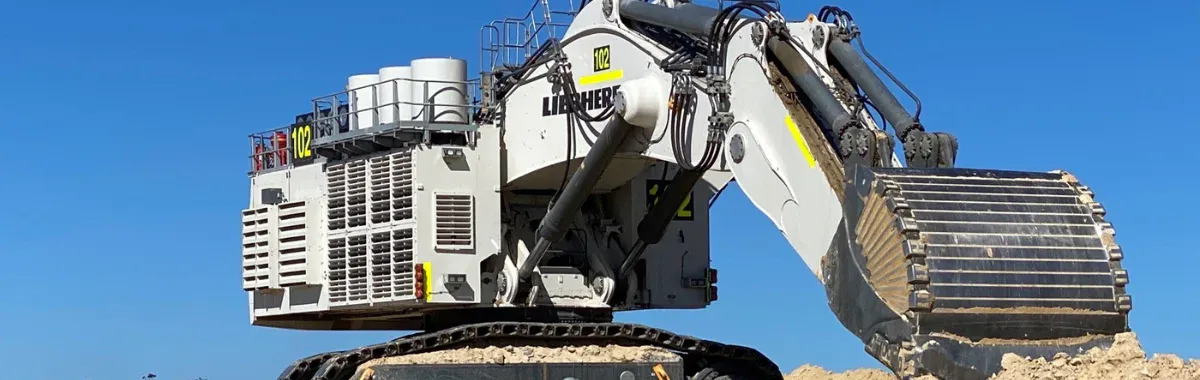
One of the largest mining excavators in the world is the Liebherr R9800, which can move up to 84,000 tonnes of dirt and rock per day. Other huge excavators include the Hitachi EX8000-6 and the Komatsu PC8000-6

Top-6-mining- machinery-&- equipment-image1

2. Dump Trucks

Dump trucks, also known as haul or tipper trucks, are widely used across the mining industry for the handling of heavy materials. These trucks are used around mining sites to transport materials and mined minerals and are equipped with an open-box hinged at the rear, which can be used for handling and dumping materials.

Dump Trucks are built to work in harsh working conditions with large tires that can support their heavy loads over uneven terrains and large beds that can carry a wide range of materials. Dump trucks increase efficiency by easily and efficiently transporting materials across mining sites as needed.

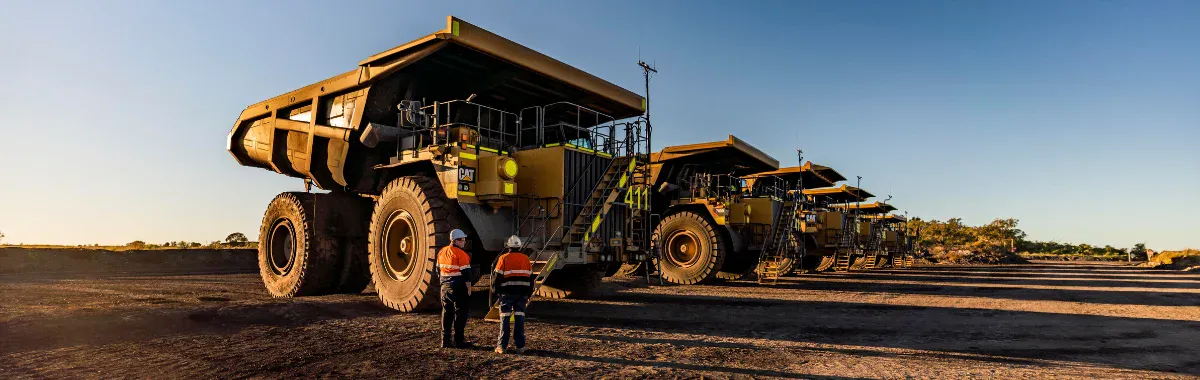
Some popular mining machinery and dump truck models include the Caterpillar 793 or the Caterpillar 775G, the Liebherr T 284, and the Komatsu 960 E-1.

Top-6-mining- machinery-&- equipment-image2

3. Dozers

A bulldozer is a tractor with a heavy blade for pushing and excavating earth and debris at mines. Ripping with a dozer has become a popular method to loosen soil when blasting is not an option – which is of particular importance, with local authorities introducing restrictions surrounding blasting operations too close to towns and cities. Ripping with a powerful bulldozer is also considerably cheaper than a combined drilling/blasting operations.

The most common bulldozers in mining are wheel dozers and crawler dozers. Crawler dozers, or tracked dozers, are typically the dozer of choice for many mining sites due to their weight-to-horsepower ratio to push large loads. However, wheel dozers have become increasingly popular, as their speed and versatility make them easier to quickly manoeuvre around mining sites.

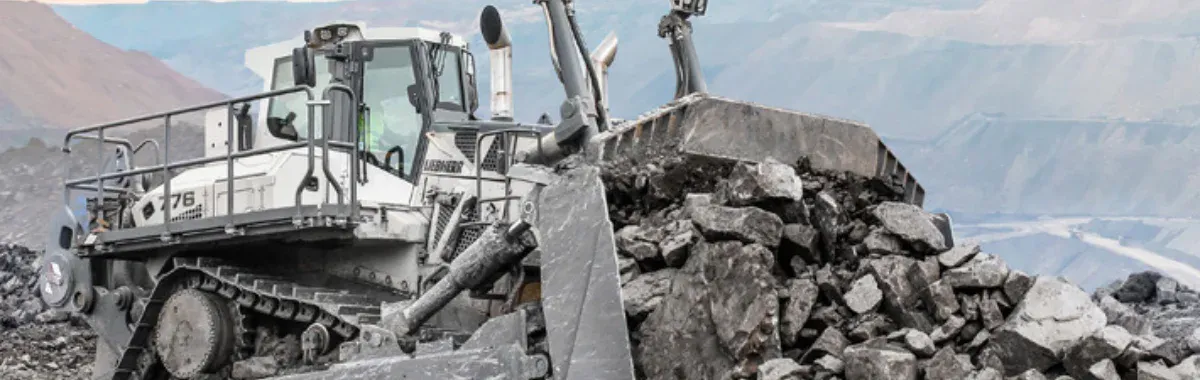
The biggest dozer in production now is the Komatsu D575A-3SD, but other huge dozers that are popular include the Caterpillar D11T and the new release, the Komatsu D475A-8. In terms of hydrostatic dozers, the biggest one is the Liebherr PR 776.

Top-6-mining- machinery-&- equipment-image3

4. Wheel Loaders

Wheel loaders are a piece of heavy equipment capable of lifting almost anything, such as debris, gravel, soil, dirt, pallets, and more. Aside from earthmoving purposes, wheel loaders are versatile mining equipment that can be used in different applications, such as loading materials onto trucks or other machinery for transporting.

In mining, wheel loaders are a reliable piece of equipment. The carrying job is done by operating the bucket, usually located at the front but sometimes at the back of the vehicle. This bucket can move up and down, depending on the requirement. While capacities differ according to classes, wheel loaders generally have high capacities, and compared to an excavator, a wheel loader is easier to operate, attributed to the fact that the latter has more mobility.

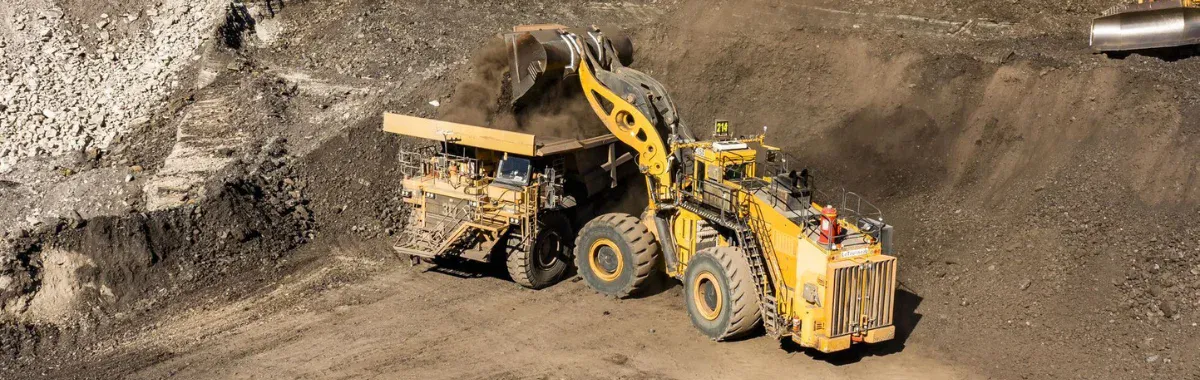
Caterpillar wheel loaders have been the most popular within the mining industry, with a wide range of compact, small, medium, and large loaders. The Caterpillar 966E and Komatsu WA1200-6 are particularly renowned.

Top-6-mining- machinery-&- equipment-image4

5. Drill Rigs

Drill rigs are commonly used in mining sites for drilling holes in rock or soil. In surface mining, holes are usually drilled for the placement of explosives so that ores near earth’s surface can be removed and carried to refineries to extract the minerals.

Rotary drill rigs are the most versatile and effective. Their lightweight modular design makes the drilling rigs easy to install and relocate, allowing for greater operational flexibility. Compared with traditional drilling rigs, a rotary drilling rig has high torque and can automatically adjust itself according to strata. They are much quicker than other drills on the market — reaching ten mph in soil and sand and 4–6mph in clay soil (3–5 times faster than conventional drilling rigs).

The Komatsu 77XR rotary drill was recently introduced in 2016 and is designed for blasthole drilling for a range of materials from coal to hard rock.

Top-6-mining- machinery-&- equipment-image5

6. Water Trucks

Water trucks are crucial to mining operations by helping with dust suppression and even fire control. A water truck is necessary on most mining sites because of the various safety and health risks that respirable dust particles pose. Excessive dust can lead to serious health concerns for miners, such as pneumoconiosis (CWP), a potentially disabling lung disease. In Queensland, coal mining regulations limit workers’ exposure to respirable dust. Dust can also impact productivity at the sites when workers cannot see clearly through clouds of dust. Furthermore, dust emissions have many negative impacts on the environment.

Caterpillar’s newly launched 777G Water Solutions truck aims to help solve overwatering and underwatering issues while tackling sustainability.

The Importance Of Efficient Large Mining Equipment

This range of mining machinery and equipment ensures efficiency and success worldwide. However, one common issue with such heavy machinery is the level of noise it produces. The noise pollution emitted by these loud machines can be dangerous and detrimental to workers’ health.

Specialising in equipment such as trucks, diggers, excavators, drills, loaders, dozers and more, Minetek Sound has attenuated over 1,500 mining machines across more than 90 different OEM-approved models. Our solutions have been proven to reduce mining machinery noise output levels by as much as 50%, enabling mining operations to reduce potentially harmful safety impacts on operators and meet regulatory and community noise expectations.

Recognised globally as an innovative and technology-driven solutions provider, Minetek has over 30 years of experience providing sound, water, and air solutions to mining companies worldwide. Our sound attenuation solutions ensure large mobile machinery meet all relevant compliance laws, saving operators considerable amounts of money in the process.

The team at Minetek are confident and ready to provide solutions that match your needs. Contact us to find out more about our machinery noise reduction packages.

Return to news & insights

Extending mine viability through sound attenuation

Publish date: 23 April 2024

Extending mine viability through sound attenuation.

Queensland-based New Acland mine faced pressure to meet strict noise requirements, impacting operating hours and overall profitability. Our sound attenuation solutions helped to meet and exceed these difficult requirements.

Minetek has supported New Acland through this journey, allowing operations to run sustainably both day and night through the life of the mine. The video explores the decade-long journey which has delivered reduced noise output, increased availability and improved profitability for the open-cut coal operation.

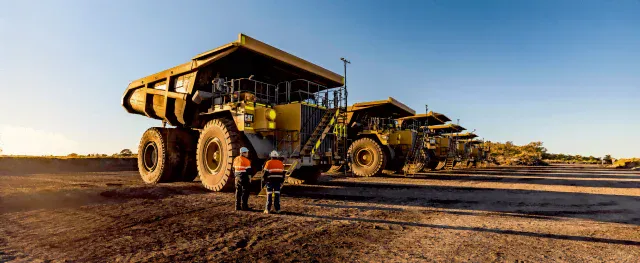
sound-attenuated-mining-vehicles-640x263.png