 Spanish
  English (United States)
  English
  Portuguese
  French
  Indonesian
  Italian
 A defining moment for US copper mining
U.S. copper mines are critical to America’s clean energy future, with demand projected to double by 2035 (S&P Global) and domestic output operating at roughly 60% capacity. Led by major developments such as the Resolution Copper Project, expected to supply up to 25% of future U.S. copper, the sector faces growing pressure to improve efficiency, safety, and sustainability.
The most efficient solutions for copper mining combine advanced ventilation, water management, and sound control technologies that deliver measurable results. Systems achieving up to 50% energy savings, 50% evaporation efficiency, and 50% noise reduction are setting new benchmarks for operational performance. Automation and IoT-enabled control further improve uptime, reliability, and environmental compliance.
Together with Zero Liquid Discharge (ZLD) and GISTM-aligned practices, these innovations are helping U.S. copper producers operate more sustainably and cost-effectively in the race to secure America’s clean energy supply chain.
US Copper Mines 2025
- Demand: Doubles by 2035
- Largest Mine: Resolution Copper (25% projected output)
- Minetek Impact: 50% evaporation efficiency • 50% energy savings • 50% noise suppression
- Safety: Up to 95% uptime with automation & IoT
- Sustainability: As much as 60% cost cut through ZLD & GISTM alignment
US copper mines market outlook through 2030
From defense technologies and AI systems to EV motors and renewable grids, copper’s conductivity and durability make it irreplaceable. In March 2025, the Immediate Measures to Increase American Mineral Production issued by The White House, emphasized the urgency of strengthening domestic mining to reduce import dependence and secure critical supply chains.
Against this backdrop, several key trends are shaping the outlook for U.S. copper mining through 2030.
1. AI and data center demand
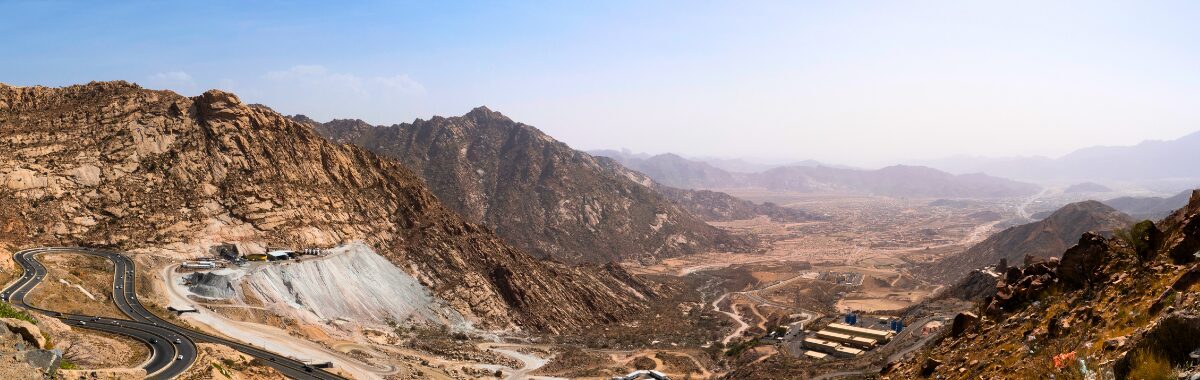
The Copper Initiative Project underscores copper’s role as a cornerstone of U.S. national security and economic growth. By 2030, the nation is projected to require over one million tons of copper annually to power data centers, the backbone of AI, analytics, and industrial automation.
Copper’s unmatched conductivity and durability make it indispensable for transmitting both electricity and data, enabling the infrastructure that powers advanced manufacturing and smart mining. As AI workloads expand and hyperscale data centers continue to rise across Arizona, Texas, and Nevada, copper demand will intensify to support grid stability, cooling systems, and digital performance.
This acceleration highlights copper’s dual role in electrification and data transmission. Analysts anticipate that the global energy footprint of data centers will double by 2030, with copper remaining the foundational material for efficient power distribution, network reliability, and heat management systems.
As data infrastructure continues to expand, the same demand growth is mirrored across the electric vehicle and renewable energy sectors.
2. EV and renewable infrastructure expansion
Copper remains one of the most critical materials in the global energy transition. Electric vehicles use up to four times more copper than conventional vehicles because of increased wiring, electric motors, and charging systems. Renewable energy installations such as solar farms, wind turbines, and grid-scale batteries also depend heavily on copper for transmission and energy storage.
Across the United States, energy-grid modernization and accelerating EV adoption are expected to sustain copper demand growth through 2030. Clean-energy investment continues to rise, reinforcing copper’s unmatched role in enabling electrification and ensuring efficient, reliable power delivery.
3. Defense and critical-supply reliance
Copper underpins critical infrastructure for national defense, energy systems, and advanced manufacturing. The Adjusting Imports of Copper into the United States proclamation issued in July 2025 reaffirmed copper’s national importance, identifying it as the second most-used material by the U.S. Department of Defense. It is essential to aircraft, submarines, radar systems, missiles, and communication networks.
Beyond defense, copper’s conductivity and corrosion resistance make it indispensable to public infrastructure, healthcare, and industrial systems. These are sectors with no viable large-scale substitutes. As global supply pressures and geopolitical risks intensify, strengthening domestic copper production remains critical to sustaining operational readiness, economic resilience, and industrial autonomy.
4. Resolution Copper output and future growth
The Resolution Copper project in Arizona is projected to supply up to 25% of future U.S. copper demand once operational. Located near Superior, Arizona, it represents one of the largest undeveloped copper deposits in the world and is strategically positioned to strengthen domestic supply while reducing reliance on imports.
By 2030, Resolution Copper is expected to become a cornerstone of America’s critical minerals strategy, supporting the transition toward cleaner energy and advanced manufacturing. Its development, however, remains subject to rigorous environmental permitting, broad stakeholder engagement, and alignment with evolving EPA and GISTM compliance standards to ensure safe and sustainable operations.
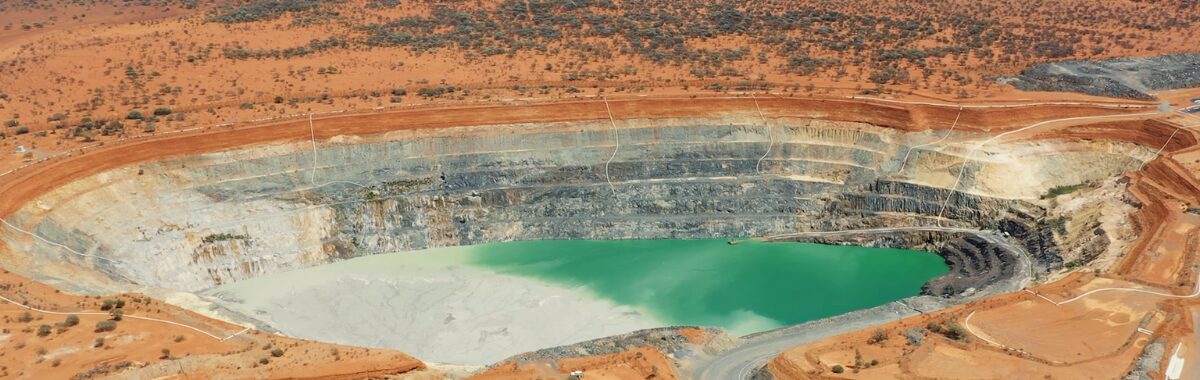
Largest copper mine in the US: Resolution Copper impact
As Resolution Copper advances toward full-scale production, the project is setting a new benchmark for operational efficiency and environmental performance in American mining. Its scale and design reflect a commitment to meeting growing copper demand while maintaining responsible, high-standard practices.
- 25% of U.S. copper output projected once operational, reinforcing its position as the nation’s largest copper mine.
- Located in Superior, Arizona, within the state’s historic Copper Triangle, the project leverages modern underground mining techniques to extend resource life and reduce surface impact.
- Partnership with proven engineering and environmental solutions providers enables advanced ventilation, water management, and sound attenuation across operations. These systems enhance air control, support efficient water use, and help maintain community and regulatory compliance standards.
By aligning large-scale production goals with sustainable technologies and expert partnerships, Resolution Copper is demonstrating how the future of mining can balance performance with environmental responsibility.
Driving sustainable and efficient copper operations
As the energy transition accelerates, copper remains central to America’s pursuit of clean energy, economic resilience, and technological progress. This reality demands mine operations that are efficient, sustainable, and resilient. Meeting this challenge requires advanced solutions that optimise performance while reducing environmental impact.
Minetek supports this shift through integrated ventilation, water management, and noise control systems that enhance efficiency and compliance across complex mining environments. This shift toward intelligent, performance-based operations aligns with the industry’s mission to achieve higher output with lower energy use and reduced environmental impact.
What are the most efficient mining equipment and tech solutions to enhance copper mine operations?
Efficient copper mining depends on technology that delivers measurable results in power reduction, water conservation, and compliance performance.
| Category | Traditional systems | Minetek advanced solutions |
| Gestión del agua | Chemical evaporation, ~70% reduction, high CAPEX | Mechanical evaporators achieving up to 50% evaporation efficiency, reducing TSF levels by tens of millions of gallons |
| Ventilation | Fixed-speed fans, limited automation | Variable-speed Raptor Fans with Performance-on-Demand control delivering up to 50% energy savings |
| Control del ruido | Passive barriers, limited reduction | Engineered sound attenuation achieving up to 50% noise reduction and lower community impact |
Across the U.S., mine operators are adopting intelligent ventilation systems that respond to real-time data, automate airflow, and optimize power use. These performance-on-demand systems have become essential for managing underground environments efficiently and safely.
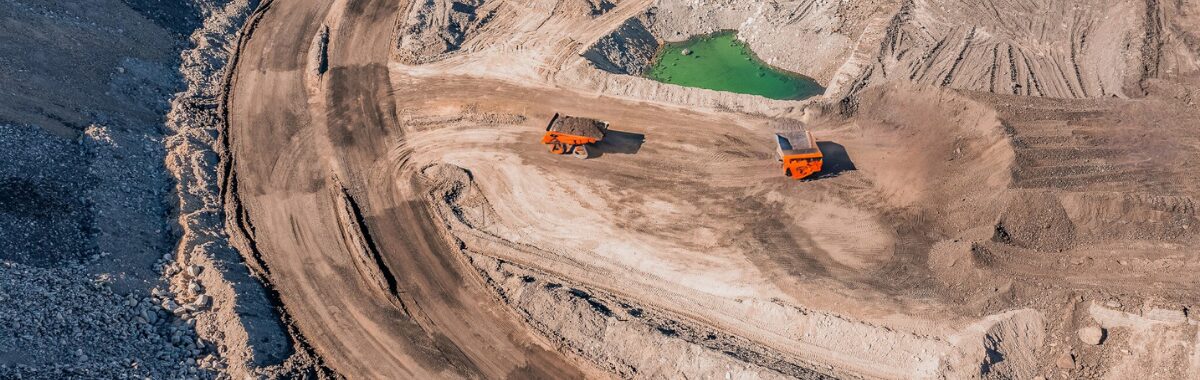
How to improve safety and productivity in copper mine operations with automation technologies?
Automation plays a pivotal role in creating safer, more efficient, and more predictable mining environments. When integrated across ventilation, water management, and noise control systems, automation enhances decision-making, reduces manual intervention, and ensures consistent operational performance.
Step-by-step integration process:
1. IoT sensor deployment: Install intelligent sensors across ventilation ducts, water systems, and sound-attenuation infrastructure to capture real-time operational data.
2. Data collection and analysis: Aggregate sensor data into a central platform where machine-learning models identify patterns, inefficiencies, and potential system faults.
3. Adaptive control and automation: Apply automated controls to adjust ventilation airflow, manage water discharge or evaporation rates, and maintain noise thresholds based on live operating conditions.
4. Real-time monitoring and alerts: Enable operators to oversee key performance metrics through integrated dashboards, ensuring fast response to safety events or equipment irregularities.
5. Optimized performance and uptime: Maintain continuous operations through predictive maintenance and automated adjustments, supporting safer environments and improved system reliability across the mine.
By combining data intelligence with adaptive control, U.S. copper producers are strengthening safety standards, extending asset life, and achieving measurable productivity gains across every operational domain.
What are the best practices for sustainable and cost-effective copper mine operations?
Sustainability and cost efficiency are achieved through integrated systems that balance performance, safety, and environmental responsibility. From ventilation and water management to noise control, the most effective operations combine engineering precision with adaptive technology to optimize outcomes at every stage of production.
Key best practices:
- Closed-loop water management: Adopt Zero Liquid Discharge (ZLD) systems and high-efficiency evaporators to reduce waste and support regulatory compliance in arid regions.
- Energy-optimized ventilation: Implement automated, demand-based airflow systems that deliver up to 50% energy savings while maintaining safety and emission standards.
- Acoustic and environmental controls: Use engineered sound-attenuation systems to reduce occupational noise exposure and community impact while enhancing compliance.
- Predictive automation and monitoring: Integrate IoT-enabled platforms that analyze performance data across ventilation, water, and sound systems to prevent downtime and improve reliability.
- GISTM-aligned tailings management: Maintain compliance with the Global Industry Standard on Tailings Management to ensure safe, transparent, and responsible operations.
- Collaborative design integration: Engage engineering and environmental teams early in project planning to embed sustainability and compliance into the mine’s design framework.
By standardizing these practices, U.S. copper producers can reduce operating costs, improve ESG performance, and strengthen long-term resilience across air, water, and noise domains.
Project Highlight: Arizona Copper Mines
Arizona, the heart of U.S. copper mining, faces ongoing challenges in managing water resources amid increasing environmental and regulatory scrutiny.
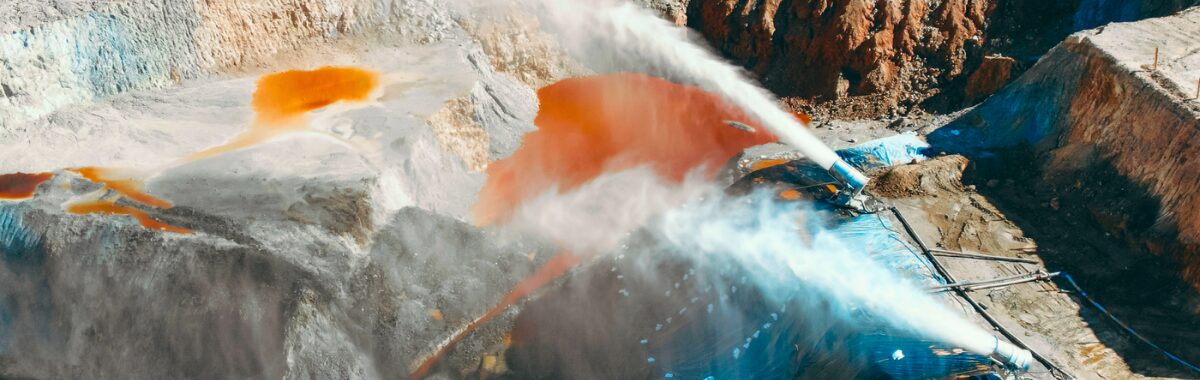
At one copper-molybdenum mine, 22 Minetek evaporators manage up to 2,970 m³/hour of well water, preventing costly downtime and ensuring operational continuity. Another Arizona site deployed three evaporators handling 405 m³/hour (1,800 GPM) of acidic pit water, a system that mitigated compliance risks and preserved productivity in one of the harshest mining environments in the country.
These outcomes highlight how engineered evaporation systems reduce compliance risks and costly delays while enabling consistent production in the Southwest’s toughest mining environments.
Engineering a smarter, more sustainable copper future
As the U.S. accelerates toward electrification and renewable energy, copper will remain the backbone of progress, powering grids, vehicles, and industries. The challenge lies in producing it responsibly and efficiently.
Minetek’s proven expertise in ventilation, water management, and sound attenuation helps copper producers achieve operational excellence, environmental compliance, and long-term sustainability. By empowering miners to do more with less energy, less water, and less environmental impact, Minetek is helping shape the future of smarter, cleaner, and more resilient copper mining across the United States.
Join the mining leaders setting new standards in efficiency, compliance, and sustainability with Minetek.
Copper Mining FAQs
Minetek solutions focus on ventilation performance-on-demand, high-capacity water evaporation, and engineered sound attenuation. In representative deployments, ventilation optimization has shown up to 56% energy savings, evaporation systems up to 93% residuos surface water reduction, and sound packages up to 50% noise reduction.
IoT-enabled controls and ventilation-on-demand automate airflow where and when it is needed. Sites using these approaches report uptime as high as 95% in certain operating windows. Intelligent controls help manage gases and particulates, while Minetek Raptor Series supports consistent airflow for safer working conditions.
Adopting zero-liquid-discharge (ZLD) systems, aligning with GISTM, and optimizing ventilation and water management are proven strategies. These measures have achieved up to 50% cost optimización through reduced energy use and improved operational reliability.
Morenci Mine in Arizona is the largest active copper operation. Resolution Copper is a proposed project projected to supply up to 25% of future U.S. demand once operational, pending permitting and development.
Minetek integrates ventilation performance-on-demand, high-capacity evaporation, and sound attenuation technologies to improve energy efficiency, water control, and acoustic performance. Representative results include up to 93% water reduction, 56% energy savings, and 50% noise reduction in specific applications.
Global studies forecast copper demand will roughly double by 2035, driven by electrification, renewable energy, and data infrastructure. U.S. producers are investing in technology, compliance, and water stewardship to meet this demand responsibly.